博客

  • More direct flights seen to increase exchanges

    More direct flights seen to increase exchanges

    The recent restoration of direct flight connectivity between India and China is generating substantial economic momentum, creating fresh pathways for bilateral trade and commercial cooperation. This development comes after a prolonged five-year hiatus that had severely constrained business interactions between the two Asian giants.

    Entrepreneur Praveen Suthar’s experience exemplifies the transformative impact of renewed air links. For years, Suthar had postponed establishing a portable house manufacturing facility in Udaipur, Rajasthan, due to transportation challenges. The October resumption of direct flights between Kolkata and Guangzhou finally enabled his 12-day sourcing mission to China, resulting in a fully approved manufacturing plant that will employ approximately 400 local workers.

    “We maintain significant dependence on China for high-tech raw materials that remain consistently cost-effective,” stated Suthar, who also chairs the Federation of Rajasthan Trade and Industry. The direct flight service has transformed previously cumbersome travel into viable business operations.

    The aviation restoration includes multiple routes: IndiGo’s Kolkata-Guangzhou service (resumed October 26), China Eastern Airlines’ daily Delhi-Shanghai connection (launched January 2), and anticipated reinstatements of Kolkata-Kunming and Mumbai-Shanghai routes according to Chinese embassy statements.

    Business advocates highlight the psychological significance of these developments. Santosh Pai, a cross-border business advisor and scholar at New Delhi’s Institute of Chinese Studies, observed: “Direct flights carry enormous signaling effect. Companies from both nations that had suspended plans are now proactively accelerating trade activities. Chinese firms have recommenced exploratory visits to India while Indian businesses are formulating new strategies.”

    The timing proves particularly fortuitous as Indian exporters seek alternatives to challenging market conditions. With United States tariffs imposing 50 percent duties on various Indian goods, exporters are actively diversifying toward Chinese markets. Jagdish Kumar, an Indian seafood exporter, noted the strategic shift: “American tariffs have severely impacted export viability, making Chinese market alternatives increasingly attractive.”

    Early indicators suggest this diversification is already underway. India’s seafood exports to China have surged 9 percent year-over-year, according to Gibinkumar T.R., secretary of India’s Marine Products Export Development Authority. This trend is expected to accelerate amid ongoing trade tensions.

    Ramachander Poodipeddi, public affairs lead for a Chinese multinational in India, emphasized the operational benefits: “Enhanced connectivity enables more sincere business engagement with greater commitment.”

    Ajay Sahai, director-general of the Federation of Indian Export Organisations, projected broader implications: “Increased flight connectivity will stimulate business interactions that benefit both nations and potentially strengthen the global economic landscape in coming weeks.”

    The aviation restoration aligns with diplomatic developments, including the December 12 bilateral agreement to enhance institutional dialogue, manage differences, and strengthen multilateral coordination—particularly regarding Global South interests.

  • Julio Iglesias denies sexual abuse allegations, calling them ‘absolutely untrue’

    Julio Iglesias denies sexual abuse allegations, calling them ‘absolutely untrue’

    Grammy-winning music icon Julio Iglesias has publicly refuted sexual assault allegations brought forward by two former employees, characterizing the accusations as fundamentally untrue. The 82-year-old recording artist issued an emotional denial via Instagram on Friday following media reports detailing alleged misconduct.

    Spanish media outlets elDiario.es and Univision Noticias jointly published an investigative report on January 13th alleging that Iglesias had committed sexual and physical assaults against staff members at his Caribbean residences in the Dominican Republic and Bahamas during 2021. According to the publications, the incidents occurred between January and October of that year.

    The judicial process gained momentum when Spain’s National Court confirmed receipt of formal allegations against Iglesias on January 5th. This specialized tribunal holds jurisdiction over crimes allegedly committed by Spanish citizens abroad, potentially bringing the case before Madrid-based justices.

    In his social media statement, Iglesias expressed profound sorrow over the allegations: “With deep sorrow, I respond to the accusations made by two people who previously worked at my home. I deny having abused, coerced or disrespected any woman. These accusations are absolutely false and cause me great sadness.” The artist further noted his shock at encountering such malice late in his career while vowing to defend his dignity against what he termed a serious affront.

    The Spanish superstar, whose career has spanned six decades and generated over 300 million record sales across multiple languages, received an outpouring of support from fans worldwide. Iglesias acknowledged these messages of encouragement in his public response.

    Spanish prosecutors have confirmed they are currently examining the allegations to determine whether formal proceedings should be initiated. The case development marks a significant moment for the music legend who previously received Grammy recognition for Best Latin Pop Performance and a Lifetime Achievement Award from the recording academy.

  • Myanmar tells ICJ Rohingya genocide claims ‘unsubstantiated’

    Myanmar tells ICJ Rohingya genocide claims ‘unsubstantiated’

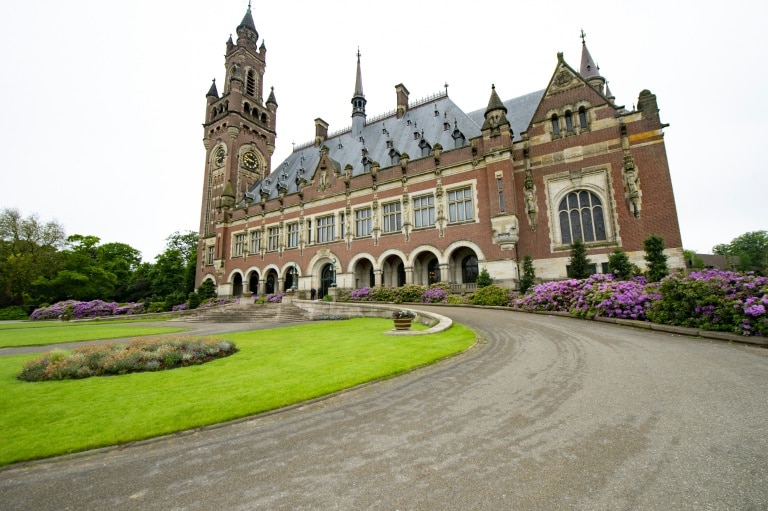
    Myanmar has formally rejected accusations of genocide against its Rohingya minority at the International Court of Justice (ICJ), labeling the claims as “unsubstantiated” and defending its 2017 military operations as necessary counter-terrorism measures. The case, initiated by The Gambia under the 1948 UN Genocide Convention, represents a critical legal challenge to Myanmar’s actions in Rakhine State.

    Ko Ko Hlaing, a minister in Myanmar’s presidential office, addressed the UN’s highest court in The Hague, arguing that the case must be decided on “proven facts” rather than emotional allegations. He asserted that Myanmar’s armed forces, the Tatmadaw, conducted “clearance operations” in response to coordinated attacks by Rohingya insurgents that killed security personnel, justifying the military response as legitimate national defense.

    The proceedings come after The Gambia’s legal team presented extensive evidence alleging systematic atrocities, including mass rape, indiscriminate killings, and torture, claiming these actions demonstrated “genocidal intent” against the Rohingya population. Approximately 1.17 million Rohingya refugees now reside in overcrowded camps in Bangladesh’s Cox’s Bazar district after fleeing the violence.

    While Myanmar expressed commitment to repatriating refugees from Bangladesh, the ICJ’s final ruling may take years. Although the court lacks enforcement mechanisms, a finding against Myanmar would carry significant political consequences and potentially establish legal precedents affecting other international cases, including those against Israel in Gaza.

    Parallel investigations into alleged Rohingya persecution are underway at the International Criminal Court and in Argentina under universal jurisdiction principles. The ICJ hearings conclude on January 29, after which judges will review victim testimony in closed sessions before deliberating on this landmark international law case.

  • New UAE age cut-offs: What it means for schools that start in April

    New UAE age cut-offs: What it means for schools that start in April

    The United Arab Emirates’ recently implemented age cut-off adjustment for school admissions has created distinct pathways for different educational systems operating within the country. While the revised policy permits children born between September and December to commence pre-kindergarten earlier beginning the 2026-27 academic year, this change exclusively benefits institutions following the September intake calendar.

    Indian curriculum schools, which constitute a significant portion of the UAE’s educational landscape, remain unaffected by these modifications. These institutions continue to operate according to their traditional April-March academic calendar, maintaining their longstanding March 31 age cut-off date. This continuity ensures that children born after this threshold will still enroll in the subsequent academic year, preserving the established admission framework.

    Educational authorities emphasize that this consistency is strategically intentional. Indian schools in the UAE mirror admission regulations prevalent in India, and any alteration to the cut-off system could potentially disrupt grade placement protocols, board examination requirements, and student transfers—particularly for families frequently moving between the two nations.

    Meena Menon, Primary Section Supervisor at Global Indian International School (GIIS), clarified that while the new policy offers flexibility for international curriculum schools, “nothing changes for them” regarding Indian curriculum institutions. This stability provides parents with clarity, consistency, and smoother educational transitions, enabling confident academic planning despite broader systemic evolution.

    For inter-school transfers, whether international or curriculum-based, placement decisions will continue to rely on the last successfully completed grade, with institutions following approved equivalency and assessment procedures to maintain educational continuity.

    Education leaders have welcomed the policy’s child-centered approach while acknowledging the practical necessities of maintaining parallel systems. Dr. Sharafudean Thanikatt, Principal of Crescent English High School, described the broader change as “a positive move toward child-centred education” that could reduce stress for both children and parents with appropriate early years support.

    Springdales School Dubai Principal David Jones noted that while the revision offers “welcome relief” for September-born children in international systems, Indian schools continue to provide parental guidance regarding long-term implications for senior board examinations where Indian age norms remain applicable.

  • Taiwan hails its ‘best’ trade deal with US, as China protests

    Taiwan hails its ‘best’ trade deal with US, as China protests

    Taiwanese Premier Cho Jung-tai has characterized the newly established US-Taiwan trade agreement as the most favorable tariff arrangement available to nations maintaining trade surpluses with Washington. This assessment emerged alongside strong condemnation from Chinese officials in Beijing regarding the bilateral pact.

    The groundbreaking agreement, negotiated following former President Donald Trump’s proposed sweeping tariffs on multiple US trading partners, reduces US tariffs on Taiwanese goods to 15% in exchange for substantial investments totaling $250 billion within the American technology sector. This tariff rate aligns with those previously extended to the European Union, Japan, and South Korea, representing a significant reduction from the initially proposed 32% rate that was later adjusted to 20%.

    Premier Cho emphasized the strategic importance of this development, stating: “This demonstrates that the US views Taiwan as an important strategic partner. Our objective has been to lower mutual tariffs, and according to negotiation outcomes, Taiwan has successfully secured 15% tariffs without additional fees.”

    The arrangement includes specific provisions benefiting multiple industries: automotive and wood furniture sectors receive the 15% tariff rate without supplementary charges, while certain aerospace components gain complete tariff exemption. Semiconductor producers investing in the United States will qualify for preferential tariff treatment, including exemptions.

    The agreement establishes an economic partnership framework that will facilitate the creation of world-class industrial parks across the United States, aimed at bolstering domestic manufacturing capabilities. The US Department of Commerce described the pact as “a historic trade deal that will drive a massive reshoring of America’s semiconductor sector.”

    China’s Foreign Ministry spokesperson Guo Jiakun expressed firm opposition to the agreement, reiterating Beijing’s position against any sovereign-implicating agreements between countries maintaining diplomatic relations with China and Taiwan, which China claims as its territory.

    The timing of the agreement coincides with Taiwan Semiconductor Manufacturing Company’s (TSMC) announcement of plans to increase capital spending by nearly 40% this year, following a 35% surge in quarterly net profit driven by artificial intelligence demand. TSMC has committed approximately $165 billion to US investments and is accelerating construction of new fabrication plants in Arizona.

    The agreement requires ratification by Taiwan’s parliament, where opposition lawmakers have raised concerns about potential impacts on the island’s domestic semiconductor industry. Despite these concerns and ongoing geopolitical tensions with China, Taiwan prioritized strengthening economic relations with the United States, according to trade expert Ryan Majerus, a former official in both Trump and Biden administrations.

  • Julio Iglesias denies sexual assault allegations

    Julio Iglesias denies sexual assault allegations

    Spanish music icon Julio Iglesias has publicly refuted serious allegations of sexual assault and human trafficking brought forward by two former employees. The 82-year-old recording artist, whose career spans decades with over 300 million records sold, issued a formal denial via Instagram following reports initially published by Spanish and U.S. media outlets.

    The accusations, currently under investigation by Spain’s national judiciary, originate from a domestic worker and physiotherapist who were employed at Iglesias’s Caribbean residences in the Bahamas and Dominican Republic during 2021. They allege they endured a coercive environment characterized by sexual harassment, restricted mobility, excessive working hours without breaks, and surveillance of personal communications.

    According to advocacy organizations Women’s Link Worldwide and Amnesty International, the complaint details potential crimes of human trafficking for forced labor and violations of sexual freedom. The women’s testimonies describe a pattern of abuse that included working up to 16-hour days without time off and having their movements controlled.

    In his response, Iglesias expressed profound sadness over the allegations, stating: ‘I deny having abused, coerced, or disrespected any woman. These accusations are absolutely false and deeply sadden me.’ He emphasized his commitment to defending his dignity and revealing what he characterizes as the complete truth.

    The case has drawn divided reactions, with some former associates defending Iglesias’s character while media investigations claim to have corroborating evidence including photographic documentation, communication records, and medical reports. The national court’s investigation continues as it examines crimes allegedly committed beyond Spanish borders.

  • Xinjiang official, famed as a ‘rural influencer’, dies after fall from horse

    Xinjiang official, famed as a ‘rural influencer’, dies after fall from horse

    The innovative government official He Jiaolong, whose social media prowess earned her nationwide recognition as a ‘rural influencer,’ has tragically passed away at age 47 following a horseback riding accident during official duties. The incident occurred on January 11th while she was filming preliminary segments for an agricultural e-commerce program in Bole city, located within Xinjiang’s Bortala Mongolian Autonomous Prefecture.

    According to official reports from Xinjiang Daily, He sustained severe head injuries from the fall and was immediately transported to a local medical facility. Despite coordinated efforts between regional health authorities and national specialists who conducted remote consultations, her condition remained critical. She was subsequently transferred to a hospital in Urumqi for intensive care but ultimately succumbed to her injuries on the evening of January 14th.

    He served as director of Xinjiang’s Agricultural Product Brand Development and Marketing Service Center, operating under the regional Department of Agriculture and Rural Affairs. She pioneered a novel approach to rural development by leveraging digital platforms to promote local agricultural specialties and tourism destinations. Her Douyin account amassed an impressive 6.4 million followers and 65 million likes across approximately 800 short videos.

    The official gained national prominence in 2020 while serving as deputy head of Zhaosu county in the Ili Kazak Autonomous Prefecture. Her innovative livestreaming sessions generated substantial economic benefits, including 14 million yuan ($2 million) in agricultural sales within just five months. A particularly memorable promotional video featuring her galloping across snowfields in a vibrant red cloak accumulated over 600 million views across multiple platforms.

    Beyond her commercial success, He maintained strict ethical standards, accepting no income beyond her government salary and directing all viewer donations to public welfare programs. Her work earned both regional and national honors, cementing her legacy as a transformative figure in rural development through digital innovation.

  • Education bolstered to meet strategic needs

    Education bolstered to meet strategic needs

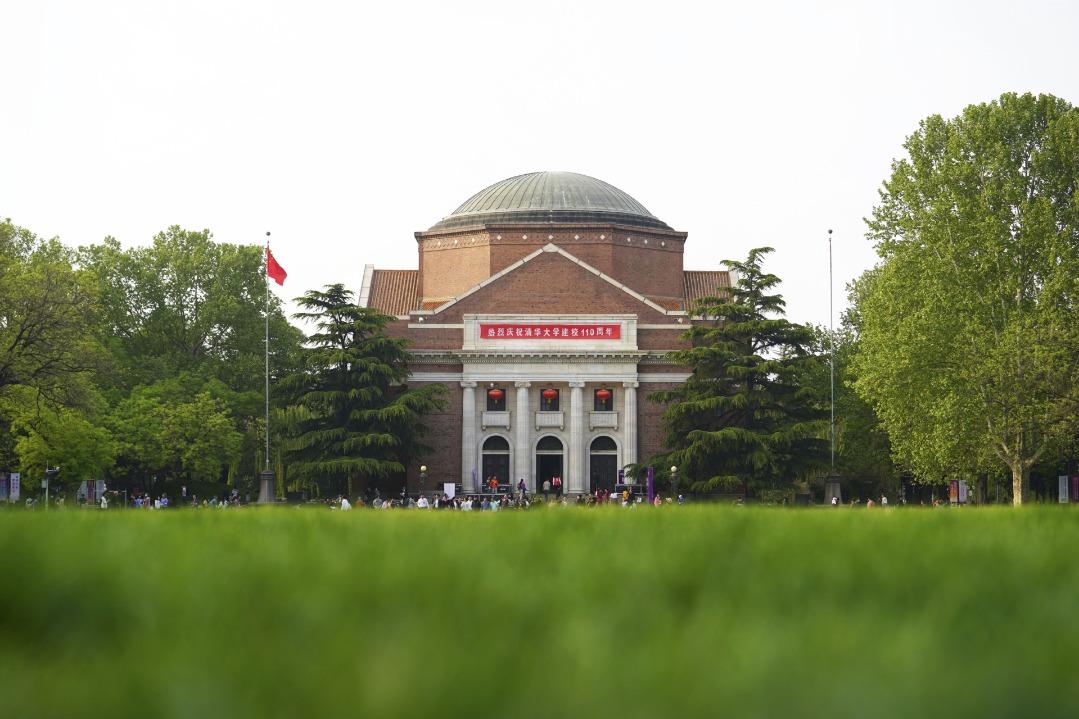
    China is poised to launch the third iteration of its ambitious ‘Double World-Class’ initiative in 2026, representing a significant evolution in the nation’s higher education strategy. This comprehensive program aims to cultivate world-class universities and academic disciplines that directly serve national strategic objectives and regional development priorities.

    The initiative, operating on five-year cycles with competitive selection mechanisms, completed its inaugural phase (2016-2020) with 137 participating institutions. The subsequent round expanded to 147 universities while eliminating the previous distinction between ‘world-class universities’ and ‘world-class disciplines’—a strategic move to reduce institutional hierarchy.

    According to education policy experts, the third phase introduces several critical innovations. Professor Gao Hang, Vice-Dean of Renmin University’s School of Education, emphasizes that this round will strengthen connections between academic institutions and industrial innovation ecosystems. ‘The fundamental objective is transforming universities into active contributors to national economic and technological advancement,’ Gao stated.

    The Ministry of Education reports that ‘Double World-Class’ institutions already produce over 50% of China’s master’s graduates, 80% of doctoral graduates, and 90% of urgently needed high-level professionals. The new phase will address previous challenges including excessive competition and talent poaching while providing additional support to populous provinces and central/western regions.

    Policy researchers Lan Wenting and Wu Ni from the China National Academy of Educational Sciences note that universities will be categorized into three distinct types: research-intensive, application-oriented, and vocational institutions. This classification system enables specialized development according to national requirements, with research universities focusing on breakthrough innovation, applied universities strengthening industry collaboration, and vocational institutions developing skilled professionals.

    The selection process is expected to include more specialized institutions in fields such as medicine, agriculture, and emerging technologies. The dynamic adjustment mechanism will continue, maintaining quality control through performance-based warnings and removals, though experts anticipate limited exclusions in the upcoming cycle.

    Scheduled for official release in 2027, the third-round list is expected to feature strategic expansion in fields critical to national security and technological independence, particularly emphasizing interdisciplinary collaboration and emerging academic domains.

  • New finding to help probe dark matter

    New finding to help probe dark matter

    In a historic breakthrough bridging decades of theoretical physics, Chinese researchers have achieved the first experimental confirmation of the Migdal effect—a discovery with transformative implications for detecting dark matter, the invisible substance constituting approximately 85% of the universe’s mass.

    The landmark findings, published in Nature, validate a 1939 prediction by Soviet physicist Arkady Migdal, who theorized that a nuclear recoil event—such as a collision with a dark matter particle—could produce a rapid shift in the atom’s electric field, ejecting an orbiting electron. For nearly 90 years, this phenomenon remained experimentally unverified due to its minuscule scale and susceptibility to background interference from cosmic radiation.

    To overcome these challenges, a multidisciplinary team led by the University of Chinese Academy of Sciences engineered a specialized high-precision gas detector integrated with custom microchip technology—essentially an “atomic camera” capable of tracking individual atomic trajectories and electron emissions.

    After bombarding gas molecules with neutrons and analyzing over 800,000 candidate events, researchers identified six unambiguous signals exhibiting the Migdal effect’s distinctive signature: dual particle tracks emanating from identical points—one from the recoiling nucleus and another from the ejected electron. The results achieved five-sigma statistical confidence, particle physics’ gold standard for discovery.

    Professor Yu Haibo of UC Riverside noted: “Direct observation of the Migdal effect has been a longstanding experimental challenge. Multiple international teams attempted detection without success. This breakthrough is genuinely exciting.”

    The discovery arrives as physicists pivot from searching for heavy dark matter particles (WIMPs) toward lighter alternatives. Traditional detectors struggle to register faint nuclear recoils from lightweight particles, but the Migdal effect effectively converts these imperceptible events into measurable electronic signals.

    “By capturing the ejected electron’s full energy, our detector theoretically achieves 100% efficiency,” explained co-leader Professor Zheng Yangheng. “This work solidifies the Migdal effect’s theoretical foundation and provides crucial experimental validation.”

    Looking ahead, the team plans to optimize detector performance and study the effect across different materials. Professor Liu Qian revealed: “Extending observations to other elements will provide essential data for detecting even lighter dark matter particles.” Professor Liu Jianglai, lead scientist of China’s PandaX experiment, emphasized this represents “a crucial first step” toward practical dark matter detection applications.

  • New guideline focuses on addressing everyday climate-linked health risks

    New guideline focuses on addressing everyday climate-linked health risks

    China has launched a groundbreaking national initiative to transform how the nation addresses climate-related health challenges through a newly released comprehensive guideline. The multi-departmental framework, developed jointly by the China Meteorological Administration, Ministry of Civil Affairs, and Ministry of Culture and Tourism among seven government bodies, represents a paradigm shift in proactive health management by integrating meteorological data with healthcare delivery systems.

    The strategic document specifically targets pervasive climate-health concerns including seasonal pollen allergies affecting approximately 250 million citizens with allergic rhinitis, joint pain exacerbated by cold waves, and weather-aggravated chronic conditions. This initiative responds to documented increases in allergy-related medical treatments throughout northern China, where recent seasons have witnessed earlier onset and intensified symptoms compared to historical patterns.

    Municipal authorities have already implemented countermeasures such as strategic tree trimming, frequent ground moistening, and specialized park maintenance—including triple-daily washing of cypress trees in Beijing’s green spaces to mitigate pollen dispersion. The guideline formalizes these efforts while mandating the development of innovative insurance products incorporating meteorological indicators including heat indexes, cold spells, pollen concentration metrics, and influenza trends.

    Elderly populations receive particular emphasis within the new framework due to heightened vulnerability to climatic conditions. The policy requires local authorities to publish specialized climate health advisories for seniors and implement tailored support mechanisms for nursing institutions and isolated elderly residents. Pilot programs will integrate meteorological healthcare with elderly services, exercise regimens, and tourism opportunities to address aging population challenges.

    The administration will conduct nationwide assessments to create a unified climate health resource map, identifying regional advantages for developing specialized health programs. These include dry climate recuperation initiatives in northwestern regions and forest-based therapy programs in the southwest for chronic disease management.

    Further innovations include integrating meteorological services with tourism offerings and traditional Chinese medicine practices, while developing climate livability assessments to transform favorable weather conditions into regional economic advantages. This comprehensive approach positions China at the forefront of climate-health integration, turning environmental factors into measurable health benefits.