博客

  • US would need more firepower to launch large-scale strike against Iran: media

    US would need more firepower to launch large-scale strike against Iran: media

    Senior military advisers have reportedly informed President Donald Trump that the United States lacks sufficient military assets in the Middle East to execute a comprehensive offensive against Iran, according to exclusive reporting from The Wall Street Journal. The assessment, delivered to the White House this week, indicates that significant additional firepower would be required to protect American personnel and regional allies, particularly Israel, from potential Iranian retaliation.

    The strategic briefing highlighted the complex calculations facing the administration. Military experts and Middle Eastern partners warned that an extensive bombing campaign would likely fail to destabilize the Iranian government while potentially triggering broader regional conflict. Conversely, limited tactical strikes—while potentially boosting morale among Iranian protesters—would have minimal impact on the regime’s security apparatus and its harsh response to domestic unrest.

    Despite these warnings, officials confirmed that President Trump has directed military planners to position resources for potential large-scale operations, though no final decision has been made. White House Press Secretary Karoline Leavitt maintained that “all options remain on the table” during Thursday’s press briefing.

    The administration faces mounting diplomatic pressure to exercise restraint. Israeli Prime Minister Benjamin Netanyahu reportedly urged President Trump during a Wednesday conversation to postpone any military action against Iran. Regional allies including Türkiye, Qatar, and Saudi Arabia have similarly counseled against military escalation.

    Diplomatic channels reveal heightened tensions, with Iranian officials allegedly warning governments across the region through intermediaries that any American attack would prompt retaliatory strikes against U.S. bases. The warnings were reportedly delivered to officials in Türkiye, Qatar, the United Arab Emirates, and Oman.

    The current crisis stems from widespread protests that began in Iranian cities in late December. What originated as peaceful demonstrations has evolved into violent confrontations resulting in casualties and significant damage to public infrastructure, including mosques, government buildings, and financial institutions. Iranian authorities have consistently blamed the United States and Israel for instigating the unrest.
  • KT must-reads: A dog rescue, planned Indian flight disruptions, and a horrific tragedy

    KT must-reads: A dog rescue, planned Indian flight disruptions, and a horrific tragedy

    In a reflective editorial piece, Khaleej Times Chief Content Officer Ted Kemp outlined the complex ethical landscape modern news organizations navigate, using three recent stories from the UAE as illustrative examples.

    The publication recently covered a heartwarming animal rescue operation after Pakistani expat Muhammad Zohaib spotted a stranded husky from his 50th-floor Sharjah residence. This initiated a coordinated effort involving digital journalist Laraib Anwer, animal rescuers, and dragon boat racers who successfully saved the dog named Meli from an uninhabited island and reunited it with its owners.

    Conversely, the newspaper reported on practical concerns affecting the UAE’s substantial Indian community. Indira Gandhi International Airport will implement enhanced security measures for Republic Day celebrations later this month, resulting in 2.5-hour daily flight disruptions throughout much of January. This coverage demonstrates the newspaper’s commitment to serving the informational needs of the UAE’s diverse expatriate populations.

    Most significantly, the editorial addressed the publication’s ethical stance regarding a tragic automobile accident in Abu Dhabi that claimed the lives of four siblings. While some media outlets and social media platforms circulated images of the minor victims, Khaleej Times maintained a firm policy against publishing photos of minors without familial consent, honoring the grieving family’s specific request despite the story’s widespread circulation elsewhere.

    This comprehensive approach reflects the newspaper’s operational philosophy: celebrating positive developments, providing practical information to communities, and maintaining ethical boundaries even when competitors choose different paths.

  • Australian Open 2026: Nick Kyrgios says Alex de Minaur has ‘all the tools’ to win slams

    Australian Open 2026: Nick Kyrgios says Alex de Minaur has ‘all the tools’ to win slams

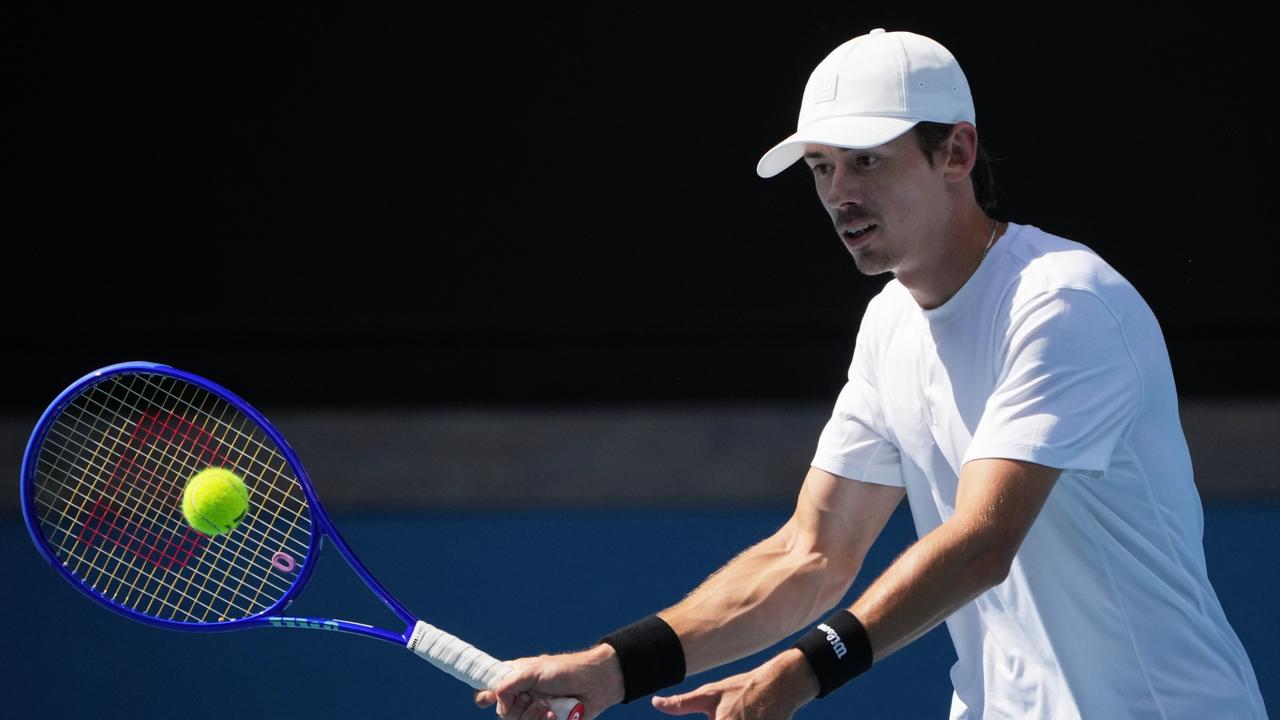
    Australian tennis icon Nick Kyrgios has publicly endorsed compatriot Alex de Minaur as a future Grand Slam champion, though he acknowledges the world No. 6 faces a formidable path through the Australian Open draw. Kyrgios, who is skipping singles competition to focus on doubles with partner Thanasi Kokkinakis, made these observations following his participation in Red Bull’s ‘Bass Line’ exhibition event on Friday.

    De Minaur’s championship aspirations face immediate challenges, beginning with a first-round matchup against former Wimbledon finalist Matteo Berrettini. The draw potentially sets up a subsequent encounter with Spanish sensation Carlos Alcaraz, creating what Kyrgios described as a ‘brutal’ competitive landscape.

    Kyrgios expressed particular concern about Berrettini’s current physical condition, noting the Italian’s limited participation in recent exhibition matches. ‘Depending on what Berrettini’s physicality is like at the moment, he couldn’t even compete tonight,’ Kyrgios observed.

    Despite the daunting draw, Kyrgios maintains confidence in de Minaur’s capabilities. ‘He’s one of the best players in the world and he’s flying that Aussie flag from the front,’ Kyrgios stated. ‘I think he’s going to be fine.’

    The analysis acknowledges that de Minaur maintains a perfect record against lower-ranked opponents at his home Grand Slam. However, Kyrgios realistically assessed that a deep tournament run might require early exits from either Alcaraz or current form player Jannik Sinner.

    ‘Beating them both is unlikely but beating one is possible I think,’ Kyrgios commented. ‘The stars need to align for any tournament, luck plays a big part, we play a sport that’s fine margins.’

    Kyrgios concluded with strong national pride, emphasizing that de Minaur’s success would represent a significant achievement for Australian tennis, while acknowledging the narrow margins that often determine outcomes in elite tennis competition.

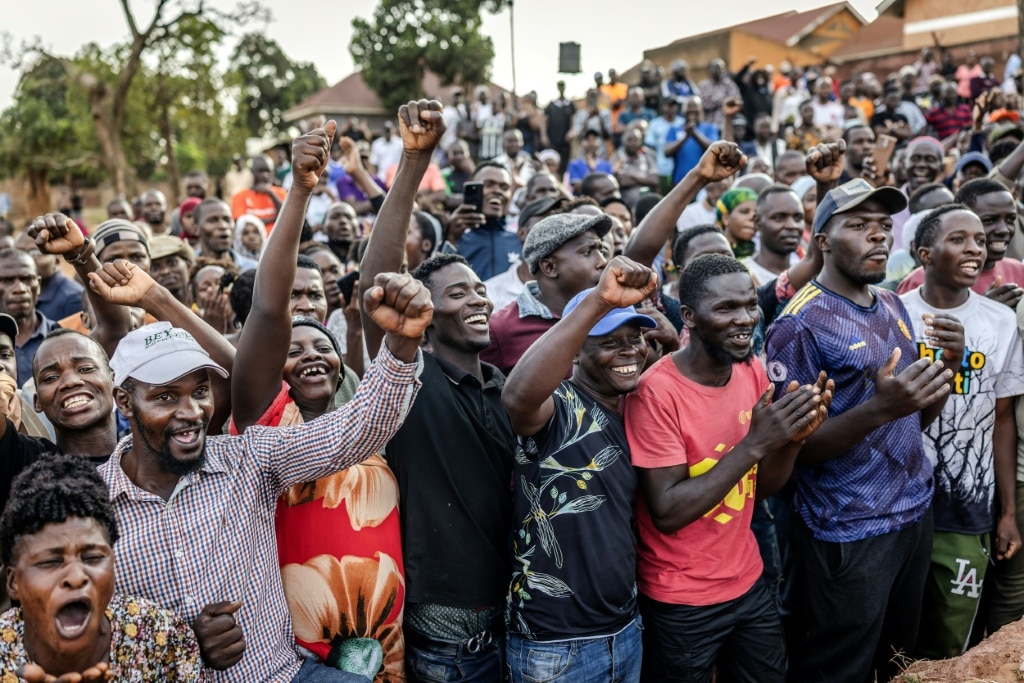
  • Uganda counting votes amid reports of violence

    Uganda counting votes amid reports of violence

    Uganda’s presidential election concluded under a cloud of violence and suppression as long-serving President Yoweri Museveni appears poised to extend his four-decade rule. The electoral process, characterized by heavy military presence and nationwide internet blackout, has drawn international condemnation amid opposition allegations of systematic repression.

    Opposition leader Bobi Wine (Robert Kyagulanyi) remains effectively under house arrest according to his National Unity Platform party, with military and police forces surrounding his residence. The 43-year-old former musician turned politician represents the most significant challenge to Museveni’s regime in recent years, styling himself as the ‘ghetto president’ representative of Kampala’s marginalized communities.

    The most disturbing incident emerged from Butambala, where parliament member Muwanga Kivumbi reported security forces stormed his home, resulting in ten fatalities among campaign agents who had sought refuge. His wife, law professor Zahara Nampewo, described how security personnel fired through garage doors where the victims had hidden. Authorities provided a conflicting narrative, claiming the operation prevented opposition supporters from burning down polling stations.

    With approximately 60% of votes counted, Uganda’s Electoral Commission places Museveni at 75.4% against Wine’s 20.7%, though opposition leaders have dismissed these figures as manipulated. The election process encountered significant technical difficulties, including malfunctioning biometric verification systems and delayed ballot deliveries across multiple regions.

    International observers, including the United Nations human rights office, had previously warned that the electoral environment was tainted by widespread intimidation tactics against opposition elements. The government’s internet shutdown, implemented Tuesday, remains in effect, further complicating independent verification of alleged electoral misconduct.

  • Sharks are famous for fearsome teeth, but ocean acidification could make them weaker

    Sharks are famous for fearsome teeth, but ocean acidification could make them weaker

    PORTLAND, Maine (AP) — The formidable dental arsenal that has secured sharks’ position as apex ocean predators for millions of years faces an unexpected threat from changing marine chemistry. A groundbreaking study conducted by German marine researchers reveals that ocean acidification—directly linked to human fossil fuel consumption—is progressively weakening shark tooth structure, potentially compromising their hunting efficiency and ecological dominance.

    The research team from Heinrich Heine University Düsseldorf, led by marine biologist Maximilian Baum, discovered that increasingly acidic ocean conditions cause significant corrosion damage to shark teeth, including structural cracks, root deterioration, and surface pitting. Their findings, published in Frontiers in Marine Science, demonstrate that teeth exposed to water with acidity levels projected for year 2300 (nearly ten times current acidity) showed substantially more damage compared to those in present-day conditions.

    This dental degradation represents an additional environmental pressure for sharks already confronting overfishing, habitat pollution, and climate change impacts. While sharks won’t become toothless overnight, the cumulative effect could gradually diminish their predatory effectiveness. Baum emphasized that ‘their whole ecological success in the ocean as rulers of other populations could be in danger’ if tooth integrity continues to decline.

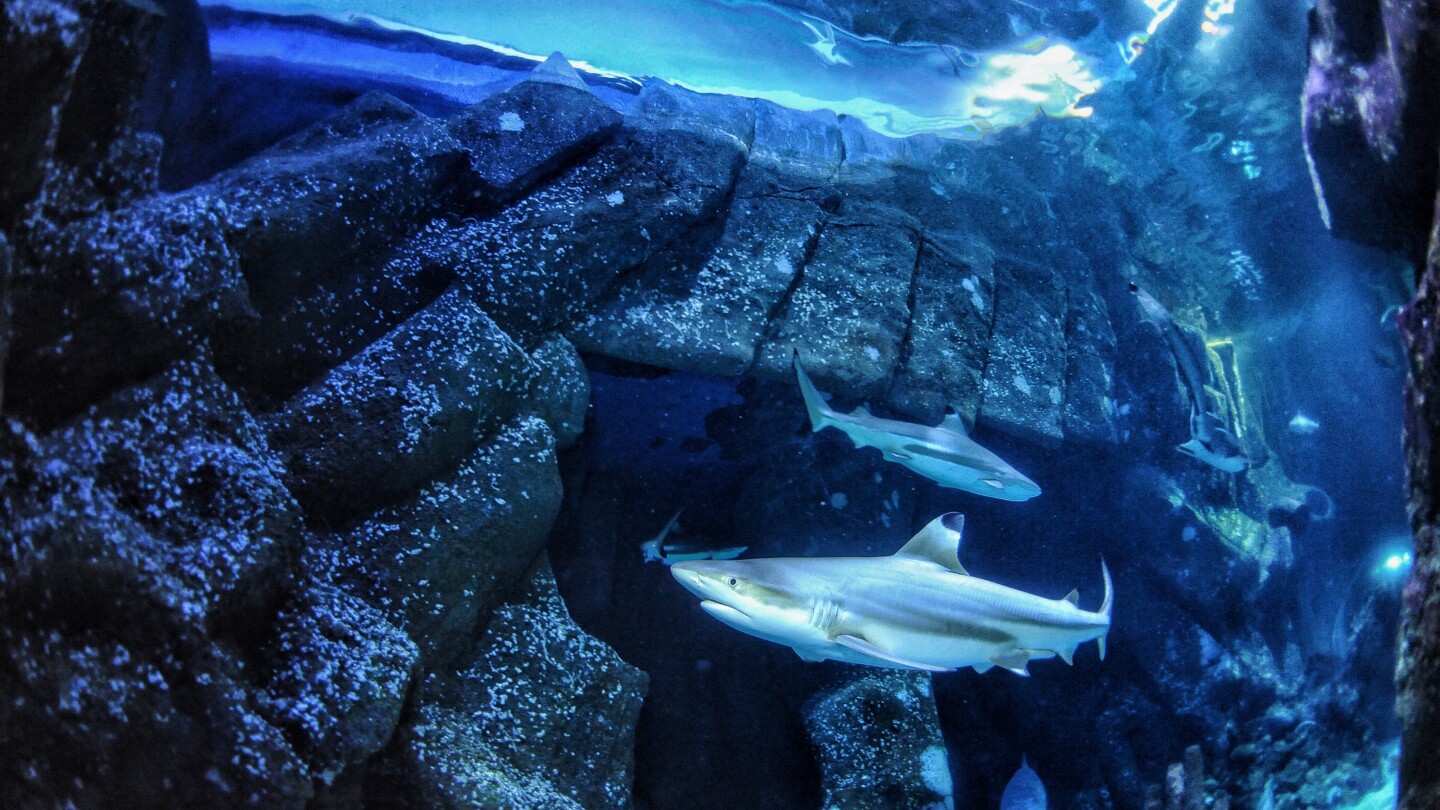
    The study examined over 600 discarded teeth from blacktip reef sharks (Carcharhinus melanopterus), a species inhabiting Pacific and Indian Ocean regions. Scientists note that shark teeth—highly specialized tools evolved for slicing flesh rather than resisting chemical corrosion—undergo constant replacement throughout a shark’s lifetime.

    Independent experts including Nick Whitney of New England Aquarium’s Anderson Cabot Center acknowledge the study’s scientific validity while noting sharks’ evolutionary resilience. ‘They’ve been around for 400 million years and have adapted to changing conditions,’ Whitney observed, suggesting that protective mouth tissue might temporarily shield developing teeth from acidification effects.

    However, Gavin Naylor of the Florida Program for Shark Research cautions that ocean acidification’s impacts extend beyond sharks, particularly affecting shell-forming organisms and fish scale integrity. While overfishing remains the most immediate threat to shark populations, acidification introduces complex ecological changes that could ultimately reshape marine food webs and predator-prey relationships across ocean ecosystems.

  • Hundreds of firefighters tackle blaze in slum area of South Korea’s Gangnam district

    Hundreds of firefighters tackle blaze in slum area of South Korea’s Gangnam district

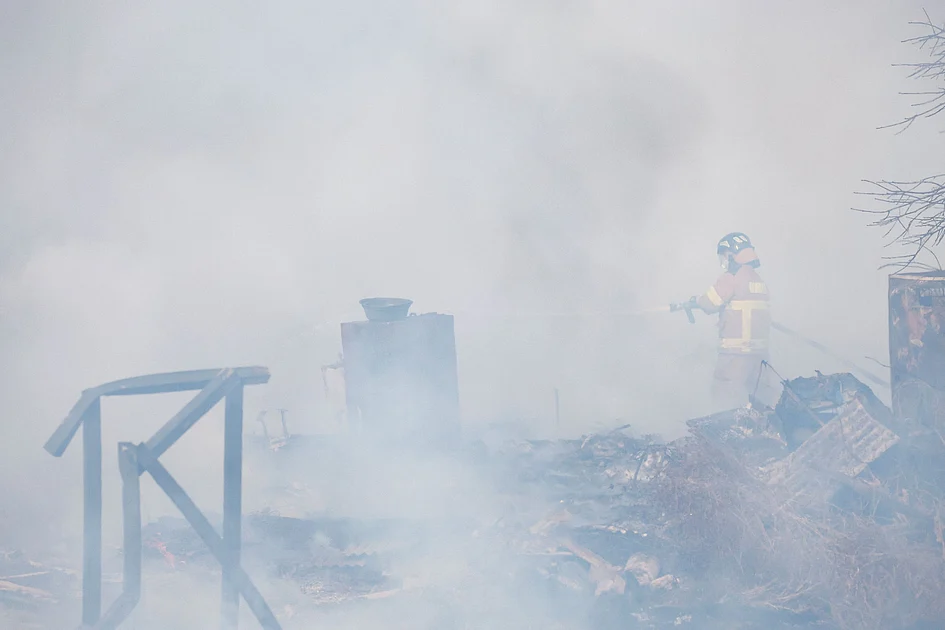
    A significant fire engulfed Guryong Village, an impoverished enclave within Seoul’s affluent Gangnam district, early Friday morning, prompting a massive emergency response. Approximately 300 firefighters mobilized to combat the blaze that broke out around 5:10 AM local time (2010 GMT Thursday), with authorities subsequently elevating the fire alert to the second-highest level amid concerns the flames could spread to adjacent mountainous terrain.

    Fire and disaster officials confirmed the evacuation of 47 residents from the affected area, with no immediate reports of casualties. Yonhap News Agency indicated approximately 110 individuals were residing in the fire-impacted zone. Emergency efforts faced substantial challenges as dense haze and fine dust pollution prevented the deployment of firefighting helicopters, forcing crews to rely solely on ground operations with 85 fire trucks.

    Elderly residents, many wearing protective masks, were witnessed fleeing their homes as thick black smoke billowed over the neighborhood. Kim Ok-im, a 69-year-old longtime resident, described waking to a neighbor’s alert and discovering rapidly spreading flames. ‘A few years ago, a flood swept everything away, and now it feels like fire will take the rest,’ she expressed, voicing concerns about potential homelessness.

    South Korean Safety Minister Yun Ho-jung directed officials to deploy all available personnel and equipment prioritizing life rescue and fire containment operations. The incident highlights the persistent vulnerabilities of Guryong Village, often described as Seoul’s largest remaining shantytown. This informal settlement emerged decades ago when families displaced by public works projects—including preparations for the 1986 Asian Games and 1988 Seoul Olympics—established unauthorized dwellings on Gangnam’s periphery.

    The area’s structural characteristics contribute significantly to fire risks, with makeshift homes densely packed and constructed from highly combustible materials including vinyl sheets, plywood, and Styrofoam. These vulnerabilities were previously documented in fire department assessments following a 2023 blaze. While most residents have relocated ahead of planned redevelopment into high-rise residential complexes, approximately 336 households remained in the village according to Gangnam District urban planning authorities.

  • US experts warn of economic and social fallout from Trump’s immigration policies

    US experts warn of economic and social fallout from Trump’s immigration policies

    WASHINGTON—A comprehensive analysis presented at a Brookings Institution seminar has revealed profound economic and social consequences stemming from the Trump administration’s aggressive immigration policies. Experts from multiple research institutions detailed how sweeping restrictions implemented throughout 2025 have triggered the first net migration decline in over half a century, with far-reaching implications for the nation’s labor market and community stability.

    According to David Bier, Director of Immigration Studies at the Cato Institute, the administration’s approach has paradoxically created more undocumented immigrants by terminating legal statuses at a rate exceeding actual deportations. “The cancellation of parole programs, near-complete termination of refugee admissions, and the exclusion of approximately 20% of legal immigrants from abroad represent unprecedented restrictions,” Bier explained, noting that administrative backlogs and frequent policy changes have further crippled processing systems.

    The economic impact has been particularly severe. Wendy Edelberg, Senior Fellow in Economic Studies at Brookings, projected that the swing from strong positive net migration in 2024 to negative figures in 2025 represents a dramatic contraction in labor supply. This reversal has forced downward revisions in employment growth projections to approximately 30,000 jobs monthly by year’s end 2025, with potential negative growth looming in 2026 despite low unemployment rates.

    Consumer spending has suffered significantly, with Edelberg estimating reductions between $40-$60 billion in 2025 alone, plus an additional $10-$40 billion through 2026, attributing substantial portions of retail revenue declines to diminished immigrant spending power.

    The statistical evidence underscores these concerns. Pew Research Center data indicates the U.S. foreign-born population dropped from 53.3 million to 51.9 million between January and June 2025—a 2.6% decline representing the most significant reduction in decades.

    Policy implementation has been remarkably aggressive, with Kristie De Pena of the Niskanen Center noting the administration took over 500 immigration actions in its first year, including 38 executive orders comprising 17% of all orders signed. This executive dominance has occurred alongside minimal congressional involvement, creating what experts describe as an unusually unilateral approach to immigration overhaul.

    The latest development came Wednesday with the indefinite suspension of immigrant visa processing for applicants from 75 countries, effective January 21. The State Department cited concerns about potential welfare dependency among migrants from targeted nations including Brazil, Iran, Russia, Somalia, and Haiti.

    Enforcement measures have provoked substantial local resistance. Los Angeles County unanimously established “ICE-free zones” prohibiting federal agents from using county property for raids without permits. This response follows reports of escalating ICE operations, with daily arrests rising from 350 in January 2025 to over 500 by August—many involving non-criminal individuals.

    Meanwhile, Minneapolis continues to experience escalating protests triggered by recent ICE raids that residents perceive as excessively aggressive, reflecting growing national tension over immigration enforcement methodologies.

  • US accuses South Africa military of ‘cosying up to Iran’

    US accuses South Africa military of ‘cosying up to Iran’

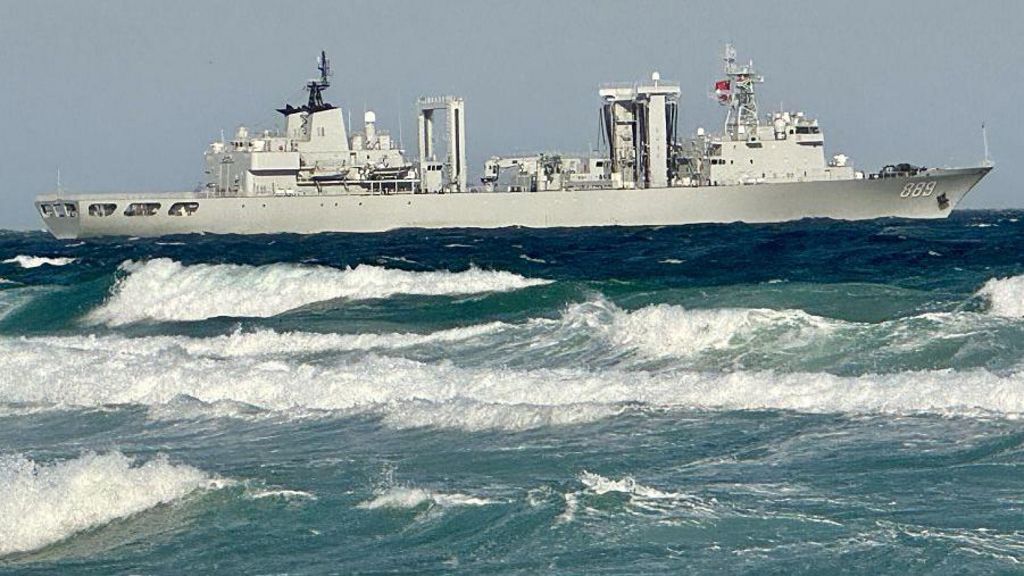
    A significant diplomatic rift has emerged between the United States and South Africa following allegations that the South African defense establishment disregarded direct governmental instructions to expel Iranian warships participating in naval exercises in its territorial waters. The U.S. Embassy in Pretoria issued a sharply critical statement, asserting that South Africa’s military leadership had defied orders from President Cyril Ramaphosa’s administration to request the departure of the Iranian vessels. The statement condemned South Africa’s engagement with Iran, particularly during a period of severe internal repression within the Middle Eastern nation, labeling the partnership ‘unconscionable’ and a threat to regional maritime security.

    The week-long ‘Peace Resolve’ naval drills, orchestrated by China and involving members of the expanded BRICS+ alliance—including Russia, Iran, and other nations—commenced last Friday. This military exercise represents a strategic initiative by the coalition of major developing economies to counterbalance Western geopolitical and economic dominance. The controversy erupted when reports indicated that Iranian ships had already docked in Cape Town as the purported order for their turnaround was issued.

    In response to the U.S. accusations, South Africa’s Defense Ministry announced it would launch a formal inquiry to investigate these ‘serious allegations.’ Defense Minister Angie Motshekga’s office, however, stated that the president’s directives had been ‘clearly communicated to all parties concerned, agreed upon, and to be implemented.’

    Analysts like University of Witwatersrand Associate Professor William Gumede highlighted the perceived hypocrisy, noting the African National Congress (ANC) government’s silence on Iran’s human rights abuses despite its frequent critiques of other regimes. The U.S. statement further drew parallels between Iran’s suppression of protests and the democratic freedoms for which South Africans historically fought, intensifying the diplomatic friction.

  • Man accused of murdering woman and toddler in Munich car attack goes on trial

    Man accused of murdering woman and toddler in Munich car attack goes on trial

    A high-profile trial commenced in Munich on Friday against Farhad N, a 25-year-old Afghan national accused of deliberately driving his car into a trade union demonstration in February 2025, resulting in two fatalities and dozens of injuries. The defendant, identified only by first name and initial in compliance with German privacy statutes, faces charges for what prosecutors describe as a religiously motivated attack.

    Federal prosecutors presented evidence indicating Farhad N acted out of “excessive religious motivation,” believing himself obligated to target randomly selected Germans in retaliation for perceived Muslim suffering in Islamic nations. According to investigative reports, the defendant shouted “Allahu Akbar” (God is greatest) and engaged in prayer immediately following the incident.

    The victims included 37-year-old Amel, an engineer of Algerian descent who had resided in Germany since childhood, and her two-year-old daughter Hafsa. Both succumbed to their injuries shortly after being struck by the defendant’s BMW Mini. Among the 44 additional casualties, several sustained critical wounds requiring extensive medical treatment.

    The demonstration involved approximately 1,400 municipal workers—including hospital staff and daycare employees—advocating for improved wage conditions. The trial location sits merely hundreds of meters from the actual attack site, creating a somber atmosphere throughout proceedings.

    Despite evidence of Farhad N consuming online extremist content, authorities confirm no established connections to formal jihadist organizations like Islamic State. The defendant arrived in Germany as an unaccompanied minor in 2016 during the peak of Europe’s migrant crisis, which saw over one million asylum seekers enter the country. Although his asylum application was ultimately rejected, deportation measures were not implemented, granting him temporary residency status in Munich.

    Records indicate Farhad N maintained legal employment as a security guard under valid work permits and had no prior criminal convictions. His Instagram activity revealed interests in bodybuilding alongside religious themes. The trial is projected to extend through June, with the defendant’s legal counsel declining to comment on either the allegations or personal circumstances.

  • ‘Greatest ever assembled’: Trump announces ‘board of peace’ formed for Gaza

    ‘Greatest ever assembled’: Trump announces ‘board of peace’ formed for Gaza

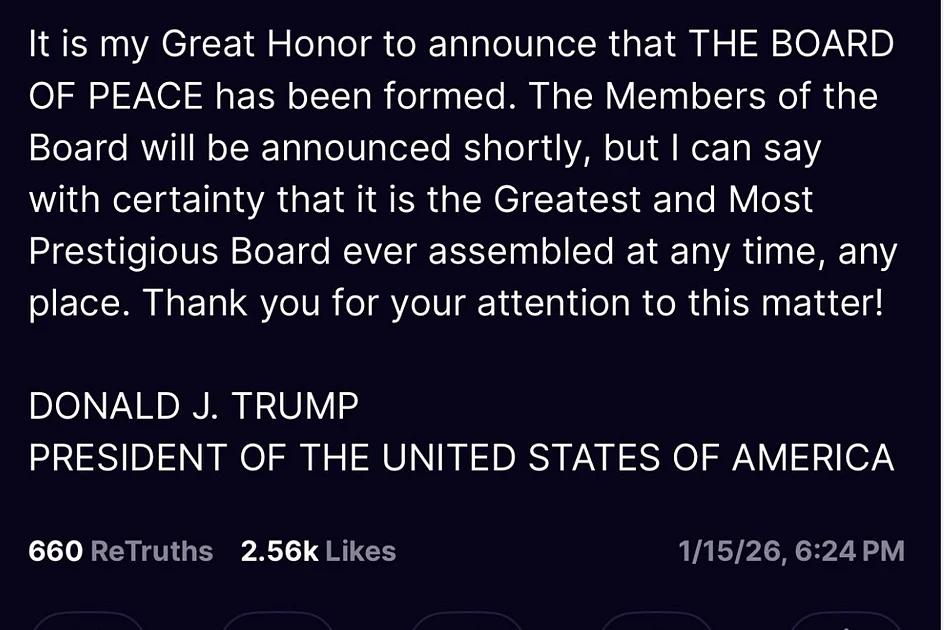
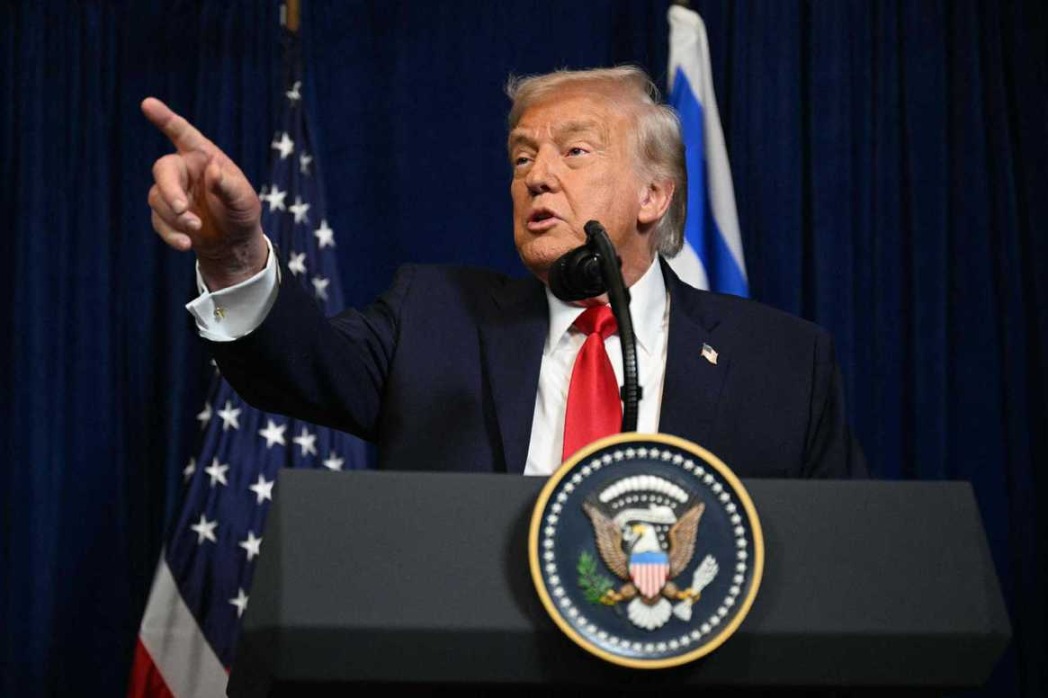
    In a significant development toward implementing the US-backed Gaza peace initiative, former President Donald Trump has proclaimed the establishment of a high-level “Board of Peace” to oversee post-conflict governance in the Palestinian territory. The announcement came via Trump’s Truth Social platform on Thursday, where he characterized the newly formed body as “the greatest and most prestigious board ever assembled at any time, any place.”

    This diplomatic move follows the recent creation of a 15-member Palestinian technocratic committee tasked with managing Gaza’s daily administrative functions following the recent cessation of hostilities. The committee will operate under the direct supervision of the Peace Board, which Trump revealed he will personally chair.

    The comprehensive peace framework, which initially took effect on October 10, 2025, previously facilitated the release of all Hamas-held hostages and established a ceasefire between the militant organization and Israeli forces. The current second phase involves deploying an International Stabilization Force to provide security assistance and train vetted Palestinian police units.

    However, the transition remains fraught with challenges. Gaza’s Hamas-run health ministry reports ongoing casualties, alleging Israeli forces have killed 451 people since the ceasefire nominally began. Palestinian leadership continues to emphasize the critical need for complete Israeli military withdrawal from Gaza—a stipulated but not yet scheduled component of the agreement.

    Meanwhile, Hamas has conspicuously avoided committing to full disarmament, which Israel considers non-negotiable. Trump’s special envoy, Steve Witkoff, emphasized Washington’s expectation that Hamas must “comply fully with its obligations” in a social media post that Trump subsequently endorsed.

    In a parallel development, Hamas is preparing internal elections to reconstitute its leadership structure, significantly diminished by Israeli operations during the conflict. These elections are anticipated in early 2026, according to statements from Hamas officials.

    Trump expressed confidence in achieving comprehensive demilitarization agreements with Hamas through multilateral cooperation with Egypt, Turkey, and Qatar, specifically mentioning the surrender of all weapons and dismantling of tunnel networks.