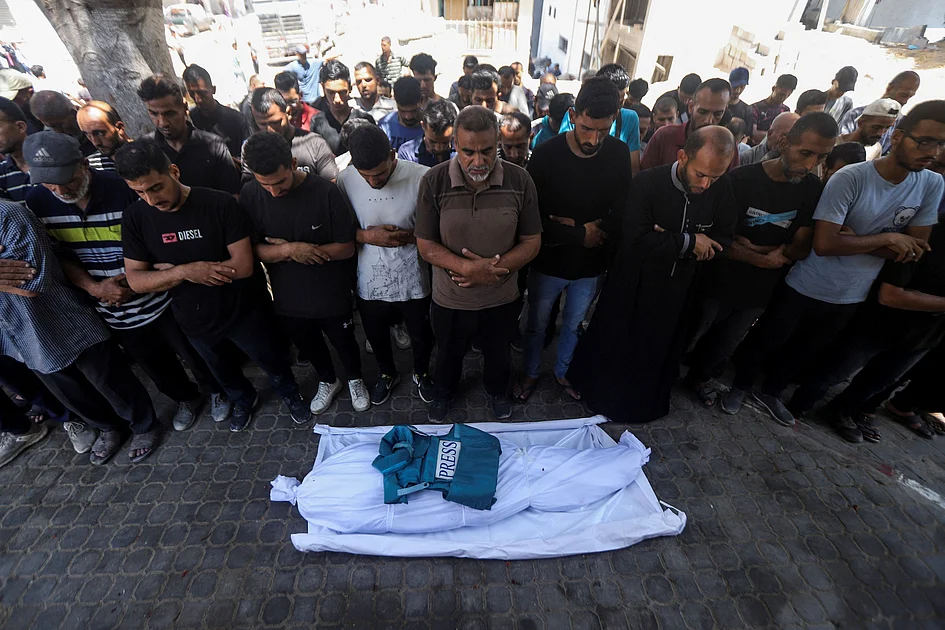
Israel’s Supreme Court is poised to deliberate on a significant petition filed by the Foreign Press Association (FPA), which advocates for independent media access to Gaza. The hearing, scheduled for Thursday, marks a pivotal moment in the ongoing struggle for press freedom in the region. Since the onset of the Gaza conflict in October 2023, Israeli authorities have imposed stringent restrictions, barring foreign journalists from entering the war-torn territory, except for a select few who are allowed under tightly controlled conditions. The FPA, representing hundreds of international journalists, has been persistently lobbying for unrestricted access to Gaza, emphasizing the critical need for comprehensive and unbiased coverage of the conflict. Tania Kraemer, the FPA chairperson, expressed optimism about the court hearing, stating, ‘We are pleased to finally have our day in court and hope the justices will swiftly approve our request to enter Gaza.’ The petition has garnered support from media watchdog Reporters Without Borders (RSF), which has highlighted the severe implications of Israel’s media blockade. Antoine Bernard, RSF’s director for advocacy and assistance, underscored the gravity of the situation, noting that over 210 Palestinian journalists have been killed in Gaza since the war began. ‘The result is an unprecedented violation of press freedom and the public’s right to reliable, independent, and pluralistic media reporting,’ Bernard remarked. He urged the Supreme Court to uphold democratic principles and end the systematic suppression of journalism in Gaza. The hearing comes amid a backdrop of international efforts to broker peace, including a ceasefire declared by Israel on October 10, as part of a broader plan to de-escalate the conflict.
博客
-
Former teacher accused of further 90 sex abuse charges
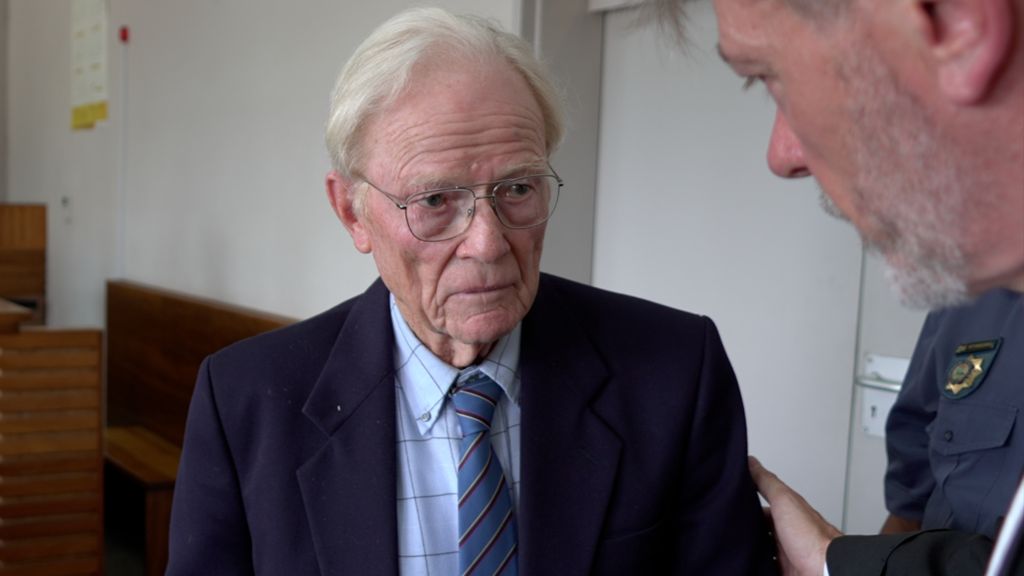
Iain Wares, an 86-year-old former teacher accused of historical sex abuse in Scotland, has been arrested in Cape Town, South Africa, on an additional 90 charges. Wares, who taught at Edinburgh Academy and Fettes College in the 1960s and 70s, is alleged to have abused scores of former pupils, including BBC presenter Nicky Campbell. Last August, the Cape Town High Court ruled that Wares could be extradited to Scotland to face three charges, but the process was delayed as UK authorities sought to submit further charges. The new charges stem from allegations by 65 individuals who claim they were sexually and physically abused by Wares in Scotland. Victims have accused the schools of failing to report complaints, allowing Wares to relocate to South Africa in 1979, where he continued teaching until his retirement in 2006. Wares was initially arrested in May 2019 on seven charges, and he also faces a separate trial in Cape Town following allegations by a former South African student. He has been granted bail, with a hearing scheduled for November 20. Barry Welsh, the current rector of Edinburgh Academy, emphasized the school’s commitment to addressing past wrongs and supporting former pupils. The case remains under the jurisdiction of legal authorities in both South Africa and Scotland.
-
Brazilian President Lula announces reelection bid for fourth nonconsecutive term
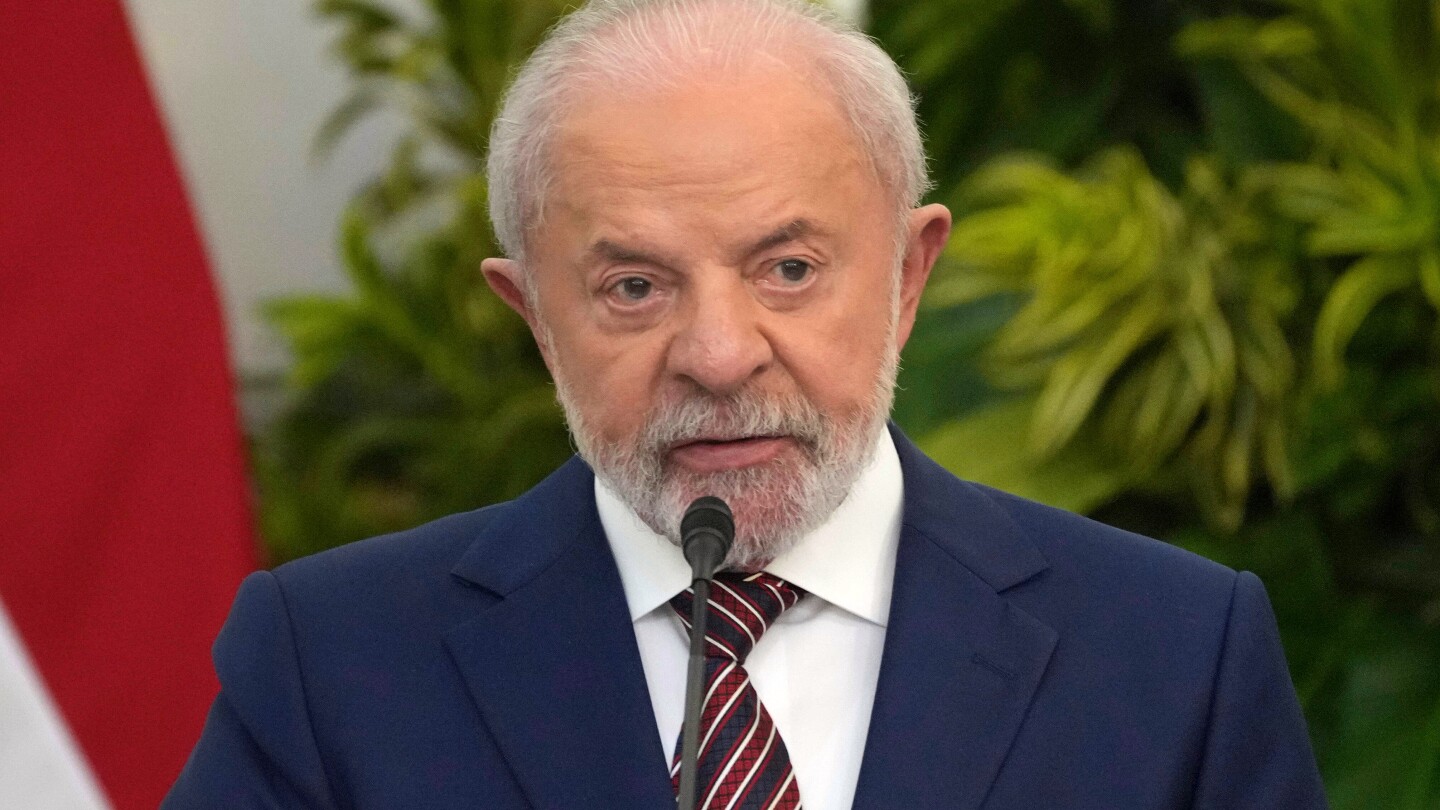
Brazilian President Luiz Inácio Lula da Silva has declared his intention to seek a fourth nonconsecutive term in the 2026 presidential election, despite concerns about his age and health. Speaking during his official visit to Indonesia, the 79-year-old leader confidently stated, ‘I’m turning 80, but you can be sure I have the same energy I had when I was 30. And I’m going to run for a fourth term in Brazil.’ Lula’s announcement comes as he embarks on a diplomatic tour across Asia, including a visit to Malaysia for the Association of Southeast Asian Nations (ASEAN) summit, where he is expected to meet U.S. President Donald Trump for the first time. The two leaders are anticipated to discuss trade tensions, particularly the 50% tariff imposed by Trump on Brazilian goods. Lula, a dominant figure in Brazilian politics and the country’s longest-serving president since its return to democracy 40 years ago, returned to power in 2023 after defeating Jair Bolsonaro in a closely contested election. Although he previously hinted that his third term would be his last, citing the need for political renewal, Lula has since shifted his stance, emphasizing his continued vigor and commitment to the nation. Despite his popularity, recent polls indicate that roughly half of Brazilian voters disapprove of his leadership. His main political rival, Bolsonaro, has been barred from running for office and sentenced to 27 years in prison for attempting a coup. Analysts suggest that any viable opposition candidate in 2026 will likely depend on Bolsonaro’s support, even as he serves his sentence under house arrest. Lula’s decision to run again has sparked mixed reactions, with some praising his resilience and others expressing concerns about his age and health, particularly following an emergency surgery for a brain bleed last year. Nevertheless, Lula remains a formidable force in Brazilian politics, and his reelection bid is expected to shape the country’s political landscape in the coming years.
-

Week of the wonderkids – who shone in Champions League?
The UEFA Champions League this week became a stage for young prodigies to showcase their burgeoning talent, with six teenagers making their mark on the scoresheet—a record-equaling feat for a single round of the competition. While established names like Barcelona’s Lamine Yamal and Arsenal’s Myles Lewis-Skelly continued to impress, the spotlight turned to emerging stars who announced their arrival on the European stage. Chelsea’s youthful squad stole the show with a dominant 5-1 victory over Ajax, fielding 10 players aged 21 or younger and becoming the first team in Champions League history to have three teenage scorers in a single match. Marc Guiu, 19, opened the scoring, only for his record as Chelsea’s youngest Champions League goalscorer to be broken 33 minutes later by Estevao Willian, 17, who netted a penalty. Tyrique George, 19, added to the tally, while Reggie Walsh, 17, became Chelsea’s youngest-ever player in the competition. Meanwhile, Bayern Munich’s Lennart Karl, 17, dazzled with a stunning goal in a 4-0 win over Club Brugge, and Copenhagen’s Viktor Dadason, 17, became the third-youngest scorer in Champions League history with a late consolation goal. Barcelona’s Dro Fernandez, 17, also impressed with a visionary assist in a 6-1 thrashing of Olympiacos, drawing comparisons to club legends. These performances underscore the rise of a new generation of footballing talent, poised to shape the future of the sport.
-
UK police arrest 3 men in London on suspicion of spying for Russia
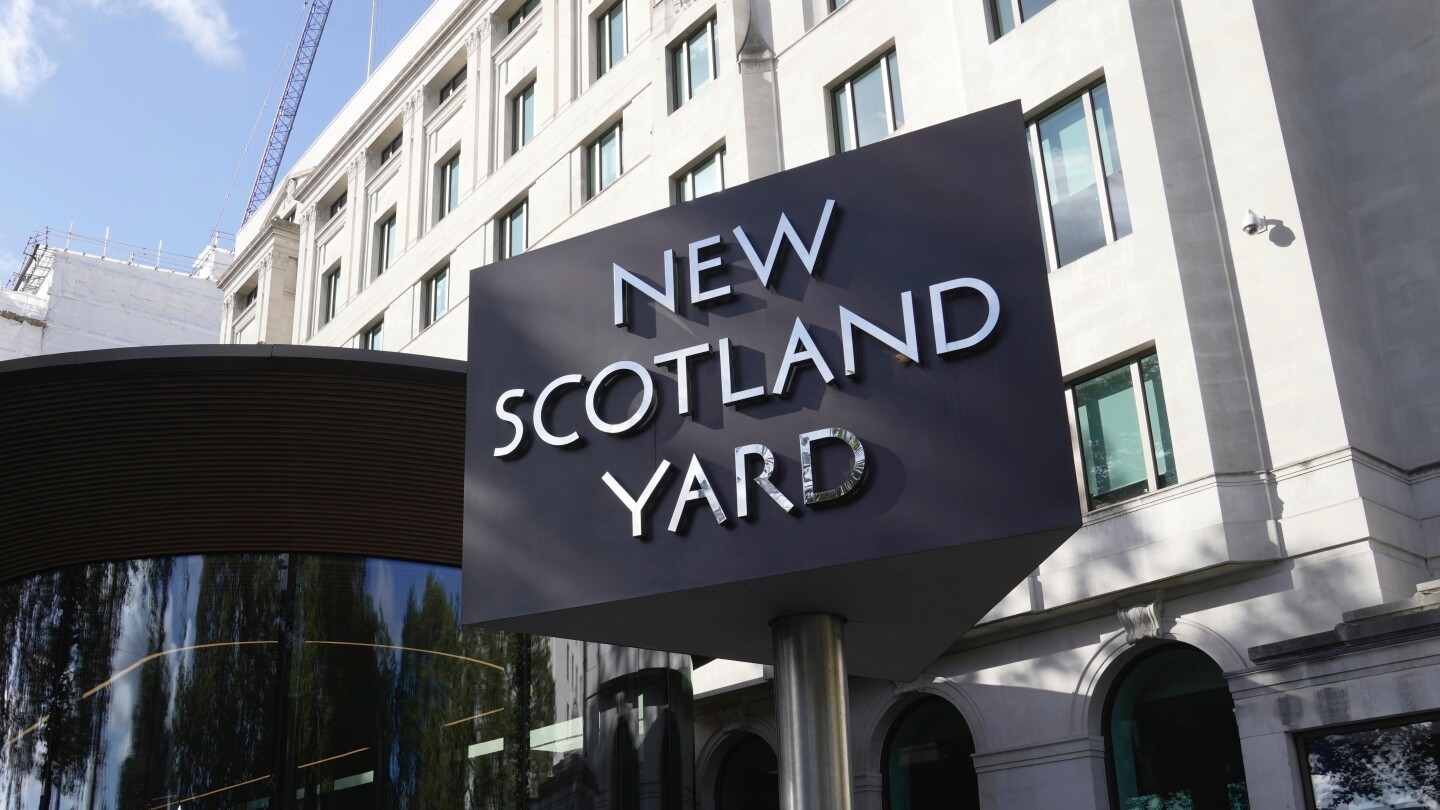
In a significant development, British counterterrorism authorities apprehended three individuals in London on Thursday, suspecting them of espionage activities on behalf of Russia. The Metropolitan Police confirmed that the men, aged 44, 45, and 48, were taken into custody under the National Security Act, accused of aiding a foreign intelligence service, specifically Russia. Simultaneously, law enforcement officers conducted searches at multiple properties across the city as part of the ongoing investigation.
-
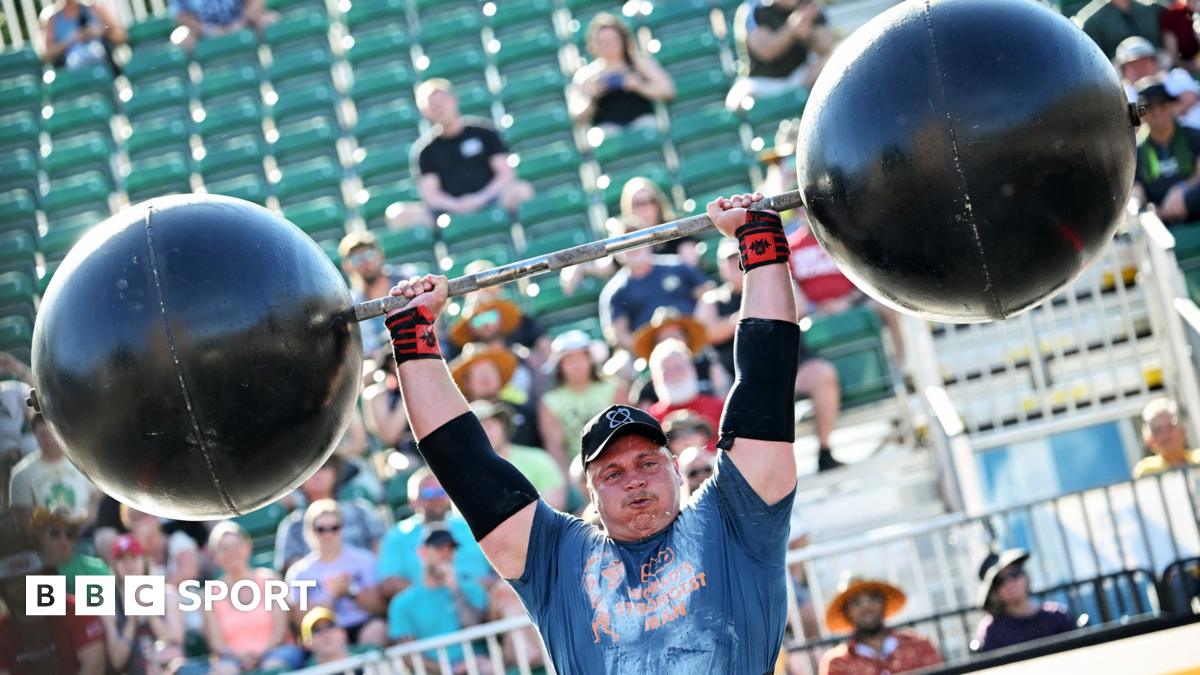
‘I eat 6000 calories a day’ â The South African ‘Rhino’ who became World’s Strongest Man
Rayno Nel, a 30-year-old South African, has etched his name in history by becoming the first African to win the World’s Strongest Man title in 2025. His victory, achieved on his debut in the competition, was a remarkable feat that surprised even himself. ‘I didn’t expect to stand on top of that podium this year,’ Nel shared in an interview with BBC World Service. ‘It still feels unreal.’
Nel’s journey to the title is nothing short of extraordinary. After abandoning his dream of playing professional rugby, he transitioned to strongman competitions in 2023. Growing up in Upington, a remote town in Northern Cape province, Nel had limited exposure to the sport. However, his passion for competitive sports and adrenaline-fueled challenges led him to strongman training. Balancing a full-time job as an electrical engineer, Nel dedicated every spare moment to his rigorous training regimen, consuming up to 6,000 calories daily to fuel his 148kg, 191cm frame.
Nicknamed ‘The Rhino from South Africa,’ Nel’s physical prowess and mental fortitude were on full display during the competition. In the final held in Sacramento, California, he narrowly edged out three-time champion Tom Stoltman of Great Britain by half a point. Nel’s performance included a staggering 490kg deadlift and a strong showing in the Flintstone Press, despite a nerve-wracking moment where his lead was nearly erased. The final event, the Atlas Stones, saw Nel secure third place, clinching the overall victory by the slimmest of margins.
Nel’s triumph has not only brought pride to his homeland but also highlighted the potential for strongman competitions in Africa. He hopes to bring the World’s Strongest Man event back to the continent, emphasizing its rich heritage in southern Africa. As he looks to the future, Nel aims to defend his title and continue inspiring others with his story of perseverance and dedication.
-
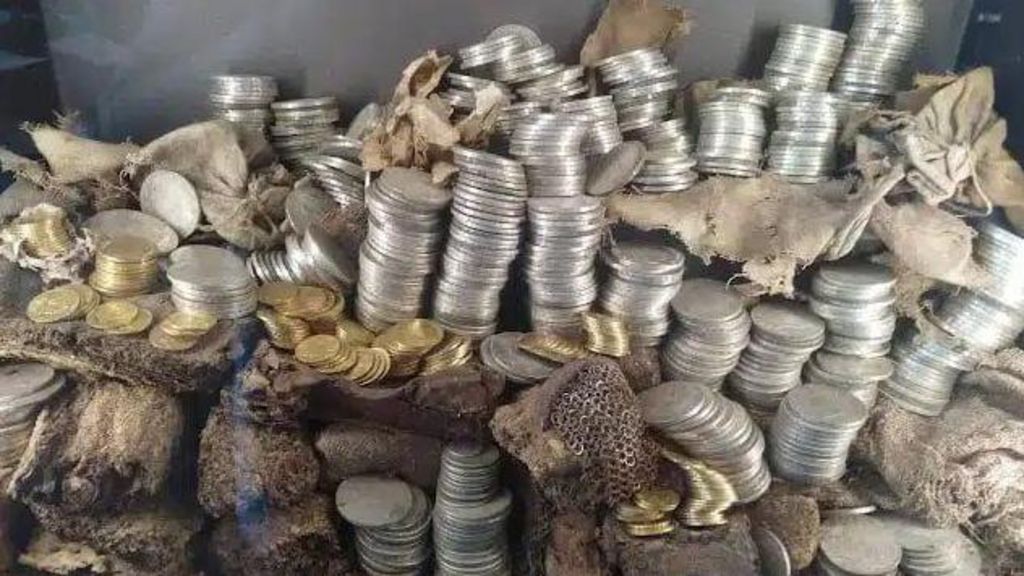
Another French museum robbery sees 2,000 gold and silver coins stolen
A series of audacious thefts at prominent French museums has highlighted significant security vulnerabilities in the country’s cultural institutions. The latest incident occurred at the Maison des Lumières in Langres, where thieves made off with approximately 2,000 gold and silver coins valued at €90,000. The heist took place just hours after the brazen theft of French crown jewels from the Louvre in Paris. The stolen coins, part of a private collection, were meticulously selected, indicating the perpetrators’ expertise. This theft follows a string of recent robberies, including the theft of six gold nuggets worth €1.5 million from Paris’s Natural History Museum and the disappearance of Chinese porcelain artifacts valued at €6.55 million from Limoges. The Louvre heist, involving €88 million worth of historic jewelry, has drawn global attention. Thieves, disguised as workers, used power tools and a mechanical ladder to access the Gallery of Apollo. The stolen items included a diamond and emerald necklace gifted by Napoleon to his wife and a tiara worn by Empress Eugenie. French authorities have acknowledged security failures, with the Louvre’s director, Laurence des Cars, admitting that CCTV coverage was inadequate and the alarm system failed to activate. Justice Minister Gérald Darmanin described the breaches as a ‘terrible image’ for France, emphasizing the need for enhanced security measures.
-
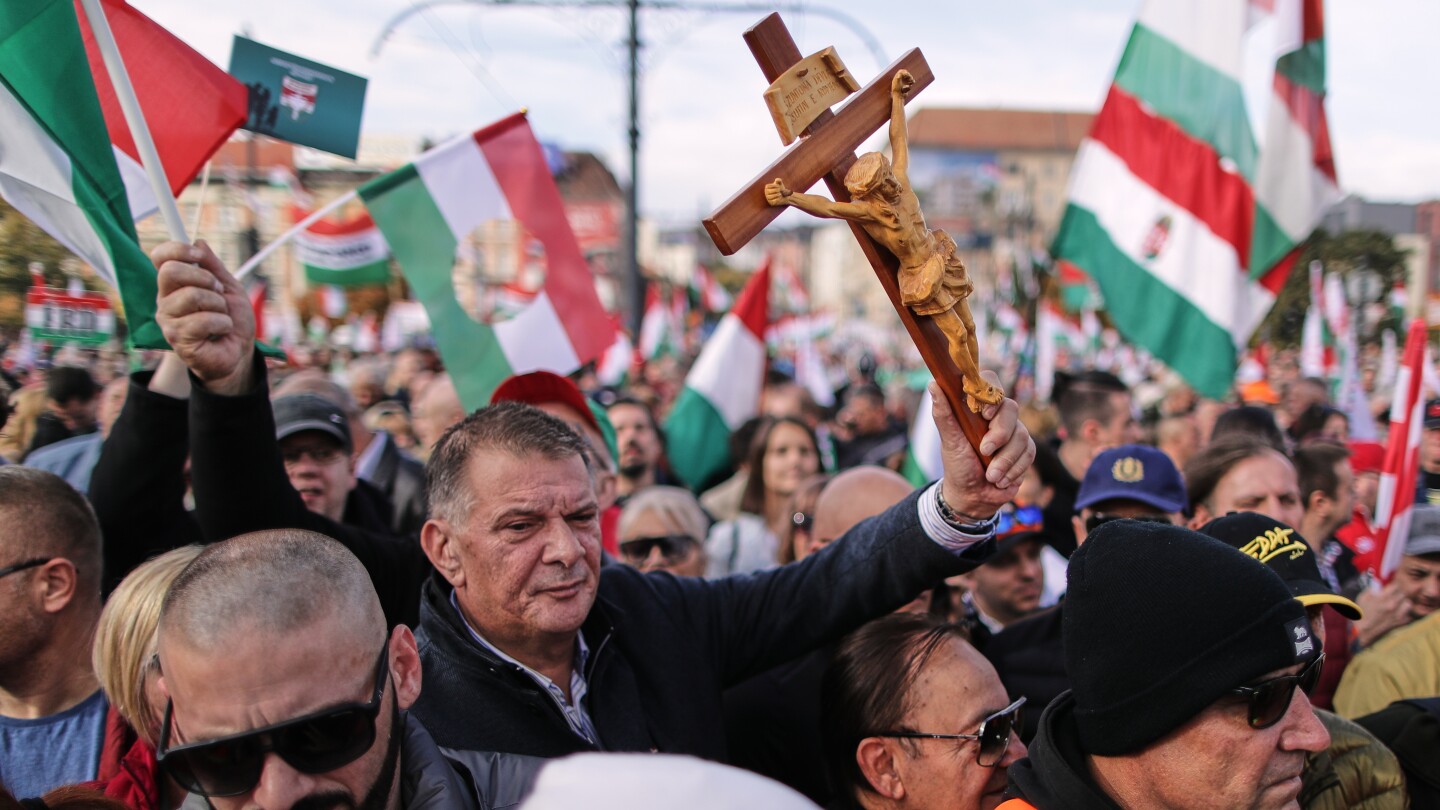
Thousands march in Budapest to support Orbán amid election challenges
Thousands of Hungarians took to the streets of Budapest on Thursday, October 23, to rally in support of Prime Minister Viktor Orbán, as the country braces for what could be the most competitive parliamentary elections in his 15-year tenure. The event, organized as a “peace march,” coincided with Hungary’s national holiday commemorating the 1956 anti-Soviet uprising, which was brutally suppressed by the Red Army. Participants voiced their backing for Orbán’s stance that Hungary risks being drawn into Russia’s war in Ukraine, with banners declaring, “We don’t want to die for Ukraine.” The march, which began at the Margaret Bridge with a backdrop of Hungary’s neo-Gothic parliament, saw attendees waving flags representing towns and villages across the nation.
-
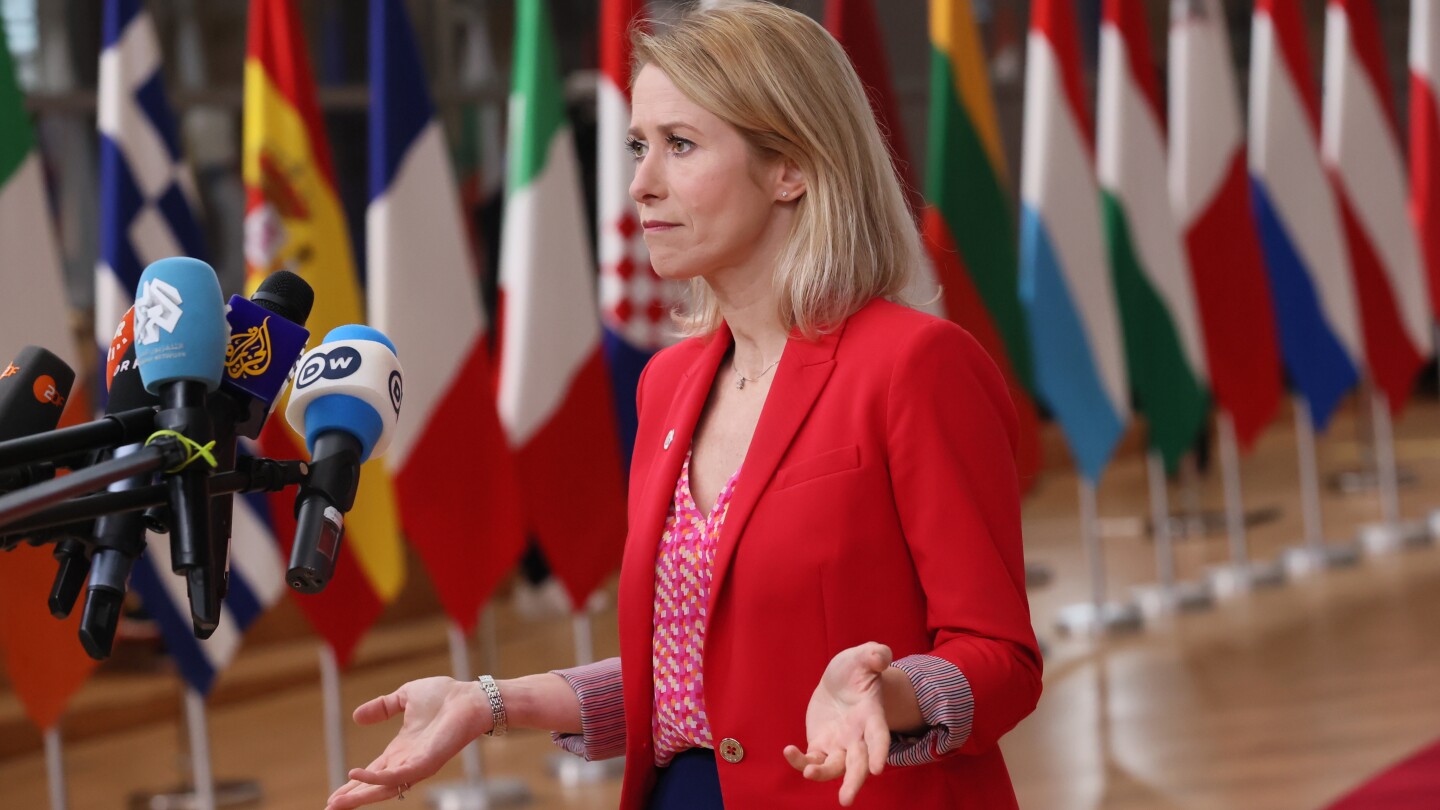
EU leaders seek role in Gaza at summit focused on Ukraine and Russia
In a bid to assert its influence in the ongoing Israeli-Palestinian conflict, European Union leaders are pushing for a more active role in Gaza and the occupied West Bank. This move comes after the EU was largely excluded from the U.S.-mediated ceasefire between Israel and Hamas. During a summit in Brussels, primarily focused on the Ukraine crisis, EU heads of state also turned their attention to the fragile truce in Gaza, discussing potential measures to support stability in the war-torn region. The EU, being the largest aid provider to Palestinians and Israel’s top trading partner, aims to leverage its position to foster lasting peace. Luxembourg Prime Minister Luc Frieden emphasized the importance of European involvement, stating, ‘Gaza is not over; peace is not yet permanent.’ The conflict has deeply divided the 27-nation bloc and strained EU-Israel relations to historic lows. European Commission President Ursula von der Leyen had previously proposed sanctions and a partial trade suspension against Israel to pressure a peace deal, though momentum waned following the U.S.-brokered ceasefire. However, EU officials argue these measures remain relevant as violence persists in Gaza and the West Bank. Israeli Prime Minister Benjamin Netanyahu recently dismissed Europe’s relevance, calling it ‘essentially irrelevant and displaying enormous weakness.’ Despite this, the EU is working to integrate itself into the post-ceasefire diplomatic efforts. EU foreign policy chief Kaja Kallas stressed the bloc should not only fund stability but also actively participate in reconstruction. The EU has supported the Palestinian Authority, pledged humanitarian aid, and proposed extending a West Bank police support program to Gaza to bolster a stabilization force outlined in the ceasefire plan. Additionally, the EU is seeking membership in the ceasefire’s ‘Board of Peace’ oversight body. The European Border Assistance Mission in Rafah, operational since 2005, has also played a role, aiding thousands of individuals during the ceasefire before pausing operations when hostilities resumed.
-
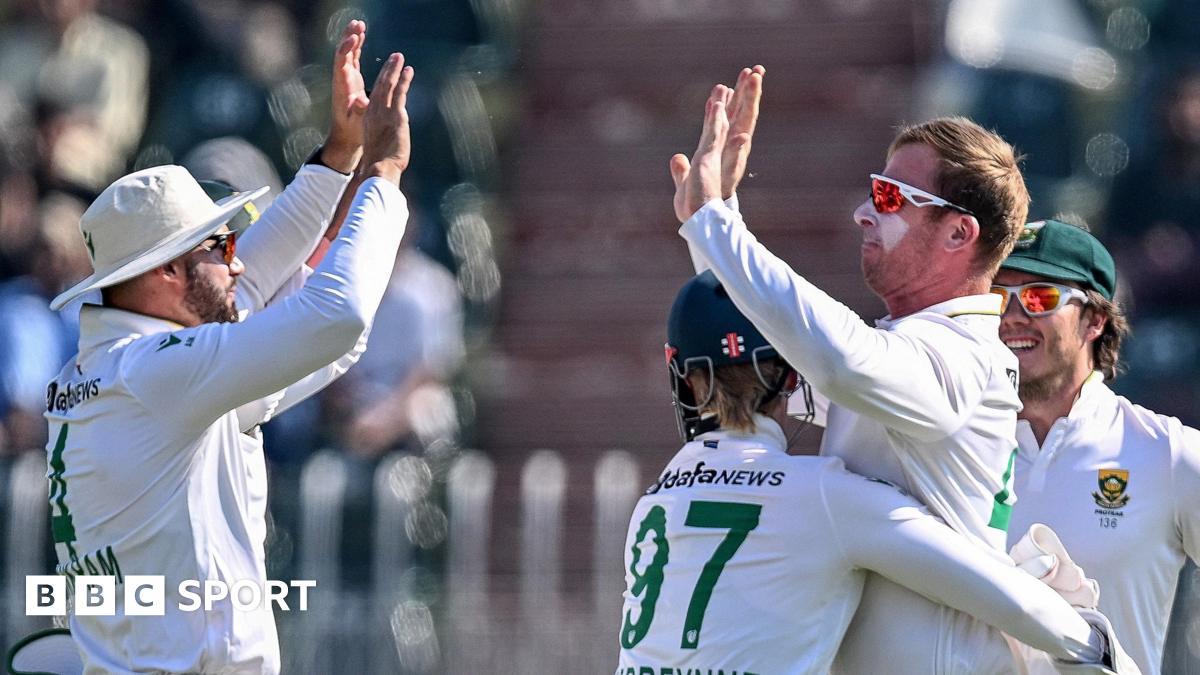
South Africa beat Pakistan to earn series draw
In a thrilling display of resilience, South Africa clinched an eight-wicket victory over Pakistan in the second Test at Rawalpindi, leveling the series 1-1. This triumph marks South Africa’s first win in Pakistan since October 2007, ending an 18-year drought in the country. The Proteas, reigning world champions, showcased their mettle after a 93-run defeat in the first Test, which had halted their impressive 10-Test winning streak. Pakistan, resuming their second innings at 94-4 with a slender 23-run lead, faltered dramatically on the fourth morning, collapsing to 138 all out. Simon Harmer, the Essex off-spinner, was instrumental in the collapse, claiming 6-50, including his 1,000th first-class wicket. South Africa chased down the modest target of 68 in just 12 overs, despite losing Aiden Markram for 42 and Tristan Stubbs for a duck. The foundation for South Africa’s victory was laid in the first innings, where they posted 404, thanks to a crucial 71-run partnership for the last two wickets. Senuran Muthusamy’s unbeaten 89 and Kagiso Rabada’s career-best 71 were pivotal in securing a 71-run lead. Captain Aiden Markram praised his team’s character and resilience, emphasizing the significance of the win in testing conditions. Pakistan’s captain, Shan Masood, defended his team’s strategy of preparing turning pitches, citing four wins out of six Tests since adopting this approach. Despite the loss, Masood remained optimistic, highlighting the team’s potential to dominate if they capitalize on winning positions.