博客

  • Community involvement and its impact on reshaping our cities

    Community involvement and its impact on reshaping our cities

    As urbanization accelerates globally, the importance of inclusive urban design has become a central focus. Dr. Abdullah Belhaif Alnuaimi, a prominent Emirati leader in environmental policy and sustainable innovation, emphasizes that cities are not merely physical spaces but reflections of societal values, priorities, and aspirations. The shift from traditional urban planning to participatory models is reshaping urban landscapes, ensuring that diverse populations are represented in the development process.

    Historically, urban planning often relegated communities to reactive roles, consulting them only after major decisions were made. Today, the paradigm has shifted towards co-creation, empowering residents to actively shape their environments from the outset. Tools such as collaborative idea generation sessions, Geographic Information Systems (GIS), and digital surveys are enabling a broader, more democratic vision of urban development. This approach is not only strategic but also leverages the skills and experiences of communities to produce locally resonant solutions.

    Examples of this transformative approach can be seen globally. In Sharjah, United Arab Emirates, municipal councils play a pivotal role in ensuring that projects align with cultural values and modern urban planning principles. Similarly, Medellín, Colombia, has adopted an ‘urban acupuncture’ model, engaging residents in identifying areas for micro-interventions, such as public escalators in hilly districts, which have significantly improved mobility and dignity for residents.

    Equity in accessibility is another critical aspect of inclusive urban design. Cities like São Paulo, Brazil, and Vienna, Austria, are using innovative mapping techniques and gender mainstreaming to address disparities in housing, transportation, and public spaces. Copenhagen, Denmark, has re-established affordable housing to ensure social equity, while Tokyo, Japan, focuses on initiatives to support its aging population.

    Universal Design (UD) principles are also gaining traction, emphasizing accessibility for individuals of all ages, abilities, and backgrounds. From step-free access to tactile signage and audible alerts, UD ensures that urban spaces are inclusive and cost-effective from the outset.

    Climate resilience is another cornerstone of inclusive urban development. Green infrastructure strategies, such as community gardens, tree canopy expansion, and permeable pavements, are being implemented to mitigate environmental risks that disproportionately affect marginalized groups. New York’s ‘cool roofs’ initiative, for instance, targets low-income areas with reflective roof coatings to combat urban heat islands.

    Cultural diversity is equally vital in urban design. Public spaces that reflect the cultural identities of their communities, such as Toronto’s Regent Park and Sharjah’s heritage zones, foster intercultural dialogue and a sense of belonging.

    As Dr. Alnuaimi aptly notes, ‘We cannot seek achievement for ourselves and forget about progress and prosperity for our community.’ The future of urban development lies in community-driven, inclusive, and sustainable practices that address the needs of all residents.

  • NBA injuries, x-ray poker tables and the mafia: What we know about gambling arrests

    NBA injuries, x-ray poker tables and the mafia: What we know about gambling arrests

    In a shocking development, several high-profile figures from the National Basketball Association (NBA), including Miami Heat player Terry Rozier and Portland Trail Blazers coach Chauncey Billups, have been arrested as part of a multi-year investigation into alleged fraud and organized crime. The arrests, announced by US authorities on Thursday, stem from two major cases involving illegal sports betting and an elaborate poker scam tied to New York’s infamous crime families. The FBI revealed that the investigation uncovered schemes where NBA players allegedly faked injuries to manipulate betting odds and participated in rigged poker games that stole millions of dollars. Authorities described the operation as ‘mind-boggling,’ with sophisticated technology like marked cards, X-ray tables, and crypto currency laundering playing key roles. The alleged crimes spanned 11 states and involved 34 defendants, including members of the Bonanno, Genovese, and Gambino crime families. Rozier, accused of tipping off associates about his planned early exit from a game, and Billups, a Hall of Famer, are among those indicted. The NBA has placed both on immediate leave, emphasizing its commitment to maintaining the integrity of the game. This case highlights the enduring influence of organized crime in the US, particularly the Five Families of New York, which have roots dating back to 1931.

  • Shijiazhuang’s China-Europe freight trains surpass last year’s total by October

    Shijiazhuang’s China-Europe freight trains surpass last year’s total by October

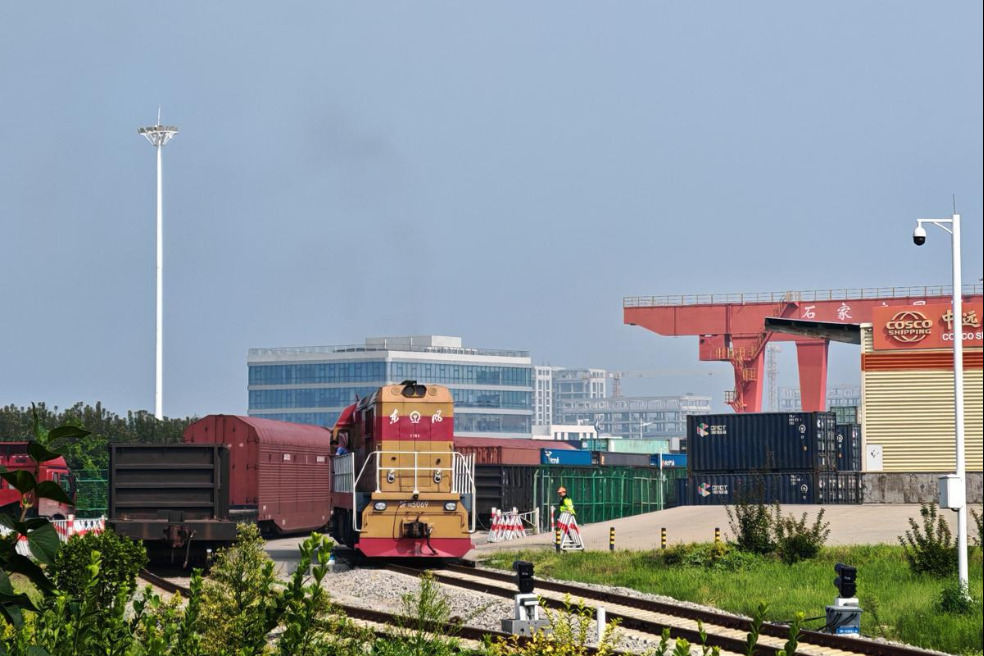
    The Shijiazhuang International Inland Port in Hebei Province has set a new benchmark in 2025 by handling 866 China-Europe freight train trips as of October 16, surpassing the previous year’s total of 839. This milestone underscores the port’s escalating significance as a pivotal logistics hub for cross-border trade. On average, three to four freight trains depart or arrive at the port daily, reflecting robust demand for international trade and enhanced logistics services. Liu Jinpeng, the port’s general manager, attributed this growth to innovative service models, including consolidated shipping for mixed goods and improved transport coordination, which have significantly boosted operational efficiency. This year, the trains have transported over 89,000 twenty-foot equivalent units (TEUs) of goods, with a total value nearing 10 billion yuan ($1.4 billion). The export portfolio has diversified to include higher-value products such as machinery, auto parts, and photovoltaic modules from Hebei, while imports like timber and fertilizer from Belt and Road Initiative countries are efficiently reaching the Chinese market through this vital port.

  • Trump’s turnaround on sanctions targets Russia’s oil companies that fund the war in Ukraine

    Trump’s turnaround on sanctions targets Russia’s oil companies that fund the war in Ukraine

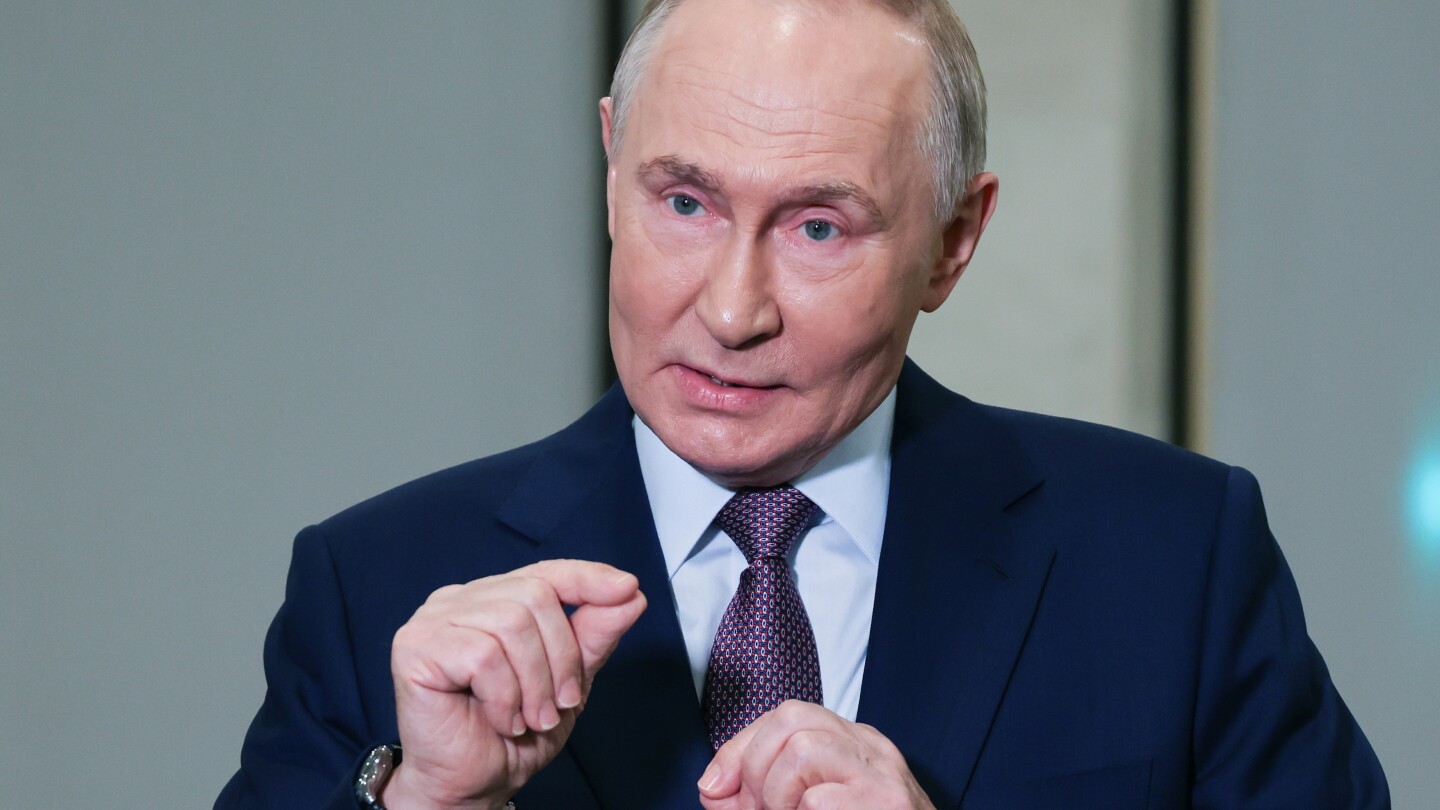
    In a concerted effort to undermine Russia’s financial capacity to sustain its war in Ukraine, the United States and the European Union have unveiled a new wave of sanctions targeting Moscow’s oil and gas sectors. The measures, announced on Thursday, aim to disrupt the revenue streams of Russia’s largest oil companies, Rosneft and Lukoil, which account for roughly half of the nation’s oil exports. These exports, alongside natural gas, have historically contributed 30% to 50% of Russia’s state revenues over the past decade. The sanctions also threaten secondary repercussions for major customers in India and China, potentially exposing their refineries and banks to U.S. penalties if they continue dealings with the sanctioned entities. Maria Perrotta Berlin, a sanctions expert at the Stockholm Institute of Transition Economics, likened the impact of U.S. sanctions to a ‘death penalty’ for the private sector. Meanwhile, the EU is phasing out shipments of Russian liquefied natural gas by the end of next year and targeting cryptocurrency platforms used by Moscow to circumvent financial restrictions. U.S. Treasury Secretary Scott Bessent emphasized that the sanctions are designed to pressure Russian President Vladimir Putin into agreeing to an immediate ceasefire in Ukraine. However, Putin has shown no signs of relenting, dismissing the sanctions as an ‘unfriendly act.’ The measures, which take effect on November 21, provide a grace period for traders to wind down operations but also allow Russia to capitalize on short-term oil sales. Analysts warn that while the sanctions may not immediately halt the war, they could significantly degrade Russia’s economy over time. The EU has also sanctioned 117 additional tankers believed to be part of Russia’s ‘shadow fleet,’ bringing the total to 557. Despite the sanctions, Russia’s economy remains resilient, bolstered by prewar oil and gas earnings stored in a national wealth fund. The U.S. and EU, wary of spiking energy prices, have implemented these measures cautiously, giving Russia time to adapt. Nevertheless, experts argue that continued targeting of Russia’s fossil fuel exports is crucial to maintaining pressure on the Kremlin.

  • Lithuanian president says Russian military planes violated the Baltic country’s airspace

    Lithuanian president says Russian military planes violated the Baltic country’s airspace

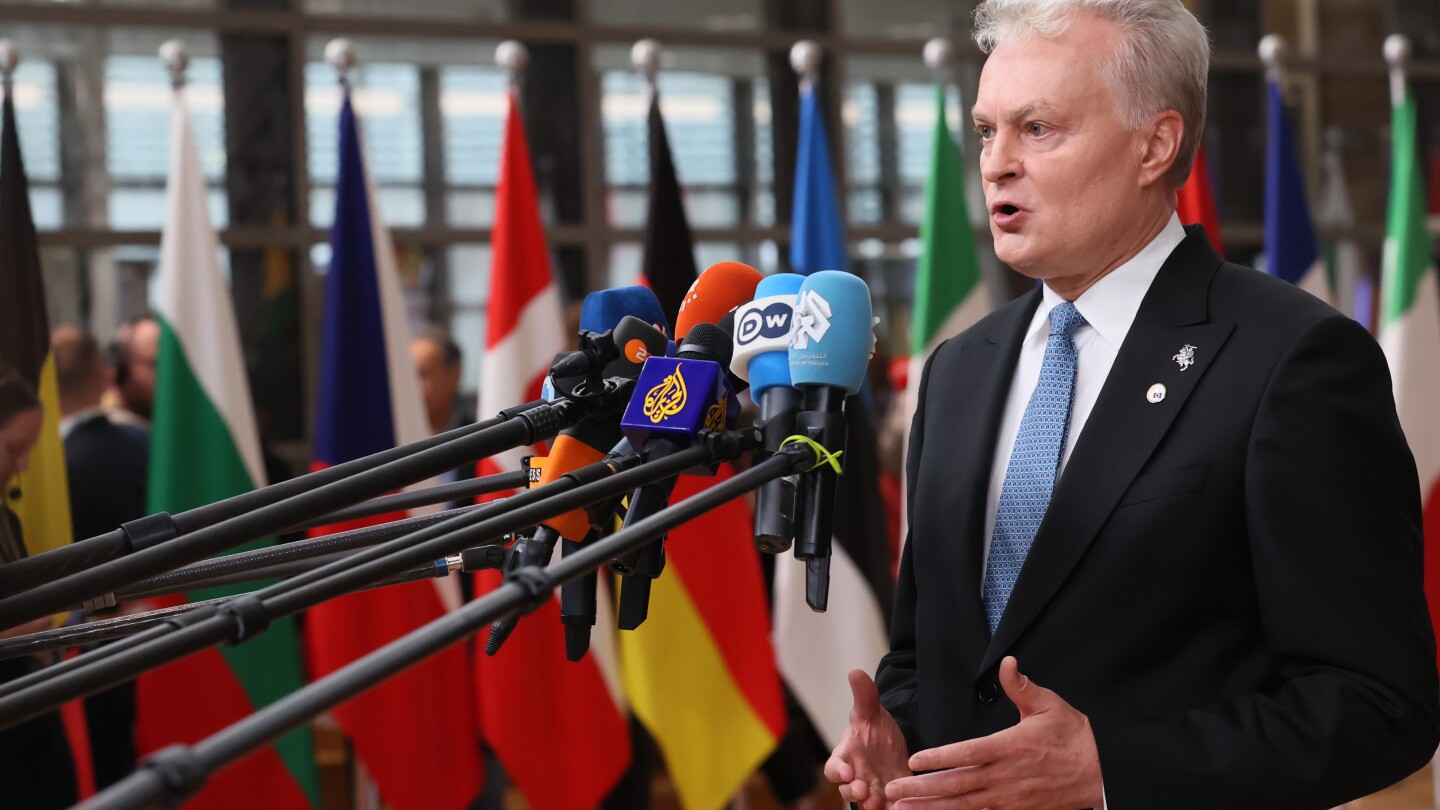
    VILNIUS, Lithuania — Lithuanian President Gitanas Nausėda has strongly denounced the violation of Lithuania’s airspace by Russian military aircraft on Thursday evening, labeling it a flagrant infringement on the territorial integrity of the European Union and NATO member state. In a statement posted on the social media platform X, Nausėda announced that Lithuania’s foreign ministry would summon representatives from the Russian Embassy in Vilnius to formally protest the incident. He emphasized that the breach constitutes a direct violation of international law and underscores the urgent need to bolster European air defense capabilities. The Baltic region has been on high alert following a series of recent drone incidents and airspace violations by Russian warplanes, which have raised fears that President Vladimir Putin may be testing NATO’s resolve. Some European leaders have accused Russia of engaging in a hybrid war strategy, a claim Moscow vehemently denies.

  • China’s electricity consumption maintains steady growth in September

    China’s electricity consumption maintains steady growth in September

    China’s electricity consumption, a critical indicator of economic vitality, demonstrated consistent growth in September 2025, increasing by 4.5 percent year-on-year to reach 888.6 billion kilowatt-hours, as reported by the National Energy Administration. This upward trend was particularly notable in the primary and secondary industries, which saw rises of 7.3 percent and 5.7 percent, respectively. The tertiary sector also experienced a significant boost, with a 6.3 percent increase in power usage. However, residential electricity consumption declined by 2.6 percent, totaling 128.7 billion kilowatt-hours. The China Electricity Council attributed the overall growth to a combination of unusually hot summer weather and government initiatives aimed at stabilizing industrial output. Jiang Debin, deputy director of the council’s statistics and data center, highlighted the sustained impact of robust macroeconomic policies supporting economic recovery, which drove high electricity consumption levels in July and August. From January to September, China’s total electricity use climbed 4.6 percent to nearly 7.77 trillion kilowatt-hours. Notably, the rapid expansion of mobile internet, big data, and cloud computing fueled a 33.8 percent year-on-year surge in electricity consumption by the internet and related services sector during the third quarter. Additionally, the electric vehicle industry continued its rapid growth, with electricity consumption for charging and battery swap services skyrocketing by 49.6 percent year-on-year.

  • Vapor swirls over water in spectacular weather phenomenon at Tianchi Lake

    Vapor swirls over water in spectacular weather phenomenon at Tianchi Lake

    A breathtaking weather phenomenon recently unfolded at Tianchi Lake, located within the Changbai Mountain Nature Reserve in Jilin Province, China. Strong winds combined with a sharp temperature drop created a mesmerizing scene of vapor swirling over the lake’s surface, resembling a boiling pot. This natural spectacle, known as ‘sea smoke,’ occurs when cold air causes water vapor to condense into mist, which then drifts with the wind, forming what is scientifically termed evaporation fog. Experts from the Jilin Provincial Meteorological Observatory explained that the unique conditions at Changbai Mountain contribute to this phenomenon. As cold air descends the volcanic crater and meets the warmer, unfrozen lake surface, the temperature contrast causes the water vapor to condense into fog. The synchronized movement of the water and air further enhances the visual effect, creating a dreamlike and ethereal atmosphere. The Integrated Media Center of Changbai Mountain captured the event on video, showcasing the lake’s natural beauty and the interplay of weather elements. This rare occurrence highlights the dynamic and ever-changing nature of the region’s environment, drawing attention to the wonders of natural phenomena.

  • Indian rupee shows modest recovery; should expats remit now?

    Indian rupee shows modest recovery; should expats remit now?

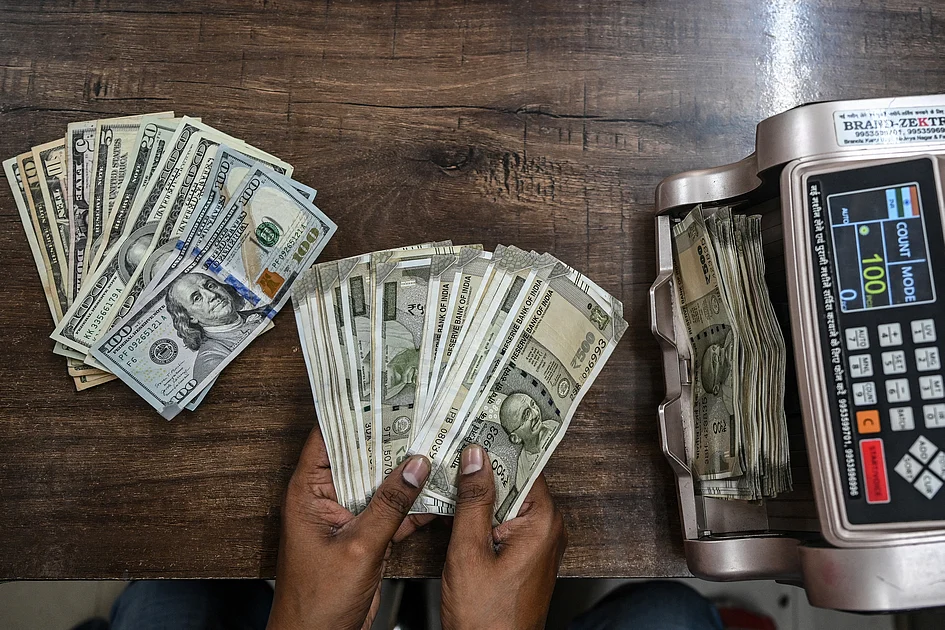
    The Indian rupee has recently displayed a modest recovery against the US dollar, sparking discussions among Indian expatriates in the UAE about the optimal timing for remittances. Over the past month, the rupee has shown resilience, climbing from a peak of 88.87 to 87.80 against the dollar, marking its longest stretch of gains since June. This uptick has been bolstered by the Reserve Bank of India’s (RBI) proactive interventions in the foreign exchange markets, aimed at stabilizing the currency. As of October 23, 2025, the rupee was trading at 23.92 per UAE dirham, up from 24.20 earlier in the month. Despite these gains, analysts caution that the rupee remains vulnerable to persistent macroeconomic challenges, including a widening trade deficit and geopolitical uncertainties. The RBI’s strategic interventions, including dollar-selling operations and liquidity infusions, have provided short-term support, but the currency’s medium-term outlook remains uncertain. With forecasts predicting continued volatility, expats are advised to consider remitting funds while the rupee shows signs of strength, before potential further depreciation.

  • Dinosaurs were thriving in North America before the mass-extinction asteroid strike, study suggests

    Dinosaurs were thriving in North America before the mass-extinction asteroid strike, study suggests

    The long-standing debate among scientists about whether dinosaurs were already in decline before the catastrophic asteroid impact 66 million years ago has taken a new turn. Recent research indicates that dinosaur populations in North America were flourishing right up until the asteroid struck, which triggered a mass extinction event. However, experts caution that this finding represents only a fragment of the global scenario. The study, published in the journal Science, focuses on the Kirtland Formation in northern New Mexico, a site renowned for its dinosaur fossils for over a century. Analysis of fossils and surrounding rocks suggests these remains date back to approximately 400,000 years before the asteroid impact—a brief period in geological terms. The dating was achieved by examining volcanic glass particles in sandstone and magnetic minerals in mudstone. Daniel Peppe, a paleontologist at Baylor University and co-author of the study, emphasized that the findings reveal diverse dinosaur communities thriving shortly before their abrupt extinction. The fossils discovered include species like Tyrannosaurus rex, a long-necked dinosaur, and a Triceratops-like herbivore. However, independent experts like Mike Benton from the University of Bristol warn that evidence from a single location may not reflect broader trends across North America or globally. Andrew Flynn, a paleontologist at New Mexico State University and study co-author, highlighted the challenges of accurately dating fossils, as carbon-based materials do not survive in them. Further research is needed to paint a comprehensive picture of dinosaur diversity worldwide on the eve of the asteroid impact.

  • ‘Disappointing’: ICJ grants Israel another extension in South Africa genocide case

    ‘Disappointing’: ICJ grants Israel another extension in South Africa genocide case

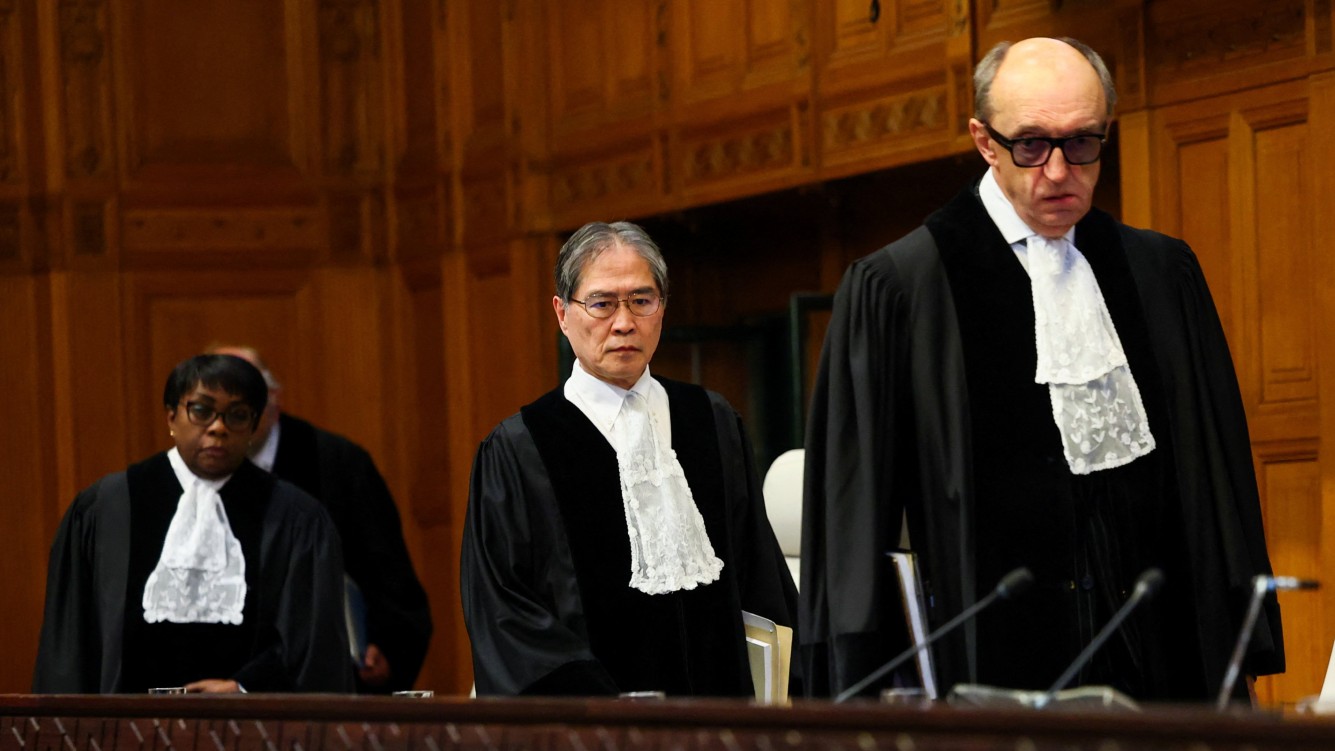
    The International Court of Justice (ICJ) in The Hague has granted Israel a second extension to submit its evidence in response to South Africa’s allegations of genocide in Gaza. In an order dated 20 October and published recently, the ICJ accepted Israel’s request to extend its deadline by two months to 12 March 2026, following an earlier extension to 12 January. The original deadlines for South Africa and Israel to file their written arguments were 28 October 2024 and 28 July 2025, respectively. While South Africa adhered to its deadline, Israel sought a six-month extension in April, which South Africa opposed. The ICJ compromised by granting a five-and-a-half-month extension to 12 January 2026. Israel then requested a second extension of at least five months on 14 October, citing unresolved evidentiary issues related to South Africa’s submission and its focus on the ICJ’s Advisory Opinion on Israel’s humanitarian obligations. South Africa urged the court to reject the request, arguing it contradicted the case’s urgency and the principle of equality between the parties. Gerhard Kemp, a professor of international criminal law, criticized the ICJ’s decision as ‘disappointing,’ emphasizing that Israel had ample time to prepare its response and that the alleged genocide’s structure remains unchanged. The ICJ has previously issued provisional measures against Israel on three occasions, and a recent UN report found Israel responsible for genocide in Gaza. The case, which began with South Africa’s accusation in December 2023, is expected to conclude by early 2028.