
China is poised to significantly enhance its artificial intelligence (AI) capabilities through strategic planning and systematic deployment during the 15th Five-Year Plan period (2026-2030). This initiative aims to drive high-quality development and solidify the nation’s position as a global leader in AI innovation, according to a senior science and technology official. Minister of Science and Technology Yin Hejun emphasized the government’s commitment to fostering a robust innovation ecosystem for AI during a recent press conference in Beijing. He highlighted China’s achievements in foundational large models and humanoid robots, which have gained international recognition. By the end of last year, the number of AI enterprises in China exceeded 4,500, reflecting rapid growth in both the scale and quality of the industry. The ‘AI Plus’ initiative has already integrated deeply into key sectors such as manufacturing, finance, and healthcare, becoming a catalyst for economic growth. Moving forward, China will focus on foundational research, addressing core technologies, and developing advanced algorithms and high-end computing chips. Additionally, the government will refine AI governance through improved laws, regulations, and ethical guidelines, while promoting international cooperation to make AI a global public good. This comprehensive approach underscores China’s ambition to lead in AI innovation and address global challenges collaboratively.
博客
-
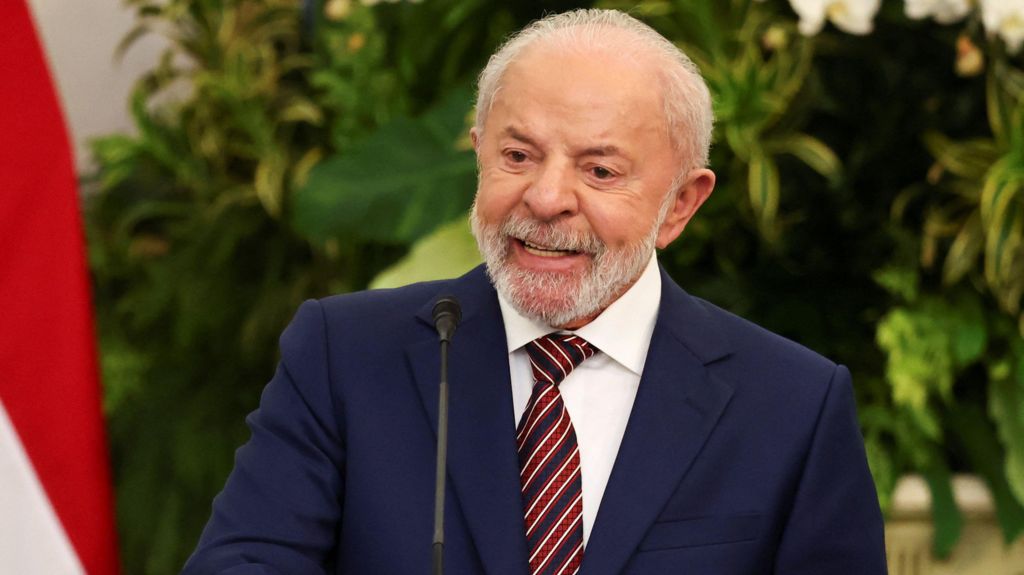
Brazil’s Lula, 79, to seek fourth term as president
Brazilian President Luiz Inácio Lula da Silva has officially declared his intention to run for a fourth term in the 2026 presidential elections. The announcement, made during a state visit to Indonesia, comes despite Lula’s earlier indications that his 2022 campaign would be his last. Addressing reporters, the 79-year-old leader dismissed concerns about his age, stating, ‘I’m about to turn 80, but I have the same energy I had at 30. I will run for a fourth term in Brazil.’ This decision follows a challenging period for Lula, who has faced health issues during his current presidency, including a brain bleed that required surgery last December. Lula, Brazil’s oldest president upon inauguration, narrowly defeated right-wing incumbent Jair Bolsonaro in the 2022 election, winning by a slim 51% to 49% margin. Bolsonaro, now serving a 27-year prison sentence for attempting a military coup after his election loss, is unlikely to challenge Lula again. The former president’s imprisonment has sparked tensions with the U.S., leading President Donald Trump to impose a 50% tariff on Brazilian imports. However, Lula and Trump recently held a ‘friendly’ call to discuss reducing these tariffs, with a meeting scheduled for Sunday. Lula, who turns 80 on Monday, has a storied political career, including two terms as president from 2003 to 2011 and an 18-month imprisonment on corruption charges, which were later overturned. Brazil’s constitution limits presidents to two consecutive terms, but Lula’s previous terms do not disqualify him from running again. His announcement marks a significant moment in Brazilian politics as the nation prepares for the 2026 elections.
-

Scientific, technological modernization emphasized in promoting China’s advancement
In a pivotal address at the 15th Five-Year Plan (2026-30) press conference in Beijing, Yin Hejun, Minister of Science and Technology, underscored the indispensable role of scientific and technological modernization in propelling China’s progress. Speaking on October 24, 2025, at a briefing organized by the CPC Central Committee, Yin outlined a comprehensive strategy to elevate China’s innovation capabilities and foster breakthroughs in core technologies. He emphasized the necessity of advancing original innovation and achieving critical technological milestones in key sectors such as integrated circuits, industrial machine tools, and high-end instruments. Yin proposed the establishment of a new national system to mobilize resources effectively, ensuring decisive progress across the entire technological chain. Additionally, he called for prioritizing national strategic needs through the deployment of major scientific and technological tasks, alongside enhancing the strategic and systematic layout of basic research. Yin also highlighted the importance of integrating scientific and technological innovation with industrial development, advocating for stronger enterprise leadership in innovation consortia and increased support for high-tech and small-to-medium-sized enterprises. Furthermore, he stressed the need for the integrated development of education, science, technology, and talent, aiming to align these sectors with national strategy. Yin also emphasized the construction of a Digital China, promoting the deep integration of the real economy with the digital economy and accelerating innovations in artificial intelligence. Strengthening the supply of computing power, algorithms, and data, along with implementing the ‘AI Plus’ initiative, were also key points in his vision for comprehensive industrial empowerment.
-

China to build a birth-friendly society, enhance care and engagement for the elderly
China has announced ambitious plans to foster a birth-friendly society and bolster care and engagement for the elderly over the next five years. Health Minister Lei Haichao outlined these initiatives during a press conference on October 24, 2025, emphasizing the nation’s commitment to addressing demographic challenges posed by an aging population and declining birthrates. The strategy, part of the 15th Five-Year Plan (2026-30), includes promoting positive attitudes toward marriage and childbirth, enhancing fertility support policies, and providing childcare subsidies and tax incentives. Additionally, the government will pilot subsidized nursery care services and develop affordable, integrated care for toddlers and preschoolers to alleviate family burdens. On the elderly care front, China aims to optimize basic care services, integrate medical and elderly care, and expand long-term care insurance. Efforts will also focus on improving policies for elderly employment, delaying the legal retirement age, and fostering the silver economy. Lei stressed that health and population services must cater to all demographics, ensuring comprehensive coverage from prevention to rehabilitation. These measures are designed to lay a robust foundation for China’s modernization and sustainable demographic development.
-

ROX Motor to advance NEV tech in UAE
In a landmark move to bolster innovation in next-generation mobility, Chinese electric vehicle (EV) manufacturer ROX Motor has entered a strategic partnership with the Abu Dhabi Investment Office (ADIO). This collaboration aims to accelerate the localization of EV technology and deepen ties between China and the United Arab Emirates (UAE) in the rapidly evolving automotive sector. The announcement was made during the global launch of ROX Motor’s flagship sport utility vehicle (SUV), ADAMAS, in Abu Dhabi, marking a significant milestone in the company’s international expansion strategy. As part of the partnership, ROX Motor and Borouge, a leading Abu Dhabi-based petrochemical company, have established the Borouge-ROX Motor Innovative Materials Joint Laboratory. This initiative is set to drive advancements in specialized vehicle materials, aligning with Abu Dhabi’s vision of fostering a knowledge- and technology-driven economy. Mohammad Ali Al Kamali, Chief Trade and Industry Officer at ADIO, emphasized the importance of global collaboration in building an integrated ecosystem for industrial and commercial progress. He highlighted the partnership as a testament to the UAE’s commitment to sustainable mobility and investment in cutting-edge technologies. ROX Motor’s CEO, Jarvis Yan, underscored the significance of launching ADAMAS in the Middle East, a region that accounts for nearly half of the company’s overseas sales. He described the SUV as a symbol of Chinese innovation and Abu Dhabi’s excellence, embodying the shared belief that true luxury stems from collaboration and progress. Since its global expansion began last year, ROX Motor has secured over 10,000 orders for its debut model, the ROX 01, and established a robust sales and service network across nearly 30 countries, particularly in the Gulf region. The ROX 01, priced at approximately $80,000, has already secured the third position in the UAE’s luxury SUV market, trailing only the Land Rover Defender and Range Rover. To demonstrate the reliability and technological prowess of its vehicles, ROX Motor recently completed a 13-country journey along the ancient Silk Road, covering 25,000 kilometers in 81 days. This expedition showcased the durability and innovation of China’s new energy vehicles, further solidifying the brand’s reputation in the global market. According to a report by AlixPartners, Chinese automotive brands are projected to capture 34% of the Middle East and Africa’s market share by 2030, up from 10% in 2024. This growth reflects the increasing trust consumers in the region, particularly in Saudi Arabia and the UAE, are placing in Chinese-made vehicles. Ameen Muneer Mohammed Alobaidi, an attendee at the launch event, noted the rising popularity of Chinese brands in the Middle East, describing them as symbols of high-quality, luxurious lifestyles. He emphasized the transformative shift in the perception of ‘Made in China,’ from being associated with low-end products to representing innovation and excellence. ROX Motor’s partnership with Abu Dhabi marks a pivotal step in the global expansion of Chinese EV brands, underscoring the UAE’s role as a hub for technological innovation and sustainable mobility.
-
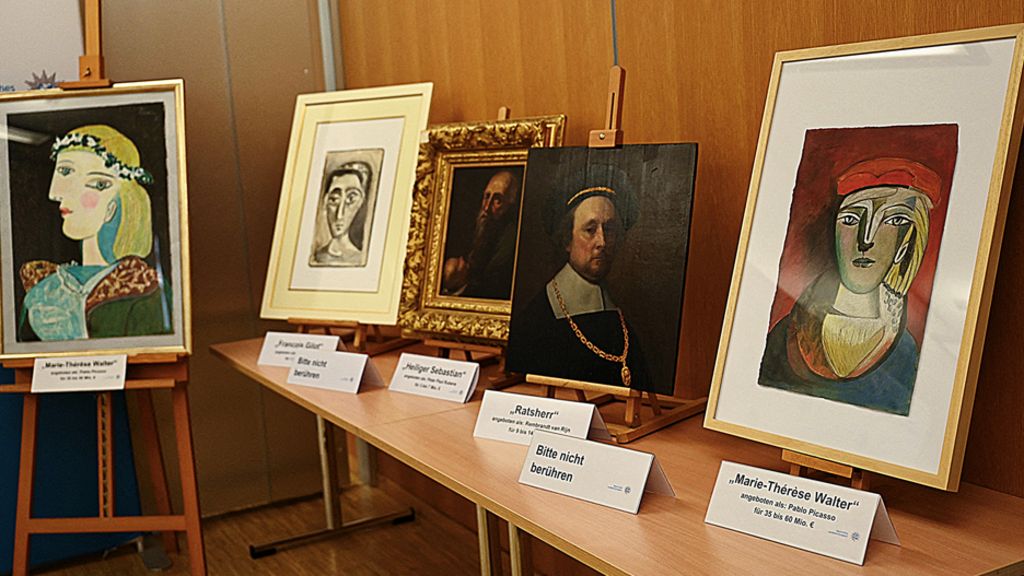
German police seize fake Picassos in multi-million euro forgery raid
In a sweeping international operation, Bavarian police have uncovered a sophisticated art forgery ring, seizing counterfeit works falsely attributed to legendary artists such as Pablo Picasso, Rembrandt, and Frida Kahlo. The operation, spanning Germany, Switzerland, and Liechtenstein, led to the confiscation of artworks valued at millions of euros. The alleged mastermind, a 77-year-old German man, along with 10 accomplices, faces charges of conspiracy and fraud. Authorities became suspicious when the suspect attempted to sell two purported Picasso originals and a forged version of Rembrandt’s ‘De Staalmeesters’ for a staggering 120 million Swiss francs (£113m), despite the original being housed in Amsterdam’s Rijksmuseum. The counterfeit ‘De Staalmeesters’ was owned by an 84-year-old Swiss woman, who is now under investigation. During coordinated raids on October 15, police seized numerous suspected forgeries, along with documents, electronic devices, and cloud data. The suspect allegedly attempted to sell 19 additional counterfeit works by renowned artists, including Frida Kahlo, Peter Paul Rubens, Amedeo Modigliani, and Joan Miró, with prices ranging from €400,000 (£349,000) to €14 million (£12.2m). A 74-year-old accomplice was accused of fabricating expert reports to authenticate the forgeries. Both suspects were arrested but later conditionally released as the investigation continues. All seized artworks will undergo detailed examination by experts in the coming weeks.
-
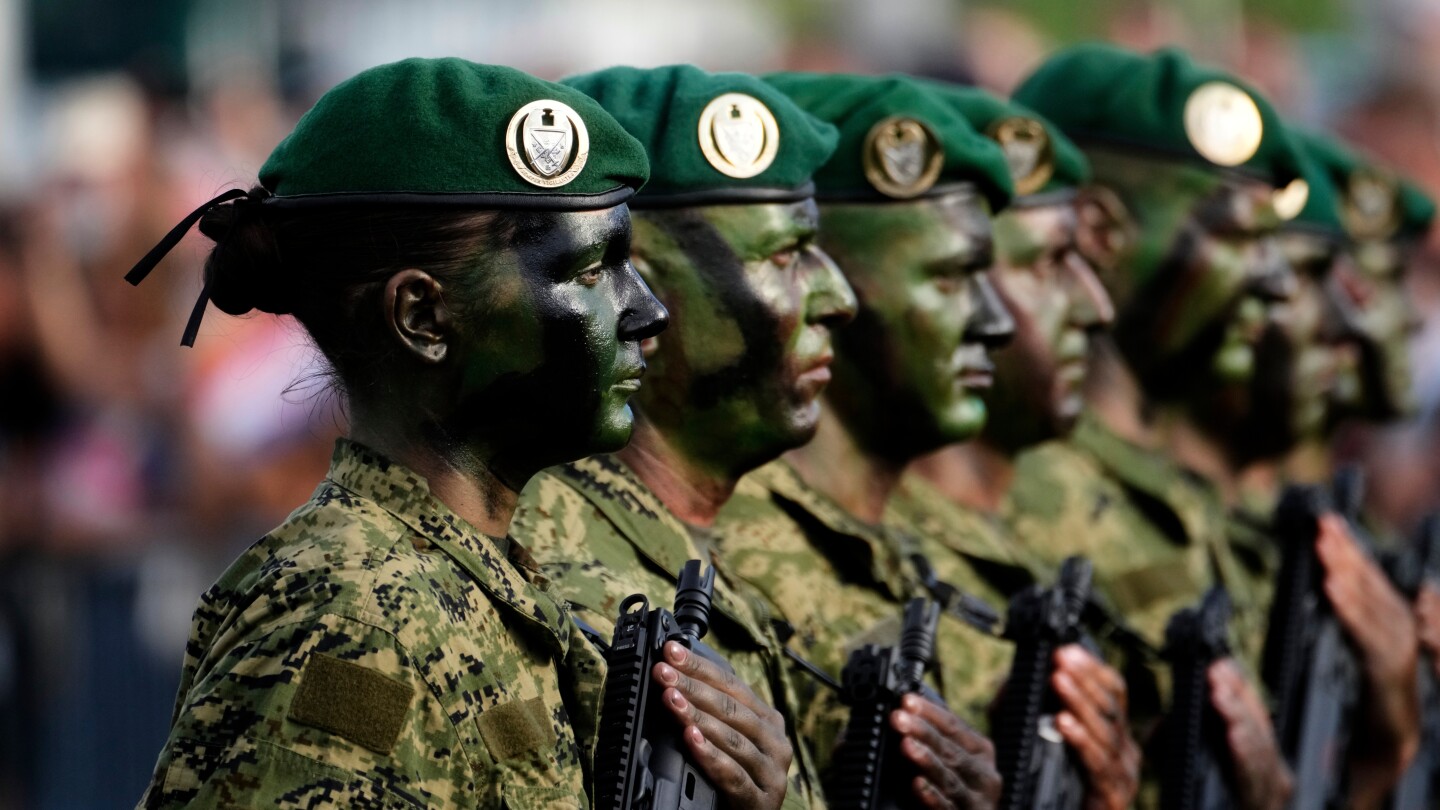
Croatia reintroduces military conscription as Europe worries about Russia-Ukraine war
In a significant move reflecting the current geopolitical climate, Croatia’s parliament has voted to reintroduce compulsory military service, a decision that underscores the nation’s response to escalating tensions in Europe. The vote, which passed with 84 in favor, 11 against, and 30 abstentions in the 151-member parliament, marks a return to conscription after it was suspended in 2008 in favor of a volunteer-based system. The new policy mandates a two-month service focused on providing basic military training, as reported by the public broadcaster HRT. This initiative is part of Croatia’s broader strategy to enhance national security and prepare its youth for potential crisis situations, according to the Defense Ministry. The decision comes against the backdrop of heightened concerns over Russian aggression in Ukraine and an ongoing military buildup in the Balkans, a region still scarred by the conflicts of the 1990s. Authorities plan to begin medical checkups for conscripts born in 2007 by the end of the year, with provisions for conscientious objectors to opt for civilian service. This move aligns with Croatia’s recent efforts to strengthen its armed forces, including a large military parade in July commemorating a key victory from the 1991-95 war. Relations with Serbia, a former adversary, remain strained, adding to the regional security challenges.
-
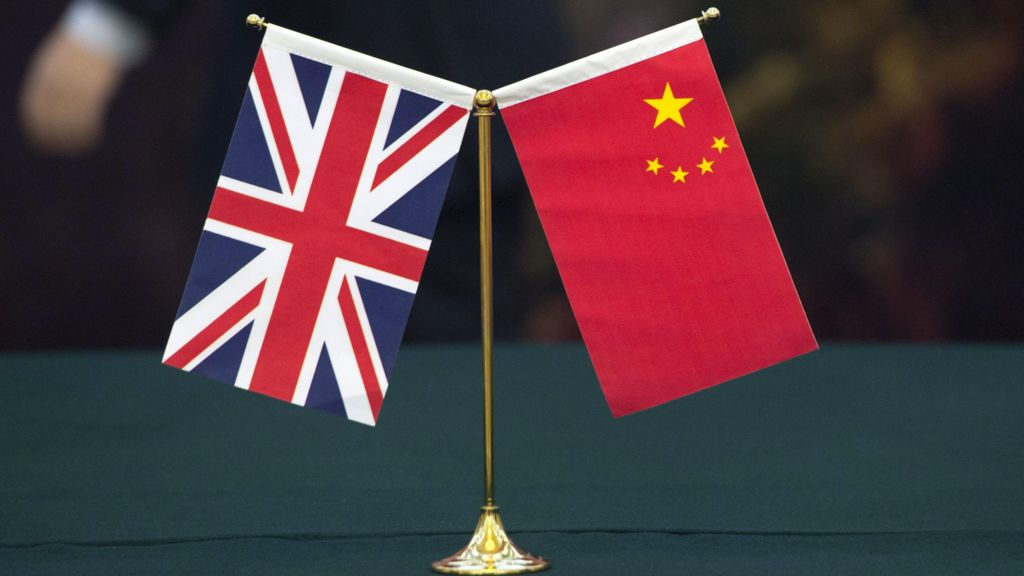
Who is giving evidence on the collapsed China spy trial?
Senior officials central to the controversy surrounding the collapsed China spy trial are set to appear before the Joint Committee on the National Security Strategy next week. The committee’s first public evidence session, scheduled for Monday, will scrutinize the prosecutors’ decision to drop charges against Christopher Cash and Christopher Berry, who were accused under the Official Secrets Act. Both individuals maintain their innocence. Among those testifying will be Stephen Parkinson, Director of Public Prosecutions; Matt Collins, Deputy National Security Adviser; Richard Hermer, Attorney General; Darren Jones, Chief Secretary to the Prime Minister; and Sir Chris Wormald, Cabinet Secretary. National Security Adviser Jonathan Powell, who has faced allegations of political interference, will not attend but is expected to provide private testimony later. Parkinson, head of the Crown Prosecution Service (CPS), which initially charged the pair before dropping the case, will explain that the trial collapsed because the government did not classify China as a national security threat. Legal experts have questioned his judgment, and he is likely to face tough questions about the CPS’s initial confidence in the evidence and the prosecution’s reliance on the government’s stance. Collins, a senior civil servant, will be questioned about his interactions with the CPS and the impact of the Labour government’s China policy on his witness statements. Hermer, a close ally of Prime Minister Keir Starmer, will address his knowledge of the case’s collapse and his role in overseeing the CPS. Wormald, the UK’s top civil servant, will clarify his involvement in the process and whether he endorsed Collins’s statements. Jones, a loyal MP to Starmer, will defend the government’s position, denying any ministerial interference. Powell, absent from the hearing, remains under scrutiny for his alleged role in shaping UK-China relations. The session promises to shed light on the intricate dynamics between the government, the CPS, and national security policies.
-

India: Bus collision blaze kills 20 on route between Bengaluru and Hyderabad
A devastating bus collision and subsequent fire on the route between Bengaluru and Hyderabad in India has resulted in the deaths of at least 20 people, according to domestic media reports. The incident, which occurred on Friday, was triggered by a fuel leak after the bus collided with a motorcycle. The blaze engulfed the vehicle, leading to a tragic loss of life and injuries among passengers. Indian Prime Minister Narendra Modi expressed deep sorrow over the incident and announced financial compensation for the families of the deceased and the injured. Modi stated that Rs. 2 lakh (approximately Dh2,091) would be provided to the next of kin of each deceased individual, while the injured would receive Rs. 50,000. This tragic event highlights the ongoing issue of road safety in India, which, despite being the world’s third-largest car market, continues to grapple with high rates of fatal accidents. Last year alone, road accidents claimed approximately 180,000 lives nationwide. The collision and fire serve as a grim reminder of the urgent need for improved road safety measures and infrastructure in the country.
-
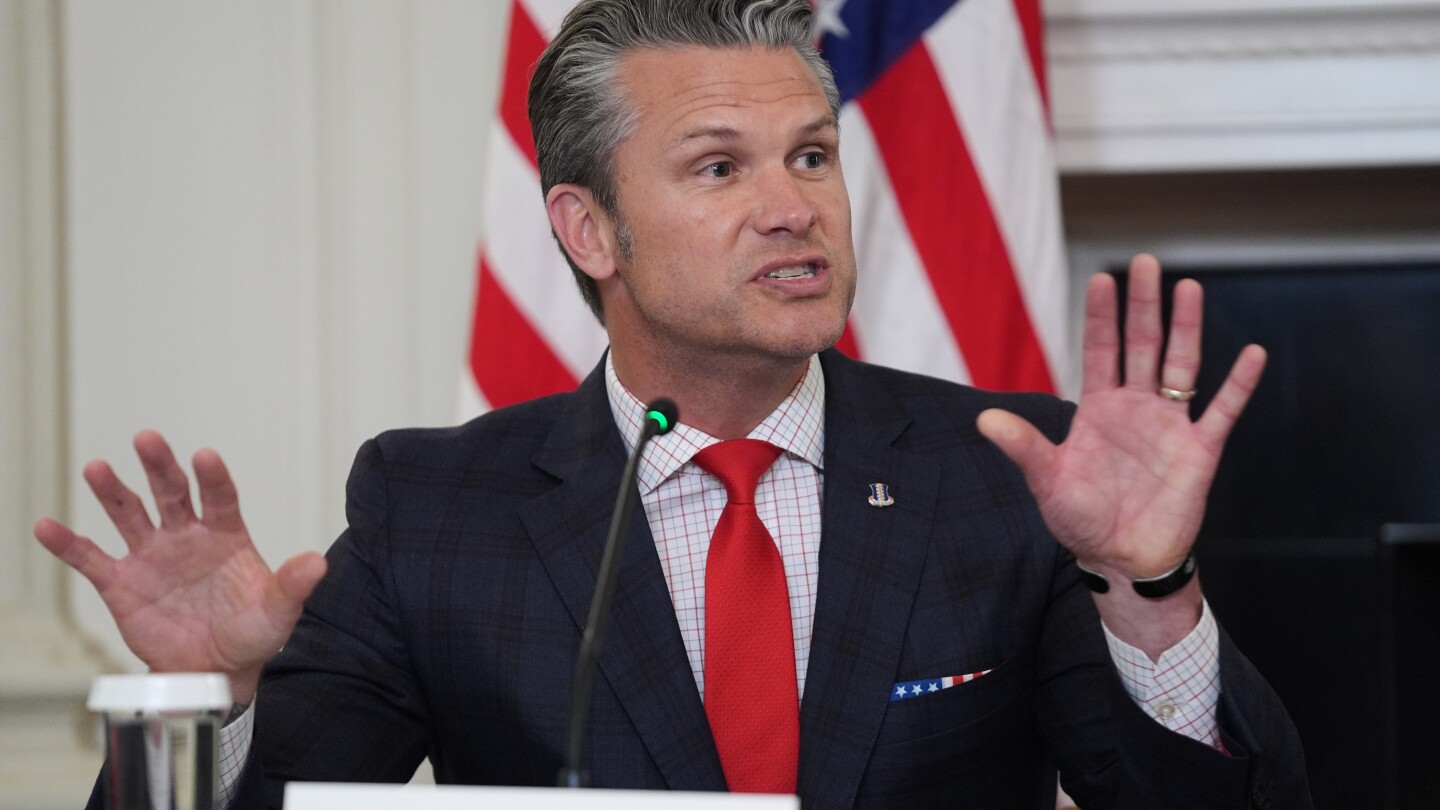
US is sending an aircraft carrier to Latin America in major escalation of military buildup
The U.S. military is intensifying its presence in South America with the deployment of the USS Gerald R. Ford aircraft carrier and its strike group to the region. This move, announced by the Pentagon on Friday, aims to enhance the U.S. capacity to monitor and disrupt illicit activities that threaten national security. Defense Secretary Pete Hegseth emphasized the mission’s focus on combating drug trafficking and other criminal operations. The USS Ford, currently stationed in the Mediterranean Sea, will take several days to reach South America, marking a significant escalation in a region already witnessing a substantial U.S. military buildup, particularly near Venezuela. This deployment follows a series of targeted strikes on suspected drug-smuggling vessels, which have resulted in at least 43 deaths since September. The Trump administration has linked these operations to the Tren de Aragua gang, a Venezuelan criminal organization designated as a foreign terrorist group. Critics argue that the military actions, including the recent flight of supersonic bombers near Venezuela, are less about drug interdiction and more about exerting political pressure on Venezuelan President Nicolás Maduro. Maduro has responded by mobilizing security forces and civilian militias to defend Venezuela’s coastline. Analysts suggest the U.S. is using the drug crackdown as a pretext to assert dominance in the region, drawing parallels to the post-9/11 war on terror. While some lawmakers support the aggressive approach, others express concerns about the lack of congressional oversight and potential violations of international law.