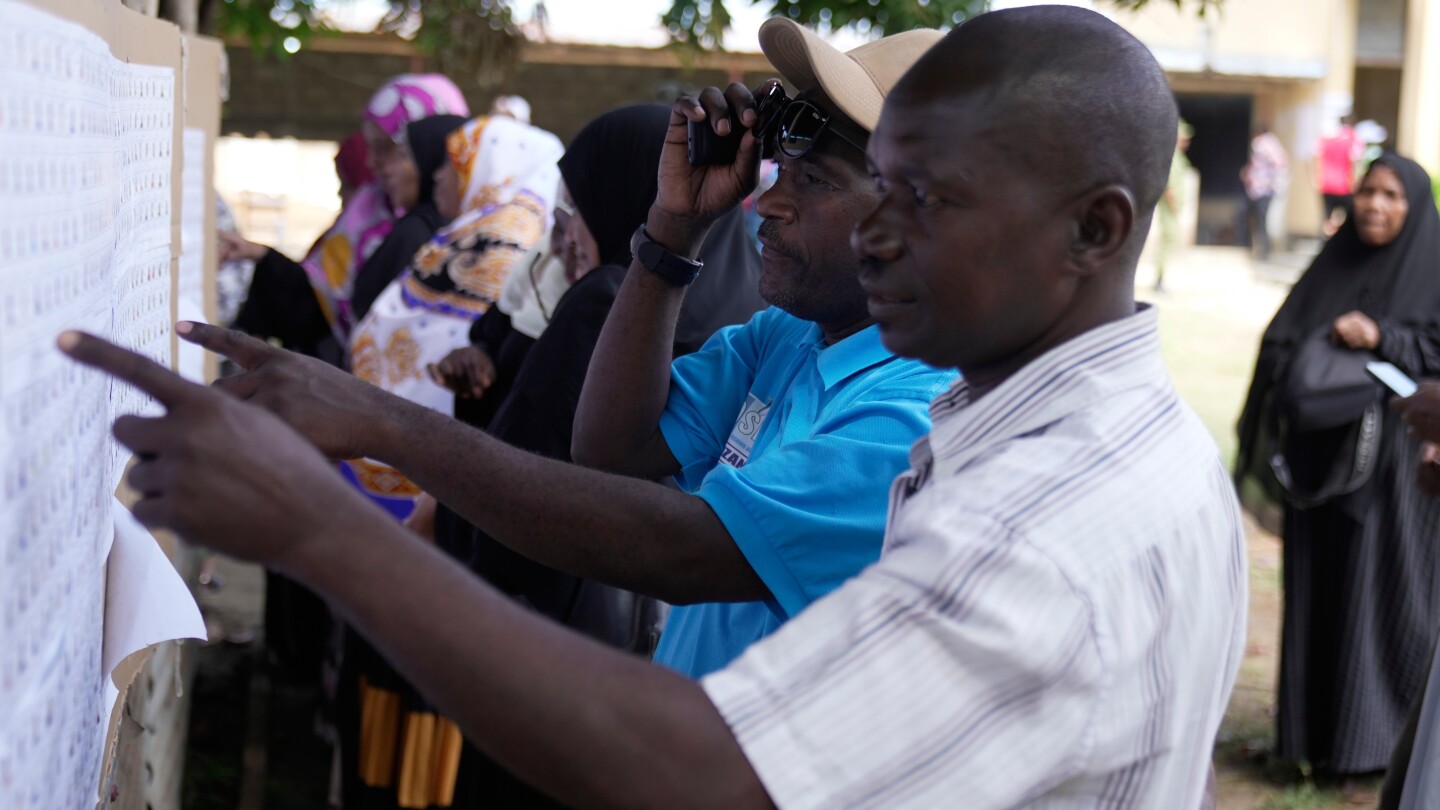
Tanzania has been plunged into turmoil following a contentious election, with hundreds of protesters taking to the streets for a second consecutive day on Thursday. The unrest comes as Amnesty International confirmed the deaths of two individuals during the demonstrations. The government, led by the long-ruling Chama Cha Mapinduzi (CCM) party, has responded with a heavy-handed approach, shutting down the internet, imposing a curfew, and deploying military forces to quell the protests. The CCM, in power since Tanzania’s independence in 1961, sought to extend its dominance in Wednesday’s election, which was marred by allegations of unfairness and the exclusion of major opposition candidates. Incumbent President Samia Suluhu Hassan faced minimal competition from 16 candidates representing smaller parties, none of whom mounted significant campaigns. Early results announced by the electoral body on Thursday showed Hassan with a commanding lead, securing 96.99% of the votes in 8 out of 272 constituencies. The European Parliament condemned the election as neither free nor fair, urging international partners to defend democracy and human rights. Meanwhile, the protests have escalated into violence, with demonstrators burning a bus and a gas station, attacking police stations, and vandalizing polling centers. The government has imposed a curfew in Dar es Salaam, the commercial capital, and restricted public movement, while roadblocks manned by the military have been erected nationwide. Amnesty International has called for investigations into the use of force by police, as tensions remain high and the country grapples with the fallout from the disputed election.
博客
-
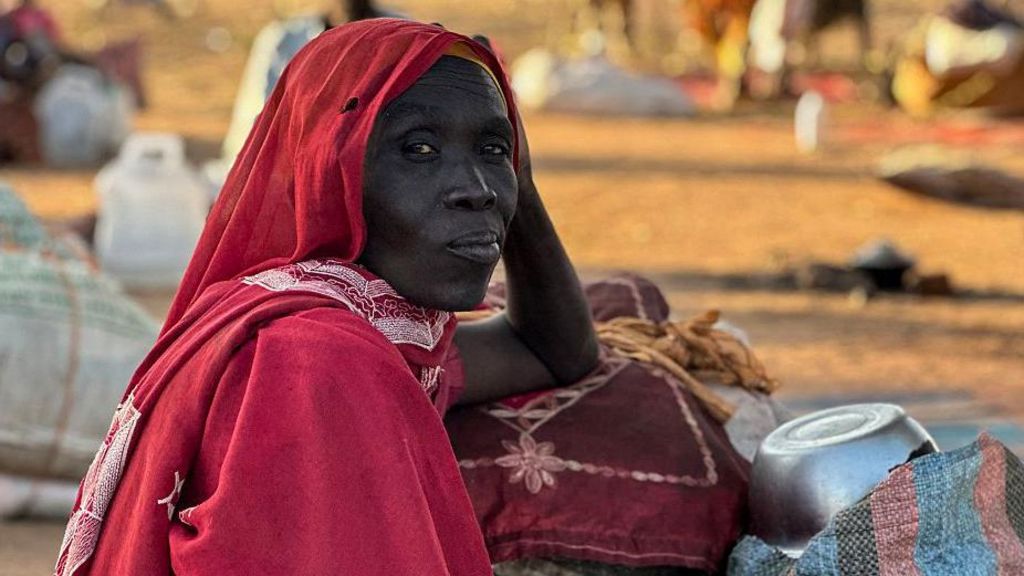
Reports of mass killings in Sudan have echoes of its dark past
The Sudanese city of el-Fasher has become the epicenter of a brutal conflict, with emerging evidence of systematic killings prompting human rights activists to draw parallels to the Darfur genocide of the early 2000s. The Rapid Support Forces (RSF), a paramilitary group with roots in the Janjaweed militias, has been accused of ethnic violence and atrocities since its power struggle with the Sudanese army erupted in April 2023. The fall of el-Fasher after an 18-month siege has brought to light the layers of Sudan’s ongoing civil war, marked by echoes of its dark past and present-day brutality. Survivors recount tales of terror, including summary executions, looting, and indiscriminate shootings, while satellite images suggest massacre sites. The RSF leadership, including Gen Mohamed Hamdan Dagalo, has denied accusations of ethnic cleansing but admitted to ‘violations’ in el-Fasher. Despite promises of investigations, observers remain skeptical, citing unfulfilled pledges from past atrocities. The conflict has a clear ethnic dimension, with the RSF targeting the Zaghawa tribe and other non-Arab communities. Aid groups warn that without international intervention, the pattern of violence could escalate, drawing comparisons to historical genocides like Srebrenica. The international community faces mounting pressure to act, with activists urging accountability for those fueling the conflict, including the United Arab Emirates, accused of supporting the RSF.
-

Young people carry torch of reunification
At a significant commemorative event held at the Taiwan Guild Hall in Beijing on October 21, 2025, four young representatives from Taiwan shared their reflections on the 80th anniversary of Taiwan’s restoration to China. The event highlighted the historical struggles and the enduring spirit of resistance against colonial forces, particularly during the Japanese occupation of Taiwan. One of the speakers, Lu Ying-chu from Taipei, recounted her family’s history, illustrating the deep-rooted connection between Taiwan and mainland China. Her great-grandfather, a prominent figure during the late Qing Dynasty, resisted Japanese cultural assimilation by maintaining traditional Chinese customs and preserving family heritage. Lu emphasized the importance of understanding this history to appreciate the mission of peace and unity that her generation carries forward. The event served as a poignant reminder of the shared cultural and historical ties that bind Taiwan and China, underscoring the ongoing efforts toward reunification.
-
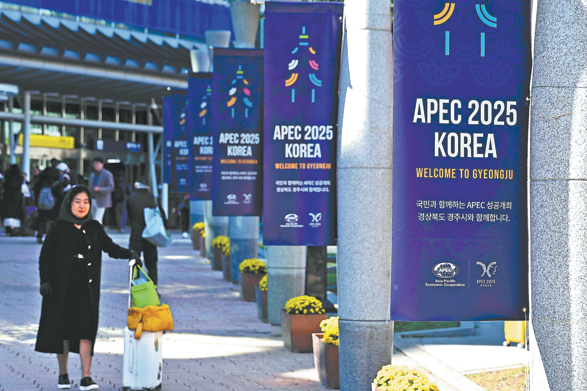
GGI provides wisdom for multilateralism
The Global Governance Initiative (GGI), proposed by China, has been hailed as a significant contribution to multilateralism, aligning closely with the core values of the Asia-Pacific Economic Cooperation (APEC). Introduced by President Xi Jinping in September, the GGI emphasizes five key principles: sovereign equality, adherence to international law, multilateralism, a people-centered approach, and actionable solutions. Experts believe this initiative provides a robust framework for APEC economies to address global governance challenges. Kang Ho-gu, director of the Sino-Korea Economy/Society Institute, noted that the GGI is particularly timely as unilateral policies, such as the ‘America First’ approach, have weakened multilateral mechanisms. As the Republic of Korea hosts the 2025 APEC Economic Leaders’ Meeting under the theme ‘Building a Sustainable Tomorrow,’ Kang highlighted that integrating the GGI’s principles could foster economic cooperation and global stability. Daryl Guppy, an international financial expert, acknowledged the GGI’s role in promoting a rules-based trade order but stressed the challenge of balancing sovereign equality with APEC unity. Anna Rosario Malindog-Uy of the Asian Century Philippines Strategic Studies Institute emphasized the GGI’s potential to enhance institutional coherence and regional resilience through collaborative governance. Additionally, leveraging financial instruments like the Asian Infrastructure Investment Bank and the Silk Road Fund could align APEC projects with the GGI’s sustainable development goals. Jose Alves, dean of the Faculty of Business at the City University of Macau, praised the GGI’s focus on inclusive growth, particularly its support for small businesses, women, and youth. As China prepares to host APEC 2026, the alignment of the GGI and APEC frameworks could drive sustainable growth through green technologies, cross-border trade, and inclusive policies.
-
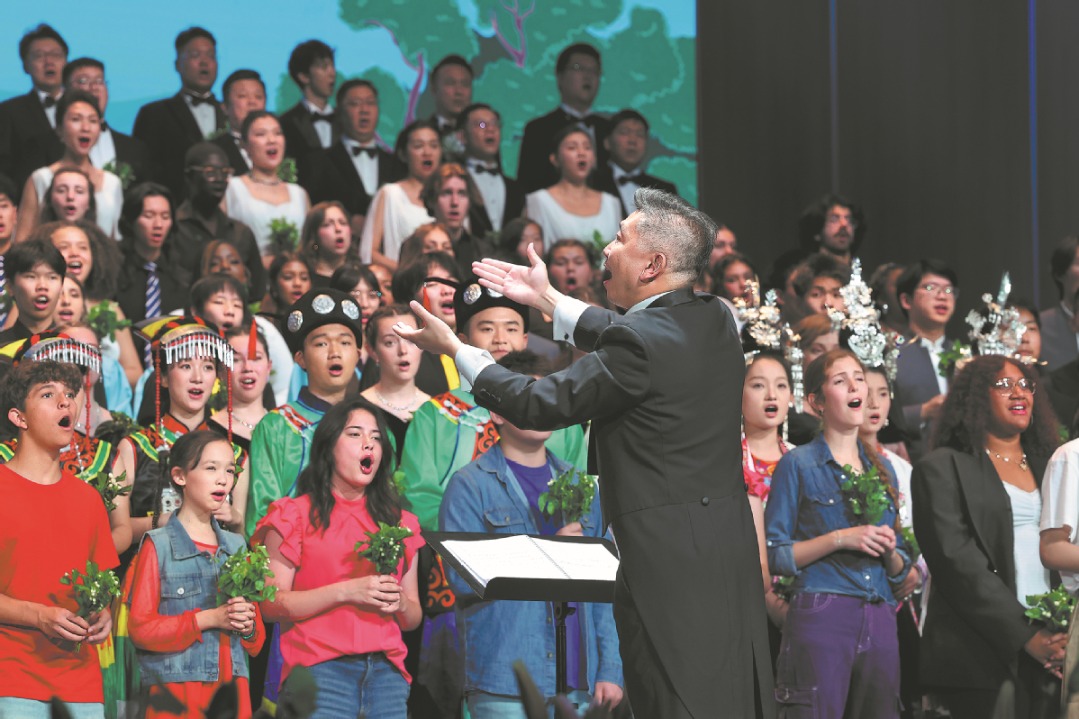
Educational exchanges sow seeds of understanding
Educational exchanges between China and the United States are proving to be a vital conduit for fostering mutual understanding and strengthening bilateral ties. James Long, co-chair of the Durham Sister Cities Kunshan Committee, exemplifies this trend. His journey began with a minor in Chinese studies during his undergraduate years, followed by immersive language studies at Nanjing Normal University. Long believes that firsthand experiences in China can dispel misconceptions and showcase the nation’s rapid development and rising living standards. He is now actively working to establish student exchange programs between North Carolina and China, leveraging technology to bridge language barriers and spark curiosity among American youth. Digital platforms like TikTok are making Chinese language learning accessible and popular, further enhancing cultural exchange. The importance of educational collaboration was underscored at a recent panel discussion in Hangzhou, attended by representatives from the US education, political, and academic sectors. Participants emphasized that such exchanges go beyond knowledge transfer, fostering dialogue and friendship. Susan Thornton, vice-chair of the US Heartland China Association, highlighted the need for broader access to study opportunities in China for American students, noting that the future of US-China relations hinges on grassroots connections. Initiatives like the recent visit of 20 young agricultural professionals from the US heartland to China demonstrate the transformative impact of such exchanges. Participants returned with broadened perspectives and a renewed sense of shared purpose. Natalie Mihalek, a member of the Pennsylvania House of Representatives, echoed these sentiments, stressing that educational exchanges build empathy and trust, transcending political differences. She called for expanded student exchange programs, increased teacher collaboration, and joint research initiatives to further strengthen ties between the two nations.
-
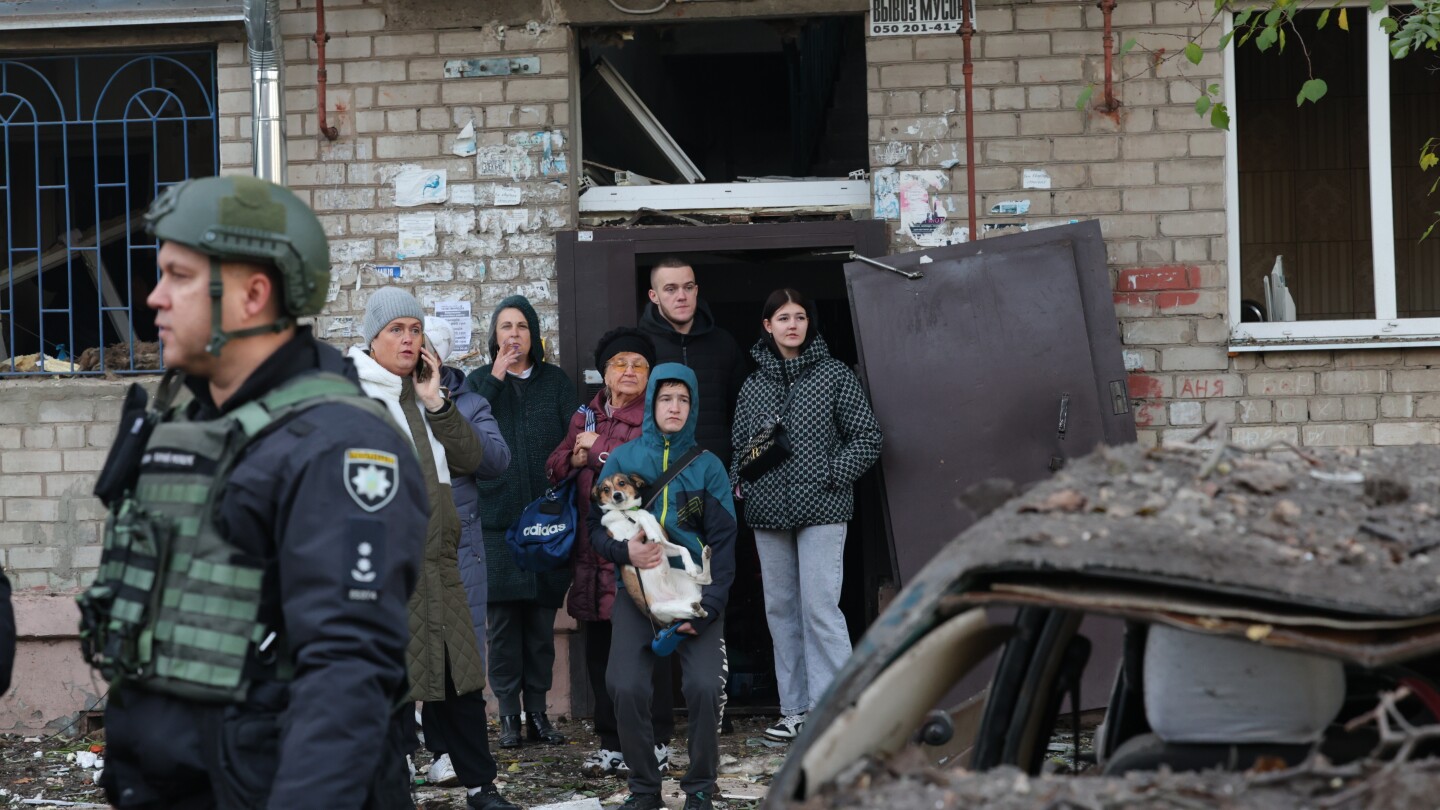
Russia blasts Ukraine’s power grid again, causing outages across the country and killing 2
In a relentless escalation of its ongoing campaign, Russia launched a massive drone and missile assault on Ukraine’s energy infrastructure on Thursday, causing widespread power outages and restrictions across all regions of the country. Ukrainian Prime Minister Yuliia Svyrydenko condemned the attacks as ‘systematic energy terror,’ emphasizing Moscow’s intent to disrupt civilian life and morale as winter approaches. The strikes, part of Russia’s near-daily targeting of Ukraine’s power grid, resulted in at least two fatalities and left 17 injured, including children aged 2 to 16, according to Ukrainian authorities. President Volodymyr Zelenskyy reported that over 650 drones and 50 missiles of various types were deployed in the attack. Ukraine’s centralized public infrastructure, essential for water, sewage, and heating systems, has been severely compromised by the blackouts. These relentless assaults aim not only to cripple Ukraine’s war-related industries but also to undermine the resilience of its population nearly four years into Russia’s full-scale invasion. Svyrydenko called for increased international support, including enhanced air defense systems, stricter sanctions, and intensified diplomatic pressure on Russia to halt its aggression. Meanwhile, the southern Zaporizhzhia region witnessed 17 injuries, including a 2-year-old girl, and the death of a man rescued from rubble. In the western Lviv region, near Poland, two energy facilities were damaged. The Polish military responded by scrambling NATO aircraft and temporarily closing regional airports as a precautionary measure.
-
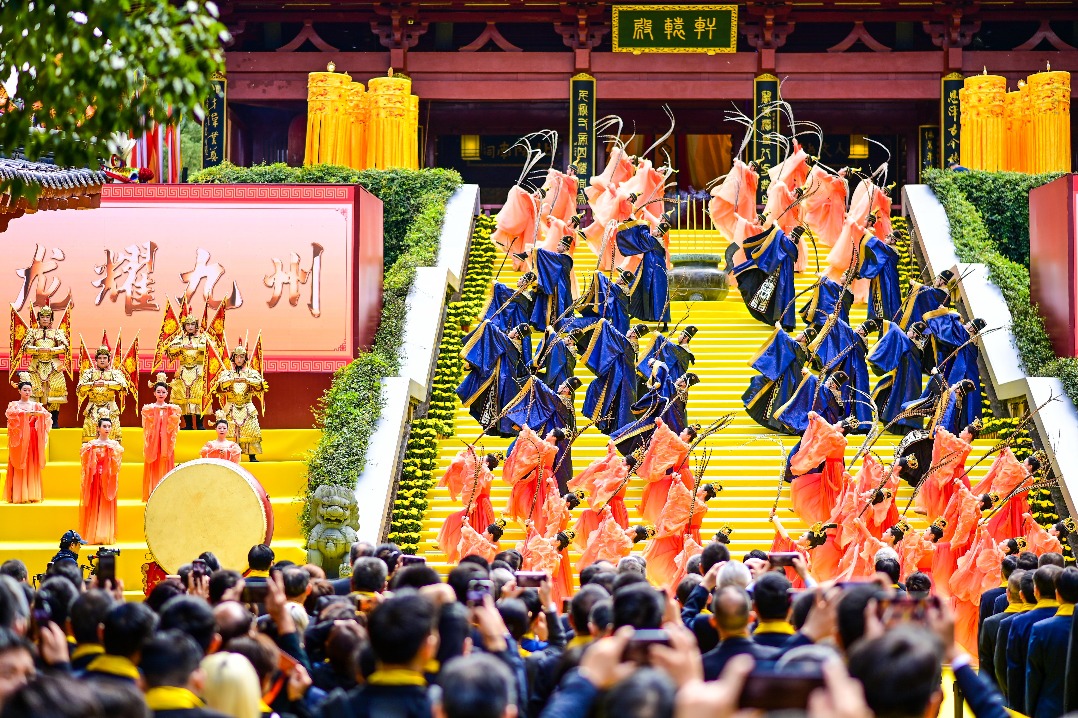
Ancient ancestor honored in Zhejiang
A significant ceremony commemorating Huangdi, the revered Yellow Emperor, took place on Wednesday at the Huangdi Temple in Jinyun County, Lishui City, Zhejiang Province. Huangdi, a legendary figure who unified China approximately 5,000 years ago, is celebrated as the progenitor of the Chinese people and the architect of Chinese culture. The event, attended by over 400 participants, including national role models, Taiwanese compatriots, and overseas Chinese, featured traditional rituals, music, and dance performances. The ceremony began at 9:50 AM, symbolizing the ‘nine five’ numerical combination that signifies Huangdi’s supreme majesty. Drums and bells were struck 34 and 15 times respectively, representing China’s 34 administrative regions and the 1.5 billion Chinese people worldwide. Tsai Meng-hsuan, a Taiwanese doctoral graduate from Fudan University, emphasized the importance of these traditions, stating, ‘These rites are our roots and origins. If you lose them, you will lose your direction and forget who you are.’ The event also coincided with the Double Ninth Festival, a traditional Chinese holiday honoring the elderly. Zhang Hongmin, a researcher at the Zhejiang Academy of Social Sciences, highlighted the enduring legacy of Huangdi’s culture, noting that advancements in artificial intelligence could further enhance the understanding and dissemination of this cultural heritage.
-

Jemimah Rodrigues powers India past Australia into Women’s Cricket World Cup final
In a thrilling showdown at Navi Mumbai, India, Jemimah Rodrigues delivered a masterclass performance, scoring an unbeaten 127 runs to lead India to a five-wicket victory over defending champions Australia in the Women’s Cricket World Cup semifinal on Thursday. Rodrigues’ stellar innings, which included 14 boundaries, powered India to chase down a formidable target of 339 runs in 48.3 overs, marking a record chase in World Cup knockout history. Captain Harmanpreet Kaur also played a pivotal role, contributing 89 runs off 88 balls. Despite a valiant century from Australia’s Phoebe Litchfield (119 off 93 balls), the seven-time champions fell short of securing a spot in the final. India’s triumph ended Australia’s 16-match unbeaten streak in the tournament, dating back to 2022. The hosts will now face first-time finalists South Africa in the title clash on Sunday, with both teams vying for their maiden Women’s World Cup trophy. Rodrigues, named Player of the Match, expressed her joy and dedication, emphasizing the collective effort over individual glory. This historic victory has set the stage for an electrifying final, promising a new champion in women’s cricket.
-
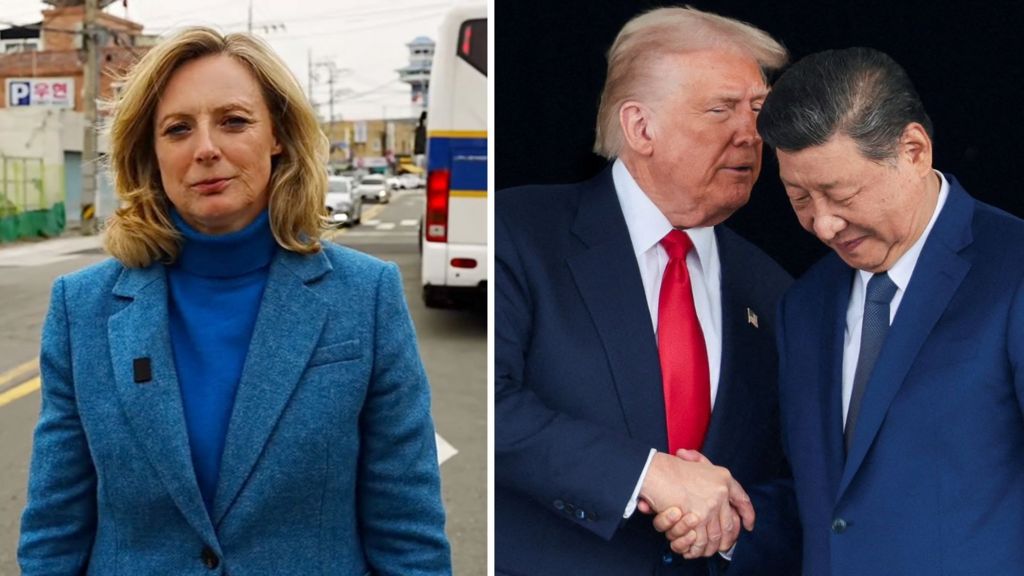
Watch: US and China’s different reports of their trade meeting
The recent trade negotiations between the United States and China have sparked significant attention, particularly due to the starkly different ways the two nations have portrayed the event. The BBC’s Laura Bicker delves into the contrasting narratives presented by both sides. While the US emphasized progress and the enforcement of trade agreements, China highlighted mutual understanding and cooperation. These divergent accounts underscore the ongoing complexities in US-China trade relations, reflecting broader geopolitical tensions. The reports also reveal how each country strategically frames its diplomatic engagements to align with domestic and international objectives. This analysis sheds light on the intricate dynamics of global trade diplomacy and the challenges of achieving consensus between economic superpowers.
-
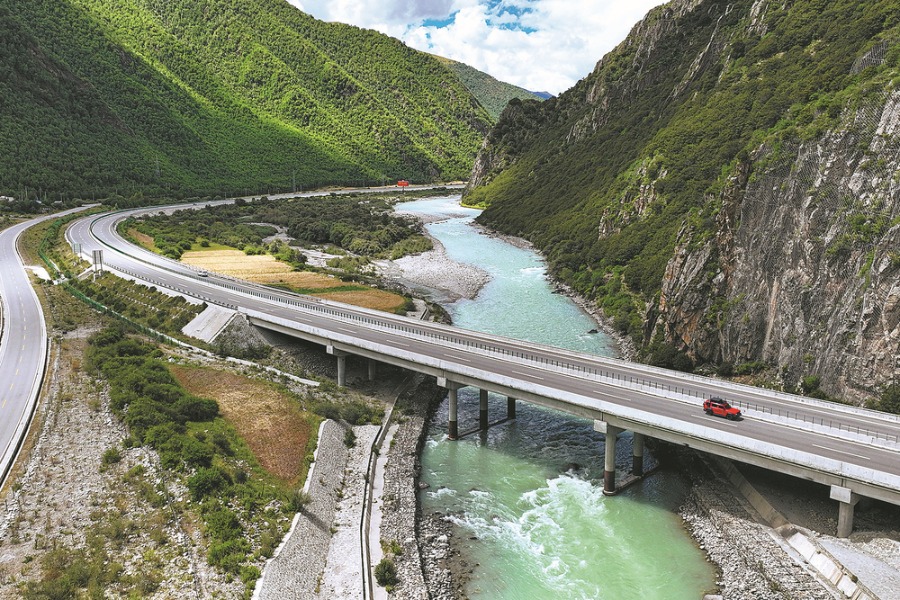
Xizang’s green success exemplifies sustainable development
The Xizang autonomous region has emerged as a global exemplar of sustainable development, showcasing a unique blend of modernization and ecological preservation. This was the central theme at the 2025 Forum on the Development of Xizang, held in Nyingchi, where over 400 participants from 44 countries and regions gathered to discuss the region’s progress. The forum highlighted Xizang’s transformation from a remote area to a hub of green innovation and cultural preservation. Mo Gaoyi, deputy director of the Publicity Department of the Communist Party of China Central Committee, emphasized the region’s new historical starting point as China prepares its 15th Five-Year Plan (2026-30). He underscored the importance of governance experience exchange, human rights advocacy, and cross-cultural learning. UNESCO representative Shahbaz Khan lauded Xizang’s modern infrastructure, which has connected its most isolated communities, expanding access to education, services, and markets. Pakistan’s ambassador Khalil Hashmi praised Xizang’s green growth model as replicable for other plateau regions, noting the success of its highland barley industry, which is projected to exceed 5 billion yuan in output by 2025. Timor-Leste’s ambassador Maubere Lorosae da Silva Horta highlighted the shared challenges of climate change, calling for enhanced South-South cooperation through a Plateau-Island Ecological Monitoring Mechanism. Zhao Peng, vice-chairman of the regional government, emphasized the role of Xizang’s youth in driving sustainable development, urging them to adopt eco-friendly lifestyles and contribute to the region’s ecological and economic progress.