博客

  • Trump’s ‘amazing’ bargain with Xi turns out a dud

    Trump’s ‘amazing’ bargain with Xi turns out a dud

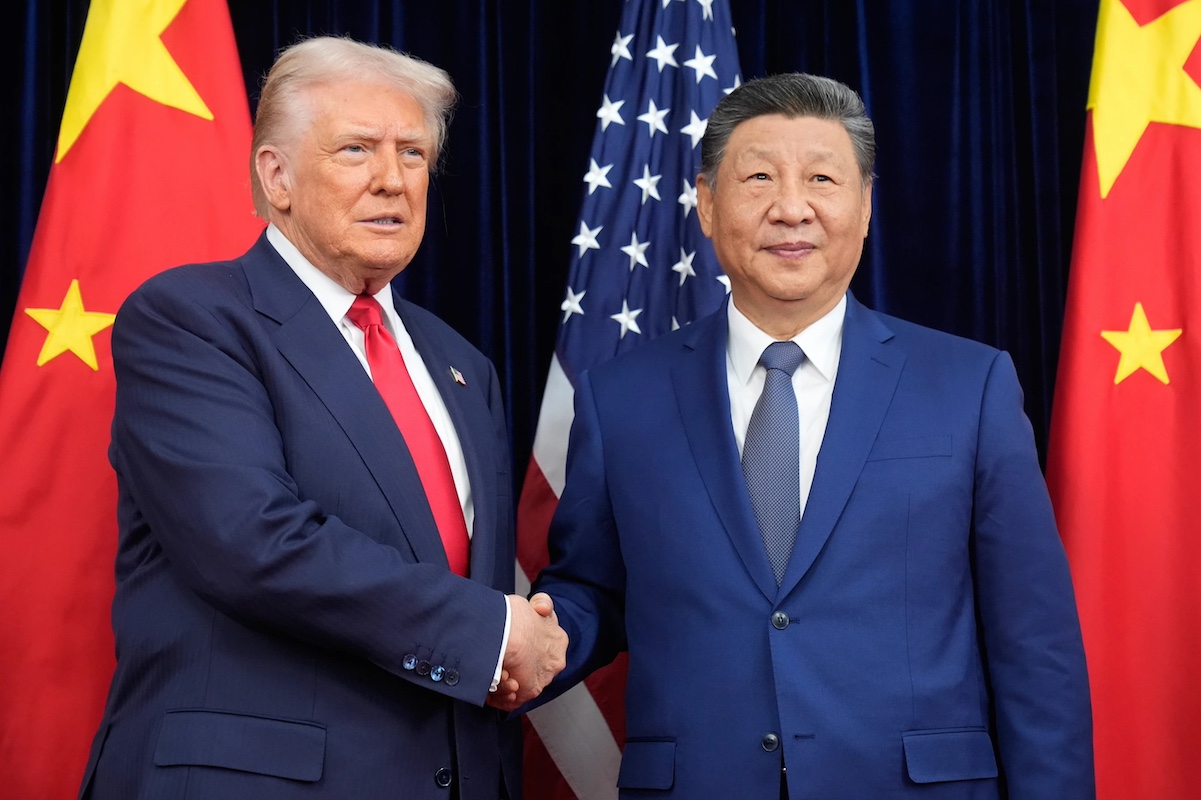
    US President Donald Trump recently celebrated a trade agreement with Chinese President Xi Jinping, hailing it as a significant breakthrough. Trump announced a reduction in tariffs on Chinese goods to 47%, describing the meeting as “amazing.” However, the long-term impact of this agreement remains uncertain, with experts questioning its effectiveness in addressing the deep-rooted trade imbalances between the two nations.

    The deal, characterized by vague terms and a lack of specific enforcement mechanisms, does little to alter the fundamental dynamics of the $659 billion trade relationship between the US and China. While the agreement includes measures such as increased soybean purchases and the flow of rare-earth minerals, it falls short of addressing the structural issues that contribute to America’s trade deficit with China.

    Economists and analysts have expressed skepticism about the durability of the agreement. Ting Lu of Nomura Holdings noted that while the easing of tensions is positive, the rivalry between the two superpowers is likely to escalate in the future. Chang Shu of Bloomberg Economics echoed this sentiment, suggesting that the new reality of US-China relations is one of frequent disruptions and short-term fixes.

    Goldman Sachs economist Jan Hatzius highlighted the unpredictability of the situation, stating that recent policy moves suggest a wider range of potential outcomes than previously anticipated. He suggested that the most likely scenario is a mutual pullback from aggressive policies and an indefinite extension of the tariff escalation pause reached in May.

    Ali Wyne of the International Crisis Group observed that Trump views Xi as the head of a rival business rather than an imperial leader, which could lead to mutual restraint. However, Trump’s ambition to curb China’s rise lacks proportionality and could undermine long-term strategic goals.

    Patricia Kim of the Brookings Institution emphasized that managing US-China relations requires ongoing strategic management rather than grand gestures. She noted that many of the core demands of both nations are irreconcilable, making a comprehensive agreement unlikely.

    Meanwhile, China has been preparing for a post-Trump world by diversifying its trade relationships. Increased shipments to Europe, Southeast Asia, and the Global South have allowed China to mitigate the impact of US tariffs. Arthur Kroeber of Gavekal Dragonomics pointed out that Chinese exporters have developed workarounds, such as transshipment and relocating production to lower-tariff countries.

    Despite these efforts, China’s Ministry of Commerce has criticized the US for overstretching national security concerns and imposing unilateral measures that harm China’s interests. The ministry reiterated China’s opposition to these actions, which have undermined the atmosphere of bilateral economic talks.

    Trump’s trade policies, rooted in 1980s economic strategies, are increasingly out of sync with the global economy. As China invests in future technologies and the Global South forges its own path, the US risks losing its influence. Gilles Moec of AXA Investment noted that the world economy is splitting into competing groups, with companies reorganizing supply chains around countries with similar values or security concerns.

    In conclusion, while Trump’s trade deal with China may provide temporary relief, it is unlikely to resolve the underlying tensions between the two nations. The global economic landscape is evolving, and the US must adapt to maintain its position in an increasingly fragmented world.
  • Barcelona’s Sagrada Familia becomes the world’s tallest church

    Barcelona’s Sagrada Familia becomes the world’s tallest church

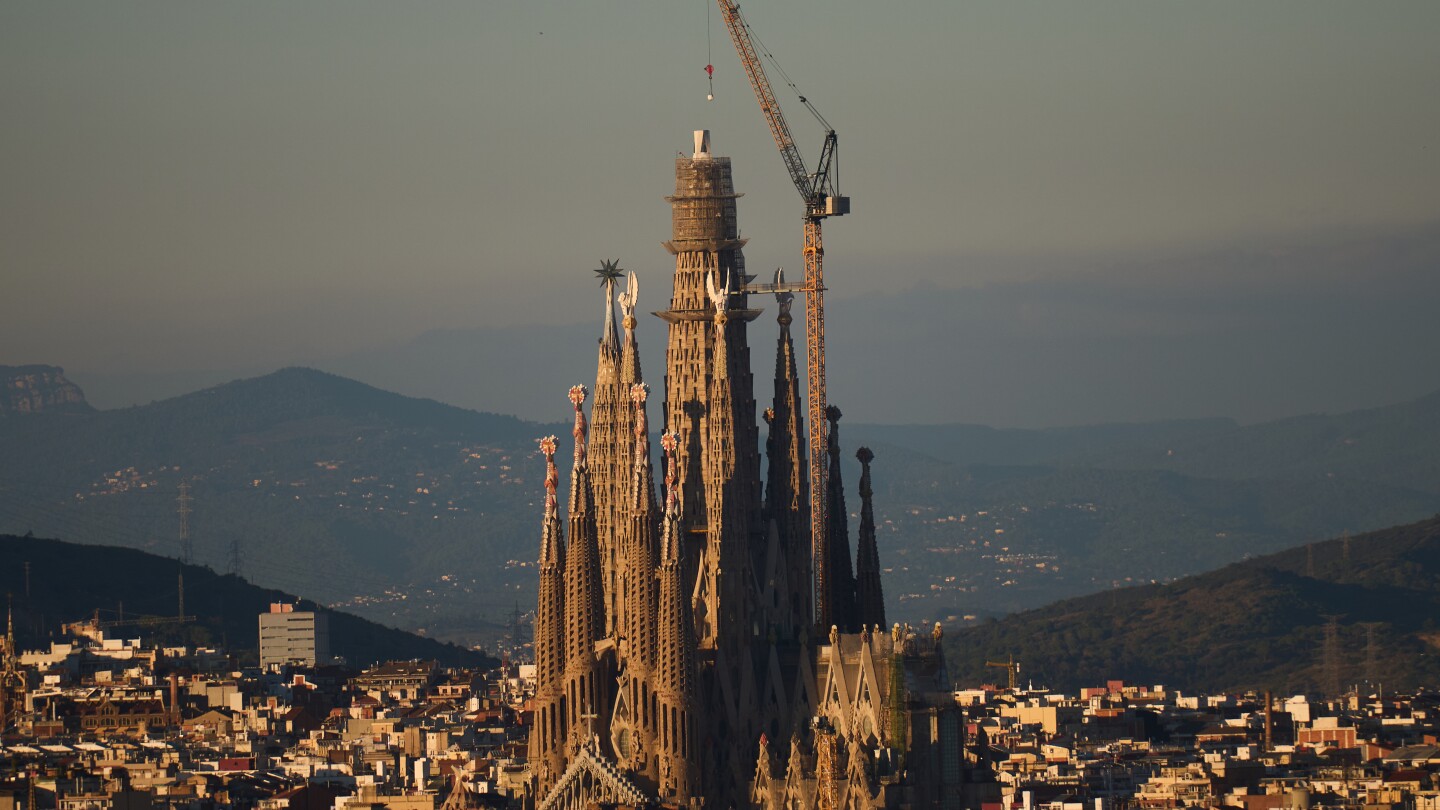
    Barcelona’s iconic Sagrada Familia basilica has achieved a historic milestone by becoming the world’s tallest church. On Thursday, a section of its central tower was successfully installed, elevating the structure to a height of 162.91 meters (534 feet). This surpasses Germany’s Ulmer Münster, a Gothic Lutheran church that previously held the title at 161.53 meters (530 feet). The Sagrada Familia, designed by the visionary architect Antoni Gaudí, is now just over a meter taller than its German counterpart. The central “Tower of Jesus Christ” is still under construction and is expected to reach its final height of 172 meters (564 feet) in the coming months. Construction of the basilica began in 1882, and Gaudí, who passed away in 1926, never anticipated its completion within his lifetime. Over the decades, the project has gained momentum, fueled by its status as a global tourist attraction. Last year alone, 4.9 million visitors, including 15% from the United States, contributed to its funding through entrance fees. The church’s intricate facades and interior decorations will continue to be developed over the next decade, with full completion anticipated around 2035. Next year marks the centenary of Gaudí’s death, and the basilica plans to host events honoring his architectural legacy, which includes other remarkable structures in Barcelona and across Spain.

  • Nepal PM holds first talks since protests with parties and ‘Gen Z’

    Nepal PM holds first talks since protests with parties and ‘Gen Z’

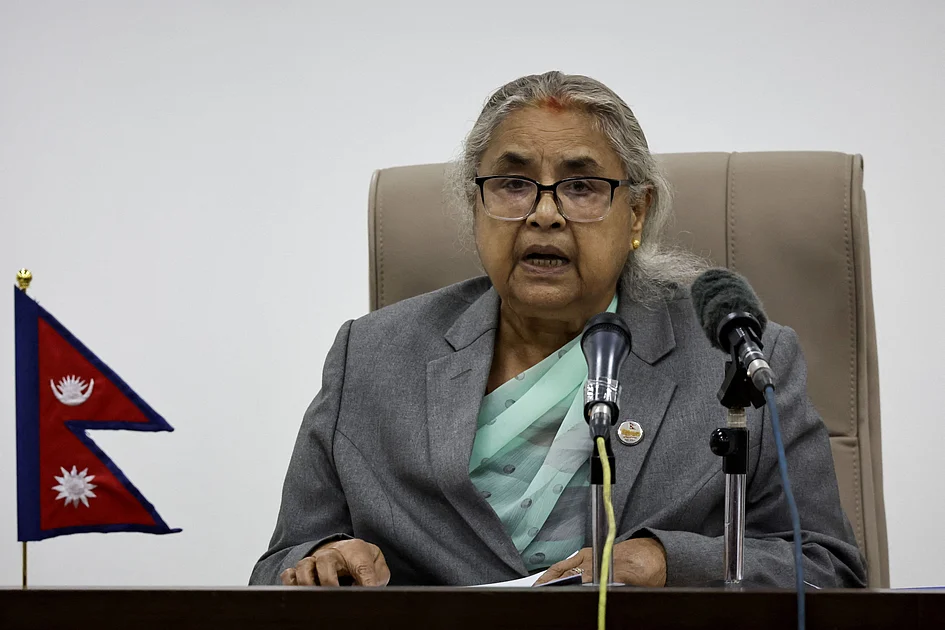
    Nepal’s interim Prime Minister Sushila Karki has convened the first round of discussions between political parties and youth representatives following last month’s violent anti-corruption protests that led to the collapse of the previous government. The unrest, which erupted on September 8-9, was sparked by a temporary social media ban but was fueled by long-standing grievances over economic hardship and systemic corruption. The clashes resulted in at least 73 fatalities and left key government institutions, including parliament and courts, in flames. Karki, a former chief justice appointed as interim leader, emphasized the importance of fostering cooperation and trust in a statement on social media. She stated, ‘We have succeeded in creating an environment of cooperation and trust by ending the state of lack of dialogue.’ The four-hour meeting, attended by major political parties and ‘Gen Z’ representatives, aimed to address the deep public distrust in Nepal’s established parties and prepare for the March 2026 elections. Karki pledged to ensure fair, secure, and timely elections while restoring order and addressing demands for clean governance. The meeting also included representatives from the Communist Party of Nepal – Unified Marxist Leninist (CPN-UML), led by ousted former Prime Minister KP Sharma Oli. Ram Rawal, Karki’s media coordinator, noted that the dialogue helped bridge the trust gap between the government, political parties, and the youth. The unrest has further strained Nepal’s fragile economy, with the World Bank reporting that 82% of the workforce is engaged in informal employment and GDP per capita stood at just $1,447 in 2024.

  • Dubai: Sheikh Mohammed announces launch of Dh4.7 billion endowment project

    Dubai: Sheikh Mohammed announces launch of Dh4.7 billion endowment project

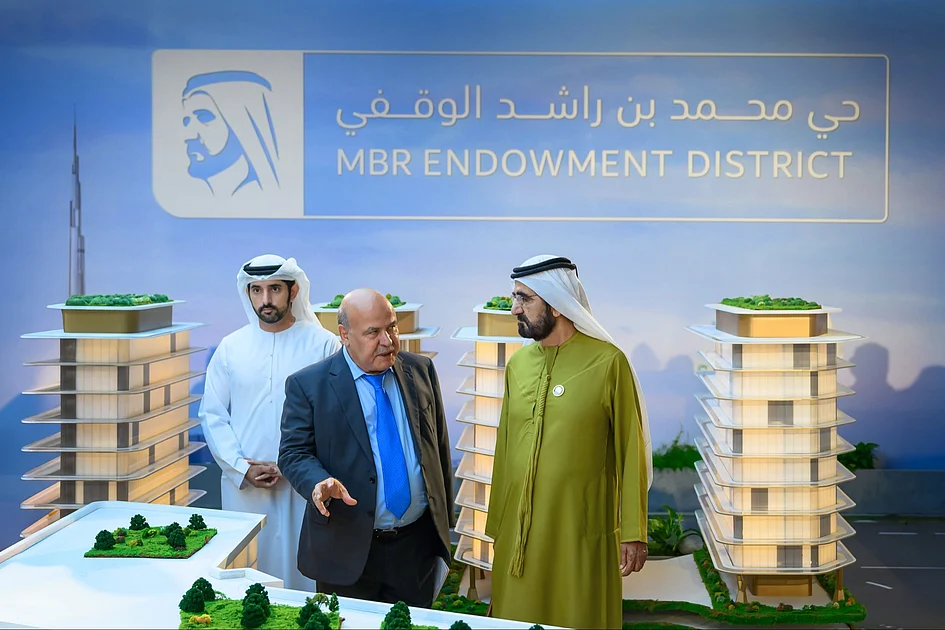
    In a landmark announcement, Sheikh Mohammed bin Rashid Al Maktoum, Vice-President and Prime Minister of the UAE, has revealed the launch of a Dh4.7 billion endowment project under the Mohammed bin Rashid Al Maktoum Global Initiatives. This ambitious endeavor, described as a ‘permanent humanitarian charitable endowment,’ aims to channel its proceeds into global health and education initiatives. The project will feature a state-of-the-art hospital capable of serving 90,000 patients annually, a medical university, schools accommodating over 5,000 students, and residential buildings with 2,000 housing units. Additionally, the endowment district will include a boulevard, charitable commercial shops, and other community-focused facilities. Sheikh Mohammed expressed his gratitude to key contributors, including Azizi Developments, and emphasized the importance of sustaining goodness in the nation of generosity and giving. This announcement follows the recent launch of the ‘Volunteering and Community Engagement Ecosystem,’ which seeks to bolster the impact of volunteering and support nonprofit organizations in their contributions to sustainable development. The ecosystem includes a Dh100 million fund and a strategy to expand the country’s volunteer base to 600,000.

  • Trump sets 7,500 annual limit for refugees entering US. It’ll be mostly white South Africans

    Trump sets 7,500 annual limit for refugees entering US. It’ll be mostly white South Africans

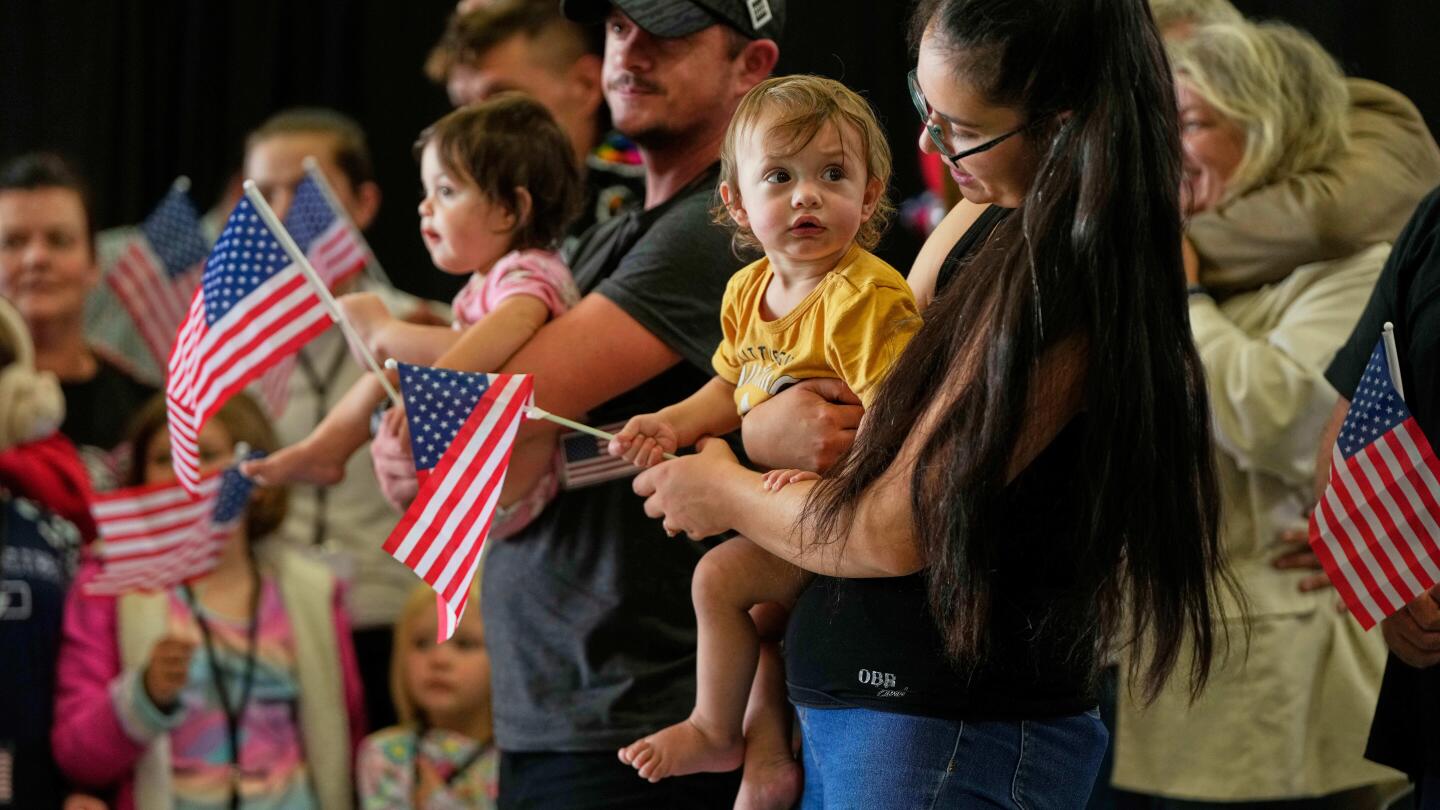
    In a significant policy shift, the Trump administration has announced a drastic reduction in the number of refugees admitted annually into the United States, capping the figure at 7,500 for the 2026 fiscal year. This marks a sharp decline from the previous ceiling of 125,000 set under President Joe Biden. The announcement, published in the Federal Registry on Thursday, did not provide a specific rationale for the decision but stated that the admission of these refugees is “justified by humanitarian concerns or is otherwise in the national interest.” Notably, the majority of these refugees are expected to be white South Africans, a group the administration has previously cited as facing discrimination and violence in their home country—a claim strongly denied by the South African government. The move represents a continuation of the administration’s restrictive stance on refugee admissions, which began with the suspension of the program on Trump’s first day in office. Since then, only a limited number of refugees, predominantly white South Africans, have been admitted, with some entering as part of ongoing legal proceedings. The reduced cap has had a significant impact on organizations dedicated to refugee resettlement, many of which have been forced to downsize due to the plummeting number of arrivals. This policy shift has drawn criticism from various quarters, as it marks a departure from the bipartisan support the refugee program has historically enjoyed.

  • 1,290 organizations and 1,990 individuals awarded for contributions to elderly care

    1,290 organizations and 1,990 individuals awarded for contributions to elderly care

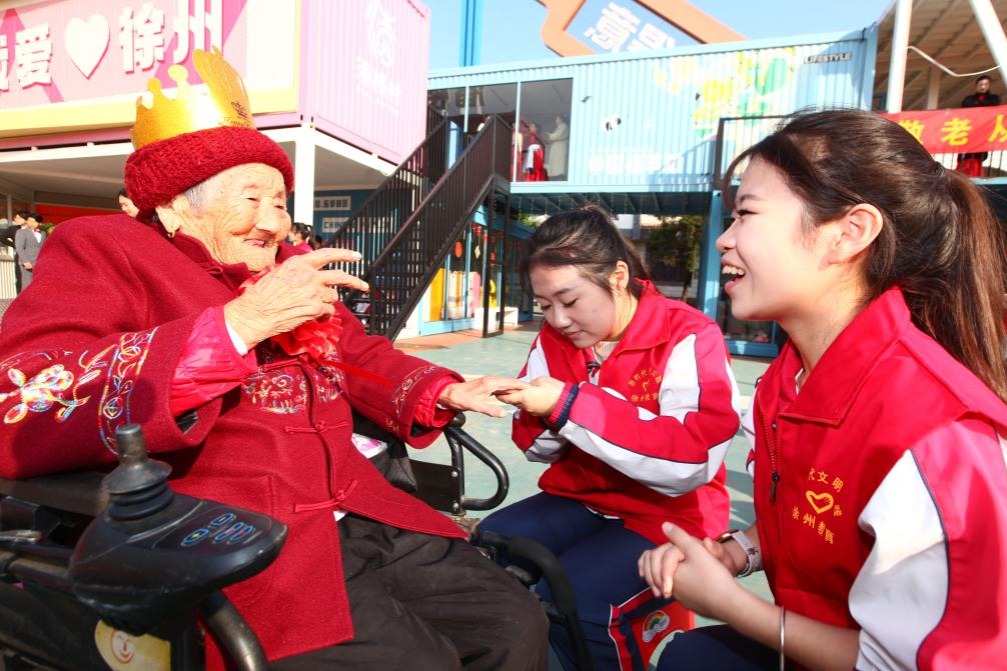
    In a significant ceremony held in Beijing on Wednesday, the China National Working Commission on Aging honored 1,290 organizations and 1,990 individuals for their exceptional contributions to elderly care. The event aimed to inspire broader societal participation in supporting the elderly, emphasizing the importance of respecting and caring for seniors as both a traditional virtue and a social responsibility. State Councilor Shen Yiqin, who attended the commendation ceremony, underscored the need for enhanced elderly care services, increased social engagement among seniors, and the enrichment of their cultural and spiritual lives to foster an age-friendly society. Lu Zhiyuan, Minister of Civil Affairs, highlighted the necessity of translating the influence of role models into practical actions that respect, care for, and support the elderly across all societal levels. He also stressed the importance of addressing the urgent needs of the elderly to create a supportive environment that ensures their well-being and rights.

  • What is COP30 and why does it matter?

    What is COP30 and why does it matter?

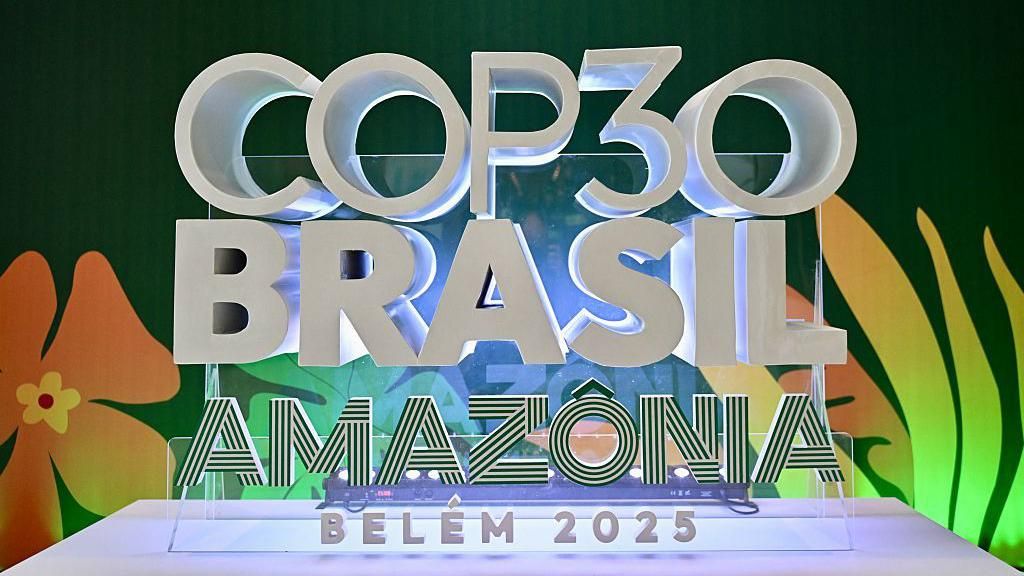
    As the world grapples with escalating climate crises, global leaders are set to convene for COP30, the 30th annual United Nations climate conference. Scheduled from November 10 to 21 in Belém, Brazil, this summit marks a decade since the landmark Paris Agreement, which aimed to cap global temperature rises at 1.5°C above pre-industrial levels. The conference, officially known as the ‘Conference of the Parties,’ brings together nearly 200 nations to strategize on mitigating and adapting to climate change. However, the choice of Belém, located in the heart of the Amazon rainforest, has sparked logistical and environmental concerns, including deforestation for infrastructure and limited accommodations, potentially sidelining poorer nations. The summit faces additional challenges as global climate targets remain under strain, with only a third of countries submitting updated emission reduction plans. UN Secretary-General António Guterres has acknowledged that exceeding the 1.5°C target is now inevitable but remains hopeful for future corrective measures. Key discussion points at COP30 include the transition from fossil fuels, financial commitments to developing nations, renewable energy expansion, and the launch of the ‘Tropical Forests Forever Facility.’ The summit also grapples with the contentious stance of the Trump administration, which has rolled back U.S. climate commitments and criticized global climate efforts. Despite these hurdles, COP30 represents a pivotal moment for international collaboration, aiming to reinforce the commitments made in Paris and drive meaningful progress toward a sustainable future.

  • Guangzhou Baiyun Airport opens Terminal 3 and fifth runway

    Guangzhou Baiyun Airport opens Terminal 3 and fifth runway

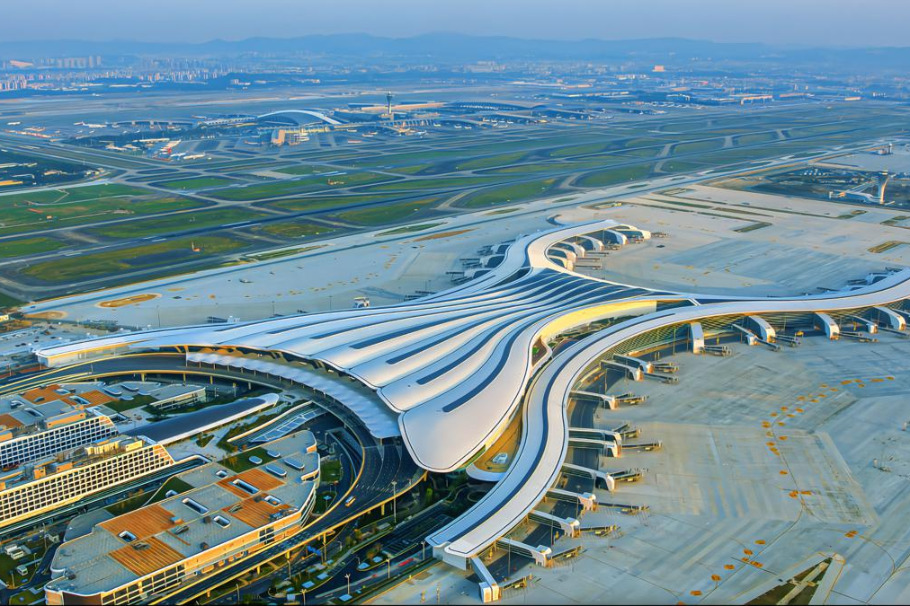
    Guangzhou Baiyun International Airport has officially launched its state-of-the-art Terminal 3 and a fifth runway, marking a significant milestone in its expansion efforts. The new facilities, which began operations on Thursday, solidify the airport’s status as one of the world’s busiest aviation hubs. With the addition of Terminal 3 and the new runway, the airport now boasts three terminals and five runways, significantly enhancing its operational capacity. The upgrades increase the airport’s annual passenger handling capacity to 140 million and its cargo capacity to 6 million metric tons. Officials emphasized that these developments are crucial to meeting the escalating travel demands within the Guangdong-Hong Kong-Macao Greater Bay Area, which already sees an annual passenger volume exceeding 120 million. The expansion is expected to further strengthen the region’s connectivity and economic growth, positioning the airport as a key player in global aviation.

  • Trump’s surgeon general pick goes into labour before confirmation hearing

    Trump’s surgeon general pick goes into labour before confirmation hearing

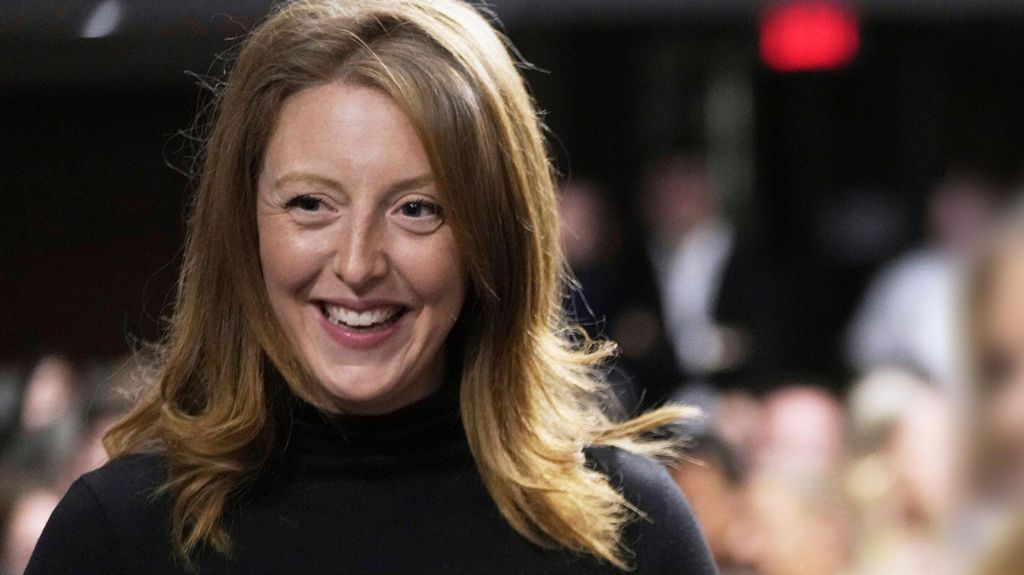
    President Donald Trump’s nomination of Dr. Casey Means for the position of U.S. Surgeon General has taken an unexpected turn as her Senate confirmation hearing was postponed due to her going into labor with her first child. A spokesperson confirmed the delay, noting that Dr. Means was initially set to appear virtually before the Senate committee due to her advanced pregnancy.

  • How ‘Love is Blind’ is reshaping global views on love, from Japan to Brazil

    How ‘Love is Blind’ is reshaping global views on love, from Japan to Brazil

    The recent Denver season of Netflix’s reality dating show ‘Love Is Blind’ marks its first foray into the Mountain West, but the franchise has already established itself as a global phenomenon. Over five years, the show has produced seasons in nine U.S. cities and inspired nearly a dozen international adaptations. By challenging conventional notions of love and prioritizing emotional connections over physical appearances, each season reflects the cultural intricacies of its setting, whether in Dallas or Japan. However, the show has faced criticism, including lawsuits over contestant treatment and concerns about internalized biases, particularly when couples meet face-to-face. Despite these issues, the series has successfully highlighted diverse cultural norms and forms of love across regions like Brazil, Japan, Sweden, the U.K., Mexico, the Middle East, Germany, Argentina, and France, with Italy and the Netherlands soon to follow. Brandon Riegg, Netflix’s vice president of nonfiction series and sports, emphasizes that the show’s blend of local authenticity and global relatability has subtly influenced global perspectives on love. Culturally conscious adaptations, such as the reserved dynamics of ‘Love is Blind: Japan’ and the bold emotions of ‘Love is Blind: Brazil,’ demonstrate the show’s ability to resonate with varied audiences. The Middle Eastern adaptation, ‘Love is Blind: Habibi,’ thoughtfully addressed conservative cultural values, earning praise for its respectful approach. The show has also sparked discussions about diversity and representation, with fans advocating for more inclusive casting and even a queer version. While the romantic relationships often take center stage, the friendships formed during the show have become a meaningful aspect, offering participants a lifeline in emotionally intense situations. As ‘Love Is Blind’ continues to evolve, it remains a platform for exploring the multifaceted nature of love across cultures and identities.