
Ras Al Khaimah is poised for a transformative leap in its tourism and economic landscape with the development of the Wynn integrated resort on Al Marjan Island. Industry experts predict that this project will more than double the emirate’s visitor numbers, positioning it as a key player in the UAE’s hospitality sector. Tariq Bsharat, Chief Strategy and Business Development Officer at Marjan, emphasized that the resort is not merely a luxury addition but a ‘game-changer’ designed to elevate Ras Al Khaimah’s global tourism profile. Speaking at the International Real Estate Investment Summit, Bsharat drew parallels with global destinations like Singapore, Macau, and Las Vegas, where integrated resorts have significantly boosted tourism. The Wynn project, set to open in 2027, will feature 1,530 rooms, 22 dining venues, luxury retail, a spa, and entertainment areas. Extensive studies by EY, Colliers, and JLL forecast a surge in visitors from 1.3 million in 2023 to 3.8 million in 2027, eventually reaching 5.5 million. Colliers estimates that the resort could increase UAE-wide visitor arrivals by up to 9 per cent, highlighting its national significance. Beyond tourism, the project is expected to drive population growth, demand for residential units, and job creation, creating a virtuous cycle of development. Marjan is also advancing flagship projects like RAK Central and Marjan Beach to support this growth. Investor confidence has surged since the Wynn announcement, with increased land transactions and development activity across Al Marjan Island. Abdulla Al Abdouli, CEO of Marjan, highlighted the emirate’s diverse landscape as a magnet for varied investments, from luxury retreats to waterfront developments.
博客
-

Rebel’s Romance chases Breeders’ Cup Turf history
This weekend, the racing world turns its attention to Del Mar Racecourse in California, where Rebel’s Romance, Godolphin’s most celebrated horse, seeks to etch his name into the annals of Breeders’ Cup history. Owned by Sheikh Mohammed bin Rashid Al Maktoum, Vice President and Prime Minister of the UAE and Ruler of Dubai, Rebel’s Romance is vying for an unprecedented third Breeders’ Cup Turf victory, having triumphed at Keeneland in 2022 and Del Mar in 2023. Only two legendary mares, Beholder and Goldikova, have achieved three Breeders’ Cup wins, making Rebel’s Romance’s quest a monumental challenge. The seven-year-old stallion, sired by the renowned Dubawi, enters the race in stellar form, having secured five wins from seven starts this year, including a ninth Group 1 victory in the Joe Hirsch Turf Classic at Aqueduct. Trainer Charlie Appleby expressed confidence in Rebel’s Romance’s experience and preparation, acknowledging the rising competition from younger contenders. Among them is stablemate El Cordobes, a rapidly improving Frankel colt, who will be ridden by Irish jockey Billy Loughnane. The Breeders’ Cup, often dubbed the ‘World Championships of Horse Racing,’ will also feature other top contenders, including Aidan O’Brien’s Minnie Hauk and Frankie Dettori’s Wimbledon Hawkeye. With Godolphin’s global dominance in horse racing, all eyes are on Rebel’s Romance to see if he can make history once more in the iconic Royal Blue silks.
-

Jerusalem rocked by huge ultra-Orthodox demonstration against army conscription
In an unprecedented display of unity, hundreds of thousands of ultra-Orthodox men gathered in Jerusalem on Thursday to protest against the Israeli government’s efforts to enforce military conscription and the arrest of draft dodgers. The demonstration, dubbed the ‘demonstration of the million,’ brought together various ultra-Orthodox factions, including Chabad, which issued a call for participation in the rally. The event, however, was overshadowed by the tragic death of a 15-year-old boy who fell from a construction site during the protest. Participants, such as Yehuda Hirsch, a 20-year-old member of the anti-Zionist faction Neturei Karta, expressed unwavering opposition to enlisting in the Israeli Defense Forces (IDF), stating, ‘We are two opposites—the ultra-Orthodox on one side and the army and state on the other.’ The protest caused significant disruptions, with police blocking major roads and overcrowding at train stations as demonstrators made their way to Jerusalem. The issue of ultra-Orthodox conscription has been a contentious topic in Israel since its establishment in 1948, when exemptions were granted but not legally codified. Recent debates have intensified due to the ongoing conflict in Gaza and the government’s failure to enshrine exemptions into law. The protest also highlighted deep divisions within Israeli society, with opposition leaders criticizing the ultra-Orthodox community’s refusal to serve. The demonstration turned violent in some areas, with clashes reported and journalists attacked. Despite the tensions, participants like Michael, a 19-year-old yeshiva student, remained resolute, stating, ‘As long as the rabbis don’t tell me to go, I won’t show up.’ The event underscored the ongoing struggle between the ultra-Orthodox community and the state over issues of identity, religion, and national service.
-
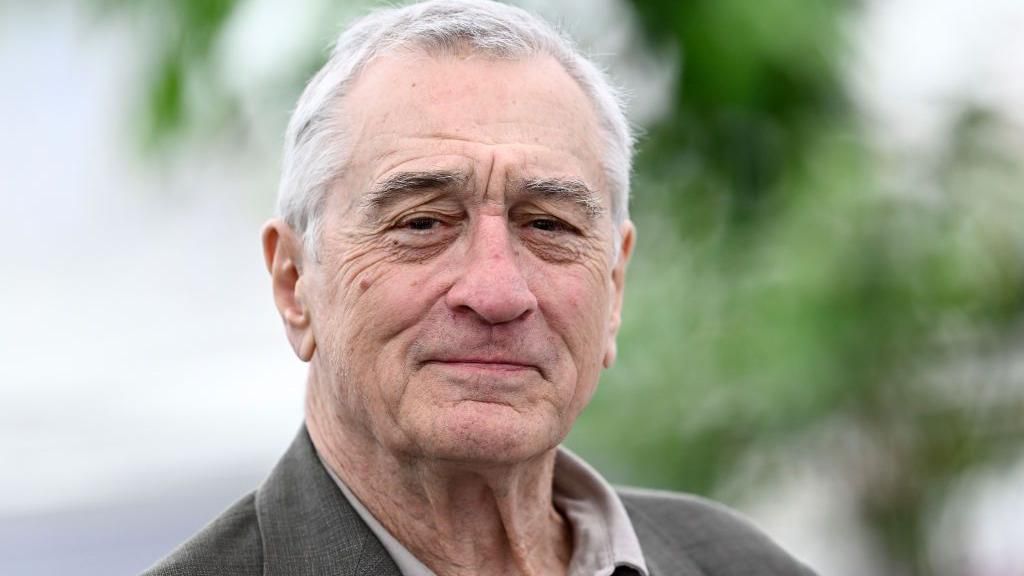
Five charged in overdose death of Robert De Niro’s grandson
Five individuals have been indicted in connection with the fatal overdoses of three young adults, including Robert De Niro’s grandson, Leandro De Niro-Rodriguez, in 2023. The accused—Bruce Epperson, Eddie Barreto, Grant McIver, John Nicolas, and Roy Nicolas—are alleged to have operated a fentanyl distribution network that targeted teenagers and young adults in New York City through social media platforms and encrypted messaging apps. Authorities have linked their activities to the deaths of Leandro De Niro-Rodriguez, Akira Stein (daughter of Blondie co-founder Chris Stein), and an unnamed third victim. The defendants face charges of conspiracy to distribute and possess with intent to distribute fentanyl-laced counterfeit prescription opioid pills. According to prosecutors, the network sold thousands of these deadly pills between January and July 2023, resulting in at least three fatalities. Ricky Patel, a special agent in charge of Homeland Security Investigations in New York, described the case as a tragic loss of young lives with immense potential. If convicted, the defendants could face a mandatory minimum sentence of 20 years in prison, with a maximum of life imprisonment. Both Robert De Niro and Chris Stein have publicly expressed their grief and gratitude for the ongoing legal proceedings.
-
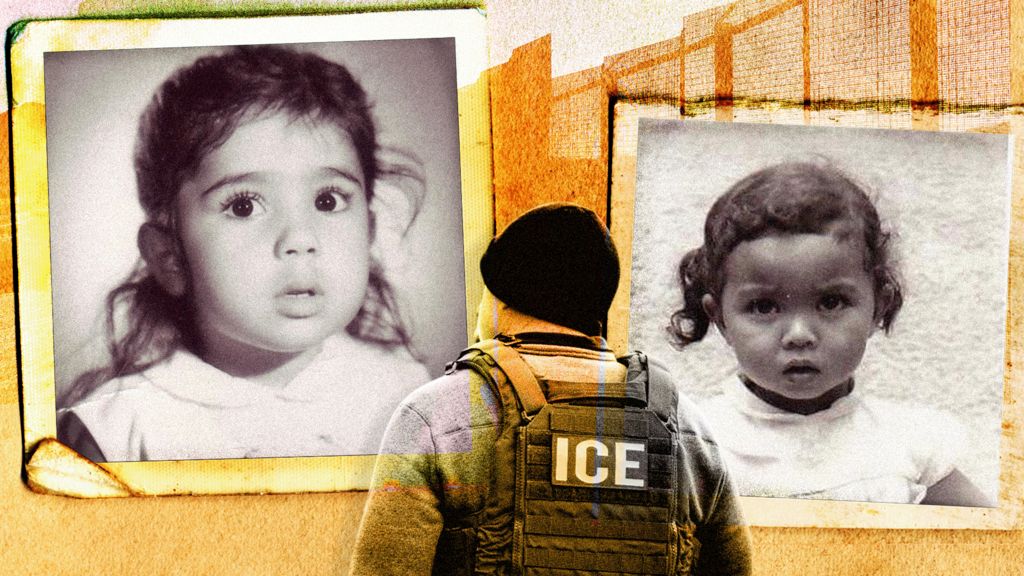
The American adoptees who fear deportation to a country they can’t remember
Shirley Chung, a 61-year-old woman born in South Korea, was adopted by a US family in 1966 when she was just a year old. Her biological father, an American serviceman, left shortly after her birth, and her mother, unable to care for her, placed her in an orphanage in Seoul. Shirley grew up in Texas, living a typical American life—attending school, getting a driver’s license, and working as a bartender. She married, had children, and became a piano teacher, never questioning her American identity. However, in 2012, her life unraveled when she discovered she was not a US citizen after losing her Social Security card. This revelation left her feeling betrayed by the adults in her life who failed to secure her citizenship. Shirley is not alone. Estimates suggest that between 18,000 and 75,000 American adoptees lack citizenship, with some even unaware of their status. Many have faced deportation to their birth countries, with tragic consequences, such as the case of a South Korean adoptee who took his own life in 2017 after being deported. The issue stems from historical gaps in adoption laws. While the Child Citizenship Act of 2000 granted automatic citizenship to adoptees born after February 1983, those adopted before then were excluded. Advocacy groups have been pushing for legislative changes, but efforts have stalled in Congress. The problem has intensified under President Donald Trump’s administration, which has prioritized deportations, leaving adoptees and their families in fear. Shirley and others like her are calling for compassion and action, urging the government to fulfill the promise of citizenship made to them as children.
-
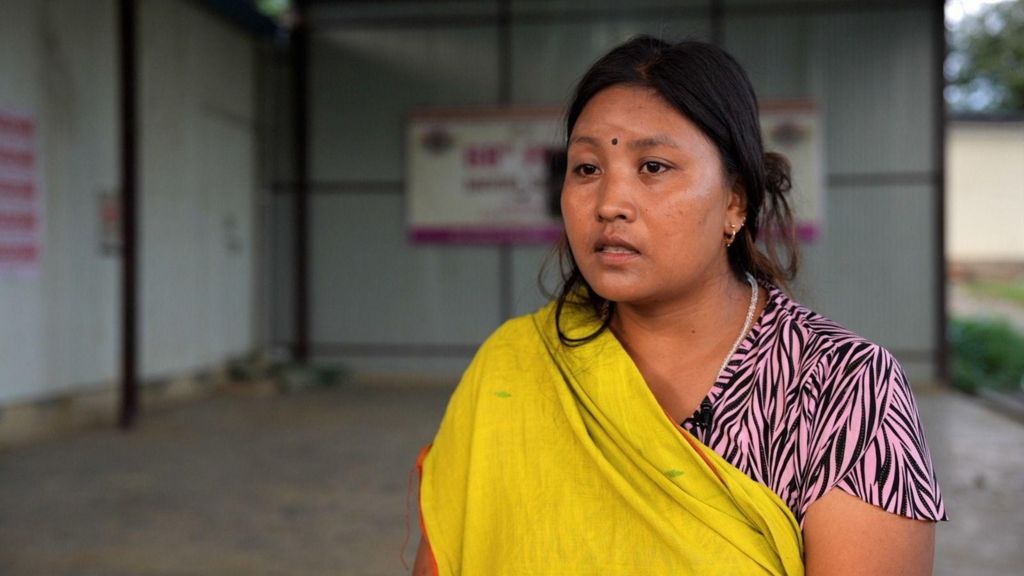
‘Can’t go back’ – families in violence-hit Indian state fear resettlement deadline
Thousands of individuals displaced by ethnic violence in Manipur, India, are grappling with an uncertain future as the government plans to shut down all temporary relief camps by December. The clashes, which erupted in May 2023 between the majority Meitei and the indigenous Kuki communities, marked the region’s worst violence in decades. The conflict began when the predominantly Christian Kuki community protested against the Meiteis, mostly Hindus, who sought official tribal status to access government benefits and job quotas. The violence claimed at least 260 lives and displaced approximately 60,000 people, many of whom remain in temporary shelters. Despite repeated government promises of rehabilitation, little progress has been made, leaving many in a state of limbo—homeless and without stable income. In July, the state’s Chief Secretary announced the closure of all relief camps by December, with plans to resettle displaced individuals in pre-fabricated housing units. However, the lack of clarity regarding the location of these units has heightened anxieties. Prime Minister Narendra Modi’s announcement of 7,000 new homes during his September visit to Manipur offered little reassurance, as details remained vague. On the ground, Manipur remains sharply divided, with Meiteis inhabiting the Imphal Valley and Kukis residing in the surrounding hill districts. Security forces patrol buffer zones to prevent intermingling, further deepening divisions. Experts emphasize the importance of resettling people in their original neighborhoods to prevent the violence from redrawing Manipur’s social map. Many displaced individuals fear that moving into temporary housing may permanently sever their ties to their homes. For instance, Hatnu Haokip, a 22-year-old living in a relief camp, yearns to return to her village in the Imphal Valley but feels unsafe due to the presence of Meitei people. She and others advocate for Kuki autonomy within a federally-administered territory. Meanwhile, Meiteis express a desire to return home, with individuals like Irom Abung vowing to reclaim their land despite the challenges. The government insists its resettlement plan is on track, having reduced the number of camps from 290 to 260. However, concerns persist over the lack of facilities and mental health support in the camps. Single mother Nemhoichong Lhungdim shared her struggle to afford medical treatment for her son, while Salam Monika recounted her uncle’s suicide due to despair over livelihood opportunities. Those resettled into temporary housing, like Chingakham Radha, continue to face financial hardships, relying on small incomes from activities like crocheting dolls. As the December deadline approaches, the future remains uncertain for thousands of displaced families in Manipur.
-
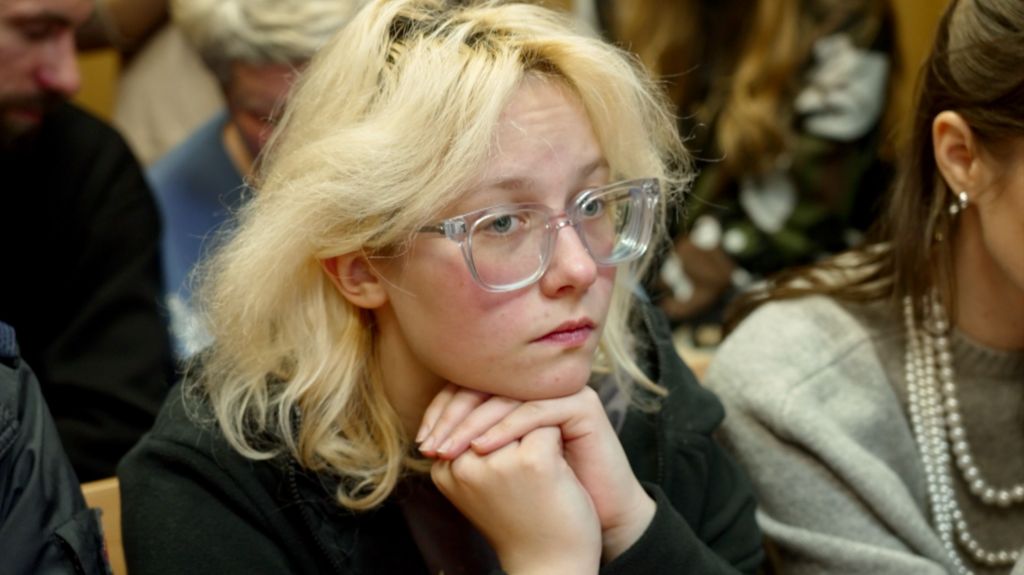
How teenager gave a street concert and was caught up in Russia’s repressive past
In the quiet woods on the outskirts of St. Petersburg, a solemn ceremony unfolds as names of victims from Joseph Stalin’s Great Terror are read aloud. The Levashovo Wasteland, believed to hold the remains of 20,000 to 45,000 individuals, serves as a grim reminder of the dictator’s brutal purges in the 1930s. Portraits of the executed are nailed to pine trees, evoking the haunting ghosts of Russia’s past. Yet, the present tells a story of continued repression under the current regime. While Russian authorities downplay Stalin’s crimes, they enforce stringent laws to suppress dissent and silence criticism, particularly regarding the war in Ukraine. Critics are increasingly labeled as ‘foreign agents,’ a modern twist on Stalin’s ‘enemies of the people.’ This narrative of control extends to the arts, where young musicians like Diana Loginova face severe consequences for their public performances. Diana, an 18-year-old music student and lead singer of the band Stoptime, has been detained multiple times for organizing street concerts that authorities claim disrupted public order. Her performances, which include songs by exiled Russian artists critical of the Kremlin, have drawn significant crowds but also the ire of the state. Despite the crackdown, supporters of Diana and other dissidents continue to voice their solidarity, albeit at great personal risk. The story of Ludmila Vasilyeva, an 84-year-old survivor of the Nazi siege of Leningrad, further underscores the ongoing struggle. Ludmila, who has publicly protested against the war in Ukraine, was fined for ‘discrediting the Russian armed forces.’ Her defiance, however, remains unshaken, as she continues to speak out against the growing authoritarianism in Russia. The parallels between Stalin’s era and the present day are stark, highlighting a nation grappling with its past while navigating the challenges of modern repression.
-
The US bet big with Argentina bailout – is it paying off?
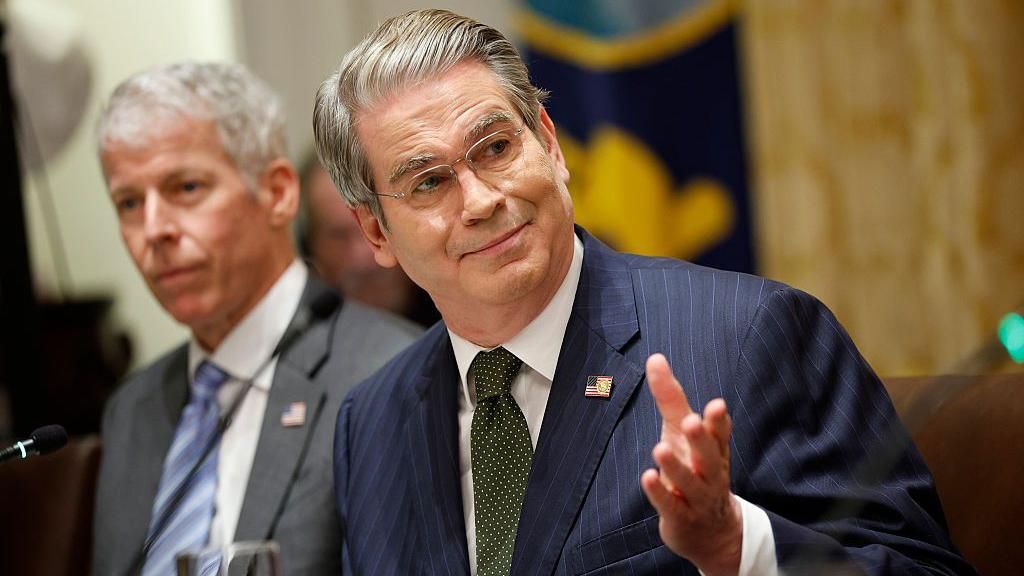
US Treasury Secretary Scott Bessent has emerged as the central figure in the Trump administration’s bold economic maneuvers, including global tariffs, trade negotiations with China, and now, a high-stakes intervention in Argentina. The US stepped in during September to stabilize the plummeting peso, fearing it could undermine President Javier Milei, a key Trump ally, in the midterm elections. The intervention included purchasing pesos and establishing a $20 billion currency swap line, bolstering Milei’s political standing and helping his party secure significant gains in the elections. However, the financial success of this intervention remains uncertain. Despite US efforts, the peso has fallen 30% this year, raising concerns about the sustainability of the strategy. Critics argue that the move contradicts the administration’s ‘America First’ policy, while Bessent defends it as a necessary step to prevent regional destabilization. Analysts warn that Argentina’s history of currency devaluation and debt default adds significant risk, and the peso’s artificial support may not be sustainable. The US Treasury has remained tight-lipped about key details, leaving questions about the long-term implications of this unprecedented gamble.
-
Rare minerals-tied new-generation industries emerge in Texas
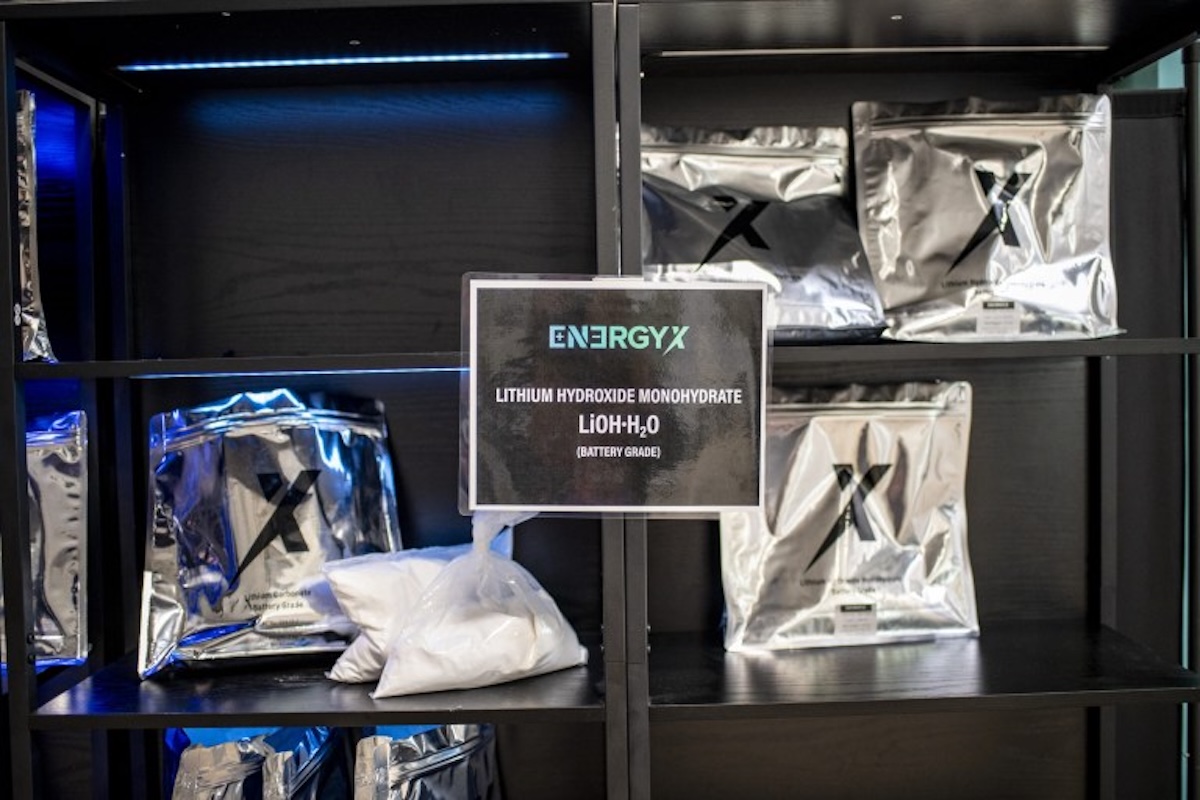
In a strategic shift, major oil companies are now drilling in East Texas, not for oil, but for lithium and other rare earth elements essential for advanced manufacturing. Chevron, Halliburton, and Exxon are leading the charge, with significant projects announced in 2025. The Smackover Formation, a massive brine deposit, has been identified as the most lithium-rich site in North America, sparking a rush of investment and development.
-

UAE-Pakistan flights: Low-cost airline begins 2 weekly flights between Dubai, Lahore
In a groundbreaking effort to enhance early detection of breast cancer, the Burjeel Cancer Institute has launched a mobile screening initiative aimed at making mammography services accessible to all. This innovative program deploys state-of-the-art mobile units equipped with advanced diagnostic tools to reach underserved communities, ensuring that no one is left behind in the fight against breast cancer. The initiative is part of a broader strategy to reduce mortality rates by catching the disease in its early stages when treatment is most effective. By bringing screening services directly to people’s doorsteps, the institute is breaking down barriers such as transportation, cost, and awareness. The program also includes educational campaigns to empower women with knowledge about breast health and the importance of regular screenings. This initiative has already garnered widespread support from healthcare professionals and community leaders, who praise its potential to save lives and reduce healthcare disparities. The Burjeel Cancer Institute’s mobile mammography drive is a testament to the power of innovation and compassion in addressing critical public health challenges.