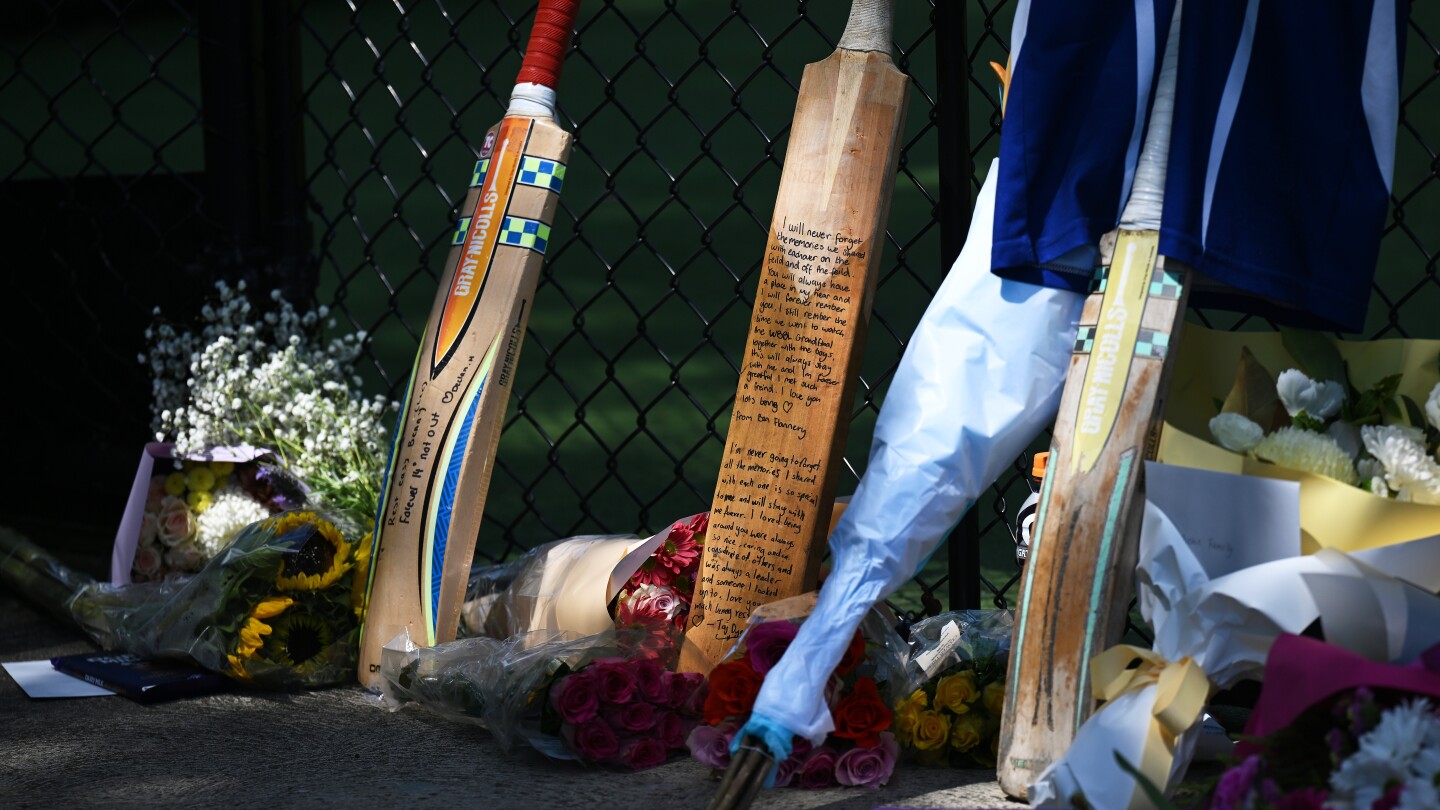
In a poignant start to the second Twenty20 international between Australia and India, both teams paid heartfelt tributes to Ben Austin, a 17-year-old cricketer who tragically passed away following a training accident earlier this week. The match, held at the Melbourne Cricket Ground, saw players from both sides wearing black armbands in memory of the young talent. A moment of silence was observed before the game, with Austin’s image displayed on stadium screens and his favorite song played as a tribute. The emotional atmosphere was further heightened by the presence of representatives from Austin’s club, as well as state and national cricket administrators. Australia’s captain, Mitch Marsh, won the toss and chose to field first, making one lineup change by replacing Josh Philippe with Matt Short. India, on the other hand, retained the same lineup from the washed-out first game of the five-match series. The match attracted a capacity crowd, underscoring the significance of the occasion. Earlier in the day, a similar tribute was held during the Sheffield Shield domestic first-class match between Victoria and Tasmania at Junction Oval in Melbourne, where players also wore black armbands and observed a moment of silence. The series continues with both teams aiming to secure a victory in honor of Austin’s memory.
博客
-
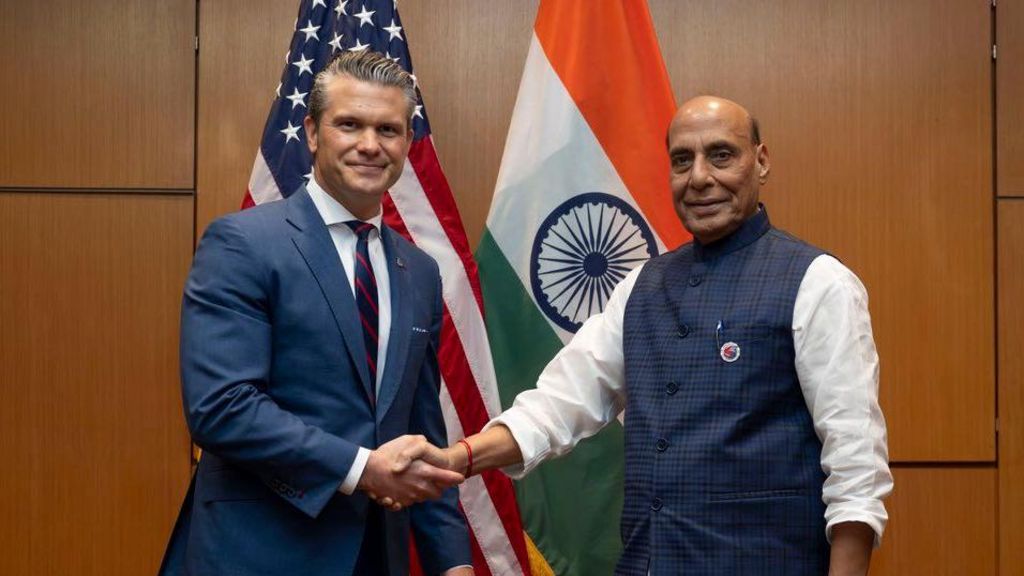
India-US sign 10-year defence pact amid tariff turmoil
India and the United States have inked a pivotal 10-year framework agreement to bolster defense cooperation, marking a significant step in their strategic partnership. The agreement was formalized following a high-level meeting between US Defense Secretary Pete Hegseth and Indian Defense Minister Rajnath Singh in Kuala Lumpur. The pact aims to enhance coordination, information sharing, and technological collaboration, while also advancing regional stability and deterrence, as highlighted by Hegseth in a post on X (formerly Twitter).
This development comes at a critical juncture, as the two nations navigate strained relations exacerbated by former US President Donald Trump’s imposition of 50% tariffs on Indian goods, including a 25% penalty for India’s purchases of Russian oil and arms. The agreement is expected to provide a comprehensive policy framework for the India-US defense relationship, signaling a growing strategic alignment.
Rajnath Singh emphasized the importance of the pact in a post on X, stating, ‘This agreement underscores our deepening strategic convergence and heralds a new decade of partnership. Defense will remain a cornerstone of our bilateral relations, crucial for ensuring a free, open, and rules-based Indo-Pacific region.’
According to Pramit Pal Chaudhuri of the Eurasia Group, the agreement was initially slated for completion in July-August but faced delays due to India’s displeasure over Trump’s comments regarding his role in resolving the conflict with Pakistan. Chaudhuri noted that the pact builds on previous agreements, facilitating greater interoperability between the two militaries, enhanced technology access for India, and closer collaboration between their defense sectors.
Despite India’s historical reliance on Russian arms, its defense imports from Russia have been declining as New Delhi seeks to diversify its sources and bolster domestic production. Recent months have seen India signal its willingness to increase energy and defense purchases from the US, potentially easing trade tensions.
The two nations are currently engaged in high-stakes trade negotiations, aiming to finalize a long-awaited deal by November. This defense pact underscores the evolving dynamics of the India-US relationship, with defense cooperation emerging as a key pillar of their strategic partnership.
-
Russia’s new nuclear weapons – real threat or Putin bluster?
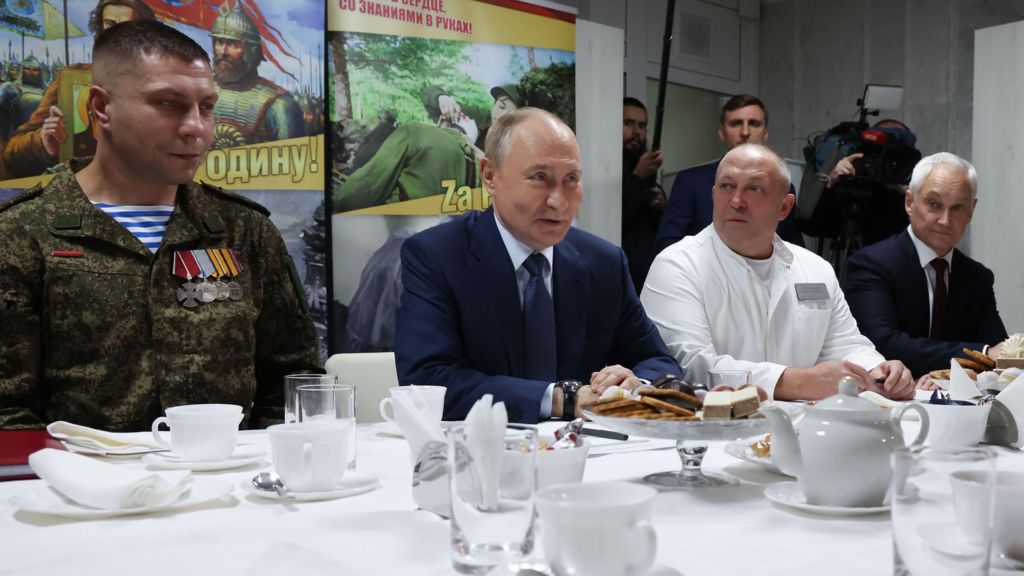
Russian President Vladimir Putin made headlines this week by unveiling two advanced nuclear weapons during a meeting with Ukraine war veterans. The Poseidon, a nuclear-powered underwater drone, and the Burevestnik, an ‘unlimited-range’ nuclear-powered cruise missile, were both described by Putin as unparalleled in the world. The Poseidon, first revealed in 2018, is said to travel at speeds of 200 km/h with an unpredictable route, making it nearly impossible to intercept. The Burevestnik, meanwhile, is so new that its classification remains unclear, according to Putin. These announcements come amidst a backdrop of stalled diplomatic efforts between the US and Russia. President Donald Trump, who had previously attempted to broker peace between Russia and Ukraine, recently canceled a summit with Putin and imposed sanctions on Russian oil producers. Analysts suggest that Putin’s weapon showcases are less about military utility and more about projecting strength and capturing Trump’s attention. Mark Galeotti, a Russia expert, noted that these ‘Armageddon weapons’ are too destructive for practical use and are likely intended to reinforce Russia’s image as a formidable power. The timing of these announcements coincides with Russia’s struggles in the Ukraine conflict, where its conventional forces have faced significant challenges. David Heathcote of McKenzie Intelligence Services argued that the weapon tests reflect Russia’s conventional military weaknesses. Meanwhile, Trump’s decision to resume US nuclear testing after a 33-year hiatus appears to be a direct response to Russia’s actions. The Kremlin, however, dismissed the notion that its tests were provocative, with Putin’s spokesman Dmitry Peskov stating they were not nuclear tests. As tensions simmer, the global community watches closely, wary of the implications of this renewed nuclear posturing.
-
India women’s epic win over Australia fuels World Cup glory chase
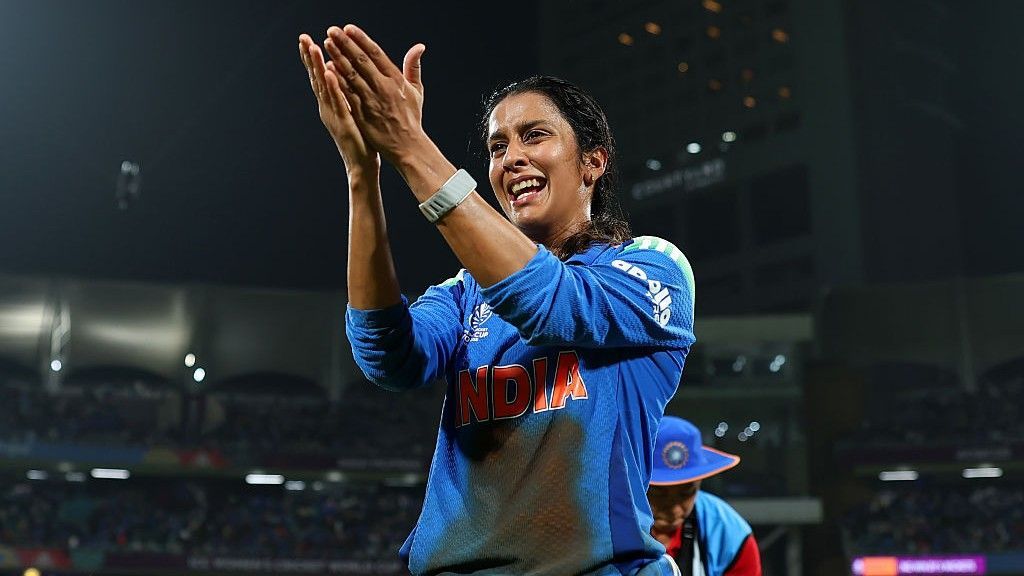
In a breathtaking display of skill and determination, India’s women’s cricket team achieved a historic victory over Australia in the ICC ODI World Cup semi-final, securing their place in the final with a record-breaking chase. The match, held at the DY Patil Stadium in Navi Mumbai, saw India successfully chase down a daunting target of 338 runs, winning by five wickets with five balls to spare. This triumph marked the end of Australia’s 16-match unbeaten streak in World Cup tournaments, dating back to 2022. The star of the match was Jemimah Rodrigues, whose unbeaten 127-run innings was hailed as one of the greatest ODI centuries in women’s cricket. Rodrigues’ tactical brilliance, composure, and innovative strokeplay were instrumental in India’s victory, as she anchored the innings alongside captain Harmanpreet Kaur, who contributed a crucial 89 runs. The partnership of 167 runs between the two players turned the tide in India’s favor. Australia, despite a strong start with Phoebe Litchfield’s 119 and a 155-run partnership with Ellyse Perry, could not defend their total. India’s bowlers managed to restrict Australia’s momentum, preventing them from reaching an even higher score. The victory was particularly sweet for Rodrigues, who had faced personal struggles and uncertainty about her place in the team earlier in the tournament. Her resilience and faith helped her overcome anxiety and deliver a match-winning performance. India now faces South Africa in the final, with the opportunity to create history and elevate the profile of women’s cricket globally. The match promises to be a thrilling contest, as both teams have shown remarkable resilience and ambition throughout the tournament.
-
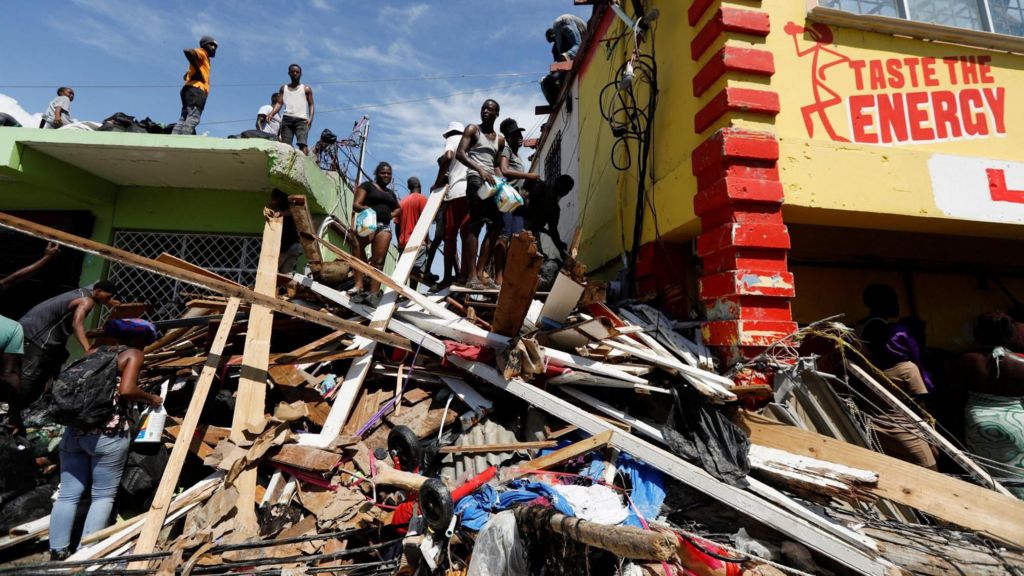
Hurricane Melissa death toll rises as aid struggles to reach parts of Jamaica
Hurricane Melissa, one of the most powerful storms to hit the Caribbean, has left a trail of destruction across multiple nations, with the death toll rising to at least 49. In Jamaica, 19 fatalities have been confirmed, while Haiti reports 30 deaths. Information Minister Dana Morris Dixon described ‘devastating’ scenes in western Jamaica, with entire communities marooned and areas flattened. Satellite imagery reveals near-total destruction in some villages, with residents expressing the indescribable impact of the storm. Electricity remains out across most of Jamaica, and thousands are desperate for aid as they salvage belongings from floodwaters and mud. Food and water shortages are worsening, with some areas without water for days. Aid supplies are arriving more rapidly through Kingston’s main airport, but smaller regional airports remain partially operational, hindering access to the hardest-hit areas. In Haiti, many victims perished when a river overflowed in Petit-Goave, and assessments are ongoing in inaccessible regions. Over 15,000 Haitians are sheltering in more than 120 facilities. In Cuba, 3 million people faced life-threatening conditions, with 735,000 evacuated safely. No fatalities have been reported in Cuba, but flooding and landslides have isolated nearly 240 communities. The US, UK, and international organizations are mobilizing support, including disaster response teams, emergency supplies, and funding. Bermuda is bracing for Melissa’s impact, with government offices and schools closed as the storm approaches.
-
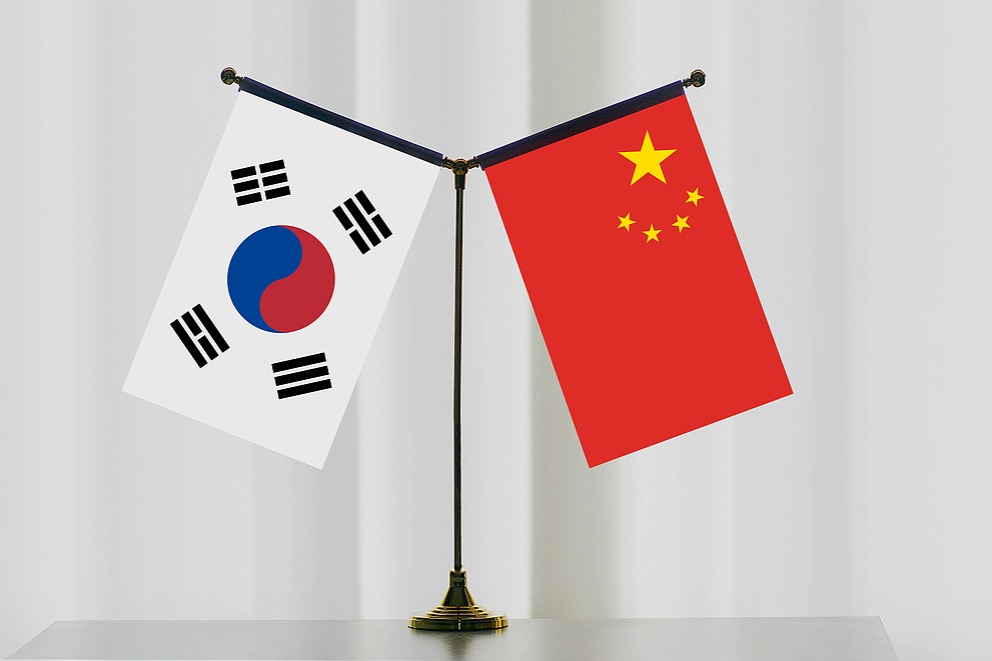
S. Korea’s ties with China to expand more
South Korean President Lee Jaemyung has expressed his commitment to deepening bilateral ties with China during President Xi Jinping’s state visit to South Korea. The visit, which coincides with the 32nd Asia-Pacific Economic Cooperation (APEC) Economic Leaders’ Meeting in Gyeongju, marks the first meeting between the two leaders since Lee’s administration took office. Lee emphasized the special significance of this visit for fostering mutual cooperation and addressing shared challenges.
In an exclusive interview with Xinhua News Agency, Lee highlighted the historical and philosophical alignment between himself and Xi, both of whom began their political careers at the local government level with a focus on improving people’s livelihoods. Lee underscored the importance of advancing the South Korea-China strategic cooperative partnership, particularly in light of the evolving global landscape since the two nations established diplomatic relations in 1992.
Lee outlined his expectations for Xi’s visit, including discussions on enhancing practical cooperation in areas such as trade, investment, and supply chain stability. He expressed optimism about accelerating negotiations on the South Korea-China Free Trade Agreement to include services and investment, thereby creating a robust institutional framework for economic collaboration. As major economies, both countries play a pivotal role in promoting regional development and prosperity, with China remaining South Korea’s largest trading partner.
Beyond economic cooperation, Lee emphasized the need to strengthen cultural and environmental ties, expand people-to-people exchanges, and work together to ensure peace and stability on the Korean Peninsula. He acknowledged China’s constructive role in addressing the Korean Peninsula nuclear issue and achieving denuclearization.
Lee also highlighted the broader significance of the APEC meeting, which focuses on fostering artificial intelligence innovation and managing demographic shifts. He stressed the importance of multilateralism in tackling global challenges and expressed South Korea’s support for China’s leadership in next year’s APEC meeting, particularly in advancing AI cooperation.
This visit and the discussions it entails are expected to lay the groundwork for a stronger, more dynamic partnership between South Korea and China, benefiting both nations and the broader Asia-Pacific region.
-
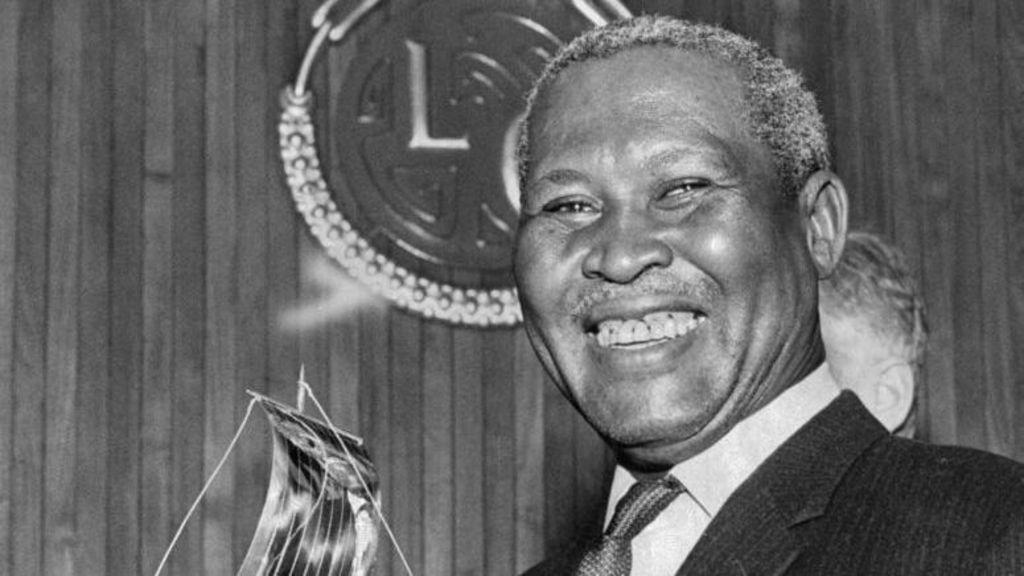
Apartheid police assault killed Nobel laureate Luthuli, South Africa court rules
A South African court has overturned decades of official claims, ruling that the 1967 death of Nobel Peace Prize laureate Albert Luthuli was the result of an assault by apartheid police. The original inquest, conducted under the apartheid government, concluded that Luthuli died after being struck by a freight train while walking along a railway line. However, activists and his family have long disputed this narrative, prompting the South African government to reopen the case earlier this year. On Thursday, Judge Nompumelelo Radebe ruled that Luthuli’s death was caused by a fractured skull, cerebral hemorrhage, and brain concussion resulting from an assault. The judge attributed the assault to members of the South African police’s security special branch, acting in collaboration with employees of the South African Railway Company. Seven men were named as perpetrators or accomplices, though their current whereabouts remain unknown. If located, they could face criminal charges. Luthuli, who led the then-banned African National Congress (ANC), won the Nobel Peace Prize in 1960 for his leadership in the fight against apartheid. His family and the ANC have welcomed the ruling, describing it as a correction of historical distortion and a step toward justice for apartheid-era crimes. This case is part of broader efforts by South African authorities to address unresolved apartheid-era crimes, including the recent reopening of the inquest into the death of anti-apartheid leader Steve Biko. President Cyril Ramaphosa has also established a judicial commission to investigate allegations of improper influence in delaying or hindering such cases.
-
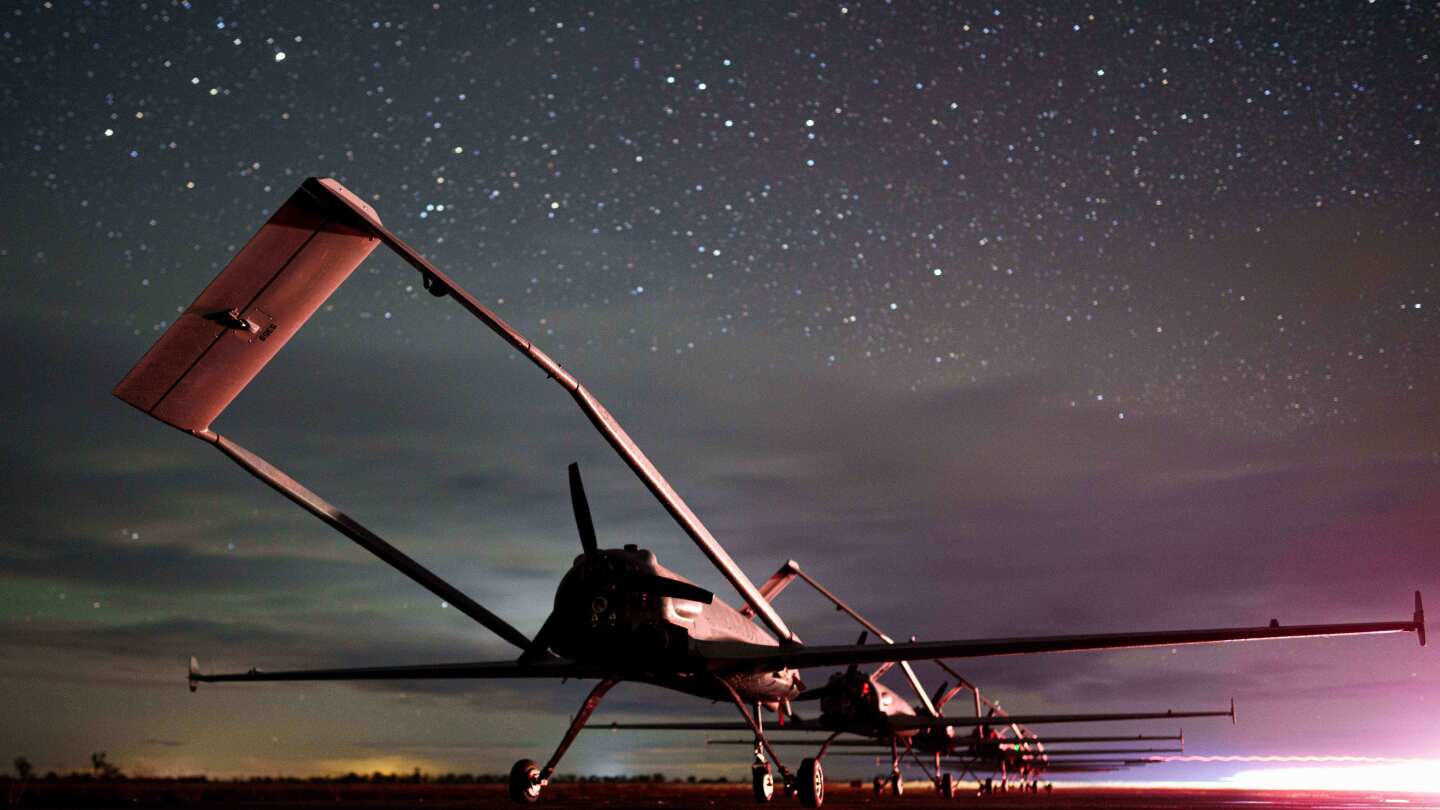
Drones, oil and escalation: Ukraine’s deep strikes impact Russia, altering war calculations
In a covert operation in rural Ukraine, attack drones are assembled under the cover of night to strike strategic targets deep within Russia, including oil refineries, fuel depots, and military logistics hubs. Since the summer, Ukraine’s long-range drone campaign has intensified, significantly impacting Russia’s energy infrastructure and stretching Moscow’s air defenses thin. These drones, constructed from parts produced in a decentralized network of workshops, now boast extended ranges, enabling them to reach targets far beyond previous capabilities. The strikes have led to gasoline shortages in Russia, prompting rationing in some regions and highlighting vulnerabilities in the country’s infrastructure. Western analysts note that while the attacks have had a serious impact, they have not been crippling. According to the Carnegie Endowment, Ukrainian drones have hit 16 major Russian refineries, representing about 38% of the country’s nominal refining capacity. However, most plants have resumed operations within weeks, cushioned by idle capacity and existing fuel surpluses. Despite this, the strikes have given Kyiv the initiative at a critical juncture, as the U.S. and Europe ramp up sanctions on Russia’s oil industry. Ukrainian President Volodymyr Zelenskyy claims that these strikes have caused Russia to lose up to 20% of its gasoline supply, forcing the Kremlin to import fuel and curb exports. The commander overseeing the drone operations, identified by his call sign ‘Fidel,’ emphasized the evolution of drone technology, with some models now capable of flying 1,000 kilometers. The Liutyi, a homegrown drone, has become a symbol of national pride, reflecting Ukraine’s no-frills war production philosophy. The increased range of these drones marks a shift in the conflict’s geography, with attacks now reaching targets within a 1,000-kilometer radius of the border. This has forced Russia to reroute supplies and commit air defenses to a wider area, degrading its capacity to sustain large-scale operations. The Paris-based International Energy Agency reports that repeated drone strikes have cut Russia’s refining capacity by about 500,000 barrels a day, triggering domestic fuel shortages and curbing exports. Ukraine’s independent drone launch capability allows it to bypass Western approval required for imported long-range weapons, providing a strategic advantage. Each mission is meticulously planned, with fewer than 30% of drones reaching their target area. Fidel reflected on the human cost of the war, stating that the current generation is fighting for a free democratic future for their children.
-
Protests over Tanzania’s electoral results enter a third day
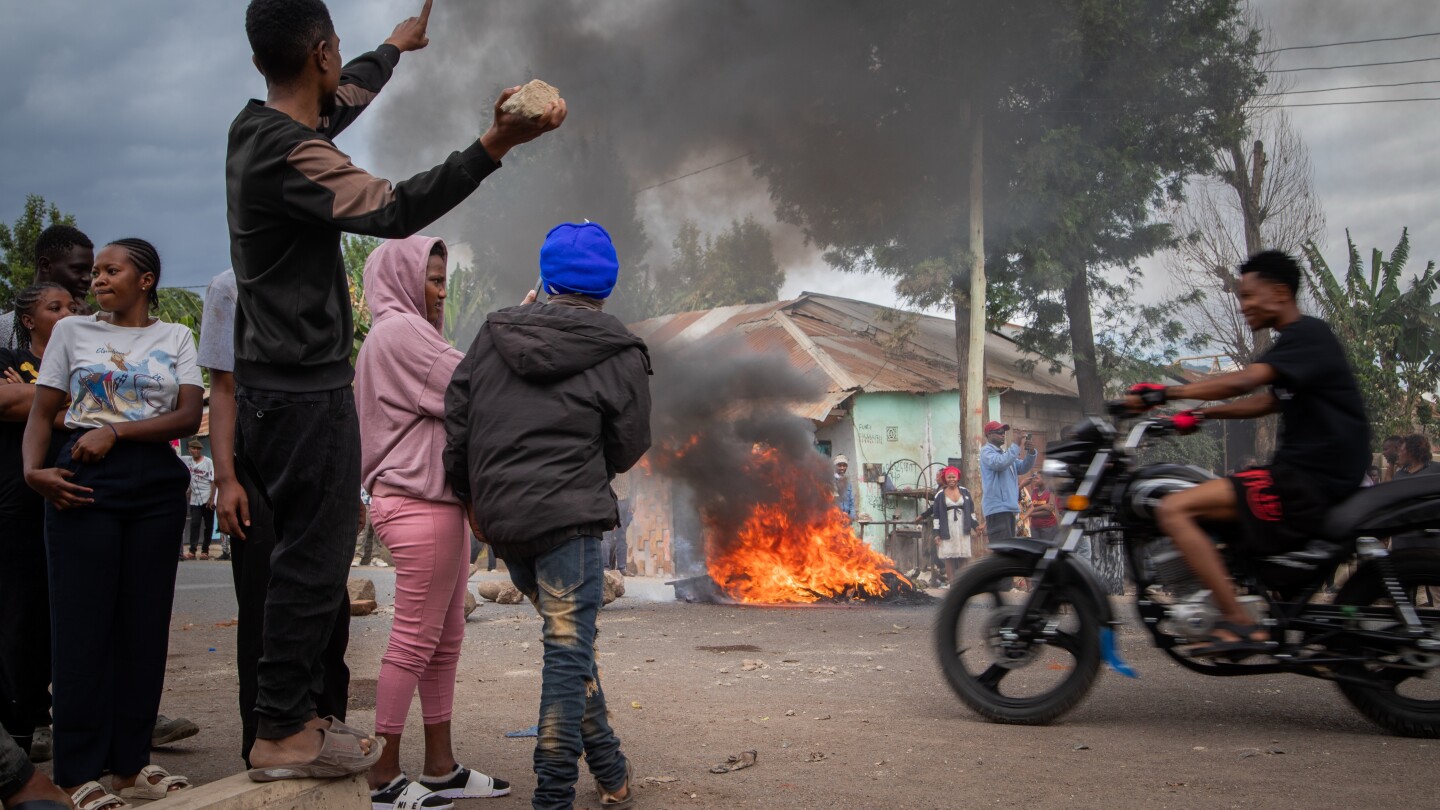
Tanzania’s commercial capital, Dar es Salaam, witnessed intense clashes on Friday as hundreds of demonstrators confronted police forces, demanding the national electoral body halt the announcement of contested election results. The protests, which began on Wednesday, have led to the deployment of the military and a nationwide internet shutdown. State television continued to broadcast the mainland results of the vote, where the Chama Cha Mapinduzi (CCM) party, in power since Tanzania’s independence in 1961, sought to extend its rule. The election was marred by the exclusion of presidential candidates from the two main opposition parties, leaving incumbent President Samia Suluhu Hassan to face 16 candidates from smaller parties with minimal campaign presence. In Zanzibar, the semi-autonomous archipelago, the CCM retained the presidential seat, with incumbent President Hussein Mwinyi securing 78.8% of the votes. However, the opposition has accused the government of “massive fraud” and vowed to reveal its next steps. The protests, initially sparked by the harassment of opposition leaders and limited election choices, have escalated into widespread violence, with vehicles, gas stations, and police stations set ablaze. Amnesty International reported two fatalities during Wednesday’s unrest. The government has yet to comment on the extent of the damage or casualties. In response to the escalating crisis, the military has been deployed, and the reopening of colleges and universities, scheduled for next Monday, has been postponed. Army Chief Gen. Jacob John Mkunda condemned the violence, pledging the military’s collaboration with other security agencies to restore order. Meanwhile, Tanzanians abroad have been organizing daily discussions on X Spaces to analyze the protests and explore ways to financially support the demonstrators.
-

Louvre heist highlights thorny issue for museums: How to secure art without becoming fortresses
In the wake of a high-profile jewelry heist at the Louvre in Paris, museums worldwide are reassessing their security protocols. The incident has sparked urgent discussions among institutions, including Washington’s National Museum of Women in the Arts, the Smithsonian, and the National Gallery of Art. Doug Beaver, a security specialist, revealed that detailed reviews and strategic plans were swiftly implemented following the theft. Similar dialogues are unfolding globally as museums grapple with the dual challenge of safeguarding art while maintaining an open and welcoming environment for visitors. The Louvre’s director, Laurence des Cars, acknowledged significant security lapses, prompting French police and legislators to address vulnerabilities. A letter of support from 57 international museums, published in Le Monde, emphasized the importance of museums as accessible spaces of wonder, not fortresses. However, many museums, particularly those housed in historic buildings like the Louvre, face unique challenges in modernizing security without compromising their architectural integrity. Experts like François Chatillon, France’s chief architect of historical monuments, caution against hasty, invasive measures. Meanwhile, security professionals are focusing on balancing risk management with visitor experience. Doug Beaver highlighted the need for intelligent risk management, citing measures such as enhanced weapons detection and restricted visitor items. The incident has also reignited discussions about international cooperation and investment in advanced security technologies. Despite these efforts, the broader challenge remains: preserving the magic of museums while ensuring their safety.