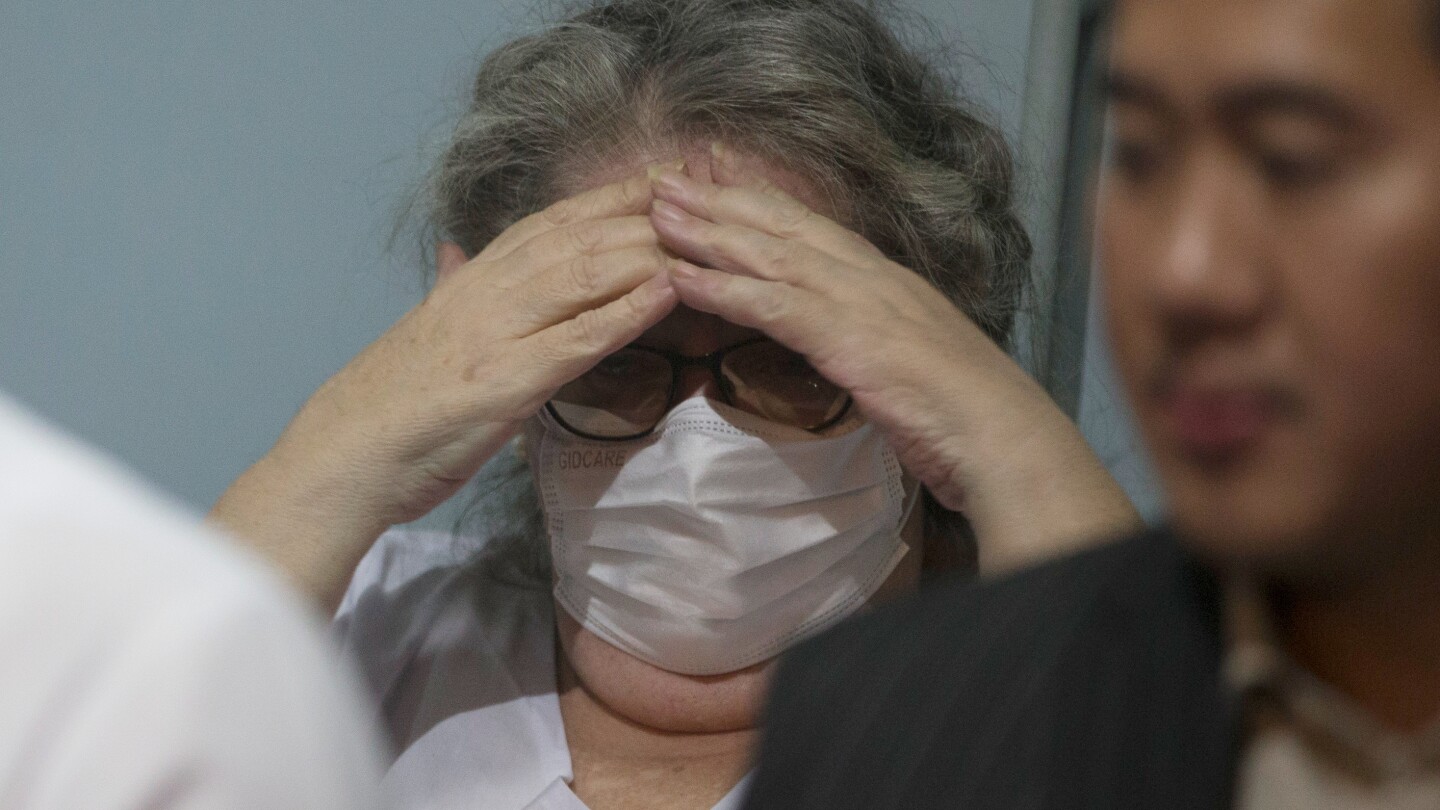
Two British nationals, Lindsay Sandiford and Shahab Shahabadi, who were imprisoned in Indonesia on drug-related charges, are set to return to the United Kingdom following a bilateral agreement between the two nations. The repatriation, facilitated by Indonesian authorities, marks a significant development in international legal cooperation. Sandiford, 69, was arrested in 2012 and sentenced to death for smuggling 3.8 kilograms of cocaine into Bali. Shahabadi, 35, received a life sentence in 2014 for his involvement in an international drug trafficking network. Both individuals were escorted to Bali’s airport on Thursday evening and are scheduled to depart early Friday, with a layover in Doha before reaching London. The decision to repatriate them was influenced by their severe health conditions—Sandiford suffers from diabetes and hypertension, while Shahabadi has mental health issues. The agreement, signed on October 21 by Indonesian Coordinating Minister Yusril Ihza Mahendra and British Foreign Secretary Yvette Cooper, underscores Indonesia’s commitment to humanitarian considerations in its legal framework. Deputy Minister I Nyoman Gede Surya Mataram emphasized that the process reflects Indonesia’s credibility in international legal cooperation. The British government expressed gratitude for the transfer and signaled openness to discussing similar arrangements for Indonesians imprisoned in the UK. Indonesia, under President Prabowo Subianto, has previously repatriated foreign prisoners, including individuals from the Philippines, Australia, and France, under similar bilateral agreements. The country’s strict drug laws have resulted in over 530 individuals on death row, predominantly for drug-related offenses, including nearly 100 foreigners.
博客
-
Afghan opium crop plummets after Taliban ban – UN report
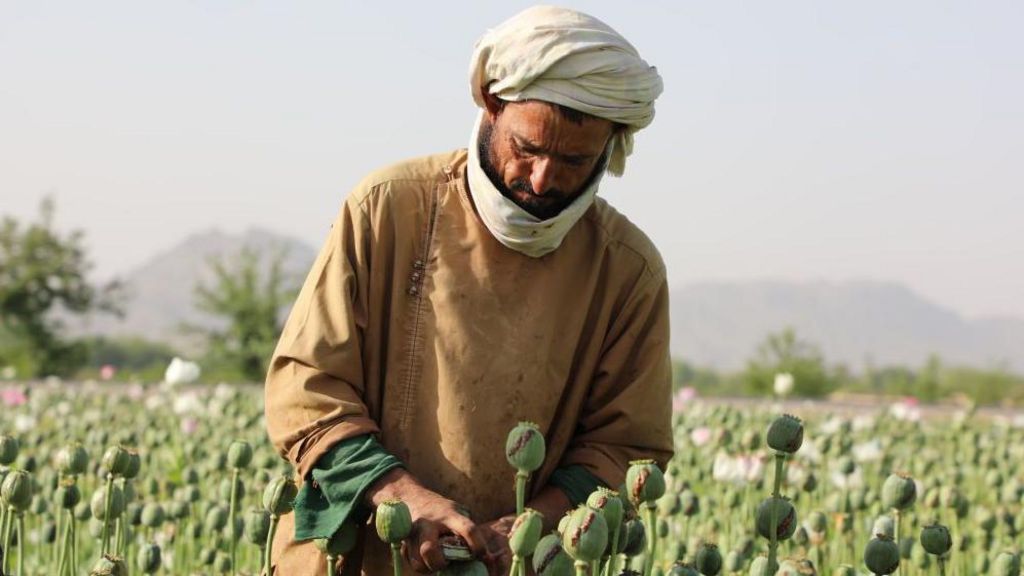
Afghanistan, once responsible for over 80% of the world’s opium supply, has seen a dramatic decline in opium farming since the Taliban imposed a ban in April 2022. According to a recent survey by the United Nations Office on Drugs and Crime (UNODC), the area dedicated to opium poppy cultivation has shrunk by 20% compared to last year, while opium production has dropped by 32%. The Taliban justified the ban by citing opium’s harmful effects and its contradiction with their religious beliefs. Despite severe economic challenges, most Afghan farmers have complied with the ban, shifting to cereal farming. However, poppy cultivation remains far more profitable than legitimate crops, leaving many farmers in dire straits. Over 40% of farmland lies fallow due to a lack of profitable alternatives, limited agricultural output, and adverse climate conditions. The total area under opium poppy cultivation this year is estimated at 10,200 hectares, primarily in the north-eastern region, with Badakhshan province leading. This marks a stark contrast to pre-ban figures, which exceeded 200,000 hectares. Four provinces previously known for opium cultivation—Balkh, Farah, Laghman, and Uruzgan—were declared poppy-free in 2025, highlighting the ban’s scale and durability. However, enforcement has not been without conflict. The Taliban’s efforts to destroy opium fields have occasionally sparked violent resistance, particularly in Badakhshan, where clashes have resulted in casualties. Despite these challenges, the majority of farmers adhere to the ban, though many express frustration over the lack of support for alternative livelihoods. ‘If we violate the ban, we face prison. If we comply, we face destitution,’ lamented an unnamed farmer in Helmand province. While opium production has declined, the UNODC reports a rise in synthetic drug trafficking, with methamphetamine seizures increasing by 50% in late 2024 compared to the previous year. Organized crime groups favor synthetic drugs due to their ease of production and resilience to climate shocks.
-
Philippines: Typhoon Kalmaegi kills 140; 127 missing after devastating floods
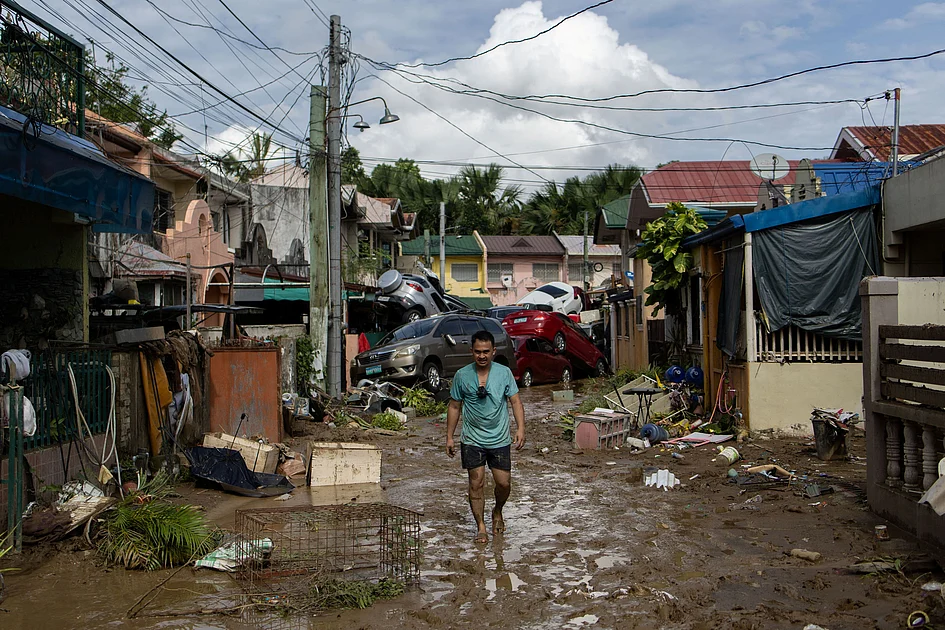
Typhoon Kalmaegi has wreaked havoc across the central Philippines, resulting in at least 140 fatalities and leaving 127 individuals unaccounted for, according to official reports released on Thursday. The storm, now en route to Vietnam, unleashed unprecedented flooding in Cebu province, sweeping away vehicles, riverside shanties, and even massive shipping containers. The national civil defence office confirmed 114 deaths, with an additional 28 reported by Cebu provincial authorities. In Liloan, a town near Cebu City, 35 bodies were recovered from flood-ravaged areas, where cars were piled atop each other and roofs were torn off buildings. Residents are struggling to recover from the devastation, with many recounting harrowing tales of survival. Christine Aton, 29, described the tragic loss of her sister Michelle, who was trapped in her bedroom as floodwaters rose. On Negros Island, at least 30 people perished as heavy rains triggered volcanic mudflows that buried homes in Canlaon City. The national death toll also includes six crew members of a military helicopter that crashed during a relief mission. Scientists attribute the increasing intensity of such storms to human-driven climate change, with warmer oceans and a more moisture-laden atmosphere exacerbating their impact. Nearly 800,000 people were evacuated from the typhoon’s path. As Kalmaegi approaches Vietnam, fears are mounting that it could compound the damage from recent flooding that has already claimed 47 lives. The storm, with windspeeds of 155 kph and gusts up to 190 kph, is forecast to make landfall in central Vietnam late Thursday, bringing waves as high as eight meters and powerful storm surges. Deputy Prime Minister Tran Hong Ha has urged local authorities to treat the situation as ‘urgent and dangerous,’ labeling Kalmaegi as ‘a very abnormal’ storm. The Philippines has already experienced its average of 20 such storms this year, with at least ‘three to five more’ expected by December’s end.
-
France urges EU to investigate Shein for selling illegal items including child-like sex dolls
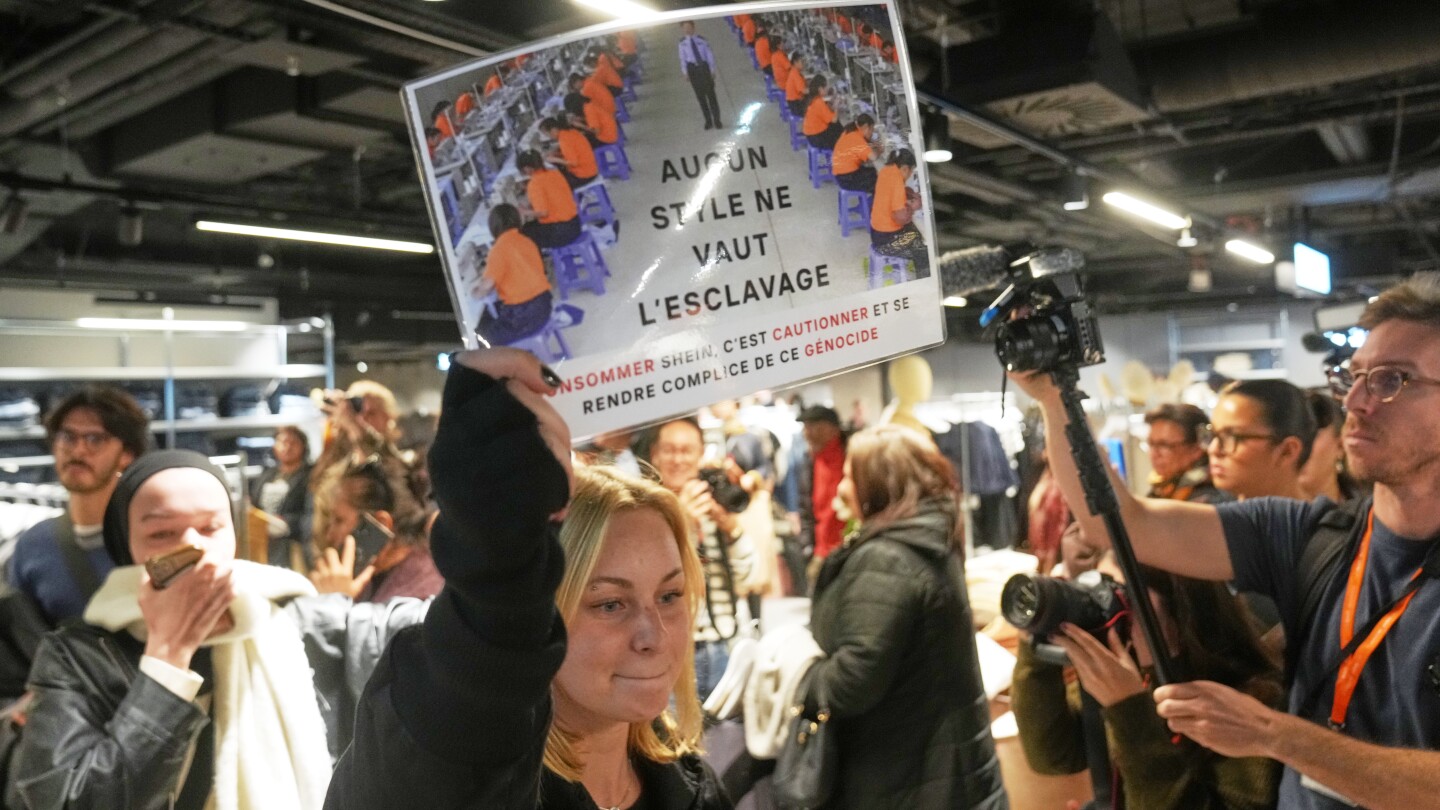
France has formally requested the European Union’s executive arm to investigate fast-fashion giant Shein for allegedly selling illegal items, including child-like sex dolls and weapons, on its expansive online marketplace. Two French ministers, Roland Lescure and Anne Le Henanff, have sent a letter to Henna Virkkunen, the European Commission’s executive vice-president for tech sovereignty, urging immediate action. The ministers emphasized that Shein must comply with the Digital Services Act (DSA), the EU’s regulatory framework aimed at ensuring online platform safety and user protection. The French government has initiated procedures to suspend access to Shein’s marketplace in France unless the platform demonstrates compliance with national laws. Authorities discovered not only child-like sex dolls but also significant quantities of illegal ‘Class A’ weapons, including firearms, knives, and war materials, on the platform. Shein, which was classified as a ‘very large online platform’ by the EU last year due to its 45 million European users, faces stringent regulatory requirements. Non-compliance could result in suspension and fines of up to 6% of its annual profits. The company, founded in China in 2012 and now headquartered in Singapore, has pledged to collaborate with French authorities to address concerns promptly.
-
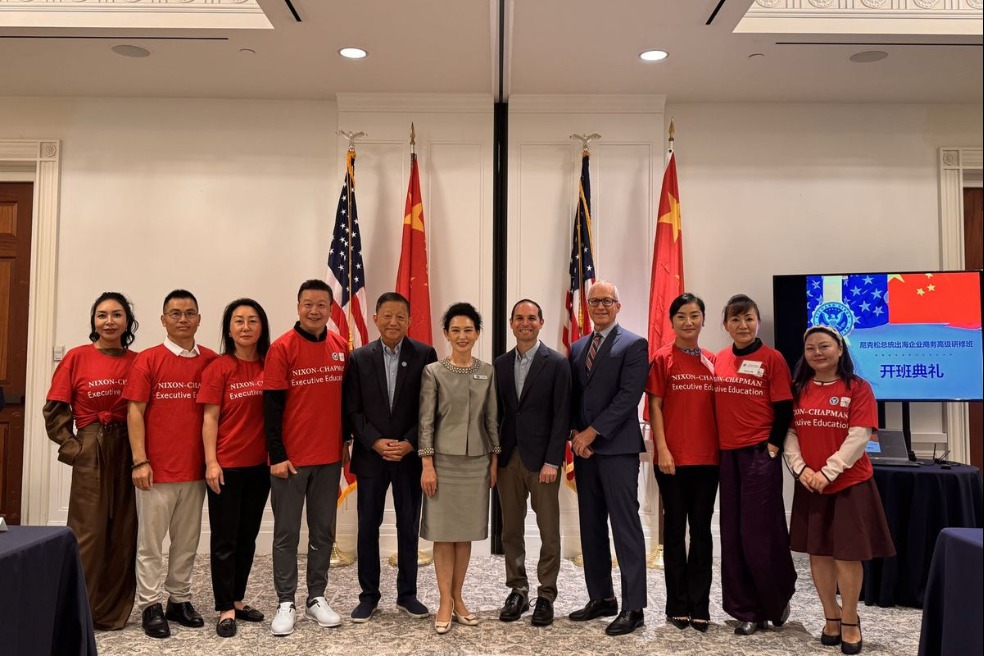
Nixon Library revives spirit of dialogue
The Richard Nixon Presidential Library and Museum in Yorba Linda, California, has launched a new executive education program aimed at fostering US-China economic cooperation. The Nixon Library-Chapman Executive Education Program on US-China Business and Economics, a three-week initiative, seeks to equip Chinese business leaders with the knowledge and skills needed to navigate the US market and promote constructive economic engagement. This program is a continuation of the legacy of President Richard Nixon, whose historic 1972 visit to Beijing marked a turning point in US-China relations. Nixon’s visit ended 25 years of diplomatic estrangement and laid the foundation for a new era of cooperation between the two nations. The program, which includes lectures on trade trends, real estate investment, and the use of artificial intelligence in business growth, also emphasizes the importance of mutual understanding and dialogue in international relations. Participants, many of whom are Chinese entrepreneurs in sectors such as electronics, textiles, food service, and cosmetics, will also visit JD Logistics’ US headquarters to gain firsthand experience of Chinese global supply chain networks operating in the US. The program’s organizers believe that economic exchange is not only about commerce but also about cultural and human connections. ‘President Nixon opened the door for China to the world,’ said Jane Zhang, director of tourism, culture, and education at the Nixon Library. ‘We feel an obligation to continue that legacy to promote peace and understanding among nations.’ The Nixon Library, which houses the farmhouse where Nixon was born in 1913, serves as both a museum and the final resting place of the 37th US president and his wife, Pat Nixon. It stands as a testament to Nixon’s belief in the power of dialogue to achieve peace and cooperation.
-

GITEX 2025: Technology is as human as it is digital
The 2025 edition of GITEX Global, the world’s largest technology showcase, marked a pivotal shift in the narrative surrounding innovation. While the event traditionally spotlighted cutting-edge advancements in artificial intelligence, automation, and digital systems, this year’s focus was unmistakably human-centric. The overarching theme emphasized that technology’s true value lies in its ability to serve and empower people, rather than merely advancing computational capabilities.
-

Tianwen 1 Mars orbiter captures rare images of interstellar comet 3I/ATLAS
In a groundbreaking achievement for China’s space exploration program, the Tianwen 1 Mars orbiter has successfully captured rare images of the interstellar comet 3I/ATLAS as it traversed the solar system. The China National Space Administration (CNSA) announced the discovery on November 6, 2025, marking a significant milestone in the ongoing Tianwen 1 mission. The comet, which passed near Mars on October 3, is only the third confirmed interstellar object ever observed, following 1I/’Oumuamua and 2I/Borisov. This remarkable feat underscores China’s growing capabilities in deep-space observation and its contributions to planetary science. The images provide valuable insights into the composition and behavior of interstellar comets, offering scientists a unique opportunity to study objects originating from beyond our solar system. The Tianwen 1 mission, launched in 2020, continues to deliver groundbreaking discoveries, solidifying China’s position as a key player in global space exploration.
-
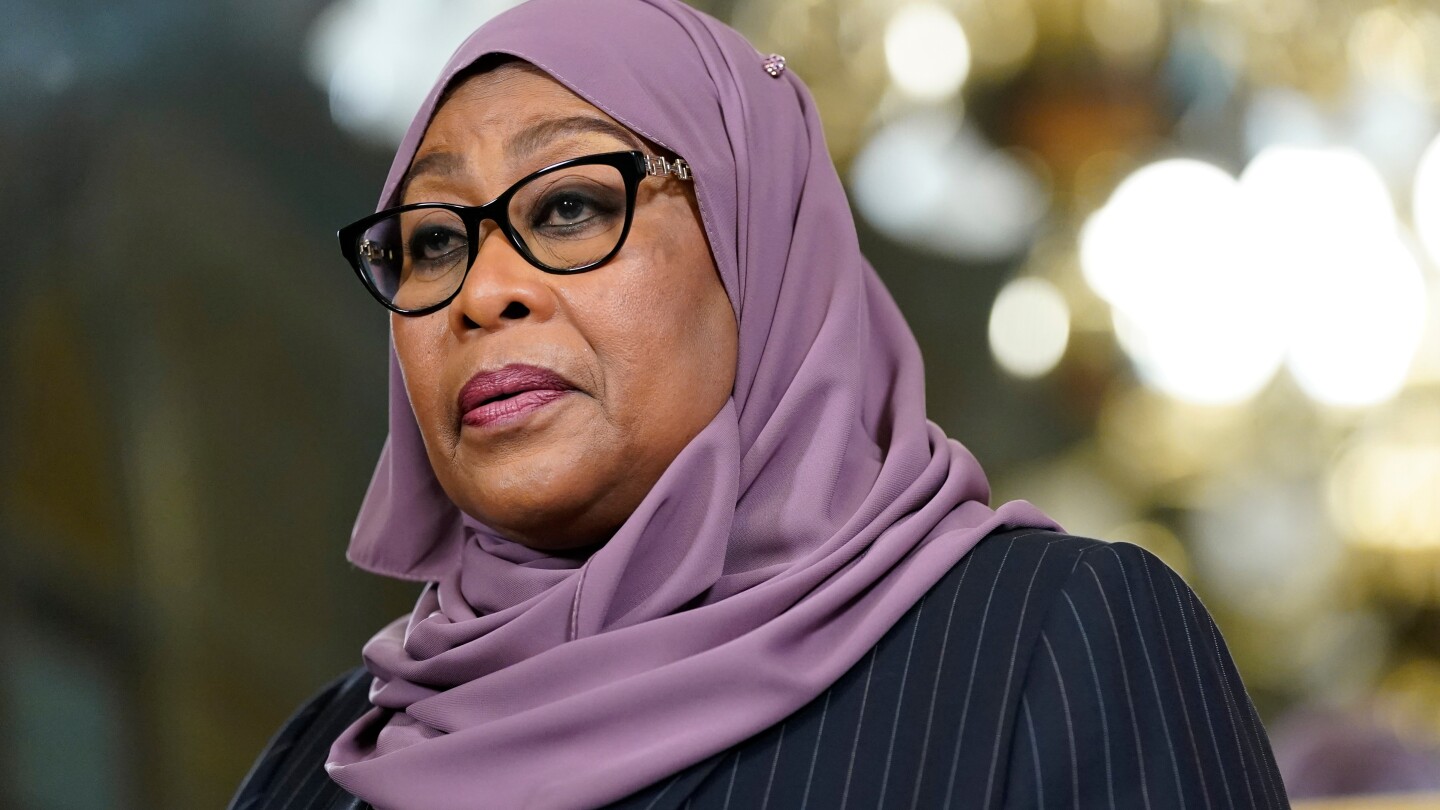
What to know about key political figures in Tanzania after deadly election violence
Tanzania is grappling with widespread unrest following its October 29 elections, which international observers have criticized as neither free nor fair. The violence erupted as security forces attempted to suppress opposition protests, leading to a disputed death toll. The leading opposition party, Chadema, claims hundreds were killed, while the government denies these allegations. President Samia Suluhu Hassan, who assumed office in 2021 after her predecessor’s death, secured over 97% of the vote, according to official results. However, her main rivals, Tundu Lissu of Chadema and Luhaga Mpina of ACT-Wazalendo, were barred from running, amid accusations of repression, enforced disappearances, arbitrary arrests, and extrajudicial killings by Amnesty International.
Hassan, Tanzania’s first female head of state, faces criticism for her administration’s crackdown on political opponents. Critics argue that she is largely a figurehead, with key decisions influenced by loyalists from Zanzibar, her birthplace. This has raised concerns about factionalism within the ruling Chama cha Mapinduzi (CCM) party, which has governed Tanzania since independence in 1961. Analysts, including William Farmer of Africa Practice, note that the Zanzibar clique lacks extensive government experience.
Other prominent figures in Tanzania’s political landscape include former President Jakaya Kikwete, who remains influential and is seen as a behind-the-scenes supporter of Hassan. Vice President Emmanuel Nchimbi, a former interior minister, is considered a potential presidential candidate when Hassan’s term ends in five years. Additionally, Hassan’s son, Abdul Halim Hafidh Ameir, has been accused of orchestrating the recent crackdown, though he holds no formal government role. Former regional commissioner Paul Makonda, a Hassan ally, is also expected to play a significant role in the next administration, despite U.S. sanctions for his alleged involvement in oppressing political opposition.
-

An American man and his son die after suffering stings from a swarm of wasps while ziplining in Laos
In a tragic incident last month, an American man and his teenage son lost their lives after being swarmed by wasps while ziplining at an adventure camp in Laos. Dan Owen, the director of an international school in Vietnam, and his son Cooper were attacked on October 15 at the Green Jungle Park, located near the UNESCO World Heritage city of Luang Prabang. The duo was descending from a tree at the end of the zip line when the wasps struck, stinging them dozens of times. They were rushed to a local clinic and later transferred to Luang Prabang Provincial Hospital, where they arrived in critical condition. Emergency room physician Jorvue Yianouchongteng reported that Cooper was unconscious and passed away within half an hour, while Dan remained conscious but succumbed three hours later. The doctor attributed their deaths to severe anaphylactic shock caused by over 100 stings, though the exact cause remains undetermined. The Asian giant hornet, known for its aggressive behavior, is native to Laos, but it is unclear which species was responsible. The local clinic and Green Jungle Park declined to comment, and the Laos Foreign Ministry did not respond to inquiries. The U.S. State Department confirmed the deaths but refrained from further comment out of respect for the family’s privacy. Dan Owen’s employer, Quality Schools International, honored him in a Facebook post, praising his 18-year tenure and impact on countless lives across their global network of 35 schools.
-

Pirates fire grenades and board vessel off Somali coast
In a concerning development off the Somali coast, attackers armed with machine guns and rocket-propelled grenades boarded a Malta-registered gasoline tanker, according to the United Kingdom Maritime Trade Operations (UKMTO). The incident occurred approximately 560 nautical miles southeast of the Somali town of Eyl. Private security firm Ambrey identified the assailants as likely Somali pirates, who have recently intensified their activities in the region. The vessel, named Hellas Aphrodite, was en route from Sikka, India, to Durban, South Africa, when it was targeted. Greek shipping company Latsco Marine Management, which operates the tanker, confirmed the attack but assured that all 24 crew members were safe and accounted for. The company has activated its emergency response team and is coordinating with authorities to ensure the crew’s continued safety. This incident highlights a worrying resurgence of piracy in the region, which had seen a decline after peaking over a decade ago. The International Maritime Bureau reported at least seven piracy incidents last year, with several fishing vessels already seized in 2024. The attack underscores the ongoing security challenges in the waters off Somalia and the need for heightened vigilance in the area.