
France has escalated its concerns regarding the Chinese-founded e-commerce giant Shein, calling on the European Union to impose sanctions following a scandal involving the sale of childlike sex dolls on its French platform. Foreign Minister Jean-Noel Barrot emphasized the urgency of the situation, stating, ‘The European Commission must take action. It can no longer wait.’ He highlighted that the Commission has already conducted investigations and must now enforce appropriate measures.
博客
-
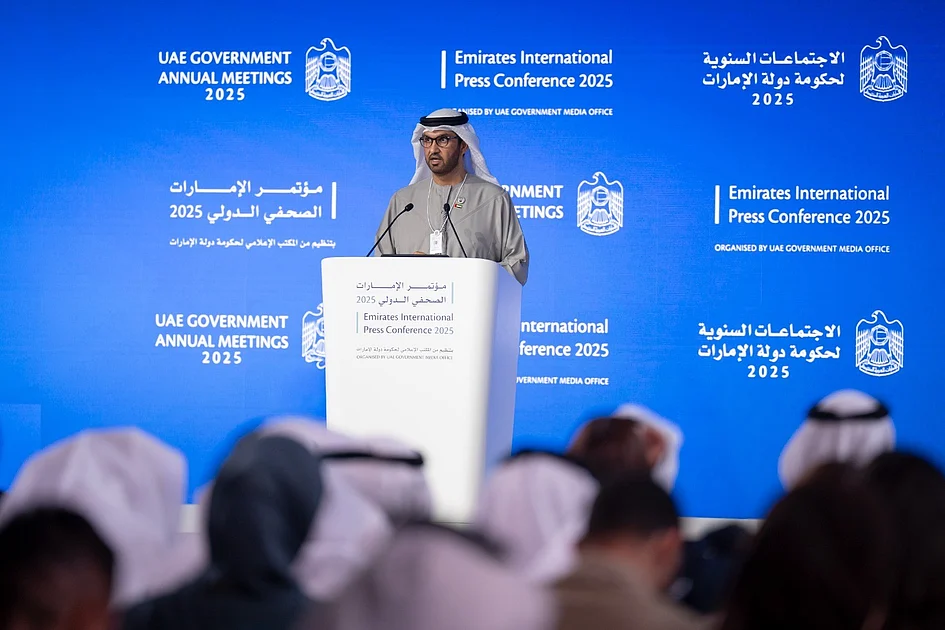
UAE shifts from traditional to smart manufacturing with AI, semiconductors focus
The United Arab Emirates (UAE) is undergoing a transformative industrial shift, transitioning from traditional manufacturing to cutting-edge, technology-driven sectors. This strategic pivot, unveiled at the seventh UAE Government Annual Meetings in Abu Dhabi, underscores the nation’s commitment to renewable energy, semiconductors, artificial intelligence (AI) components, and electric vehicles. Dr. Sultan Al Jaber, UAE Minister of Industry and Advanced Technology, articulated this vision, emphasizing the integration of the UAE’s existing strengths in petrochemicals, aluminum, and steel with emerging high-tech industries. Since the establishment of the Ministry of Industry and Advanced Technology in 2020, the industrial sector has seen a 62% surge in GDP contribution, reaching $120 billion, and a 68% increase in industrial exports, totaling $197 billion. A cornerstone of this success is the National In-Country Value (ICV) program, which redirected Dh210 billion into the national economy in 2024, fostering Emiratisation and supporting key sectors like energy, healthcare, and aviation. The ‘Made in the UAE’ initiative has further galvanized local manufacturing, identifying 4,800 products worth Dh168 billion for domestic production. The UAE’s global competitiveness has also been bolstered, with significant advancements in the Competitive Industrial Performance Index and the Quality Infrastructure Index. Dr. Al Jaber highlighted the shift towards smart manufacturing, leveraging AI and Fourth Industrial Revolution technologies to enhance production efficiency and global competitiveness.
-

Philippines declares state of emergency, prepares for potential super typhoon
The Philippines has declared a state of emergency as the nation braces for the potential impact of a super typhoon, following the devastation caused by Typhoon Kalmaegi. President Ferdinand Marcos Jr. announced the emergency measures on Thursday, November 6, 2025, after Kalmaegi claimed at least 114 lives and left hundreds missing in central provinces. The majority of fatalities resulted from flash floods, with Cebu province being the hardest hit. The typhoon, which exited the archipelago into the South China Sea on Wednesday, displaced over 560,000 people, with nearly 450,000 seeking refuge in emergency shelters. Meanwhile, another storm, Fung-wong, currently classified as a tropical storm, is forecasted to intensify into a super typhoon by Saturday, November 9. This comes less than two months after Super Typhoon Ragasa wreaked havoc across the region. Authorities are on high alert, urging residents to prepare for the impending disaster.
-

Greek coastguard chief to be prosecuted over deadly migrant shipwreck
Four high-ranking officials from the Greek Coast Guard, including its current commander, Vice Admiral Tryfon Kontizas, are set to face criminal prosecution for negligent manslaughter in connection with the tragic sinking of the migrant vessel Adriana in 2023. The fishing boat, carrying approximately 650 people, capsized off the coast of Pylos, Greece, after a failed attempt by the coastguard to tow it. Survivors reported that the vessel sank due to the coastguard’s mishandling of the operation. The disaster, which occurred in June 2023, has been a subject of intense scrutiny and legal battles. Earlier this year, prosecutors at the maritime court in Piraeus recommended charges against 17 members of the coastguard, including the captain of the coastguard ship and the then-head of the coastguard, Vice Admiral Giorgos Alexandrakis. However, Vice Admiral Kontizas and three other senior officers were initially cleared of blame. This decision was later challenged by lawyers representing survivors and victims’ families. The charges now include manslaughter by negligence, exposure to danger, and failure to fulfill legal obligations to rescue. Although only 82 bodies were recovered, it is believed that hundreds more perished in the incident. Greece has consistently denied any wrongdoing, emphasizing its commitment to human rights and its record of rescuing over 250,000 people at sea in the past decade.
-
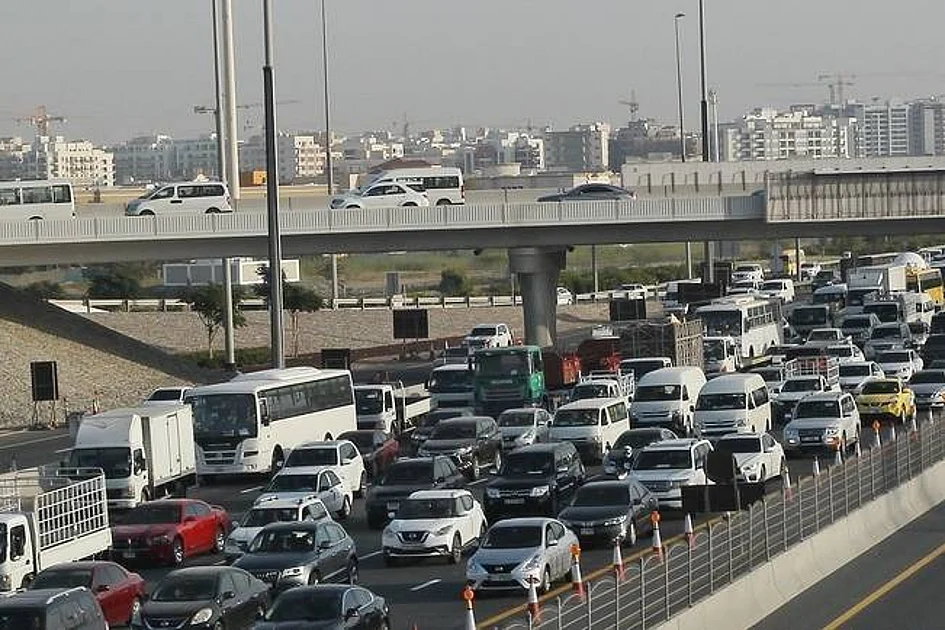
UAE identifies top reasons for traffic jams, plans new systems to curb congestion
The United Arab Emirates (UAE) is taking decisive steps to address its growing traffic congestion challenges, driven by a surge in private vehicle ownership and peak-hour bottlenecks. Speaking at the UAE Government Annual Meetings in Abu Dhabi, Minister of Energy and Infrastructure Suhail Al Mazrouei highlighted the urgency of the issue, noting that vehicle numbers on UAE roads are increasing at an annual rate of over eight percent—far exceeding the global average of two percent. This trend, coupled with overlapping school and work hours, has placed significant strain on the nation’s road networks, particularly between Dubai and the Northern Emirates. Commuters in these areas reportedly lose up to 460 hours annually to traffic delays, equivalent to 60 working days. To combat this, the UAE is implementing a multi-faceted strategy that includes road expansions, enhanced public transport integration, updated policies, and advanced smart-mobility technologies. A 24-hour integrated traffic-monitoring center is already analyzing congestion patterns and proposing targeted solutions. Additionally, the Dh50-billion UAE Railway Programme, set to launch passenger services by 2026, aims to strengthen connectivity between cities and reduce reliance on private vehicles. Officials believe these measures will ensure the UAE remains ahead of rising transport infrastructure demands as its population and economic activity continue to grow.
-
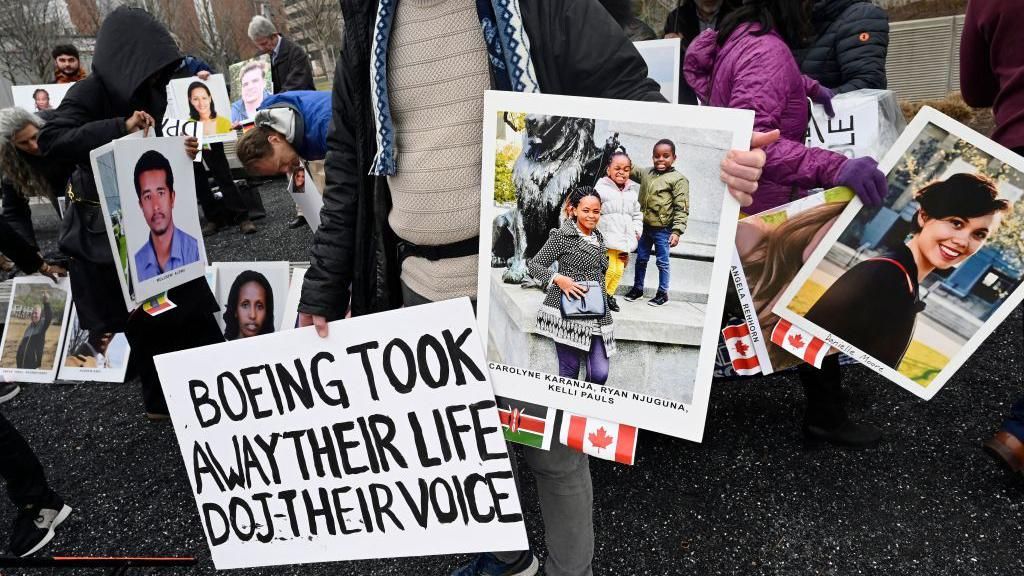
Boeing criminal case linked to deadly 737 crashes dropped
Boeing has successfully avoided a criminal charge in the United States related to two fatal 737 Max crashes, following a court decision to dismiss the case. The ruling, issued by Judge Reed O’Connor, came in response to a request from the U.S. government to drop the charge. While Judge O’Connor expressed personal disagreement with the decision, stating that it did not align with the public interest, he acknowledged that his concerns were insufficient to override the government’s proposal. This outcome represents a significant victory for Boeing, which had faced renewed legal scrutiny after the government accused it of violating a prior settlement tied to the crashes. The dismissal, however, was met with opposition from families of the victims, who sought to hold Boeing accountable through a trial. Attorney Paul Cassell, representing some of the families, announced plans to appeal the ruling, emphasizing the need to address perceived injustices. In his decision, Judge O’Connor criticized the government’s rationale for avoiding a trial as ‘unserious’ and expressed doubts about the new agreement’s ability to ensure public safety. Nonetheless, he deferred to the government’s presumed ‘good faith’ in the matter. The Department of Justice (DOJ) defended the agreement, highlighting extensive consultations with victims’ families and asserting that the resolution provides closure and immediate action from Boeing. Boeing, in turn, reaffirmed its commitment to the agreement and ongoing efforts to enhance safety and compliance. The case stems from two catastrophic 737 Max crashes in 2018 and 2019, which claimed 346 lives. Boeing had previously admitted to criminal fraud conspiracy charges in 2021, paying $2.5 billion in fines and compensation while pledging to improve safety standards. The case was reopened in 2023 following another incident involving a 737 Max, leading to accusations of breaching the original settlement. Under a new proposal in 2024, Boeing agreed to plead guilty, pay an additional $243 million fine, and accept court oversight. However, Judge O’Connor rejected this deal in December 2023, citing concerns over the selection of the monitor. The latest settlement, which dropped the criminal charge, requires Boeing to hire an independent compliance consultant and commit $1.1 billion, including penalties and compensation to victims’ families. Prosecutors justified the dismissal by citing Boeing’s ‘meaningful progress’ in anti-fraud and conspiracy programs.
-
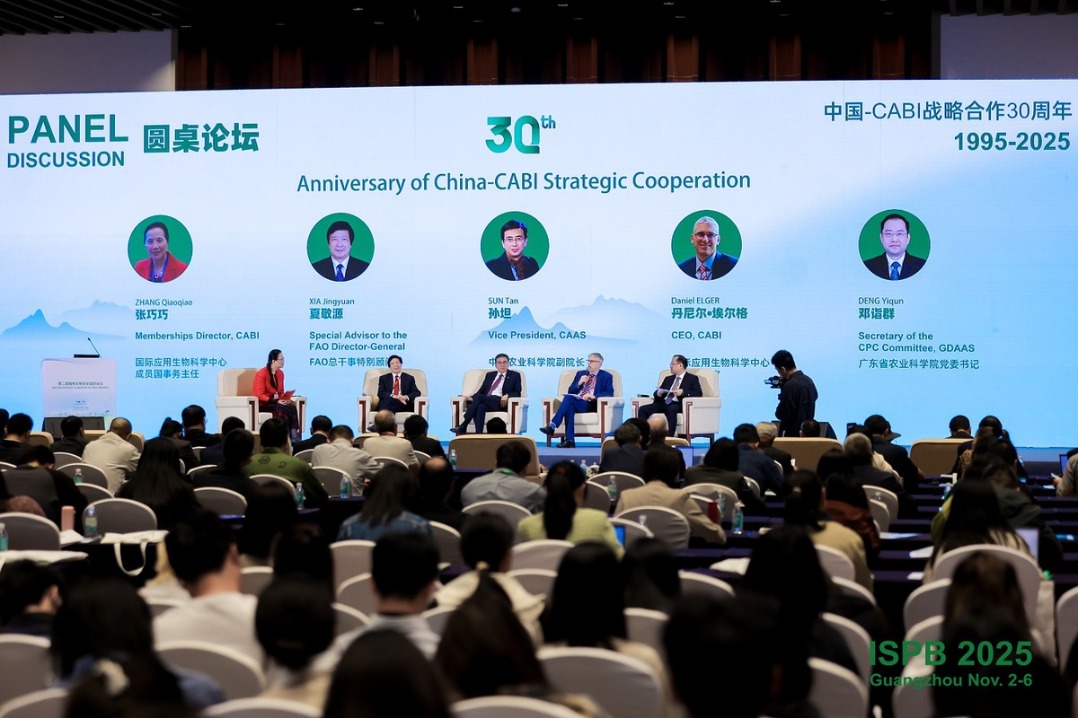
Newly launched intl alliance to safeguard plant biosafety, food security
In a significant step toward global agricultural sustainability, the BRI International Alliance of Science and Technology Innovation in Plant Protection was officially launched during the 2nd International Symposium on Plant Biosafety in Guangzhou, Guangdong province. The event, held from November 2 to 6, brought together over 250 experts and scholars from 18 countries and more than 40 domestic institutions. The alliance, a collaborative effort between the Chinese Academy of Agricultural Sciences’ Institute of Plant Protection and the Center for Agriculture and Bioscience International (CABI), aims to strengthen international cooperation in plant health and food security. Sun Tan, vice-president of the academy, emphasized the critical role of plant biosafety in addressing global food security and sustainable agricultural development. He highlighted that plant pests and diseases cause annual yield losses of 20 to 40 percent, resulting in over $220 billion in economic damage worldwide. The academy pledged to enhance international collaboration in biosafety research, improve cooperation mechanisms, and promote joint innovation platforms. Daniel Elger, CEO of CABI, underscored the fruitful partnership between China and CABI over the past three decades, expressing commitment to deepening collaboration for the global sharing and application of plant biosafety management technologies. The symposium also facilitated discussions on pest and disease outbreak patterns, integrated pest management, and innovative biosafety governance approaches.
-

Investigators find ‘black boxes’ from UPS plane crash that killed 12
Federal safety investigators have successfully retrieved the ‘black box’ recorders from the wreckage of a UPS cargo plane that crashed in Louisville, Kentucky, claiming the lives of 12 individuals. The incident occurred during takeoff on Tuesday evening, when the 34-year-old MD-11 freighter, bound for Honolulu, burst into flames shortly after clearing the runway fence. The crash ignited a series of fires, including a petroleum recycling facility, and scattered debris across a half-mile radius. The Louisville airport reopened on Wednesday, but the affected runway will remain closed for ten days. Todd Inman of the National Transportation Safety Board (NTSB) confirmed that the flight data recorder and cockpit voice recorder were intact and will be analyzed in Washington, D.C. The NTSB aims to issue a preliminary report within 30 days, though a full investigation could take up to two years. Kentucky Governor Andy Beshear declared a state of emergency to expedite disaster response efforts. The crash disrupted operations at UPS Worldport, the company’s global air cargo hub, but services are expected to resume by Thursday morning. Investigators are focusing on the plane’s left engine, which detached during the crash, as a potential factor in the accident. Boeing and GE Aerospace have pledged support to the investigation. This marks the first UPS cargo plane crash since 2013.
-
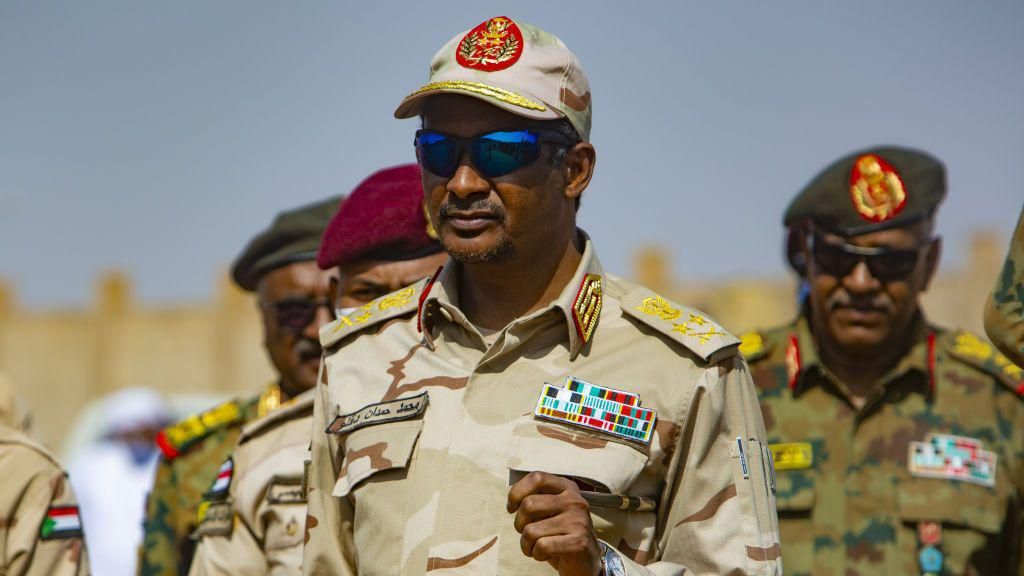
Sudan’s RSF militia says it agrees to humanitarian ceasefire
In a significant development in Sudan’s ongoing civil war, the paramilitary Rapid Support Forces (RSF) announced on Thursday its acceptance of a US-proposed humanitarian ceasefire. This decision follows the RSF’s capture of el-Fasher, a city in the Darfur region, after an 18-month siege that has left the population in dire straits. The siege, which blocked essential aid despite repeated UN appeals, has resulted in widespread starvation, with famine conditions confirmed by a UN-backed global hunger monitor. The RSF has faced international condemnation over allegations of mass killings, which it denies, though it has acknowledged ‘violations’ by individual soldiers and made some arrests. The civil war, which erupted in April 2023 between Sudan’s army and the RSF, has seen multiple ceasefire agreements fail to hold. In September, the US, along with the United Arab Emirates, Saudi Arabia, and Egypt, proposed a three-month humanitarian truce aimed at transitioning to civilian rule. The RSF stated that it agreed to the truce to address the ‘catastrophic humanitarian consequences’ of the war and facilitate the urgent delivery of aid. It also expressed a willingness to engage in discussions aimed at ending hostilities and addressing the root causes of the conflict. However, Sudan’s military-led government has yet to respond to the proposal, with officials emphasizing the need for the RSF to disarm and its leader to be held accountable before any truce can be considered. Meanwhile, the humanitarian crisis in Sudan continues to worsen, with over 24 million people facing acute food shortages, and community kitchens, a vital lifeline for millions, on the brink of collapse. The UN Human Rights Council has scheduled an urgent session to address the situation in el-Fasher, where reports of systematic killings and torture have emerged as thousands flee the city.
-
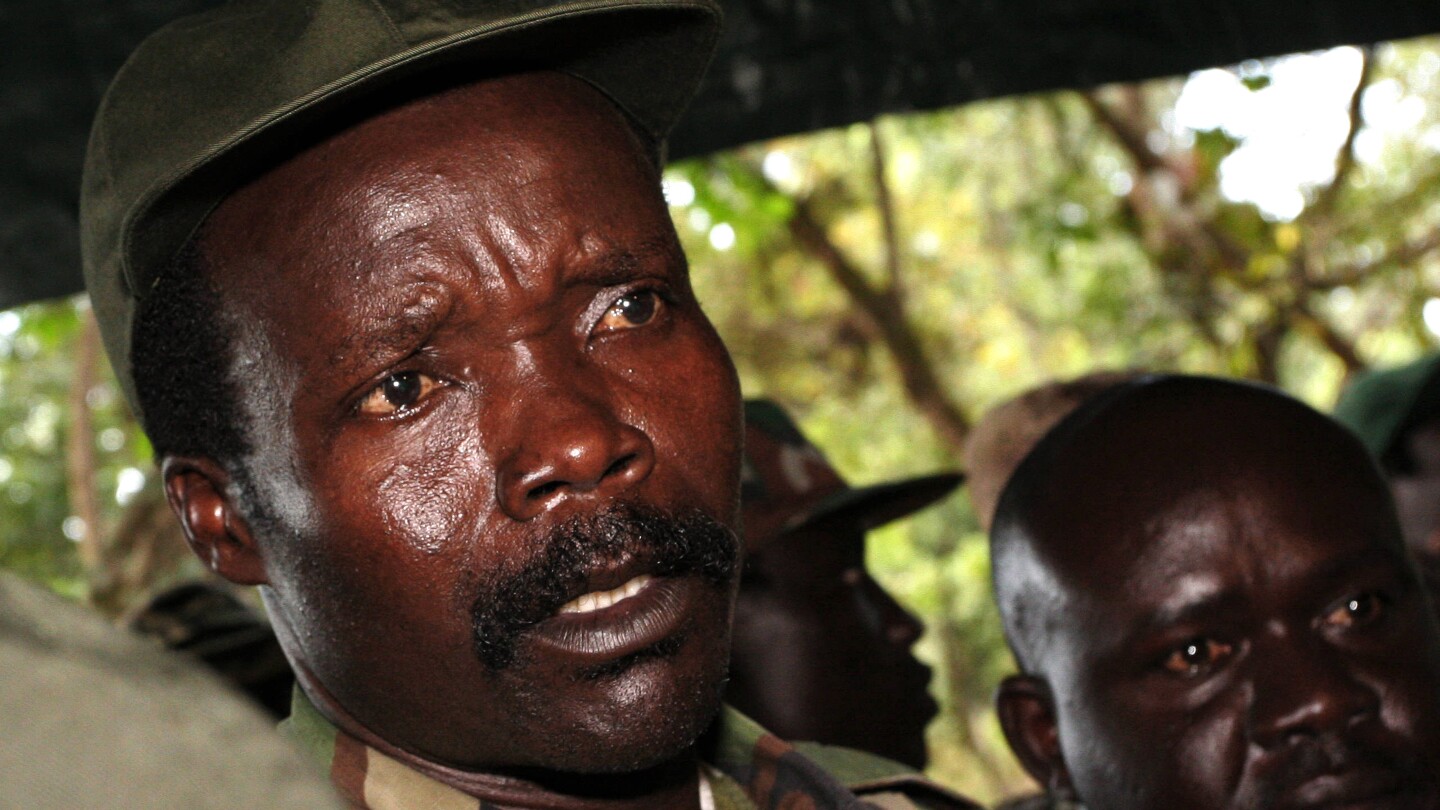
ICC judges confirm charges against Ugandan rebel leader Joseph Kony
In a landmark decision, the International Criminal Court (ICC) in The Hague, Netherlands, has officially confirmed war crimes and crimes against humanity charges against Joseph Kony, the notorious Ugandan warlord who remains at large. A three-judge panel concluded there is substantial evidence to hold Kony accountable for 29 counts, including murder, sexual enslavement, and rape, committed during his leadership of the Lord’s Resistance Army (LRA), a brutal militia that terrorized northern Uganda for decades. The court’s ruling marks a significant step in the pursuit of justice for the victims of Kony’s atrocities, despite his continued evasion of capture. The ICC held its first-ever in absentia hearing for Kony, a move that has sparked debate over the fairness of such proceedings. Deputy Prosecutor Mame Mandiaye Niang emphasized the devastating impact of Kony’s actions, stating, ‘The social and cultural fabric of Northern Uganda has been torn apart and is still struggling to rebuild itself.’ Kony gained global notoriety in 2012 when a viral video exposed his crimes, yet international efforts to apprehend him have so far failed. Court-appointed defense counsel argued that the in absentia hearing violated Kony’s right to a fair trial, with lawyer Peter Haynes noting, ‘The empty chair impacted the preparation of the defense.’ The case is seen as a test for the ICC, potentially paving the way for other high-profile trials where suspects are unlikely to be detained, including those involving Israeli Prime Minister Benjamin Netanyahu and Russian President Vladimir Putin. The LRA, founded by Kony in the 1980s, initially sought to overthrow the Ugandan government before expanding its operations to neighboring countries, leaving a trail of destruction marked by the use of child soldiers, civilian mutilations, and the enslavement of women.