
The British government announced on Thursday that the National COVID Memorial Wall in London, a poignant tribute to those who lost their lives during the pandemic, will be preserved permanently. Located on the Albert Embankment along the River Thames, directly opposite the Houses of Parliament, the 8-foot-high Portland stone wall commemorates the approximately 240,000 COVID-related deaths in the UK and honors the sacrifices of key workers, particularly in health and care sectors. Established in March 2021 by the groups COVID-19 Bereaved Families for Justice and Led by Donkeys, the wall features over half a kilometer of hand-painted hearts, each representing a life lost. Volunteers, known as The Friends of the Wall, maintain the memorial, refreshing the artwork weekly with durable masonry paints. Culture Minister Fiona Twycross described the wall as a ‘powerful reminder of the pandemic’s toll,’ emphasizing the importance of remembering those who died. The government also pledged to continue an annual day of reflection in March and support the creation of additional memorial spaces nationwide. The UK, which experienced one of Europe’s deadliest COVID outbreaks, has faced criticism for its pandemic response, particularly the delayed lockdown in March 2020. However, its vaccine rollout has been widely praised. A national inquiry into the handling of the pandemic, launched two years ago, is ongoing and expected to conclude in 2027.
博客
-
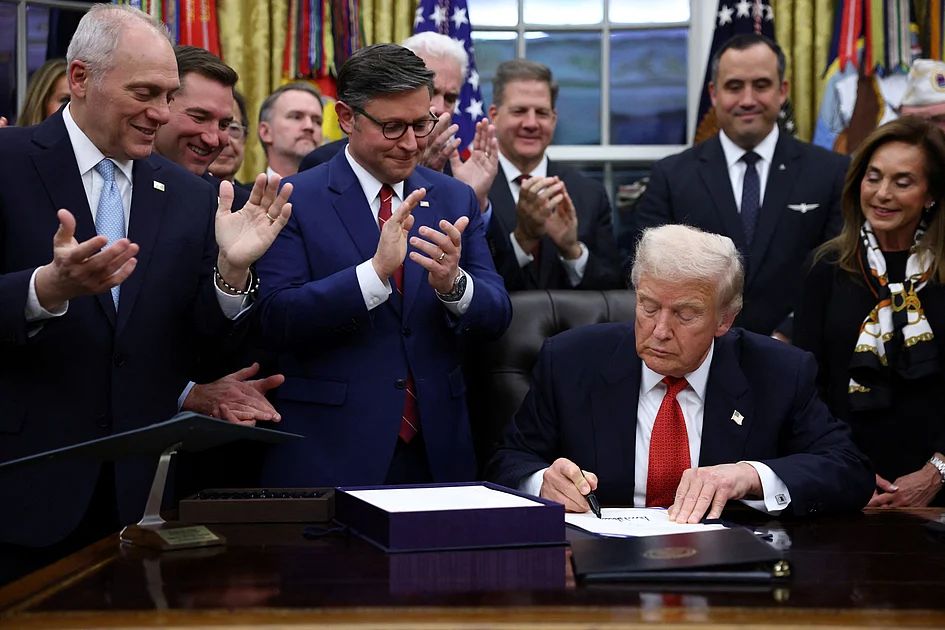
Trump signs deal to end longest US government shutdown in history
President Donald Trump has signed a bill to conclude the longest government shutdown in U.S. history, lasting 43 days. The legislation, which passed the House of Representatives with a 222-209 vote, aims to restore federal operations, including food assistance programs, air-traffic control systems, and the salaries of hundreds of thousands of federal workers. The shutdown, which began due to a standoff over federal health insurance subsidies, has left critical government services disrupted and economic data unreported. The new funding extends through January 30, 2026, but questions remain about the speed of full service restoration and the long-term economic impact. Economists estimate the shutdown reduced GDP growth by over 0.1 percentage points weekly, though most losses are expected to be recovered in the coming months. The deal also sets the stage for a December Senate vote on healthcare subsidies, though House Speaker Mike Johnson has not committed to a similar vote. The shutdown’s end comes just ahead of the Thanksgiving holiday, offering hope for the recovery of air travel services and food aid programs. However, the political fallout remains unresolved, with public opinion divided over which party bears responsibility for the crisis. The House also faces renewed scrutiny over its handling of the Jeffrey Epstein case and privacy violations related to the January 6 Capitol attack.
-
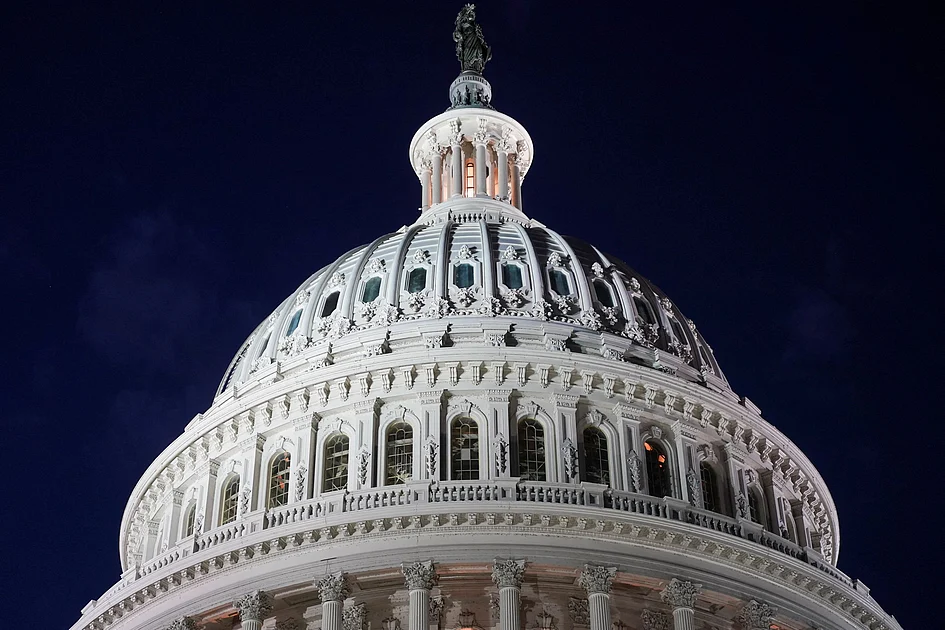
Record-breaking US shutdown ends as political fallout begins
The United States has emerged from its longest government shutdown in history, a 43-day standoff that left federal agencies paralyzed and hundreds of thousands of workers unpaid. The Republican-controlled House of Representatives voted largely along party lines to pass a Senate-approved funding package, reopening government operations and ending the political impasse that had gripped Washington. The shutdown, which began amid a bitter blame game between Democrats and former President Donald Trump’s Republicans, has left a trail of economic and political consequences. The approved package funds military construction, veterans’ affairs, the Department of Agriculture, and Congress through next fall, with other government agencies funded until the end of January. Approximately 670,000 furloughed federal employees are set to return to work, while those who worked without pay—including over 60,000 air traffic controllers and airport security staff—will receive back pay. The deal also reinstates federal workers dismissed during the shutdown and aims to restore normalcy to disrupted air travel. President Trump, who is scheduled to sign the bill, accused Democrats of costing the country $1.5 trillion through their actions, a claim widely disputed. The Congressional Budget Office estimates the shutdown caused $14 billion in lost economic growth. Politically, the shutdown has deepened divisions within the Democratic Party, with moderates breaking ranks to broker a deal that failed to secure significant health care concessions. While Democratic leaders argue they successfully highlighted Republican failures in health care, progressive factions are critical of their leadership’s inability to maintain unity. The fallout from the shutdown is expected to shape the political landscape leading up to the 2026 midterm elections.
-

Vocational education cooperation with Africa empowers youth, drives growth
As Africa grapples with mounting developmental challenges, China has emerged as a pivotal ally in the continent’s modernization efforts, particularly through its collaboration in technical and vocational education. Gilles Fagninou, the regional director for West and Central Africa at the UN Children’s Fund, lauded China as a ‘true partner’ in an exclusive interview with China Daily. He underscored the critical role of China-Africa educational cooperation in addressing Africa’s pressing need for accessible and quality education, with over 100 million school-age children currently out of school. Fagninou highlighted that China’s own developmental journey, marked by overcoming similar hurdles, positions it as an invaluable mentor for African nations. ‘The experience that China has is something that African countries want to learn from,’ he remarked. This partnership is particularly transformative in broadening learning avenues for African youth, equipping them with practical skills through technical, professional, and vocational studies. During a recent visit to Jinhua University of Vocational Technology in Zhejiang province, Fagninou observed firsthand the impact of these programs, where African students are trained to return home and contribute to their communities. Over 20 universities in Zhejiang have established partnerships with African institutions, with Jinhua alone offering educational opportunities to more than 15,000 African students. Fagninou emphasized the tailored approach of China’s cooperation, which respects local realities and adapts to each country’s unique needs. Through digital innovation, this partnership is expanding access to quality education, bringing more children into learning who would otherwise be excluded. Fagninou also noted that China’s contributions are integral to advancing the UN Sustainable Development Goals in Africa, with initiatives like the establishment of Luban Workshops and engineering academies offering 60,000 training opportunities, primarily for women and youth. Looking ahead, Fagninou expressed optimism about deepening collaboration on youth employment, with plans to create regional centers of excellence across Africa. Pilot countries are already developing vocational programs that can be scaled continent-wide, providing young people with the skills needed to navigate the job market. ‘When you have vocational or professional study, it helps you access the job market quickly,’ he said, adding that education fosters opportunities that benefit individuals, communities, and the continent as a whole.
-
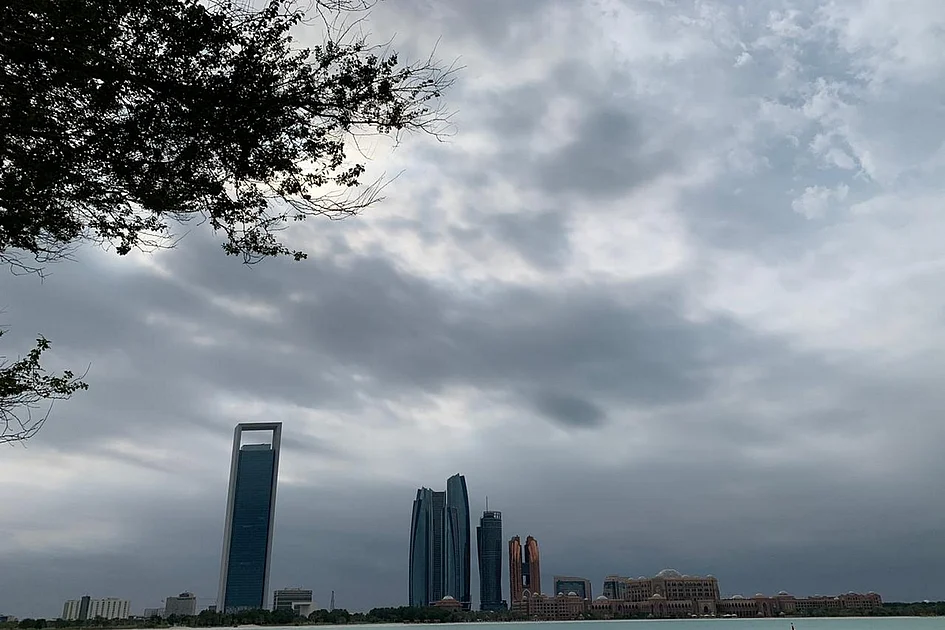
UAE weather: Fair to partly cloudy skies; lowest temperature 23°C in Dubai
Residents of the United Arab Emirates can anticipate fair to partly cloudy skies on Thursday, November 13, particularly in the western regions. According to the National Centre of Meteorology, the weather will turn humid by Thursday night and Friday morning, with a chance of mist formation in some western areas. Light to moderate winds, ranging from 10 to 20 km/h and occasionally reaching 30 km/h, will blow from the southeast to northeast. Sea conditions in the Arabian Gulf and Oman Sea are expected to remain calm. Temperatures will vary across the country, with Dubai recording a low of 23°C, Abu Dhabi at 22°C, and Sharjah at 18°C. The highest temperature recorded today was 35°C in Saih Al Salam, Dubai, at 3 pm local time. Residents are advised to stay updated with the latest weather forecasts and news updates.
-
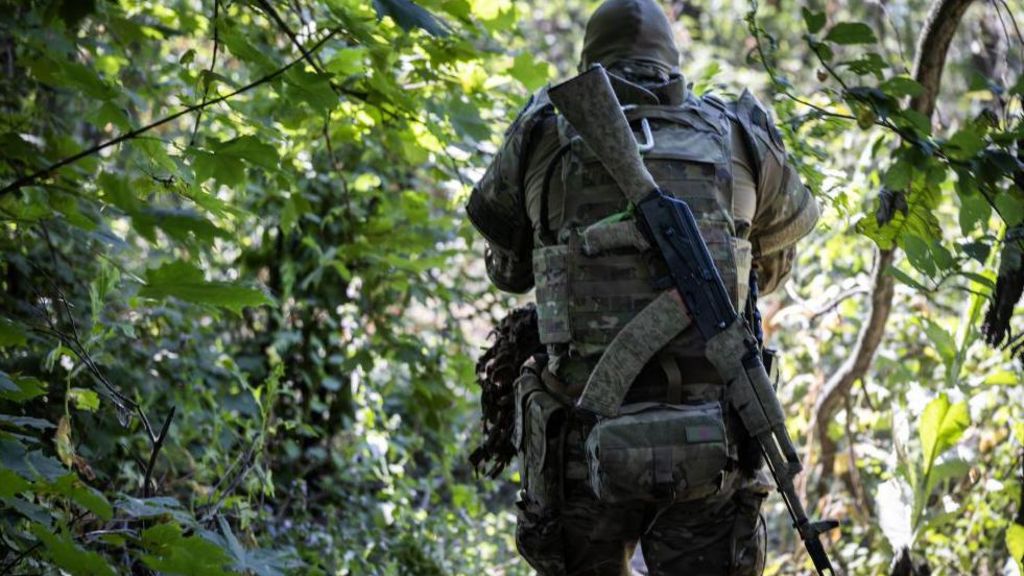
Over 200 Kenyans fighting for Russia in Ukraine – minister
Approximately 1,400 African nationals, including around 200 Kenyans, are reportedly fighting alongside Russian forces in the ongoing conflict in Ukraine, according to recent statements by Kenyan and Ukrainian authorities. Kenya’s Foreign Affairs Minister, Musalia Mudavadi, revealed that some of these individuals are former members of Kenya’s security forces. Many recruits have allegedly been deceived into joining the war, with promises of substantial financial rewards. Some have been forced to assemble drones and handle hazardous chemicals without proper training or protective gear, raising serious safety and ethical concerns. Kenyan President William Ruto has formally requested the Ukrainian government to secure the release of Kenyan nationals currently held in the conflict zone. The Ukrainian government has also highlighted that recruitment networks remain active in both Kenya and Russia, targeting vulnerable individuals. Kenya’s embassy in Moscow has documented injuries among some recruits, who were reportedly promised up to $18,000 to cover visa, travel, and accommodation costs. Mudavadi expressed concerns about the broader issue of Kenyans being lured into ‘forced criminality,’ including drug trafficking and forced labor abroad, which he described as a threat to both Kenyan and global security. In September, Kenyan authorities rescued over 20 nationals near Nairobi who were preparing to join the war. A suspected recruiter was arrested and is facing prosecution. Meanwhile, South Africa has launched an investigation into how 17 of its citizens ended up in the war-torn Donbas region. Ukraine has also faced criticism for its attempts to recruit foreign nationals, including Africans, to fight on its side. The situation underscores the Kremlin’s efforts to expand its influence in Africa, as evidenced by the recruitment of individuals from Somalia, Sierra Leone, Togo, Cuba, and Sri Lanka, who are now held in Ukrainian prisoner-of-war camps.
-

Malaysian rapper Namewee released on bail in probe into Taiwanese influencer’s murder
KUALA LUMPUR, Malaysia — Wee Meng Chee, the renowned Chinese Malaysian rapper and filmmaker better known as Namewee, has been released on police bail after a week-long detention to assist in the investigation of the murder of Taiwanese social media influencer Hsieh Yu-hsin. The 42-year-old artist, who surrendered himself to authorities last Wednesday, is required to report back to the police on November 26, according to his lawyer, Joshua Tay. Hsieh, 31, who had amassed half a million followers on Instagram and operated an OnlyFans account, was found dead in a Kuala Lumpur hotel bathtub on October 22. Her death was recently reclassified as murder. Police chief Fadil Marsus stated that Wee was the last person seen with Hsieh, and investigators are awaiting the autopsy report to determine the cause of death. Once completed, the findings will be forwarded to the attorney-general’s chambers for further action. Fadil also hinted at a ‘special relationship’ between Wee and Hsieh, describing them as ‘more than just close friends,’ though he provided no further details. Attorney-General Dusuki Mokhtar clarified that there is currently no evidence linking Wee to Hsieh’s death. Hsieh, a former nurse known as ‘Nurse Goddess’ among her fans, arrived in Malaysia on October 20 for a four-day stay and had previously appeared in one of Wee’s music videos in 2020. Wee, who has faced prior drug possession charges—which he denies—expressed deep sorrow over Hsieh’s death and pledged full cooperation with the investigation. The rapper, famous for his provocative works, first gained national attention in 2007 with a parody of Malaysia’s national anthem, sparking widespread controversy. His bold lyrics and films often challenge societal norms, earning him both acclaim and frequent clashes with authorities.
-

Ukraine’s army chief visits besieged city as Zelenskyy confronts graft scandal
Amid escalating tensions on the frontlines and a deepening corruption scandal, Ukraine finds itself grappling with dual crises that threaten its stability and international reputation. On Thursday, General Oleksandr Syrskyi, Ukraine’s top military commander, visited troops defending the strategic eastern city of Pokrovsk, where Ukrainian forces are engaged in intense street battles against Russian advances. Syrskyi emphasized the importance of regaining control of key areas, securing supply routes, and ensuring the evacuation of the wounded. He dismissed claims of Russian operational encirclement, asserting Ukraine’s resolve to hold its ground. Simultaneously, President Volodymyr Zelenskyy’s administration is embroiled in a high-profile corruption scandal involving the state-owned nuclear power company, Energoatom. The scandal, which has already led to the resignation of two ministers and the dismissal of several Energoatom executives, centers on an alleged kickback scheme worth $100 million. Tymur Mindich, a co-owner of Zelenskyy’s media production company, is suspected of orchestrating the scheme, though his current whereabouts remain unknown. The investigation, spanning 15 months and involving extensive wiretaps, has resulted in five detentions and implicated seven others. The scandal has reignited concerns about corruption within Ukraine’s highest echelons, recalling Zelenskyy’s controversial attempt last summer to curtail anti-corruption watchdogs, which he later reversed under public and EU pressure. Despite the turmoil, European Commission President Ursula von der Leyen announced a €6 billion ($7 billion) loan to Ukraine, with promises of additional financial support to address the country’s energy sector needs, heavily strained by Russian bombardments. Von der Leyen also criticized Russian President Vladimir Putin’s strategy, asserting that the EU remains committed to supporting Ukraine’s future and countering Putin’s attempts to prolong the conflict.
-
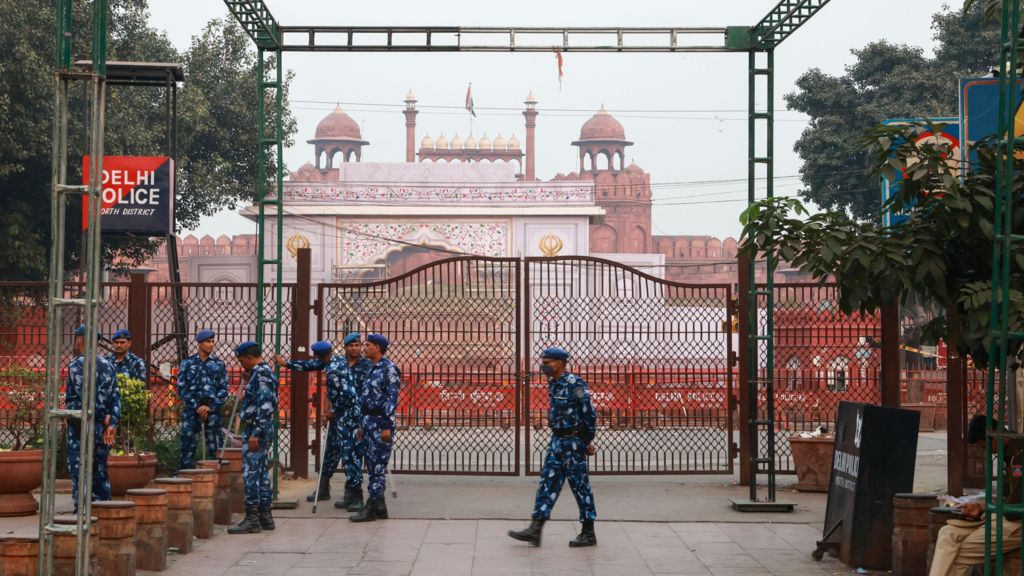
Indian police investigate Kashmir link to Delhi blast
A devastating car explosion near the iconic Red Fort in Delhi has left eight people dead, prompting a high-level investigation into potential terror links. The incident, which occurred on Monday evening at a busy traffic signal, has raised alarms across India’s security apparatus. Authorities are probing connections to the recent arrests of seven men in Indian-administered Kashmir and the seizure of 2,900kg of explosives in Faridabad, a Delhi suburb. Prime Minister Narendra Modi condemned the attack as a “heinous terror incident” orchestrated by “anti-national forces,” vowing to bring all perpetrators to justice. Defense Minister Rajnath Singh and Home Minister Amit Shah echoed these sentiments, with Shah instructing officials to hunt down every individual involved. The case has been transferred to the National Investigation Agency (NIA), India’s counter-terrorism body, which is examining voluminous documents to uncover potential links. Media reports have speculated about a man in a viral photo, allegedly the car’s driver, who reportedly drove around the city for hours before the explosion. However, neither the NIA nor the police have confirmed these details. The blast, which occurred at 18:52 local time, left a trail of destruction, including a charred white Hyundai i20 and several other vehicles. The Red Fort remains closed as the investigation continues, with authorities working to piece together the events leading up to the tragedy.
-
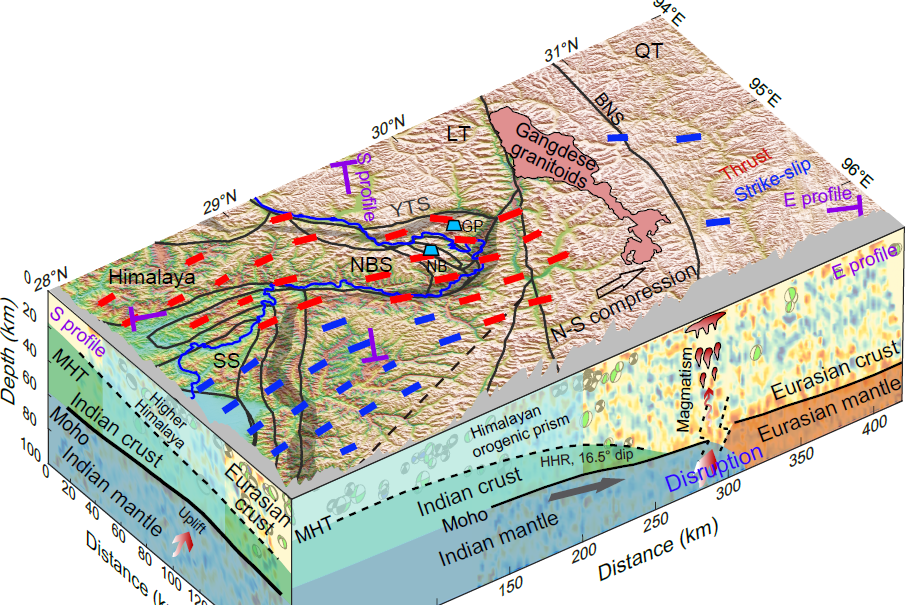
Chinese researchers solve mystery of seismic activities at eastern Himalayas
In a groundbreaking study published in the National Science Review, Chinese researchers have decoded the mechanisms driving seismic activities in the eastern Himalayas. This discovery sheds light on the region’s earthquake risks and the geological processes shaping this iconic mountain range. The Himalayas, formed by the collision of the Indian and Eurasian tectonic plates, have long been a focal point for seismic research. While the central section is well understood, the eastern Himalayas’ tectonic complexity has remained a mystery until now. Scientists from the Institute of Tibetan Plateau Research, Chinese Academy of Sciences, employed advanced broadband seismic arrays to analyze the regional stress field and the structural dynamics of the converging plates. Their findings reveal a dominant north-south horizontal compression, coupled with the gentle underthrusting of the Indian plate. This combination explains both the generation of megathrust earthquakes and the uplift of the mountain ranges. Dr. Bai Ling, the study’s lead author, emphasized the next phase of research will explore how continental collision influences seismic activity and plateau evolution. This study not only advances scientific understanding but also enhances earthquake preparedness in the region.