博客

  • Fears grow Emirati dissident forcibly disappeared in Syria could be extradited to UAE

    Fears grow Emirati dissident forcibly disappeared in Syria could be extradited to UAE

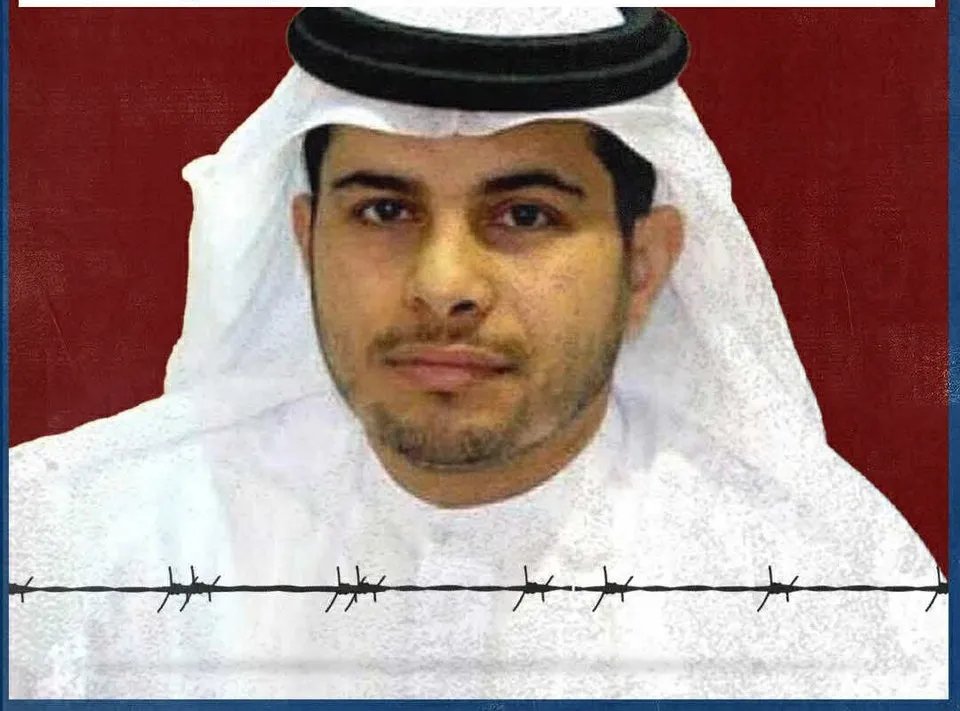
    The recent abduction of Jassem Rashid al-Shamsi, an Emirati dissident and political activist, near Damascus has raised alarm among his family and human rights organizations. Shamsi, a former UAE government official, was seized by Syrian security forces on November 6 while traveling to the Damascus suburb of Ein Tarma. His wife, who was present during the incident, reported that armed men in black took him without presenting a judicial warrant or stating any charges. She has since been denied access to her husband and fears he may be forcibly extradited to the UAE, where he faces a life sentence on terrorism-related charges.

    Shamsi was previously imprisoned during the UAE’s notorious ‘UAE 94’ trial in 2013, which targeted activists, lawyers, and academics advocating for democratic reforms. The trial was widely criticized as unfair, with defendants accused of plotting to overthrow the government—a charge they denied. In December 2023, Shamsi was implicated in the ‘UAE 84’ case, leading to a life sentence in July 2024.

    Human rights groups, including the Emirates Detainees Advocacy Centre (EDAC) and the Arab Organisation for Human Rights in the UK (AOHR UK), have condemned Shamsi’s disappearance as a violation of international law. AOHR UK accused Syria of acting on behalf of the UAE in a case of ‘transnational repression.’ Alkarama, a Swiss-based NGO, warned that extraditing Shamsi to the UAE would breach Syria’s obligations under the Convention against Torture.

    Mohammed bin Saqr Al Zaabi, a former UAE judicial advisor, questioned the legality of Shamsi’s arrest, noting that he had legally resided in Syria for ten months without prior issues. The Syrian government has yet to comment on the case, leaving Shamsi’s fate uncertain and intensifying concerns over his safety and the broader implications for political exiles in the region.

  • Gangs expand to nearly half the towns in the Brazilian Amazon, report finds

    Gangs expand to nearly half the towns in the Brazilian Amazon, report finds

    Criminal organizations have significantly expanded their operations in the Brazilian Amazon, now active in nearly half of the region’s municipalities, according to a recent report by the Brazilian Forum on Public Safety. The study reveals that these groups, including notorious gangs like Red Command and First Capital Command, are operating in 344 out of 772 municipalities—a 32% increase from last year and more than double the presence two years ago. This surge in organized crime is exacerbating violence and posing a severe threat to the preservation of the world’s largest tropical rainforest, especially as the region hosts critical U.N. climate talks. The Red Command, a dominant drug trafficking gang, has more than doubled its footprint since 2023, despite being targeted in Rio de Janeiro’s deadliest police operation on October 28, which resulted in 121 fatalities. The incident has sparked a national debate on organized crime, leading Brazil’s lower house to approve a bill proposing harsher penalties for gang-related offenses. The legislation aims to increase sentences for crimes committed by gang members, allow asset seizures before final judgments, and mandate maximum-security imprisonment for gang leaders. However, President Luiz Inácio Lula da Silva has expressed concerns over budget cuts to federal police, which could weaken enforcement efforts. The bill now moves to the Senate, where further modifications are expected. Experts warn that the gangs are diversifying their illegal activities, engaging in extortion, illegal logging, and mining, which fuels territorial disputes and violence. With 8,047 homicides recorded in the region in 2024—31% higher than the national average—the situation underscores the urgent need for comprehensive strategies to combat organized crime and promote sustainable development in the Amazon.

  • Nvidia beats earnings forecasts amid Wall Street’s AI jitters

    Nvidia beats earnings forecasts amid Wall Street’s AI jitters

    Nvidia, the global leader in chip manufacturing, has once again demonstrated its dominance by exceeding Wall Street’s revenue and sales forecasts, alleviating concerns over AI-related expenditures that have recently unsettled the stock market. The company’s quarterly earnings report, released on Wednesday, revealed a staggering 62% increase in revenue, reaching $57 billion for the three months ending in October. This surge was primarily fueled by the robust demand for its chips, which are integral to AI data centers. The division responsible for these chips saw a remarkable 66% rise in sales, surpassing $51 billion. Additionally, Nvidia’s fourth-quarter sales projections, estimated at around $65 billion, exceeded market expectations, leading to a more than 3% increase in its stock price during after-hours trading. As the world’s most valuable company, Nvidia is widely regarded as a key indicator of the AI industry’s health. Its performance is closely monitored by investors and analysts alike, as it provides critical insights into market sentiment and the broader trajectory of AI development.

  • Missouri seeks federal help in pressing China for $25 billion in COVID damages

    Missouri seeks federal help in pressing China for $25 billion in COVID damages

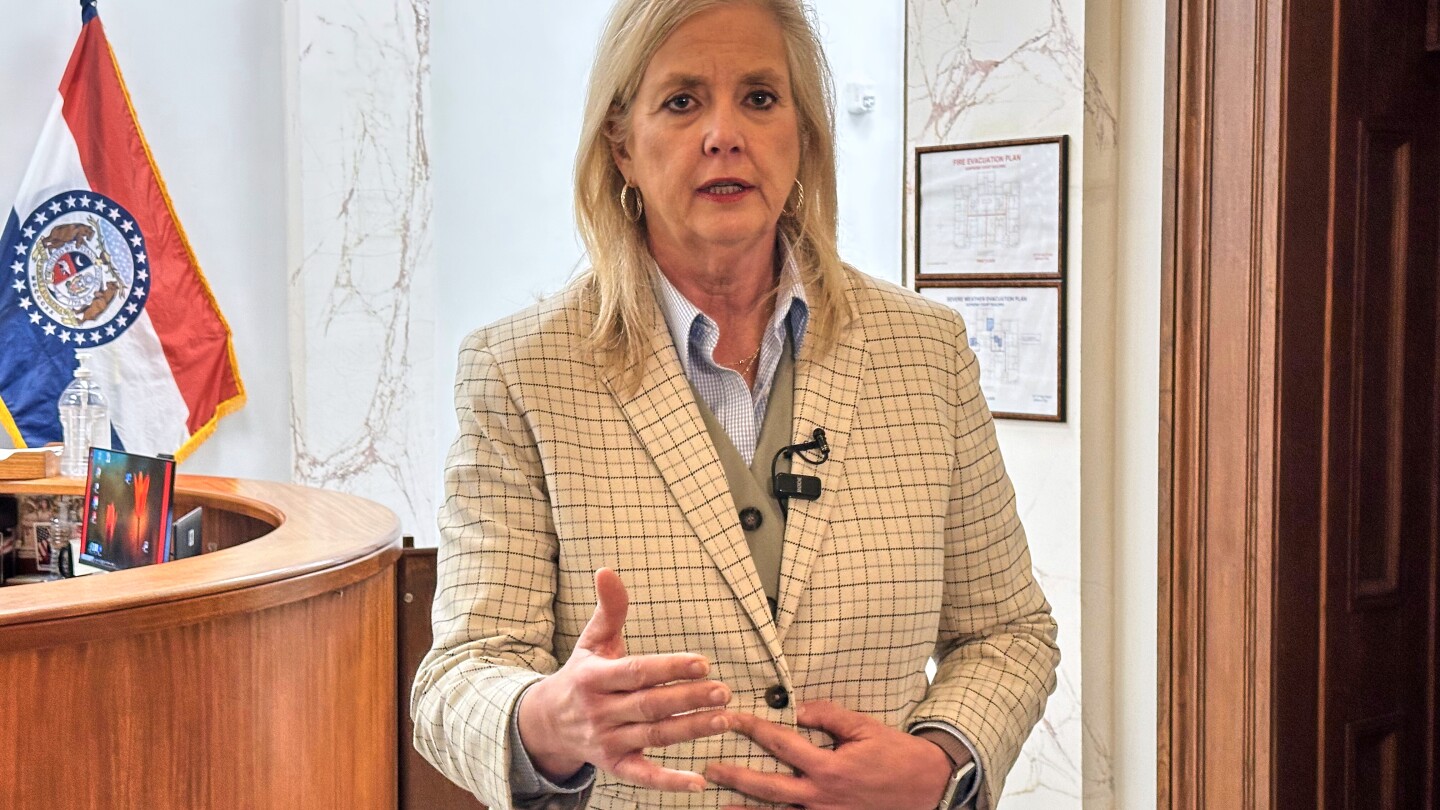
    Missouri has intensified its efforts to seize Chinese government-owned assets in the United States, seeking assistance from the Trump administration to enforce a $25 billion court judgment related to the COVID-19 pandemic. State Attorney General Catherine Hanaway announced on Wednesday that Missouri has requested the U.S. State Department to formally notify China of its intent to pursue assets with full or partial Chinese government ownership to satisfy the judgment. This legal action stems from a lawsuit accusing China of hoarding personal protective equipment (PPE) during the early stages of the pandemic, allegedly causing harm to Missouri and its residents. A federal judge ruled in favor of Missouri earlier this year after China refused to participate in the trial, dismissing the lawsuit as “very absurd” when it was initially filed in 2020. China’s Ministry of Foreign Affairs has consistently rejected the ruling, asserting that its pandemic-related actions are not subject to U.S. jurisdiction. Legal experts have expressed skepticism about Missouri’s ability to collect on the judgment, citing federal laws that generally protect foreign nations from lawsuits in U.S. courts. Hanaway acknowledged the complexity of the process, stating that Missouri is compiling a list of Chinese properties that could be targeted, including those wholly or partially owned by the Chinese government. Liu Pengyu, spokesperson for the Chinese Embassy in Washington, condemned the lawsuit as a politically motivated and baseless legal maneuver, emphasizing China’s opposition to such actions. The State Department has yet to respond to Missouri’s request. The case has followed an unusual legal trajectory, with an appeals court allowing the PPE hoarding allegation to proceed after an initial dismissal in 2022. The judgment includes tripled damages and interest, reflecting Missouri’s estimated losses. The lawsuit was originally filed by former Attorney General Eric Schmitt, a Trump ally, and has since been inherited by Hanaway, who was appointed by Republican Governor Mike Kehoe.

  • US military officials in Ukraine for talks on ending war

    US military officials in Ukraine for talks on ending war

    A high-level US military delegation, led by Army Secretary Dan Driscoll, arrived in Kyiv on Wednesday to engage in discussions aimed at ending the ongoing conflict between Ukraine and Russia. The delegation, which includes top US Army officials such as Chief of Staff Gen Randy George and Europe’s top commander Gen Chris Donahue, is set to meet Ukrainian President Volodymyr Zelensky on Thursday following his return from Turkey. The visit underscores the Biden administration’s commitment to exploring avenues for peace amidst escalating violence. Earlier in the day, a Russian missile and drone attack on the western Ukrainian city of Ternopil claimed at least 26 lives, highlighting the urgency of the situation. Army spokesman Col David Butler stated that the delegation’s mission is to gather facts and discuss strategies to bring the war to a close. Reports have emerged suggesting that the US and Russia have privately drafted a 28-point peace plan, which reportedly includes significant concessions from Ukraine, though neither Washington nor Moscow has officially confirmed its existence. Ukrainian Defence Minister Denys Shmyhal, who met with Driscoll, emphasized the focus on implementing defence agreements reached between Presidents Zelensky and Trump. Shmyhal also expressed gratitude for the US approval of a $105 million support package for Ukraine’s PATRIOT air-defence system. While Kremlin spokesman Dmitry Peskov downplayed the reports, citing the ‘spirit of Anchorage’ from the August summit between Putin and Trump, President Zelensky has consistently rejected any territorial concessions. The talks come as Kyiv and its Western allies push for an immediate ceasefire, though Moscow remains steadfast in its demands, which Ukraine views as tantamount to capitulation.

  • Dubai flights: Emirates ‘happy’ to add more seats to Indian cities, says CEO

    Dubai flights: Emirates ‘happy’ to add more seats to Indian cities, says CEO

    Emirates Airline is poised to enhance its connectivity to Indian cities, with its Chairman and CEO, Sheikh Ahmed bin Saeed Al Maktoum, expressing enthusiasm for increasing seating capacity. Speaking at the Dubai Airshow 2025, Sheikh Ahmed highlighted the airline’s commitment to expanding its presence in India, a key market for the Dubai-based carrier. Despite not having increased capacity on Indian routes for over a decade, Emirates remains optimistic about future growth opportunities. ‘We are happy to see that the Indians are giving us more seats in India, which will benefit both the Indian economy and our operations,’ he stated. The UAE’s open sky policy and bilateral aviation agreements with India have facilitated robust air travel between the two nations, with the Dubai-India corridor being one of the busiest in the region. Emirates currently operates flights to major Indian cities, including Ahmedabad, Bengaluru, Kochi, Chennai, Delhi, Hyderabad, Thiruvananthapuram, Kolkata, and Mumbai. The airline’s extensive network, spanning Europe, Asia, Africa, and the Americas, further strengthens its appeal to the Indian diaspora. In a significant move, Emirates recently announced orders for 65 additional Boeing 777-9 aircraft, valued at $38 billion, as part of its aggressive expansion strategy. Sheikh Ahmed emphasized that while India’s decision not to increase seating capacity may limit growth in that region, the airline will continue to explore other global opportunities. ‘The globe is big. If one place restricts us, we will focus on others to carry more passengers,’ he added. Emirates’ expansion plans underscore its commitment to maintaining its position as a leading global carrier.

  • No passports, queues: Dubai plans ‘red carpet’ airport experience at Al Maktoum

    No passports, queues: Dubai plans ‘red carpet’ airport experience at Al Maktoum

    Dubai Airports is set to revolutionize air travel with its ambitious ‘red carpet’ experience at Al Maktoum International Airport (DWC), eliminating traditional hassles such as passport checks, queues, and check-in desks. This initiative, announced by Ismail Polat, Senior Vice President for Development at Dubai Airports, aims to create a seamless and frictionless journey for passengers. The concept builds on the success of a ‘smart corridor’ at Dubai International Airport (DXB), where travelers can clear immigration in just six seconds using facial recognition technology, even during peak seasons. The new system integrates data from seven agencies to ensure security while maintaining a smooth passenger experience. By the early 2030s, all operations from DXB will transition to DWC, which will feature a Dh128-billion passenger terminal capable of handling 260 million passengers annually. The project leverages advanced AI and predictive systems to anticipate passenger needs and optimize airport processes. Polat emphasized that the focus is on creating a personalized and curated experience for each traveler, rather than imposing standardized procedures. This innovative approach underscores Dubai’s commitment to setting new benchmarks in aviation and enhancing global travel standards.

  • China’s role in technology advancement and ASEAN ties highlighted at summit

    China’s role in technology advancement and ASEAN ties highlighted at summit

    The Global Chinese Economic and Technology Summit 2025 (GCET 2025), held in Kuala Lumpur on November 19, 2025, underscored China’s critical role in advancing global digitalization and sustainable development, particularly through its partnerships with Malaysia and ASEAN member states. The event, themed ‘Global Leadership and Partnership in the Age of Digital and Green Transformation,’ drew over 400 participants, including policymakers, diplomats, and business leaders, to deliberate on future economic and technological trends.

    Malaysian Deputy Prime Minister Ahmad Zahid Hamidi emphasized Malaysia’s strategic position as the ASEAN 2025 chair, stating, ‘The countries that act fastest will lead the next decade.’ He highlighted China’s enduring status as Malaysia’s top trading partner for 16 consecutive years, with bilateral trade surpassing 200 billion ringgit ($48.2 billion) by May 2025. Zahid identified the digital economy, green transition, and the global Chinese diaspora as key drivers of ASEAN’s future growth, particularly in areas like artificial intelligence, smart manufacturing, and green technology.

    KSI Strategic Institute for Asia Pacific President Michael Yeoh echoed the importance of preparing for a new economy shaped by digitalization, green energy, and shared prosperity, especially amid rising geopolitical tensions. The summit served as a platform to foster collaboration and dialogue, reinforcing China’s leadership in technological innovation and its commitment to sustainable development within the ASEAN region.

  • China’s new C919 is given a Dubai debut

    China’s new C919 is given a Dubai debut

    China’s domestically developed C919 aircraft marked its international debut at the 19th Dubai Airshow, signaling a significant milestone in the country’s aviation industry. The event, held on November 19, 2025, highlighted the aircraft’s growing global appeal and its potential to compete in international markets. Sameer Alhashmi, CEO of Arzana Aviation Consultancy, emphasized the C919’s promising prospects, particularly in regions like Africa, where demand for modern and efficient aircraft is on the rise. The C919, a narrow-body jet designed to rival established models from Boeing and Airbus, represents China’s ambitious push to establish itself as a major player in the global aviation sector. Its presence at the Dubai Airshow underscores China’s commitment to innovation and its strategic efforts to expand its footprint in the aerospace industry. The event also served as a platform for China to showcase its technological advancements and foster international partnerships. As the C919 gains traction, it could reshape the competitive landscape of the aviation market, offering a new alternative to airlines worldwide.

  • Gaza’s Palestinians sceptical after UN resolution ‘ignored humanitarian needs’

    Gaza’s Palestinians sceptical after UN resolution ‘ignored humanitarian needs’

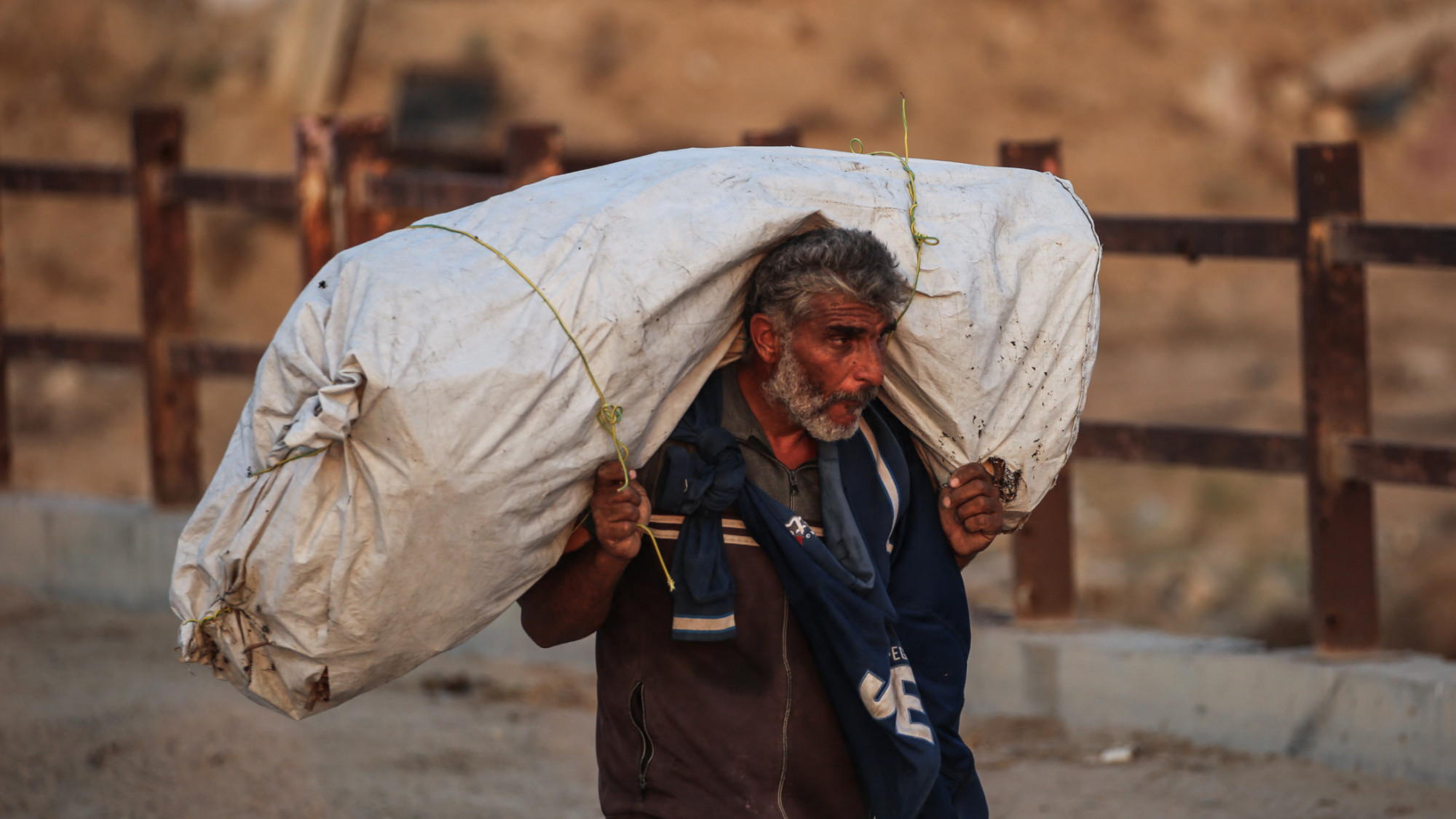
    Residents of the Gaza Strip have expressed deep skepticism following the United Nations Security Council’s adoption of a resolution that authorizes foreign governance and an international force in the war-torn territory. The resolution, drafted by the United States and passed on Monday, has been met with criticism from locals who argue that it prioritizes political conditions over urgent humanitarian needs. Abu Malek Jerjawi, a Gaza resident, lamented that the UNSC’s decision ties reconstruction and relief efforts to disarmament, a move he described as ‘deeply disappointing’ and a ‘disaster’ for the population. ‘The Council disregarded all humanitarian needs and tied them to political considerations,’ Jerjawi told Middle East Eye. The resolution, known as UNSC 2803, supports a transnational governing body led by former U.S. President Donald Trump and the establishment of an international force to oversee the demilitarization of Gaza. However, critics fear this approach will exacerbate tensions rather than bring stability. Satellite analysis by the United Nations Satellite Centre (UNOSAT) reveals that over 80% of structures in Gaza have been destroyed or damaged since the conflict began more than two years ago, leaving most of the 2.3 million residents internally displaced and lacking basic necessities. Nermin Basel, a mother of three who fled Gaza during the war, emphasized that any international plan must guarantee the return of displaced Palestinians. ‘Leaving was never our choice, but staying meant certain death,’ she said. ‘Any plan to end the war and improve the situation must ensure we can return.’ The resolution has also been rejected by armed Palestinian factions, including Hamas, which insists that resistance to occupation is a legitimate right under international law. Critics argue that the resolution risks eroding Palestinian claims to the land and fails to address the root causes of the conflict. Jerjawi warned that the mandate granted to the international force could ‘reproduce the war’ rather than end it, further destabilizing the region.