
In a landmark decision, North Dakota’s state Supreme Court has upheld a stringent law that criminalizes abortion, classifying it as a felony offense. This ruling overturns a previous lower court decision that had temporarily halted the implementation of the law. The court’s decision, issued on Friday, saw three out of five justices deem the law invalid, but it required the support of four justices to nullify it entirely. Consequently, the law remains in effect, imposing severe penalties, including up to five years in prison and a $10,000 fine for violators. This development aligns North Dakota with 12 other states that have enacted total abortion bans following the US Supreme Court’s 2022 decision to overturn the federal right to abortion, thereby delegating regulatory authority to individual states. The law was challenged by an abortion clinic in the state, which argued against its enforcement during ongoing legal proceedings. While the law includes exceptions for cases where the mother’s life is at risk, it restricts abortions for rape and incest victims to the first six weeks of pregnancy—a timeframe critics argue is often before many women realize they are pregnant. The court’s ruling emphasized that the state constitution does not guarantee a right to abortion and that the law provides sufficient notice to those seeking to comply. North Dakota Republican Attorney Drew Wrigley lauded the decision, stating that the high court has upheld crucial pro-life legislation enacted by the state’s legislature. The Red River Women’s Clinic, North Dakota’s last abortion provider before relocating to Minnesota in 2022, has yet to respond to the ruling. This decision underscores the ongoing and deeply polarized national debate over abortion rights in the United States.
博客
-

France dazzles with 7 tries and sends Wallabies home from winless tour of Europe
In a spectacular display of offensive prowess, France delivered their finest attacking performance of the year, securing a historic 48-33 victory over Australia at the Stade de France on Saturday. The match, marked by breathtaking tries and relentless energy, saw France achieve their highest-ever score against the Wallabies, while also clinching three consecutive wins over Australia for the first time in nearly five decades. Despite Australia’s spirited efforts, including five tries of their own, they were unable to overcome France’s dominance, culminating in their first winless European tour since 1958 and a record 10th loss in a single year. France’s Nicolas Depoortere shone with his second consecutive brace, while 20-year-old Kalvin Gourgues made a memorable debut, setting up Louis Bielle-Biarrey for a crucial try. Australia’s early brilliance, including a try by Matt Faessler, was overshadowed by France’s relentless attack, which featured seven tries, including a sensational solo effort by Bielle-Biarrey. Despite a valiant fightback, Australia’s exhaustion from previous defeats to England, Italy, and Ireland was evident, as France sealed their victory with decisive plays in the final minutes.
-
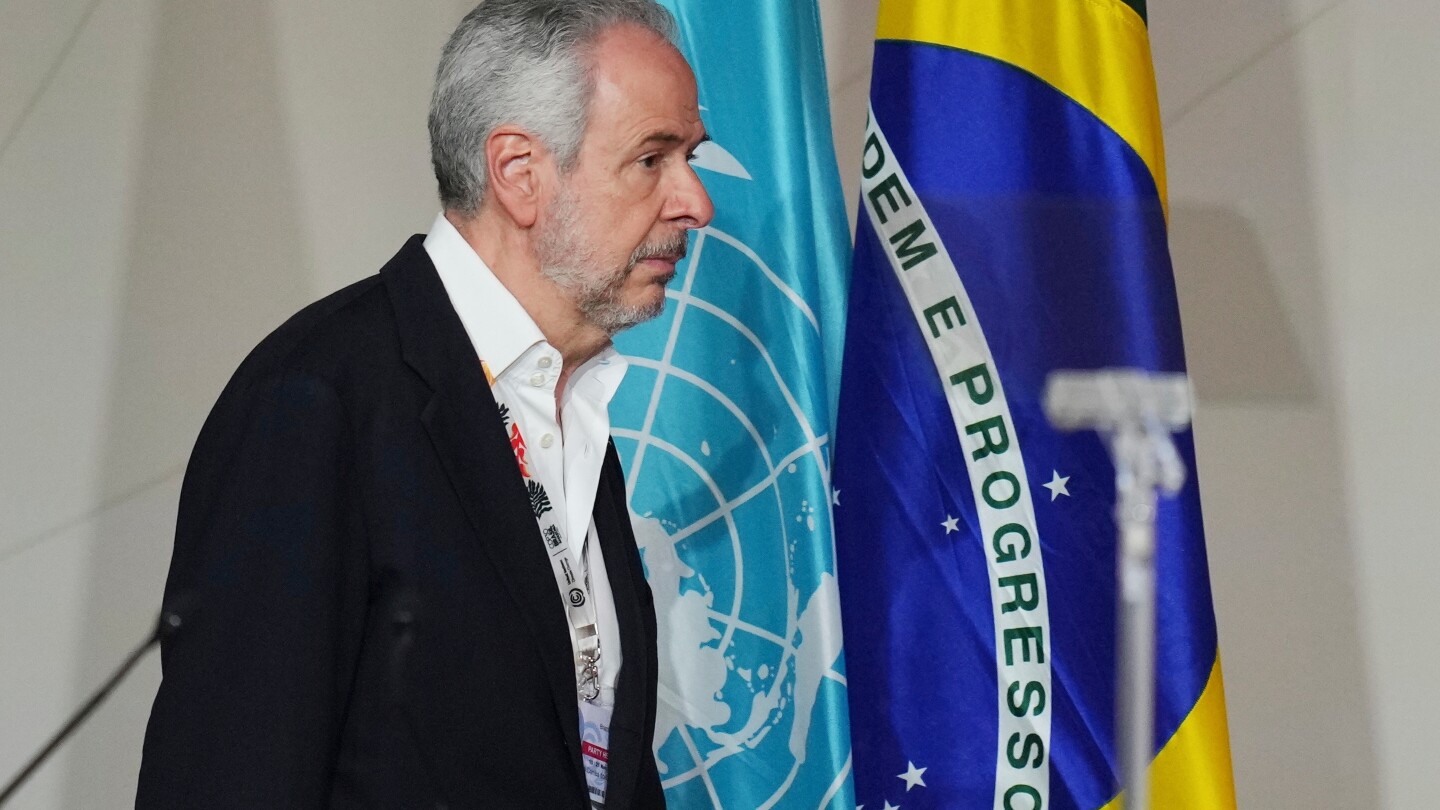
Takeaways from the outcome of UN climate talks in Brazil
The United Nations climate talks, COP30, concluded in Belem, Brazil, after two weeks of intense negotiations. The conference ended with a compromise that has drawn both criticism and cautious optimism. While the agreement pledges increased financial support for countries vulnerable to climate change, it notably lacks a clear roadmap for phasing out fossil fuels, a critical issue in combating global warming. This omission has sparked frustration among activists, scientists, and Indigenous groups, who argue that the deal falls short of the urgent action needed to address the climate crisis. Despite these shortcomings, the conference achieved some progress, including smaller agreements on energy grids and biofuels. The final document also marked a historic inclusion of Indigenous rights, a significant win for marginalized communities. However, the overall sentiment remains mixed, with many participants expressing disappointment over the lack of bold, transformative commitments. The real test of COP30’s success will be whether its promises translate into tangible actions that protect lives and livelihoods in the face of escalating climate threats.
-
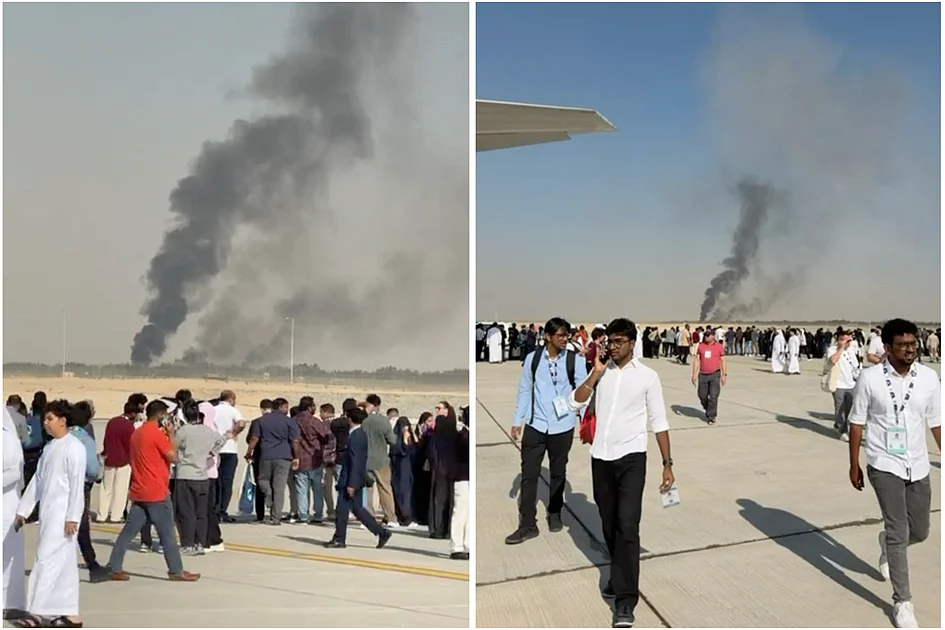
Joy turns to shock at Dubai Airshow as crowds witness fatal Tejas jet crash
What began as a day of exhilaration at the Dubai Airshow on Friday, November 21, 2025, swiftly turned into a scene of tragedy when an Indian Tejas fighter jet crashed during a performance, leaving spectators in disbelief. The incident, which occurred during a high-energy display, marked a grim first for many longtime attendees of the event. Crowds, initially cheering and recording the jets’ breathtaking stunts, were left stunned as the Tejas jet lost altitude, erupted into flames, and crashed with a deafening explosion. Security personnel acted swiftly, cordoning off the area and ensuring the crowd remained calm. Emergency vehicles, including fire trucks and ambulances, rushed to the scene. Witnesses described the moment as surreal, with many initially mistaking the crash for part of the routine. ‘We were just praying for the pilot to be safe,’ said Ashiq K, a seasoned airshow enthusiast. Unfortunately, officials later confirmed the pilot’s death, casting a pall over the event. Despite the tragedy, the airshow resumed, though the atmosphere was markedly subdued. Attendees expressed their grief and admiration for the pilot, who had been ‘doing his job… entertaining all of us.’ The incident has left a lasting impact on the aviation community and spectators alike, serving as a somber reminder of the risks inherent in such displays.
-

‘Where is our gratuity?’: UAE Petrofac staff say unpaid dues could exceed Dh27 million
Nearly 200 employees of Petrofac in the UAE are facing uncertainty and financial distress as the company has failed to provide clarity on their end-of-service benefits following a sudden wave of layoffs. The employees, many of whom have served the company for over a decade, estimate that the total unpaid gratuity could exceed Dh27 million. The layoffs were announced during a town hall meeting on November 18, where workers were informed their positions were no longer needed and were asked to leave immediately without serving their notice period. This abrupt decision has left employees feeling abandoned, especially as many are burdened with significant financial responsibilities such as loans, EMIs, and medical costs. A senior manager, who has been with the company for 13 years, revealed that Petrofac had been showing signs of financial strain for months, with some employees resigning in anticipation of the layoffs. However, the lack of communication and transparency regarding gratuity payments has exacerbated the situation. Employees have repeatedly sought clarity from management, but the only response they receive is that the company is ‘looking into it.’ While Petrofac has extended employee visas for an additional two months to allow them to search for new jobs, this gesture does little to alleviate their concerns about unpaid dues. The company’s financial troubles worsened after Dutch grid operator TenneT canceled a major offshore wind contract in the Netherlands, which was central to Petrofac’s debt-restructuring plan. In a statement, Petrofac assured that its UAE operations are continuing as normal, but employees remain skeptical about receiving their rightful benefits.
-

China opens draft regulations on data protection to public consultation
In a significant move to bolster personal information security, Chinese authorities have unveiled draft regulations targeting large online platforms. Released jointly by the Cyberspace Administration of China (CAC) and the Ministry of Public Security, the proposal seeks public feedback until December 22, 2025. The draft emphasizes the domestic storage of personal data collected within China, with stringent requirements for any cross-border data transfers. Platforms must adhere to national security standards and implement robust technical and managerial safeguards to prevent unauthorized data exports. Additionally, the regulations mandate that online service providers offer users accessible methods to manage their personal information, including options to access, correct, supplement, delete, or transfer their data. In cases of severe data breaches or repeated violations, platforms may face compliance audits and risk assessments conducted by third-party experts. The draft also promotes the use of advanced technologies such as national network identity authentication and data labeling to enhance data protection. Public consultation is actively encouraged, with authorities committed to responding to complaints within 15 working days. This initiative underscores China’s commitment to safeguarding individual privacy while fostering the sustainable growth of the platform economy.
-

Marx first hooker to win world player award since 2001
In a historic moment for rugby, South Africa’s Malcolm Marx has been crowned the men’s 15s Player of the Year at the 2025 World Rugby Awards. The 31-year-old hooker, a pivotal figure in the Springboks’ success this year, becomes the first player in his position to win the prestigious award since Ireland’s Keith Wood in 2001. Marx has been instrumental in South Africa’s dominant performance, starting in 11 of the team’s 13 Tests and scoring five tries. His contributions were crucial as the Springboks defended their Rugby Championship title and suffered only two losses throughout the year. Competing against fellow nominees Pieter-Steph du Toit, Ox Nche, and France’s Louis Bielle-Biarrey, Marx’s recognition underscores his exceptional skill and leadership. Meanwhile, New Zealand’s rising star Fabian Holland, aged 23, was named the men’s 15s Breakthrough Player of the Year. Holland, who debuted in July, has quickly made his mark with 12 appearances, including a standout performance in New Zealand’s 52-26 victory over Wales. Other notable winners include Chile’s Santiago Pedrero, who claimed the Try of the Year for his spectacular score against Samoa, and Canada’s Sophie de Goede, who was named Women’s Player of the Year in September. England’s World Cup-winning coach John Mitchell also received accolades as Coach of the Year, capping off a year of remarkable achievements in rugby.
-
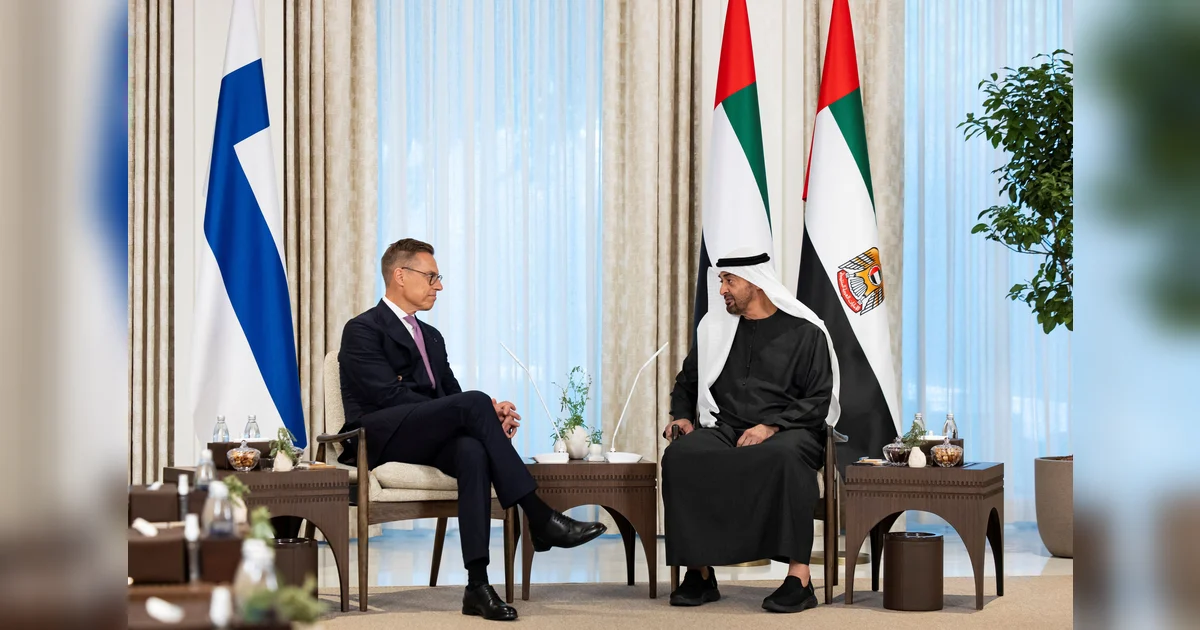
UAE President welcomes Finnish counterpart in Abu Dhabi; joint statement issued
In a landmark meeting in Abu Dhabi, UAE President Sheikh Mohamed bin Zayed welcomed Finnish President Sauli Niinistö, marking a significant step in bolstering bilateral relations between the two nations. The visit, which coincided with the 50th anniversary of diplomatic ties established in February 2025, underscored a shared commitment to advancing cooperation across multiple sectors, including renewable energy, artificial intelligence, digital transformation, and space exploration. Both leaders emphasized the importance of sustainable development and the green transition, highlighting Finland’s expertise in microsatellites and the UAE’s growing capabilities in space technology. They also discussed expanding trade and investment flows, with a focus on clean energy, sustainable finance, and the circular economy. The meeting also addressed global challenges, including climate action, women’s rights, and international peace. The leaders reaffirmed their commitment to addressing extremism, promoting tolerance, and supporting peace initiatives in regions such as Ukraine, Sudan, and Gaza. The visit concluded with a joint statement outlining a forward-looking agenda for the UAE-Finland partnership, aimed at fostering peace, stability, and sustainable prosperity.
-

Hundreds protest in Tunisia over president’s escalating crackdown on freedoms
In a powerful display of dissent, thousands of Tunisians flooded the streets of downtown Tunis on Saturday to protest against President Kais Saied’s increasingly authoritarian governance. The rally, organized under the slogan “Against Injustice,” united families of political detainees, activists, and citizens from diverse ideological backgrounds. Over 1,000 demonstrators, some clad in black, chanted slogans such as “The people want to overthrow the regime,” “What a great country! Oppression and tyranny!” and “No fear no terror, the street belongs to the people.” The protest reflects a broader wave of unrest across Tunisia, fueled by political repression and economic instability under Saied’s rule. Earlier in the week, journalists staged demonstrations against the government’s crackdown on press freedom and the suspension of prominent civil society organizations. Protesters also condemned Saied’s interference in the judiciary and accused him of using law enforcement to target political opponents. Ayoub Amara, one of the protest organizers, emphasized the rally’s dual focus: highlighting the plight of political prisoners and addressing broader grievances, including environmental protests in Gabes and arbitrary arrests under anti-terrorism laws. Monia Brahim, the wife of jailed opposition figure Abdelhamid Jlassi, joined the march, stating, “Many Tunisians are facing deep injustice.” She asserted that political prisoners are being held hostage for their principles and activism. Among the detainees is constitutional law professor Jawher Ben Mbarek, who has been on a hunger strike for over 20 days. Human Rights Watch has raised alarms over the escalating repression, noting that over 50 individuals, including politicians, lawyers, journalists, and activists, have been arbitrarily arrested or prosecuted since late 2022. The rights group criticized the misuse of anti-terrorism and cybercrime laws to suppress dissent. Saied, who suspended parliament and centralized power in July 2021, claims his actions are necessary to combat corruption and restore state institutions. However, critics argue that his measures have undermined Tunisia’s democratic progress since the 2011 revolution.
-
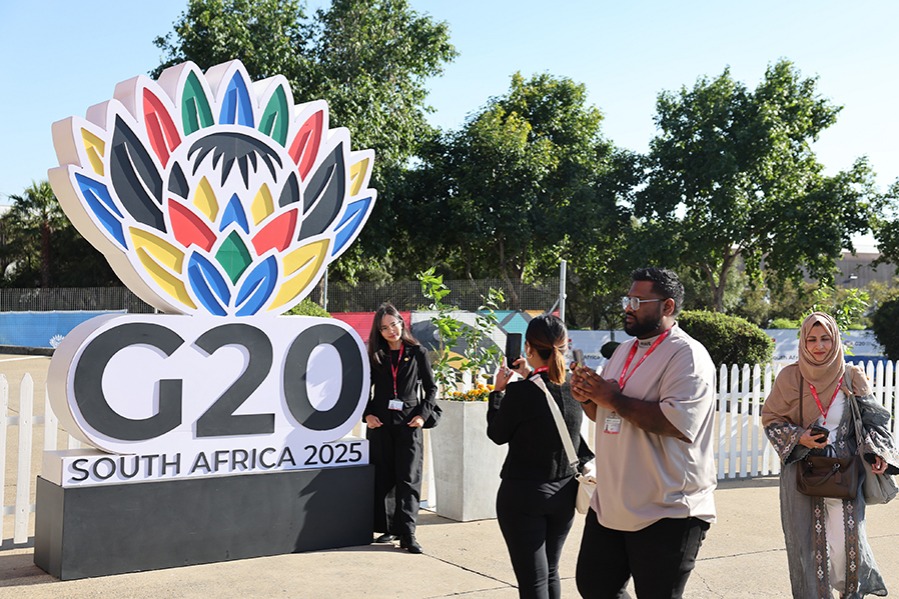
G20 summit shows signs of consensus
The inaugural G20 Leaders’ Summit in Africa commenced in Johannesburg on November 22, 2025, under the theme ‘Solidarity, Equality, Sustainability.’ Hosted by South Africa, the summit brought together over 40 heads of state to address pressing global issues, including inclusive growth, debt relief for developing nations, and equitable energy transitions. South African President Cyril Ramaphosa emphasized the urgency of bridging economic, gender, racial, and geographic divides, stating that such disparities are unsustainable and hinder global progress. He highlighted the adoption of a joint declaration as a testament to the efficacy of multilateralism, calling it a ‘message of hope and solidarity.’ Ramaphosa also underscored the need for reforms in the global financial architecture to tackle emerging challenges, such as climate-driven disasters and debt sustainability for low-income countries. The summit prioritized mobilizing finance for a just energy transition, leveraging critical minerals for inclusive growth, and advancing the United Nations Sustainable Development Goals by 2030. Ramaphosa warned that escalating geopolitical tensions, global warming, pandemics, and inequality threaten humanity’s shared future, particularly for nations unable to recover from climate-induced disasters. He urged the global community to scale up post-disaster reconstruction efforts and protect the G20’s integrity, emphasizing that the Johannesburg summit must strengthen the forum’s credibility.