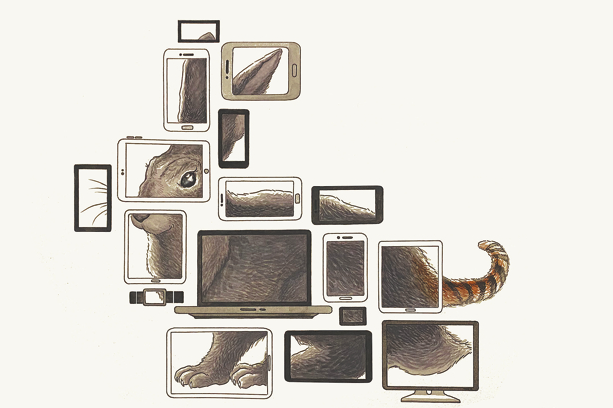
The 2025 Community of Shared Future for Humanity International Comic and Illustration Exhibition, a groundbreaking online event, recently concluded, highlighting the transformative role of technology in daily life and fostering cross-cultural connections. Organized collaboratively by China Daily and the Bank of China in Beijing, the exhibition attracted artists from 58 countries and regions, who submitted nearly 3,100 pieces, with over 1,200 entries originating from outside China. The multilingual platform ensured inclusivity and encouraged global dialogue, showcasing the boundless creativity and insight of humanity. This year, the exhibition introduced the Youth Excellence Award, which received over 600 submissions from young artists. Their works, brimming with imagination and innocence, demonstrated remarkable creativity and hope, even if their techniques were less refined compared to adult participants. The event underscored the power of art to transcend boundaries and unite diverse cultures. A selection of award-winning works is featured in this report, offering a glimpse into the vibrant and thought-provoking contributions of global artists.
博客
-
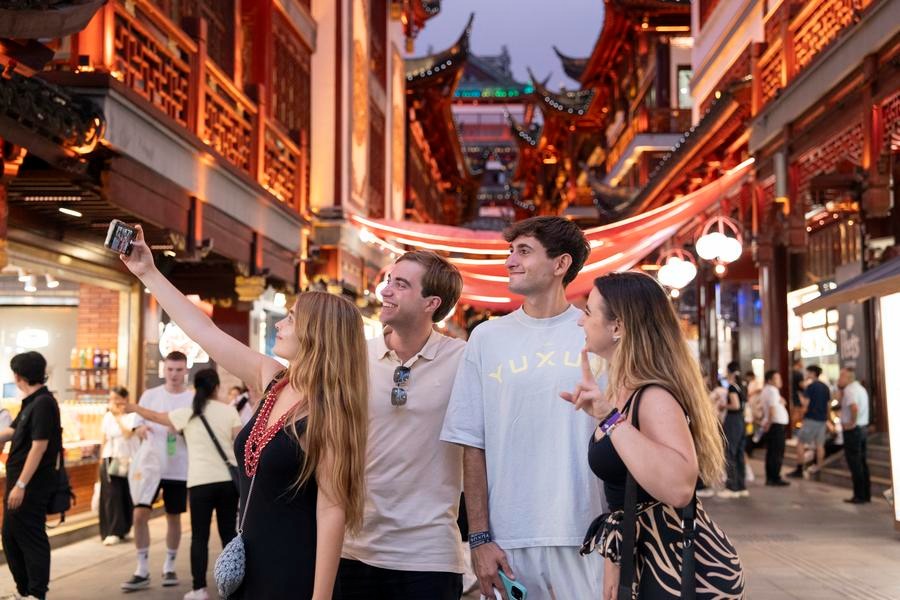
Visa waiver policies drive inbound travel surge
China’s strategic implementation of visa waiver policies has catalyzed a remarkable upswing in international travel, fostering deeper global connections and cultural exchanges. As of November 2025, Beijing’s ports have processed 19.35 million inbound and outbound travelers, reflecting an 18% year-on-year increase. Notably, foreign nationals accounted for 5.78 million of these movements, a staggering 35% rise, with 60% benefiting from visa exemption or temporary entry permits. This trend is mirrored across the nation. In Xiamen, Fujian province, passenger numbers exceeded 5.4 million, including a record-breaking 960,000 foreign nationals. Inland cities like Datong, Shanxi province, have also seen unprecedented growth, with annual passenger volumes surpassing 50,000, supported by new international air routes to Moscow and Seoul. Shen Wenjuan, head of the Gaoqi frontier inspection station, highlighted the role of innovative travel models such as ‘visa-free + cruise’ packages in driving this growth. Additionally, the introduction of an online arrival card system on November 20 has streamlined the entry process, allowing travelers to complete formalities before departure and present a QR code for swift clearance. Marcia Raquel, a Portuguese traveler at Beijing Daxing International Airport, praised the system’s efficiency. Since December 2023, China has progressively expanded its unilateral visa-free entry trials, initially for six countries, to now include 48 nations and establish mutual visa exemption agreements with 29 countries. Furthermore, the addition of 10 airports to the 24-hour direct transit ports list since November 5 has enhanced international connectivity, with 65 entry ports now offering 240-hour visa-free transit. These measures have significantly reshaped China’s global interactions, as evidenced by the National Immigration Administration’s report of 178 million inbound and outbound passenger trips in the third quarter of 2025, with Chinese mainland residents accounting for 89.37 million. This vibrant two-way flow underscores the success of China’s visa facilitation initiatives.
-

AU, EU leaders commit to closer cooperation at Luanda summit
At the 7th African Union-European Union Summit in Luanda, Angola, leaders from both continents reaffirmed their commitment to bolstering cooperation across key areas including peace and security, development, climate action, and migration. The two-day summit, which concluded on Tuesday, highlighted a mutual desire to deepen dialogue and foster practical collaboration. African Union Chairperson and Angolan President Joao Lourenco emphasized the importance of advancing these partnerships, while European Commission President Ursula von der Leyen underscored the EU’s Global Gateway initiative, which has mobilized over 120 billion euros in investments for Africa since its inception three years ago. This initiative aims to support job creation, value-chain development, and strategic industries such as raw-material processing, pharmaceutical production, and regional energy interconnections. The summit’s joint declaration emphasized support for multilateralism, peaceful conflict resolution, and enhanced cooperation in counterterrorism, climate adaptation, green energy, digital transformation, agriculture, and health systems. Both sides also pledged to increase investment, support Africa’s industrialization, and adopt a balanced approach to migration by expanding legal pathways while addressing irregular flows. A permanent follow-up mechanism will be established to monitor the implementation of these commitments. The next AU-EU Summit is scheduled to take place in Brussels.
-
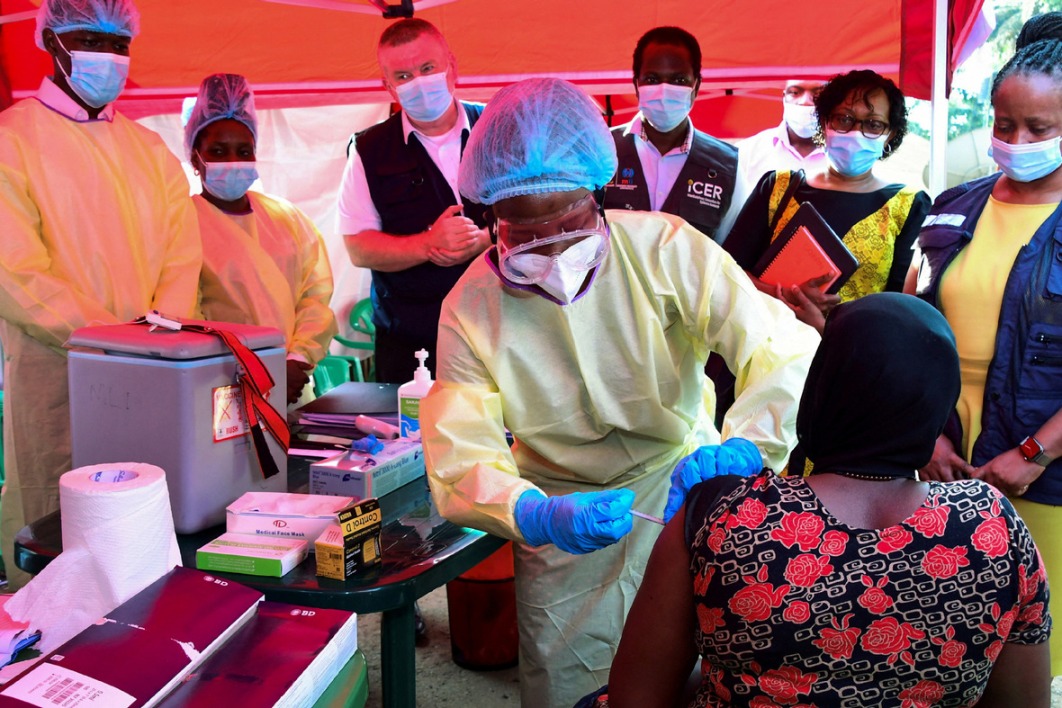
Africa urged to chart new paths amid funding cuts
Amid unprecedented cuts in global health funding, Africa finds itself at a pivotal juncture, grappling with the dual challenges of sustaining its healthcare systems and redefining its approach to self-reliance. Health experts are urging African nations to shift from despair to determination, emphasizing the need for innovative solutions and sustainable financing models. Catherine Kyobutungi, Executive Director of the African Population and Health Research Center, highlights the urgency of moving beyond the immediate crisis to strategize long-term resilience. Since January, the continent has felt the impact of significant funding reductions from major donors, including the United States and OECD countries. While programs like HIV and malaria have maintained some stability, critical areas such as maternal and child health, as well as water and sanitation, have suffered severe cuts. Kyobutungi warns that these cuts not only threaten immediate healthcare delivery but also set a concerning precedent for the unpredictability of aid. However, many African leaders and experts view this crisis as an opportunity to transform the continent’s healthcare systems. During the Africa Health Sovereignty Summit in Ghana, leaders advocated for sustainable health financing through domestic resource mobilization and reduced reliance on external aid. Daniel Mwai, Kenya’s presidential health adviser, emphasized that achieving sustainability requires robust political and technical leadership, meticulous planning, and a willingness to rethink priorities. As Africa navigates this funding crisis, the path forward lies in innovation, self-reliance, and a renewed commitment to building resilient healthcare systems.
-

Guinea-Bissau opposition candidate accuses president of staging a coup and claims election victory
In a dramatic turn of events in Guinea-Bissau, the main opposition candidate, Fernando Dias, has declared victory in the recent presidential election, accusing the incumbent President Umaro Sissoco Embaló of orchestrating a coup to avoid defeat. The allegations emerged following a military takeover on Wednesday, during which Embaló was reportedly arrested. Dias, a member of the Social Renewal Party, claimed in a widely circulated online video that the coup was fabricated to disrupt the election results, which were expected to be announced on Thursday. These assertions were echoed by civil society groups, though The Associated Press could not independently verify the claims. The opposition African Party for the Independence of Guinea and Cape Verde, barred from participating in the vote, has thrown its support behind Dias, with its leader, former Prime Minister Domingos Simões Pereira, urging residents to protest against the coup and demand the release of the election results. Despite the political turmoil, life in the capital, Bissau, appeared to return to normal by Thursday morning, with businesses and public transport resuming operations. Guinea-Bissau, one of the world’s poorest nations, has a long history of political instability, including a coup attempt in October 2023. The country, a known hub for drug trafficking between Latin America and Europe, continues to grapple with political crises exacerbated by disputed elections. The recent events in Guinea-Bissau are part of a broader trend of military takeovers in West Africa, where democracy is increasingly under threat. International bodies, including the United Nations, have expressed deep concern over the reported coup, condemning the actions and calling for a peaceful resolution.
-
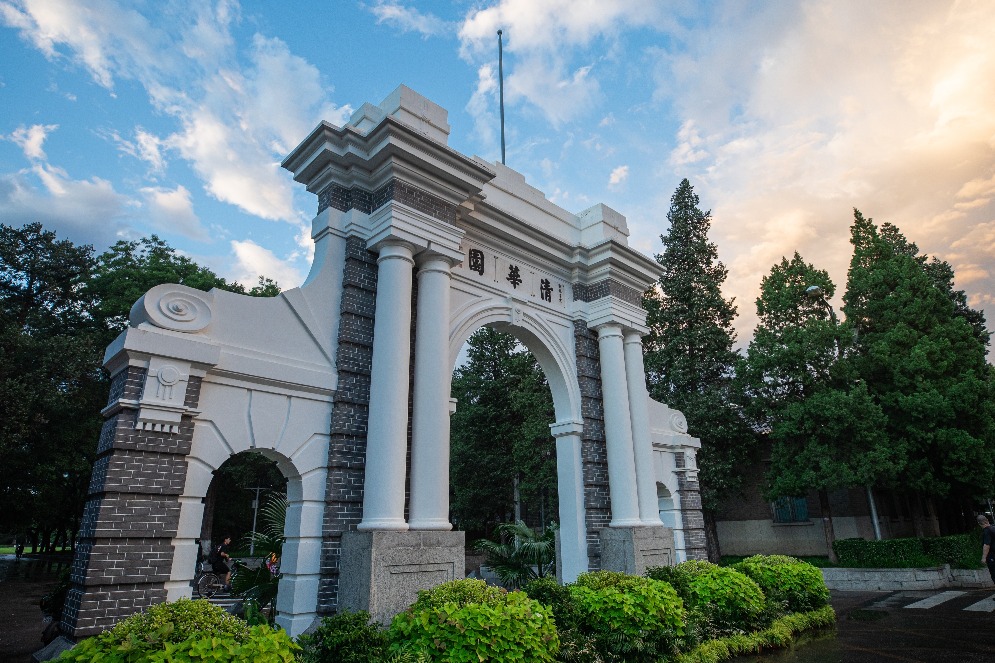
Tsinghua unveils framework for AI use in education
Tsinghua University has launched a pioneering framework to regulate the use of artificial intelligence (AI) in education, setting clear boundaries to prevent misuse while fostering innovation. The guidelines, developed after extensive research and consultation, emphasize that AI should serve as a supplementary tool rather than a replacement for human intellectual effort. Graduate students are explicitly warned against using AI for ghostwriting, plagiarism, or fabrication, with supervisors tasked to ensure academic integrity and originality. The framework mandates transparent disclosure of AI use and prohibits the incorporation of sensitive or unauthorized data in AI models. It also highlights the importance of critical thinking and multisource verification to counteract overreliance on AI. Instructors are encouraged to integrate AI into teaching materials responsibly, guiding students to develop essential competencies. The guidelines support AI integration in over 390 courses across 10 disciplines, including AI learning companions and teaching assistants. Wang Shuaiguo, director of Tsinghua’s online education center, described the framework as a ‘living system’ designed to evolve alongside technological advancements. The initiative aims to balance innovation with ethical considerations, establishing ‘red lines’ for misconduct while promoting ‘green lights’ for responsible experimentation. ‘We hope this will not become a document that restricts innovation,’ Wang stated. ‘It should be a living system — one that continues to grow as the technology evolves.’
-
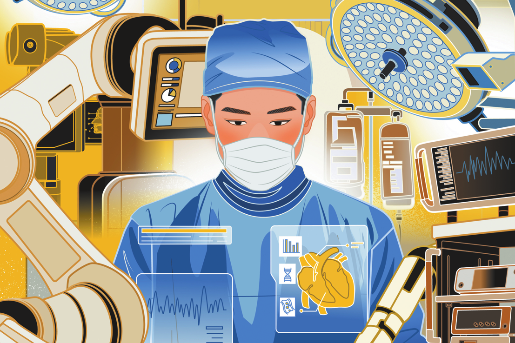
AI takes on rising role in healthcare
Artificial Intelligence (AI) is increasingly transforming the healthcare sector, driving efficiency and expanding resources in underserved areas. At Beijing Chest Hospital, radiologist Hou Dailun has observed remarkable improvements since the introduction of an AI system in 2020. The system assists in analyzing CT scans for lung nodules, processing hundreds of slices in seconds and providing precise data on size, shape, and density. This innovation has slashed the time required for analysis from over 20 minutes to mere seconds, enabling the department to interpret results for 600 patients daily. This advancement is part of China’s broader strategy to integrate AI into healthcare, as outlined in a recent guideline by the National Health Commission. The guideline aims to make AI-assisted diagnostic imaging widely available in secondary-level hospitals by 2030, emphasizing data quality, research, and development. AI is also being deployed at the grassroots level, such as at Beiqijia Community Health Service Center, where an online system tracks blood sugar levels for diabetic patients and offers dietary recommendations. Despite its benefits, AI remains an auxiliary tool, with human oversight essential to address its limitations and ensure patient safety. The future of AI in healthcare is promising, with potential to enhance diagnosis, treatment, and chronic disease management, while requiring robust regulation and collaboration across sectors.
-
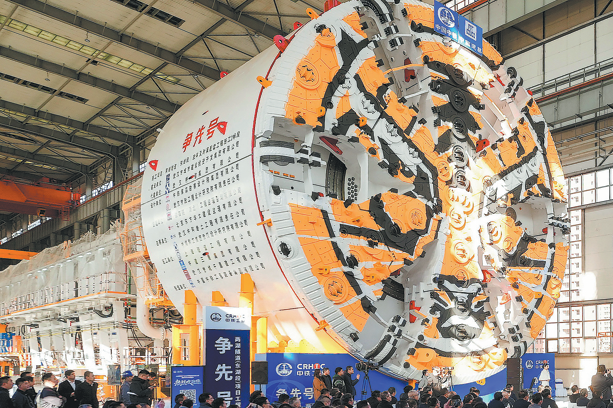
Henan sees big spurt in industrial manufacturing
Henan Province, a cornerstone of China’s industrial manufacturing sector, has demonstrated remarkable growth in 2025, particularly in specialized equipment production. Vice-Governor Li Tao highlighted this progress at a conference in Zhengzhou, the provincial capital, emphasizing the sector’s significant contributions to the region’s economic expansion. From January to October 2025, the value addition of Henan’s equipment manufacturing industry surged by 33.4% year-on-year, accounting for 13.1% of the total output from major industrial enterprises and contributing 1.7 percentage points to the province’s overall industrial growth. The event also marked the official contracting of two groundbreaking machines: the world’s largest diameter double-shield Tunnel Boring Machine (TBM) and the domestically produced largest diameter shield machine. Additionally, the ultra-large diameter slurry shield machine, Zhengxianhao, was unveiled. The double-shield TBM, with a 13.01-meter excavation diameter, will be deployed in the Yuexi Tunnel project on the Jinkouhe-Xichang Expressway in Sichuan Province, a pioneering initiative in China’s expressway engineering. Meanwhile, the domestically produced shield machine, boasting a 16.68-meter excavation diameter, will be utilized in the Hefei G4001 connecting line project under the Dongpu Reservoir in Anhui Province. Zhengxianhao, designed for the Wuhan Two Lakes Tunnel project, features a 15.09-meter excavation diameter and advanced capabilities for navigating complex geological conditions. The conference, hosted by China Railway High-tech Industry Co., also introduced the ‘Pioneer Industrial Manufacturing Large Model,’ a strategic initiative aligned with China’s digital and intelligent transformation goals. This model aims to enhance AI-driven services and support the intelligent evolution of manufacturing. Furthermore, the launch of the High-End Manufacturing Innovation Consortium underscores efforts to integrate resources and tackle technological challenges across the industrial chain. The event attracted nearly 200 participants, including government officials, industry experts, and enterprise representatives, solidifying Henan’s position as a leader in industrial innovation.
-

South Africa hits back after Trump says US won’t invite it for G20 next year
South African President Cyril Ramaphosa has expressed deep regret over U.S. President Donald Trump’s decision to exclude South Africa from the 2026 G20 Summit in Miami, Florida. Trump announced the exclusion on social media, citing South Africa’s refusal to hand over the G20 presidency to a U.S. embassy representative during the recent summit in Johannesburg. ‘Therefore, at my direction, South Africa will NOT be receiving an invitation to the 2026 G20,’ Trump stated. While G20 members typically do not require invitations, visa restrictions could effectively bar participation. Trump boycotted the Johannesburg summit based on widely discredited claims of white minority persecution in South Africa. Ramaphosa noted that the U.S. delegation’s absence was voluntary, and the G20 presidency was formally transferred to a U.S. embassy official in Pretoria. This low-key handover reportedly further angered Trump, who has been critical of South Africa’s domestic and foreign policies. Ramaphosa lamented Trump’s punitive measures, which he claims are based on misinformation. In a Truth Social post, Trump accused South Africa of unworthiness for international membership and announced an immediate halt to all U.S. payments and subsidies to the country. South African officials have called for solidarity among G20 members to uphold the group’s integrity. The Johannesburg summit, the first held in Africa, concluded with a joint declaration on multilateral cooperation for climate change mitigation and economic inequality, despite U.S. objections.
-
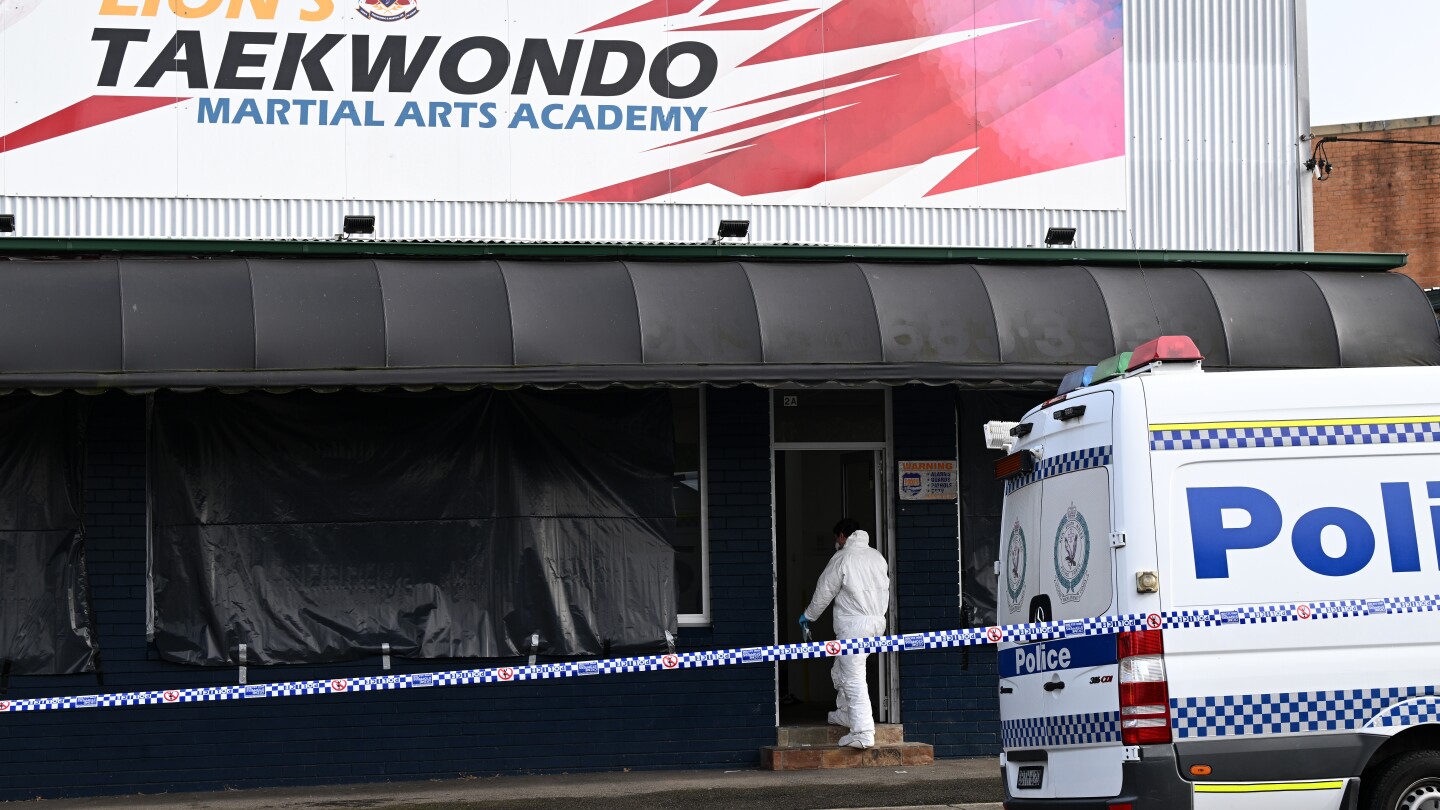
Sydney taekwondo instructor who murdered family of three consumed by fantasies of Olympic glory
A Sydney-based taekwondo instructor, Kwang Kyung Yoo, 51, has pleaded guilty to the brutal murder of a 7-year-old student and his parents in February last year. The New South Wales Supreme Court heard on Thursday that Yoo, consumed by delusions of grandeur, had fabricated stories of Olympic glory, meetings with billionaires, and ownership of luxury cars to bolster his self-image. Forensic psychiatrist Andrew Ellis described these fabrications as “grandiose fantasies” aimed at masking his financial struggles and lack of social status. Yoo, who was behind on rent for his Lion’s Taekwondo and Martial Arts Academy, allegedly plotted the murders after becoming envious of the student’s father’s success and wealth. The court was told that Yoo strangled the mother and son at his academy, then drove to their home in the mother’s BMW, where he fatally stabbed the father. During the struggle, the father also stabbed Yoo, who later claimed he was attacked in a supermarket carpark. Police arrested him at the hospital the following day. Yoo expressed remorse to prison authorities, stating, “I feel shame, guilt, and sorrow.” His lawyer, Richard Wilson, argued against prosecutors’ claims that Yoo was driven by jealousy and hatred, suggesting envy was a factor but not the primary motivator. Yoo faces sentencing on December 16, with the maximum penalty for murder in New South Wales being life imprisonment.