博客

  • Death toll from floods and mudslides in Sri Lanka rises to 123, with 130 people still missing

    Death toll from floods and mudslides in Sri Lanka rises to 123, with 130 people still missing

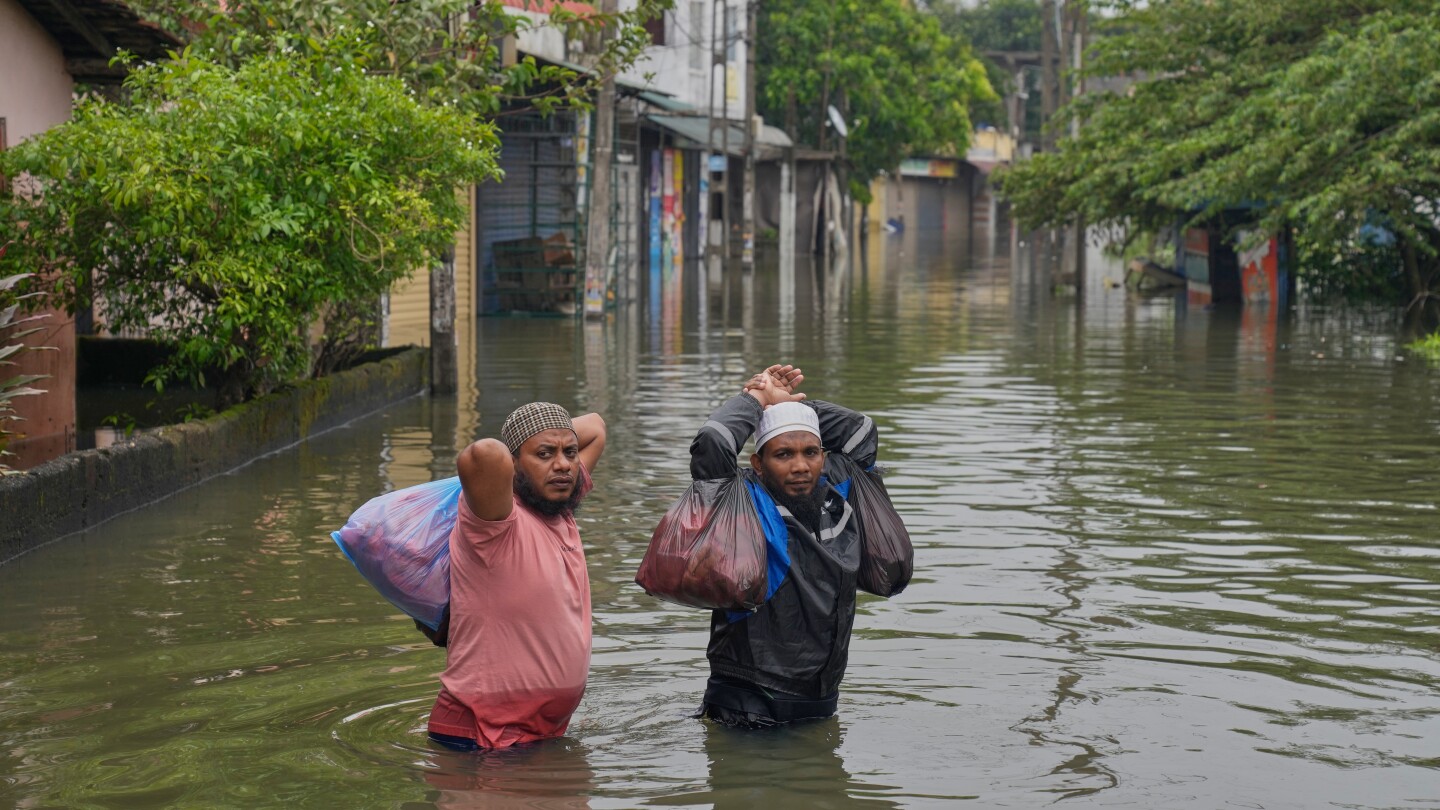
    COLOMBO, Sri Lanka — Catastrophic flooding and devastating mudslides triggered by Cyclone Ditwah have claimed 123 lives in Sri Lanka, with approximately 130 individuals still unaccounted for, according to official reports released Saturday. The nation’s disaster management center confirmed that the severe weather event has forced nearly 44,000 residents from their homes, now seeking refuge in emergency shelters.

    The tropical cyclone, which intensified in the eastern seas bordering Sri Lanka, has unleashed relentless downpours since last week, with conditions dramatically deteriorating on Thursday. The torrential rains have submerged residential areas, agricultural fields, and critical transportation infrastructure while triggering catastrophic landslides predominantly in the central highlands renowned for tea cultivation.

    Authorities anticipate the death toll will continue to rise as emergency teams struggle to access multiple regions cut off by overnight mudslides, as evidenced by social media documentation of the widespread destruction. In response to the escalating crisis, the Sri Lankan government has implemented widespread closures of educational institutions and public offices while postponing scheduled examinations.

    Critical infrastructure has suffered extensive damage with most reservoirs and river systems overflowing their banks. Numerous roadways have been rendered impassable due to debris accumulation including rocks, mudslides, and fallen trees, prompting authorities to suspend passenger rail services and implement widespread road closures across affected regions.

    By Friday, floodwaters moving downstream from the hardest-hit central regions began inundating areas surrounding the capital city of Colombo, which had experienced relatively less rainfall. Meteorological officials indicate Cyclone Ditwah is projected to track toward India’s southern coastline by Sunday, with Sri Lanka expected to experience continued rainfall as the storm system passes over the country’s northern territories.

  • An archaeologist is racing to preserve Sudan’s heritage as war threatens to erase its cultural past

    An archaeologist is racing to preserve Sudan’s heritage as war threatens to erase its cultural past

    In the subdued lighting of Paris’s French National Institute for Art History, Sudanese archaeologist Shadia Abdrabo meticulously examines photographic evidence of Neolithic pottery dating back to 7,000 B.C. Her presence in France represents a critical emergency mission: to create a comprehensive digital inventory of Sudan’s cultural heritage while her homeland suffers devastating conflict.

    The devastating civil war between Sudan’s Rapid Support Forces (RSF) and Sudanese Armed Forces (SAF), erupting in April 2023, has precipitated a cultural catastrophe of unprecedented scale. Multiple museums have been systematically looted and destroyed, including the regional museums in El Geneina and Nyala which were nearly obliterated. Most alarmingly, Khartoum’s National Museum—housing approximately 100,000 artifacts spanning millennia—was ransacked by militias who documented their destruction through social media videos.

    This institution contained priceless treasures including prehistoric relics from the Kerma Kingdom, artifacts from the Napatan era of Kushite rule, remains of the pyramid-building Meroitic civilization, and later Christian and Islamic collections. Among the most significant losses were mummies dating to 2,500 B.C.—some of the world’s oldest and most archaeologically important—along with royal Kushite treasures.

    UNESCO has raised urgent alarms about the systematic plundering, noting the threat to Sudanese culture has reached unprecedented levels. According to cultural heritage advocate Ali Nour, protective measures proved tragically insufficient: “While applications were being drafted, sites were being emptied. While risk assessments were reviewed, entire archives vanished.”

    Abdrabo’s personal connection intensifies her mission. “I’m from Nubia, from the north, an area filled with monuments, archaeological sites and ancient life,” she explains, referencing a region that once rivaled ancient Egypt in power and wealth. Having fled Khartoum with her sisters as conditions deteriorated, she now works against time with funding until April 2026 to complete her digital preservation project.

    The challenge is monumental. Datasets arrive in various formats—spreadsheets, handwritten inventories, decades-old photographs—and she has documented merely 1,080 objects thus far, representing approximately 20% of the national museum’s collection alone. Despite support from institutions like the Louvre and British Museum, the task remains overwhelmingly solitary.

    International response has been hampered by insufficient media coverage compared to similar cultural emergencies in Afghanistan and Iraq, according to researcher Meryam Amarir. However, the recently established Sudan Cultural Emergency Recovery Fund, involving institutions like the University of Michigan’s Kelsey Museum, aims to coordinate global recovery efforts.

    Geoff Emberling of the Kelsey Museum emphasizes the historical significance: “Ancient Sudan was connected through trade and military activity with Egypt, the Mediterranean world and Mesopotamia, and was the source of much of the gold available in the region. If we’re interested in these ancient cultures, then we have to be interested in Sudan.”

    For Abdrabo, the emotional weight is palpable. “I cry when I talk about this,” she confesses. “My only goal is to bring back as much as possible, to do as much as I can for Sudan.” Beyond immediate destruction, she fears the war’s consequences—displaced populations, militia activity—will continue endangering cultural artifacts long after hostilities cease. Her database represents both a race against time and an act of cultural resistance, preserving what remains of Sudan’s heritage for future generations.

  • Pope visits Istanbul’s Blue Mosque at start of day of meetings with Turkey’s religious leaders

    Pope visits Istanbul’s Blue Mosque at start of day of meetings with Turkey’s religious leaders

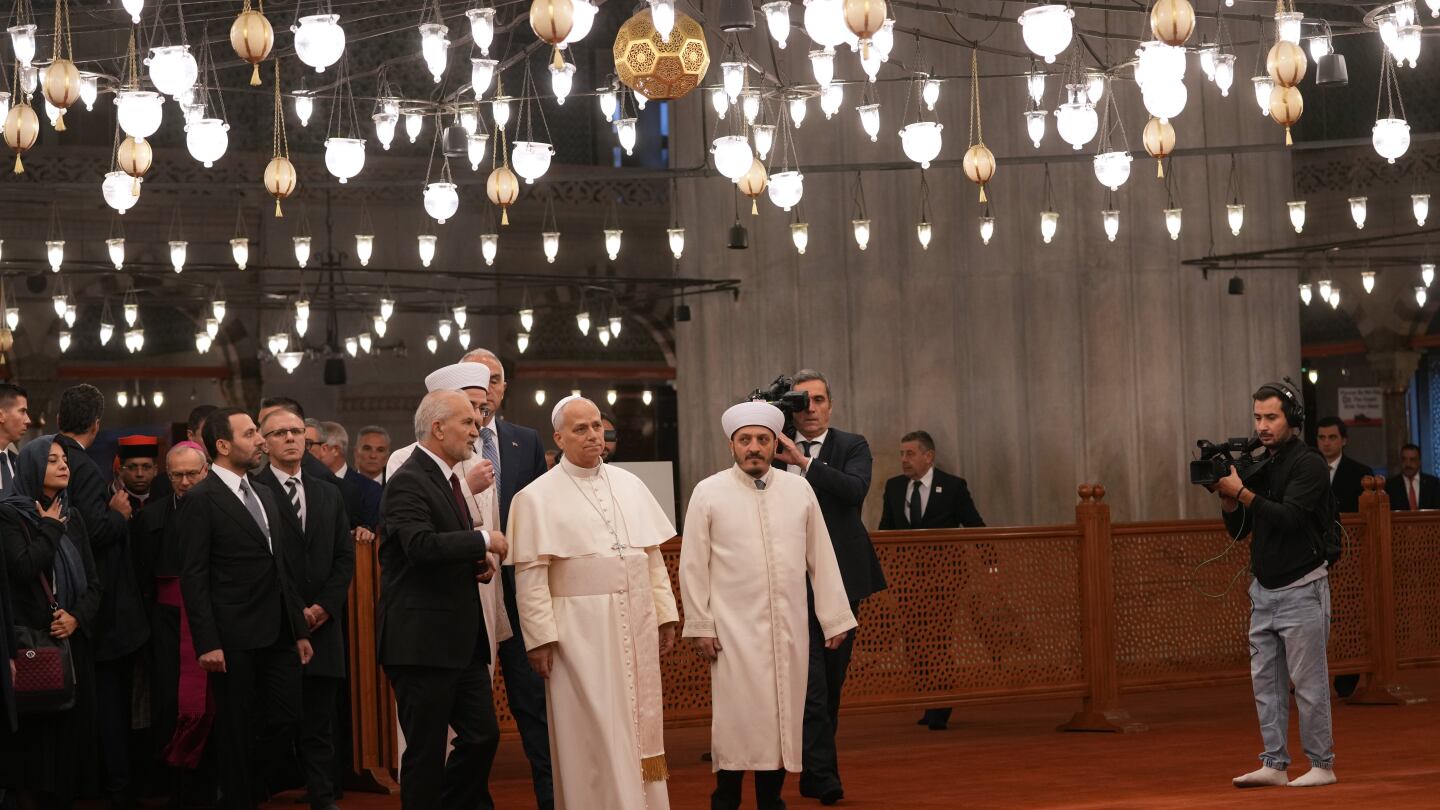
    ISTANBUL, Turkey — Pope Leo XIV commenced an intensive day of diplomatic and spiritual engagements in Istanbul on Saturday with a symbolically significant visit to the iconic Blue Mosque. The pontiff, following traditions established by his predecessors, toured the magnificent Ottoman-era mosque accompanied by Turkey’s head of religious affairs, who explained the architectural details including its soaring tiled dome and intricate Arabic inscriptions.

    The visit generated particular attention regarding interfaith prayer protocols. Imam Asgin Tunca of the Blue Mosque revealed he had extended an invitation for the Pope to worship within the sacred space, describing it as ‘Allah’s house.’ While the Pope respectfully declined to pray, he expressed appreciation for the atmosphere and spiritual significance of the mosque, walking through the carpeted interior in white socks after removing his shoes.

    Notably absent from the papal itinerary was the Hagia Sophia, the UNESCO World Heritage site whose controversial conversion from museum to mosque in 2020 drew international criticism, including from the Vatican. This omission highlighted the delicate diplomatic balance of the visit.

    The day’s agenda progressed with a private meeting with Turkey’s Christian leaders at the Syriac Orthodox Church of Mor Ephrem, followed by ecumenical prayers with Patriarch Bartholomew, spiritual leader of the world’s Orthodox Christians, at the patriarchal Church of Saint George.

    The visit built upon Friday’s historic gathering in Iznik, where Pope Leo joined Christian leaders at the site of the A.D. 325 Council of Nicaea to mark its 1,700th anniversary. Standing among the ancient ruins, the religious leaders recited the Nicaean Creed—the foundational statement of Christian faith produced by the original council that remains universally accepted across most Christian denominations.

    The Pope emphasized the urgent need to ‘overcome the scandal of divisions’ and nurture unity, particularly during times ‘marked by many tragic signs’ threatening human dignity. This gathering represented a significant moment in the centuries-long effort to reunite Christianity, bringing together Catholic, Orthodox, and other Christian representatives at the very location where their shared creed originated when Eastern and Western churches were still united.

    The visit concluded with a Catholic Mass at Istanbul’s Volkswagen Arena for Turkey’s small Catholic community, numbering approximately 33,000 in a predominantly Sunni Muslim nation of 85 million people.

  • China-funded infrastructure projects completed in West Bank

    China-funded infrastructure projects completed in West Bank

    In a significant demonstration of international cooperation, Chinese and Palestinian officials convened in Ramallah on November 26, 2025, to inaugurate two major infrastructure initiatives funded by China. The completion ceremony for the China-Palestine Friendship Square and the extended Beijing Road marked a new chapter in bilateral relations between the two nations.

    The ceremonial unveiling was conducted jointly by Zeng Jixin, head of the Chinese Office in Palestine, and Palestinian Prime Minister Mohammad Mustafa. The projects represent substantial Chinese investment in Palestinian infrastructure development, with the expanded Beijing Road now stretching over 11 kilometers through the West Bank city.

    Zeng emphasized during his address that these developments implement the strategic consensus reached by both countries’ leadership. “Beijing Road has transformed into a vital artery serving local communities—a roadway of convenience for daily life, a bridge connecting hearts through friendship, and a pathway toward future progress,” he stated. The Chinese diplomat highlighted how these projects exemplify China’s approach to supporting development initiatives through its modernization expertise.

    Prime Minister Mustafa expressed profound appreciation for China’s ongoing support, noting the decades-long relationship between the two nations. “China has consistently stood with the Palestinian people throughout our struggle for independence and development across multiple sectors,” he remarked to Xinhua after the ceremony. He specifically acknowledged China’s timely assistance in enhancing Palestinian living standards.

    Local residents already experience tangible benefits from the infrastructure upgrades. Bilal Mansour, a driver utilizing the new roadway, described the dramatic transformation: “This area was previously a barren hillside surrounded by rubble and dust. China’s assistance has fundamentally changed our daily reality—travel time between Birzeit and Ramallah’s city center has been reduced from thirty minutes to just over ten minutes.”

    The Beijing Road project commenced with its initial section opening in September 2020, while extension construction began in September 2024. The newly expanded route now integrates a network of 14 roads, significantly improving connectivity between central Ramallah and the Al-Jadwal area.

  • Ukraine’s naval drones strike Russian oil tankers in the Black Sea off the Turkish coast

    Ukraine’s naval drones strike Russian oil tankers in the Black Sea off the Turkish coast

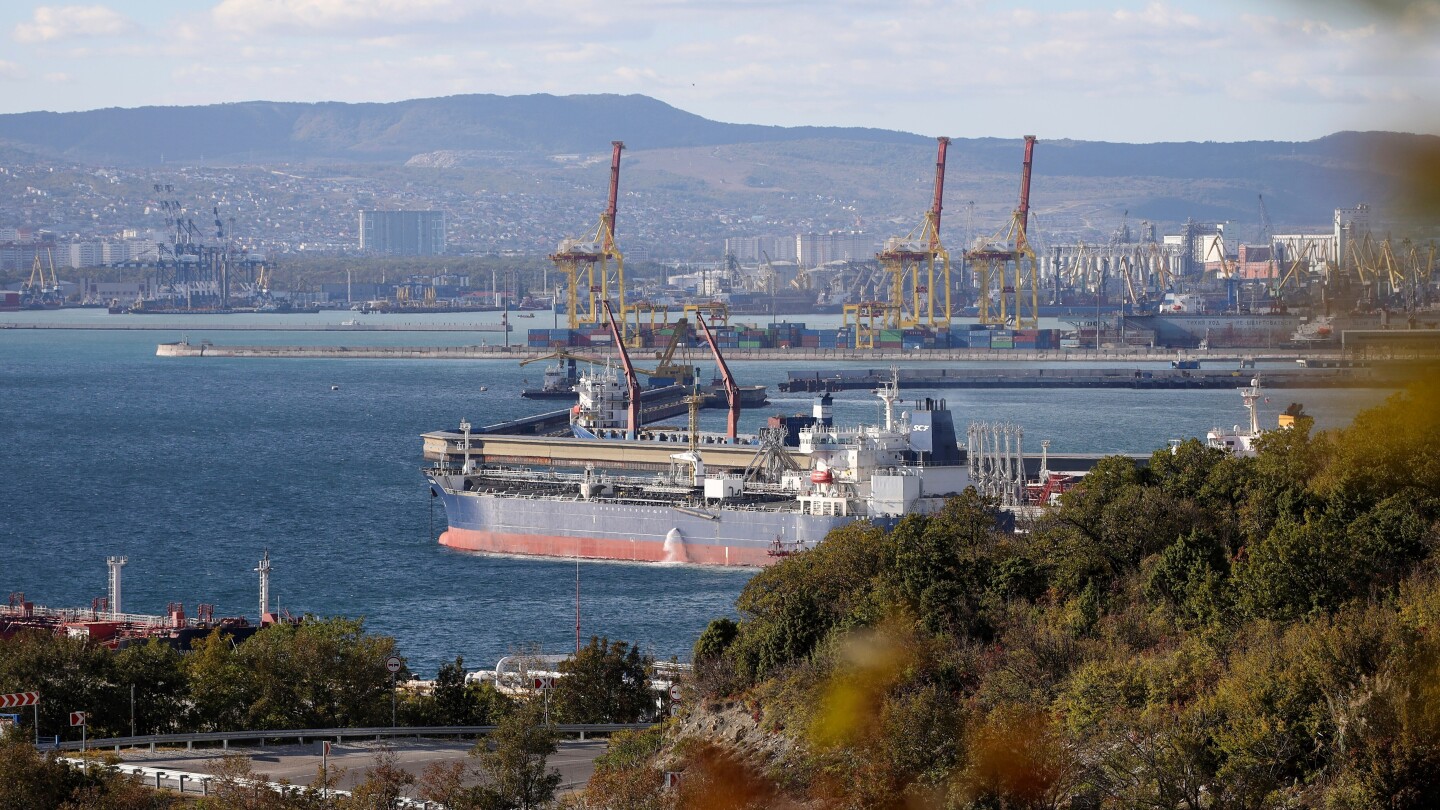
    Ukrainian security forces have executed a precision naval operation against Russian oil transport capabilities in the Black Sea. According to an anonymous SBU official speaking to The Associated Press, domestically manufactured Sea Baby naval drones targeted two sanctioned Russian oil tankers—Kairos and Virat—in rapid succession on Friday afternoon. The operation occurred within Turkey’s exclusive economic zone near the Kocaeli province coastline.

    The Gambian-flagged Kairos sustained significant fire damage in its enclosed areas, prompting the safe evacuation of all 25 crew members by Turkish rescue teams. The Virat, while reportedly struck in its engine room, did not require evacuation. Turkish Transport Minister Abdulkadir Uraloglu confirmed authorities received a distress call describing the incident as a ‘drone attack,’ though initial assessments considered multiple potential causes including mines or missiles.

    Both vessels form part of Russia’s elaborate ‘shadow fleet’—a network of ships specifically designed to circumvent international sanctions imposed after the 2022 invasion of Ukraine. OpenSanctions database records indicate the Virat received sanctions from the United States in January 2023, followed by the EU, Switzerland, UK, and Canada. The Kairos was similarly sanctioned by the EU in July 2023, with subsequent restrictions from the UK and Switzerland.

    Ukrainian intelligence officials emphasized this operation represents continued efforts to disrupt Russia’s financial capacity to wage war. The Sea Baby drones, which Ukraine recently unveiled as upgraded capabilities with extended Black Sea reach, reportedly disabled vessels capable of transporting approximately $70 million worth of oil. This strategic strike demonstrates Ukraine’s growing naval drone warfare sophistication while highlighting ongoing challenges in enforcing international sanctions against Russian energy exports.

  • UN says Israel’s killing of two Palestinians in occupied West Bank looks like ‘summary execution’

    UN says Israel’s killing of two Palestinians in occupied West Bank looks like ‘summary execution’

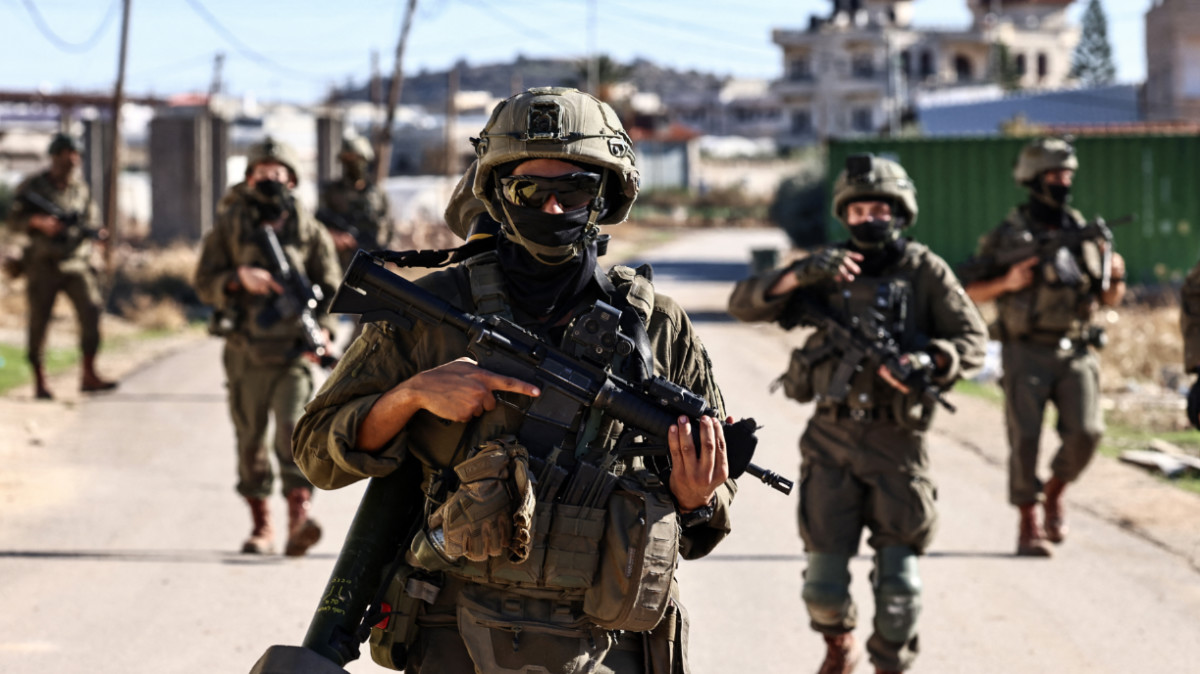
    The United Nations has expressed profound alarm over an incident in the occupied West Bank, describing the fatal shooting of two Palestinian men by Israeli border police as an ‘apparent summary execution.’ The event, which occurred on Thursday in Jenin’s Abu Dhahir neighborhood, was captured in a widely circulated social media video. The footage depicts the two individuals emerging from a building with raised arms and lifted shirts, visibly unarmed and demonstrating no threat, before being shot dead by Israeli troops.

    The victims were identified by the Palestinian health ministry as 26-year-old Al-Muntasir Billah Mahmoud Qassem Abdullah and 37-year-old Yousef Ali Yousef Asa’sa. Following the killings, Israeli forces withheld their bodies. Officers involved, reportedly from a Border Police unit, asserted they fired after the men failed to follow instructions. While the Israeli army and police, who were conducting a joint operation, acknowledged the shootings and promised an investigation, National Security Minister Itamar Ben Gvir publicly endorsed the officers’ actions. On social media platform X, Ben Gvir declared the officers ‘acted exactly as expected’ and stated ‘terrorists must die.’

    UN Human Rights Office spokesman Jeremy Laurence, addressing reporters in Geneva, emphasized that such summary executions constitute a war crime under the Geneva Convention and international law. He revealed that UN rights chief Volker Turk is demanding ‘independent, prompt and effective investigations’ to ensure full accountability for those responsible. Laurence further highlighted a disturbing trend of surging killings of Palestinians by Israeli security forces and settlers in the West Bank, which consistently occur without accountability. He raised serious concerns about the credibility of any government-led investigation, particularly following statements from a senior official that sought to absolve security forces of responsibility.

    The Palestinian Authority condemned the killings as a ‘brutal’ war crime, while Hamas labeled them part of a ‘systematic campaign of extermination.’ This incident is situated within a broader context of intensified Israeli military operations in the West Bank since October 7, 2023. Over the past two years, more than 1,000 Palestinians have been killed and thousands arrested across the occupied territory. The current event occurred during a wide-scale Israeli assault focused on the northern West Bank city of Tubas and its environs, echoing earlier large-scale operations in Jenin and Tulkarm that resulted in significant displacement and destruction.

  • Russian drone strikes hit Kyiv residential areas despite peace moves

    Russian drone strikes hit Kyiv residential areas despite peace moves

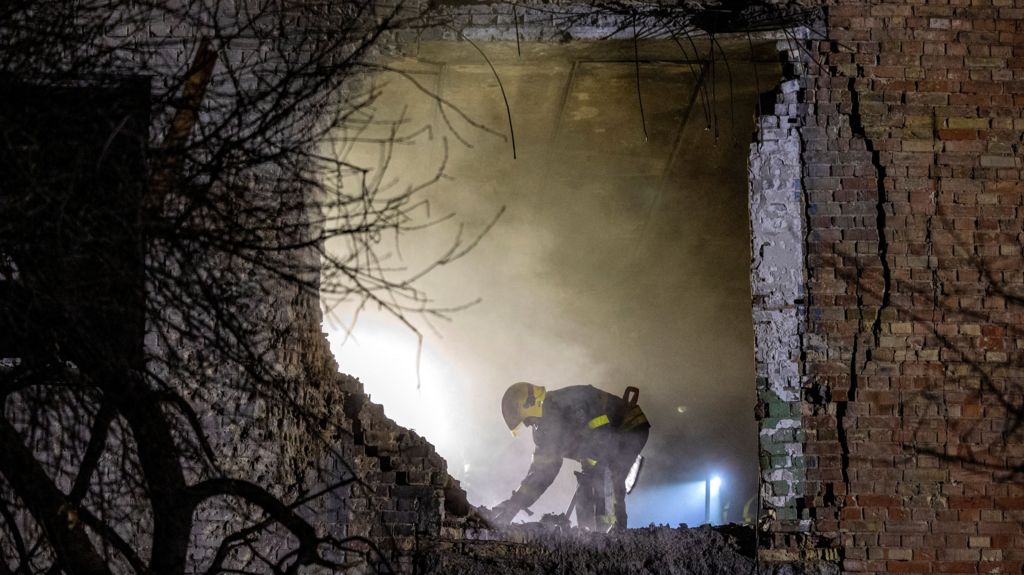
    A renewed aerial offensive struck Ukraine’s capital early Saturday, resulting in casualties and significant damage to residential areas as peace negotiations between Ukrainian and U.S. officials gained momentum.

    According to Kyiv municipal authorities, Russian forces launched coordinated drone and missile attacks targeting multiple districts across the city. The assault claimed at least one life and left seven civilians wounded, including a 13-year-old adolescent. Emergency responders recovered the body of a male victim from the devastated Sviatoshynskyi sector in western Kyiv.

    Mayor Vitaly Klitschko confirmed extensive structural damage, with strikes igniting substantial blazes in high-rise residential complexes. Firefighting teams successfully contained a major conflagration in the central metropolitan zone while combating flames engulfing lower levels of an apartment tower west of the urban core.

    Tymur Tkachenko, head of Kyiv’s military administration, reported through Telegram that defensive systems engaged hostile drones over the capital while ground forces responded to impacts on peripheral targets. The eastern municipality of Brovary similarly sustained attacks targeting civilian infrastructure, leaving two women among the injured.

    This escalation follows Thursday’s diplomatic developments where President Vladimir Putin reiterated Moscow’s non-negotiable terms for ceasing hostilities, demanding complete Ukrainian withdrawal from disputed territories. Concurrently, a revised U.S. peace proposal—initially favoring Russian positions—underwent substantial modifications during bilateral talks in Geneva.

    President Volodymyr Zelensky characterized the upcoming negotiations as critical for transforming diplomatic progress into concrete security guarantees. A U.S. delegation including Special Envoy Steve Witkoff is anticipated in Moscow next week to advance discussions on the draft settlement framework.

  • Authorities probe corruption and negligence in Hong Kong’s deadliest fire in decades

    Authorities probe corruption and negligence in Hong Kong’s deadliest fire in decades

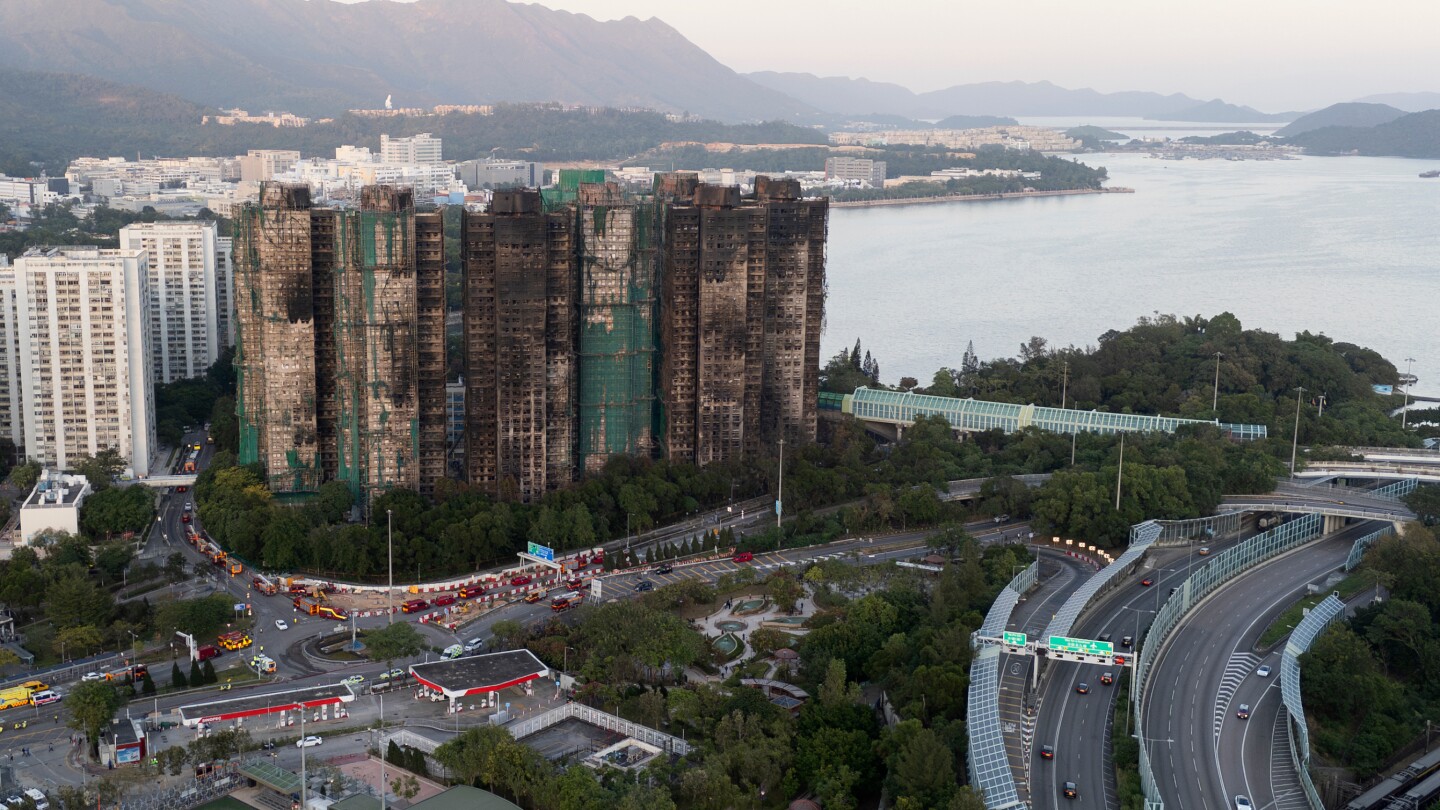
    A catastrophic fire that engulfed Hong Kong’s Wang Fuk Court residential complex has become the city’s deadliest blaze in decades, claiming at least 128 lives and triggering a sweeping corruption investigation into construction safety practices. The inferno, which began Wednesday afternoon in the northern suburbs, rapidly consumed seven of the complex’s eight towers despite residents having raised safety concerns about renovation work more than a year earlier.

    Authorities have launched a multi-pronged investigation focusing on construction materials and regulatory compliance. Security Secretary Chris Tang revealed preliminary findings indicate the fire originated on lower-level scaffolding netting before spreading violently through highly flammable foam panels. “The blaze ignited the foam panels, causing the glass to shatter and leading to a swift intensification of the fire,” Tang stated.

    The tragedy has exposed alarming safety oversights, including malfunctioning fire alarms in a complex housing numerous elderly residents. Fire Services Director Andy Yeung confirmed some alarms failed to activate during the emergency, though specific numbers remain undisclosed.

    Law enforcement actions have been swift, with three construction company employees initially arrested on suspicion of manslaughter and gross negligence. Subsequently, eight additional individuals—including scaffolding subcontractors, engineering consultants, and project managers—were detained in a corruption probe. Documents from the homeowners association identify Prestige Construction & Engineering Company as the primary renovation contractor, whose offices were raided by police seizing boxes of evidence.

    The labor department acknowledged receiving safety complaints and conducting 16 inspections since July 2024, issuing multiple written warnings to contractors about fire safety requirements. Despite these interventions, the department maintained that netting quality certificates met established standards.

    Firefighting operations proved extraordinarily challenging, requiring 40 hours to fully extinguish the blaze that injured 79 people, including twelve firefighters, with one firefighter casualty. Deputy Fire Services Director Derek Armstrong Chan described crews prioritizing apartments where emergency calls originated but being unable to reach residents during the fire’s most intense phases.

    The human toll continues to emerge, with authorities working to identify 89 bodies among the 200 initially unaccounted for. The victims include two Indonesian migrant workers, with eleven others remaining missing according to consular officials.

    Hong Kong has declared official mourning, with flags lowered to half-staff and Chief Executive John Lee leading a three-minute silence ceremony. The tragedy represents the most devastating fire since 1996’s 41-fatality commercial blaze and 1948’s warehouse fire that killed 176 people, raising profound questions about urban safety enforcement in densely populated environments.

  • Death toll from floods and landslides on Indonesia’s Sumatra island rises to 248, authorities say

    Death toll from floods and landslides on Indonesia’s Sumatra island rises to 248, authorities say

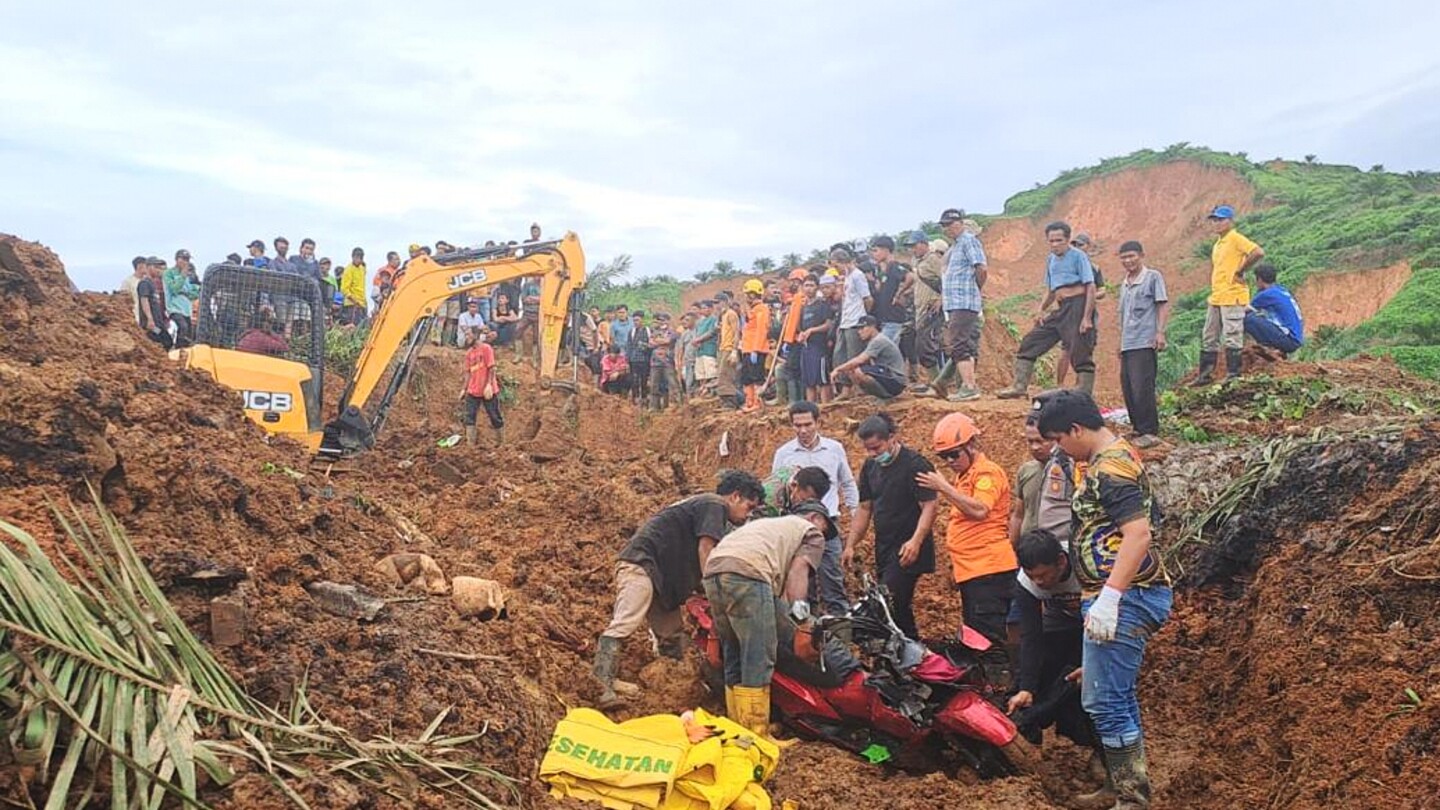
    Indonesian emergency response teams confronted severe logistical challenges on Saturday as they attempted to reach isolated communities devastated by a dual earthquake and tsunami disaster. The catastrophe has claimed at least 248 confirmed lives with approximately 100 individuals still unaccounted for, according to the National Disaster Management Agency.

    The hardest-hit regions, including Central Tapanuli in North Sumatra province and Agam district in West Sumatra, remain largely inaccessible due to extensively damaged transportation networks. Critical infrastructure including bridges and roadways sustained substantial damage, while communication systems failures have further complicated relief operations. The absence of heavy machinery has significantly impeded rescue efforts in the most affected zones.

    Aerial support missions have been deployed to deliver essential supplies and aid to cut-off communities. The disaster agency confirmed that recent monsoon conditions exacerbated the situation, with overflowing rivers triggering flash floods that swept through mountainous villages. These secondary natural events submerged numerous residential structures and government buildings beneath floodwaters.

    Official reports indicate nearly 3,000 families have been displaced from their homes, with many seeking refuge in government-established emergency shelters. The combination of seismic activity, tsunami impact, and subsequent flooding has created a complex humanitarian crisis across multiple districts of Sumatra.

  • This African nation built its development on diamonds. Now it’s crashing down

    This African nation built its development on diamonds. Now it’s crashing down

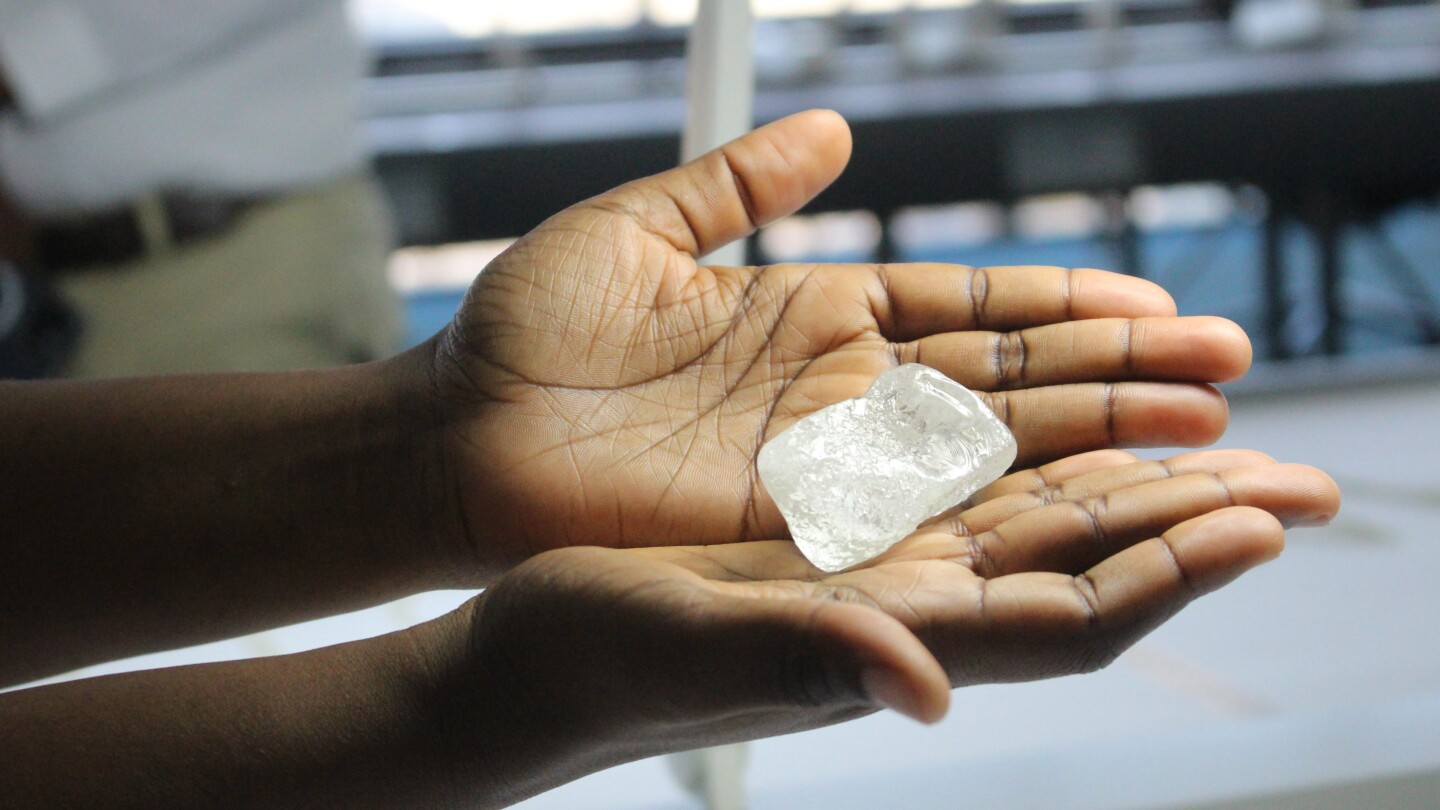
    GABORONE, Botswana — Botswana’s diamond-dependent economy, once celebrated as Africa’s remarkable success story, now confronts an existential threat from the rapid ascent of laboratory-grown diamonds. This seismic shift in the global gem market has triggered widespread job losses, economic contraction, and urgent calls for diversification in a nation where diamonds fundamentally shaped national development.

    For Keorapetse Koko, a 17-year veteran diamond polisher recently laid off from her position, the crisis manifests as personal financial devastation. “I have debts and I don’t know how I am going to pay them,” lamented the mother of two, who previously earned approximately $300 monthly with medical benefits—a respectable income in a country where the average monthly salary hovers around $500. Her specialized skills, honed over nearly two decades, now render her unemployable in a contracting industry.

    Botswana’s diamond narrative began with a transformative 1967 discovery, just one year post-independence, catapulting the nation from profound poverty to becoming the world’s foremost diamond producer by value. The gems financed critical national infrastructure, healthcare systems, and educational institutions, deftly avoiding the ‘resource curse’ that plagued many mineral-rich African counterparts.

    However, the industry now faces compounded challenges. Lab-grown diamonds, primarily mass-produced in China and India, now command nearly 20% of global market share—a dramatic surge from merely 1% in 2015. These synthetics, marketed as ethical, eco-friendly alternatives priced up to 80% lower than natural stones, have particularly captured younger consumers through sophisticated social media campaigns and celebrity endorsements from figures like Billie Eilish and Pamela Anderson.

    The economic repercussions are severe: Diamond exports, constituting approximately 80% of Botswana’s foreign earnings and one-third of government revenue, have plummeted. Debswana, the dominant local producer jointly owned by the government and De Beers, witnessed revenues halve in the past year. Second-quarter diamond production crashed by 43%—the steepest decline in Botswana’s modern mining history—with the World Bank projecting a 3% economic contraction for 2024.

    Southern African nations are mounting a coordinated response. Botswana, Angola, Namibia, South Africa, and Congo have agreed to allocate 1% of annual diamond revenues toward a global marketing initiative led by the Natural Diamond Council. This effort promotes natural diamonds as “Real. Rare. Responsible” through campaigns featuring actress Lily James, attempting to reestablish their unique value proposition.

    Botswana’s government has initiated a sovereign wealth fund to pursue economic diversification beyond mining, though details remain vague. The nation’s substantial tourism sector—featuring elephant-based attractions—and other mineral resources including gold, silver, and uranium now assume heightened importance.

    Yet for displaced workers like Koko, these strategic shifts arrive too late. “I was the breadwinner in a big family,” she reflected. “Now I don’t even know how to feed my own.” Her poignant reality underscores the human dimension of an industry in transformation: despite dedicating her career to diamonds, she never owned one herself, as even the smallest stone remained an unaffordable luxury.