博客

  • Flights returning to normal after Airbus warning grounded planes

    Flights returning to normal after Airbus warning grounded planes

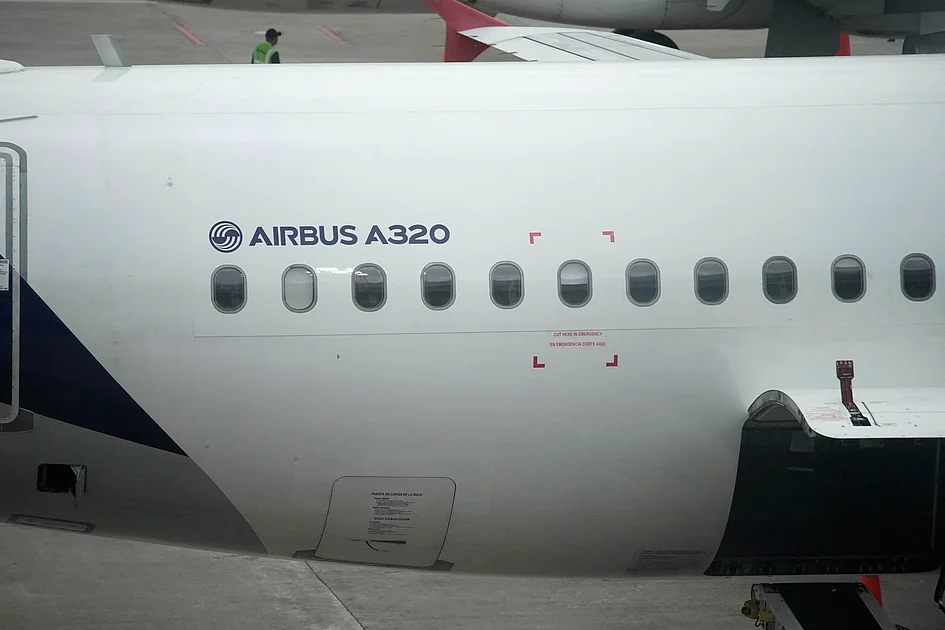
    The global aviation industry is steadily returning to normal operations following a widespread grounding of Airbus A320 family aircraft due to solar radiation vulnerability concerns. Approximately 6,000 aircraft required emergency software updates to address a critical computing flaw that could compromise altitude measurement systems during periods of intense solar activity.

    Airbus CEO Guillaume Faury issued a public apology for the logistical challenges and delays caused by the emergency directive. The aerospace manufacturer mobilized global teams to implement corrective measures with utmost urgency. While most aircraft received software patches, approximately 900 older models require physical computer replacements and remain out of service.

    French Transport Minister Philippe Tabarot reported that over 5,000 aircraft had been successfully updated by Saturday, with fewer than 100 still awaiting software modifications. The implementation process proceeded remarkably smoothly according to aviation authorities across multiple continents.

    Airline impact varied significantly by carrier and region. Several Air France operations at Paris’s Charles de Gaulle Airport experienced delays and cancellations, while British Airways and Air India reported minimal disruption. Budget carrier Jetstar cancelled 90 flights in Australia, with residual disruptions expected throughout the weekend. Both Easyjet and Wizz Air confirmed normal operations following overnight updates.

    American Airlines anticipated operational delays but expected to complete most updates by Saturday. Delta Airlines projected limited impact on its flight schedule. The UK Civil Aviation Authority confirmed that airlines worked through the night to implement changes, preventing serious air traffic disruption. Major UK airports including Heathrow, Gatwick, Manchester, and Luton reported minimal to no operational impact.

    The vulnerability was discovered following an October incident involving a JetBlue Airways flight between the United States and Mexico, where sudden altitude loss forced an emergency landing that injured at least 15 people. Subsequent investigation revealed that cosmic radiation at high altitudes could corrupt critical flight data calculations in affected aircraft.

    The affected models include Airbus’s best-selling A320 series aircraft, encompassing A318, A319, A321, and A320 variants. The completion timeline for physical computer replacements on older aircraft remains uncertain due to hardware availability constraints.


  • India regulator tells airlines not to fly Airbus A320 family pending modifications

    India regulator tells airlines not to fly Airbus A320 family pending modifications

    Twin crises in Asia’s aviation and natural disaster sectors have emerged with devastating impact. In Indonesia, catastrophic flooding has resulted in a staggering death toll exceeding 200 individuals, according to the country’s national disaster management agency. The floods, triggered by torrential rainfall and inadequate drainage infrastructure, have submerged entire communities across multiple regions, creating one of the most severe weather-related disasters in recent Indonesian history.

    Concurrently, India’s aviation regulator has issued a sweeping directive mandating the immediate grounding of all Airbus A320 family aircraft until critical safety modifications are completed. The unprecedented order affects numerous domestic and international carriers operating within Indian airspace, potentially disrupting travel for thousands of passengers. The directive specifically requires comprehensive inspections and upgrades to certain cockpit systems that regulators identified as potential safety concerns following recent incident reports.

    Both events highlight systemic challenges facing rapidly developing nations: Indonesia’s struggle with climate resilience and infrastructure preparedness, and India’s proactive approach to aviation safety oversight. The Indonesian government has deployed military personnel and emergency response teams to affected regions while appealing for international humanitarian assistance. Meanwhile, Airbus representatives have reportedly engaged with Indian authorities to expedite the modification process and minimize operational disruptions.

  • Home visits and WeChat platform aid Ningxia patients

    Home visits and WeChat platform aid Ningxia patients

    In the Ningxia Hui Autonomous Region, a innovative healthcare initiative blending traditional home visits with modern digital platforms is revolutionizing chronic disease management for elderly patients. This program provides regular medical check-ups and personalized treatment adjustments directly in patients’ homes, supplemented by continuous digital monitoring through WeChat-based communication channels.

    Seventy-year-old Zhang Younsheng, a hypertension patient of twelve years, exemplifies the program’s success. As a stage 2 patient, he qualifies for contracted family doctor services that bring comprehensive medical care to his doorstep. Dr. Chen Wenchang, his assigned family physician, conducts routine visits to monitor Zhang’s blood pressure, evaluate his condition, and fine-tune his medication regimen.

    ‘The doctor’s regular visits provide tremendous peace of mind,’ Zhang noted. ‘Not only does he adjust my medications during each visit, but he also offers clear explanations about proper dosage and administration.’

    The initiative represents a significant advancement in regional healthcare infrastructure, particularly in Shizuishan where such visits have become standardized practice. By combining the personal touch of in-home medical consultations with the convenience and accessibility of digital health platforms, Ningxia’s healthcare authorities have created a hybrid model that addresses both medical and accessibility challenges.

    This approach demonstrates how traditional medical practices can effectively integrate with digital technology to create more responsive, patient-centered healthcare solutions, especially valuable for elderly patients managing long-term chronic conditions in remote areas.

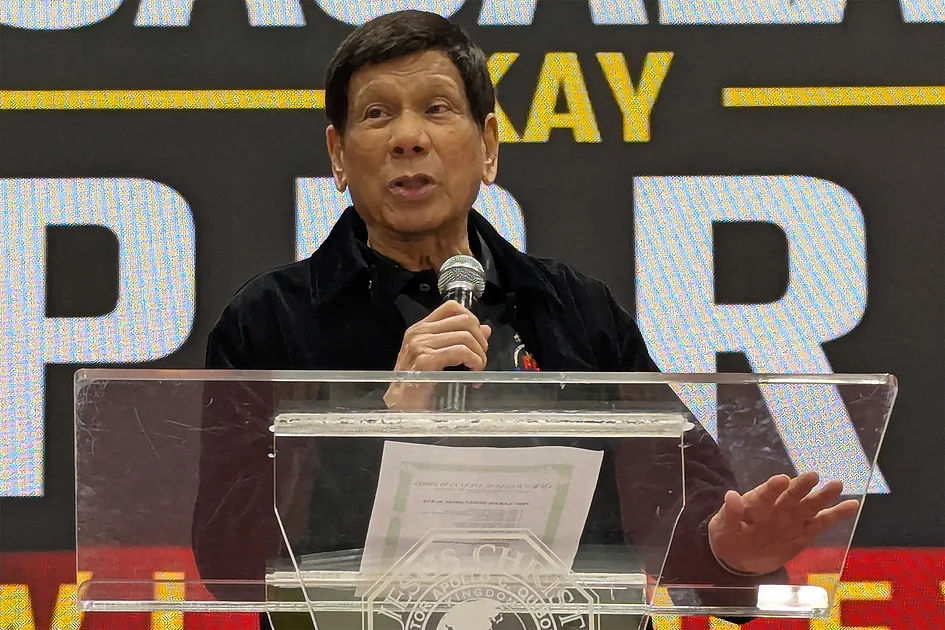
  • ‘No more delays’: Victims’ families hail keeping ex-Philippine president Duterte detained

    ‘No more delays’: Victims’ families hail keeping ex-Philippine president Duterte detained

    Two distinct major incidents in Southeast Asia have drawn international attention to regional disaster response and aviation safety protocols. In Indonesia, national disaster management authorities have confirmed a devastating human toll, with fatalities from severe flooding surpassing 200 individuals. The catastrophic event, triggered by torrential monsoon rains, led to widespread inundation, destructive landslides, and the displacement of thousands of residents, overwhelming local emergency services and infrastructure.

    Concurrently, in a significant move for aviation safety, India’s national air regulator has issued a directive mandating the immediate grounding of all Airbus A320neo family aircraft operated by airlines within its jurisdiction. This decisive action is pending crucial modifications to the aircraft’s Pratt & Whitney PW1100G engines, a model previously scrutinized for technical issues that could potentially lead to in-flight engine failures. The directive underscores a proactive approach to risk mitigation, prioritizing passenger safety above operational disruptions. Airlines are compelled to comply with the order, halting flights until the requisite engineering updates and inspections are thoroughly completed and certified.

  • Land mine explosion that wounded Chinese man on Cambodia-Thailand border provokes concerns

    Land mine explosion that wounded Chinese man on Cambodia-Thailand border provokes concerns

    A Chinese national sustained injuries from a landmine explosion while allegedly attempting to cross illegally from Cambodia into Thailand’s contested border region on Saturday, according to an official announcement from the Thai army. The incident has reignited diplomatic tensions between the Southeast Asian neighbors, with Thailand reiterating allegations that Cambodian forces have been planting anti-personnel devices in the disputed territory.

    Army Spokesperson Major General Winthai Suvaree identified the injured individual as 26-year-old Shi Jingui from China’s Yunnan Province, stating the explosion occurred in an area Thailand claims as part of its eastern Sa Kaeo province. The region, described by Thai authorities as ‘contaminated with land mines,’ is currently undergoing scheduled clearance operations. While official statements provided no specific details regarding the nature of Shi’s injuries, the Chinese Embassy in Bangkok confirmed the individual was in stable condition.

    This latest incident exacerbates existing tensions between the two nations, following similar explosions earlier this year that wounded Thai soldiers and triggered five days of intensive cross-border fighting in late July. The longstanding territorial disputes over border demarcation have strained bilateral relations for decades.

    Recent mine incidents threatening the ceasefire agreement that ended the brief conflict prompted Thailand earlier this month to indefinitely pause implementation of the U.S.-brokered ceasefire terms until Cambodia apologizes for an explosion that injured four Thai soldiers, including one who required amputation of his right foot.

    The Thai army stated it became aware of Saturday’s incident when Border Patrol Police heard an explosion shortly before dawn. Authorities deployed a drone to assess the situation, located the injured man, and dispatched demining and security personnel to retrieve him for medical treatment.

    Thailand maintains that collected evidence proves the mines are newly laid, accusing Cambodia of violating international agreements banning anti-personnel mines. Cambodia has consistently denied these allegations, asserting that the devices could be remnants from decades of internal armed conflicts that concluded with the official surrender of Khmer Rouge guerrillas in 1999.

    Despite the accusations, Cambodia’s Defense Ministry spokesperson Maly Socheata recently affirmed her country’s commitment to ‘working closely with Thailand to promote peace and stability between the two countries, especially ensuring the security and safety of civilians.’ However, Thai army spokesperson Winthai countered that Cambodia ‘has not cooperated with Thailand in clearing mines along the shared border, despite Thailand’s repeated proposals in bilateral meetings.’

  • PBOC fast-tracks Hong Kong fire donations

    PBOC fast-tracks Hong Kong fire donations

    In response to the devastating Tai Po residential fire incident, the People’s Bank of China has implemented emergency financial measures to facilitate rapid cross-border humanitarian assistance. The central bank’s Macroprudential Policy Bureau issued directives on Thursday creating specialized banking protocols for mainland-based donations supporting relief operations in Hong Kong.

    The newly established financial channel enables commercial banks to process renminbi denominated contributions without standard documentation requirements. Banking institutions may now directly execute transfers based solely on payment instructions from mainland entities or individual donors, provided they complete necessary data reporting procedures. Funds are being directed to a designated account (01287521901607) specifically created for coordinating disaster response efforts.

    This regulatory flexibility aims to accelerate critical funding for search-and-rescue missions, emergency medical services, and subsequent victim support initiatives. The streamlined process represents an unusual departure from standard cross-border transfer protocols, highlighting the urgency of the situation. Financial authorities emphasized that while standard controls are temporarily eased, all transactions remain subject to appropriate data submission and monitoring requirements to maintain financial system integrity.

    The Tai Po fire, which occurred in a residential district, has prompted significant cross-border solidarity with mainland organizations and citizens seeking to contribute to relief operations. The PBOC’s intervention demonstrates how financial regulatory systems can adapt to facilitate humanitarian crises response while maintaining necessary oversight mechanisms.

  • Airbus A320 major recall: Which airlines will be affected ahead of holiday season?

    Airbus A320 major recall: Which airlines will be affected ahead of holiday season?

    In an unprecedented move that threatens global air travel during the peak holiday season, European aerospace giant Airbus has issued an immediate recall directive affecting approximately 6,000 of its A320 series aircraft. This sweeping safety mandate impacts more than half of the worldwide A320 fleet, compelling airlines to perform urgent software modifications before these aircraft can resume flight operations.

    The recall, which requires reverting to previous software versions according to an internal bulletin reviewed by Reuters, has triggered widespread operational disruptions across international aviation networks. The timing coincides with the busiest travel weekend of the year in the United States, amplifying potential passenger inconvenience.

    American Airlines, operating the world’s largest A320 fleet, confirmed that 340 of its 480 A320 aircraft require remediation. The carrier anticipates completing most updates by Saturday, with each plane requiring approximately two hours of maintenance.

    Global carriers have reported varying levels of impact. Colombian carrier Avianca faces particularly severe challenges, with over 70% of its fleet affected. The airline has suspended ticket sales for travel through December 8, anticipating significant operational disruptions. Similarly, Air New Zealand expects multiple Saturday cancellations as it updates its A320neo fleet.

    European operators including Lufthansa, Wizz Air, and Air France have reported anticipated delays and cancellations, with Air France having already cancelled 35 flights on Friday. British Airways and Aer Lingus expect minimal disruption, citing limited affected aircraft.

    Indian carriers Air India and IndiGo anticipate operational delays due to extended turnaround times, while Mexican airlines Volaris and Viva expect cancellations within the next 72 hours. Turkish Airlines reported eight aircraft requiring updates but maintained normal operations.

    Several carriers, including United Airlines, Delta Airlines, and Brazil’s Azul SA, indicated minimal or no impact from the recall directive. The disparity in effects stems from variations in aircraft configurations and previous software installations across the global A320 fleet.

    Aviation authorities worldwide are monitoring the situation as airlines race to implement mandatory software changes while minimizing holiday travel disruption.

  • Fall of Zelensky’s top aide – reboot for Kyiv or costly shake-up?

    Fall of Zelensky’s top aide – reboot for Kyiv or costly shake-up?

    In a dramatic political development that has shaken Ukraine’s wartime leadership, Andriy Yermak, Chief of Staff to President Volodymyr Zelensky and one of the nation’s most influential figures, has resigned abruptly following an anti-corruption raid on his Kyiv residence. The investigation, conducted by Ukraine’s National Anti-Corruption Bureau (NABU) and Special Anti-Corruption Prosecutor’s Office (SAPO), represents a significant moment in Ukraine’s ongoing struggle against corruption during wartime.

    Yermak, who stood beside Zelensky during the historic “we are still here” speech as Russian forces descended on Kyiv in February 2022, had evolved into arguably the second most powerful individual in Ukraine. The former intellectual property lawyer, who first met Zelensky in 2011 when the president was a television producer, rose to become a central figure in shaping foreign policy, managing political rivals, and even influencing battlefield decisions.

    The current crisis stems from July when Zelensky’s administration attempted to bring anti-corruption agencies under direct government control, citing concerns about Russian interference. This move triggered mass demonstrations and international criticism, particularly from the European Union, forcing a presidential reversal. By autumn, these same agencies released findings implicating senior officials in Zelensky’s inner circle regarding alleged embezzlement of $100 million from energy sector projects.

    The timing proves particularly sensitive as Russia systematically targets Ukraine’s energy infrastructure, leaving millions without reliable power during winter months. The juxtaposition of alleged corruption within the energy sector against ongoing civilian suffering has amplified public outrage.

    Despite not being named as an official suspect and denying any involvement, Yermak found himself unable to distance from the scandal. Local media reported investigators examining multiple electronic devices seized from his residence during the search operation.

    The resignation comes at a critical diplomatic moment, with Yermak having recently led negotiations with US Secretary of State Marco Rubio regarding a US-drafted peace proposal. The Ukrainian presidential office has announced Defense Minister Rustem Umerov will lead the delegation for upcoming talks, though questions remain about continuity in these delicate negotiations.

    In a message to the New York Post, Yermak declared his innocence and stated his intention to join frontline forces, claiming readiness for “any reprisals” while maintaining his honesty and decency.

    Media commentators like Olga Rudenko, editor of the Kyiv Independent, view the development as ultimately positive for Ukrainian democracy, noting that independent institutions investigating the country’s most powerful figures during wartime demonstrates institutional strength and commitment to values that justify international support.

  • UAE weather: Chance of rain; lowest temperature at 18°C in Abu Dhabi, Sharjah

    UAE weather: Chance of rain; lowest temperature at 18°C in Abu Dhabi, Sharjah

    The United Arab Emirates anticipates agreeable weather conditions throughout the National Day holiday period, offering residents and visitors comfortable climatic conditions for celebrations. Meteorological projections indicate partly cloudy to occasionally overcast skies across specific coastal, northern, and eastern regions on Saturday, November 29th, with intermittent rainfall possibilities.

    Weather authorities note increasing humidity levels anticipated during Saturday night through Sunday morning across interior zones, potentially resulting in mist formation. Winds are forecast to transition from light to moderate southeasterly patterns to northwesterly directions, occasionally intensifying with velocities ranging between 10-25 km/h, potentially reaching 40 km/h gusts. These conditions may generate blowing dust particles amid cloud activity.

    Maritime conditions are projected to remain slight to moderate throughout the Arabian Gulf, while the Oman Sea will experience generally calm waters. Temperature distributions will showcase peak readings of 29°C in both Dubai and Abu Dhabi, with Sharjah reaching 30°C. Minimum temperatures will descend to 18°C in Abu Dhabi and Sharjah, while Dubai maintains a slightly warmer low of 21°C. The day’s maximum temperature of 30.8°C was documented in Tawiyen (Fujairah) at 14:15 local time.

    The National Center of Meteorology confirms the weather pattern from Saturday through December 3rd will feature moderately warm daytime conditions transitioning to pleasant evenings and cool early mornings. Partly cloudy coverage will extend across most territories, with increased cloud accumulation periodically, particularly affecting northern, coastal, and island areas, maintaining potential for scattered rainfall occurrences.

  • Australian prime minister becomes first to wed in office

    Australian prime minister becomes first to wed in office

    Australian Prime Minister Anthony Albanese has entered the history books by marrying his partner Jodie Haydon in a private ceremony held in Canberra on Saturday. This landmark event marks the first time a sitting Australian prime minister has married while occupying the nation’s highest office.

    The wedding took place at the prime minister’s official residence, The Lodge, following the conclusion of the parliamentary year. The couple, who became engaged on Valentine’s Day last year in another historic first for a sitting prime minister, exchanged vows before close family and friends in a ceremony that had been meticulously guarded for security reasons.

    In a heartfelt statement, Prime Minister Albanese expressed their joy: ‘We are absolutely delighted to share our love and commitment to spending our future lives together, in front of our family and closest friends.’ The intimate gathering included Ms. Haydon’s parents and Albanese’s son from his previous marriage, creating a deeply personal atmosphere for the political leader.

    The ceremony featured several touching moments, including the couple’s dog Toto serving as ring bearer and their recessional walk accompanied by Stevie Wonder’s ‘Signed, Sealed, Delivered (I’m Yours).’ Guests celebrated the newlyweds by showering them with confetti, a moment captured in video shared on the prime minister’s official social media accounts.

    The reception showcased custom-made beer cans printed with the image used to announce their engagement, while the couple’s first dance was to Frank Sinatra’s ‘The Way You Look Tonight.’ Several cabinet ministers attended the celebrations, highlighting the unique intersection of personal joy and public leadership.

    The couple first met at a business dinner in Melbourne in 2020 while Albanese served as opposition leader. Ms. Haydon has since become a visible presence in the prime minister’s public life, accompanying him to significant events including Queen Elizabeth II’s funeral and state dinners hosted by former U.S. President Joe Biden.

    Following the ceremony, the couple plans a modest honeymoon within Australia, adjusted due to the prime minister’s responsibilities following his re-election in May.