博客

  • Why is Trump threatening Venezuela’s Maduro?

    Why is Trump threatening Venezuela’s Maduro?

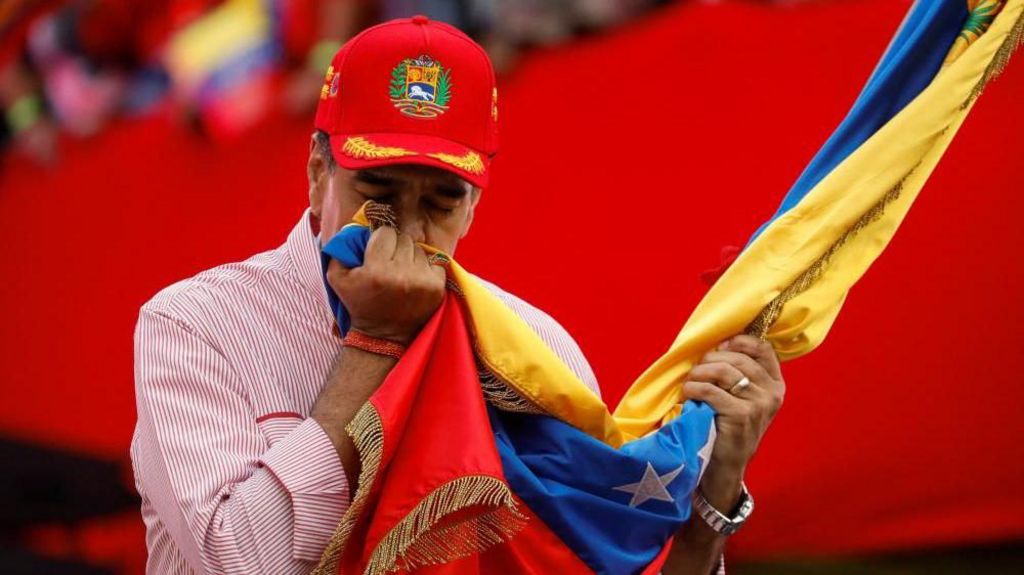
    The Trump administration has significantly intensified its campaign against Venezuelan President Nicolás Maduro through military, diplomatic, and economic measures. In recent developments, the United States has doubled the monetary reward for information leading to Maduro’s capture while deploying substantial naval assets to the Caribbean region.

    This strategic military mobilization represents the largest U.S. force presence in the area since the 1989 invasion of Panama. The deployment includes 15,000 troops, aircraft carriers, guided-missile destroyers, and amphibious assault ships. Officially designated as a counter-narcotics operation, the mission has already conducted more than 20 strikes on vessels suspected of drug trafficking in international waters, resulting in over 80 casualties.

    The administration has characterized these actions as part of a ‘non-international armed conflict’ with drug traffickers, labeling targeted individuals as ‘narco-terrorists.’ However, international legal experts have questioned the legality of these strikes, with a former International Criminal Court prosecutor describing the campaign as ‘a planned, systematic attack against civilians during peacetime.’

    President Trump has personally engaged with the situation, confirming a November 21st phone conversation with Maduro. While Trump has not disclosed specific details, reports indicate he delivered an ultimatum for Maduro to leave Venezuela within one week. Following the expiration of this deadline, Trump declared the airspace around Venezuela closed to all traffic.

    The administration justifies its aggressive stance by citing Venezuela’s role in drug trafficking and migration patterns. Trump has accused Maduro of ’emptying his prisons and insane asylums’ to force migrants toward the U.S., though these claims remain unsubstantiated. Additionally, the U.S. has designated two Venezuelan criminal groups—Tren de Aragua and Cartel de los Soles—as Foreign Terrorist Organizations, with Trump alleging Maduro personally leads the latter.

    Maduro has vehemently denied these accusations, countering that the U.S. is using the ‘war on drugs’ as a pretext to orchestrate regime change and gain access to Venezuela’s substantial oil reserves. Meanwhile, regional analysts note that Venezuela primarily serves as a transit country for drugs produced elsewhere, with most cocaine reaching the U.S. via Pacific routes rather than Caribbean channels.

    The White House has not ruled out ground operations in Venezuela, with Trump’s press secretary acknowledging that ‘there’s options at the president’s disposal that are on the table.’ Military analysts observe that the current deployment far exceeds what would be necessary for purely counter-narcotics operations, suggesting broader strategic objectives may be underway.
  • ‘Time for a deal’ say some Ukrainians escaping war-ravaged Donbas

    ‘Time for a deal’ say some Ukrainians escaping war-ravaged Donbas

    In Ukraine’s war-torn Donetsk region, the cessation of rail services stands as a stark symbol of Russia’s relentless advance. With trains now terminating west of the Donetsk border, civilians and soldiers congregate at the final station, awaiting transport toward relative safety—a literal train out of the conflict zone. This development coincides with Vladimir Putin’s increasingly assertive posture following leaked U.S. peace proposals, which many interpret as aligning with his maximalist territorial demands. Ukrainian President Volodymyr Zelensky acknowledges that territorial sovereignty remains the most contentious issue in U.S.-led peace discussions.

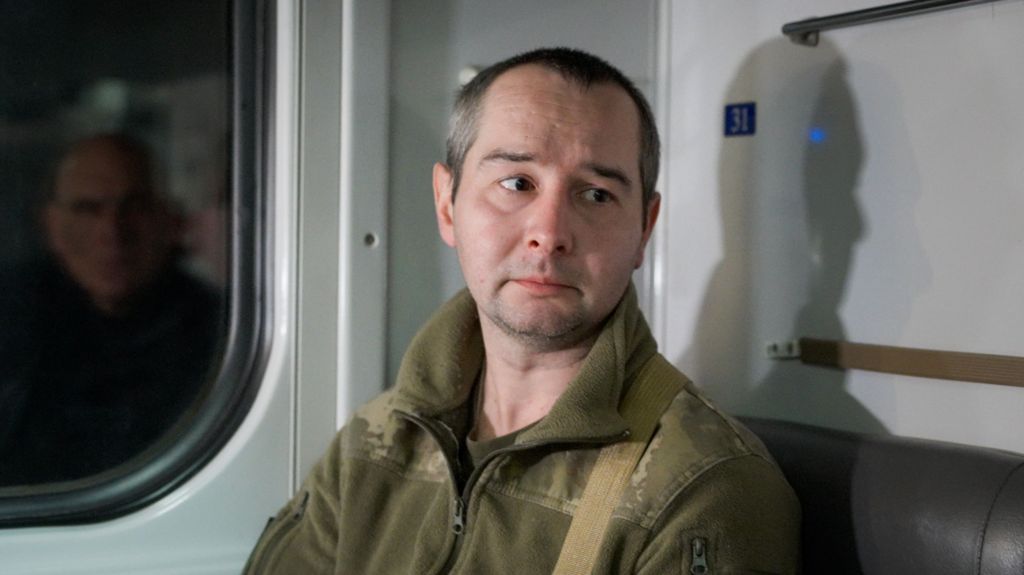
    At the terminal station, soldier Andrii shares a poignant farewell with his girlfriend Polina before returning to the frontlines. When questioned about peace negotiations—which have involved Donald Trump’s envoys engaging with Ukrainian officials before Moscow visits—Andrii dismisses them as mere ‘chatter.’ His skepticism is echoed by fellow soldier Denys, who vehemently opposes ceding Donbas to Russia in any peace agreement.

    Russian forces currently control approximately 85% of the Donbas region, comprising Luhansk and Donetsk. Their recent claim of capturing Pokrovsk—a strategic Donetsk hub—was countered by Ukrainian assertions that combat persists in the area. Soldiers boarding westbound trains for their 20-day leave exhibit profound exhaustion, with many immediately succumbing to sleep. Denys, a two-year army veteran, describes universal fatigue: ‘Everyone’s drained, everyone’s tired mentally and physically.’ His unit has been engaged in the besieged city of Kostyantynivka, where he characterizes drone presence as being ‘like flies.’ Despite the terror, he emphasizes their refusal to surrender after immense sacrifices: ‘Nobody will give Putin the Donbas. No way, it’s our land.’

    The potential cession of Donetsk’s ‘fortress belt’ cities—Slovyansk, Kramatorsk, and Druzhkivka, home to over 250,000 Ukrainians—proves unacceptable to most citizens. While Russia has spent over a year attempting to capture Pokrovsk, U.S. assessments indicate Ukraine is both outnumbered and outgunned.

    Civilian evacuation from Donbas continues unabated during peace talks. Dozens of refugees arrive daily at the Lozova border reception center, exploiting foggy conditions that reduce drone visibility. Approximately 200 displaced persons receive basic supplies and financial assistance each day. Among them, Yevheniy and Maryna escaped Kramatorsk with their two children due to escalating drone threats. Maryna recounts: ‘It’s getting harder to even go outside. Everything is dangerous—even going to the shop, you might not come back.’ While the family plans to relocate to Kyiv, Yevheniy expresses pessimism about negotiations: ‘That side [Russia] won’t agree to our terms.’

    Conversely, some civilians demonstrate willingness to exchange territory for peace. Oleksandr, whose children already relocated to Germany, acknowledges Russia’s demands as ‘probably unacceptable’ yet contemplates territorial compromise. He states: ‘Personally I would agree to those terms,’ referencing the leaked U.S. draft proposing de facto Russian control over Ukrainian-held Donbas areas. Inna, evacuating with five children aged nine months to 12 years, concurs: ‘The main thing is that there will be peace.’ She had previously disguised explosions as fireworks while sheltering in their cellar.

    Desertion rates further complicate Ukraine’s military position. Nearly 300,000 cases of desertion or unauthorized absence have occurred since Russia’s full-scale invasion began, with numbers rising dramatically over the past year. ‘Serhii’ (pseudonym), who volunteered initially, deserted in May after his understrength, poorly equipped battalion faced chaos near Pokrovsk. He claims most unit members were forcibly mobilized—’taken off the street’—and lacked proper training or leadership. Although considering rejoining the army, Serhii echoes U.S. assessments of Ukraine’s disadvantage: ‘A country of 140 million against us with 32 million—logically it doesn’t add up.’

  • Protecting pristine NW China plateau lake from waste

    Protecting pristine NW China plateau lake from waste

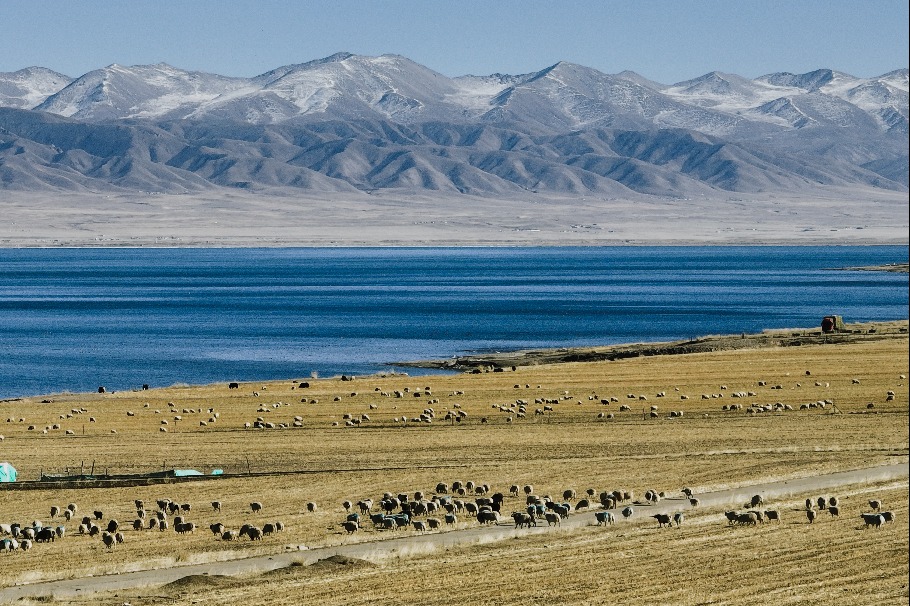
    On the windswept Qinghai-Tibet Plateau, herder Sonam Tsering recalls when winter gales transformed his pastures into plastic wastelands. “It was heartbreaking to see my pasture littered with plastic bags,” said Tsering from Gangcha county, noting the lethal threat to livestock that accidentally ingested the debris. Today, his reality has transformed dramatically through a simple phone call that ensures prompt waste collection.

    This change stems from a fundamental shift in waste management strategies around Qinghai Lake, one of the world’s highest plateau lakes and a crucial ecological barrier for Northwest China. For two decades, more than ten landfills occupying over 500,000 square meters have processed household waste in ecologically sensitive grasslands and valleys. The plateau’s extreme cold and low oxygen levels severely delayed natural degradation, while seasonal winds scattered plastic waste across fragile ecosystems.

    In 2023, Qinghai province launched its first large-scale waste-to-energy facility in Xining, triggering a systematic overhaul. Counties surrounding the lake now collect and transport waste through township and county-level networks to Xining for incineration. Between June 2024 and May 2025, nearly 30,000 tonnes of waste made this journey in approximately 2,000 truckloads.

    The incineration process operates at temperatures exceeding 850°C, effectively breaking down harmful substances through fermentation and high-temperature combustion. “Flue gas undergoes rigorous treatment through de-acidification, absorption and dust removal processes,” explained Wang Yongpeng, head of the Xining project, ensuring emissions meet environmental standards. The process has additionally generated approximately 15 million kilowatt-hours of electricity.

    This waste management transformation coincides with remarkable ecological recovery. Qinghai Lake has experienced expanding water levels for twenty consecutive years, with satellite data from September 2024 recording a surface area of 4,650.08 square kilometers. Biodiversity has flourished alongside these conservation efforts.

    China’s national waste management paradigm has shifted dramatically from landfill dependence to advanced incineration. Over 1,000 large-scale incineration plants now process more than 1.1 million tonnes daily nationwide—equivalent to filling 440 Olympic-sized swimming pools. The Qinghai Lake initiative provides a pioneering model for waste disposal in high-altitude, low-oxygen environments globally.

  • ‘No work, no money’: Somali migrants in Yemen long to return home

    ‘No work, no money’: Somali migrants in Yemen long to return home

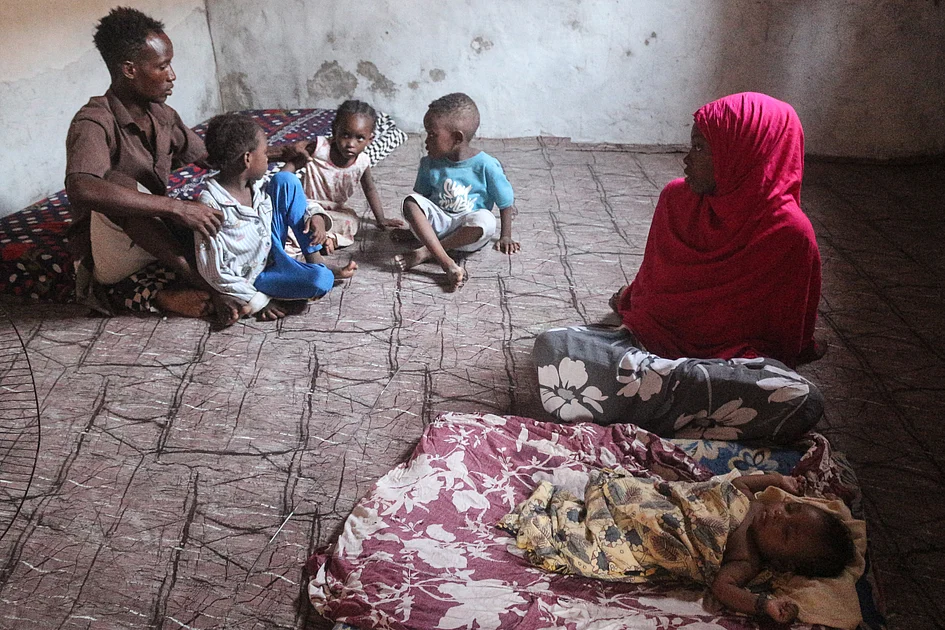
    In the sprawling settlement known as ‘Little Mogadishu’ within Yemen’s port city of Aden, thousands of Somali migrants endure crushing poverty amidst makeshift shelters surrounded by garbage piles and unpaved roads. These displaced individuals, who initially envisioned Yemen as a transit point toward prosperous Gulf states, now find themselves trapped in a worsening humanitarian catastrophe.

    Yemen, recognized as the Arabian Peninsula’s most impoverished nation, has become an unintended destination rather than a thoroughfare for African migrants. Despite the country’s own devastating civil war that has claimed hundreds of thousands of lives and decimated infrastructure, approximately 17,000 Africans arrived in Yemen in October 2025 alone—representing a startling 99 percent increase from previous months according to United Nations data.

    The reality for these migrants stands in stark contrast to their aspirations. Somali refugees, who constitute 63 percent of Yemen’s 61,000 registered refugees and asylum seekers, face extreme hardship with limited access to employment, education, or basic necessities. Men line roadways daily seeking temporary work, while many resort to scavenging through refuse heaps for edible items to sustain their families.

    Abdullah Omar, a 29-year-old Somali father of four, exemplifies this struggle. Having invested $500 with human traffickers to escape Somalia’s instability, he now survives on occasional car washing jobs that yield mere dollars per day. ‘Some days we eat, some days it’s up to God. That’s life,’ Omar told journalists, explaining his decision to enroll in a UN repatriation program after finding ‘no work, no money, and no schooling for the children.’

    The UN Refugee Agency reports that 56 percent of returning Somalis cite ‘lack of income opportunities’ in Yemen as their primary reason for repatriation. A voluntary return program provides transportation and transitional financial assistance, having facilitated the return of over 500 Somalis in 2025 with additional flights planned.

    Ahmed Abu Bakr Marzouk, a 58-year-old contractor who lived in Yemen for 25 years, represents another dimension of this crisis. Once prosperous enough to build homes in Mogadishu, he now sees returning to Somalia’s relative stability as his only option. ‘If peace returns, I’ll come back,’ Marzouk stated. ‘If not, I won’t.’

    This migration paradox continues despite Yemen’s overwhelming challenges: 19.5 million people requiring humanitarian assistance, mass unemployment, currency depreciation, halted oil exports, and insufficient international funding create an environment where neither locals nor migrants can thrive.

  • Large quantities of German ammunition stolen from lorry

    Large quantities of German ammunition stolen from lorry

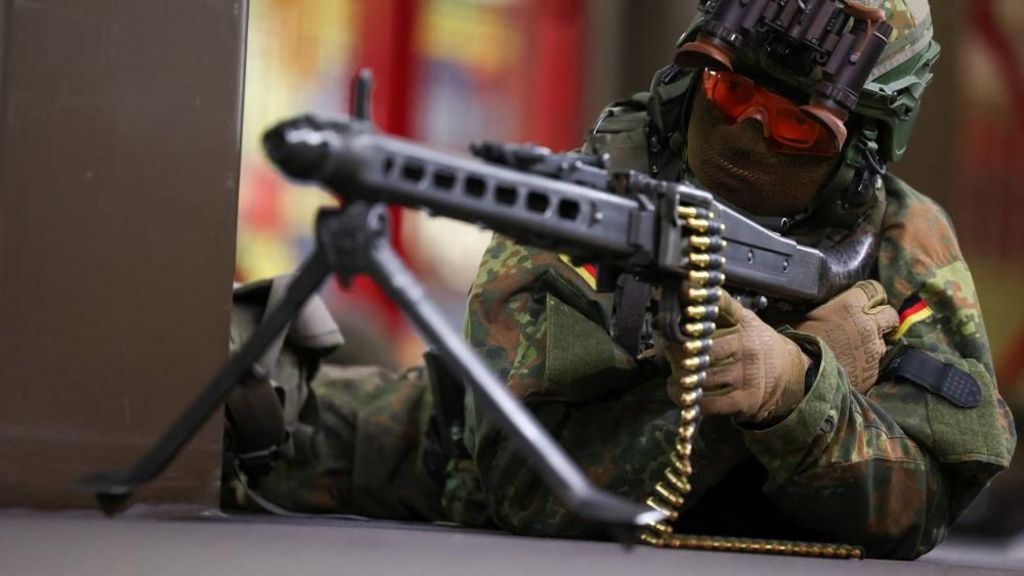
    German authorities are investigating a significant security breach after approximately 20,000 rounds of military ammunition were stolen from a delivery truck in the eastern town of Burg. The theft occurred on November 25th when a civilian transport driver contracted by Germany’s Bundeswehr left his vehicle unattended in an unguarded parking lot overnight.

    According to defense ministry officials speaking to DPA news agency, the missing shipment included 10,000 rounds of live pistol ammunition, 9,900 blank assault rifle cartridges, and smoke grenades. The discovery was made the following day when the truck arrived at its destination, the Clausewitz Barracks, with the cargo compartment compromised.

    The incident has raised serious security concerns within German defense circles about the potential misuse of the stolen materials. ‘We take the theft very seriously – this kind of ammunition must not fall into the wrong hands,’ a defense ministry representative told German media outlets.

    An ongoing joint investigation between military police and civilian authorities is examining why the driver failed to utilize available security protocols. Public broadcaster MDR reported that specialized hotlines and military escorts were available to transport personnel but apparently not utilized in this case. The driver reportedly parked the vehicle in an unsecured area and spent the night at a nearby hotel.

    This marks the third such incident in Saxony-Anhalt region within recent months. In August, Bernburg police reported 90 missing ammunition rounds, followed by another 180 rounds disappearing in Eisleben weeks later. While no direct connections have been established between these cases, the pattern has prompted reviews of military material transport procedures.

    Defense officials have not confirmed any arrests or identified suspects in connection with the Burg theft, leaving open questions about who may have acquired the military-grade materials and for what purpose.

  • Pope Leo XIV shares his thoughts on the conclave, reflects on spirituality and future travels

    Pope Leo XIV shares his thoughts on the conclave, reflects on spirituality and future travels

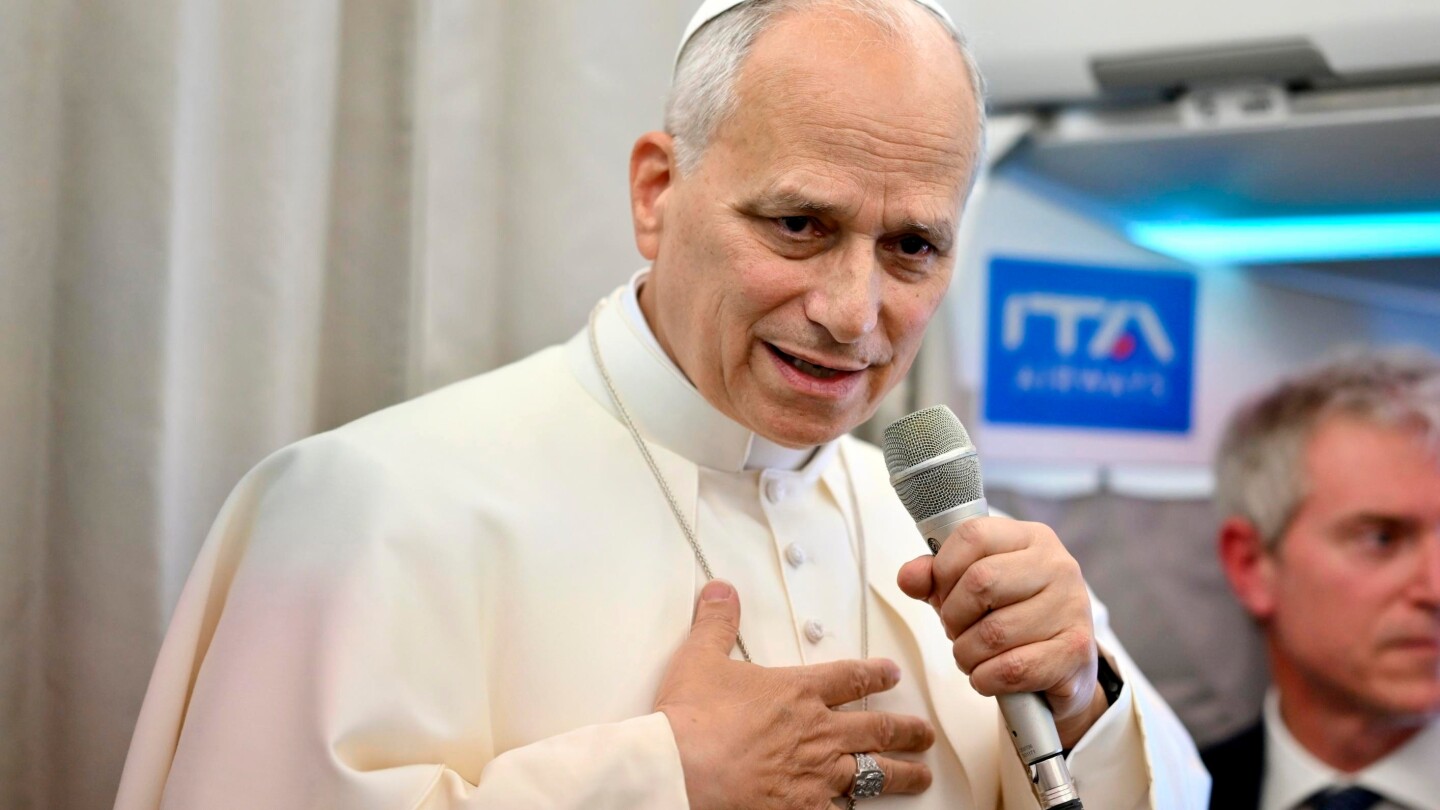
    ABOARD THE PAPAL PLANE — In a revealing airborne press conference returning from his inaugural journey to Turkey and Lebanon, Pope Leo XIV offered unprecedented insight into his spiritual mindset during the pivotal conclave that elevated him to the papacy. The pontiff described experiencing profound resignation to divine will as voting momentum shifted in his favor.

    “I took a profound breath and declared, ‘Here we go Lord. You’re in charge and you lead the way,’” Leo recounted to journalists during the thirty-minute dialogue conducted effortlessly in English, Spanish, and Italian.

    The pontiff’s commentary extended beyond personal reflection to address pressing geopolitical matters. He advocated for diplomatic engagement over military threats regarding Venezuela, hinted at confidential discussions concerning Hezbollah and Israeli tensions in Lebanon, and outlined ambitious travel agendas targeting African and South American nations in coming years.

    Demonstrating increased media comfort compared to earlier appearances, Leo displayed self-aware humor regarding journalistic interpretations of his expressions. “My facial features are remarkably expressive, yet I frequently find amusement in media analyses attempting to decipher my thoughts,” he noted with laughter. “Your deductions aren’t invariably accurate.”

    The pope recommended Brother Lawrence’s seventeenth-century spiritual work “The Practice of the Presence of God” as essential to understanding his worldview. This theological framework of complete surrender to divine guidance, he explained, sustained him through Peru’s terrorist conflicts and unexpected clerical appointments.

    Reflecting on the remarkable four-ballot election that established him as history’s first American pope, Leo acknowledged: “I reconciled myself to the emerging reality when electoral trends became evident.” Addressing a retiring journalist, he wistfully noted: “Merely one or two years past, I similarly contemplated eventual retirement. Some of us must persist in our labors.”

    The pontiff characterized encounters with enthusiastic young Catholics as “awe-inspiring,” interpreting their presence as seeking Christ and peace rather than mere papal spectacle. He expressed hope to perpetually appreciate youthful spiritual energy.

    Regarding international policy, Leo encouraged the United States to employ economic pressure and dialogue rather than military threats toward Venezuela. He anticipates visiting Algeria—significant for Christian-Muslim relations and Augustinian heritage—during a 2025 African journey, with Argentina, Uruguay, and Peru targeted for 2026-2027 Latin American visits.

  • Saadiyat Beach Golf Club to host 2025 IGS Challenge with new format and bigger field

    Saadiyat Beach Golf Club to host 2025 IGS Challenge with new format and bigger field

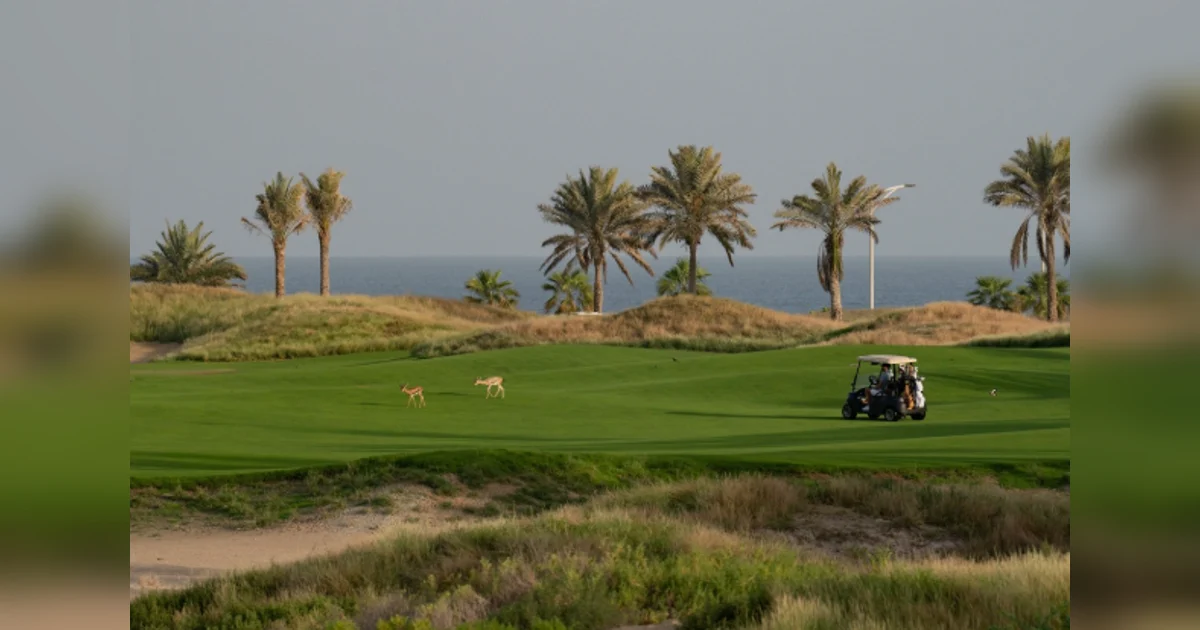
    The prestigious Indian Golfers Society (IGS) has announced groundbreaking enhancements to its flagship tournament, the IGS Challenge, scheduled for December 11, 2025, at Abu Dhabi’s acclaimed Saadiyat Beach Golf Club. This premier social golfing event will feature an expanded field of over 100 participants competing under a revamped competitive structure.

    The 2025 edition introduces a sophisticated Individual Stableford format with three distinct divisions designed to maximize competitive fairness. Elite Division players will contend for gross prizes from the championship blue tees, while Division A (handicap index 0-11.5) and Division B (handicap index 11.6+) will compete from composite tees with separate net prize categories. The tournament will additionally feature nine on-course specialty prizes, ensuring golfers across all skill levels have opportunity for recognition.

    Arjun Khanna, Member of the IGS Management Committee, noted the society’s remarkable growth trajectory: ‘The response to this year’s Challenge reflects the expanding appeal of our community. Saadiyat’s spectacular oceanfront course provides the perfect backdrop for competitive excellence and camaraderie.’

    The event boasts support from premium sponsors including BMW, Glenlivet, Nexus Insurance Brokers, and The Brain & Performance Centre, whose involvement elevates the tournament experience. Established in 1996 as the UAE and Middle East’s exclusive community of its kind, IGS unites over 140 golf professionals, business leaders, and high-net-worth individuals through premium golf experiences.

    Participants will face the dual challenge of Gary Player’s championship-designed course and Saadiyat’s characteristic coastal winds, creating what promises to be both a thrilling and demanding competition. The tournament will commence with a 12:30 pm shotgun start, followed by traditional hospitality events and evening celebrations that have become hallmarks of the IGS experience.

  • Chinese universities set to launch embodied intelligence majors to fill talent gap

    Chinese universities set to launch embodied intelligence majors to fill talent gap

    In a strategic response to mounting industry demands, China’s leading academic institutions are pioneering undergraduate programs in embodied intelligence—a cutting-edge field centered on intelligent systems with physical presence, exemplified by humanoid robotics.

    Prestigious universities including Shanghai Jiao Tong University, Beihang University, and Zhejiang University are establishing dedicated curricula to cultivate expertise in this emerging discipline. The Shanghai Jiao Tong University initiative, spearheaded by Professor Lu Cewu—co-founder of embodied intelligence firm Noematrix—exemplifies the industry-academia integration central to these programs. The university aims to create collaborative platforms with leading companies and develop industry-linked practicum centers.

    Employment prospects form a cornerstone of these programs. Beijing Institute of Technology’s embodied intelligence major plans to enroll 120 undergraduates, with approximately 58% expected to pursue advanced education and 42% transitioning directly to employment sectors including state-owned aerospace corporations, automotive manufacturers, and tech giants Huawei and Tencent.

    This educational shift responds to substantial market growth projections. According to the Development Research Center of the State Council, China’s embodied intelligence industry is forecast to reach 400 billion yuan ($56.5 billion) by 2030, exceeding 1 trillion yuan by 2035. Current industry compensation reflects this demand, with embodied intelligence professionals commanding average annual salaries of 333,400 yuan—surpassing other AI sectors by approximately 14%.

    The talent deficit is particularly acute, with Beijing Institute of Technology estimating a industry shortfall of approximately one million qualified professionals. Current educational offerings remain fragmented across traditional disciplines, with insufficient practical engineering training and outdated laboratory facilities.

    Government prioritization has accelerated program development, with embodied intelligence designated a key future industry in China’s recent policy directives. The field joins quantum technology, biomanufacturing, and 6G communications as identified economic growth engines for the coming five-year period.

    Global investment trends underscore the field’s prominence: humanoid robotics attracted over 32.8 billion yuan in financing through September 2025, with Chinese markets accounting for more than 80% of worldwide funding activities.

  • Australia opener Khawaja ruled out of second Ashes Test

    Australia opener Khawaja ruled out of second Ashes Test

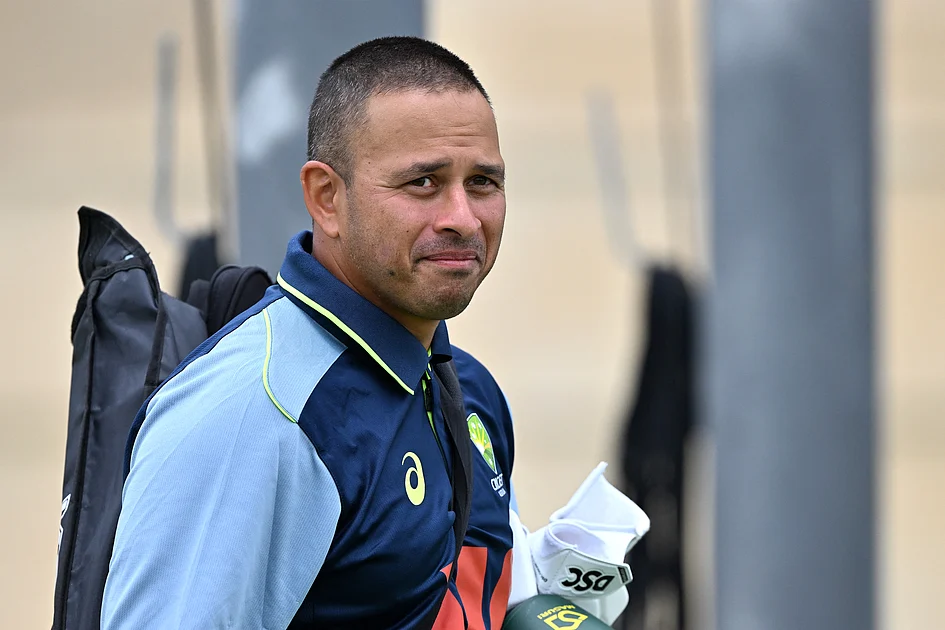
    In a significant development for the ongoing Ashes series, Australian cricket officials confirmed on Tuesday that veteran opener Usman Khawaja has been medically ruled out of the second Test match against England. The 38-year-old left-handed batsman continues to struggle with persistent back spasms that initially surfaced during the series opener in Perth.

    Khawaja’s condition showed no signs of improvement during Monday’s net session at Brisbane’s Gabba ground, where the crucial second Test is scheduled to commence this Thursday. The team’s medical staff determined that the player’s back issues would prevent him from participating effectively in the upcoming match.

    Despite this setback, Cricket Australia has opted against adding a replacement batsman to the squad. This decision strongly indicates that Travis Head will retain his position as opener following his spectacular performance in Perth, where his brilliant 123-run innings propelled Australia to an eight-wicket victory in the first Test.

    The selection committee has considered several alternatives, including potential openings for Marnus Labuschagne or Steve Smith, both of whom have previous experience as openers since David Warner’s retirement nearly two years ago. However, Labuschagne explicitly stated on Monday that neither he nor Smith would be assuming the opening role in the immediate future.

    Notably, Khawaja will remain with the Australian squad throughout his recovery period, maintaining hope that he can extend his Test career beyond his 39th birthday next month. His continued presence with the team provides an opportunity for rehabilitation while staying integrated with the squad’s preparations for subsequent matches in the prestigious Ashes series.

  • NATO chief dismisses concerns about US commitment to the alliance ahead of Ukraine meeting

    NATO chief dismisses concerns about US commitment to the alliance ahead of Ukraine meeting

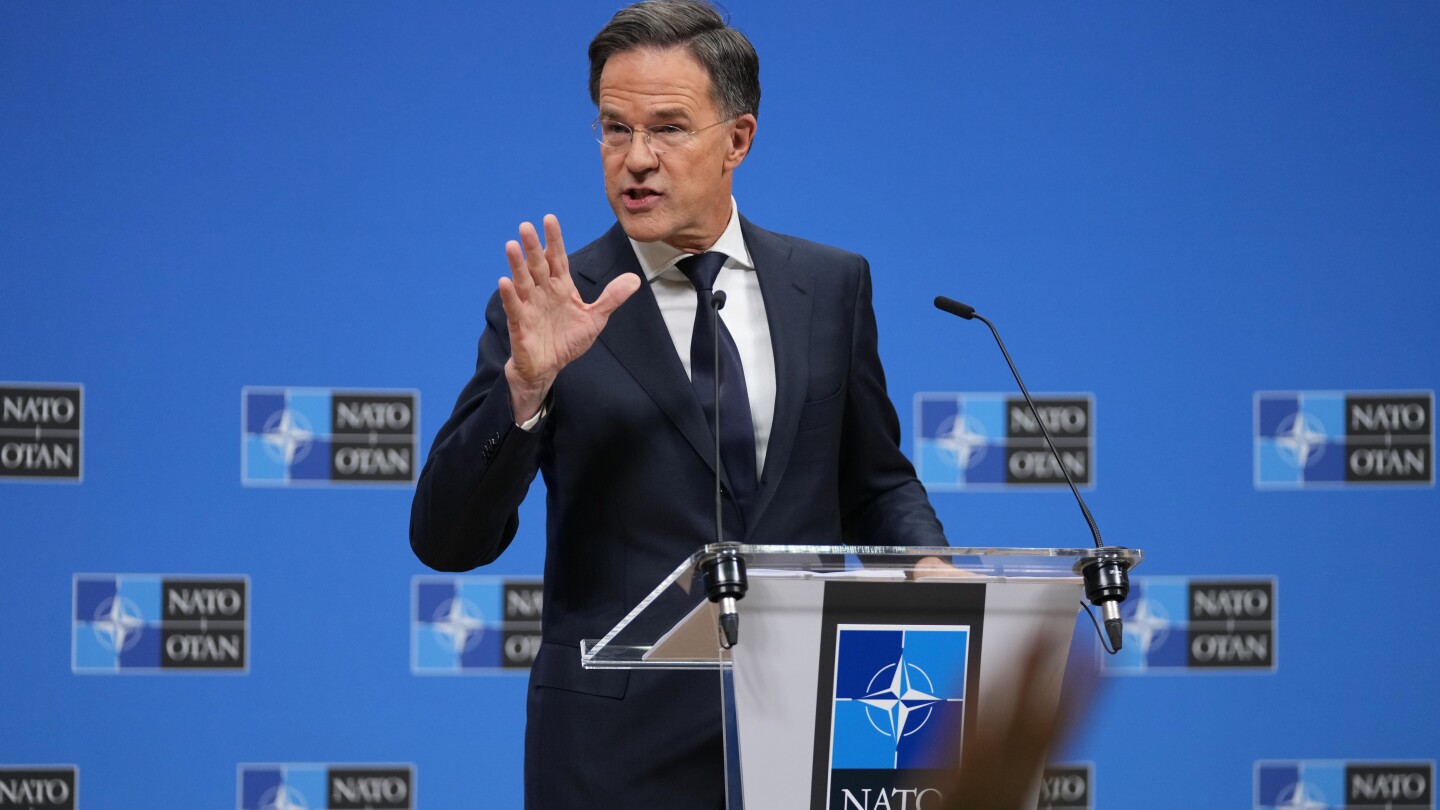
    BRUSSELS — NATO Secretary-General Mark Rutte addressed mounting concerns regarding U.S. dedication to the military alliance during a press briefing Tuesday, preceding a crucial meeting of allied foreign ministers centered on Russia’s ongoing aggression against Ukraine.

    The absence of U.S. Secretary of State Marco Rubio from Wednesday’s high-stakes negotiations has raised eyebrows among European partners, particularly following the Trump administration’s controversial 28-point peace proposal that alarmed NATO members last month. The draft plan, which suggested halting NATO expansion and denying Ukrainian membership—direct concessions to Russian demands—also proposed U.S.-mediated security talks between Russia and NATO.

    Rutte defended Rubio’s non-attendance, stating: ‘He maintains an extraordinarily demanding schedule addressing not only the Ukraine situation but numerous other pressing matters. I fully understand his inability to participate tomorrow and would caution against reading deeper implications into his absence.’

    A senior State Department official, speaking anonymously, emphasized that Rubio has participated in dozens of NATO meetings and cannot reasonably attend every gathering. Deputy Secretary of State Christopher Landau will represent U.S. interests instead, urging allies to fulfill their commitment to allocate 5% of GDP to defense spending.

    Regarding Trump’s contentious peace framework, Rutte indicated significant revisions have addressed European concerns. ‘All peace processes require starting points and concrete proposals,’ he noted, adding that NATO-related aspects would be handled separately through alliance channels.

    The former Dutch prime minister reaffirmed Ukraine’s ‘irreversible path’ to NATO membership despite the proposal’s exclusionary language, acknowledging however that political consensus remains unattainable currently. The Trump administration has explicitly opposed Ukrainian membership, with Hungary and Slovakia similarly positioned.

    Rutte referenced Trump’s reaffirmation of Article 5 commitments during The Hague summit, though recent presidential remarks have seemingly distanced the U.S. from its traditional leadership role. Concerns intensify regarding potential troop reductions in Europe, with Romania announcing a planned withdrawal of up to 3,000 U.S. personnel as Washington shifts focus to Asian security threats. Formal troop movement announcements are anticipated in early 2026.