博客

  • Severed fingers and incisions: Bodies returned by Israel shock Gaza families

    Severed fingers and incisions: Bodies returned by Israel shock Gaza families

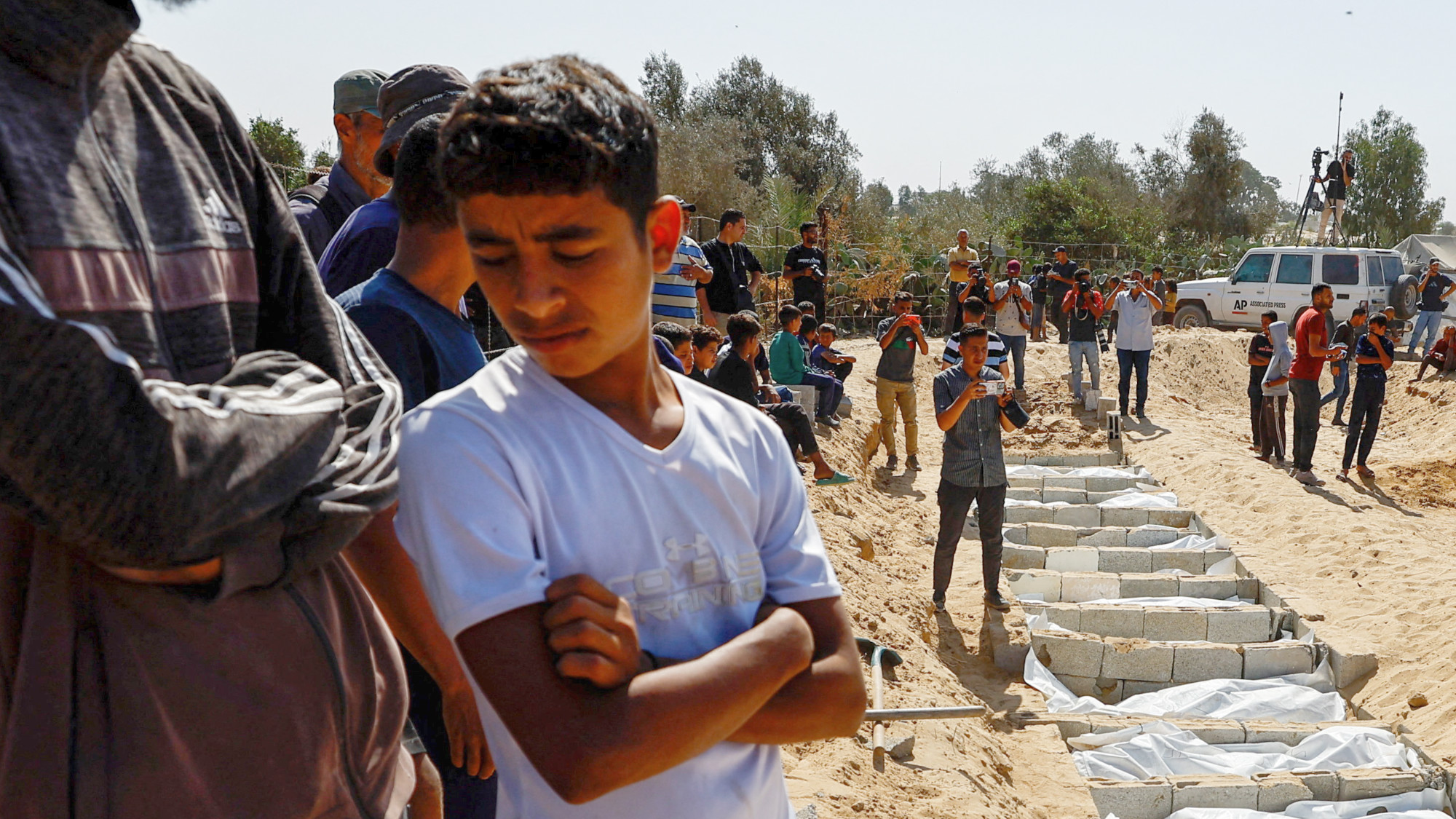
    In a deeply disturbing development emerging from the Gaza Strip, Palestinian families are confronting new layers of trauma as they receive the bodies of their missing relatives returned by Israeli authorities under controversial circumstances. The remains, arriving frozen and marked only with identification numbers, have sparked grave concerns about potential organ harvesting and systematic mutilation while in custody.

    The process unfolds at Nasser Hospital in Khan Younis, where forensic teams struggle with inadequate equipment to properly examine the bodies. According to Dr. Khalil Hamada, Director General of Forensic Medicine in Gaza, the extreme freezing conditions and lack of diagnostic equipment prevent comprehensive examinations. ‘What we do is not a full forensic examination,’ Hamada confirmed to Middle East Eye. ‘The process is limited to documenting individual distinguishing features so families can identify their loved ones.’

    Heartbreaking identification procedures involve displaying photographs of the mutilated remains on large screens, with families desperately searching for recognizable features. Muhammad Ayesh Ramadan of Deir al-Balah spent four days searching before identifying his brother Ahmed through facial recognition with ’70 percent certainty.’ The body showed evidence of multiple gunshots, burning, and a vertically stitched incision running from chest downward—particularly disturbing as his brother had never undergone surgery.

    Medical authorities report that nearly all bodies show evidence of amputated digits, particularly thumbs and big toes, which Israeli authorities claim are removed for DNA testing. However, the complete absence of forensic reports, cause-of-death information, or any documentation from Israeli authorities has fueled suspicions among grieving families.

    The situation becomes more alarming with numerous bodies showing signs of torture, fractured bones, and evidence of being bound and blindfolded at time of death. Zeinab Ismail Shabat identified her brother Mahmoud through distinctive hair and eye features, only to discover his hands and feet bound with metal restraints, indicating he was ‘martyred while restrained.’

    Of the 345 bodies returned to date, only 99 have been positively identified. The remainder have been buried in mass graves without identification, creating a permanent legacy of uncertainty for hundreds of Gaza families. The combination of systematic mutilation, absence of transparency, and inadequate forensic capabilities has created a humanitarian crisis that extends beyond death itself, denying families both answers and the dignity of proper burial for their loved ones.

  • Watch: Moment snowboarder is rescued from stuck chairlift

    Watch: Moment snowboarder is rescued from stuck chairlift

    A dramatic aerial rescue operation unfolded at Wisconsin’s Sunburst Ski Area when a sudden power failure left multiple individuals stranded on an immobilized chairlift. Emergency response teams executed a coordinated rescue mission to safely lower a snowboarder and thirteen other winter sports enthusiasts to the ground.

    The incident occurred during normal operating hours when an unexpected electrical interruption brought the ski lift system to an abrupt halt. Ski patrol and local emergency services immediately mobilized to address the potentially dangerous situation. Using specialized rescue equipment and techniques, first responders worked methodically to secure each stranded individual and lower them safely to the snow-covered slopes below.

    While chairlift malfunctions remain relatively uncommon in modern ski operations, this event demonstrates the critical importance of comprehensive emergency preparedness at winter sports facilities. The successful resolution of this incident highlights the specialized training and rapid response capabilities of mountain safety personnel who regularly train for such scenarios.

    Sunburst Ski Area management has launched a full investigation into the power outage cause and subsequent lift stoppage. The resort has confirmed all lifted individuals were evaluated by medical personnel following the incident, with no serious injuries reported among the rescued parties.

  • Death toll jumps to 700 in Indonesia floods and landslides

    Death toll jumps to 700 in Indonesia floods and landslides

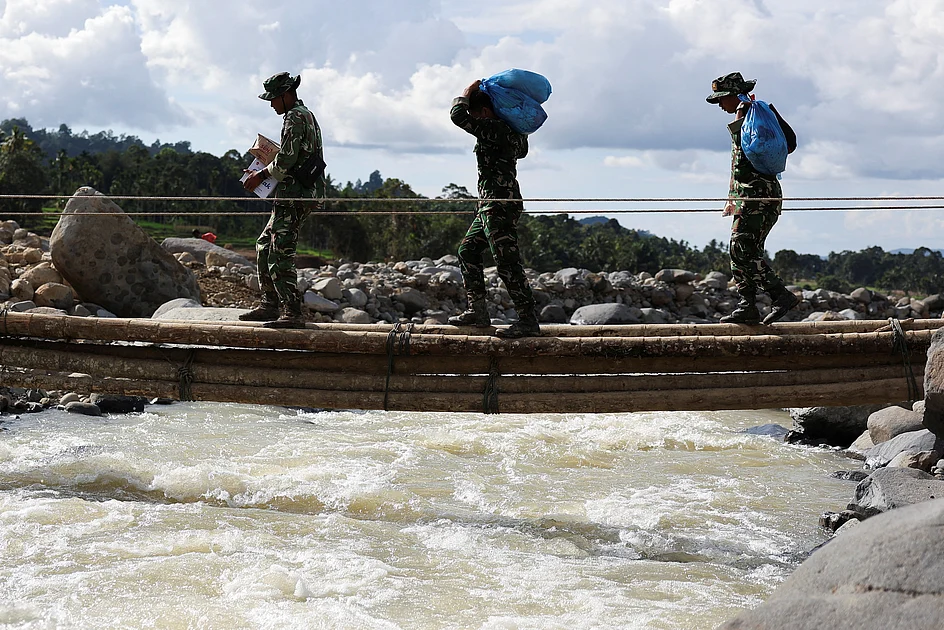
    Indonesia’s Sumatra Island faces an unprecedented humanitarian crisis as catastrophic flooding and landslides have claimed at least 700 lives, according to the latest figures from the national disaster agency. The death toll, which authorities revised downward from an initial count of 753, continues to fluctuate as emergency teams battle challenging conditions to reach isolated communities.

    The disaster forms part of a broader regional tragedy that has claimed nearly 900 lives across Indonesia, Malaysia, and Thailand following months of extreme weather events throughout Southeast Asia. This devastating pattern includes successive typhoons that recently battered the Philippines and Vietnam, compounded by persistent flooding across the region.

    Environmental experts and local officials have identified widespread deforestation on Sumatra as a critical factor contributing to the disproportionately high death toll. The removal of natural vegetation has destabilized terrain and eliminated natural barriers that would typically mitigate flood impacts.

    Indonesian disaster response teams are implementing a multi-pronged approach to address the crisis, prioritizing aid distribution through land, sea, and air channels simultaneously. Emergency crews are working relentlessly to clear obstructed roadways and restore damaged infrastructure in affected areas.

    Abdul Muhari, spokesperson for the disaster agency, emphasized the urgency of logistics operations, stating: ‘We do hope that we can speed up the logistics distribution.’ The comprehensive response effort aims to reach thousands of displaced residents who have been cut off from essential supplies and medical assistance since the disasters began last week.

  • US defence secretary says he did not see survivors before follow-up strike on drug boat

    US defence secretary says he did not see survivors before follow-up strike on drug boat

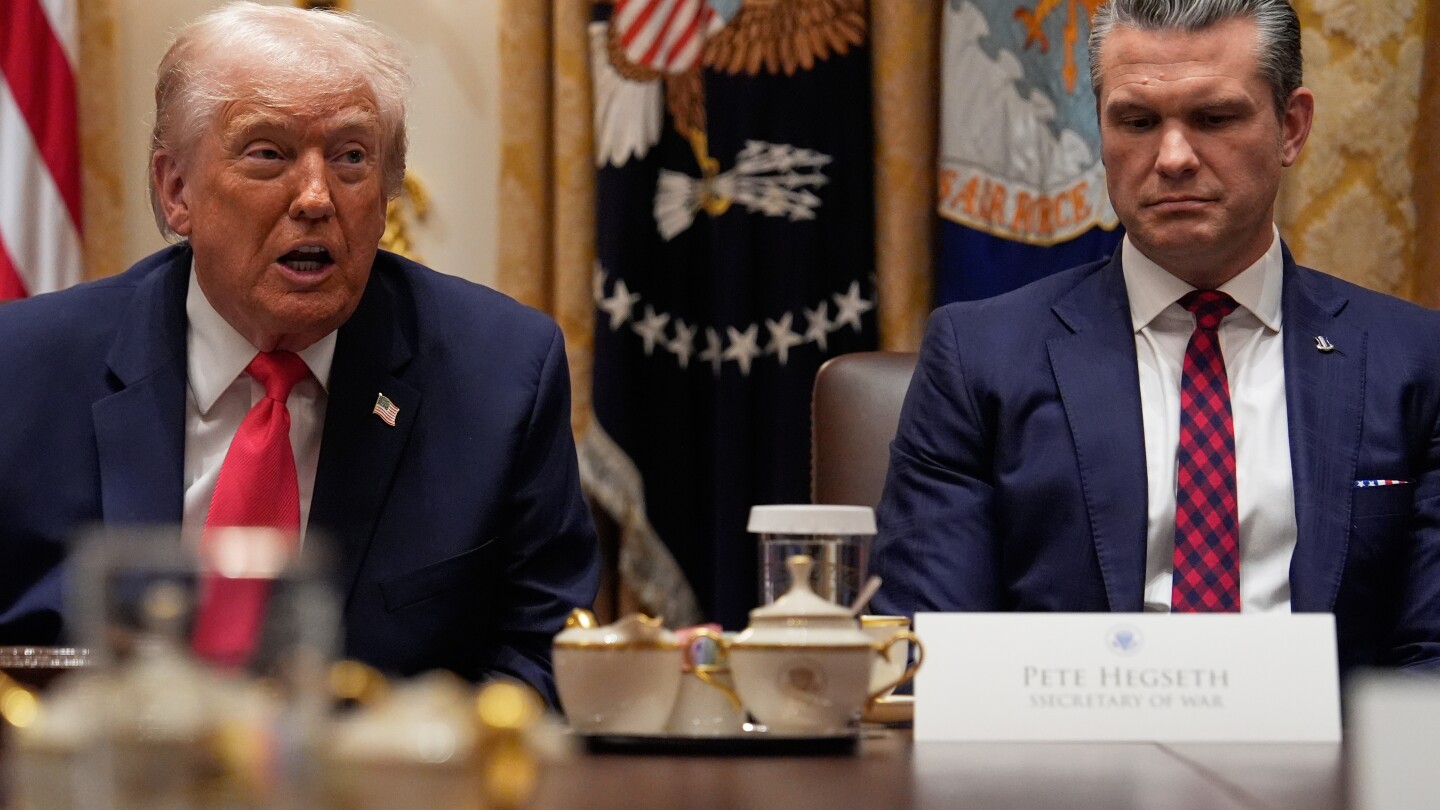
    US Defense Secretary Pete Hegseth has publicly addressed the controversial September 2nd maritime strike in the Caribbean that resulted in the deaths of two survivors from an initial attack on an alleged drug vessel. During a White House cabinet meeting, Hegseth stated he “did not personally see survivors” before the fatal follow-up strike was authorized.

    The incident began when US forces conducted an initial strike on a suspected narcotics trafficking boat, reportedly leaving two individuals alive but stranded on the burning wreckage. According to documents obtained by The Washington Post, a subsequent strike was then ordered that resulted in their deaths.

    Hegseth, who observed the first strike live, attributed the tragic outcome to the ‘fog of war,’ describing the chaotic scene: “That thing was on fire and it exploded… you can’t see anything. This is called the fog of war.” He revealed that he learned about Navy Admiral Frank Bradley’s decision to authorize the second strike hours after it occurred, which he characterized as “correct.”

    President Trump simultaneously defended Admiral Bradley while distancing himself from the specific decision, stating “we didn’t know about” the follow-up strike. Trump emphatically added: “I want those boats taken out” and claimed these strikes have significantly reduced drug trafficking, though he provided no substantiating evidence.

    The incident has raised serious legal concerns under the Geneva Convention, which prohibits intentionally targeting wounded combatants and requires their apprehension and medical treatment. Multiple international law experts have expressed doubts about the strike’s legality.

    Both Democratic and Republican lawmakers have expressed unease, with the Senate Armed Services committee pledging “vigorous oversight” of the incident. Admiral Bradley, who was promoted to overall commander of US Special Operations Command just one month after the strike, is expected to testify on Capitol Hill this week.

    This event is part of a broader campaign that has resulted in over 80 fatalities in similar strikes across the Caribbean and Eastern Pacific since early September. The Trump administration maintains these operations are necessary self-defense measures to protect American lives from illicit drugs. President Trump has further vowed to expand the campaign, stating readiness to “start doing those strikes on land.”

  • Rare Fabergé egg fetches record £22.9m at London auction

    Rare Fabergé egg fetches record £22.9m at London auction

    A magnificent diamond-encrusted Fabergé egg, originally crafted for Russia’s imperial Romanov dynasty, has achieved a historic auction milestone, fetching an unprecedented £22.9 million ($30.2 million) at Christie’s in London. The anonymous purchaser secured the legendary Winter Egg, widely regarded as one of master jeweler Carl Fabergé’s most exquisite creations, during Tuesday’s bidding session.

    Commissioned in 1913 by Tsar Nicholas II as an Easter gift for his mother, Dowager Empress Maria Feodorovna, the masterpiece showcases extraordinary craftsmanship with approximately 4,500 meticulously placed diamonds adorning its rock crystal shell. The 8.2-centimeter (3.2-inch) treasure features elaborate platinum snowflake motifs crafted from rose-cut diamonds, embodying its wintry theme. Upon opening, the egg reveals an intricate surprise—a delicate basket containing white quartz blossoms.

    This transaction substantially surpasses the previous auction record for Fabergé eggs, which stood at £8.9 million established in 2007. Margo Oganesian of Christie’s remarked to AFP that the result ‘reaffirms the enduring significance of this masterpiece’ within the art market.

    The Winter Egg represents exceptional historical and artistic significance, designed by Alma Theresia Pihl—one of only two female master artisans at Fabergé’s St. Petersburg workshop. Of the fifty imperial eggs created between 1885 and 1917, when Nicholas II abdicated, the Winter Egg is among merely seven remaining in private ownership, with others residing in museum collections or considered lost.

  • Sharjah: 130 classic cars come together for UAE National Day rally

    Sharjah: 130 classic cars come together for UAE National Day rally

    Sharjah transformed into a moving automotive museum on Tuesday as 130 meticulously preserved classic cars, some dating back six decades, participated in the third annual Rally Masar 71. Organized by the Sharjah Old Cars Club, this spectacular convoy brought together vintage automobile enthusiasts from across the UAE and neighboring GCC nations to commemorate the country’s 54th National Day celebrations.

    The event commenced at the Sharjah Old Cars Club headquarters where participants gathered for vehicle inspections and pre-route briefings. The day-long journey showcased a remarkable transition from urban landscapes to desert scenery as the procession of classic automobiles traveled along sand-lined highways toward Al Badayer Oasis in Al Madam.

    The scenic route continued to Kalba’s recently inaugurated Hanging Gardens, providing a striking contrast between historic vehicles and modern attractions. Subsequent stops included the Roman Amphitheatre in Khorfakkan with its mountainous coastal views and a coastal pause near Anchor Café in Dibba Al Hisn before returning to Sharjah.

    The rally concluded with an awards ceremony recognizing outstanding achievements in categories including best restoration, best-preserved model, and exceptional participation. Rally Masar 71 has evolved into a significant platform for vintage car enthusiasts to exchange technical knowledge, showcase restoration expertise, and highlight Sharjah’s diverse cultural and natural landmarks.

    This growing tradition symbolizes the UAE’s enduring narrative—from its desert origins to its modern coastal cities—while celebrating the national heritage through the preservation and appreciation of automotive history.

  • Eid Al Etihad: 220,000 new companies entered the UAE market this year

    Eid Al Etihad: 220,000 new companies entered the UAE market this year

    The United Arab Emirates is experiencing an unprecedented period of economic expansion, with comprehensive data revealing extraordinary growth across both its commercial and tourism sectors throughout 2025. According to official statistics from the Ministry of Economy and Tourism, the UAE market welcomed an impressive 220,186 new companies between January and November 2025, demonstrating the nation’s powerful appeal to global investors and entrepreneurs.

    The country’s business environment has shown remarkable dynamism, with trademark registrations surging by 48.2 percent compared to the previous year, totaling over 36,000 national and international trademarks. This substantial increase underscores the UAE’s position as a premier destination for business establishment and intellectual property protection.

    Concurrently, the tourism sector has achieved extraordinary milestones, receiving international recognition through multiple prestigious awards. The hospitality industry maintained its robust growth trajectory during the first three quarters of 2025, welcoming 23.27 million hotel guests—a 4.9 percent increase from the same period in 2024. This influx resulted in more than 79.3 million booked room nights, with hotel revenues climbing 7.2 percent to exceed Dh35.9 billion.

    Performance metrics across the hospitality sector showed significant improvement, with hotel occupancy rates reaching 79.2 percent (a 1.8 percent increase) and the average length of stay extending from 3.38 to 3.41 nights. The Average Daily Rate rose by 4.2 percent to Dh557, while occupied room numbers increased by 3.5 percent to 46.17 million. The country’s tourism infrastructure now encompasses 1,246 hotel establishments offering 216,248 rooms nationwide.

    In a testament to its global tourism leadership, the UAE secured placement among the world’s top seven destinations for international tourist spending. The prestigious appointment of Sheikha Nasser Al Nowais as Secretary-General of UN Tourism and Masfout Village’s recognition as World’s Best Tourism Village 2025 further cement the nation’s international standing.

    Abdulla bin Touq Al Marri, Minister of Economy and Tourism, emphasized that these achievements coincide with the 54th Eid Al Etihad celebrations, reflecting the visionary leadership that has transformed the UAE into a model of growth and development. The minister highlighted the country’s exceptional economic performance, with real GDP growing by 4.2 percent and non-oil GDP expanding by 5.7 percent during the first half of 2025. Non-oil activities now constitute 77.5 percent of real GDP, demonstrating successful economic diversification.

    The Ministry’s regulatory efforts have been equally substantial, contributing to the issuance of 11 economic laws and 8 regulatory policies covering critical areas including consumer protection, ecotourism, food security, and sustainability. This comprehensive legislative framework supports the nation’s strategic objectives under the ‘We the UAE 2031’ vision, which aims to double the national economy to Dh3 trillion and establish the country as a global hub for the new economy.

  • Netanyahu corruption trials: Prime minister’s request for pardon sparks debate in Israel

    Netanyahu corruption trials: Prime minister’s request for pardon sparks debate in Israel

    Israeli Prime Minister Benjamin Netanyahu has formally requested a presidential pardon from President Isaac Herzog, triggering intense nationwide debate amid his ongoing corruption trial. The 111-page legal submission, accompanied by a personal letter delivered Sunday, argues that clemency would serve the “public interest” by fostering national “reconciliation.”

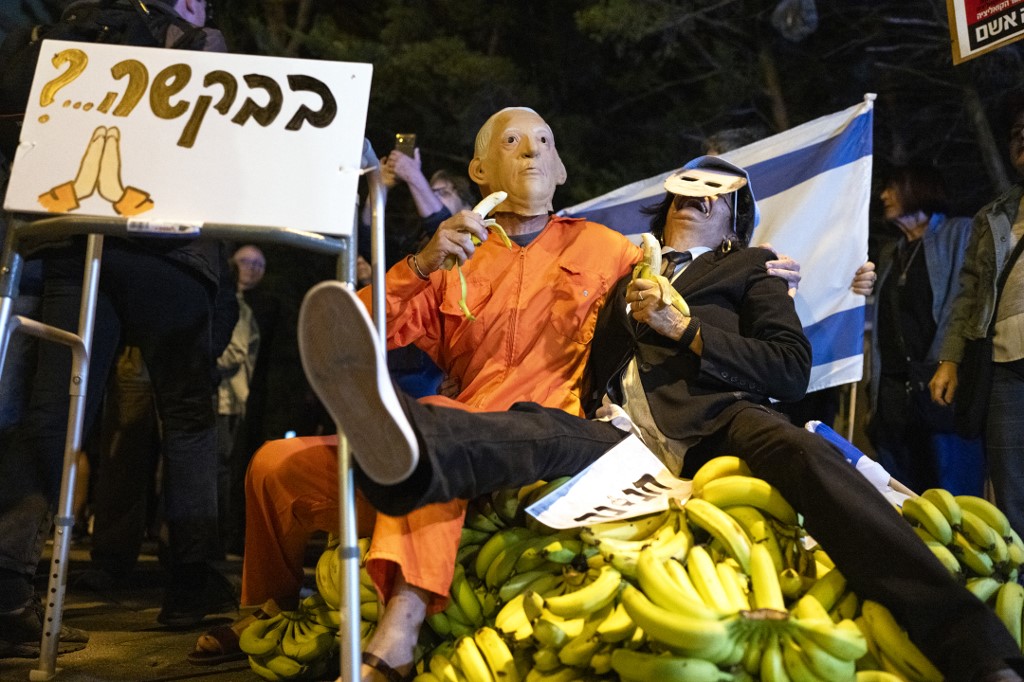
    Instead of unity, the move has exacerbated existing societal fractures. Protesters immediately gathered outside the presidential residence, while political figures across the spectrum voiced starkly contrasting views. President Herzog acknowledged the “controversy” surrounding the application, pledging to base his decision solely on Israel’s best interests while dismissing the impact of “violent discourse.”

    Critics highlighted the petition’s most contentious aspect: Netanyahu’s refusal to admit guilt for charges of fraud, bribery, and breach of trust. Opposition Leader Yair Lapid declared Herzog cannot grant pardon without “admission of guilt, expression of remorse, and immediate retirement from political life.” Haaretz commentator Yossi Verter characterized the letter as bordering on “extortion by threats,” noting that meaningful dialogue would require contrition and commitment to leave politics.

    Even within Netanyahu’s Likud party, dissent emerged. MP Tally Gotliv expressed feeling “pain and humiliation” over the submission, while far-right activist Arnon Segal lamented the right’s narrowed focus on acquittal rather than broader ideological goals.

    Supporters presented counterarguments. Energy Minister Eli Cohen asserted Netanyahu “is not a corrupt person” and that pardoning would benefit Israel by ending “this saga.” Environmental Protection Minister Idit Silman suggested, without evidence, that U.S. President Donald Trump might impose sanctions on Israeli judicial officials should Herzog refuse clemency.

    The controversy intersects with Israel’s security situation, with some social media users accusing Netanyahu of seeking to evade accountability for October 7 attacks. Enav Zangauker, mother of a recently released captive, condemned the move as prioritizing power retention over responsibility. Left-wing figures, including Hadash party leader Ayman Odeh, framed the pardon discussion as a distraction from Israel’s military actions in Gaza and the West Bank, asserting Netanyahu should face trial in The Hague for war crimes rather than receive domestic clemency.

  • Dubai motorists lose 45 hours in traffic jams this year amid rising population, vehicles

    Dubai motorists lose 45 hours in traffic jams this year amid rising population, vehicles

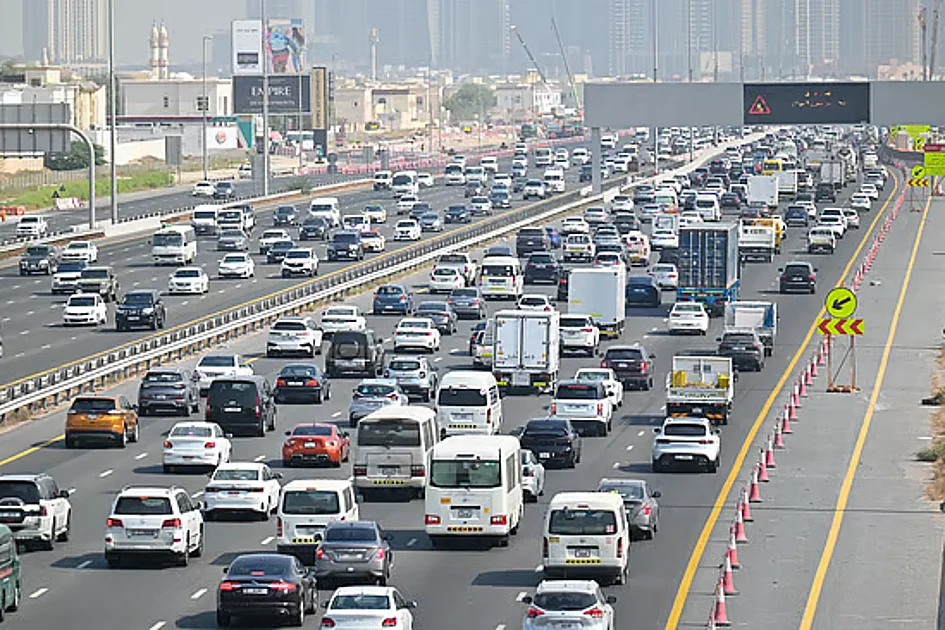
    Dubai motorists endured significantly increased traffic delays throughout 2025, with commuters losing approximately 45 hours to congestion according to the recently released Inrix Global Traffic Report. This represents a substantial increase from the previous year’s figures of 35 hours lost, highlighting growing transportation challenges across the emirates.

    The traffic congestion escalation coincides with notable population growth, with the UAE’s resident count expanding by two million over the past five years to reach 11.48 million as of November 2025. This demographic surge, coupled with increasing vehicle numbers, has placed unprecedented pressure on the nation’s road infrastructure.

    In response to these challenges, UAE authorities have unveiled an ambitious Dh170-billion transportation infrastructure package scheduled for implementation by 2030. Suhail Al Mazrouei, Minister of Energy and Infrastructure, announced during the UAE Government Annual Meeting that the comprehensive plan aims to enhance federal road efficiency by 73% through strategic expansions and upgrades.

    The infrastructure development strategy includes significant lane additions, with federal roads expanding from 19 to 33 lanes in each direction. Specific projects involve widening Etihad Road by six lanes (three per direction), increasing its capacity by 60%, while Emirates Road will expand to ten lanes throughout its length, boosting capacity by 65% and reducing travel time by 45%. Sheikh Mohammed bin Zayed Road will similarly be widened to ten lanes, enhancing capacity by 45%.

    Additionally, transportation authorities are conducting feasibility studies for a proposed fourth federal highway spanning 120 kilometers with twelve lanes, potentially handling up to 360,000 daily trips.

    The traffic impact varied across emirates, with Abu Dhabi motorists losing 29 hours to congestion, Umm Al Quwain 28 hours, Al Ain 17 hours, and Fujairah 8 hours. Dubai’s substantial investment in transportation infrastructure over two decades, totaling Dh175 billion, has delivered significant projects including the Dubai Metro, Dubai Tram, extensive road networks, cycling tracks, and pedestrian facilities. A McKinsey & Company study indicated these investments have yielded Dh319 billion in savings through reduced fuel consumption and time efficiency.

    Despite these efforts, traffic speeds have continued to decline, with peak commute speeds in Dubai dropping from 33 mph in 2023 to 29 mph in 2025, while last-mile downtown speeds decreased to 21 mph during morning commutes.

    Globally, Istanbul maintained its position as the world’s most congested urban area for the second consecutive year, with drivers losing 118 hours to delays—a 12% increase from 2024. Other severely affected cities included Mexico City, Chicago, New York, Philadelphia, Cape Town, London, Paris, Jakarta, and Los Angeles.

  • Trump says he doesn’t want Somalis in the US, urges them to go back to their homeland and fix it

    Trump says he doesn’t want Somalis in the US, urges them to go back to their homeland and fix it

    During an extended Cabinet session on Tuesday, President Donald Trump voiced strong opposition to Somali immigration into the United States, characterizing individuals from the conflict-torn East African nation as excessive beneficiaries of American welfare systems with minimal societal contributions.

    The President’s statements emerged shortly after his administration declared a temporary suspension of all asylum adjudications. This policy shift followed a shooting incident in Washington that injured two National Guard soldiers. Although the primary suspect in the attack was reportedly of Afghan origin, Trump expanded his critique to include immigrant populations from multiple nations, with particular emphasis on Somalia.

    “Their contribution levels are virtually nonexistent,” Trump asserted during the meeting. “Welfare dependency approaches 88 percent or similar figures. They contribute nothing. We have no desire for their presence in our nation.” The President further commented on Somalia’s national conditions, stating “Their country’s troubled status exists for identifiable reasons. Your nation’s condition is unsatisfactory, and consequently we decline to accept them here.”

    The remarks represent the latest development in the administration’s ongoing examination of immigration protocols and refugee acceptance criteria. Political analysts suggest these comments may signal forthcoming policy adjustments regarding immigration from specific African and Middle Eastern regions, though no official announcements have been made regarding substantive policy changes.