博客

  • Italian fashion giant Prada buys Versace – at a discount

    Italian fashion giant Prada buys Versace – at a discount

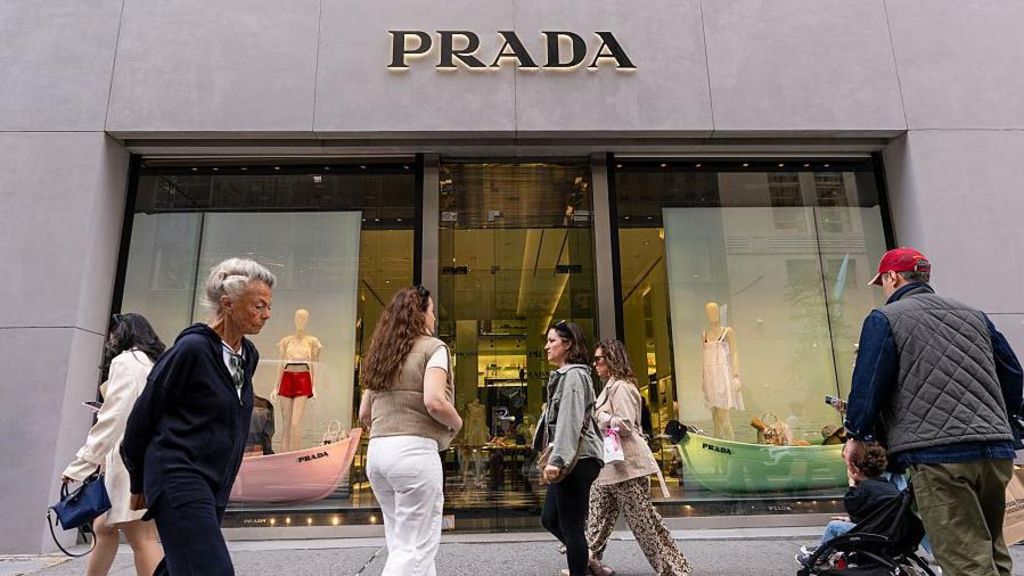
    In a landmark transaction reshaping the global luxury landscape, Italian fashion powerhouse Prada Group has finalized its acquisition of rival Versace for $1.38 billion. The deal, announced Tuesday, unites two of Italy’s most iconic fashion houses under single ownership, creating a strengthened competitor against French luxury conglomerates like LVMH.

    The purchase price represents a significant discount from the approximately $2 billion that former parent company Capri Holdings paid for Versace in 2018. The reduced valuation follows slowed sales across Capri’s portfolio, which also includes Michael Kors and Jimmy Choo, and reflects Versace’s $700 million loss under Capri’s ownership.

    This strategic move expands Prada’s brand portfolio beyond its namesake label and youth-focused Miu Miu line. The acquisition comes during a period of transformation for Versace, which saw creative leadership change hands in March when longtime creative chief Donatella Versace stepped down after 27 years. She was succeeded by Dario Vitale, previously a design director at Miu Miu.

    Under Capri’s stewardship, Versace underwent notable strategic shifts, moving away from its signature ornate designs toward minimalist trends while simultaneously implementing price increases. Prada CEO Andrea Guerra expressed confidence in Versace’s future, noting earlier this year that the brand possesses ‘huge potential’ while acknowledging that realizing it would ‘require disciplined execution and patience.’

    For Capri Holdings, the sale proceeds will primarily service outstanding debt, significantly strengthening the company’s balance sheet according to CEO John D. Idol. The transaction received all necessary regulatory approvals before Tuesday’s announcement.
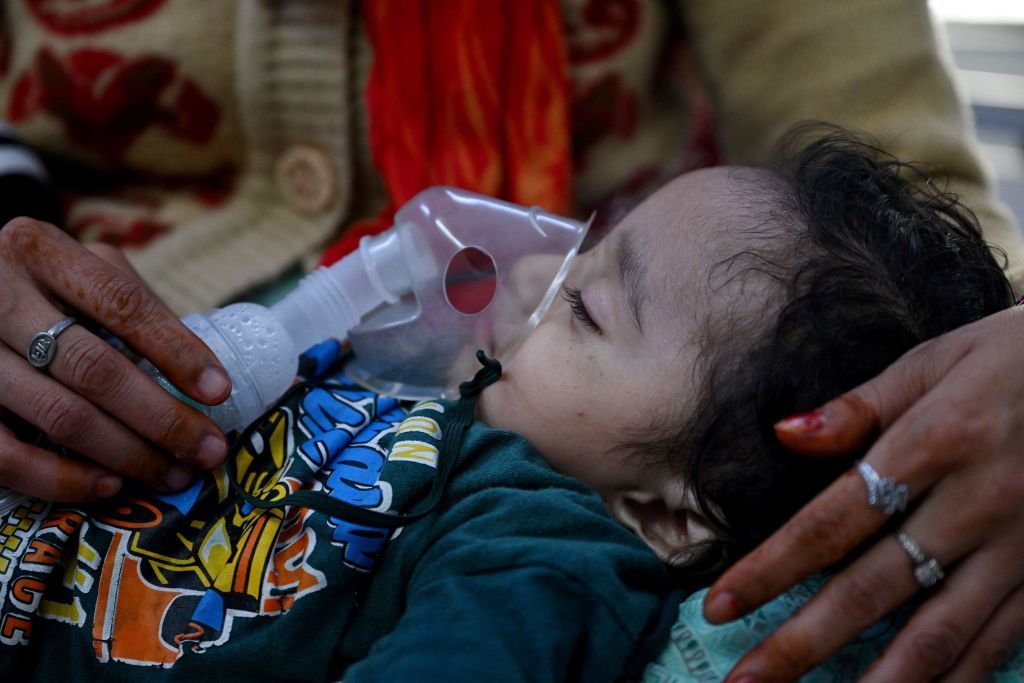

  • Delhi records 200,000 acute respiratory illness cases amid toxic air

    Delhi records 200,000 acute respiratory illness cases amid toxic air

    India’s capital faces a severe public health emergency as federal government data reveals staggering numbers of pollution-related respiratory illnesses. Between 2022 and 2024, six state-run hospitals in Delhi documented over 200,000 cases of acute respiratory conditions, with more than 30,000 patients requiring hospitalization during this period.

    The toxic air crisis has become a recurring seasonal phenomenon in Delhi and its surrounding regions, particularly during winter months. Current measurements show Delhi’s Air Quality Index (AQI) consistently exceeding 20 times the World Health Organization’s recommended safety threshold. The AQI incorporates various pollutants including PM2.5—fine particulate matter capable of penetrating deep into lung tissue.

    Multiple contributing factors create this environmental hazard: industrial emissions, vehicle exhaust, temperature inversions, reduced wind patterns, and the controversial practice of seasonal crop residue burning in neighboring agricultural states.

    Statistical analysis reveals consistently high case numbers across recent years: 67,054 acute respiratory cases in 2022, 69,293 in 2023, and 68,411 in 2024. Government officials acknowledged to parliament that while elevated pollution levels correlate with increased emergency room visits, the study design cannot establish definitive causation.

    Delhi’s air quality frequently surpasses the ‘severe’ threshold of 400 AQI—levels considered hazardous even for healthy individuals and critically dangerous for those with pre-existing conditions. Recent measurements recorded AQI levels around 380, maintaining the pattern of dangerously polluted air.

    The crisis particularly affects vulnerable populations, with multiple hospitals reporting significant increases in pediatric patients suffering from pollution-related illnesses. The judicial system has taken note, with Delhi’s High Court preparing to hear petitions demanding immediate government action to address the hazardous air quality. India’s Supreme Court has repeatedly expressed concern about the persistent pollution problem in the capital region and surrounding areas.

  • Man charged with theft after allegedly swallowing $19k egg pendant

    Man charged with theft after allegedly swallowing $19k egg pendant

    Auckland authorities have apprehended a 32-year-old man following an extraordinary theft incident where the suspect allegedly swallowed a diamond-encrusted Fabergé locket valued at NZ$33,585 (approximately $19,300). The remarkable event unfolded last Friday afternoon at Partridge Jewellers in central Auckland, where police responded promptly and made an arrest within minutes of the reported theft.

    The precious item, known as the ‘Octopussy egg’ inspired by the 1983 James Bond film, remains unrecovered within the suspect’s digestive system. According to the jeweler’s specifications, the artifact features 60 white diamonds and 15 blue sapphires, concealing an intricate 18K gold miniature octopus within its design.

    Following medical evaluation, the accused remains in custody facing charges related to this unusual crime. The suspect’s court appearance is scheduled for December 8, where additional charges will be addressed concerning previous incidents. These include the alleged theft of an iPad from the same establishment on November 12, along with separate charges involving the theft of cat litter and flea control products valued at NZ$100 from a private residence the following day.

    Fabergé, the renowned jewelry house founded in Russia over two centuries ago, continues to produce some of the world’s most exquisite and valuable decorative objects, with their gem-studded eggs remaining particularly coveted among collectors worldwide.

  • Deadly conflict in the Sahel sends herders fleeing to Africa’s coastal cities

    Deadly conflict in the Sahel sends herders fleeing to Africa’s coastal cities

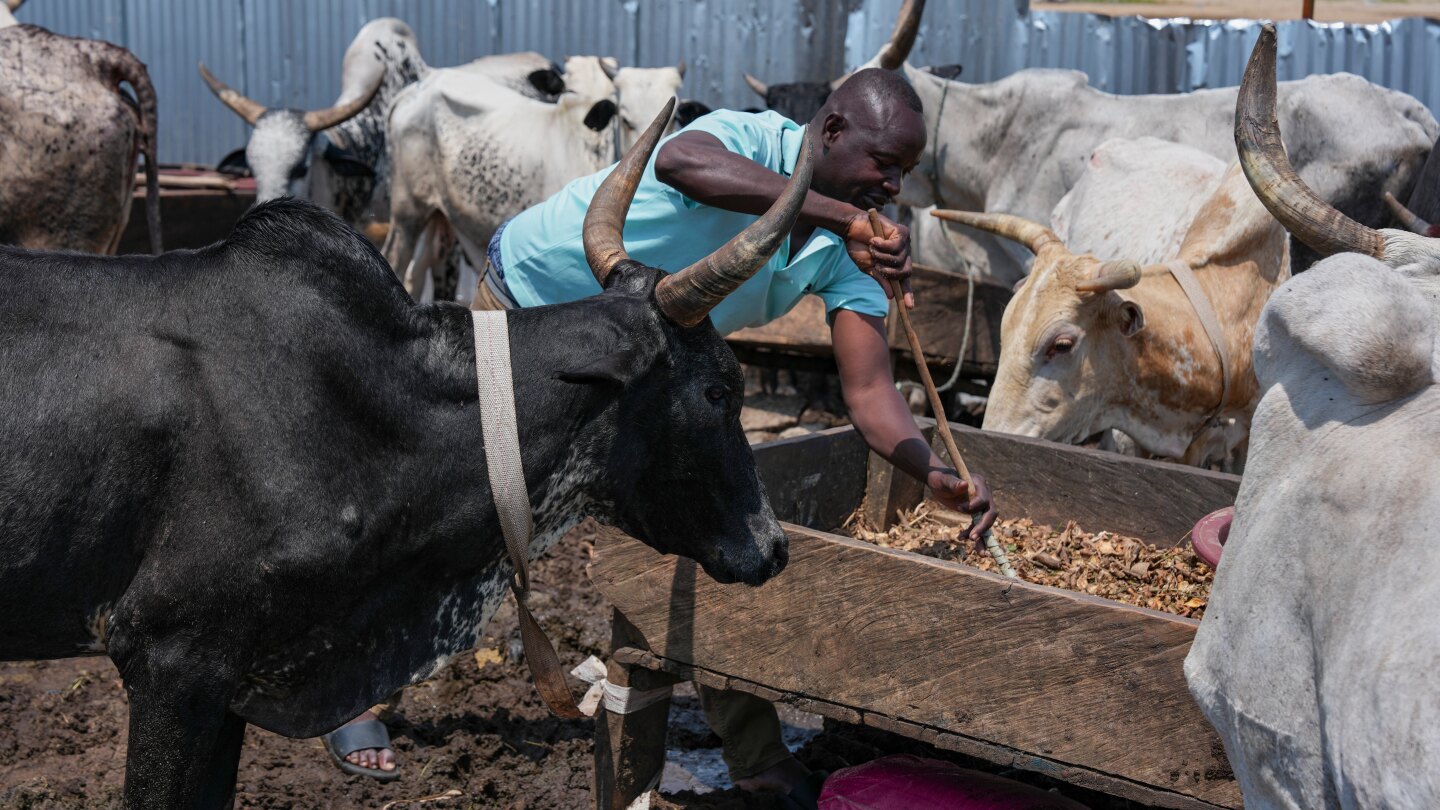
    ABIDJAN, Ivory Coast — For generations, Nouhoun Sidibè’s family identity was intertwined with pastoral life in northern Burkina Faso. That legacy shattered in 2020 when armed militants stormed his home, seizing his entire livestock inventory within minutes. The 49-year-old father of four suddenly joined thousands of displaced herders across Africa’s Sahel region—a vast semi-arid territory south of the Sahara desert experiencing escalating violence.

    For three subsequent years, Sidibè wandered through Burkina Faso seeking employment in a nation grappling with intensified attacks from armed factions, including al-Qaida affiliates. Finding no sustainable work, he eventually crossed into neighboring Ivory Coast in 2023. Now residing in a cramped, amenity-deficient settlement on Abidjan’s swampy outskirts, he assists cattle merchants with vaccinations—a stark departure from his former leadership role.

    “I feel profoundly disoriented. I was a community leader; now I labor for others,” Sidibè confessed to The Associated Press, embodying the identity crisis facing nomadic pastoralists compelled to abandon their traditions.

    This migration surge reflects the Sahel’s expanding security deterioration, which originated in Mali’s 2012 uprising and subsequently engulfed Burkina Faso and Niger. Ivory Coast—a regional economic hub with relative stability—has become a primary destination for those fleeing violence. UNICEF data reveals over 72,000 individuals sought refuge here from Mali and Burkina Faso between January and March 2024 alone, dramatically exceeding previous migration figures.

    Security analysts indicate armed groups systematically target herders to finance operations and dominate territories. Many displaced are ethnic Fulani Muslims, frequently accused of militant sympathies despite also suffering attacks. “A Fulani without cattle loses his fundamental identity,” explained Amadou Sonde, director of Burkinabè Fulani Associations in Ivory Coast, who assists newcomers finding urban employment.

    Academic researchers note some pastoralists transition into real estate or commerce, but most struggle with urbanization’s challenges. Tanané Ibrahim, who fled Burkina Faso after militants confiscated even his poultry, described urban adaptation difficulties: “Cities demand exhausting labor for minimal wages. After expenses, nothing remains.”

    With military juntas in Sahel nations increasingly overwhelmed by multifront assaults, experts foresee prolonged displacement. “This crisis shows no imminent resolution,” affirmed Oluwole Ojewale, conflict specialist at the Institute of Security Studies. For Sidibè and thousands like him, the pastoral freedom they cherished remains an unrecoverable memory.

  • Search for long-missing Malaysia Airlines flight MH370 to resume

    Search for long-missing Malaysia Airlines flight MH370 to resume

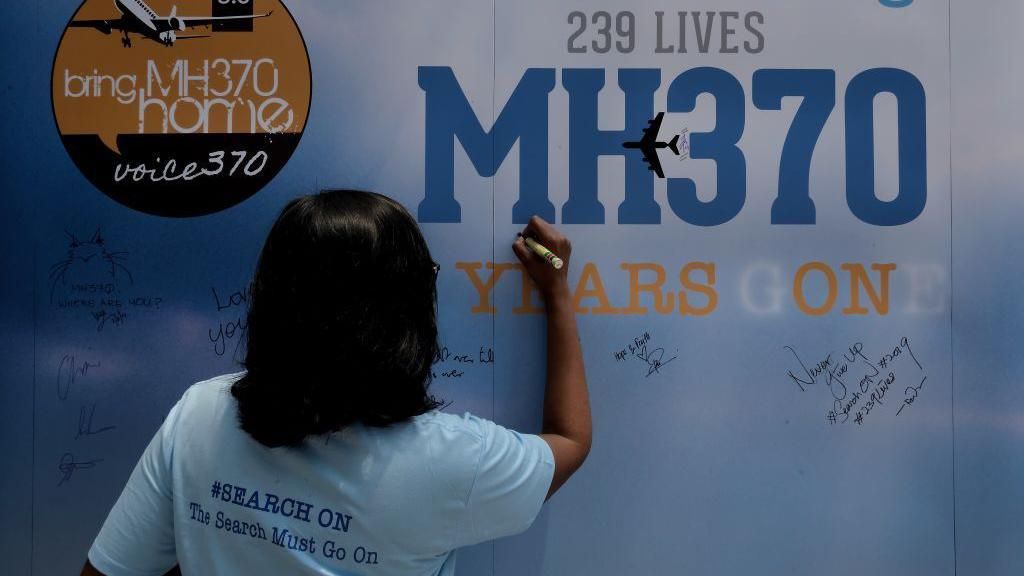
    Malaysian authorities have announced the recommencement of the search for Malaysia Airlines Flight MH370, setting December 30 as the launch date for a renewed 55-day operation. This development marks the latest chapter in what remains aviation’s most perplexing disappearance, originating from the aircraft’s vanishing in March 2014 with 239 passengers and crew aboard.

    The transport ministry emphasized Malaysia’s unwavering dedication to delivering closure for affected families, acknowledging the profound and enduring grief that has persisted over the past decade. The upcoming search operation, led by marine exploration specialist Ocean Infinity, operates under a performance-based contractual arrangement where the firm will receive $70 million exclusively upon successful wreckage discovery.

    This renewed initiative follows a previously attempted search in March that encountered immediate suspension due to adverse weather conditions. Historical efforts include an extensive multinational operation spanning 2014-2017 that deployed 60 vessels and 50 aircraft from 26 nations, followed by Ocean Infinity’s independent three-month search in 2018, both concluding without definitive results.

    Flight MH370’s disappearance occurred less than sixty minutes after its departure from Kuala Lumpur en route to Beijing, with subsequent radar tracking indicating a significant deviation from the planned flight path. The 2018 official investigation suggested deliberate manipulation of aircraft controls but stopped short of determining causation, maintaining that only physical evidence could provide conclusive answers.

    The decade-long mystery has generated extensive conspiracy theories ranging from pilot suicide to hijacking scenarios, while simultaneously representing an enduring source of anguish for families awaiting resolution. The upcoming search signifies both technological advancement in marine exploration and persistent global commitment to solving aviation’s most compelling mystery.

  • German president’s UK state visit will celebrate strategic ties and recall historic scars

    German president’s UK state visit will celebrate strategic ties and recall historic scars

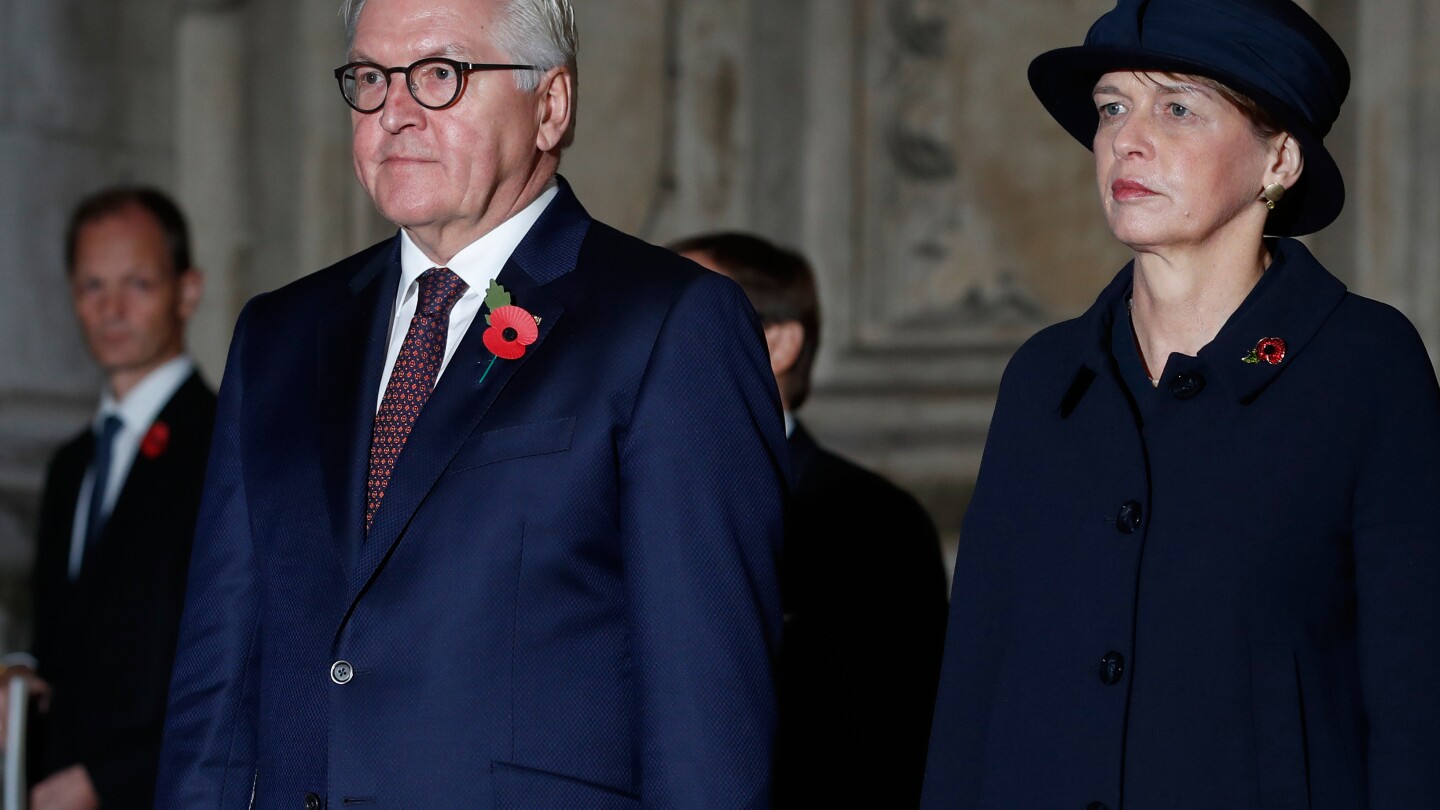
    LONDON — German President Frank-Walter Steinmeier embarked on a landmark three-day state visit to Britain on Wednesday, marking the first formal visit by a German head of state in over a quarter-century. The meticulously orchestrated occasion combines traditional British pageantry with profound historical reflection on the complex relationship between the two nations.

    King Charles III personally welcomed President Steinmeier and First Lady Elke Büdenbender at Windsor Castle, where the full spectacle of British royal protocol was displayed. The visit features the characteristic elements of British state hospitality: military precision demonstrations, glittering tiara events, and a lavish banquet served on centuries-old silverware against the backdrop of St. George’s Hall’s monumental Christmas decorations.

    Beyond the ceremonial splendor, the visit carries significant historical weight. On Friday, the German delegation will travel to Coventry Cathedral to commemorate the devastating November 1940 Luftwaffe bombing that killed 568 civilians and destroyed much of the city—the most concentrated aerial attack on Britain during World War II.

    This solemn gesture continues a pattern of mutual reconciliation. During King Charles’s state visit to Germany in 2023, the monarch paid respects at Hamburg’s St. Nikolai Church memorial, acknowledging the approximately 30,000 casualties from Allied bombing raids in July 1943.

    Political analysts note the strategic timing of this diplomatic exercise. Both nations seek to reinforce their partnership amid contemporary challenges including the Ukraine conflict and concerns over potential shifts in U.S. foreign policy under Donald Trump’s ‘America First’ approach. The visit builds upon Charles’s successful 2023 Bundestag address, where he impressed German officials by seamlessly switching between English and German while emphasizing enduring bilateral ties.

    As Majesty Magazine’s Joe Little observed, ‘It’s a particularly poignant time in British and German history, so the fact that this is being factored into the state visit clearly is important to both sides.’ The visit represents carefully choreographed soft diplomacy, using royal spectacle to strengthen international bonds while acknowledging the complex historical legacy between these European partners.

  • India’s oil imports and other issues will be on the agenda for Putin meeting with Modi

    India’s oil imports and other issues will be on the agenda for Putin meeting with Modi

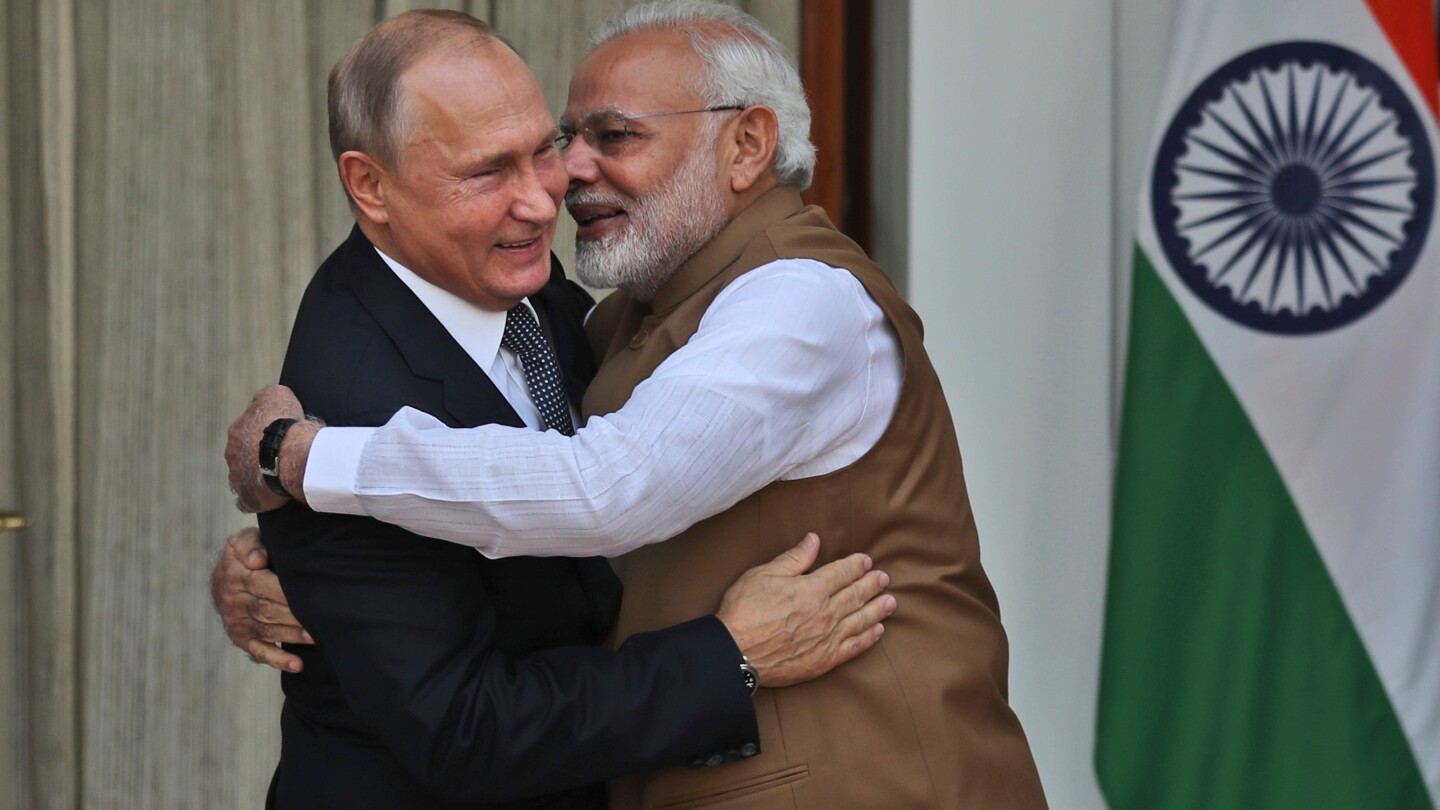
    Russian President Vladimir Putin’s upcoming state visit to India presents a critical test for New Delhi’s delicate diplomatic positioning between Moscow and Washington. The two-day summit beginning Thursday will see Putin and Indian Prime Minister Narendra Modi reviewing bilateral relations while navigating complex international pressures stemming from the ongoing conflict in Ukraine.

    The visit occurs against the backdrop of intensified U.S. efforts to advance a Ukraine peace plan and secure broader international cooperation. India has maintained a nuanced position regarding the Ukraine conflict, refraining from direct condemnation of Russia while advocating for peaceful resolution. This balanced approach reflects New Delhi’s strategic calculations in preserving relationships with both global powers.

    Economic cooperation forms a central pillar of the discussions, with both nations preparing to sign agreements covering trade facilitation, maritime collaboration, healthcare, and media exchanges. India seeks expanded market access for its pharmaceuticals, agricultural products, and textiles while pursuing long-term fertilizer supplies from Russia. The negotiations will also address safe migration protocols for Indian skilled workers seeking employment in Russia.

    The energy sector remains particularly contentious as India continues purchasing discounted Russian oil despite U.S. pressure and retaliatory tariffs. New Delhi defends these imports as essential for meeting the energy demands of its 1.4 billion population. The summit will explore expanded civil nuclear cooperation and Indian investments in Russia’s Far East, building on existing partnerships like the Russian-assisted Kudankulam nuclear facility.

    Defense cooperation constitutes another critical dimension, with India expected to press for expedited delivery of S-400 surface-to-air missile systems under their 2018 agreement. Discussions will cover potential acquisitions of additional units, modernization of Russia-made Su-30MKI fighter jets, and improved coordination on joint military exercises. Despite India’s diversification of defense suppliers, Russia remains its primary military hardware provider.

    International relations experts suggest that while India avoids overt mediation roles, behind-the-scenes diplomacy by Modi could influence Putin to address Ukrainian and European concerns. The outcome of these high-stakes negotiations will significantly impact global geopolitical dynamics and energy markets amid ongoing conflict resolution efforts.

  • Deadly Asian floods are no fluke. They’re a climate warning, scientists say

    Deadly Asian floods are no fluke. They’re a climate warning, scientists say

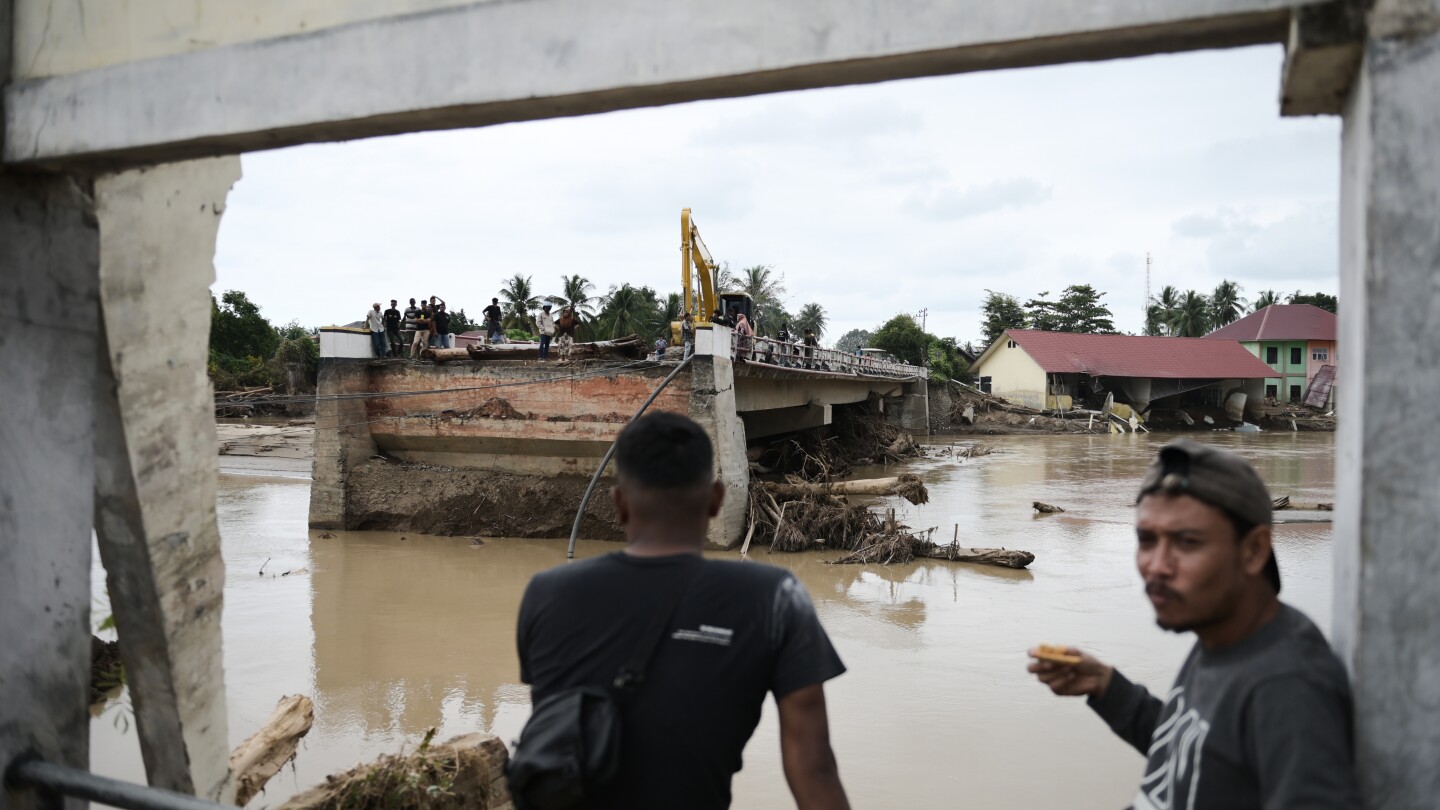
    Southeast Asia is experiencing catastrophic flooding of historic proportions, with climate scientists confirming these devastating events represent a dangerous new normal rather than anomalous weather patterns. The region has recorded over 1,200 fatalities across Indonesia, Sri Lanka, and Thailand, with more than 800 individuals still missing following relentless rains and landslides that have overwhelmed national response capabilities.

    Climate scientists point to alarming environmental triggers that set the stage for 2025’s extreme weather. Atmospheric carbon dioxide levels surged by the largest margin ever documented in 2024, creating what the UN’s World Meteorological Organization describes as a ‘turbocharged’ climate system. Asia is warming at nearly double the global average rate, resulting in stronger, wetter storms with increased frequency and unpredictability.

    The human toll is staggering: entire villages in Indonesia remain isolated after critical infrastructure was destroyed, thousands in Sri Lanka lack access to clean water, and Thailand’s leadership has publicly acknowledged deficiencies in their emergency response. Malaysia continues recovery efforts from its worst flooding in recent memory, which claimed three lives and displaced thousands. Vietnam and the Philippines have endured a year of consecutive destructive storms that have left hundreds dead.

    Professor Benjamin Horton of City University Hong Kong explains the scientific mechanisms: ‘Warmer ocean temperatures provide enhanced energy for storm formation while rising sea levels amplify storm surges. Although total storm numbers may not increase dramatically, their severity and unpredictability certainly will.’

    The region’s disaster preparedness systems have proven inadequate against these climate-fueled catastrophes. Aslam Perwaiz of the Asian Disaster Preparedness Center notes that governments traditionally prioritize disaster response over proactive preparation, leaving them vulnerable to increasingly unpredictable weather patterns. Unregulated development and ecosystem degradation have exacerbated flooding impacts, with deforestation particularly concerning in Indonesia where affected provinces have lost forest coverage exceeding New Jersey’s size since 2000.

    The economic consequences are devastating. Vietnam estimates $3 billion in losses from natural disasters during the first eleven months of 2025, while Thailand’s agricultural sector alone suffered approximately $47 million in damages since August. Southern Thailand’s November flooding caused an estimated $781 million in losses, potentially reducing national GDP by 0.1%.

    Despite contributing minimally to global carbon emissions, Southeast Asian nations bear disproportionate climate impacts while struggling with limited financial resources. At the recent COP30 conference in Brazil, countries pledged to triple climate adaptation funding and make $1.3 trillion in annual climate financing available by 2035—commitments that remain insufficient compared to developing nations’ needs and uncertain in their implementation.

    As Southeast Asia stands at a climate crossroads, expanding renewable energy while maintaining fossil fuel dependence, communities face the harsh reality that extreme weather has become their permanent reality.

  • Amnesty accuses Sudanese paramilitary of war crimes in assault on refugee camp

    Amnesty accuses Sudanese paramilitary of war crimes in assault on refugee camp

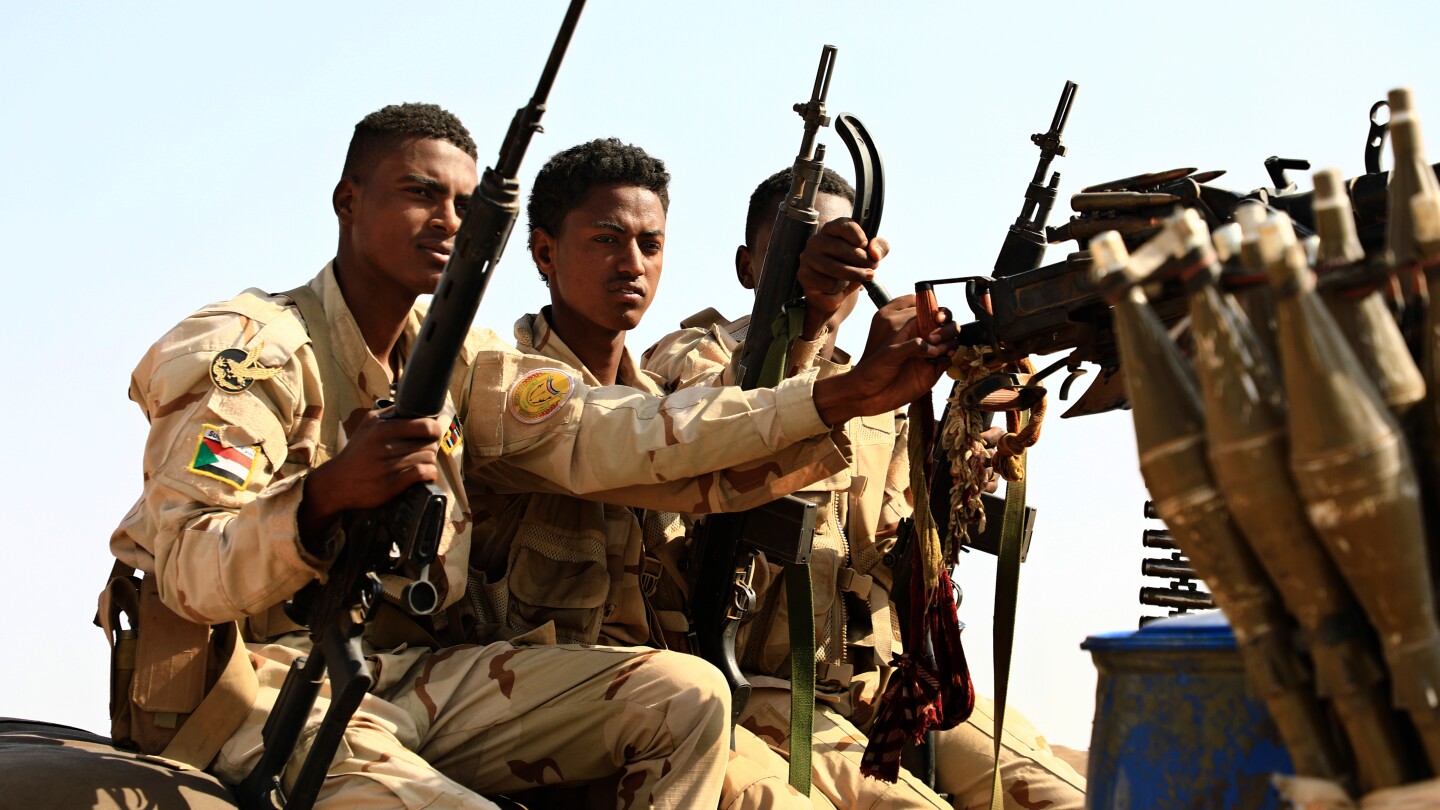
    Amnesty International has issued a damning report documenting systematic war crimes committed by Sudan’s Rapid Support Forces (RSF) during their April assault on Zamzam camp, the nation’s largest displacement settlement in the Darfur region. The comprehensive investigation reveals a pattern of atrocities including civilian executions, hostage-taking, and the deliberate destruction of essential infrastructure including mosques, schools, and medical facilities.

    The paramilitary group’s multi-day offensive on the camp, situated near el-Fasher—North Darfur’s provincial capital which subsequently fell to RSF control in October—represents what Amnesty describes as a sustained campaign targeting vulnerable populations. According to eyewitness accounts compiled by the organization, RSF fighters engaged in indiscriminate shooting in populated areas, sexual violence against women and girls, and the widespread burning of residential structures and markets.

    The attack, which occurred on April 11-12, effectively emptied the two-decade-old camp that had provided sanctuary to approximately 500,000 people originally displaced by earlier conflicts. Survivors recounted harrowing details to investigators, including the targeted killing of 47 individuals who had sought refuge in homes, clinics, and places of worship. One shell reportedly struck near a mosque during wedding ceremonies, causing multiple casualties.

    This incident occurs within the broader context of Sudan’s devastating 30-month civil war between the RSF and national military forces, which has claimed an estimated 40,000 lives and created the world’s most severe humanitarian crisis with over 14 million displaced. Both sides face allegations of atrocities, though the RSF—which evolved from the notorious Janjaweed militias responsible for early 2000s genocide in Darfur—faces particular international scrutiny.

    Amnesty Secretary-General Agnès Callamard condemned the ‘horrific and deliberate assault on desperate, hungry civilians,’ while simultaneously criticizing the United Arab Emirates for its alleged material support to the RSF. The UAE has consistently denied arms transfer accusations.

    International response continues to intensify, with the U.S. government accusing the RSF of genocide in Darfur and the International Criminal Court conducting active investigations into suspected war crimes throughout the conflict.

  • Israel relishes in Trump’s Muslim Brotherhood crackdown as Gulf shrugs it off

    Israel relishes in Trump’s Muslim Brotherhood crackdown as Gulf shrugs it off

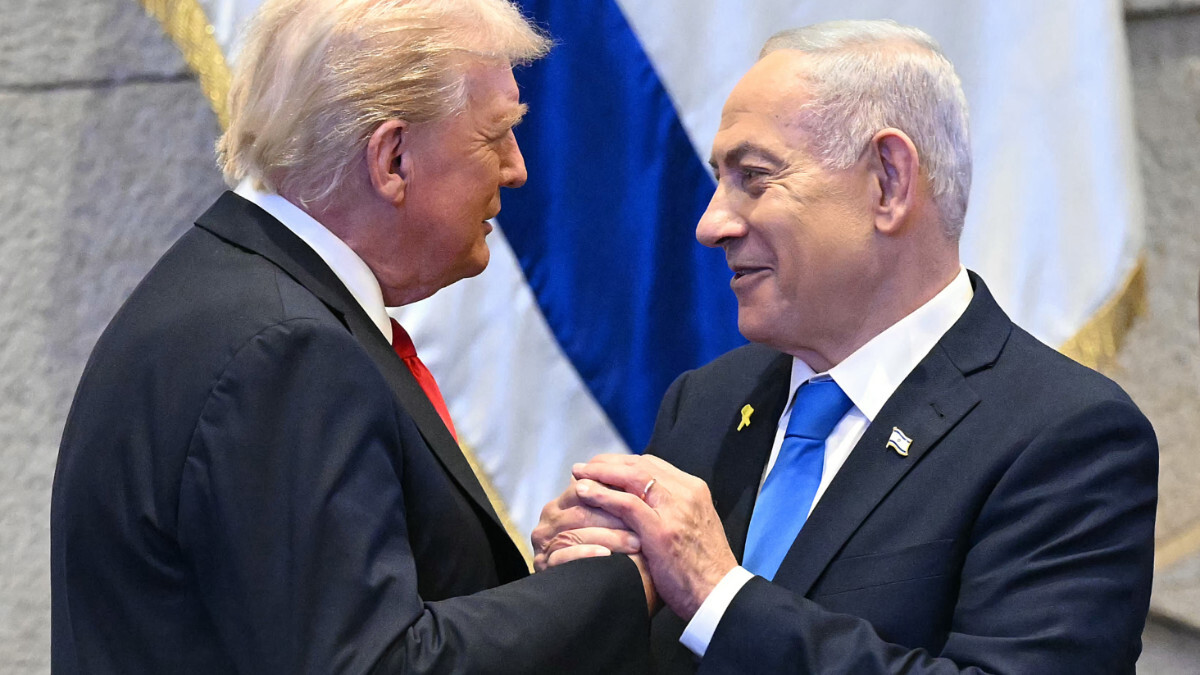
    Former President Donald Trump’s recent executive order targeting affiliates of the Muslim Brotherhood has been met with widespread indifference across the Middle East, revealing how regional dynamics have transformed since his first administration. The order, which establishes a review process rather than designating the group as a terrorist organization, drew dismissive responses from Arab officials and Western diplomats who characterized it as largely symbolic.

    The most enthusiastic support came from pro-Israel activists in the United States, including commentator Laura Loomer, who expressed disappointment that the measures didn’t go further. This contrast highlights a significant evolution in Middle East priorities since Trump’s first term, with regional powers now focused on different geopolitical concerns.

    Experts note that the Muslim Brotherhood, founded in Egypt in the 1920s as an Islamic political movement opposing British colonial rule, has never posed a direct terrorist threat to the United States. Instead, the push for designation appears driven primarily by Israeli security interests. The order specifically targets Brotherhood-affiliated groups in Egypt, Jordan, and Lebanon—countries of particular concern to Israel—while notably excluding NATO ally Turkey where the movement operates legally.

    The regional context has shifted dramatically since Trump first considered the designation in 2017. Then, the Middle East was grappling with the aftermath of the Arab Spring, and Gulf powers were deeply divided over political Islam. Saudi Arabia and the UAE viewed the Muslim Brotherhood as an existential threat to monarchical rule, leading to a blockade of Qatar that Trump endorsed. Today, these nations have largely reconciled through the 2021 Al Ula agreement, and fighting has diminished in proxy conflicts in Libya and Yemen.

    Current regional concerns center on Israel’s war in Gaza, Iran’s influence, and the ongoing conflict in Sudan, where new alliance patterns have emerged. Saudi Arabia now cooperates with Qatar and Turkey in supporting the Sudanese Armed Forces, while the UAE backs the rival Rapid Support Forces. The Emirates quickly leveraged Trump’s executive order to discredit the Sudanese military by alleging Muslim Brotherhood influence within its ranks.

    Analysts conclude that while the order may satisfy Trump’s domestic base and Israeli hardliners, it reflects outdated geopolitical realities in a region that has moved beyond the battles of the past decade.