博客

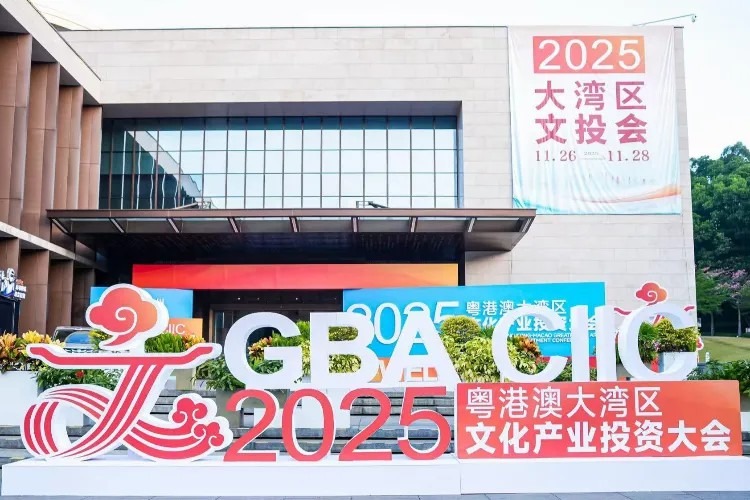
  • GBA cultural investment conference secures 6 billion yuan

    GBA cultural investment conference secures 6 billion yuan

    GUANGZHOU – The 2025 Guangdong-Hong Kong-Macao Greater Bay Area (GBA) Cultural Industry Investment Conference has concluded with a monumental achievement, securing approximately 6 billion yuan ($850 million) in intended investment commitments. This landmark event solidifies the region’s position as China’s undisputed cultural industry powerhouse.

    The conference served as a dynamic marketplace for innovative cultural projects, with a particular emphasis on cutting-edge sectors including artificial intelligence applications in cultural production, digital intelligence creativity, cultural intelligent manufacturing, and film and television ventures. This strategic focus highlights the region’s commitment to merging technological innovation with cultural development.

    Over three intensive days, the conference attracted robust participation from the investment community, drawing representatives from more than 120 investment institutions. The event also welcomed 350 cultural enterprises seeking funding and partnerships, while thematic sessions throughout the conference attracted over 1,200 participants engaged in specialized discussions and networking.

    The annual gathering has evolved beyond a conventional investment forum into a comprehensive ecosystem for connecting capital with innovation. It has established itself as the premier platform for attracting both investment institutions and high-quality cultural projects to the Greater Bay Area, facilitating meaningful connections that drive economic growth.

    According to official statistics presented at the conference, Guangdong’s cultural industrial output value has maintained its national leadership for an impressive 22 consecutive years. The province’s cultural sector reached a significant milestone in 2024, generating revenue exceeding 3 trillion yuan and accounting for approximately one-sixth of China’s total cultural industry revenue, demonstrating the region’s outsized contribution to the national cultural economy.


  • ‘Surveillance tool’: India’s Congress seeks parliament debate on govt app for phones

    ‘Surveillance tool’: India’s Congress seeks parliament debate on govt app for phones

    India’s political landscape has been stirred by a contentious government directive requiring smartphone manufacturers to preinstall a state-developed application on all devices sold within the country. The opposition Congress party has formally requested an urgent parliamentary discussion regarding what they characterize as a significant privacy infringement and potential surveillance mechanism.

    The controversial application, named Sanchar Saathi (Communication Partner), has been mandated by India’s telecommunications ministry for installation on all smartphones from major manufacturers including Apple, Samsung, and Xiaomi. According to official statements, the software is designed specifically to track stolen mobile devices, remotely disable them, and prevent their unauthorized usage.

    However, privacy advocates and political opponents of Prime Minister Narendra Modi’s administration have raised substantial concerns regarding the program’s implementation. Senior Congress leader Randeep Singh Surjewala has formally challenged the legal basis for requiring a non-removable application on personal devices, warning that such mandatory installation could potentially create backdoor access to user data, fundamentally compromising individual privacy rights.

    The telecommunications ministry maintains that the measure represents a necessary cybersecurity initiative addressing what they describe as ‘serious endangerment’ of digital security. This development occurs amidst growing tensions between technology companies and regulatory authorities, with Reuters reporting that Apple intends to contest the mandate and express its reservations directly to Indian officials.

  • Production halted at Chinese factory making ‘child-like’ sex dolls

    Production halted at Chinese factory making ‘child-like’ sex dolls

    Chinese authorities have launched a formal investigation into a manufacturing facility in Guangdong province accused of producing customizable sex dolls with childlike characteristics. The factory has been ordered to cease all operations immediately following reports that its products were being marketed through major e-commerce platforms and social media channels.

    This development comes amid growing international scrutiny of online retailers selling controversial adult products. Last month, global fast-fashion retailer Shein implemented a worldwide ban on all sex doll sales after public outcry over merchandise featuring childlike appearances. The Singapore-headquartered company, which originated in China, reinforced its keyword filtering systems to prevent sellers from circumventing listing restrictions.

    The issue has drawn attention from multiple governments worldwide. French authorities have investigated AliExpress, Alibaba’s international marketplace, regarding similar products. Despite repeated denials from the China-based company about selling such items, Reuters reported in November that AliExpress had banned a seller specializing in sex dolls.

    Sweden has joined the international effort, with Social Services Minister Camilla Waltersson Gronvall announcing potential legislative measures if e-commerce platforms fail to voluntarily eliminate these products. “I now start from the principle that electronic commerce companies assume their responsibilities and do everything possible to end the marketing of sexual dolls that resemble children,” Gronvall told AFP.

    Technological advancements have complicated the situation, with artificial intelligence enabling enhanced customization capabilities for online-ordered dolls, including conversational features. Chinese state media outlet The Paper reported that multiple factories in southern Guangdong were producing dolls with what authorities described as “childlike pornography characteristics,” prompting intensified regulatory action.

  • Greek farmers block border crossing routes in escalating dispute over delayed EU subsidies

    Greek farmers block border crossing routes in escalating dispute over delayed EU subsidies

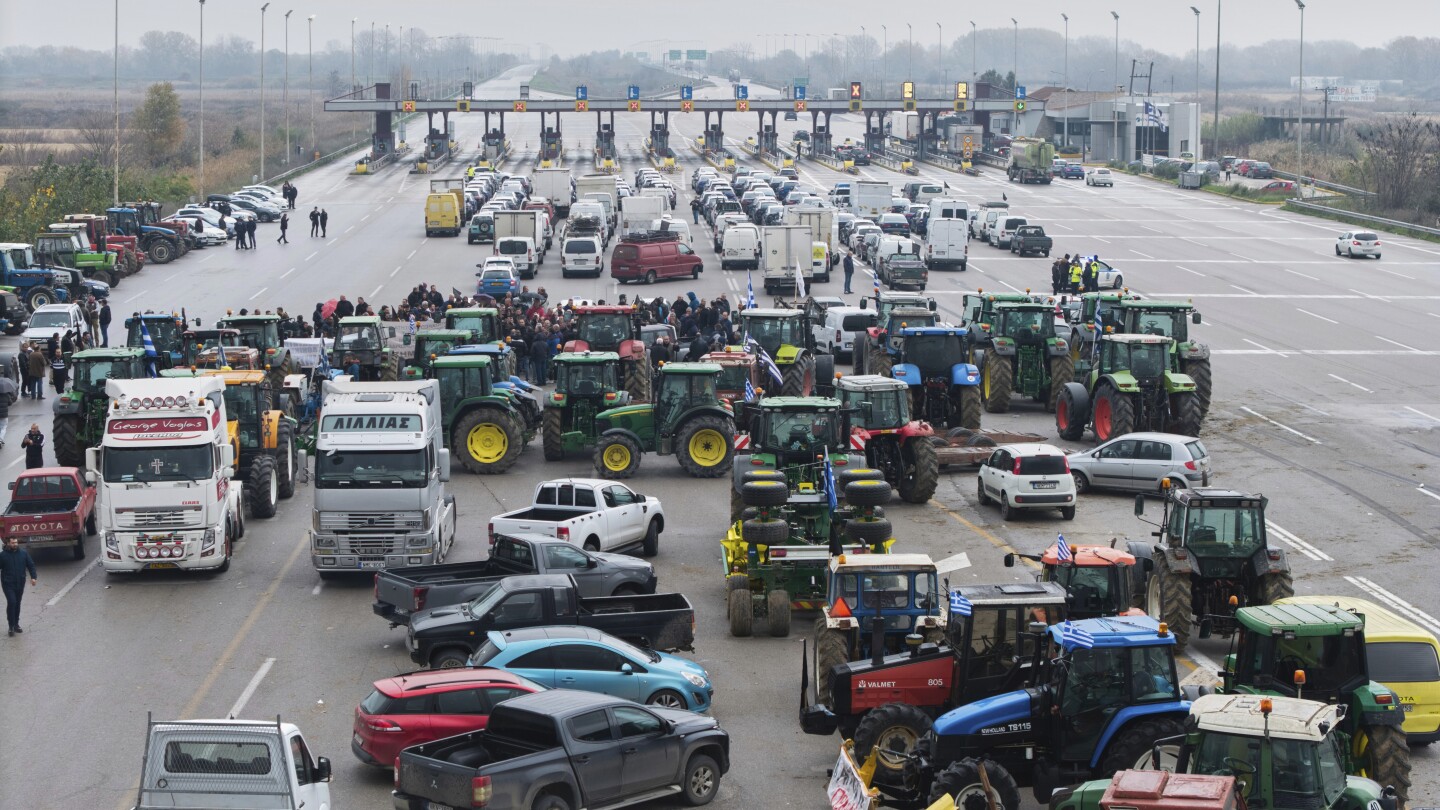
    THESSALONIKI, Greece — Agricultural producers across northern Greece intensified demonstrations Wednesday by deploying tractor convoys to blockade key border crossings, creating significant disruptions to international transit routes. The protests target prolonged delays in European Union subsidy distributions connected to an ongoing corruption investigation that has shaken the nation’s agricultural sector.

    Farmers effectively sealed access points to North Macedonia, Bulgaria, and Turkey, compelling commercial and passenger vehicles to seek extensive alternative routes. This action follows weekend demonstrations where hundreds of agricultural workers mobilized farming equipment to obstruct roadways throughout multiple regions.

    While farmer protests occur periodically in Greece, the current unrest stems specifically from suspended subsidy payments after revelations of extensive fraudulent claims within the EU funding system. The scandal previously triggered the June resignation of five high-ranking government officials and the systematic dismantling of a state agency responsible for managing agricultural subsidies.

    In recent weeks, dozens of individuals have been detained nationwide for allegedly submitting falsified claims. The investigation, directed by the European Public Prosecutor’s Office (EPPO), has uncovered what the independent EU financial crime body describes as “a systematic large-scale subsidy fraud scheme and money-laundering activities” according to their late October statement.

    Greek Minister for Public Order Michalis Chrisochoidis stated this week that while the government maintains willingness to negotiate with protest organizers, it will not permit the shutdown of critical infrastructure including ports and railway hubs.

  • Dubai: Gold prices recover losses, rise Dh5 per gram

    Dubai: Gold prices recover losses, rise Dh5 per gram

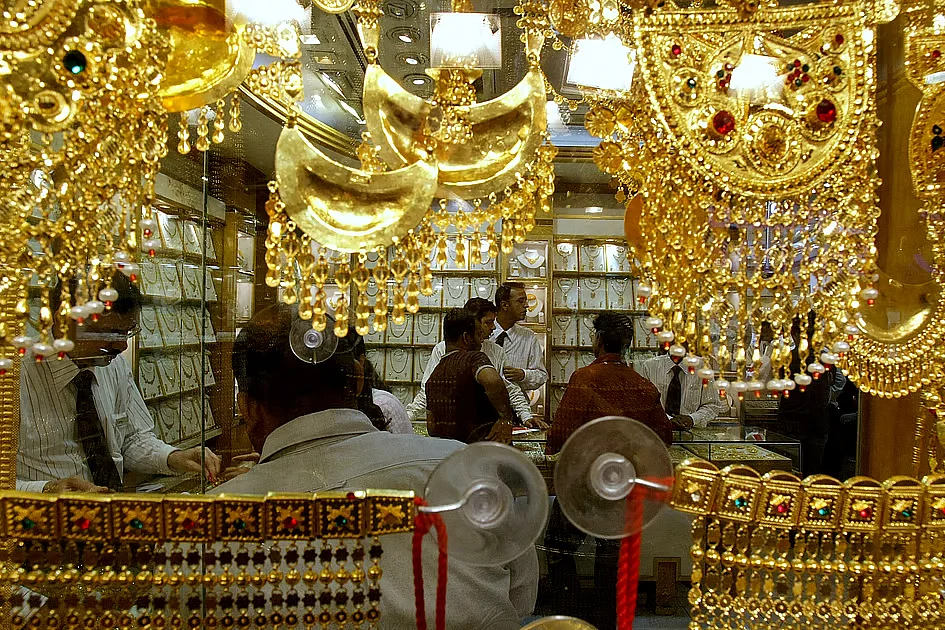
    Dubai’s gold market witnessed a significant recovery on Wednesday morning as prices surged by Dh5 per gram, effectively reversing most of the previous day’s losses. The Dubai Jewellery Group reported that 24K gold opened at Dh508.75 per gram, climbing from Tuesday’s closing rate of Dh503.75 per gram.

    This upward trend extended across all variants of the precious metal. 22K gold advanced to Dh471.25 per gram, while 21K and 18K varieties reached Dh451.75 and Dh387.25 per gram respectively. The relatively new 14K category also saw gains, trading at Dh302 per gram compared to Tuesday’s close of Dh299.

    Internationally, spot gold demonstrated parallel strength, trading at $4,221.76 per ounce at 9:10 AM UAE time—a notable 0.77 percent increase. This rebound followed Tuesday’s dip to $4,198 per ounce, which represented a 0.45 percent decline despite prices having reached a five-week peak just days earlier.

    Market analysts attribute this volatility to shifting expectations regarding US monetary policy. According to Vijay Valecha, Chief Investment Officer at Century Financial, weaker PMI data has reinforced market anticipation of a Federal Reserve rate cut, with CME FedWatch indicating an 87 percent probability of such action occurring next week.

    Valecha further explained that the weaker economic data typically supports gold prices, while increased Japanese bond yields have helped curb downward pressure on bullion as the yen strengthened against the dollar. Additionally, growing inflows into gold exchange-traded funds underscore the precious metal’s continued status as the preferred non-fiat asset among investors.

    From a technical perspective, gold maintaining above the $4,200 threshold represents strong support for the commodity, suggesting potential stability in the near term amid ongoing market fluctuations driven by global economic indicators and central bank policy expectations.

  • Dubai property prices have more than doubled per square foot in 5 years

    Dubai property prices have more than doubled per square foot in 5 years

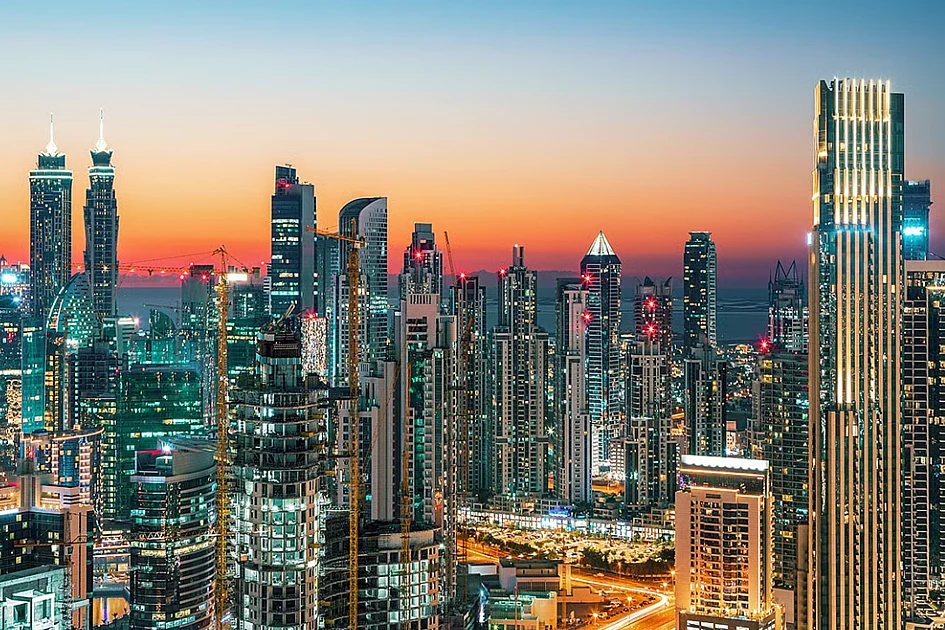
    Dubai’s property market continues to demonstrate extraordinary resilience and growth momentum, achieving remarkable milestones that redefine market expectations. According to Property Monitor’s latest analytical data, average prices per square foot have surged dramatically, more than doubling over the past five-year period to reach AED 1,683 per square foot as of October 2025.

    The market’s expansion, while maintaining its upward trajectory, has entered a phase of measured normalization. October witnessed a modest 0.13% monthly price increase, signaling a departure from the more substantial gains observed in previous months. This moderation indicates a market transitioning from rapid expansion toward sustainable growth patterns, though the long-term upward trend remains firmly established.

    Development activity has reached unprecedented levels with 532 projects launched during the first ten months of 2025, introducing approximately 131,504 residential units to the market. This volume substantially exceeds traditional annual activity benchmarks. October alone saw 65 new project launches comprising over 14,000 units with an estimated value of AED 33.5 billion. The development landscape has expanded significantly, with 228 developers actively launching projects in 2025 compared to 163 during the same period in 2024.

    Transaction volumes have similarly achieved historic proportions, reaching nearly 178,000 year-to-date transactions representing a 17.4% increase compared to the corresponding period in 2024. This figure already approaches 98% of last year’s total annual transactions. Market analysts project that if current momentum persists through December, total sales could exceed 212,000 transactions, establishing a new annual record and extending Dubai’s record-breaking performance into its third consecutive year.

    The market composition shows apartments dominating new supply, accounting for 99% of October’s launches with only 144 villas and townhouses introduced. However, the pipeline indicates forthcoming expansion in single-family home supply, with new clusters planned from major developers including Emaar’s Grand Polo Club and The Valley projects, the redesigned Heights development, Damac Islands 2, and Wasl’s expansion within Jumeirah Golf Estates.

  • UAE: Over 133 tribes to take part in Union Parade at Sheikh Zayed Festival

    UAE: Over 133 tribes to take part in Union Parade at Sheikh Zayed Festival

    Abu Dhabi prepares for a monumental display of national unity as over 133 Emirati tribes converge at the Sheikh Zayed Festival site in Al Wathba for the annual Union Parade on December 4th. This grand celebration, marking the UAE’s 54th National Day, represents the largest tribal gathering in the country and demonstrates profound national pride and loyalty to leadership.

    The Presidential Court has revealed that participation has grown significantly from previous years, with 120 tribes participating in the 51st National Day celebrations compared to this year’s 133 tribes. The expansion reflects the event’s deepening cultural significance and its successful embodiment of Emirati unity.

    This year’s parade introduces innovative segments blending traditional and contemporary elements, including heritage performances, folk displays, and youth-led showcases that bridge past and present. The meticulously organized event will feature artistic representations of the UAE’s diverse environments—marine, desert, and mountainous regions—creating a comprehensive cultural tapestry.

    Organizational coordination begins months in advance through close collaboration with tribal elders and representatives. Each tribe maintains its own coordinator, ensuring seamless integration into the parade’s structure. Security and logistical planning involve precise coordination of procession routes, timing, and safety measures to guarantee a flawless execution.

    The Union Parade serves multiple purposes: reinforcing national identity, strengthening intergenerational connections to heritage, and demonstrating social cohesion to international audiences. Accompanying educational initiatives promote heritage awareness by preserving folk practices and engaging youth in cultural preservation.

    Officials anticipate record attendance from both participants and spectators, noting that the event practically demonstrates the meaning of union beyond symbolic significance. The Presidential Court maintains complete oversight of planning and execution, ensuring the presentation aligns with the UAE’s global reputation for excellence and unity.

  • Three French teens drown after car crashes upside down in swimming pool

    Three French teens drown after car crashes upside down in swimming pool

    A horrific automotive accident in southern France has resulted in the tragic drowning deaths of three teenagers whose vehicle plunged into a private swimming pool under extraordinary circumstances. The incident occurred in the town of Alès during the early hours of Wednesday amid heavy rainfall conditions.

    According to official reports from French authorities, the vehicle carrying victims aged 14, 15, and 19 skidded off the roadway, smashed through a low garden wall, and executed a complete inversion before landing upside down in the pool. Public Prosecutor Abdelkrim Grini characterized the event as “the height of horror,” clarifying that the impact itself was not fatal. Instead, the teenagers became trapped within the submerged vehicle, positioned upside down in approximately 1.5 meters of icy water, with doors rendered inoperable due to water pressure and the car’s inverted orientation.

    The vehicle’s dimensions nearly matched those of the pool, creating a perfect trap that prevented escape. Emergency services were not alerted until several hours after the incident, requiring firefighters to drain the pool before extracting both the vehicle and victims. Unconfirmed reports indicate the youngest victim may have been operating the vehicle at the time of the accident.

    Investigators discovered canisters of nitrous oxide—a substance sometimes used recreationally for its light-headed effects—within the vehicle. However, authorities have emphasized the role of an “unbelievable series of circumstances” rather than immediately attributing causation. The victims’ bodies have been transferred to the forensic institute in Nîmes for postmortem examination as part of an ongoing investigation into the precise causes of death.

  • China’s poverty victory and America’s poverty shame

    China’s poverty victory and America’s poverty shame

    A recent adjustment by the World Bank—raising the global poverty threshold from $2.15 to $3 per day—has instantly reclassified 125 million people as living in poverty, revealing fundamental flaws in how we measure human welfare. This technical change underscores that current metrics track survival thresholds rather than meaningful quality of life.

    China’s achievement in lifting 943 million people above subsistence levels demonstrates extraordinary state capacity through coordinated resource mobilization. The country deployed rapid economic growth, rural infrastructure investment, targeted poverty alleviation campaigns, and expanded social insurance programs, with the state directly orchestrating resource reallocation to impoverished regions.

    However, this spreadsheet victory obscures grim realities. Health inequality among China’s low-income population has actually widened since 2010, with chronic disease disparities between rich and poor increasing significantly. Rural-urban health gaps persist despite income gains, and the country’s shift toward consumption-driven growth creates new vulnerabilities for rural elderly, internal migrants, and low-wage workers who require continuous, high-quality care rather than episodic minimal coverage.

    Meanwhile, America generates unprecedented wealth while systematically denying healthcare to millions through Medicaid cuts and insurance rollbacks. The nation’s poorest 10% now claim just 1.8% of national income—comparable to Bolivia—despite per capita output six times higher than China’s. From 1980 to 2023, middle-income Americans’ share relative to top earners dropped from over 50% to just 42.5%, with current policies further reducing bottom-decile household income by nearly 7%.

    Both superpowers are conducting vast experiments in population health with opposite pathologies. China achieved universal basic subsistence but burdened its poor with catastrophic healthcare costs that perpetuate intergenerational inequality. America delivers world-class care for those who can afford it while tolerating worse population-level health outcomes than many poorer nations.

    The COVID-19 pandemic temporarily demonstrated alternative possibilities—expansions of cash transfers and health coverage sharply reduced poverty—but subsequent rollbacks revealed political systems unprepared to sustain these measures.

    Taiwan offers an instructive counterpoint, exempting all medical co-payments for low-income patients and those with catastrophic illness while achieving both economic development and health protection. For developing nations observing this contrast, the lesson isn’t to choose either model but to recognize that poverty eradication without health equity merely creates different forms of suffering.

    The climate imperative adds urgency: lifting people from extreme poverty generates just 5% of global emissions, but providing middle-income living standards requires fundamentally different development pathways that neither superpower has achieved sustainably. What matters isn’t whether someone crosses a $3 threshold but whether they can access healthcare without bankruptcy, feed their family nutritious food, and escape intergenerational poverty traps.

  • US pauses immigration applications from 19 nations on travel ban list

    US pauses immigration applications from 19 nations on travel ban list

    In a significant escalation of its immigration enforcement policies, the Trump administration has implemented an immediate pause on all immigration application processing for nationals from 19 countries previously subject to travel restrictions. The directive, confirmed by U.S. Citizenship and Immigration Services (USCIS) officials, suspends green card applications and citizenship processing for affected individuals from nations including Iran, Sudan, Eritrea, Haiti, Somalia, and Venezuela.

    The policy shift follows last week’s shooting incident in Washington that resulted in injuries to two National Guard members. Authorities have identified the primary suspect as Rahmanullah Lakanwal, a 29-year-old Afghan national who obtained asylum status in April. The administration characterizes these measures as necessary for national security enhancement and quality control over the naturalization process.

    Matthew Tragesser, official spokesperson for USCIS, stated: ‘The administration is implementing rigorous vetting protocols to ensure those granted citizenship represent the most qualified candidates. We must remember that citizenship constitutes a privilege granted through careful consideration, not an automatic entitlement.’

    Immigration attorneys nationwide report widespread disruptions, including sudden cancellations of naturalization ceremonies and interview appointments without prior notification. Ana Maria Schwartz, a Texas-based immigration lawyer, described chaotic scenes at USCIS field offices where applicants were turned away without explanation after months or years of waiting for their scheduled interviews.

    The processing halt exacerbates existing systemic backlogs within the immigration bureaucracy. Legal professionals warn this administrative freeze will create cascading delays throughout the immigration system, comparing the situation to an increasingly gridlocked traffic jam with no clear resolution timeline. The affected nations represent some of the world’s most economically challenged and politically unstable regions, effectively blocking one of America’s primary legal immigration pathways for these populations.