博客

  • UAE: A nation forged by vision, unity and transformation

    UAE: A nation forged by vision, unity and transformation

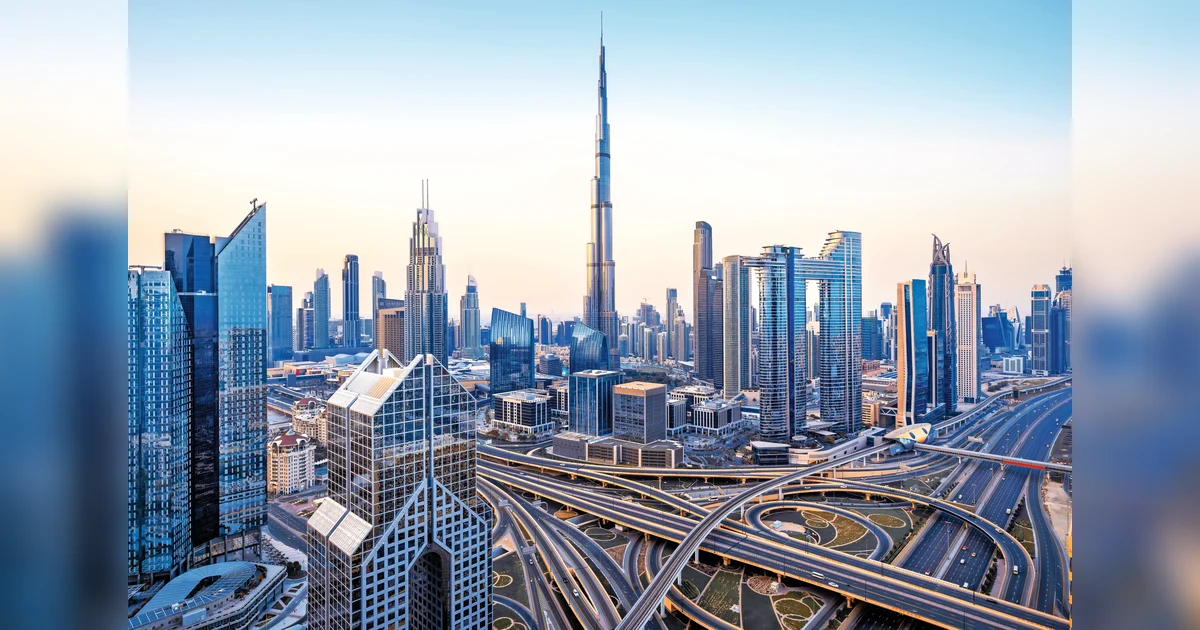
    Fifty-four years following its establishment, the United Arab Emirates continues to craft one of modernity’s most extraordinary national development narratives. This federation, initially composed of youthful emirates with constrained resources in 1971, has undergone a profound metamorphosis into a globally influential hub for innovation, cultural dynamism, and sustainable progress.

    The nation’s economic evolution represents a cornerstone of its success. Early leadership strategically directed initial oil revenues toward constructing essential infrastructure—encompassing transportation networks, educational institutions, healthcare facilities, and housing developments—thereby establishing a foundation for enduring prosperity. Historical economic data reveals staggering growth: since gaining independence, the UAE’s economy expanded approximately 231-fold to reach Dh1.45 trillion by 2013. Current estimates for 2025 indicate a GDP approaching $569 billion, with per capita figures exceeding $51,290 nominally and $82,000 in purchasing power parity terms, positioning the nation among global wealth leaders.

    A pivotal achievement in this transformation has been economic diversification. Whereas petroleum previously constituted over 85% of national output, the non-oil sector now contributes more than 77% of real GDP according to Federal Competitiveness and Statistics Centre data. This strategic shift manifests powerfully in foreign trade, with non-oil commerce reaching Dh835 billion solely in 2025’s first quarter. Robust activity spans tourism, logistics, financial services, advanced manufacturing, and renewable energy sectors.

    The UAE’s ambitions extend beyond terrestrial boundaries into space exploration. The successful arrival of the Hope Probe at Mars in 2021 marked a historic milestone, making the Emirates the first Arab nation and fifth entity globally to reach the Red Planet. The space program continues advancing ambitiously with 2025’s launch of six satellites, including the inaugural radar satellite UnionSat. Through a landmark collaboration with Thales Alenia Space, the Mohammed bin Rashid Space Center has secured permanent participation in NASA’s Gateway lunar station, facilitating Emirati astronaut involvement in future lunar missions. The scheduled 2026 Rashid Rover 2 expedition to the Moon’s far side and the Emirates Mission to the Asteroid Belt further demonstrate the nation’s commitment to establishing world-class expertise in space technology.

    Concurrently, the UAE has cultivated an exceptional environment for entrepreneurship. The Global Entrepreneurship Monitor 2024-25 report ranks the nation first worldwide for the fourth consecutive year, leading high-income countries in 11 of 13 key indicators including entrepreneurial financing accessibility and supportive government policies. Complementary analysis by TASC Corporate Services awarded near-perfect scores (930/1000) for business friendliness, highlighting Golden Visas, competitive taxation, and innovation-tailored ecosystems. Approximately 70% of adults perceive strong entrepreneurial opportunities, with 78% of new entrepreneurs prioritizing social and environmental impact—evidence of a maturing, purpose-driven enterprise culture.

    Central Bank projections indicate 4.4% real GDP growth for 2025, with some international agencies forecasting up to 6.2%. This optimism stems from diversified economic structures, political stability, and strategic investments in future-growth sectors including green energy, artificial intelligence, and advanced manufacturing.

    Infrastructure development remains another hallmark achievement. From rudimentary desert tracks, the UAE has engineered some of the planet’s most sophisticated urban centers, transportation networks, and logistical hubs. Jebel Ali Port ranks among the world’s largest and most efficient seaports, while aviation leaders Emirates, Etihad, and Air Arabia have transformed the nation into a global crossroads. Digital infrastructure and smart city initiatives further establish the UAE as a twenty-first-century urbanization model.

    Demographic expansion mirrors national development, growing from several hundred thousand residents in 1971 to approximately 10 million by 2025. This population comprises over 200 nationalities fostering a vibrant multicultural society that embodies leadership principles valuing unity through diversity.

    This transformative journey honors the legacy of founding visionaries, particularly the late Sheikh Zayed bin Sultan Al Nahyan, whose conviction that “a country’s real wealth lies in its people” continues guiding national policy. As the Arab world’s second-largest economy advances from hydrocarbon dependence to hydrogen innovation, from regional trade hub to global technological leader, and from Earth to extraterrestrial exploration, its narrative of limitless possibility continues unfolding with confident ambition.

  • IndiGo cancels 175 flights on Day 3; here’s what triggered pilot shortage crisis

    IndiGo cancels 175 flights on Day 3; here’s what triggered pilot shortage crisis

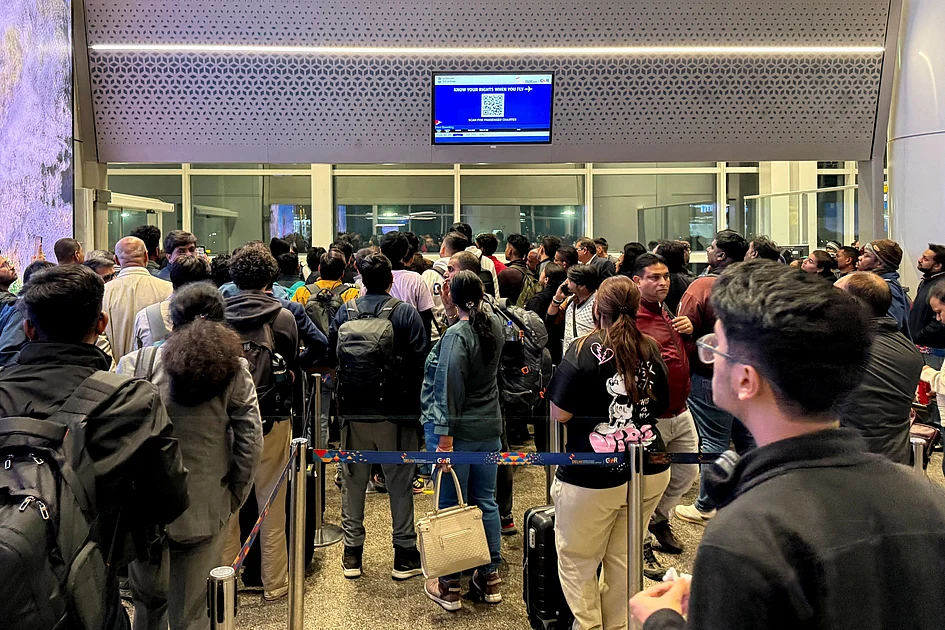
    India’s aviation sector faces mounting turbulence as IndiGo, the nation’s dominant carrier with over 60% market share, canceled 175 flights on Thursday—marking the third consecutive day of severe operational disruptions. The crisis has stranded thousands of passengers across major hubs, with Mumbai recording 85 cancellations, Delhi approximately 95, Bengaluru 73, and Hyderabad 68, according to airport authorities and ANI reports.

    The root cause traces back to stringent Flight Duty Time Limitations (FDTL) implemented by India’s Directorate General of Civil Aviation (DGCA) in January 2024. These revamped regulations mandate 48-hour weekly rest periods for pilots, reduce permitted night landings from six to two, and require airlines to submit quarterly fatigue reports. While designed to combat pilot fatigue, the rules have exposed critical staffing deficiencies at IndiGo.

    Data reveals the scale of the challenge: of IndiGo’s 1,232 canceled flights in November, 755 were attributed to crew and FDTL constraints. Additional cancellations stemmed from Air Traffic Control failures (92), airport/airspace restrictions (258), and other factors (127).

    The Federation of Indian Pilots contends IndiGo failed to adjust rosters adequately ahead of the November 1 implementation deadline. Meanwhile, the Airline Pilots’ Association of India (ALPA) has questioned whether the cancellations represent “a failure in planning or a calculated strategy,” suggesting airlines might be pressuring regulators to dilute safety norms for commercial gain.

    This operational meltdown strikes at the core of IndiGo’s brand identity, built on punctuality and its famed “IndiGo Standard Time” reputation. The airline acknowledged making “calibrated adjustments” to schedules over the coming days while the DGCA investigates the situation and collaborates on solutions.

  • US-based Tanzanian activist blames government for Instagram ban

    US-based Tanzanian activist blames government for Instagram ban

    In a significant development highlighting digital activism and political repression, prominent Tanzanian critic Mange Kimambi has alleged government involvement in the removal of her Instagram accounts, which boasted nearly three million followers. The US-based former fashion model has been utilizing these platforms to organize opposition against President Samia Suluhu Hassan’s administration.

    Meta, Instagram’s parent company, stated the accounts were eliminated due to recidivism policy violations, specifically prohibiting the creation of new accounts resembling previously removed ones. However, Kimambi maintains this action represents governmental retaliation for her activism.

    Tanzanian authorities have dismissed these allegations, with government spokesman Gerson Msigwa demanding proof. This controversy emerges amidst ongoing political turmoil following the October 29 elections, which President Hassan won with approximately 98% of votes after key opponents were disqualified or detained.

    The situation has attracted international attention, with the US State Department announcing a comprehensive review of bilateral relations with Tanzania. Thursday’s statement cited concerning democratic backsliding, human rights violations, repression of religious freedom and speech, and failure to prevent electoral violence.

    Kimambi faces legal challenges in Tanzania, including charges of economic sabotage and money laundering involving $56,000. She contends these allegations are politically motivated attempts to silence her criticism. Despite her accounts’ removal, Kimambi continues advocating for peaceful protests through her remaining X platform, addressing an open letter to US President Donald Trump requesting Meta reinstate her pages.

    This case highlights growing tensions between digital activism and state control, with Tanzania’s political landscape becoming increasingly scrutinized by international observers concerned about democratic principles and human rights protections.

  • Theodor Pištěk, Czech Oscar-winning costume designer, dies at 93

    Theodor Pištěk, Czech Oscar-winning costume designer, dies at 93

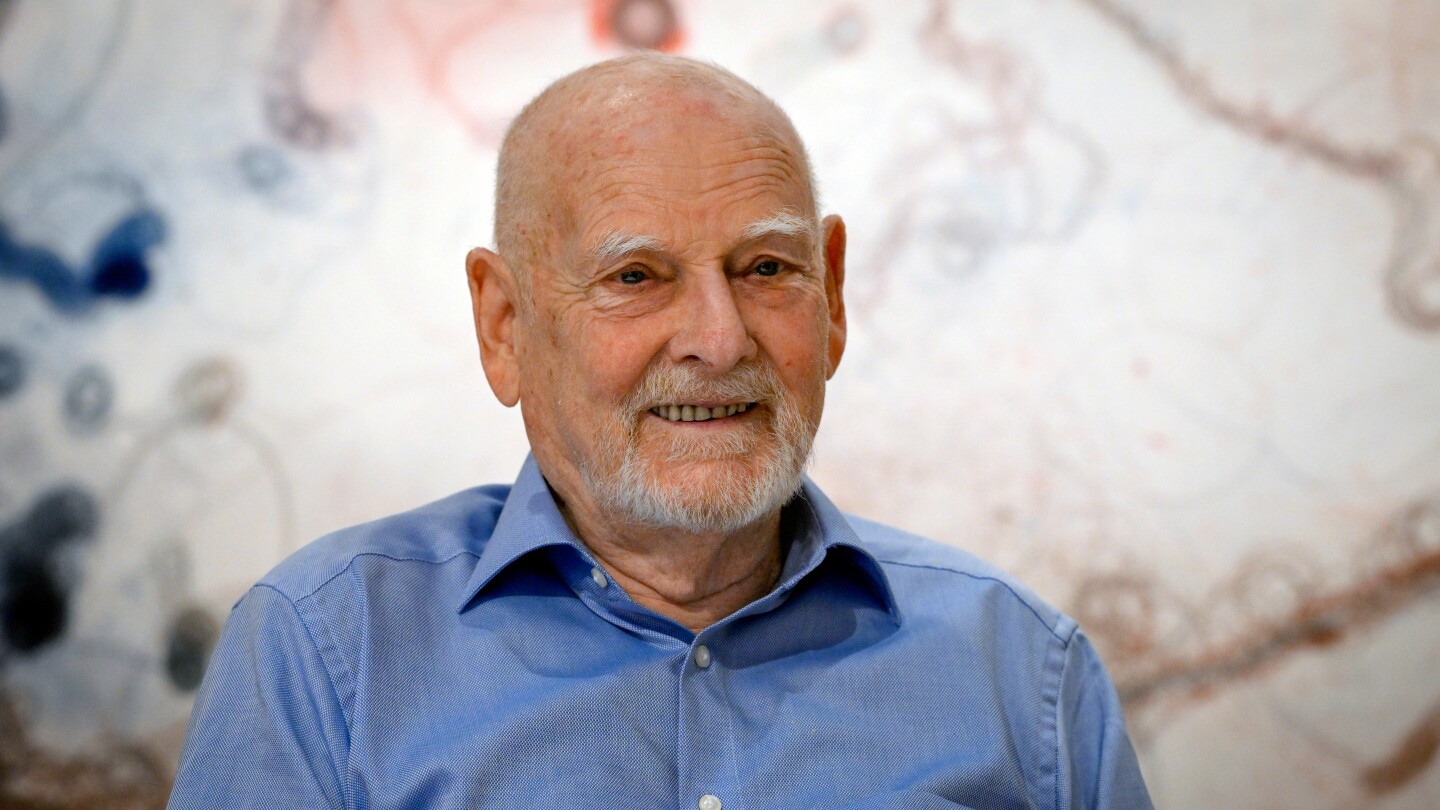
    Theodor Pištěk, the renowned Czech artist whose costume designs for Milos Forman’s ‘Amadeus’ earned him an Academy Award, has passed away at age 93. The town of Mukařov, his place of residence just east of Prague, announced his death on Thursday, which was subsequently confirmed by his family to the CTK news agency. He died on Wednesday, though specific details regarding the cause were not disclosed.

    Pištěk’s extraordinary career spanned decades, beginning with collaborations on director František Vláčil’s films in the late 1950s, including the critically acclaimed ‘Marketa Lazarová’ and ‘The Valley of the Bees.’ His most celebrated partnership, however, was with the late director Milos Forman. The two met during their compulsory military service in communist Czechoslovakia and maintained a profound professional bond despite the geopolitical upheavals of their time. While Forman emigrated to the United States after the 1968 Soviet invasion, Pištěk remained in their homeland, yet they continued their cinematic collaboration across continents.

    The pinnacle of Pištěk’s career came in 1985 when he won the Oscar for Best Costume Design for ‘Amadeus,’ a film shot in Czechoslovakia that went on to win multiple Academy Awards. Upon accepting the honor, he declared it ‘the biggest and happiest day of my film career.’ His talent was further recognized with an Academy Award nomination for Forman’s 1989 film ‘Valmont,’ for which he also received the French Cesar award. Their creative partnership extended to the 1996 film ‘The People vs. Larry Flynt.’

    Born into an artistic family in Prague on October 25, 1932, with both parents being actors, Pištěk graduated from the Academy of Fine Arts in Prague in 1958. Beyond his film work, he had a notable passion for motor racing, competing as a driver until the mid-1970s. This fascination with automobiles later became a central theme in his paintings, which were exhibited internationally, including in the United States.

    Following the 1989 Velvet Revolution that dismantled Czechoslovakia’s communist regime, Pištěk contributed to the nation’s new identity by designing the official uniforms for the guards at Prague Castle, the presidential seat. In recognition of his immense cultural contributions, the late President Václav Havel awarded him a state decoration in 2000.

  • Russia restricts FaceTime, its latest step in controlling online communications

    Russia restricts FaceTime, its latest step in controlling online communications

    In a significant escalation of Russia’s digital sovereignty campaign, authorities have imposed sweeping restrictions on Apple’s FaceTime video calling service and completely blocked Snapchat’s messaging platform. The move, announced Thursday by state internet regulator Roskomnadzor, represents the latest phase in Moscow’s systematic effort to control online communications.

    Roskomnadzor justified these measures by alleging both platforms have been ‘utilized to orchestrate terrorist operations within national territory, recruit perpetrators, execute fraudulent schemes, and commit various crimes targeting Russian citizens.’ Apple maintained its silence regarding the restrictions, not responding to requests for commentary.

    This development continues a pattern of digital repression that has intensified dramatically since Russia’s full-scale invasion of Ukraine in 2022. The Kremlin has methodically eliminated major Western social media platforms including Twitter, Facebook, and Instagram while simultaneously developing domestic alternatives that prioritize state surveillance capabilities.

    The technological crackdown extends beyond social media to essential communication tools. Throughout 2024, Russian authorities have progressively restricted encrypted messaging platforms including Signal, Viber, WhatsApp, and Telegram—previously among the most widely used communication applications in the country.

    Parallel to these restrictions, the government has aggressively promoted MAX, a state-endorsed ‘national’ messenger application that critics characterize as a sophisticated surveillance mechanism. Unlike international platforms employing end-to-end encryption, MAX openly declares its compliance with government data requests and facilitates integration with state services and payment systems.

    Earlier this week, the censorship apparatus expanded to include Roblox, a popular gaming platform with approximately 8 million monthly Russian users. Officials justified this blockade as necessary to protect minors from predatory behavior and inappropriate content.

    Legal expert Stanislav Seleznev of digital rights organization Net Freedom explained that Russian legislation categorizes any platform enabling user messaging as ‘organizers of information dissemination.’ This classification mandates compliance with Roskomnadzor registration requirements and grants the FSB security service unrestricted access to user communications. Platforms refusing cooperation face inevitable blocking, Seleznev confirmed.

    The digital landscape in Russia has transformed into a tightly controlled ecosystem where VPN services struggle against sophisticated blocking mechanisms, regional internet shutdowns occur routinely, and government-approved ‘white lists’ determine accessible online content. While officials claim these measures counter security threats, digital rights advocates recognize them as components of an comprehensive internet control strategy.

  • Global South Journalism steps into the spotlight as Viory launches Global South Video News Awards

    Global South Journalism steps into the spotlight as Viory launches Global South Video News Awards

    In a landmark move for international journalism, Abu Dhabi-based Viory has inaugurated the Global South Video News Awards, creating the first dedicated platform to honor visual storytellers reshaping global perceptions of the Global South. The announcement, made in Abu Dhabi, establishes a prestigious recognition program for video journalists whose work has historically been overlooked by mainstream media institutions.

    The awards initiative emerges as Global South journalists increasingly drive global narratives with authentic, ground-level reporting that challenges outdated media frameworks. Rather than merely emerging, the region’s journalism has firmly established itself as a creative and narrative force, capturing world events with unprecedented immediacy and contextual depth.

    Scheduled to coincide with the BRIDGE Summit on December 9, the awards will recognize footage published between December 2024 and December 2025 across four distinct categories. Each winner will receive Dh12,000 in recognition of their contribution to visual journalism. The categories include: Vital Footage Award (for indispensable storytelling), Best Camerawork (technical and artistic excellence), Exclusive Lens (unique access to key moments), and Most Creative Shot (innovative production techniques).

    According to Viory General Manager Zulayho Siddikova, the awards address growing demand for unfiltered reporting: ‘The Global South Video News Awards celebrate journalism that matters – work that doesn’t just tell stories but makes audiences live them.’

    The program reflects broader shifts in news consumption patterns, with audiences increasingly prioritizing credibility, human context, and real-time verification – qualities consistently delivered by Global South video journalists. In an era of misinformation concerns, verified on-the-ground footage has become essential to global understanding.

    A regional jury of editors and media leaders will select twelve nominees, all invited to Abu Dhabi for the ceremony. The initiative enjoys support from prominent organizations including the Emirates News Agency, TRENDS Research & Advisory, University of Sharjah, African Union of Broadcasting, and multiple international broadcasting unions.

    Viory, headquartered in Abu Dhabi, has established itself as a premier video news hub for the Global South, maintaining a network of thousands of journalists and hosting over 180,000 clips with 400+ hours of monthly live streams across six languages. The platform delivers comprehensive coverage of breaking news, politics, business, sports, technology, and cultural developments across the Global South.

  • Cracking down on cross-border crooks

    Cracking down on cross-border crooks

    In a landmark demonstration of international judicial cooperation, Chinese authorities alongside their Thai and American counterparts have successfully intercepted a massive transnational drug trafficking operation, seizing approximately 5 metric tons of illicit substances. This operation marks a significant achievement within China’s ongoing efforts to strengthen its foreign-related legal framework over the past five years.

    The successful drug interception exemplifies the tangible outcomes of China’s enhanced international legal partnerships. Beijing has systematically expanded its global judicial network through the signing of more than 90 mutual legal assistance treaties with nations worldwide. These agreements have established formal channels for cross-border law enforcement collaboration, evidence sharing, and joint investigative operations.

    China’s judicial system has demonstrated remarkable capacity in handling international cases, processing approximately 16,000 cross-border legal matters during this five-year period. The robust foreign-related legal infrastructure has enabled Chinese authorities to effectively pursue criminal elements across national boundaries, proving that geographical distance no longer provides sanctuary for transnational criminal organizations.

    This development reflects China’s broader strategy of integrating its legal system with international standards while maintaining judicial sovereignty. The sophisticated network of judicial cooperation treaties facilitates smoother information exchange and coordinated action against increasingly complex global criminal networks that exploit jurisdictional boundaries.

    The successful multinational operation signals a new era of pragmatic law enforcement collaboration that transcends traditional diplomatic boundaries, creating a more formidable barrier against international criminal activities while promoting global justice and security.

  • Sharjah’s Independence Square opens with stunning new look, transforming area

    Sharjah’s Independence Square opens with stunning new look, transforming area

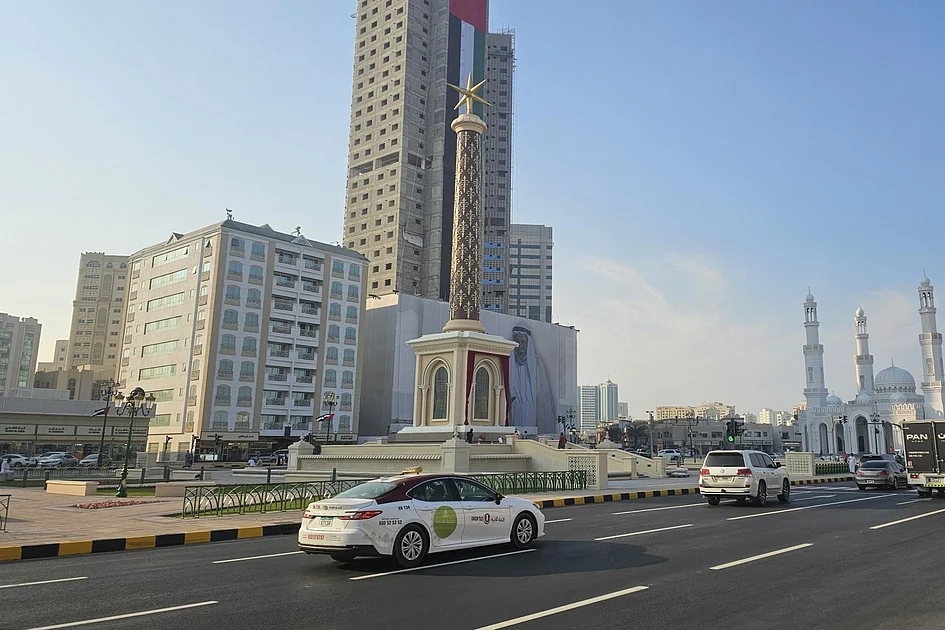
    Sharjah has unveiled a comprehensively redeveloped Independence Square, marking a significant urban renewal achievement in the heart of the emirate. The landmark transformation, officially inaugurated by Sheikh Dr Sultan bin Muhammad Al Qasimi, Supreme Council Member and Ruler of Sharjah, has fundamentally altered the area’s aesthetic character and functionality.

    The revitalized square centers around a striking 34-meter monument topped with a seven-pointed star, but the changes extend throughout the surrounding neighborhood. Extensive renovation works have produced uniformly painted building facades in cohesive beige tones, substantially upgraded pedestrian pavements, freshly marked roadways, and standardized commercial signage throughout the district.

    Local residents and business proprietors have welcomed the urban enhancement initiative, noting the remarkable pace of transformation particularly in the weeks preceding UAE National Day celebrations. Shop owners reported rapid installation of new standardized signboards featuring coordinated beige-and-black designs that replaced previous heterogeneous signage.

    Mohammed Faizal, a sweet shop operator, noted the swift implementation: ‘The signage transition occurred within days. The old boards disappeared and new, matching designs appeared almost immediately, creating a smart and attractive streetscape.’

    While renovation works caused temporary disruptions including construction noise and dust over several months, merchants unanimously agree the final result justifies the inconvenience. Electronic shop owner Rajesh Kumar expressed community sentiment: ‘Witnessing the gradual transformation through repainting, repairs, and installations has culminated in a result that fills us with pride. The area has acquired an entirely fresh identity.’

    The redevelopment represents Sharjah’s ongoing commitment to urban beautification and functional improvement of public spaces, enhancing both quality of life for residents and commercial appeal for local businesses.

  • ‘Every drop matters’: Nobel laureate Omar Yaghi to turn UAE desert air into water by 2026

    ‘Every drop matters’: Nobel laureate Omar Yaghi to turn UAE desert air into water by 2026

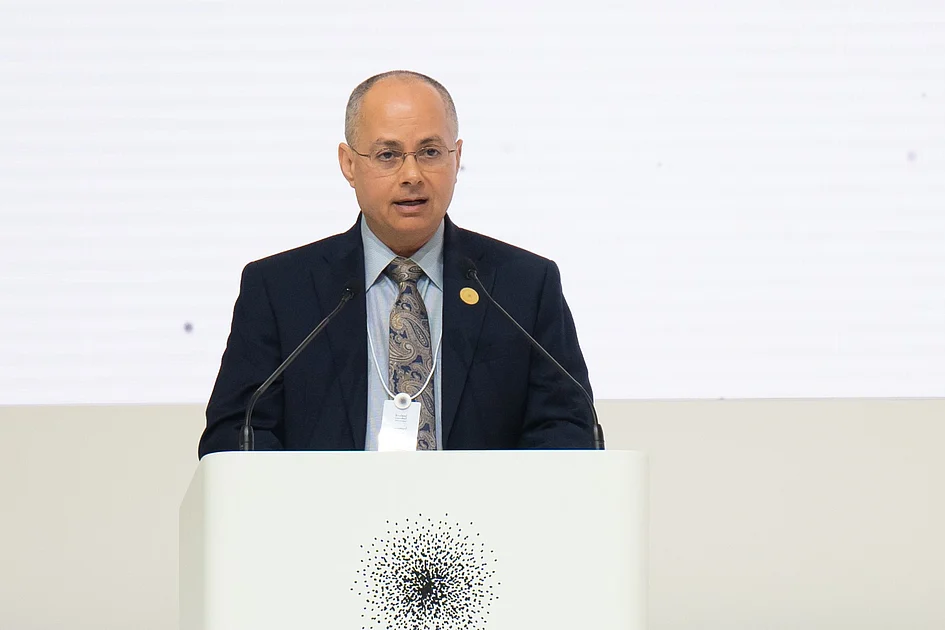
    Nobel Prize-winning chemist Omar Yaghi is spearheading revolutionary technology capable of extracting clean drinking water directly from atmospheric air, even in Earth’s most arid regions including the Gulf desert. The Jordanian-born scientist, whose childhood experiences in a refugee camp shaped his understanding of water scarcity, has developed reticular materials that function like molecular sponges to capture atmospheric moisture.

    Yaghi’s California-based startup Atoco has announced plans to deploy commercial-scale atmospheric water harvesting units in the second half of 2026, with production capacities reaching thousands of liters daily. The technology utilizes porous crystalline materials featuring internal surface areas equivalent to a football field per gram—engineered to selectively attract and retain water molecules from ambient air.

    The breakthrough system operates through minimal temperature variations, releasing captured water with exceptional efficiency even in low-humidity environments. This innovation holds particular significance for the Gulf region, where water stress significantly impacts both communities and industries.

    Atoco is currently engaged in advanced discussions with regional companies, anticipating early adoption across GCC nations. The technology promises to support desert agriculture, remote community water needs, and irrigation systems without depleting natural water reserves. Additionally, the system integrates seamlessly with green hydrogen production—requiring approximately nine liters of ultra-pure water per kilogram of hydrogen—by utilizing waste heat from electrolyzers.

    The atmospheric harvesting technology also offers sustainable cooling solutions for data centers, using server heat to generate pure make-up water. While not intended to replace desalination, the system provides crucial diversification of water sources and enhanced supply resilience, potentially operating without electrical input in specific configurations.

    Yaghi, recipient of the 2025 Nobel Prize in Chemistry for “discoveries that have conferred the greatest benefit to humankind,” emphasizes that the recognition has intensified his commitment to translating scientific breakthroughs into societal benefits. Reflecting on his journey from discovering molecular diagrams in a library to Nobel recognition, he advocates maintaining curiosity through uncertainty as the pathway to transformative innovation.

  • Faraday Future hosts FX Super One Delivery Ceremony for soccer legend Andrés Iniesta in Dubai

    Faraday Future hosts FX Super One Delivery Ceremony for soccer legend Andrés Iniesta in Dubai

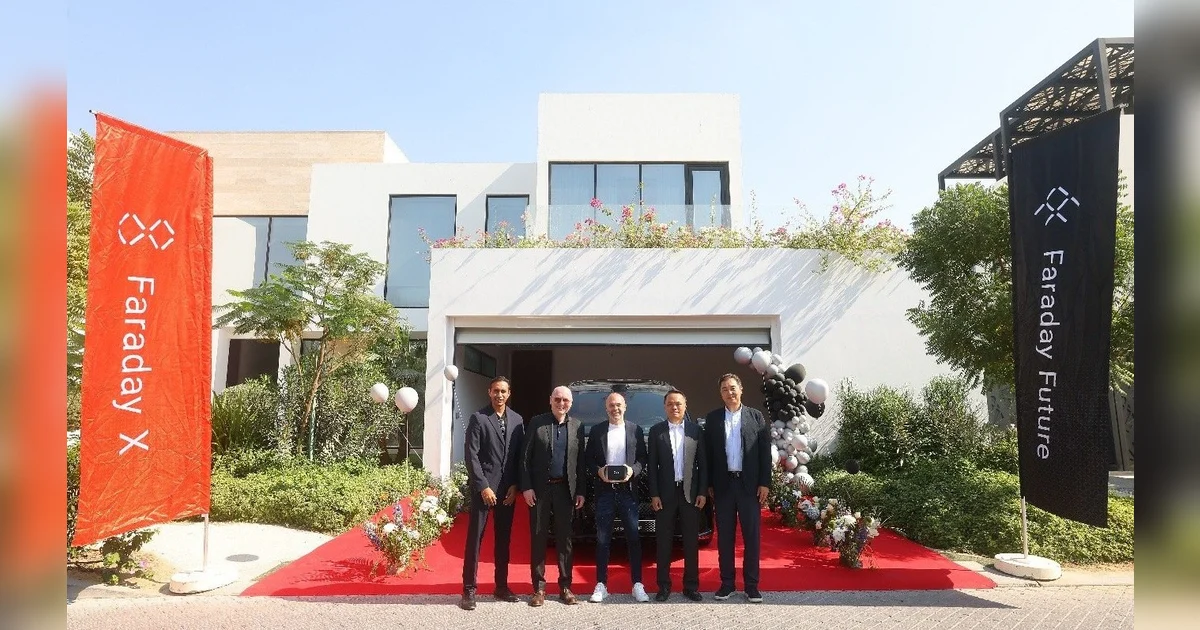
    DUBAI, UAE – Faraday Future Intelligent Electric Inc. (NASDAQ: FFAI) has achieved a significant milestone in its global expansion strategy with the ceremonial delivery of its inaugural FX Super One vehicle to international football icon Andrés Iniesta. The event, held in Dubai, represents the concrete implementation of the company’s Global Automotive Bridge Strategy throughout the Middle Eastern region.

    The delivery ceremony featured prominent executives including FF Global co-CEO Matthias Aydt, Middle East regional head Tin Mok, and government affairs lead Morris Gao. Iniesta, who assumes the dual role of first global owner and developer co-creation officer for the FX Super One, expressed his enthusiasm for joining the electric vehicle revolution.

    “This honor extends beyond acquiring a premium EAI-MPV,” Iniesta remarked. “It represents an early entry into the transformative era of AI-powered mobility. I anticipate the FX Super One establishing new benchmarks in the Middle East’s multi-purpose vehicle segment while advancing eco-friendly transportation solutions.”

    Company executives emphasized the strategic importance of this delivery event. Tin Mok noted that the occasion “signifies the commencement of FX Super One distributions within the UAE market and establishes critical groundwork for forthcoming sales initiatives.” Simultaneously, Faraday Future continues preparatory work for its first US pre-production vehicle scheduled for completion before year-end.

    The FX Super One, officially unveiled in Dubai on October 28th, offers two distinct powertrain configurations: the initial AIHER (Artificial Intelligence Hydrogen Energy Response) model followed by a battery-electric AIEV variant. Each configuration provides four trim levels—GOAT, Max, Pro, and Standard—catering to diverse consumer preferences. The Middle East’s introductory model, the FX Super One AIHER Max, carries an price point of AED 309,000 (approximately $84,000). Market response has been notably positive, with three non-binding preorders covering over 200 units received within 48 hours of the product launch.

    Matthias Aydt, FF Global co-CEO, characterized the Middle East delivery milestone as “pivotal within FF and FX’s worldwide strategic framework.” He elaborated that this achievement “denotes our formal transition in the UAE from operational development to revenue generation, demonstrates initial synchronization with our Global Automotive Bridge Strategy, and inaugurates a new chapter in our Middle East Three-Pole approach.”

    Established in 2014, Faraday Future has pursued a mission to revolutionize automotive conventions through user-focused, technology-driven intelligent mobility solutions. While the company’s flagship FF91 model exemplifies premium innovation and performance, the FX strategy focuses on delivering mass-production vehicles equipped with advanced luxury technology at accessible price points for broader market penetration.