博客

  • The Skripal poisonings – have British spies learned the lessons?

    The Skripal poisonings – have British spies learned the lessons?

    A startling emergency call received by MI6 headquarters on March 4, 2018, triggered one of Britain’s most significant intelligence crises in recent history. The notification that former Russian double agent Sergei Skripal had been poisoned on UK soil sent shockwaves through British intelligence agencies, raising profound questions about security protocols for defectors that continue to resonate today.

    Skripal’s complex history reveals why his case presented particular challenges. Recruited by MI6 during the 1990s, he was eventually captured by Russian authorities before being exchanged in a 2010 spy swap. Upon his arrival in Britain, intelligence assessments deemed his ongoing risk level relatively low—a judgment senior officials later acknowledged as gravely mistaken. As a ‘settled defector,’ Skripal maintained autonomy over his security arrangements, explicitly rejecting offers of a new identity and life reconstruction that might have prevented the attack.

    The recently published report indicates that while no specific intelligence predicted the nerve agent assault, authorities failed to conduct updated, regular risk evaluations despite escalating tensions with Russia. The 2014 Ukraine crisis significantly darkened UK-Russia relations, and Skripal’s continued consultations with European intelligence services potentially elevated his visibility as a target. Russian President Vladimir Putin, himself a former intelligence officer with frequently expressed animosity toward traitors, was unlikely to forget such betrayals—nor was the GRU, Russia’s military intelligence agency where Skripal had previously served.

    The deployment of Novichok nerve agent represented more than mere assassination attempt; it constituted a deliberate demonstration of state power. Intelligence experts widely interpret the attack as a calculated message to potential defectors: betrayal of Russian secrets to Western agencies would result in relentless pursuit, regardless of time elapsed or collateral damage to family members.

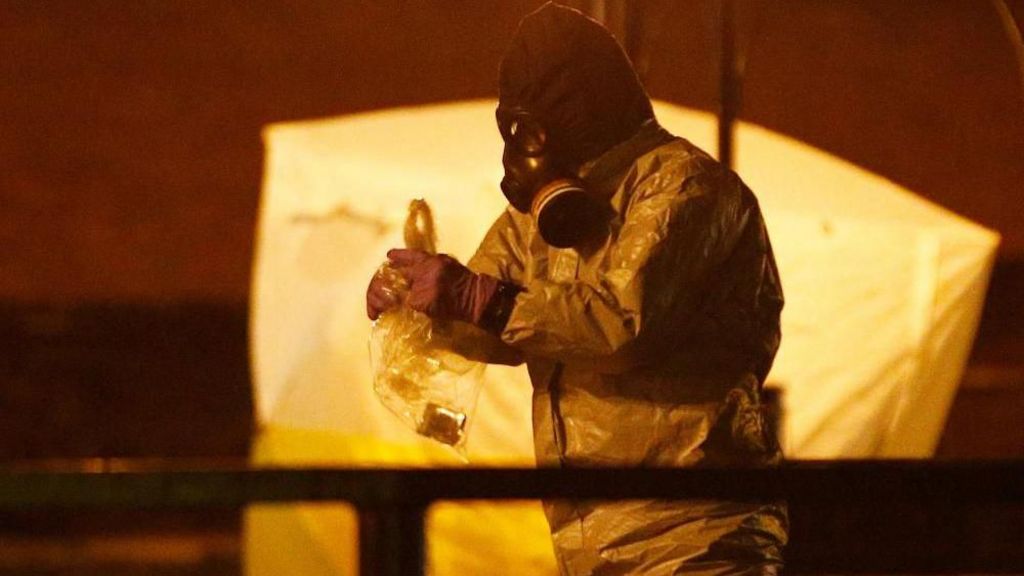
    British intelligence responded rapidly to the incident, immediately enhancing protective measures for at-risk defectors nationwide. Investigation confirmed that a GRU unit executed the poisoning through a short-term mission team that entered Britain, deployed the toxin via a modified perfume bottle (which subsequently caused the death of Dawn Sturgess), and exfiltrated successfully. While many operatives were identified within months—with Bellingcat and other investigative outlets exposing numerous GRU operations and false identities—the fundamental question remains: could such an operation recur?

    Post-Salisbury security improvements, compounded by responses to Russia’s 2022 Ukraine invasion, have substantially pressured Russian intelligence operations across Europe. Mass diplomatic expulsions and enhanced information-sharing have complicated traditional spycraft. In adaptation, Russian agencies increasingly employ proxy operatives—as evidenced by the recent conviction of Bulgaria-based individuals hired from Moscow to conduct surveillance and discuss kidnappings of Russian exiles in Britain.

    This new model utilizes disposable, deniable agents who may fail frequently but require different detection methodologies than traditional espionage. Counter Terrorism Police report a fivefold increase in hostile state threat mitigation since Salisbury, noting Russia’s expanded use of low-level criminals for arson and other attacks.

    Contemporary Russian intelligence operations now engage in persistent low-level conflict with Britain and European nations, emphasizing surveillance and sabotage despite reduced capability for high-profile nerve agent attacks. While improved awareness and defenses have diminished certain risks, the evolving proxy-based threat paradigm presents novel challenges that demand continuous intelligence adaptation.
  • Dubai: Mountaineer, 64, scales Mount Gori Chen in Himalayas

    Dubai: Mountaineer, 64, scales Mount Gori Chen in Himalayas

    In an extraordinary demonstration of human resilience, 64-year-old Dubai resident and veteran mountaineer Jayesh Choksi has successfully summited Mount Gori Chen in the Eastern Himalayas. The challenging ascent to 6,488 meters (21,286 feet) near the contentious India-China border in Arunachal Pradesh represents another significant achievement in Choksi’s extensive climbing career spanning numerous global peaks.

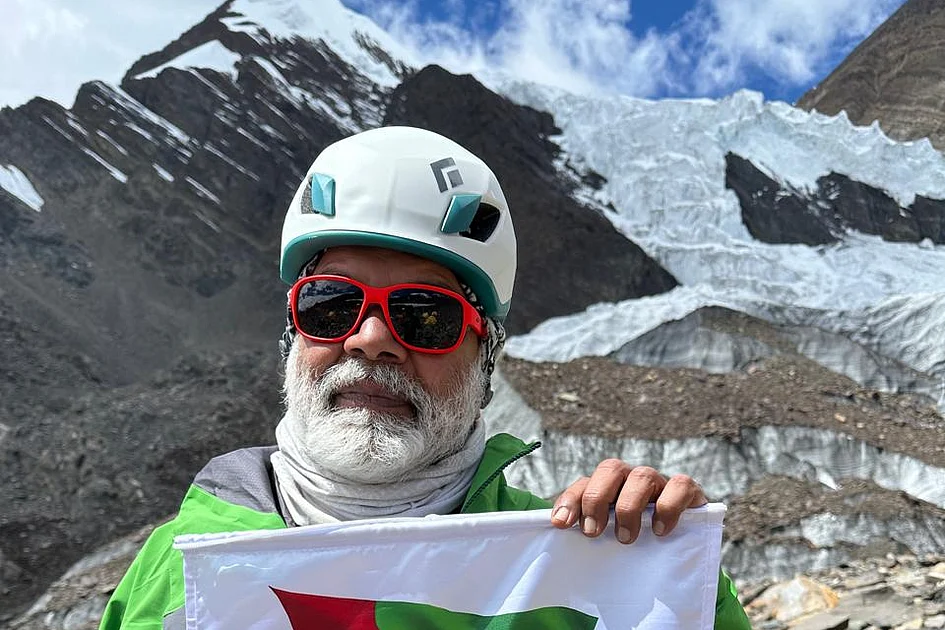
    The December expedition carried symbolic significance beyond personal accomplishment. Choksi proudly planted the flag of Dubai-based Kanz Jewels at the summit, creating a powerful visual statement against the breathtaking Himalayan backdrop after days of strenuous climbing through difficult terrain and extreme altitude conditions.

    Reflecting on his achievement, Choksi offered an inspirational perspective: “Dreams don’t retire, they climb higher. At 64, I wanted to remind everyone that passion and courage can take you to unimaginable heights.” His accomplishment challenges conventional perceptions about age limitations and physical achievement.

    Anil Dhanak, Managing Director of Kanz Jewels, extended congratulations to the mountaineer, noting that Choksi’s triumph perfectly embodies the jewelry brand’s core values of resilience, ambition, and pushing beyond perceived limitations. The successful expedition serves as a metaphor for overcoming challenges regardless of age or circumstance.

    The ascent of Mount Gori Chen, while not among the world’s highest peaks, presents significant technical challenges and requires substantial mountaineering expertise, particularly given its remote location and proximity to sensitive border areas. Choksi’s accomplishment highlights the growing trend of older athletes continuing to pursue ambitious physical challenges and redefining expectations of aging.

  • Putin says Russia disagrees with parts of US plan to end Ukraine war

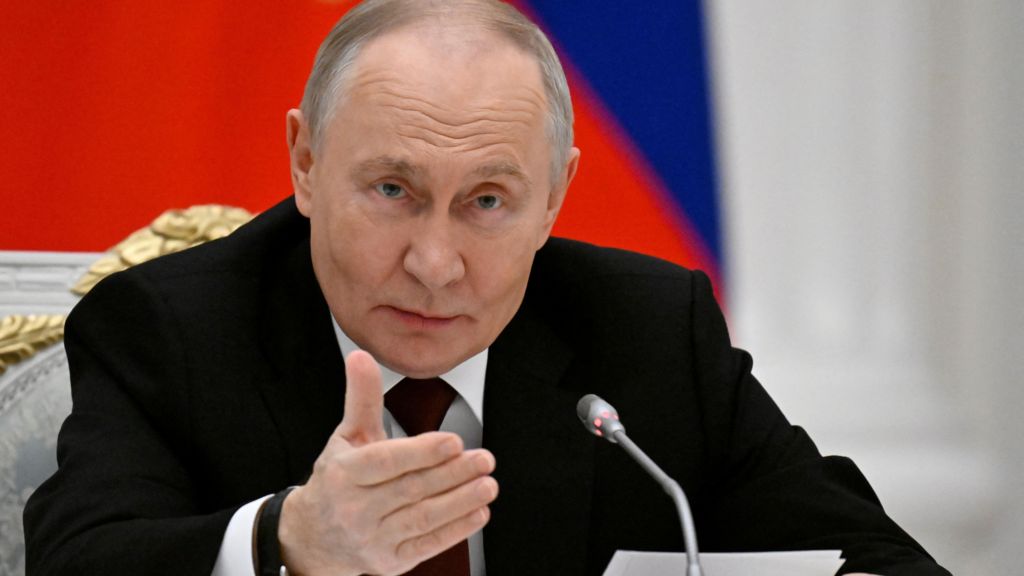
    Putin says Russia disagrees with parts of US plan to end Ukraine war

    Russian President Vladimir Putin has publicly expressed disagreement with significant components of a United States-proposed framework to resolve the ongoing Russia-Ukraine conflict. The declaration followed extensive negotiations lasting nearly five hours between Russian officials and a US delegation led by President Donald Trump’s envoy Steve Witkoff, accompanied by Jared Kushner, Trump’s son-in-law.

    In an exclusive interview with India Today preceding his state visit to Delhi, Putin revealed that Moscow had not received a modified version of the peace proposal prior to the Kremlin discussions. “At times we said that yes, we can discuss this, but to that we can’t agree,” Putin stated, without specifying the exact points of contention. Two primary obstacles remain unresolved: the status of Ukrainian territories currently under Russian occupation and the nature of security guarantees for Ukraine.

    President Putin reiterated Moscow’s firm demand for complete Ukrainian military withdrawal from the Donbas region, including areas still under Kyiv’s control. Russian forces currently administer approximately 85% of this eastern territory. “Either we take back these territories by force, or eventually Ukrainian troops withdraw,” the Russian leader asserted.

    Yuri Ushakov, Putin’s senior foreign policy adviser and principal negotiator, characterized the talks as producing “no compromise” on terminating hostilities. Ushakov further indicated that Russia’s diplomatic stance has been reinforced by recent battlefield advancements.

    Meanwhile, US and Ukrainian diplomatic teams are preparing for subsequent discussions in Florida. President Trump characterized the initial negotiations as “reasonably good” while acknowledging the complexity of the process, noting that “it does take two to tango.”

    Ukrainian leadership maintains a contrasting perspective on the negotiations. Foreign Minister Andrii Sybhia accused Putin of “wasting the world’s time,” while Ukraine’s ambassador to the US emphasized that they do not “need to wait for promises from Russia.” President Volodymyr Zelensky has consistently rejected any territorial concessions and insists on robust security assurances for Ukraine in any settlement.

    Zelensky acknowledged that “the world clearly feels that there is a real opportunity to end the war,” but stressed that negotiations must be “backed by pressure on Russia.” Ukrainian officials and European allies accuse Moscow of intentionally prolonging ceasefire discussions.

    In a significant development, German publication Der Spiegel reported obtaining a confidential transcript from a European leadership conference call expressing profound concerns about US negotiation tactics. According to an English transcript, French President Emmanuel Macron reportedly cautioned that “there is a possibility that the US will betray Ukraine on the issue of territory without clarity on security guarantees.” German Chancellor Friedrich Merz allegedly warned Zelensky to remain “extremely careful in the coming days,” suggesting that “they are playing games, both with you and with us.” Finnish President Alexander Stubb reportedly emphasized that “we mustn’t leave Ukraine and Volodymyr alone with these guys.”

    The Élysée Palace subsequently denied that President Macron “expressed himself in those terms” while declining to provide specific details citing confidentiality. Stubb declined to comment on the report, and Merz has not publicly addressed the allegations.

    The geopolitical maneuvering occurs against the backdrop of continued military operations, with Russian forces gradually advancing in southeastern Ukraine despite substantial combat casualties. Moscow currently controls approximately 20% of Ukrainian territory since initiating full-scale invasion in February 2022.

  • UAE: Palestinian-Jordanian expat on why money is both a ‘blessing and a test’

    UAE: Palestinian-Jordanian expat on why money is both a ‘blessing and a test’

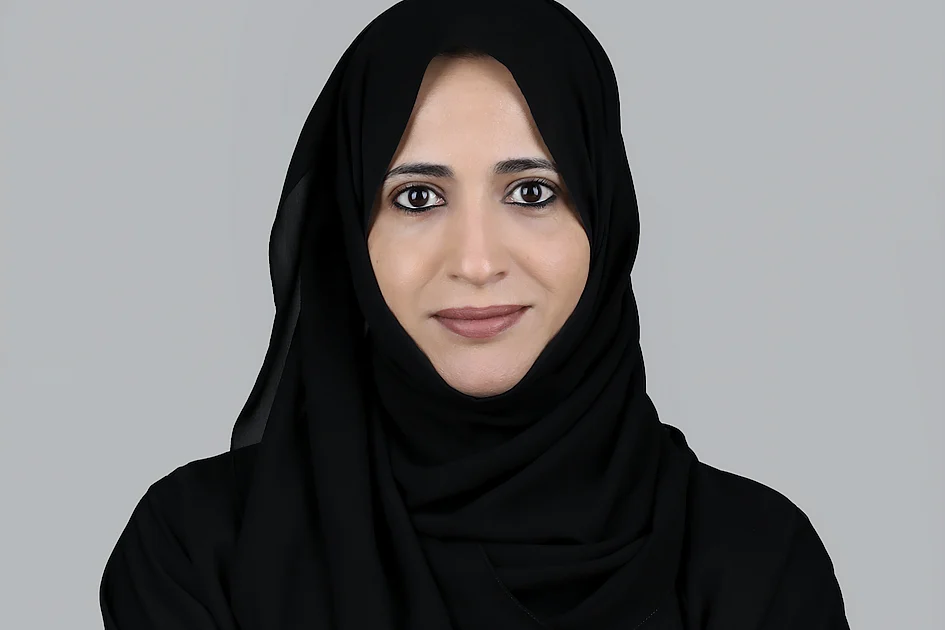
    Dr. Eman AbuKhousa, a Palestinian-Jordanian professor of information technology at the University of Europe for Applied Sciences in Dubai, is redefining financial literacy through a unique cultural lens. As a STEM champion and data science expert specializing in digital transformation strategies, she applies professional analytical rigor to personal finance while maintaining profound philosophical perspectives inherited from her heritage.

    In a recent interview, Dr. AbuKhousa described money as both “a blessing and a test”—a concept deeply rooted in her cultural background where wealth is perceived as rizq (divine provision) rather than personal property. This duality shapes her approach: while she strategically manages finances through meticulous Excel sheet planning, she maintains awareness that money’s true value lies in its utilization for personal, familial, and communal benefit.

    The professor credits her mother as her primary financial influence, recalling maternal wisdom that “in exile, money is like a homeland.” This proverb proved particularly prescient during a crisis when Dr. AbuKhousa found herself stranded abroad, realizing that financial resources represented not luxury but essential security and peace of mind.

    Her financial education came through hard-won experience rather than textbooks. “Life itself” served as her most effective teacher, with overdue debts and emotional shopping sprees providing harsh but valuable lessons about fiscal responsibility.

    Living in the UAE has significantly altered her financial perspective, introducing new budget categories like brunches and valet parking while fostering an environment where ambition and self-investment are normalized. The Emirates’ opportunity-rich landscape has reinforced her belief that financial independence means “having enough when you need it most” rather than pursuing excessive wealth.

    Dr. AbuKhousa’s unconventional approach to money discussions involves self-dialogue through spreadsheets and occasional “financial therapy” sessions with trusted friends during dinners. Her advice to younger generations emphasizes that money’s value derives not from spending but from wise allocation, noting that “shoes wear out, trends fade, but choices made with sense turn money into real value.”

  • Here are the best Christmas Markets to visit in Europe this winter

    Here are the best Christmas Markets to visit in Europe this winter

    As winter descends upon Europe, the continent transforms into a spectacular panorama of festive cheer with its world-renowned Christmas markets. These enchanting gatherings represent more than mere shopping destinations—they embody centuries-old traditions that capture the very essence of Yuletide spirit through twinkling lights, artisanal crafts, and seasonal delicacies.

    The historical significance of European Christmas markets traces back to medieval times, with Vienna’s 1296 market standing as one of the earliest documented gatherings. Originally centered around town churches, these markets featured handmade pottery and baked goods until the Industrial Revolution catalyzed their expansion into the elaborate festive wonderlands we recognize today.

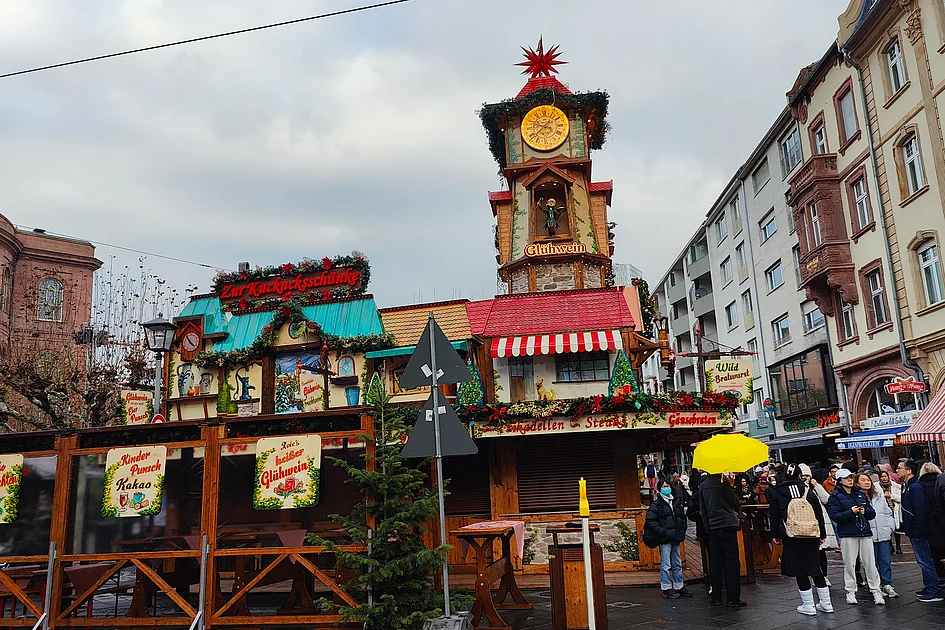
    Germany emerges as the quintessential Christmas market destination, with Berlin alone hosting over 50 distinct markets. The Berliner Weihnachtszeit at City Hall offers family-friendly attractions including a 50-meter Ferris wheel and ice-skating rink, while the Gendarmenmarkt market specializes in premium handicrafts. Munich’s Christkindlmarkt in Marienplatz square, dating to the 14th century, maintains its Bavarian charm as Germany’s largest Nativity scene market. Frankfurt’s Pink Christmas Market celebrates diversity with extensive vegan offerings, and Cologne’s cathedral-backed market features traditional red-roofed stalls offering handmade gifts and local treats like roasted almonds.

    Strasbourg, acclaimed as the ‘Capital of Christmas’, presents a fairy-tale setting in France’s Alsace region—the documented birthplace of the Christmas tree since 1521. The city’s Place Kléber showcases a magnificent 30-meter tree adorned with historical ornaments, while its 1570-origin market hosts 300 chalets amidst aromas of cinnamon and spice. The nearby villages of Colmar and Kaysersberg offer equally magical experiences.

    Austria’s Viennese Christkindlmarkt at Rathausplatz operates against a neo-Gothic backdrop with ice-skating and nearly 100 stalls, while the markets at Schönbrunn and Belvedere Palaces provide regal settings for enjoying Christmas Punch and roasted chestnuts. Salzburg’s Domplatz and Residenzplatz markets feature musical performances and traditional Austrian snacks including Lebkuchen and Krapfen.

    Prague completes the European Christmas market circuit with its Old Town and Wenceslas Square markets, offering unique straw, wood, and glass ornaments alongside chimney cakes filled with fruits and ice cream. These markets collectively represent a timeless European tradition that continues to captivate visitors with their historical significance and festive atmosphere.

  • EU’s former top diplomat Mogherini resigns from post after fraud accusation

    EU’s former top diplomat Mogherini resigns from post after fraud accusation

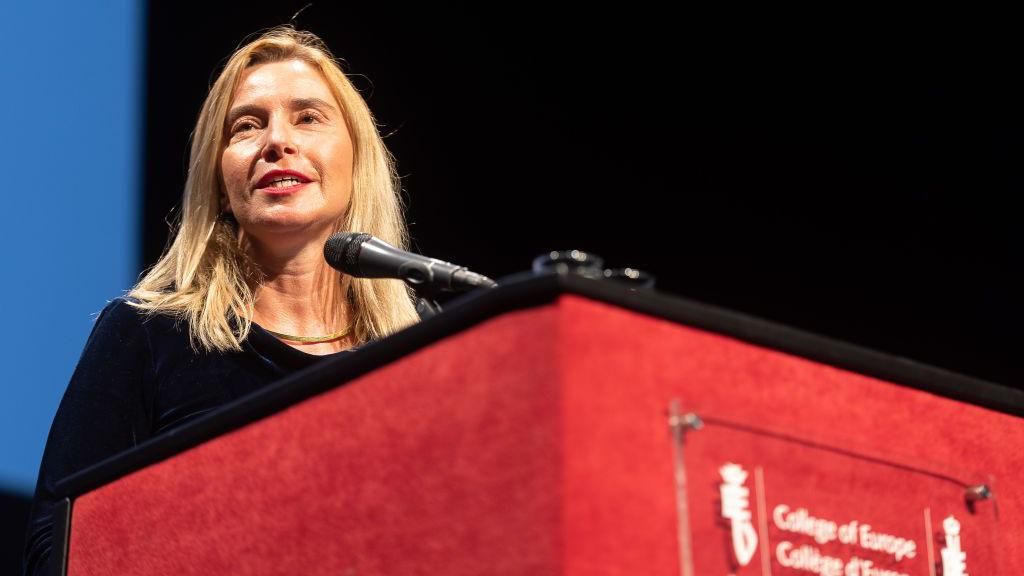
    Federica Mogherini, the European Union’s former Foreign Policy Chief, has stepped down from her position as Rector of Belgium’s prestigious College of Europe following her detention for questioning in a corruption investigation. The probe, initiated by the European Public Prosecutor’s Office (EPPO), centers on alleged irregularities in the awarding of an EU-funded training contract for junior diplomats to the institution.

    Ms. Mogherini, 52, who led the esteemed Bruges-based college since 2020, was interrogated for approximately ten hours alongside another college staff member and a senior European Commission official. Although released without formal charges, the investigation specifically examines whether competitive bidding procedures were properly followed when the EU’s European External Action Service contracted the college for a nine-month diplomatic training program.

    The high-profile case emerges at a politically sensitive moment for the European Union, which has recently intensified its anti-corruption stance, particularly regarding Ukraine’s governance challenges. Mogherini, who helped establish the EU’s fledgling Diplomatic Academy in partnership with the college in 2022, maintained her innocence in subsequent statements.

    In her resignation announcement, the former diplomat emphasized her ‘full confidence in the justice system’ and stated her decision aligned with ‘the utmost rigor and fairness’ that characterized her tenure. She further affirmed the college’s continued adherence to ‘the highest standards of integrity’ while pledging full cooperation with investigating authorities.

    The case represents a significant test for the relatively new EPPO, which gained authority to investigate EU fund-related crimes across member states, highlighting the bloc’s ongoing efforts to combat corruption within its institutions.

  • As Trump hosts Congo and Rwanda’s leaders for peace deal, here’s what to know about the conflict

    As Trump hosts Congo and Rwanda’s leaders for peace deal, here’s what to know about the conflict

    In a significant diplomatic initiative, U.S. President Donald Trump convened the leaders of the Democratic Republic of Congo and Rwanda at the White House on Thursday to formalize a peace agreement addressing one of Africa’s most protracted conflicts. This high-stakes mediation effort seeks to resolve tensions that have persisted for over two decades in Congo’s mineral-rich eastern regions.

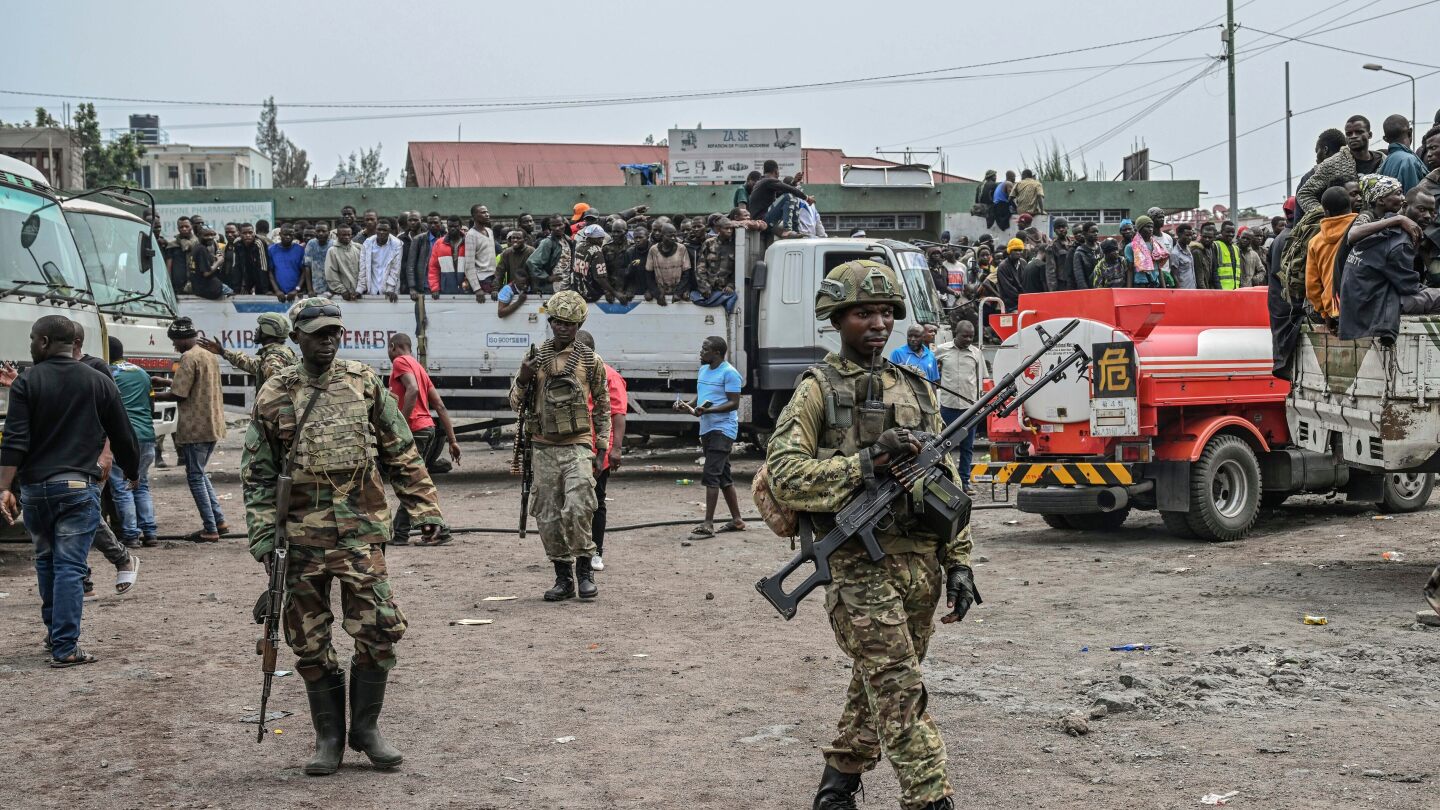
    The conflict, which traces its origins to the aftermath of Rwanda’s 1994 genocide, has recently escalated with the Rwanda-backed M23 rebel group capturing strategic cities including Goma and Bukavu earlier this year. Despite previous mediation attempts by Qatar and the United States, ceasefire violations have continued with both M23 rebels and Congolese forces accusing each other of breaching agreements.

    At the heart of the dispute lies complex ethnic tensions between Hutu and Tutsi communities, with Rwanda alleging that Congo provides sanctuary to Hutu militias responsible for the genocide, while Congo accuses Rwanda of backing Tutsi-dominated M23 rebels under the pretext of protecting ethnic Tutsis. United Nations experts estimate approximately 6,500 M23 fighters currently operate in eastern Congo, with up to 4,000 Rwandan forces reportedly deployed in the region.

    The geopolitical significance of Congo’s mineral wealth adds considerable complexity to the conflict. As the world’s largest cobalt producer and a leading supplier of coltan—essential minerals for electric vehicles, electronics, and defense systems—the region’s resources have attracted international interest from both China and the United States. A recent UN report indicated Rwanda may be benefiting from fraudulently exported minerals from M23-controlled territories, though Rwandan authorities deny these allegations.

    Despite the region’s immense natural wealth, approximately 60% of Congo’s 100 million citizens live below the poverty line, with conflict over resources perpetuating instability. The Trump administration’s mediation reflects Washington’s strategic interest in securing critical mineral supplies amid growing competition with China, which currently dominates rare earth element processing.

  • Visa chaos, match relocation threats: How Trump disrupted World Cup plans

    Visa chaos, match relocation threats: How Trump disrupted World Cup plans

    The upcoming 2026 FIFA World Cup, historically significant as the first tournament co-hosted by three nations, faces extraordinary organizational challenges stemming from Trump administration policies. With just six months remaining until the global soccer spectacle, the United States—set to host 82 of the 104 matches—finds itself at the center of escalating controversies that threaten to undermine the event’s operational stability.

    Visa restrictions represent perhaps the most immediate concern. Hundreds of thousands of international fans planning to attend the tournament must navigate stringent immigration policies that have become a cornerstone of Trump’s second term. The administration recently imposed travel restrictions on nineteen nations, including World Cup participants Haiti and Iran, while simultaneously implementing a special fast-track visa process for ticket holders. However, Secretary of State Marco Rubio emphasized that match tickets don’t guarantee entry, stating all applicants must undergo identical vetting procedures regardless of expedited appointments.

    Beyond immigration concerns, the tournament faces potential venue disruptions. President Trump has repeatedly threatened to relocate matches from several Democratic-led cities—including Boston, San Francisco, Seattle, and Los Angeles—citing unspecified security reasons. Such moves would create logistical nightmares for FIFA and fans who have already made travel arrangements, though host city contracts generally permit venue changes only for catastrophic circumstances like natural disasters or civil unrest.

    Adding to the climate of uncertainty, National Guard troops have been deployed to many potential host cities, while aggressive immigration raids targeting undocumented migrants have created palpable tension within Latino communities. These security measures may continue throughout the tournament period.

    The geopolitical landscape further complicates matters. Despite co-hosting responsibilities, Canada and Mexico have faced aggressive trade policies including steep tariffs and even territorial threats. Trump’s suggestion of potential airstrikes against Mexican drug cartels and remarks about annexing Canadian territory have strained diplomatic relations critical for seamless tournament coordination.

    This confluence of immigration policies, security deployments, and international tensions creates unprecedented challenges for the expanded 48-team tournament, testing FIFA’s organizational capacity and potentially affecting the experience for players and fans alike.

  • Etzebeth banned for 12 weeks over eye gouge

    Etzebeth banned for 12 weeks over eye gouge

    South African rugby veteran Eben Etzebeth has been suspended for 12 weeks following an eye-gouging incident during last weekend’s test match against Wales. The disciplinary ruling comes after the double World Cup-winning lock made contact with Welsh forward Alex Mann’s eye area during the 79th minute of play.

    The incident occurred during South Africa’s dominant 73-0 victory at Cardiff’s Principality Stadium, where Etzebeth had entered the match as a second-half substitute. French official Luc Ramos issued an immediate red card after reviewing the contact on the stadium’s giant screens—marking the first sending-off in Etzebeth’s 141-cap international career.

    An independent judicial committee chaired by Christopher Quinlan KC determined the contact was intentional, categorizing it as a mid-range offense that typically carries an 18-week suspension. The panel reduced the ban to 12 weeks considering Etzebeth’s previously clean disciplinary record and other mitigating factors.

    The suspension will affect both Etzebeth’s international availability and his commitments with the Sharks club, keeping him sidelined until late March 2026. This ruling highlights World Rugby’s stringent stance on eye contact offenses, which can result in bans ranging from 4 weeks to 4 years depending on severity and intent.

    Notably, Etzebeth becomes the third Springbok forward to receive a red card in their recent four-match autumn series, though previous dismissals for Franco Mostert and Lood de Jager were subsequently overturned or downgraded upon review.

  • Chief justice asks courts to function within the boundaries of Constitution and law

    Chief justice asks courts to function within the boundaries of Constitution and law

    In a significant address marking China’s National Constitution Day, Supreme People’s Court President Zhang Jun delivered a powerful directive to the nation’s judicial authorities, emphasizing the paramount importance of operating strictly within constitutional and legal parameters. The chief justice articulated a comprehensive vision for China’s judiciary, positioning courts as primary guardians of constitutional dignity and implementation.

    Speaking before assembled national lawmakers and political advisers, Zhang Jun outlined critical judicial priorities aligned with China’s forthcoming five-year economic and social development objectives. He emphasized that proper constitutional exercise of judicial power represents the foundation for resolving disputes through fair and efficient case adjudication, ultimately enabling the judiciary to serve the public effectively.

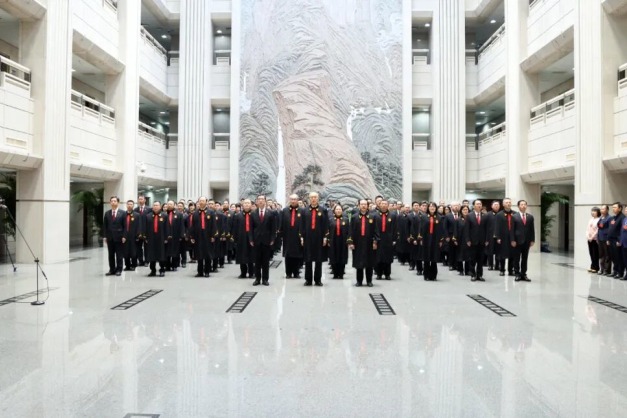
    The occasion featured a solemn constitutional oath-taking ceremony where 96 newly appointed judges and judicial officials from the supreme court publicly pledged allegiance to China’s fundamental law. This ritual underscored the institutional commitment to constitutional principles within China’s legal framework.

    Zhang’s address positioned the judiciary as instrumental in supporting national development goals while maintaining strict adherence to established legal boundaries. His remarks highlighted the continuing evolution of China’s legal system, with particular focus on standardized judicial conduct and enhanced case handling quality as essential components of constitutional implementation.