博客

  • Man charged with attempted murder over shooting of NFL player

    Man charged with attempted murder over shooting of NFL player

    In a dramatic conclusion to a three-week manhunt, law enforcement authorities have apprehended 20-year-old Frederick Green from the Bronx, charging him with the attempted murder of New York Jets cornerback Kris Boyd. The shocking incident unfolded in the early hours of November 16th outside a prominent Midtown Manhattan restaurant, where what began as verbal taunting escalated into a violent physical confrontation.

    According to police reports obtained by CBS News, the altercation occurred when Boyd and two fellow Jets players, accompanied by an additional friend, were confronted by a group of strangers. The situation rapidly deteriorated into physical violence, during which Green allegedly discharged his weapon twice, striking Boyd in the abdominal region. One bullet penetrated the athlete’s lung before becoming lodged in his pulmonary artery, creating life-threatening injuries that required immediate critical care hospitalization.

    Surveillance footage from the vicinity captured Green fleeing the scene and entering a vehicle operated by an accomplice, initiating an extensive search operation. The breakthrough came on December 8th when U.S. Marshals tracked Green to his girlfriend’s apartment in Buffalo, approximately 360 miles from the crime scene. Law enforcement officials noted that Green had substantially altered his physical appearance in an attempt to evade detection.

    The arrest operation involved tactical teams surrounding the residential building, with marshals observing Green “peeking out the apartment window seeking potential escape routes before retreating upon noticing the presence of law enforcement and canine units.” The standoff concluded peacefully when Green surrendered with his hands raised.

    Boyd, who has since been discharged from medical care, recently visited his Jets teammates at their practice facility, signaling positive progress in his recovery. The 29-year-old defensive back joined the Jets earlier this year following two seasons with the Houston Texans, preceded by tenures with the Arizona Cardinals and Minnesota Vikings. Boyd had been on injured reserve since August due to a shoulder injury sustained during team practice.

    The case continues to develop as prosecutors prepare additional charges, including assault and criminal weapon possession, against the apprehended suspect.
  • US could ask foreign tourists for five-year social media history before entry

    US could ask foreign tourists for five-year social media history before entry

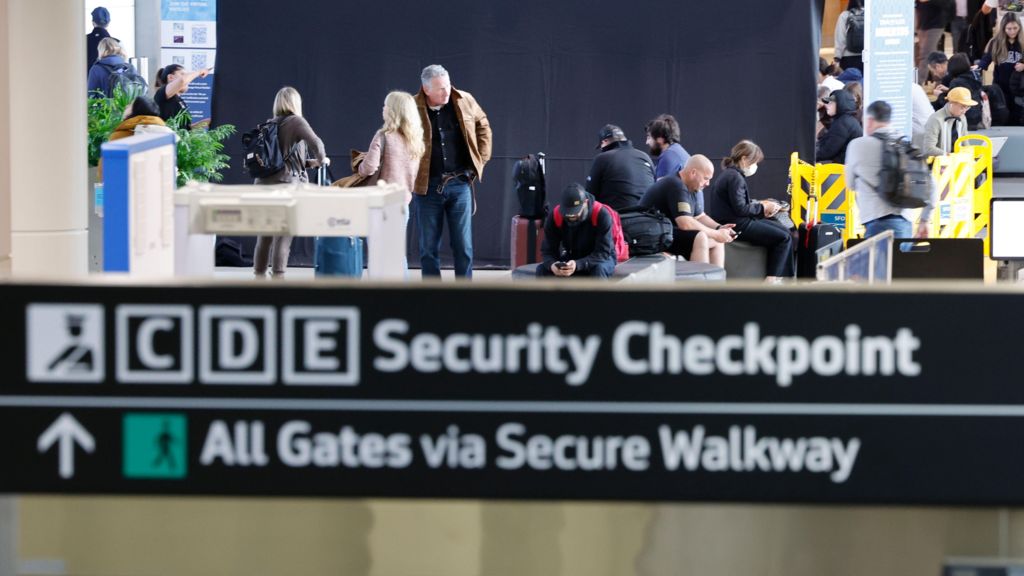
    The United States Department of Homeland Security (DHS) and Customs and Border Protection (CBP) have introduced a controversial proposal mandating visa-free tourists to submit five years of social media history as a new condition for entry. This significant policy shift, published in the Federal Register, would impact citizens from approximately 40 countries participating in the Visa Waiver Program, including the United Kingdom, Australia, Japan, and European Union nations.

    The proposed regulation expands the existing Electronic System for Travel Authorization (ESTA) requirements beyond the current $40 fee and basic biographical information. Applicants would now need to provide comprehensive digital footprints including all social media identifiers used over the past five years, telephone numbers from the previous decade, and extended family member details. The measure specifically affects those eligible for 90-day visa-free visits under the ESTA program.

    This initiative stems from President Donald Trump’s January executive order titled ‘Protecting the United States From Foreign Terrorists and Other National Security and Public Safety Threats.’ The administration has previously implemented similar requirements for student and H1B skilled worker visas, now extending digital scrutiny to tourist admissions. Officials cite enhanced national security screening as the primary motivation, particularly following recent security incidents including a Washington DC shooting involving an Afghan suspect.

    The proposal emerges as the United States prepares for major international events including the 2026 FIFA World Cup (co-hosted with Canada and Mexico) and the 2028 Los Angeles Olympics, potentially affecting millions of prospective visitors. A 60-day public comment period has commenced, during which privacy advocates and immigration experts are voicing substantial concerns.

    Digital rights organizations including the Electronic Frontier Foundation have condemned the measure as potentially exacerbating civil liberties violations. Immigration law firm Fragomen warns of practical consequences including extended ESTA processing times and administrative complications. The proposal follows documented declines in international tourism to the United States, with industry analysts noting a concerning trend of reduced visitor spending and Canadian boycott movements protesting Trump administration policies.

  • European nations agree to consider weakening protections for migrants dating to WWII

    European nations agree to consider weakening protections for migrants dating to WWII

    BRUSSELS (AP) — In a significant policy shift reflecting Europe’s evolving political landscape, 46 member states of the Council of Europe have initiated deliberations that could substantially reinterpret human rights protections for migrants. The discussions, held Wednesday in Strasbourg, France, signal a growing consensus toward modifying the application of the European Convention on Human Rights—a foundational document established post-World War II.

    Council of Europe Secretary General Alain Berset characterized the 75-year-old convention as a ‘living instrument’ while acknowledging nations’ responsibility to ‘safeguard national vital interests such as security.’ This development emerges as mainstream political parties across Europe increasingly adopt stricter migration policies to counter far-right political advances, despite data showing a 22% decrease in irregular border crossings into the EU this year.

    The movement gained momentum last year when nine nations signed a letter seeking to curtail the powers of the European Court of Human Rights—the council’s independent judicial arm. Critics, including Italy, Denmark and the United Kingdom, argue the court’s interpretations hinder their ability to deport migrant criminals and ensure national security. On Wednesday, 27 nations endorsed a separate statement advocating for less restrictive legal interpretations.

    Andrew Forde, co-founder of the AGORA legal academic group and former council employee, noted this represents the first time in the Council of Europe’s history that member states have explicitly identified a specific population segment for reduced rights protections.

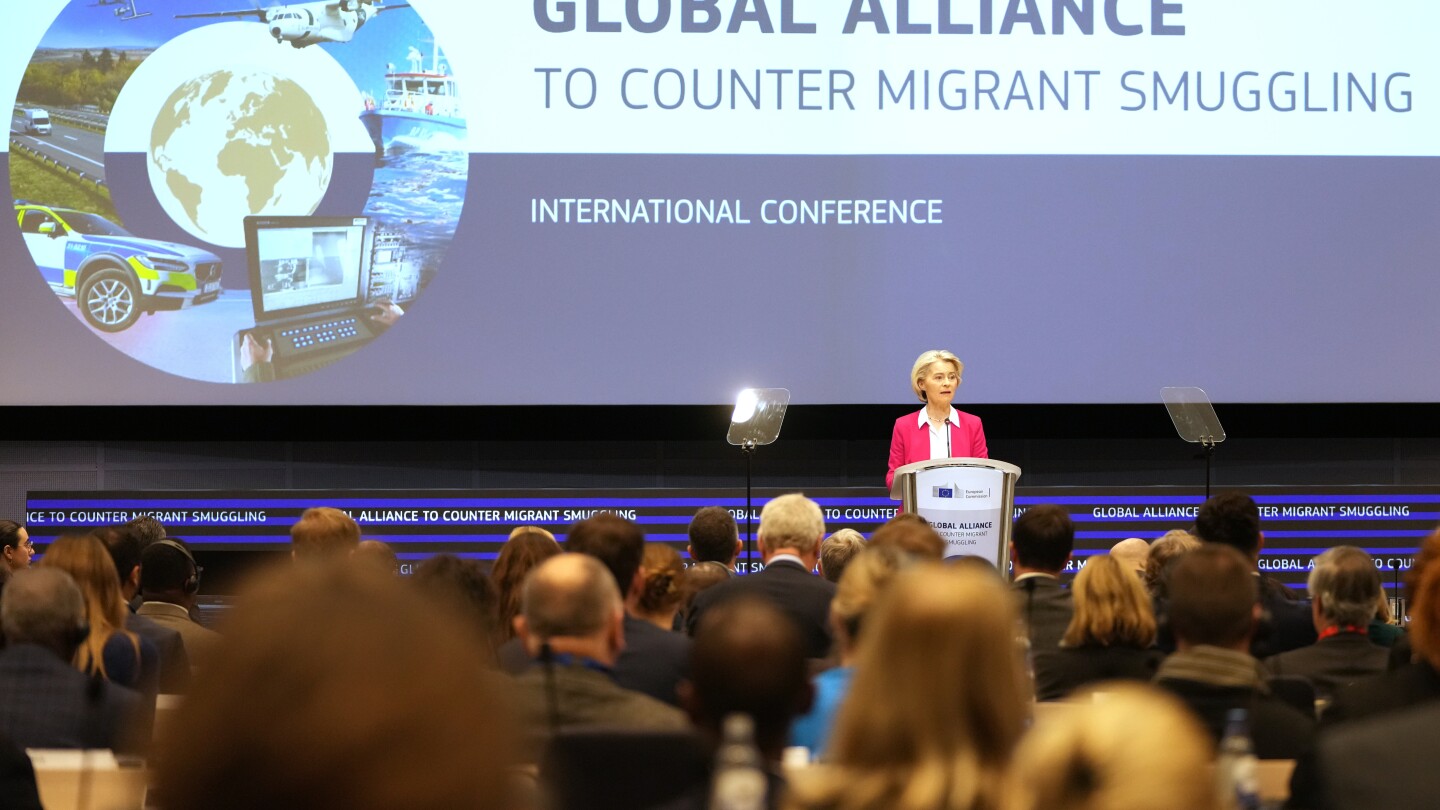
    Concurrently, European Commission President Ursula von der Leyen pledged in Brussels to dismantle human smuggling networks, declaring: ‘Our goal is simple. We want to bankrupt their businesses through all means available.’ This commitment came during the second anniversary observance of the EU-led Global Alliance to Counter Migrant Smuggling.

    Paradoxically, while migration dominates political discourse, European nations simultaneously invest in programs to attract foreign workers to address aging populations and labor shortages, highlighting the continent’s complex relationship with migration policy.

  • Elon Musk says Doge was ‘somewhat successful’ but he would not do it again

    Elon Musk says Doge was ‘somewhat successful’ but he would not do it again

    In a revealing podcast interview, Elon Musk disclosed he would not reassume leadership of the Department of Government Efficiency (Doge) if given the opportunity, citing negative consequences for his corporate empire. The Tesla and SpaceX CEO made these remarks during an hour-long conversation on The Katie Miller Podcast, reflecting on his tumultuous tenure leading the Trump administration’s cost-cutting initiative.

    Musk departed Doge in May after initially pledging to save approximately $2 trillion annually through aggressive federal workforce reductions and program eliminations. The organization’s website claims $214 billion in savings this year, though Musk characterized the overall effort as only “a little bit successful” in achieving its objectives.

    When asked by host Katie Miller—a former White House adviser and Doge spokesperson—whether he would repeat his government service, Musk responded unequivocally: “I mean no, I don’t think so.” He indicated he would have preferred focusing exclusively on his companies, noting “they wouldn’t have been burning the cars” in reference to vandalism attacks targeting Tesla facilities and vehicles earlier this year.

    The billionaire’s high-profile political role sparked global protests and consumer boycotts against Tesla, contributing to the company’s sales plummeting to their lowest level in three years. Tesla warned investors that “changing political sentiment” continued to negatively impact demand.

    Despite his regrets, Musk defended Doge’s mission, stating: “You really want the least amount done by government as possible.” He asserted the advisory group—created through executive order on Trump’s first day back in office—had “stopped a lot of funding that really just made no sense,” including pushing for massive federal workforce reductions and attempting to shutter agencies like USAID.

    Musk revealed the unconventional name “Doge” originated from “internet suggestions,” acknowledging the group’s unofficial status within government. Several of its initiatives faced legal challenges or swift reversals, including the firing and subsequent rehiring of USDA bird flu officials.

    The Tesla CEO’s government service also strained his relationship with President Trump, culminating in a June falling-out when Musk criticized a Trump-backed spending bill. This triggered a public war of words on social media, with Trump threatening to investigate Musk’s government contracts.

    The relationship has since mended, with Musk attending a White House dinner in November and speaking positively of Trump’s “great sense of humor” during the podcast interview.

  • Ukraine to give revised peace plans to US as Kyiv readies for more talks with its coalition partners

    Ukraine to give revised peace plans to US as Kyiv readies for more talks with its coalition partners

    In a significant diplomatic development, U.S. President Donald Trump revealed Wednesday that he had engaged in substantive discussions with European counterparts regarding potential pathways to end the Ukraine conflict. The phone consultation with German Chancellor Friedrich Merz, British Prime Minister Keir Starmer, and French President Emmanuel Macron addressed what Trump characterized as “pretty strong terms” for a settlement, with a proposed follow-up meeting this weekend involving U.S. and Ukrainian representatives.

    The negotiations have reached what European leaders describe as “a critical moment” as Washington pursues a swift compromise to conclude hostilities that began with Russia’s full-scale invasion in 2022. This American urgency has reportedly constrained Kyiv’s diplomatic flexibility, placing President Volodymyr Zelenskyy in a delicate position where he must simultaneously safeguard national interests while demonstrating willingness to compromise to the Trump administration.

    Zelenskyy confirmed that Ukraine was preparing to submit its latest peace framework to U.S. negotiators, coinciding with planned virtual discussions Thursday with approximately 30 supporting nations dubbed the “Coalition of the Willing.” These allies have reinforced Zelenskyy’s efforts to ensure any settlement both addresses Ukrainian sovereignty and deters future Russian aggression while accommodating European security concerns.

    The Ukrainian leader outlined two primary documents under development: a comprehensive plan for postwar reconstruction and economic development, plus a separate 20-point framework specifically addressing conflict resolution. In a notable shift, Zelenskyy expressed conditional openness to holding presidential elections within 60-90 days if international partners can guarantee security during wartime and necessary legislative adjustments are implemented. This responsiveness follows Trump’s previous questioning of Ukraine’s democratic processes, which echoed similar Russian criticisms.

    The diplomatic landscape is further complicated by the Trump administration’s recently released national security strategy, which explicitly seeks improved relations with Moscow and “reestablished strategic stability with Russia” while characterizing European allies as weak. Russian Foreign Minister Sergey Lavrov praised Trump as “the only Western leader” demonstrating “understanding of the reasons that made war in Ukraine inevitable.”

    Meanwhile, military assistance to Ukraine has declined significantly since the Trump administration mandated that NATO countries fund any further U.S. weapons transfers. According to data from Germany’s Kiel Institute, foreign military aid dropped sharply through 2025, with total support falling to €32.5 billion compared to the €41.6 billion annual average from 2022-2024. While Scandinavian nations and Germany substantially increased contributions, several European countries including Spain and Italy reduced or eliminated their military support.

  • Gunfire as rebels target key DR Congo city despite Trump peace deal

    Gunfire as rebels target key DR Congo city despite Trump peace deal

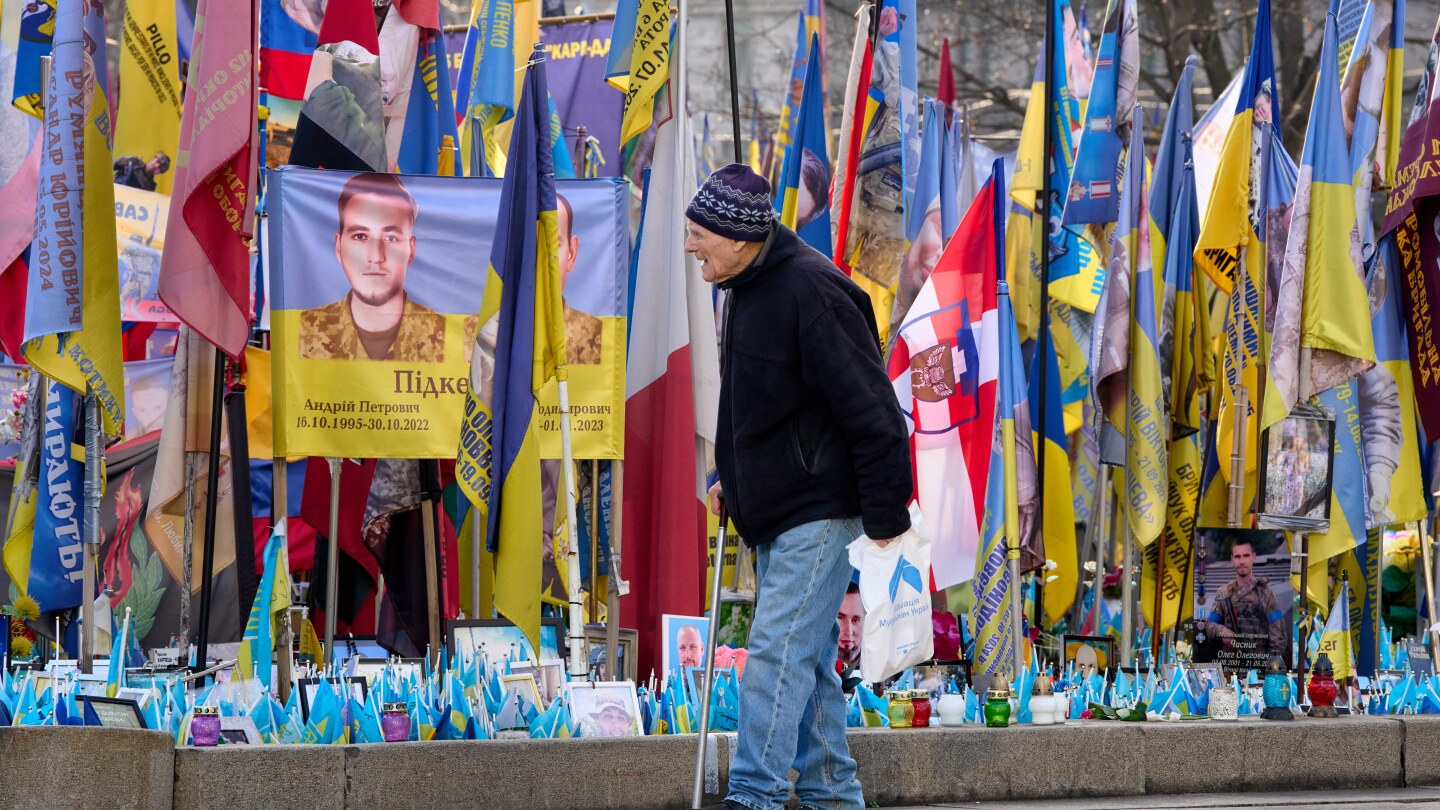
    Eastern Democratic Republic of Congo faces a severe humanitarian crisis as M23 rebel forces intensify their offensive toward the strategic city of Uvira, triggering massive civilian displacement and raising alarms about potential regional destabilization. According to United Nations estimates, approximately 200,000 residents have fled their homes since fighting erupted earlier this month, with many crossing into neighboring Burundi for safety.

    The situation in Uvira—the last government-held city in the mineral-rich region—remains highly volatile despite conflicting reports about rebel control. Local sources describe chaotic scenes with sporadic gunfire and explosions reverberating through the city, prompting widespread closures of businesses and educational institutions. Terrified civilians have reportedly taken shelter indoors, with some residents describing a climate of fear where ‘every man for himself’ has become the prevailing sentiment.

    This escalation occurs despite a recent US-brokered peace agreement between DR Congo President Félix Tshisekedi and Rwandan leader Paul Kagame. Notably, the M23 rebel group is not party to this agreement and is concurrently engaged in separate mediation talks facilitated by Qatar.

    The international community has expressed profound concern over the deteriorating situation. The United States, European Union, and eight European nations have jointly accused Rwanda of supporting the rebel offensive—an allegation that Rwandan authorities vehemently deny. Instead, Rwanda claims DR Congo and Burundi have violated ceasefire agreements and conducted bombings near its border, displacing over 1,000 civilians into Rwandan territory.

    UN experts have reinforced allegations of Rwandan involvement, stating that Rwanda’s army maintains ‘de facto control of M23 operations.’ The conflict’s roots extend back three decades to the aftermath of the Rwandan genocide, with numerous peace agreements collapsing over the intervening years as armed groups continue vying for control of the region’s substantial mineral wealth.

    Humanitarian costs continue mounting, with at least 74 casualties confirmed—mostly civilians—and 83 wounded requiring hospitalization. A Burundian administrative source reported approximately 8,000 daily refugee arrivals over two days, totaling 30,000 within one week, highlighting the crisis’s rapid escalation.

  • 2 buildings collapse in Moroccan city of Fez, killing 22 people

    2 buildings collapse in Moroccan city of Fez, killing 22 people

    FEZ, Morocco — A devastating structural failure occurred overnight in the historic city of Fez when two adjacent four-story buildings completely collapsed, resulting in 22 fatalities and 16 injuries according to official reports. The tragedy marks the second major building collapse in this Moroccan urban center within a single year, raising urgent questions about urban infrastructure safety.

    The collapsed residential structures, constructed in 2006 under Morocco’s ‘City Without Slums’ initiative, housed eight families according to the state news agency MAP. Emergency responders evacuated the surrounding neighborhood while continuing search and rescue operations amid uncertainty about how many residents might remain trapped beneath the rubble.

    While initial reports indicate the buildings were originally constructed to code, local news outlet Hespress revealed that unauthorized additional floors had been added to both structures. This modification potentially contributed to the catastrophic failure, though authorities have opened a formal investigation to determine the exact cause.

    The incident highlights the persistent challenge of infrastructure inequality in Morocco’s rapidly growing urban centers. Fez, while renowned for its medieval walled city and selection as a host city for both the upcoming Africa Cup of Nations and 2030 FIFA World Cup, simultaneously struggles with aging buildings and inadequate enforcement of construction regulations.

    This tragedy echoes a similar collapse in May that killed 10 people in Fez, despite that building having been marked for evacuation. The recurring nature of such incidents has intensified public criticism of infrastructure investment priorities, particularly after nationwide protests earlier this year highlighted concerns about stadium investments taking precedence over essential services including healthcare, education, and building safety.

  • ‘Trend’ voted word of 2025 across Taiwan Strait

    ‘Trend’ voted word of 2025 across Taiwan Strait

    The Chinese character ‘shi’ (势), embodying concepts of ‘trend’ and ‘momentum,’ has been overwhelmingly selected as the 2025 Word of the Year in a significant cross-strait cultural initiative. Announced Tuesday in Taipei, the results revealed that ‘shi’ captured 1.28 million votes out of a substantial total of 15.82 million votes cast in the extensive online poll.

    The annual event, jointly organized by Taiwan’s Want Want China Times Media Group and mainland China’s Xiamen Daily, presented 36 candidate characters during its November 24 to December 7 voting period. These candidates were initially nominated by various celebrities and netizens from both sides of the Taiwan Strait, reflecting diverse perspectives from Chinese communities.

    Professor Xie Qingguo from Xiamen University’s School of Journalism and Communication, who originally proposed the character, offered profound insight into its selection. In a ceremonial video message, he described ‘shi’ as representing ‘a formless yet irresistible force,’ particularly emphasizing that ‘promoting peaceful cross-Strait development constitutes an unstoppable trend and the prevailing momentum.’

    Adding cultural context, Professor Huang Kuang-nan of Taiwan University of Arts highlighted the character’s significance in cross-strait relations. He noted that ‘shi’ reflects the deep emotional connections between people across the Strait while expressing hope for ‘further cultivating the shared momentum and vitality of our nation.’

    This linguistic and cultural exchange event has maintained its annual tradition since 2008, serving as a barometer of cross-strait sentiments. The previous year’s selection of ‘zheng’ (争), meaning both ‘conflict’ and ‘competition,’ provides striking contrast to this year’s focus on unity and forward movement through the concept of ‘trend.’

  • China looks to strengthen LAC relations with release of policy paper

    China looks to strengthen LAC relations with release of policy paper

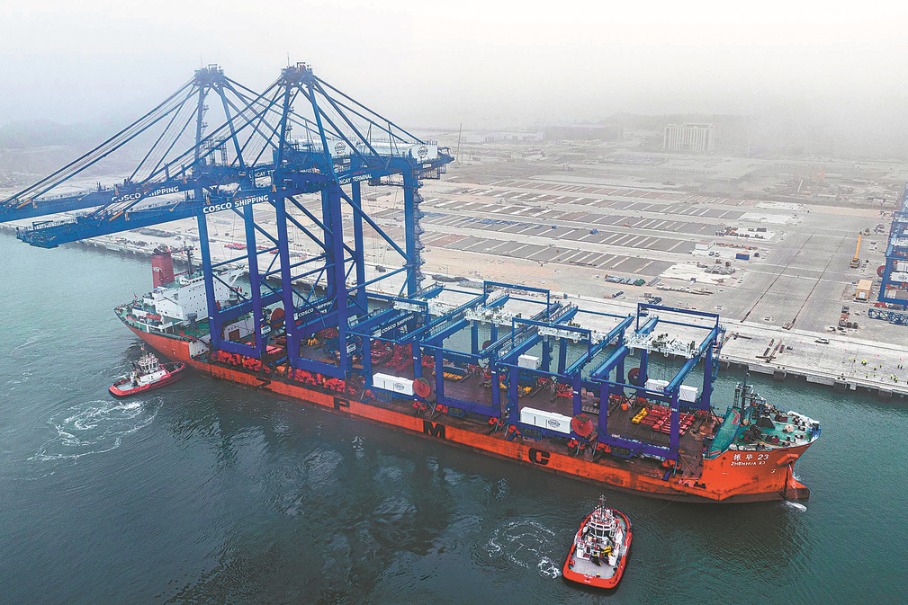
    In a significant diplomatic move, China has released its third comprehensive policy framework for engagement with Latin America and the Caribbean (LAC), marking the first update to its regional strategy in nine years. The document, unveiled on Wednesday by Assistant Foreign Minister Cai Wei, presents an ambitious roadmap for cooperation across more than 40 distinct areas.

    The newly published policy paper represents Beijing’s most detailed articulation of its approach to LAC relations to date, building upon previous frameworks established in 2008 and 2016. The comprehensive document addresses critical areas of mutual interest including trade expansion, investment facilitation, financial cooperation, technological innovation, and climate change mitigation.

    Foreign Ministry officials emphasized that the policy initiative demonstrates China’s commitment to fostering a community with a shared future between the nations. The strategy specifically responds to cooperation priorities and concerns expressed by LAC countries, positioning the document as a foundation for mutually beneficial development.

    Assistant Minister Cai characterized the release as a ‘springboard’ for enhanced collaboration, noting that the initiative aims to generate tangible benefits for citizens across all participating nations. The policy framework emerges amid growing economic ties between China and LAC countries, which have expanded significantly over the past decade through both trade agreements and infrastructure investment programs.

    The timing of this strategic document suggests China’s intention to further institutionalize its relationships throughout the Western Hemisphere, potentially influencing both economic and diplomatic dynamics across the region.

  • HKSAR’s 8th LegCo tasked with fostering Hong Kong’s development: LegCo president

    HKSAR’s 8th LegCo tasked with fostering Hong Kong’s development: LegCo president

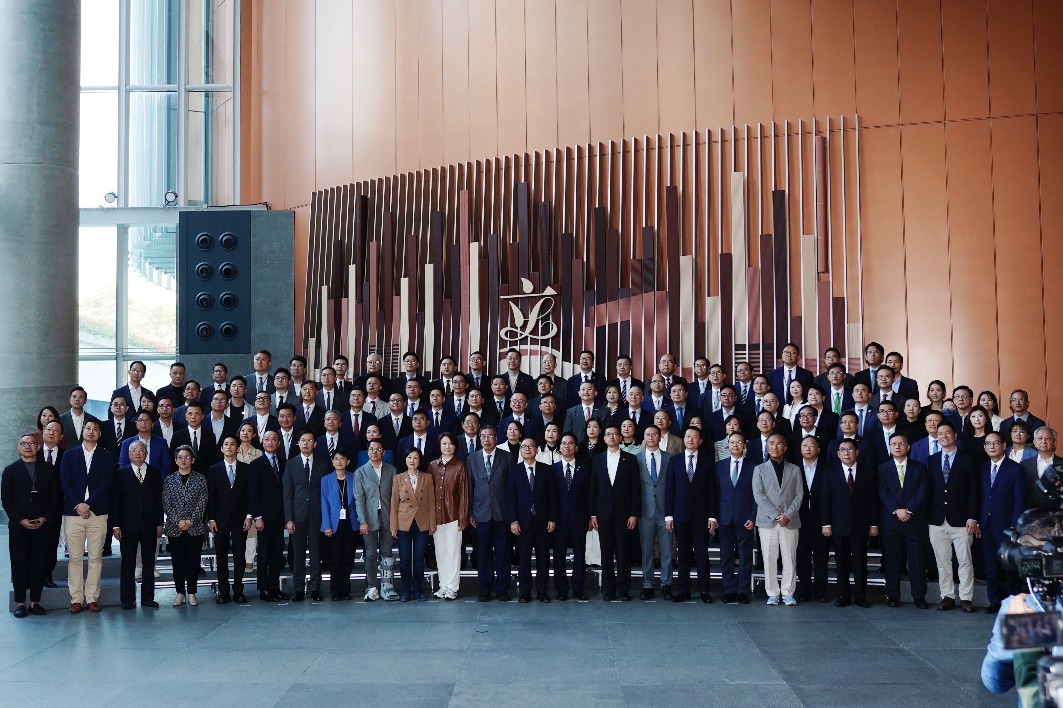
    Hong Kong’s political landscape enters a new chapter as the eighth-term Legislative Council (LegCo) prepares to assume office with a mandate to accelerate the region’s development. Outgoing LegCo President Andrew Leung Kwan-yuen articulated this vision during a transitional press briefing on December 9, 2025, attended by both incumbent legislators and newly elected members.

    The gathering followed Sunday’s electoral proceedings and Monday’s official results announcement, creating a forum for continuity and collaboration between outgoing and incoming representatives. Leung emphasized that the election outcomes demonstrate the successful implementation of the ‘patriots administering Hong Kong’ governance principle, which has established positive momentum for the region’s political development.

    With the new LegCo comprising 50 re-elected veterans and 40 first-time legislators, Leung specifically encouraged experienced members to mentor newcomers during their transition into legislative responsibilities. This knowledge transfer, he suggested, would be crucial for maintaining effective governance and advancing Hong Kong’s reform agenda.

    The eighth-term LegCo is scheduled to commence its four-year legislative term on January 1, 2026, marking the beginning of a new governance cycle for the Hong Kong Special Administrative Region. This transition represents not merely a change of personnel but an opportunity to inject renewed vitality into Hong Kong’s development through collaborative efforts between the legislative body and the HKSAR government.