博客

  • Watch: Top US lawmakers join annual Menorah lighting at Capitol

    Watch: Top US lawmakers join annual Menorah lighting at Capitol

    In a powerful display of interfaith solidarity and bipartisan unity, the hallowed halls of the U.S. Capitol witnessed its annual Hanukkah menorah lighting ceremony, drawing the nation’s most prominent legislative leaders. House Speaker Mike Johnson (R-LA), House Minority Leader Hakeem Jeffries (D-NY), and Senate Majority Leader Chuck Schumer (D-NY) stood together to kindle the lights, commemorating the eight-day Jewish Festival of Lights.

    The ceremony, a cherished tradition in the congressional calendar, symbolizes more than religious observance; it represents the American ideals of religious freedom and cultural diversity. The leaders’ participation underscores a rare moment of political concord, transcending partisan divides to honor a story of resilience and miracle central to Jewish heritage. The event served as a poignant reminder of the enduring spirit of hope and the triumph of light over darkness, themes that resonate deeply within the current global context. This public act by top U.S. lawmakers reinforces the institutional support for religious pluralism at the highest levels of government, sending a message of inclusivity to the nation and the world.

  • Gaza family mourns boys killed by Israel along Yellow Line

    Gaza family mourns boys killed by Israel along Yellow Line

    In a devastating incident that underscores the ongoing violence in Gaza, two young Palestinian brothers were killed by an Israeli drone strike while gathering essential firewood near a contested demarcation zone. The tragedy occurred on November 29th in Bani Suheila, east of Khan Younis, despite an official ceasefire agreement.

  • Taoiseach deems drones ‘not a threat’ to Zelensky aircraft

    Taoiseach deems drones ‘not a threat’ to Zelensky aircraft

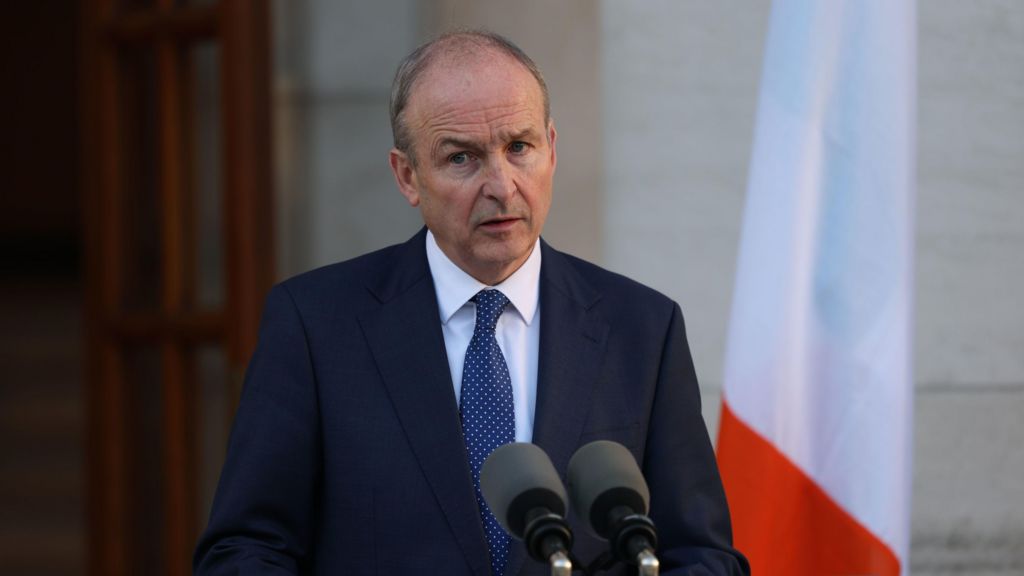
    Irish Taoiseach Micheál Martin has addressed security concerns surrounding Ukrainian President Volodymyr Zelensky’s recent diplomatic visit to Dublin, confirming the detection of unidentified drones near naval assets but emphasizing they posed no threat to the Ukrainian leader’s aircraft. The incident occurred during President Zelensky’s single-day official visit with First Lady Olena Zelenska last week.

    According to Martin’s statement before the Dáil, crew members aboard the Irish naval vessel LÉ William Butler Yeats observed multiple unidentified drones operating near Howth over the Irish Sea during the day of the visit. The Taoiseach clarified that these sightings occurred ‘quite some time’ after President Zelensky’s plane had already landed safely at Dublin Airport, eliminating any direct aviation security risk.

    Martin characterized the drone activity as ‘highly concerning’ and indicative of ‘an ongoing Russian-inspired hybrid campaign targeting European and Ukrainian interests.’ He noted similar incidents have occurred across other European states, suggesting a coordinated pattern of psychological operations rather than immediate physical threats.

    The Irish leader detailed that an immediate operational response was initiated by the naval commander upon detection, with subsequent coordination between police and military authorities. Despite the unsettling nature of the incident, Martin affirmed that overall security operations during President Zelensky’s Irish visit remained ‘effective’ and uncompromised.

    The disclosure highlights growing concerns about non-conventional security threats during high-profile diplomatic events, particularly involving nations directly engaged in geopolitical conflicts. Irish authorities continue to investigate the origin and purpose of the drone incursions while maintaining heightened security awareness.

  • Expert: Decoupling disastrous for Japan

    Expert: Decoupling disastrous for Japan

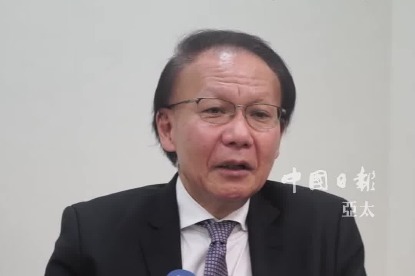
    A prominent Japanese economist has issued a stark warning against economic decoupling from China, characterizing such a move as potentially disastrous for Japan’s economic future. Hidetoshi Tashiro, serving as chief economist at Japan’s Infinity LLC and CEO of Terra Nexus Project Management Services, emphasized that China represents an economic partner that Japan fundamentally “cannot decouple” from due to deeply intertwined supply chain dependencies.

    Tashiro’s analysis highlights China’s unique position as the world’s most extensive and comprehensive production ecosystem, making sustained cooperation not merely beneficial but essential for maintaining Japan’s economic vitality. The economist presented a grave assessment that deliberately undermining this established economic structure would constitute an act of economic “suicide” for Japan, given the catastrophic disruption it would cause to Japanese industries and trade networks.

    The warning comes amid ongoing global discussions about supply chain diversification and economic realignment. Tashiro’s comments serve as a counterpoint to those advocating for reduced economic interdependence with China, arguing instead that the existing manufacturing and supply infrastructure between the two nations has become too integrated and too vital to dismantle without severe consequences.

    This perspective underscores the complex reality facing many advanced economies that must balance geopolitical considerations with economic practicalities, particularly when dealing with a manufacturing powerhouse like China that occupies a central role in global supply chains.

  • Fire in a residential building claims 12 lives in Guangdong

    Fire in a residential building claims 12 lives in Guangdong

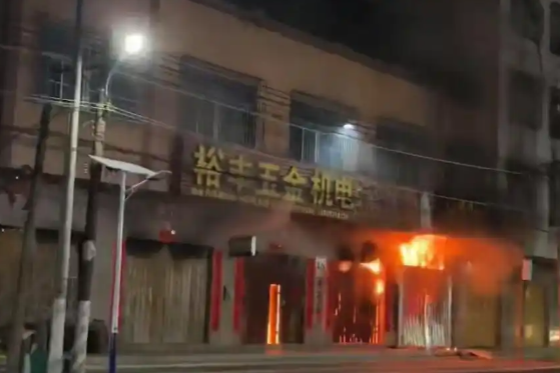
    A devastating nighttime fire erupted in a mixed-use residential building in Shantou’s Chaonan district, resulting in 12 fatalities and triggering a high-level governmental response. The inferno ignited at approximately 9:20 PM on Tuesday within a four-story reinforced concrete structure on Danfeng Road, consuming approximately 150 square meters before firefighters contained the blaze by 10:03 PM.

    Preliminary investigations reveal the ground floor housed a hardware retail establishment marketing electrical appliances and mechanical equipment, with residential occupants occupying upper levels. Circulating video evidence depicts intense flames and dense smoke emanating from the commercial unit, illuminating the sparsely populated streetscape during the emergency response.

    The tragedy has prompted immediate action from provincial authorities, constituting a specialized investigative task force comprising emergency management, fire rescue services, public security bureaus, and disciplinary inspection units. This coordinated effort aims to determine the exact ignition source and evaluate potential safety violations within the structurally complex property.

    Crisis context emerges from National Fire and Rescue Administration statistics indicating a alarming 39.5% year-over-year surge in fatalities occurring within small commercial establishments during 2025’s first half. Chaonan district, recognized as a manufacturing hub for textiles, apparel, and electronic components, contains numerous similar structures combining retail operations with residential spaces—a configuration officially identified as significantly contributing to fire-related casualties nationwide.

    The incident underscores persistent challenges in regulating building safety standards within densely populated urban environments where mixed-use occupancy patterns complicate emergency protocols and evacuation procedures.

  • Five things we learnt at the Doha Forum

    Five things we learnt at the Doha Forum

    The recent Doha Forum became a stage for revealing the profound shifts in Middle Eastern geopolitics and America’s evolving role in the region. Syrian leader Ahmed al-Sharaa received an unexpectedly warm reception, highlighting his rehabilitated status, while prominent US figures sparked contentious debates on Gaza and regional security.

    Mr. al-Sharaa’s appearance generated remarkable enthusiasm, with attendees rising to capture photos during his CNN interview. When questioned about past terrorist allegations, he deflected by referencing Israel’s actions in Gaza and Western military interventions, asserting that public perception of terrorism has become increasingly politicized. His confidence appeared bolstered by recent White House engagement, including his meeting with President Trump.

    The Trump administration’s distinctive approach was articulated by several representatives. US Ambassador to Turkey Tom Barrack signaled a departure from previous democratic promotion efforts, comparing them to colonial mandates. He emphasized that Syria would determine its own future without Western-imposed timelines. This perspective was reinforced by Donald Trump Jr., who championed his father’s ‘America First’ doctrine, stating the US would no longer serve as the world’s financial backer but rather seek transactional partnerships, particularly with energy-rich Gulf states.

    However, regional reactions to America’s retrenchment have been mixed. Saudi analyst Dr. Abdulaziz Alghashian expressed diminished expectations regarding US security guarantees, citing Washington’s muted response to 2019 Houthi attacks as prompting Riyadh to diversify alliances, including pursuing détente with Iran.

    Significant policy divergences emerged regarding Palestine. While US delegates focused on expanding the Abraham Accords and Gaza reconstruction, Arab diplomats uniformly emphasized the necessity of Palestinian statehood as a precondition. Egypt’s Foreign Minister outlined ceasefire implementation requirements, while Turkey’s Hakan Fidan challenged Israel’s disarmament prerequisites. Both Qatar and Saudi Arabia explicitly conditioned reconstruction funding on a credible pathway to statehood—a proposition Israel’s government strongly opposes.

    The forum also featured notable Western voices. Tucker Carlson, interviewing Qatar’s Prime Minister, denounced expectations that Qatar fund Gaza’s reconstruction while denying allegations of being a Qatari agent. Former Secretary Hillary Clinton defended her comments about young people consuming propaganda on TikTok regarding Gaza, asserting they lacked historical context while expressing anger about multiple global conflicts.

    The evident disparities between US and regional priorities, particularly regarding Palestinian statehood and security commitments, suggest that while America First rhetoric has reached the Gulf, its practical implementation faces substantial resistance from partners seeking more reliable alliances and diplomatic solutions.

  • Why were two US fighter jets near Venezuela?

    Why were two US fighter jets near Venezuela?

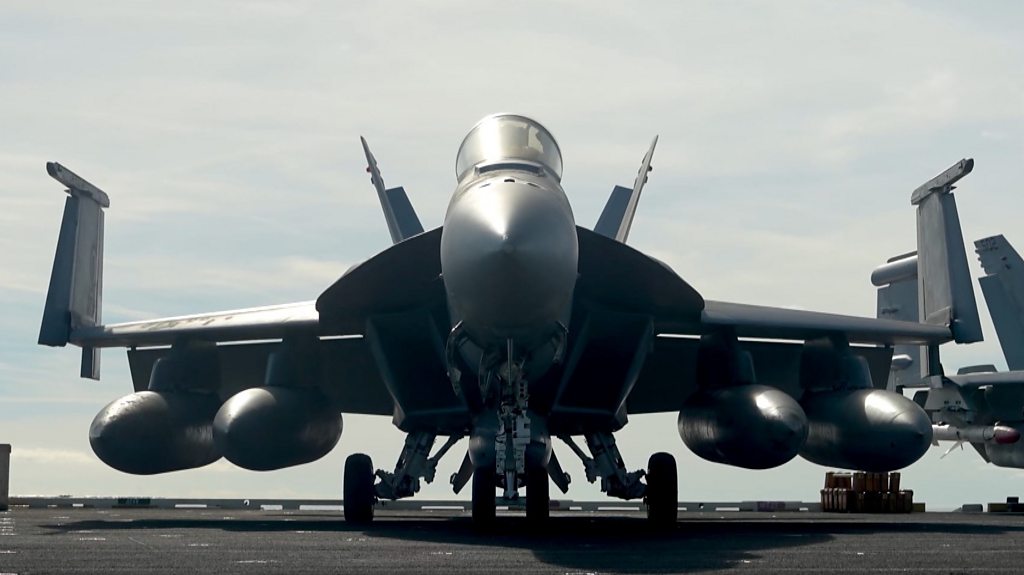
    Two U.S. Navy F/A-18 Super Hornet fighter jets executed a prolonged surveillance mission in close proximity to Venezuelan territory, according to flight tracking data. The advanced aircraft appeared on public flight monitoring systems near Maracaibo, Venezuela’s second-largest city and crucial economic hub, before initiating an extensive 40-minute circular pattern over the Gulf of Venezuela.

    The operation, which occurred in international airspace, represents the latest development in ongoing tensions between the United States and the administration of Venezuelan President Nicolás Maduro. Aviation experts confirmed the aircraft were operating at standard surveillance altitudes and patterns consistent with intelligence-gathering missions.

    This aerial activity follows previous U.S. military deployments in the region, including recent naval exercises and increased surveillance operations aimed at monitoring Venezuelan military movements and alleged illicit activities. The Gulf of Venezuela represents a strategically significant maritime corridor for both commercial shipping and regional security operations.

    The U.S. Southern Command has maintained an increased presence in the Caribbean region, citing concerns about drug trafficking, regional stability, and the humanitarian situation in Venezuela. Venezuelan officials have repeatedly condemned such operations as violations of their sovereignty and examples of U.S. aggression.

    Military analysts note that such flights typically serve multiple purposes: demonstrating regional commitment to allies, gathering intelligence on potential security threats, and maintaining operational readiness in strategically important regions. The extended duration of this particular mission suggests comprehensive surveillance objectives rather than mere presence demonstration.

  • International experts share innovative poverty solutions

    International experts share innovative poverty solutions

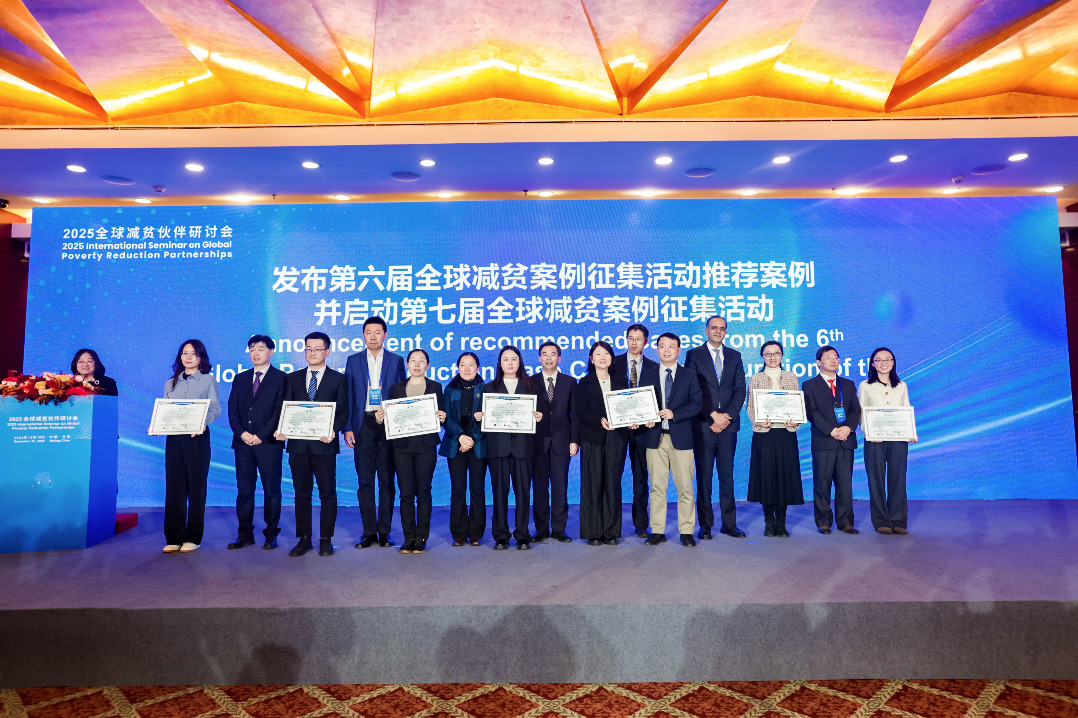
    The 2025 International Seminar on Global Poverty Reduction Partnerships witnessed a significant milestone with the launch of the latest Global Poverty Reduction Case Series, featuring 108 exemplary models selected from 840 submissions across 40 countries and regions. This comprehensive collection showcases sustainable and replicable poverty alleviation strategies, operational technologies, and inclusive approaches designed for vulnerable populations worldwide.

    The curated cases span diverse geographical contexts including Ghana, Kenya, Laos, and Brazil, offering multifaceted insights into effective poverty reduction methodologies. Notable initiatives include an agricultural technical assistance program in Fiji’s Northern Division, rural vitalization projects in China’s Hunan province, and China-Africa collaborative efforts to strengthen rice value chains in West Africa.

    During the seminar, Gao Anming, Editor-in-Chief of China International Communications Group, emphasized the transformative role of technology in poverty governance. He revealed the development of an AI-powered poverty governance intelligent agent that will utilize a global database to automatically identify relevant case studies and propose tailored solutions for specific countries, thereby enhancing the precision of international experience sharing.

    Carlos Aldeco, FAO Representative for China and DPRK, described the case series as an essential global public good that captures “real solutions from real communities for real challenges.” The collection promotes innovations such as digital extension services and climate-smart villages while fostering global solidarity.

    Nii Quaye-Kumah, IFAD Representative to China, underscored the power of partnership and knowledge sharing, noting that “no single country has all the answers.” The China-IFAD South-South and Triangular Cooperation Facility enables real-time strategy enhancement through mutual learning and experience exchange.

    The event convened nearly 200 representatives from 17 countries and 7 international organizations, who shared innovative practices including international organizations’ empowerment of small-holder farmers in poverty reduction efforts. The seminar also marked the official launch of the seventh global poverty reduction case collection.

  • US sanctions Colombians involved in Sudan war but fails to mention UAE link

    US sanctions Colombians involved in Sudan war but fails to mention UAE link

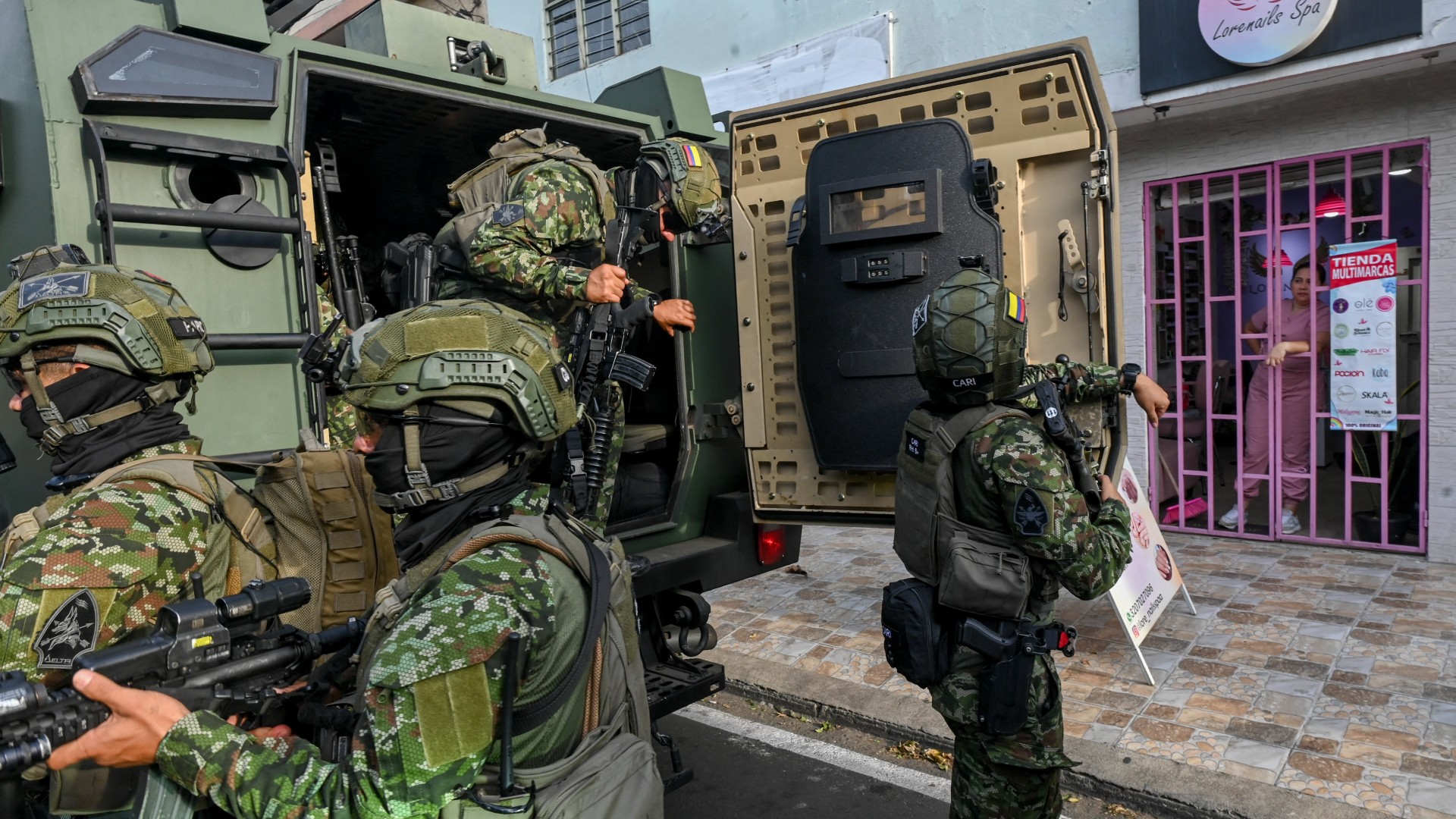
    The United States has imposed targeted sanctions on a sophisticated transnational network responsible for recruiting Colombian combat veterans to serve as mercenaries alongside Sudan’s Rapid Support Forces (RSF). The Treasury Department’s action specifically identifies four individuals and four entities central to this operation, yet notably omits any direct reference to the United Arab Emirates, despite mounting evidence of its alleged involvement.

    According to official statements, this sanctioned network systematically recruited former Colombian military personnel who provided the RSF with critical tactical expertise in infantry operations, artillery, drone piloting, and vehicle operations. Disturbingly, some were implicated in training child soldiers. These mercenaries have reportedly participated in major battles across Sudan, including engagements in Khartoum, Omdurman, Kordofan, and el-Fasher—where the RSF stands accused of documented mass killings and human rights abuses.

    The sanctioned entities include Bogota-based International Services Agency (A4SI), its co-founder Alvaro Andres Quijano Becerra (a retired Colombian officer residing in the UAE), and his wife Claudia Viviana Oliveros Forero. Additional designations extend to Panama-based Global Staffing S.A., along with Colombian firms Maine Global Corp S.A.S. and Comercializadora San Bendito. Individuals Monica Munoz Ucros and Mateo Andres Duque Botero were also sanctioned.

    Leaked documents obtained by Colombian media outlet La Silla Vacia reveal that a UAE-registered company, Global Security Services Group—which identifies as “the only armed private security services provider for the UAE government”—contracted A4SI to supply hundreds of former troops to Sudan. This company remains conspicuously absent from the US sanctions list.

    The complex recruitment pipeline funnels Colombian fighters through multiple routes: one via Benghazi, Libya, where passports are reportedly confiscated, and another through Spain, Ethiopia, Somalia’s Bosaso port, and Chad before reaching RSF-controlled territories in Darfur. Exclusive footage obtained by Middle East Eye captures dozens of Colombians disembarking at Bosaso airport, with senior port sources confirming undisclosed heavy logistical materials funneled through UAE networks ultimately destined for Sudan’s RSF.

    This development occurs against the backdrop of Sudan’s formal complaint to the UN Security Council accusing the UAE of sponsoring Colombian mercenaries, and the August downing of a UAE aircraft carrying 40 Colombian fighters and arms allegedly destined for the RSF. The UAE consistently denies these allegations, dismissing evidence as fabricated.

    The strategic value of Colombian mercenaries in modern warfare cannot be overstated. Decades of internal conflict against guerrillas and drug cartels have produced combat-hardened veterans offering exceptional value—costing approximately a quarter of American counterparts while demonstrating superior discipline and chain-of-command adherence. Their services have been previously utilized in Ukraine, Libya, Afghanistan, and Iraq.

    Sudan’s devastating conflict erupted in April 2023 from tensions between the regular army under General Abdel Fattah al-Burhan and the RSF commanded by Mohamed Hamdan Dagalo. Disagreements over RSF integration into the national army spiraled into nationwide warfare that has killed tens of thousands and displaced over 13 million people, with both sides facing accusations of severe human rights violations.

  • Italian cooking awarded Unesco cultural heritage status

    Italian cooking awarded Unesco cultural heritage status

    In a historic declaration during its annual assembly in New Delhi, UNESCO has formally inscribed Italian culinary traditions onto its prestigious List of Intangible Cultural Heritage. The designation extends beyond specific dishes to encompass the comprehensive ecosystem of Italy’s food culture—including its transmission methods, social practices, and communal significance.

    Italian Prime Minister Giorgia Meloni, who championed this recognition since her election, celebrated the decision as validation of Italy’s gastronomic philosophy. ‘For Italians, cuisine transcends mere sustenance or recipes—it embodies our culture, traditions, labor, and prosperity,’ she affirmed.

    The UNESCO evaluation committee characterized Italian foodways as ‘a vital connective tissue strengthening familial and community bonds, manifested through home cooking, educational environments, and diverse social celebrations.’ This designation places Italian culinary culture alongside other globally recognized food traditions including Japan’s Washoku, France’s Gastronomic Meal, and Malaysia’s Breakfast Culture.

    Celebrated chef Michelangelo Mammoliti of Piedmont’s three-Michelin-starred La Rei Natura expressed profound national and professional pride in the announcement. ‘Regional cuisine profoundly influences Italy’s cultural identity and traditions,’ noted Mammoliti, whose establishment recently earned top honors in the 2026 Michelin Guide.

    Industry leaders anticipate significant economic benefits from the UNESCO designation. Luigi Scordamaglia, CEO of Filiera Italia, described the recognition as a triumph for the entire ‘Made in Italy’ production chain. He emphasized the health-promoting aspects of the Mediterranean diet, noting that ‘Italian cuisine exemplifies dietary balance and variety.’

    The assembly simultaneously recognized several other cultural traditions, including Egypt’s street food staple Koshary (a spicy combination of lentils, rice, and pasta), Iceland’s swimming pool culture, Cuban Son music and dance, and Albania’s lahuta instrument craftsmanship.

    With Italy already welcoming 80 million international visitors annually, tourism authorities expect this cultural endorsement to further enhance the country’s appeal as a premier gastronomic destination.