博客

  • Border clashes between Thailand and Cambodia intensify with airstrikes and artillery attacks

    Border clashes between Thailand and Cambodia intensify with airstrikes and artillery attacks

    Tensions along the contested Thai-Cambodian border have dramatically escalated with renewed military engagements, including alleged airstrikes and heavy artillery exchanges. The Cambodian Defense Ministry reported Thursday that Thai fighter jets dropped three bombs in border regions, accusing Thailand of violating international laws through deployment of heavy weapons and troop incursions. Thailand’s military countered that these actions were responses to Cambodian artillery and mortar attacks on their positions the previous night.

    The conflict has resulted in significant human casualties, with approximately two dozen reported fatalities this week and hundreds of thousands displaced on both sides. Thailand confirmed nine soldier deaths since Monday, while Cambodia reported eleven civilian fatalities and seventy-four wounded. The fighting has damaged residential areas near the border, with Thailand claiming destruction of Cambodian military infrastructure including a strategic crane near the historic Preah Vihear temple.

    International concern continues to mount, with Pope Leo XIV expressing deep sadness at the renewed conflict and civilian suffering. The United Nations Educational, Scientific and Cultural Organization (UNESCO) voiced strong concern about fighting near the World Heritage-listed Preah Vihear temple, offering technical assistance for its protection.

    The current escalation follows the collapse of a July ceasefire brokered by Malaysia under pressure from U.S. President Donald Trump, who threatened trade privilege suspensions. Despite the agreement, minor cross-border violence and propaganda campaigns persisted. President Trump expressed confidence in his ability to reinstate peace, planning Thursday phone discussions with both nations’ leaders.

    The border dispute originates from competing territorial claims based on a 1907 French colonial-era map and was exacerbated by a 1962 International Court of Justice ruling that granted Cambodia sovereignty over the temple area, a decision that remains contentious in Thailand.

  • Goa nightclub owners held in Thailand over deadly fire

    Goa nightclub owners held in Thailand over deadly fire

    Indian authorities have confirmed the detention in Thailand of two brothers sought in connection with a catastrophic nightclub fire in Goa that resulted in 25 fatalities. Gaurav and Saurabh Luthra, proprietors of the Birch By Romeo Lane establishment, were apprehended in Phuket after fleeing India shortly following the Sunday morning incident.

    Nagesh Singh, India’s Ambassador to Thailand, stated publicly on Thursday that the brothers will be repatriated to India. This development occurred one day after a Delhi court rejected their petition for protection from arrest, prompting the Goa state government to formally request the revocation of their passports through India’s Ministry of External Affairs.

    The devastating blaze erupted in the early hours of Sunday within a popular nightlife district of the tourist-centric state. Preliminary investigations indicate pyrotechnics ignited inside the venue triggered the rapid conflagration. Among the deceased, most were club employees while five victims were identified as international tourists.

    While the Luthra brothers have maintained public silence since the tragedy, their legal representative asserted in court proceedings that they were subjected to a ‘witch hunt.’ Saurabh Luthra, identified on social media as chairman of the operating company, posted a statement Monday expressing ‘profound grief’ and promising the management’s ‘unwavering solidarity’ with affected families alongside commitments of full cooperation.

    Goa Chief Minister Pramod Sawant disclosed Wednesday that six individuals have already been arrested regarding the incident, with additional arrests anticipated. Indian investigators revealed that upon raiding the brothers’ Delhi residence hours after the fire, they discovered the suspects had already fled the country, necessitating Interpol assistance in the international manhunt.

    Goa, renowned for its beaches and vibrant tourism industry, faces renewed scrutiny over safety regulations in its entertainment venues following this tragic event.

  • US Fed cuts interest rate by 25 basis points

    US Fed cuts interest rate by 25 basis points

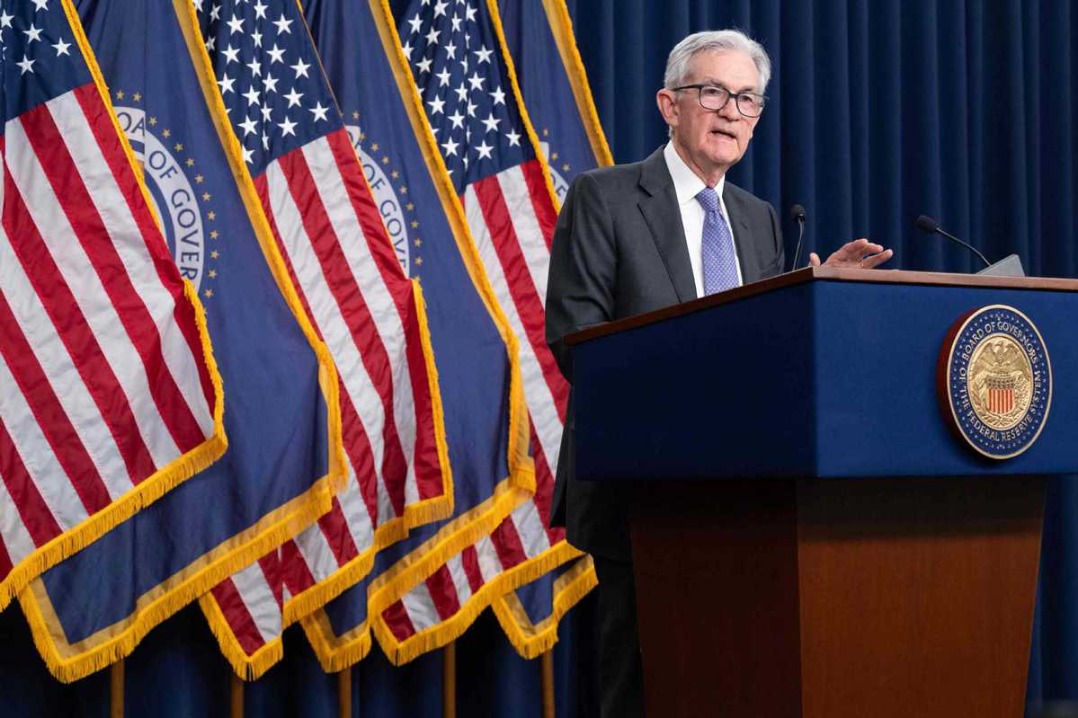
    In a pivotal monetary policy decision, the U.S. Federal Reserve announced a 25 basis point reduction in the federal funds rate on Wednesday, December 10, 2025, lowering the target range to 3.50-3.75 percent. This marks the third consecutive rate cut implemented by the central bank since September, bringing interest rates to their lowest level in approximately three years.

    The Federal Open Market Committee’s decision emerged from a divided governing body confronting competing economic pressures. While inflation remains persistently elevated, exceeding the Fed’s 2 percent target by approximately one percentage point, growing concerns about employment stability ultimately guided the committee’s action.

    Committee officials cited ‘elevated uncertainty about the economic outlook’ in their official statement, specifically noting that ‘downside risks to employment rose in recent months.’ This assessment follows troubling labor market indicators, including recent data from Automatic Data Processing, Inc. showing private companies unexpectedly cut 32,000 workers in November—a stark contrast to economists’ projections of a 40,000-job increase.

    The labor market deterioration has been particularly acute among small businesses, with establishments employing fewer than 50 workers shedding 120,000 positions in November. Mid-sized and large enterprises continued modest hiring during the same period, creating a bifurcated employment landscape.

    Compounding these challenges, the recent 43-day federal government shutdown significantly disrupted economic data collection and exacerbated labor market weaknesses. The statistical disruption means October unemployment data will remain unavailable, while November employment figures—scheduled for release on December 16—will provide crucial insight into the economy’s trajectory.

    The Fed’s unusual third consecutive rate cut reflects the complex balancing act facing policymakers as they navigate elevated inflation concerns against emerging employment vulnerabilities, all while contending with ongoing trade policy uncertainties that continue to influence economic conditions.

  • Panic in France as children fall victim to lethal violence of Marseille drug gangs

    Panic in France as children fall victim to lethal violence of Marseille drug gangs

    The Mediterranean port city of Marseille is experiencing an unprecedented escalation in drug-related violence characterized by increasingly younger perpetrators and victims. The recent murder of 15-year-old Adel exemplifies the brutality: his charred body was discovered by schoolchildren after being shot execution-style and set ablaze—a now-common method among rival gangs.

    France’s Ministry of Justice reports a fourfold increase in teenage involvement in the drug trade over the past eight years. Social media platforms like TikTok have become recruitment tools, with ads offering €250 for lookouts and €500 for drug carriers, while emoji-coded posts advertise narcotics available ‘from 10:00 to midnight’.

    Gang members describe a complete breakdown of traditional codes. ‘The Immortal,’ a 20-year-old survivor of four bullet wounds, explains: ‘Nobody respects anything these days. The bosses use youngsters, pay them peanuts, and they end up killing others for no real reason. It’s anarchy.’

    The violence reached a tipping point with the murder of Mehdi Kessaci, a 20-year-old police trainee with no gang connections. His brother Ahmed, an anti-gang activist, believes the killing was intended as a warning. ‘There was a time when thugs had a moral code,’ Kessaci reflects. ‘You didn’t kill in daylight, not in front of everyone. Today these steps have disappeared.’

    Police respond with ‘security bombardments’—high-intensity raids in problematic neighborhoods. During one operation, officers arrested an 18-year-old who pleaded for protection, claiming he was being held against his will by traffickers. In filthy cellars, police find sophisticated packaging operations for cocaine distribution.

    Chief Prosecutor Nicolas Bessone describes an industry worth €7 billion nationally with two alarming developments: online recruitment and sales, and the enslavement of teenage ‘soldiers.’ ‘Traffickers create fictional debts to make them work for free,’ Bessone explains. ‘They torture them if they steal €20 for a sandwich. The average age of perpetrators and victims gets younger each year.’

    The crisis has sparked political division. Far-right politicians like National Rally’s Franck Alissio demand tougher immigration controls and a state of emergency, arguing that ‘the number of immigrants is the problem.’ Critics counter that this perspective exploits fear while ignoring the complex socioeconomic roots of the crisis.

    Writer Philippe Pujol, now under police protection, argues that entrenched poverty created this ‘monster’ through decades of neglect. ‘These kids can be jerks in a group,’ he observes, ‘but alone they’re still children with dreams who don’t want this violence.’

    As community organizers describe a citywide ‘psychosis’ of fear, the fundamental question remains: whether to combat the violence through intensified policing or by addressing the systemic poverty and social exclusion that fuel it.

  • Hundreds in Japan get car driving licences suspended for drink cycling

    Hundreds in Japan get car driving licences suspended for drink cycling

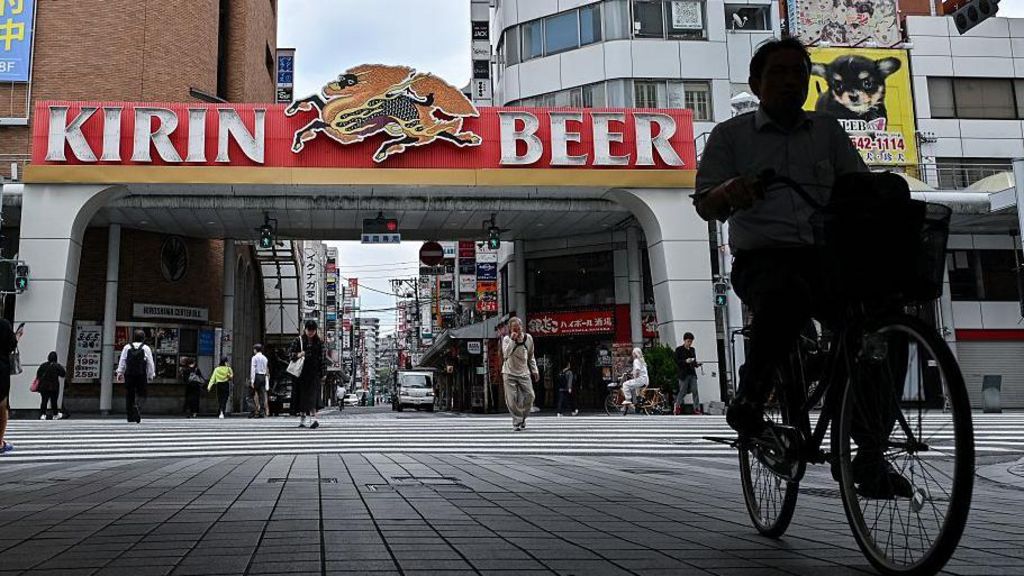
    Japanese authorities have implemented a stringent crackdown on alcohol-impaired cycling, resulting in the suspension of driving licenses for nearly 900 individuals caught operating bicycles while intoxicated. According to local media reports, law enforcement officials determined these offenders presented a ‘significant danger’ comparable to drunk car drivers.

    The dramatic increase in license suspensions from January to September follows the implementation of revised traffic regulations enacted in November 2024. These laws substantially heightened penalties for cycling under the influence, introducing potential imprisonment of up to three years or fines reaching 500,000 yen (approximately $3,200).

    Notably, the legal threshold for punishment has been significantly lowered. Cyclists now face penalties if breath alcohol tests detect concentrations of 0.15 milligrams per liter or higher—a substantial departure from previous standards that primarily penalized visibly impaired cycling ability.

    The legislative scope extends beyond individual riders to include those who provide alcohol to cyclists or make bicycles available to potentially intoxicated users. This comprehensive approach reflects authorities’ determination to address what they identify as a serious public safety concern.

    Police statistics reveal extensive enforcement efforts, with over 4,500 individuals apprehended for drunk cycling between November 2024 and June 2025. This crackdown occurs against a backdrop of increasing bicycle popularity during the pandemic era, which unfortunately correlated with rising accident rates. Official data indicates bicycles were involved in more than 72,000 accidents throughout 2023, accounting for over 20% of all traffic incidents nationwide.

    The regulatory expansion continues with additional rules scheduled for April implementation targeting common cycling infractions. These will penalize behaviors including umbrella use while riding, mobile phone operation, traffic signal violations, and nighttime riding without proper illumination.

    This represents a significant cultural shift for Japan, where alcohol has historically served as a social lubricant for business negotiations and delicate discussions for centuries. The new regulations challenge traditional attitudes toward alcohol consumption and transportation safety, creating a new paradigm for personal responsibility in public spaces.

  • Farmers will get more money from Trump. They still have more problems

    Farmers will get more money from Trump. They still have more problems

    American agricultural producers are confronting a complex economic landscape as former President Donald Trump’s proposed $12 billion federal assistance package meets mixed reactions across the nation’s farming heartlands. The emergency relief comes as retaliatory trade measures from China continue to disrupt agricultural exports, particularly affecting soybean and sorghum growers who traditionally depend on international markets for over half their production.

    In Randolph, Minnesota, fourth-generation farmer Charlie Radman characterizes the government support as merely “a bridge” rather than a permanent solution. His sentiment echoes throughout agricultural communities where multigenerational farming operations face mounting pressure from declining commodity prices, escalating production costs, and shrinking international market access. Despite these challenges, many growers maintain political support for Trump while expressing concerns about the sustainability of federal stopgap measures.

    The agricultural sector’s predicament stems from China’s strategic shift toward Brazilian and other South American suppliers during recent trade disputes. Although the Trump administration negotiated commitments for China to purchase substantial American soybean volumes—12 million metric tons by February’s end with promised annual purchases of 25 million metric tons over three years—current fulfillment rates hover around merely 25% of these targets, raising doubts about the reliability of such trade agreements.

    Beyond immediate financial assistance, farmers are advocating for diversified market strategies. Minnesota grower Glen Groth emphasizes the need to “open up markets outside of China,” while agricultural organizations promote expanding domestic applications including biodiesel, ethanol, aviation fuel, and animal feed production. Southeast Iowa farmer Dan Keitzer notes that technological advancements and consistent bumper harvests have created surplus production capacities that require expanded demand rather than government subsidies.

    The current $12 billion aid package follows previous Trump-era agricultural bailouts totaling $22 billion in 2019 and $46 billion in 2020, with the latest initiative implementing a $155,000 per-farmer compensation cap and eligibility restrictions for operations exceeding $900,000 in adjusted gross income. Concurrently, the administration has initiated investigations into potential anti-competitive practices throughout the agricultural supply chain, addressing concerns about fertilizer, seed, equipment, and meatpacking conglomerates.

    As farmers finalize planting decisions and financing arrangements for the upcoming season, many express gratitude for governmental recognition of their challenges while maintaining that sustainable solutions must emerge from market access expansion rather than temporary fiscal interventions.

  • A free childbirth program ends in eastern Congo at the worst of times

    A free childbirth program ends in eastern Congo at the worst of times

    GOMA, Democratic Republic of Congo — A severe maternal health emergency is unfolding in eastern Congo as expectant mothers face impossible choices amid ongoing conflict and the sudden termination of a vital government healthcare initiative. The situation has created a perfect storm of humanitarian suffering in a region already grappling with one of the world’s highest maternal mortality rates.

    The crisis stems from the confluence of multiple devastating factors: the collapse of a free maternity care program that previously provided essential services, continued rebel control of the city of Goma, and the complete breakdown of medical infrastructure. The program, initiated in 2023 to address Congo’s alarming maternal death statistics, offered free consultations and treatment for at-risk pregnancies at selected facilities nationwide before mysteriously ending in June without official explanation.

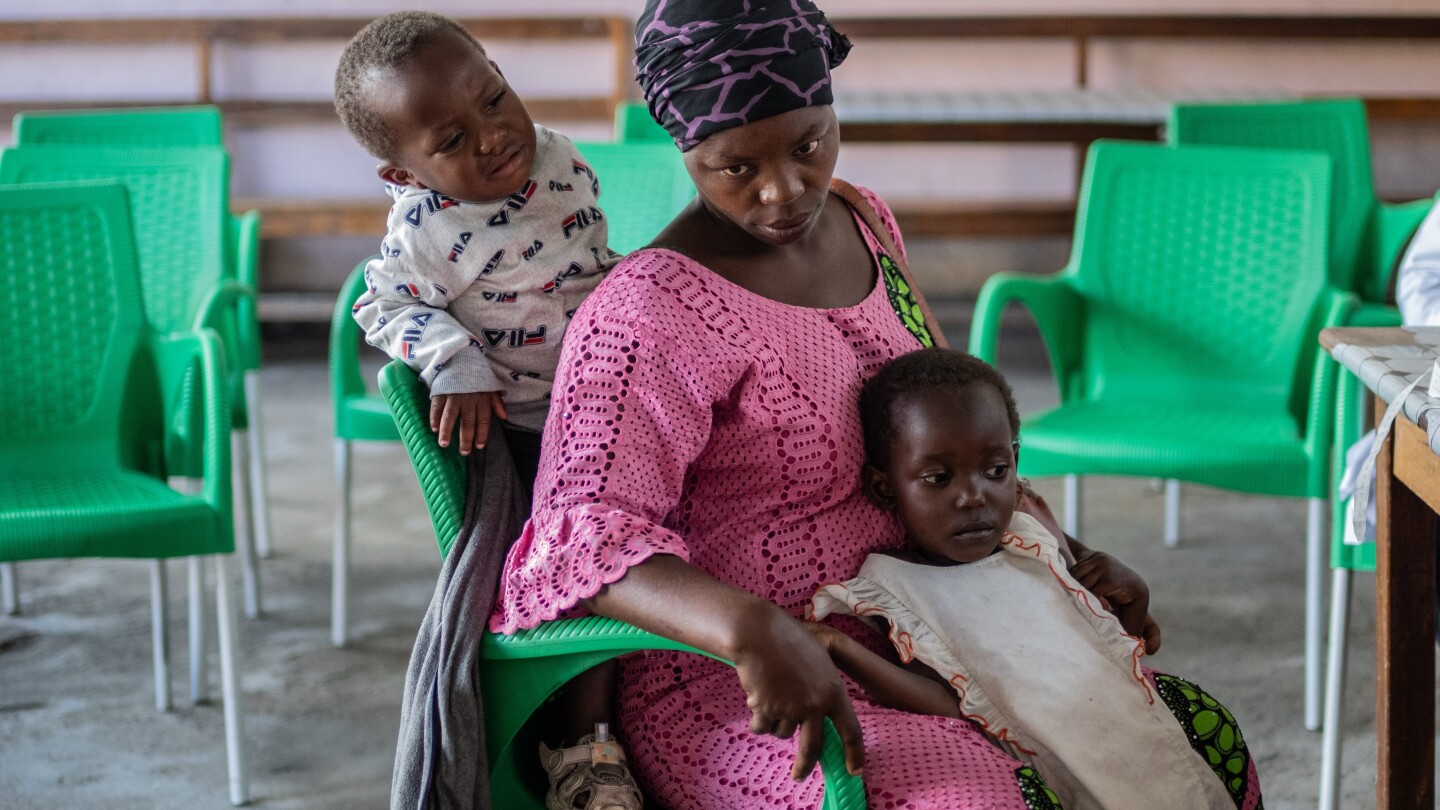
    Irene Nabudeba, a mother of five expecting her sixth child, embodies the human cost of this healthcare collapse. “At the hospital, they ask us for money that we don’t have,” she explained at the Afia Himbi health center, her hands resting on her pregnant abdomen. “I’m pushing myself to come to the consultations, but for the delivery… I don’t know where I’ll find the money.”

    The economic devastation accompanying the conflict has rendered even minimal medical fees prohibitive. Childbirth at a local clinic now costs $5-10, an impossible sum in a region where over 70% of the population survives on less than $2.15 daily. Franck Ndachetere Kandonyi, chief nurse at Afia Himbi, reported that monthly births under the free program had surged from approximately five to more than twenty before the initiative’s termination. That number has now plummeted to just nine monthly births as women retreat from formal healthcare.

    The M23 rebel group, which seized control of Goma in January amid escalating violence, has offered contradictory explanations for the program’s collapse. Freddy Kaniki, deputy coordinator of M23, asserted to AP that the initiative “was not renewed because it was a failure,” without providing supporting evidence. Congolese officials remained unresponsive to inquiries.

    Medical infrastructure has deteriorated catastrophically throughout the conflict. An International Committee of the Red Cross assessment in September revealed that 85% of health facilities face critical medicine shortages, while nearly 40% have experienced significant staff departures. Doctors Without Borders has documented attacks on hospitals, blocked ambulances, and threats against medical personnel.

    The human impact extends beyond statistics. Ernestine Baleke, pregnant with her ninth child, walks over half a mile to the Rehema Health Center because she cannot afford transportation. “I don’t even have 100 francs (45 cents) in my pocket,” she revealed, explaining that her husband lost his factory job when the facility was looted early in the conflict. Their house subsequently burned, leaving the family destitute.

    With three months remaining until her delivery, Baleke voiced the desperate plea of countless mothers: “The authorities must restore free health care. We risk dying in our homes while giving birth.” As fighting recently escalated despite U.S.- and Qatar-led peace efforts, the prospects for immediate resolution appear dim, leaving Congo’s most vulnerable citizens caught between conflict and catastrophic healthcare access.

  • Mexico approves up to 50% tariffs on China and other countries

    Mexico approves up to 50% tariffs on China and other countries

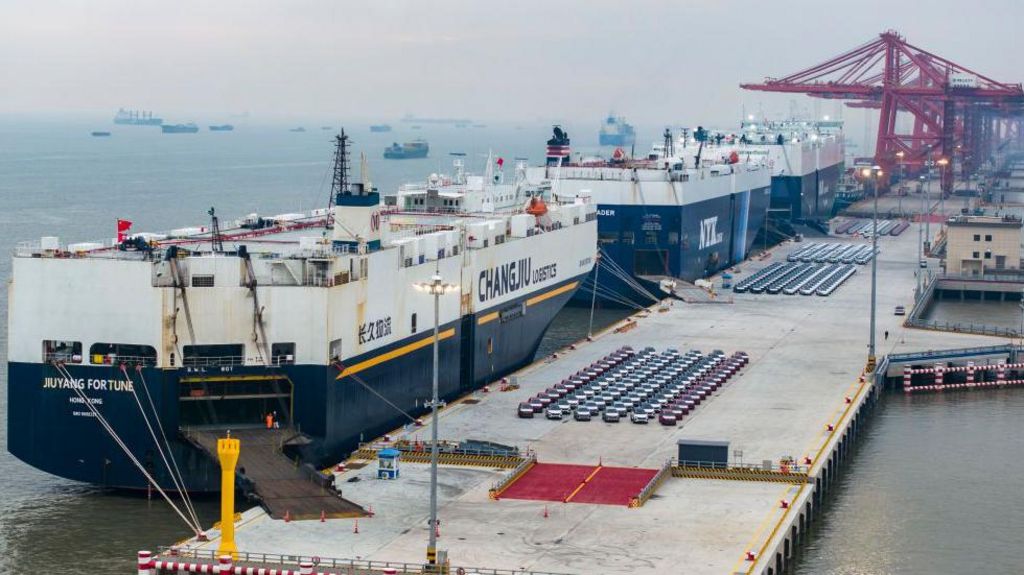
    Mexico’s Senate has ratified a comprehensive tariff package targeting over 1,400 imported goods, with significant implications for Chinese manufacturers and other trading partners. The legislation, endorsed by President Claudia Sheinbaum as essential for strengthening domestic industries, will impose duties of up to 50% on products ranging from metals and automobiles to clothing and household appliances.

    The new tariffs, scheduled for implementation on January 1, 2026, will affect dozens of nations without existing free trade agreements with Mexico, including China, Thailand, India, and Indonesia. This strategic move occurs against the backdrop of ongoing negotiations between Mexican officials and the Trump administration regarding potential US import taxes targeting Mexican exports.

    Former President Donald Trump has threatened multiple tariff measures against Mexico, including proposed 50% duties on steel and aluminum, a 25% levy related to fentanyl trafficking prevention, and most recently, a 5% tariff accusation regarding water access for American farmers under an 80-year-old treaty. The United States remains Mexico’s predominant trading partner, adding complexity to these bilateral discussions.

    Beijing had previously cautioned Mexico to exercise careful consideration before implementing these tariffs, highlighting the delicate balance Mexico must maintain between protecting domestic production and managing international trade relationships.

  • China builds an electromagnetic kill zone in the South China Sea.

    China builds an electromagnetic kill zone in the South China Sea.

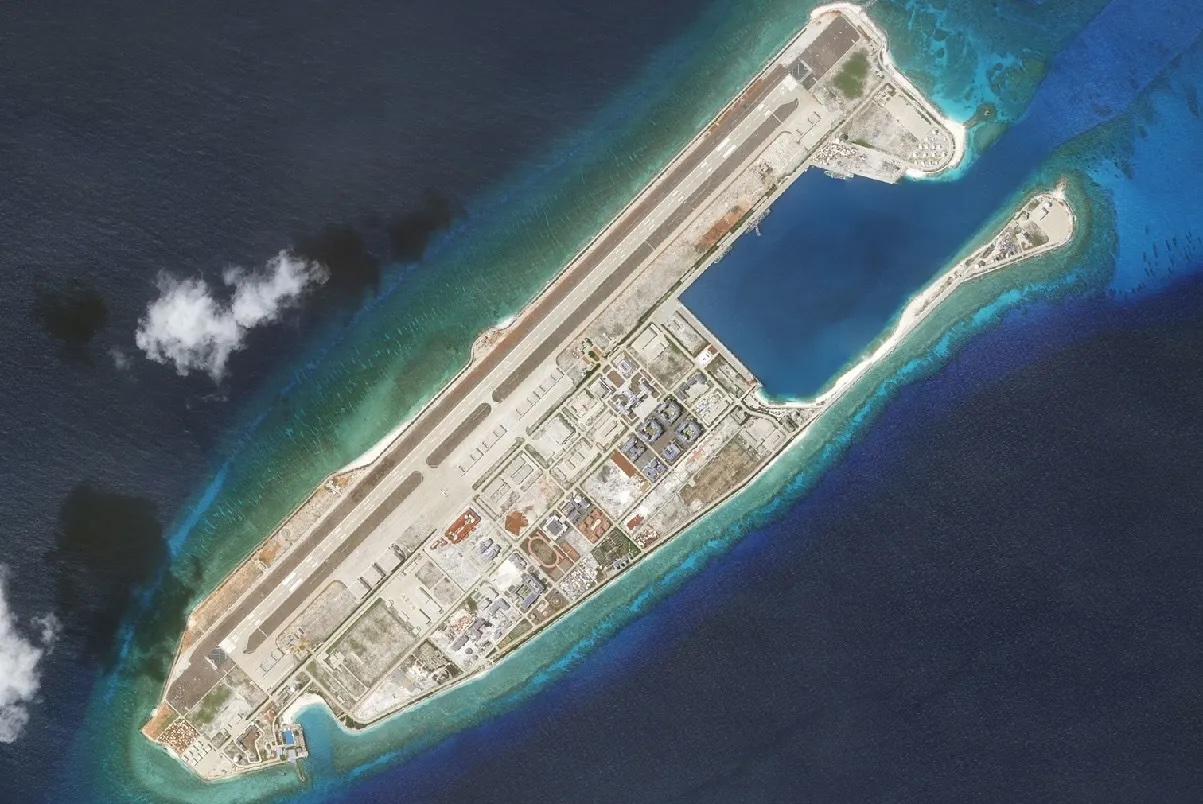
    China has significantly enhanced its electronic warfare capabilities across the Spratly Islands, transforming the South China Sea into a strategically contested electromagnetic battlespace according to recent analyses. Between 2023 and 2025, Beijing has quietly deployed advanced surveillance and jamming infrastructure on its artificial island bases, fundamentally altering the regional security balance.

    Satellite imagery analysis by the Asia Maritime Transparency Initiative reveals sophisticated antenna arrays and mobile electronic warfare vehicles positioned on Fiery Cross, Mischief, and Subi reefs. The installations include at least six purpose-built sites with monopole antennas oriented seaward, complemented by vehicle-mounted jamming systems targeting specific electromagnetic frequencies. Infrastructure developments include specialized shelters at Subi Reef and a circular concrete platform at Mischief Reef designed for rapid antenna deployment.

    The technological upgrades extend to two new radomes at Subi Reef, creating overlapping intelligence, surveillance, and reconnaissance (ISR) coverage patterns matching previous installations on other reefs. These developments are complemented by fortified coastal emplacements capable of hosting artillery or mobile weapons systems.

    A November 2025 US-China Economic and Security Review Commission report highlights how these capabilities directly threaten the networked systems that form the core of US military operations. The People’s Liberation Army has developed sophisticated capacity to disrupt, degrade, or paralyze US reconnaissance, communications, and targeting systems—potentially impairing access to satellites and networked sensors during both peacetime and conflict scenarios.

    Technical assessments indicate China could utilize these outposts as regional electronic warfare hubs, enabling communications jamming, radar disruption, and geolocation of foreign forces. Mobile jammers, high-frequency direction-finding arrays, and satellite communication interception sites provide triangulation capabilities and sensor overwhelming capacity.

    Operational concepts reportedly focus on crippling US Navy carrier strike groups by targeting critical sensors and data-sharing systems. Priority targets include the AN/SPY-1 phased-array radar on Aegis ships, vulnerable to jamming and drone-generated false returns. China also aims to disrupt the E-2C Hawkeye’s coordination role and exploit signal transponders to compromise the Cooperative Engagement Capability network.

    Recent incidents suggest these capabilities may already be operational. The October 2025 loss of a US Navy MH-60R Sea Hawk helicopter and F/A-18 Super Hornet fighter from the USS Nimitz within 30 minutes of each other potentially resulted from electronic warfare interference with aircraft systems, though official investigations remain inconclusive.

    Strategically, these developments support China’s efforts to establish a submarine bastion in the South China Sea, creating a protective reconnaissance and defensive network for its nuclear ballistic missile submarines. This system enables submarine maneuverability while evading foreign tracking and maintaining nuclear deterrence patrols.

    In contrast, US Lieutenant General John Caine acknowledged in April 2025 congressional testimony that US joint forces remain inadequately protected against advanced electronic warfare capabilities, noting America has ‘lost some muscle memory’ after decades operating in permissive electromagnetic environments.

  • Japanese chess player calls out association’s pregnancy bias

    Japanese chess player calls out association’s pregnancy bias

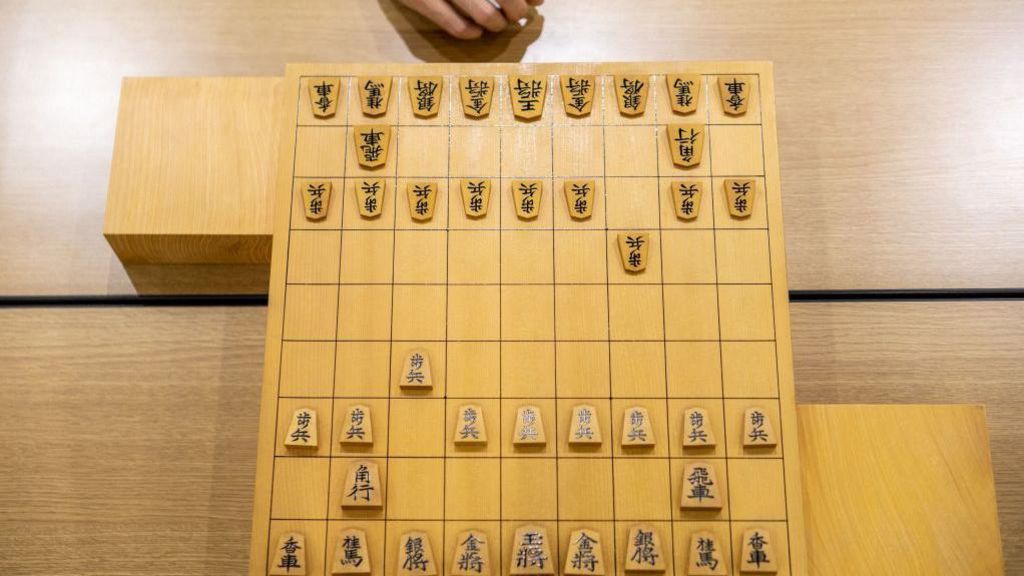
    Japan’s professional shogi community is confronting a significant gender equity controversy following public criticism from one of its most accomplished players regarding pregnancy-related competition bans. Kana Fukuma, a decorated shogi master, has compelled the Japan Shogi Association to apologize and reconsider regulations that effectively force female players to choose between motherhood and their professional careers.

    The current framework mandates that pregnant competitors must withdraw from title matches during a 14-week period surrounding their expected delivery date—spanning six weeks before through eight weeks after childbirth. This policy results in automatic forfeiture of all tournaments and potential titles during this mandatory absence, creating what Fukuma characterizes as a system that “significantly restricts reproductive rights” for professional players.

    At a Wednesday news conference, the 33-year-old player—who has competed professionally since 2003—shared her personal struggle: “I hesitated to have a child while pursuing my career in shogi, which is everything to me.” Before welcoming her first child in December 2024, Fukuma was compelled to withdraw from multiple tournaments due to pregnancy-related health considerations.

    In a formal request submitted Tuesday, Fukuma proposed specific reforms: adjusting match schedules or venues for pregnant players, permitting competition during pregnancy when medically advisable, and guaranteeing that titles remain protected during maternity leave. The association has responded by committing to review the regulations after consulting medical experts and evaluating both player safety and competitive fairness.

    The controversy has ignited vigorous discussion across Japanese social media platforms, with critics labeling the current rules as fundamentally misogynistic. Comparative discussions have emerged referencing more accommodating policies in international professional sports, such as tennis’s “protected rankings” system that enables athletes returning from extended absences—including maternity leave—to compete in major tournaments based on their pre-leave standings.

    This development occurs against the backdrop of Japan’s ongoing national concerns about demographic decline and gender equality in traditional institutions, positioning the shogi association’s response as a potentially significant indicator of evolving attitudes toward working mothers in the country’s professional spheres.