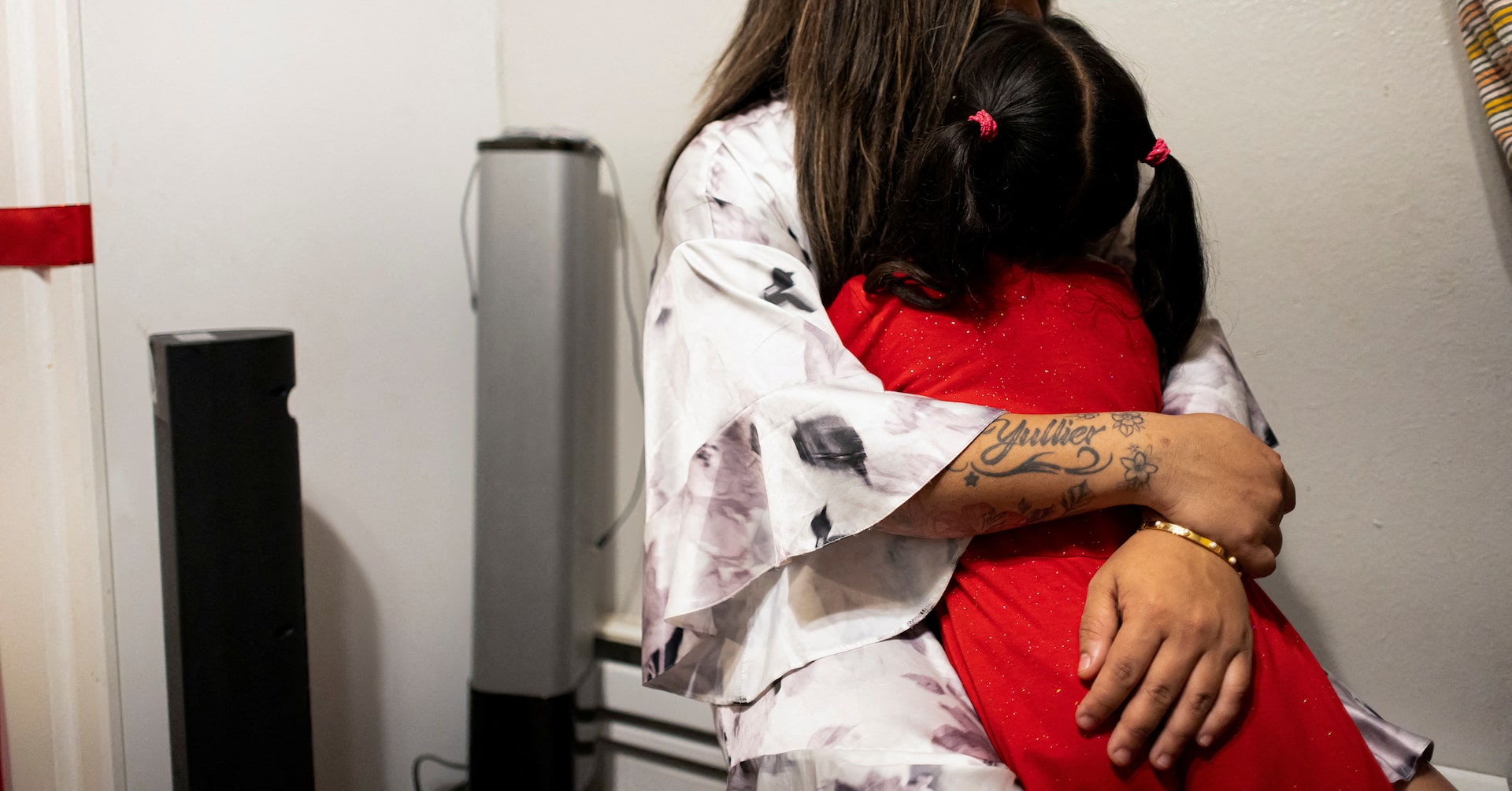
In a significant legal development, a federal appeals court has upheld protections for Venezuelan immigrants residing in the United States, despite efforts by the Trump administration to revoke their Temporary Protected Status (TPS). The 9th U.S. Circuit Court of Appeals, based in San Francisco, declined to halt a lower court’s ruling that deemed the administration’s attempt to end TPS for 600,000 Venezuelans unlawful. The three-judge panel emphasized that terminating TPS would expose these individuals to wrongful deportation, family separation, and job loss, outcomes Congress never intended. The Department of Justice has indicated plans to appeal the decision to the U.S. Supreme Court, which previously sided with the administration in a related case. The TPS program, established in 1991, offers temporary work authorization and deportation relief to migrants from countries facing crises such as natural disasters or armed conflict. The Biden administration had extended TPS to Venezuelans and Haitians, but Homeland Security Secretary Kristi Noem reversed these extensions in February 2025, claiming they were no longer justified. The recent ruling stems from a lawsuit filed by affected migrants and the National TPS Alliance, challenging Noem’s actions. While the decision primarily impacts Venezuelans, it also indirectly supports Haitian immigrants, whose TPS status was similarly revoked. The legal battle highlights the ongoing tension between immigration policies and humanitarian protections in the U.S.
博客
-
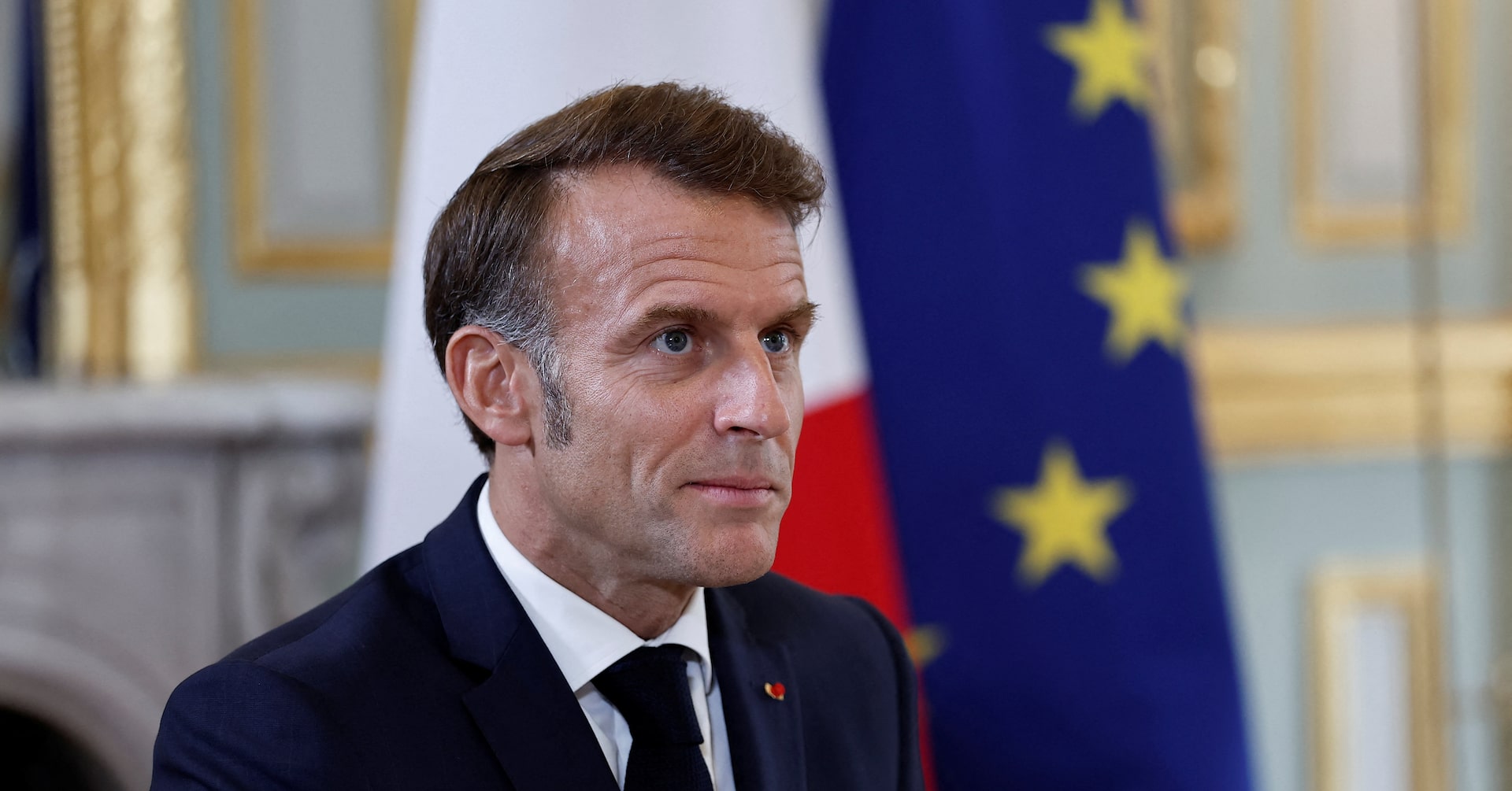
UN sanctions on Iran to be reimposed, France’s Macron says
French President Emmanuel Macron has confirmed that United Nations sanctions on Iran will be reinstated by the end of September, citing Tehran’s lack of seriousness in negotiations with European powers. Macron made the announcement during an interview with Israel’s Channel 12, where he addressed the so-called snapback mechanism designed to reimpose sanctions if Iran violates the 2015 nuclear deal. ‘Yes. I think so because the latest news from the Iranians is not serious,’ Macron stated. The decision comes ahead of a critical meeting at the U.N. General Assembly, where France and Saudi Arabia will co-host discussions on a two-state solution between Israel and the Palestinians. Macron’s remarks underscore growing frustration among European leaders over Iran’s reluctance to engage constructively in diplomatic efforts to salvage the nuclear agreement. The reimposition of sanctions is expected to escalate tensions in the Middle East, further complicating regional stability.
-
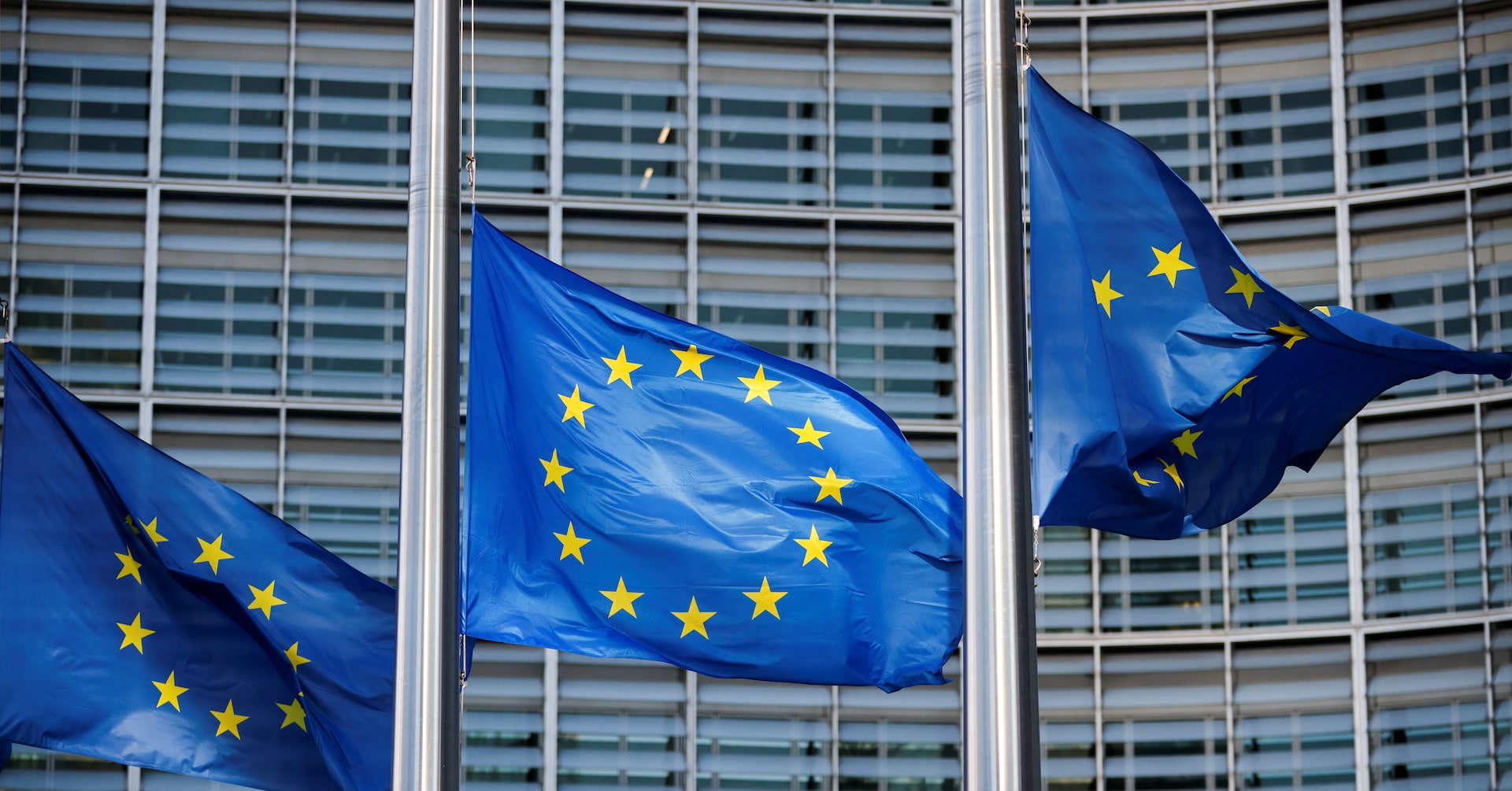
EU looks to accelerate ban on Russian LNG in 19th package of sanctions, EU official says
The European Commission is actively deliberating a proposal to expedite a ban on Russian liquefied natural gas (LNG) as part of its 19th sanctions package against Moscow, according to an EU official. This move comes in response to heightened pressure from U.S. President Donald Trump, who has urged European nations to take more aggressive measures to undermine Russia’s energy revenues and weaken its war economy. During a recent call with European Commission President Ursula von der Leyen, Trump emphasized the need for Europe to halt all Russian oil purchases and impose tariffs on major buyers of Russian fossil fuels, such as China and India. The EU is already in the process of negotiating proposals to phase out Russian oil and gas imports entirely by January 1, 2028, with an immediate ban on short-term contracts set to take effect next year. The new sanctions package is expected to be presented to EU member states on Friday, marking a significant step in the bloc’s ongoing efforts to curtail Russia’s financial resources amid the Ukraine conflict.
-
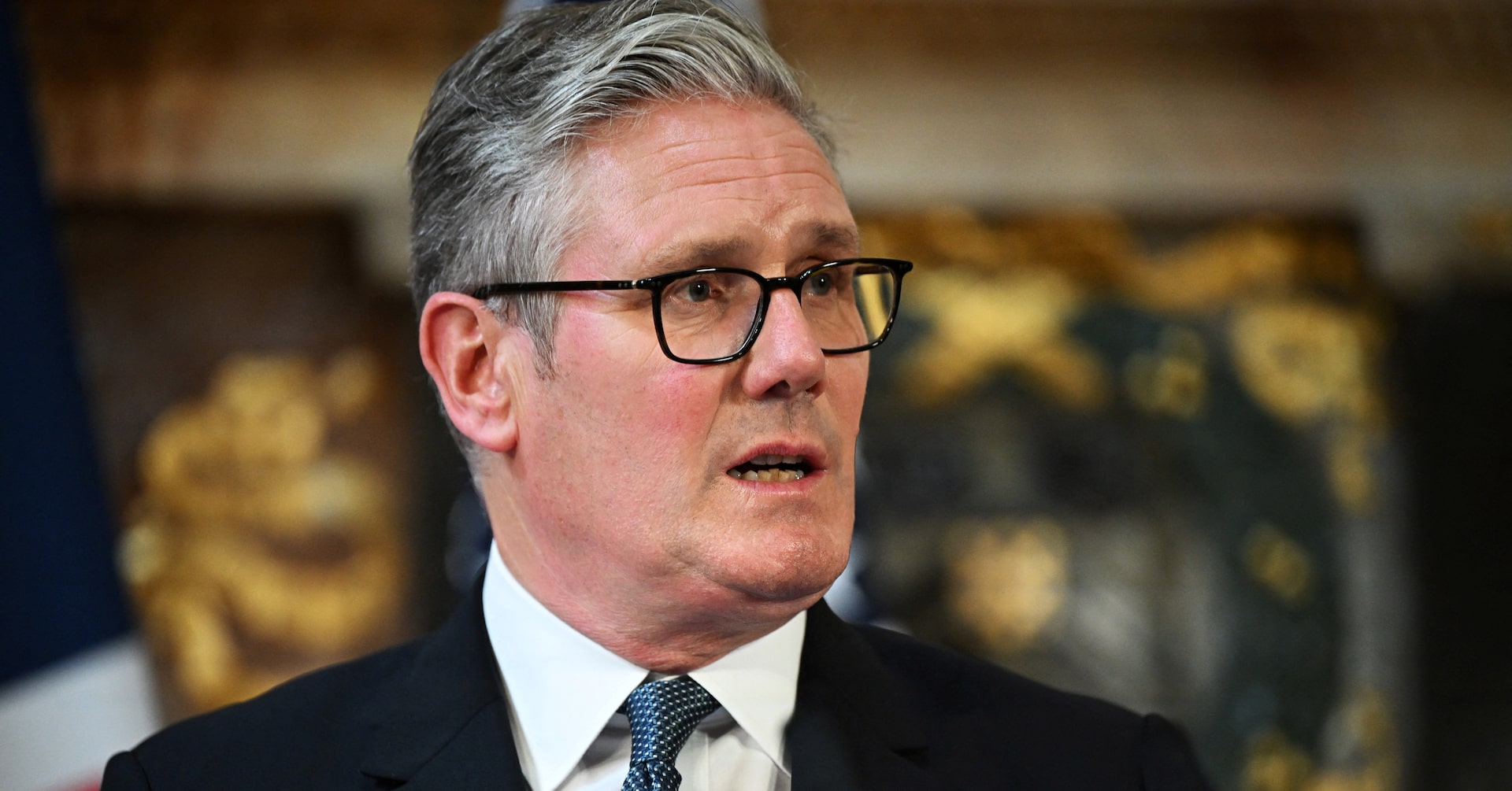
UK’s Starmer says free speech must be protected, but there is a limit
At a press conference held at Chequers on September 18, 2025, UK Prime Minister Keir Starmer emphasized the nation’s unwavering commitment to free speech while addressing the need to protect vulnerable individuals, particularly children, from harmful online content. The event marked the conclusion of U.S. President Donald Trump’s state visit to the United Kingdom. Starmer stated, ‘Free speech is one of the founding values of the United Kingdom, and we protect it jealously and fiercely and always will.’ However, he drew a clear line when it comes to content that promotes paedophilia or encourages self-harm, particularly on social media platforms. ‘I’m all for free speech, but I’m also for protecting children from things that will harm them,’ he added. The UK’s Online Safety Law mandates social media companies to remove illegal content, with encouraging self-harm now classified as a criminal offense. While the previous government’s attempt to ban ‘harmful but legal’ content was abandoned due to concerns over free speech restrictions, recent police actions, such as the arrest of Irish comedian Graham Linehan for comments on transgender issues, have sparked debates on the application of existing laws in the digital space. The police defended their actions but acknowledged the challenges in balancing free speech and criminal content moderation.
-
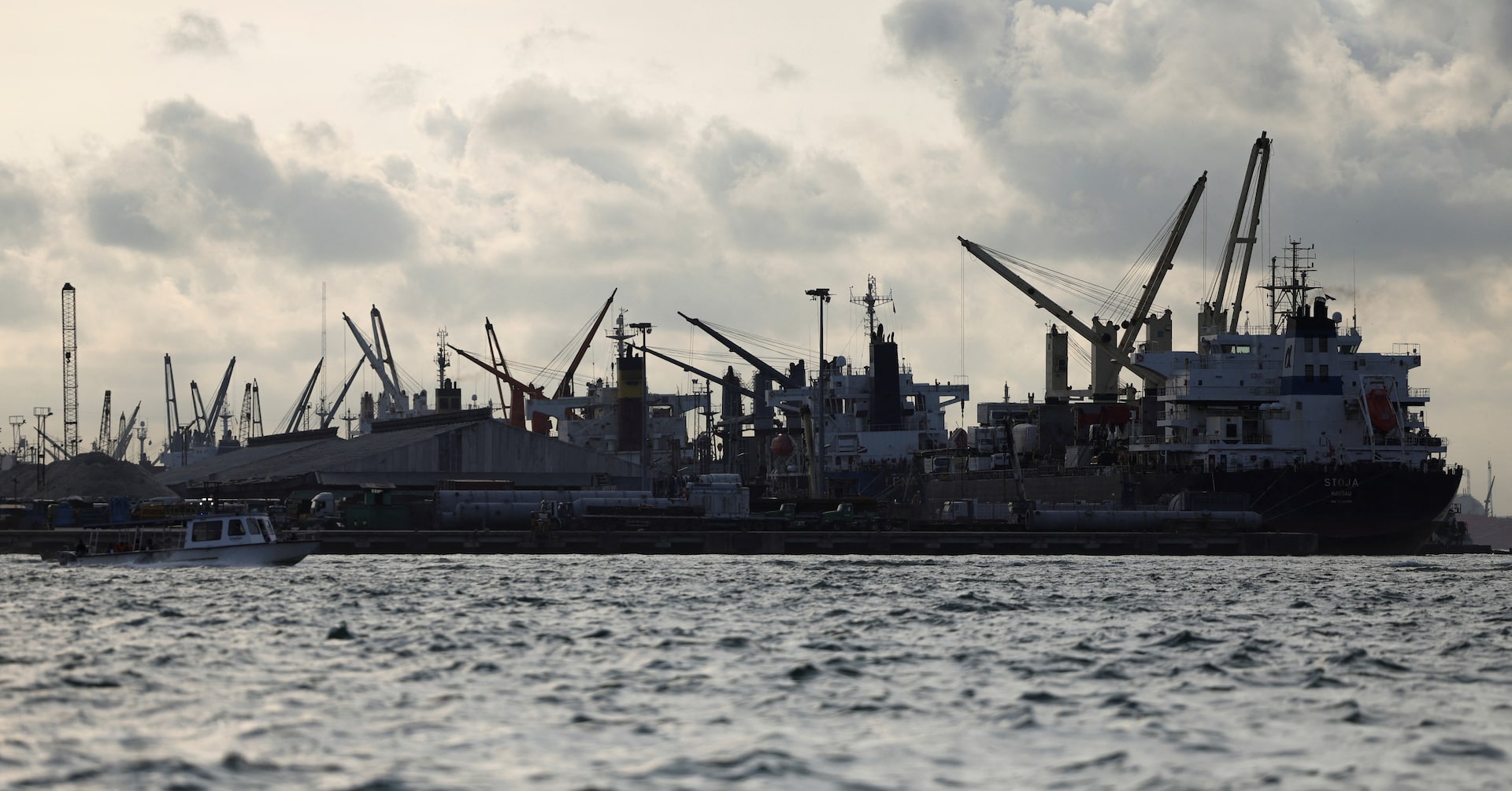
Nigeria leads continent-wide push for unified oil regulations
In a landmark move to revitalize Africa’s energy sector, petroleum regulators from across the continent, spearheaded by Nigeria, have established the African Petroleum Regulators Forum (AFRIPERF). The initiative, unveiled during Africa Oil Week in Accra, Ghana, aims to create a unified regulatory framework to attract much-needed investment and foster sustainable growth in the region’s oil and gas industry. Sixteen nations participated in the signing ceremony, with eight countries—Nigeria, Ghana, Somalia, Gambia, Madagascar, Sudan, Guinea, and Togo—formally endorsing the charter. Seven others have pledged support pending domestic consultations. AFRIPERF’s mission is to standardize regulations, enhance transparency, and address cross-border challenges such as gas trade, emissions, and digitalization. Gbenga Komolafe, head of Nigeria’s upstream regulator and interim chairman of AFRIPERF, emphasized the forum’s role in ensuring Africa’s hydrocarbon resources are managed with “innovation, responsibility, and foresight.” The forum will be governed by an executive committee of regulatory heads, supported by a technical committee of experts and a rotating secretariat. Elections for the chairperson and headquarters location are expected in the coming months. This initiative underscores Africa’s commitment to aligning its energy governance with global standards while asserting a stronger voice in international energy policy.
-
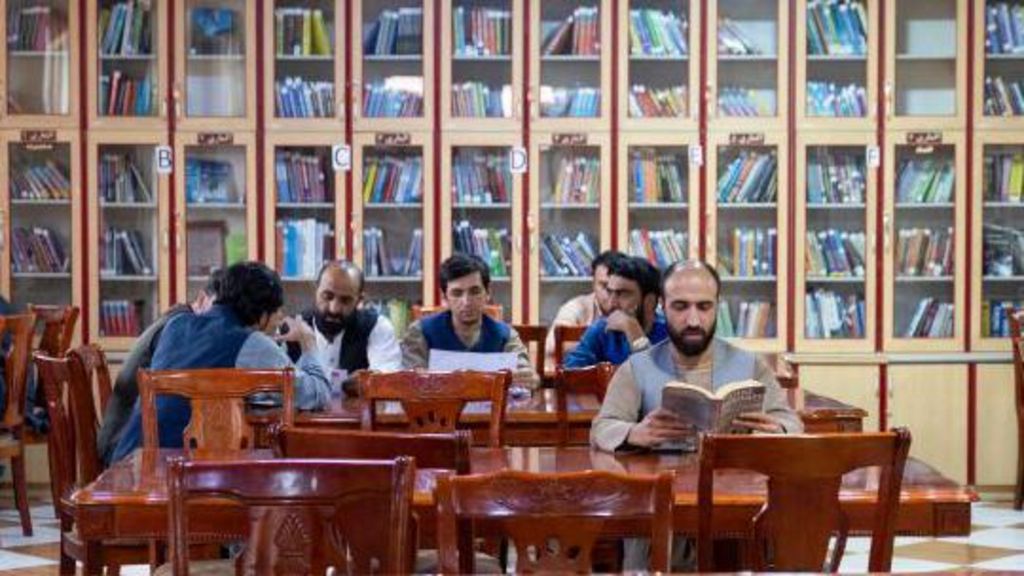
Taliban ban books written by women from Afghan universities
In a significant move, the Taliban government has mandated the removal of books authored by women from university curricula across Afghanistan. This decision is part of a broader ban that also prohibits the teaching of human rights and sexual harassment. A total of 680 books, including 140 written by women, have been flagged as ‘problematic’ due to their perceived opposition to Sharia law and Taliban policies. Additionally, universities have been instructed to cease teaching 18 specific subjects, which the Taliban claims conflict with Islamic principles and their governance policies. Among the banned subjects are Gender and Development, The Role of Women in Communication, and Women’s Sociology. This decree is the latest in a series of restrictive measures implemented by the Taliban since their return to power four years ago. Women and girls have been disproportionately affected, with access to education beyond the sixth grade already barred. The recent closure of midwifery courses in late 2024 further limited their educational opportunities. The Taliban asserts that their policies align with Afghan culture and Islamic law, but critics argue these measures are deeply misogynistic. Zakia Adeli, a former deputy minister of justice and one of the authors whose books were banned, expressed little surprise, stating that the Taliban’s actions over the past four years made such decisions predictable. The new guidelines, issued in late August, were reportedly formulated by a panel of religious scholars and experts. The ban also targets books by Iranian authors and publishers, with officials citing concerns over the ‘infiltration of Iranian content’ into Afghan education. A professor at Kabul University revealed that faculty members are now forced to create their own textbook chapters, raising questions about the quality and global standards of these materials. The BBC has reached out to the Taliban’s Ministry of Education for further comment.
-
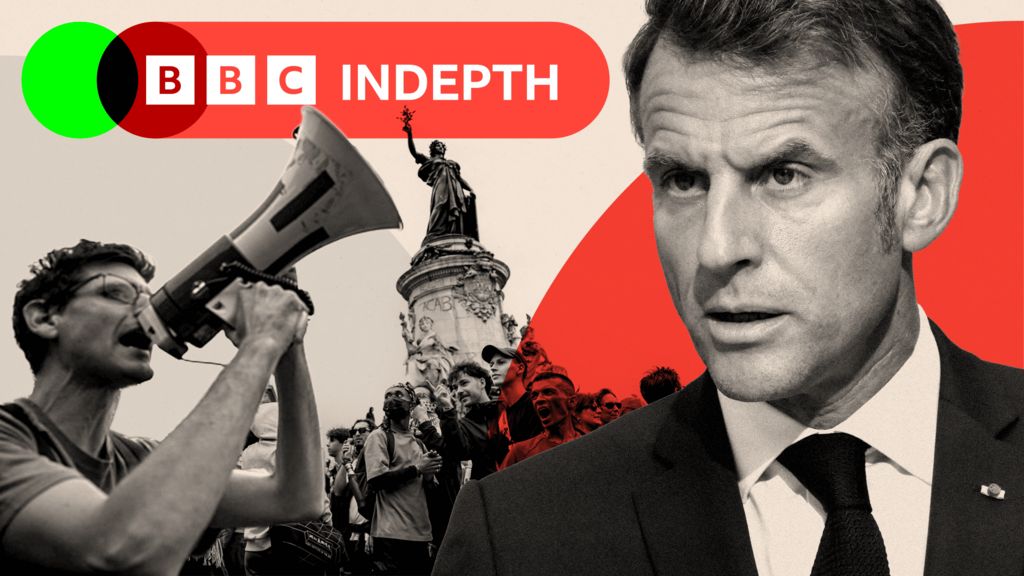
Why France is at risk of becoming the new sick man of Europe
France is grappling with unprecedented political instability, economic challenges, and social unrest, as the nation faces a deepening crisis that has drawn both domestic and international scrutiny. In less than two years, the country has seen five prime ministers, a record even surpassing Italy’s post-war political turbulence. The current political impasse stems from President Emmanuel Macron’s decision to dissolve the National Assembly in 2024, which backfired, leaving the parliament fractured into three factions: the center, the left, and the far-right. This division has paralyzed governance, with no single group able to form a functioning majority. The immediate challenge is passing a budget, a task made more daunting by a recent general strike that saw widespread disruptions, including school closures and halted public transport. Meanwhile, Italy’s media has reveled in France’s misfortunes, mocking its political chaos and questioning the nation’s once-celebrated grandeur. The economic situation is equally dire. France’s national debt has soared to €3 trillion, or 114% of GDP, with debt servicing costs estimated at €67 billion this year—more than the budgets of all government departments except education and defense. Fitch’s recent downgrade of French debt has further exacerbated concerns, raising fears of potential IMF intervention. Amid this turmoil, Macron’s leadership is under intense scrutiny. His new prime minister, Sébastien Lecornu, faces the Herculean task of forging a budget compromise between deeply divided political factions. However, concessions to one side risk alienating the other, making consensus nearly impossible. The stakes are high: failure could lead to another government collapse, further elections, and even Macron’s resignation. As France navigates this historic turning point, the question remains: will the nation emerge stronger or become Europe’s new ‘sick man’?
-
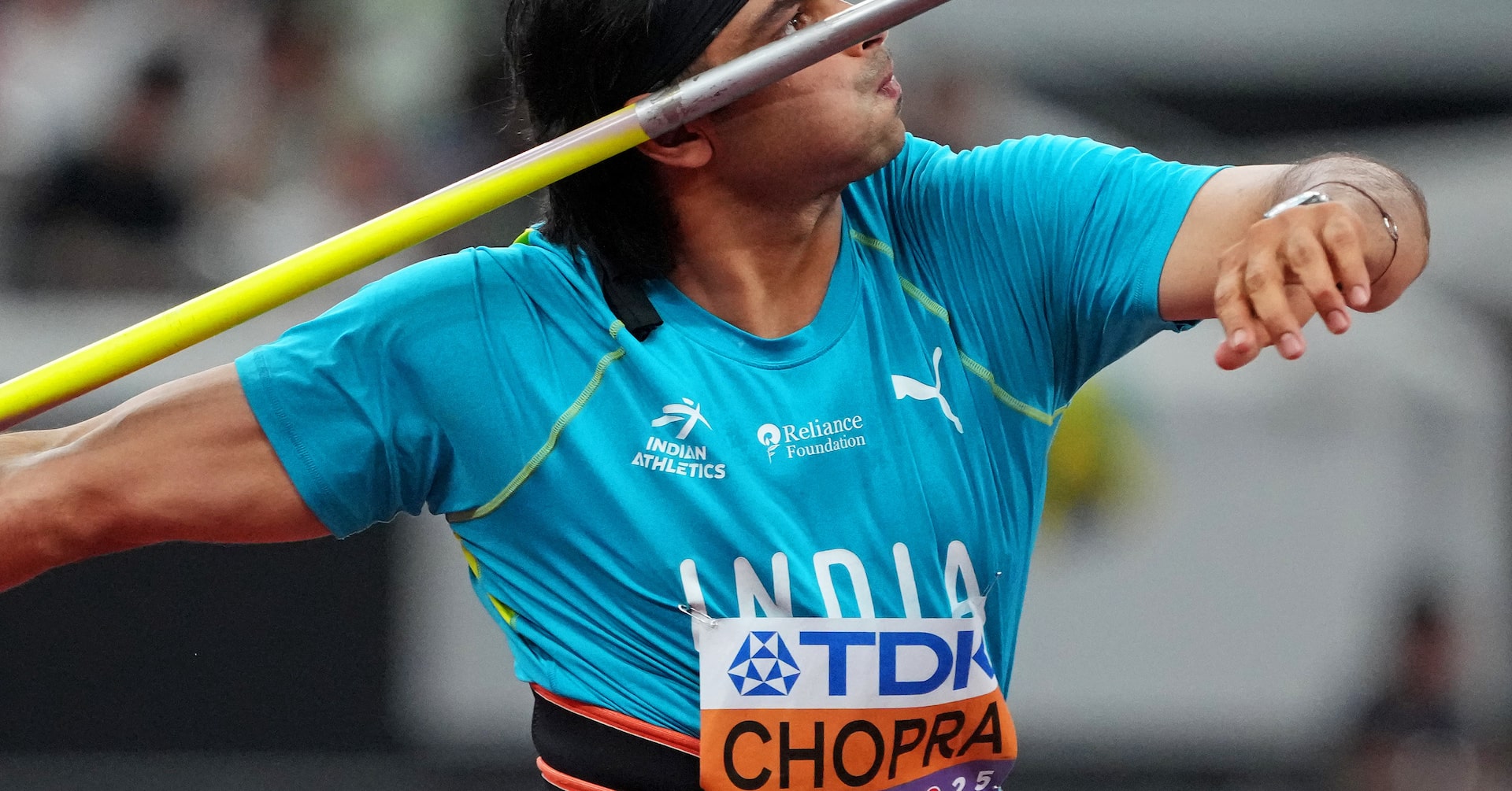
India’s Chopra says back injury derailed javelin world title defence
In a disappointing turn of events, Neeraj Chopra, India’s celebrated javelin thrower, finished eighth in the men’s javelin event at the World Athletics Championships held in Tokyo on September 18, 2025. Competing at the National Stadium, the same venue where he secured India’s first Olympic athletics gold in 2021, Chopra managed a best throw of 84.03 meters, falling short of his qualifying mark from the previous day. This performance marked a stark contrast to his usual dominance in the sport.
Chopra revealed that he had been secretly battling a back injury for weeks, which significantly impacted his performance. ‘I don’t understand what happened today. This has not happened for a long time. I had some problems before coming to Tokyo,’ he admitted. The injury, sustained on September 4, forced him to undergo an MRI scan, and he acknowledged that he was not at full fitness. ‘Two weeks ago I had some back issues but I didn’t want to tell anyone. I was thinking I would still manage to get through it. But javelin is really tough. If you are not in good shape, you’re out,’ he added.
Despite the setback, Chopra remained optimistic about his future in the sport. ‘Normally it doesn’t happen with me because for a long time, I was always in the top two positions. After a long time, I’m not in the position, but it’s okay. I will learn from today and try to stay healthy and focus on my technique,’ he said. He also emphasized the need for more training and technical improvements to regain his form.
Meanwhile, Trinidad and Tobago’s Keshorn Walcott clinched his first global title since his teenage Olympic triumph in 2012, with a throw of 88.16 meters. Grenada’s Anderson Peters and American Curtis Thompson completed the podium, securing second and third places, respectively.
Chopra’s performance serves as a reminder of the physical and mental challenges athletes face, even at the highest levels of competition. His resilience and determination to bounce back from this setback will be closely watched by fans and analysts alike.
-
US Supreme Court to hear Trump’s tariffs case on November 5
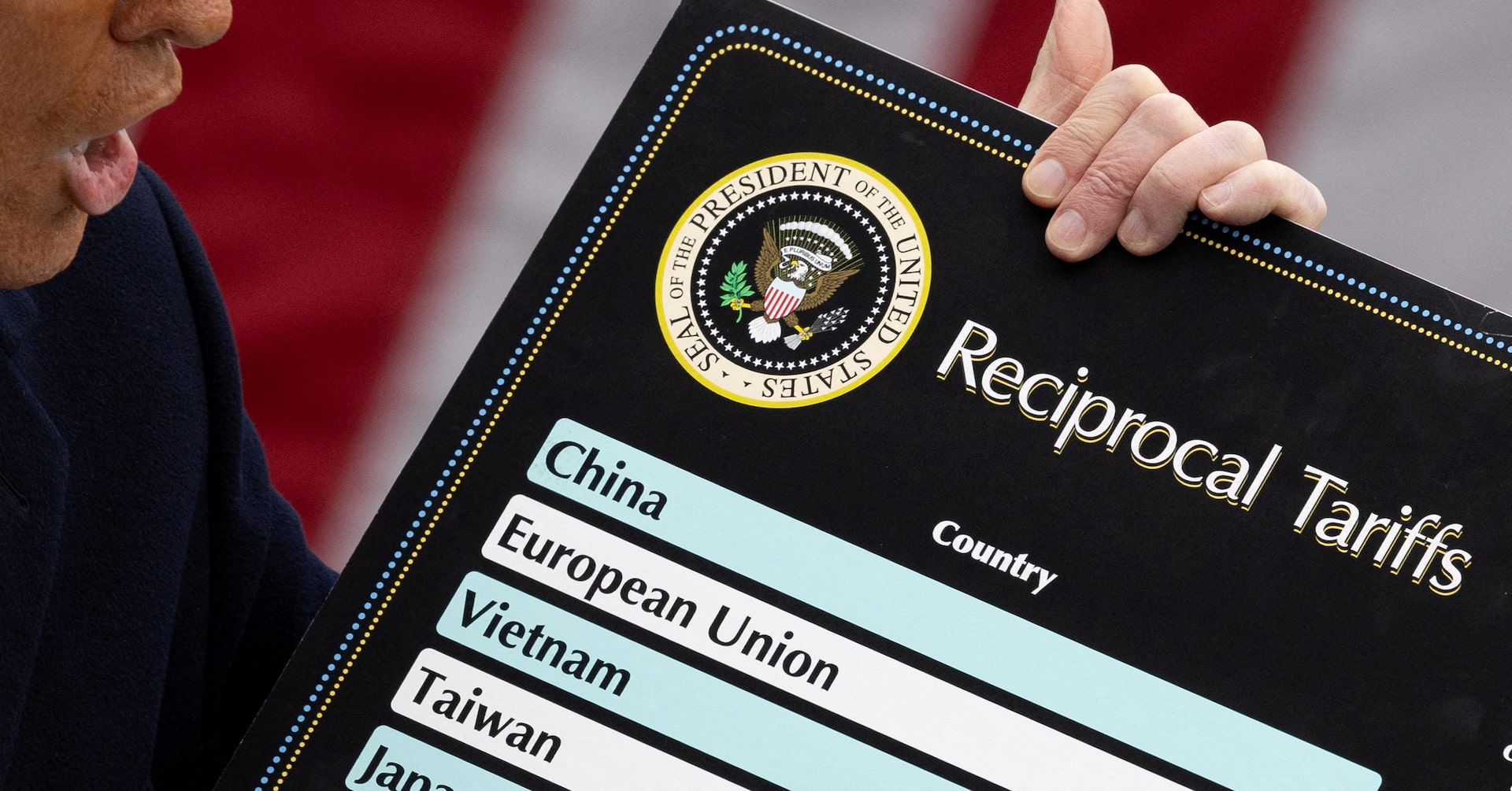
The U.S. Supreme Court has scheduled oral arguments for November 5, 2025, to examine the legality of former President Donald Trump’s expansive global tariffs. This case represents a pivotal moment in assessing the extent of executive power, a cornerstone of Trump’s economic and trade policies. The decision to hear the case follows a ruling by a lower court that Trump exceeded his authority in implementing most of these tariffs under a federal law designed for emergency situations. The Supreme Court, which commences its next term on October 6, will also concurrently address a separate challenge to Trump’s tariffs brought by Learning Resources, a family-owned toy company. This dual examination underscores the significant legal and economic implications of Trump’s tariff policies, which have been a subject of intense debate and litigation.
-
S.Africa’s Transnet agrees port equipment deal with Liebherr
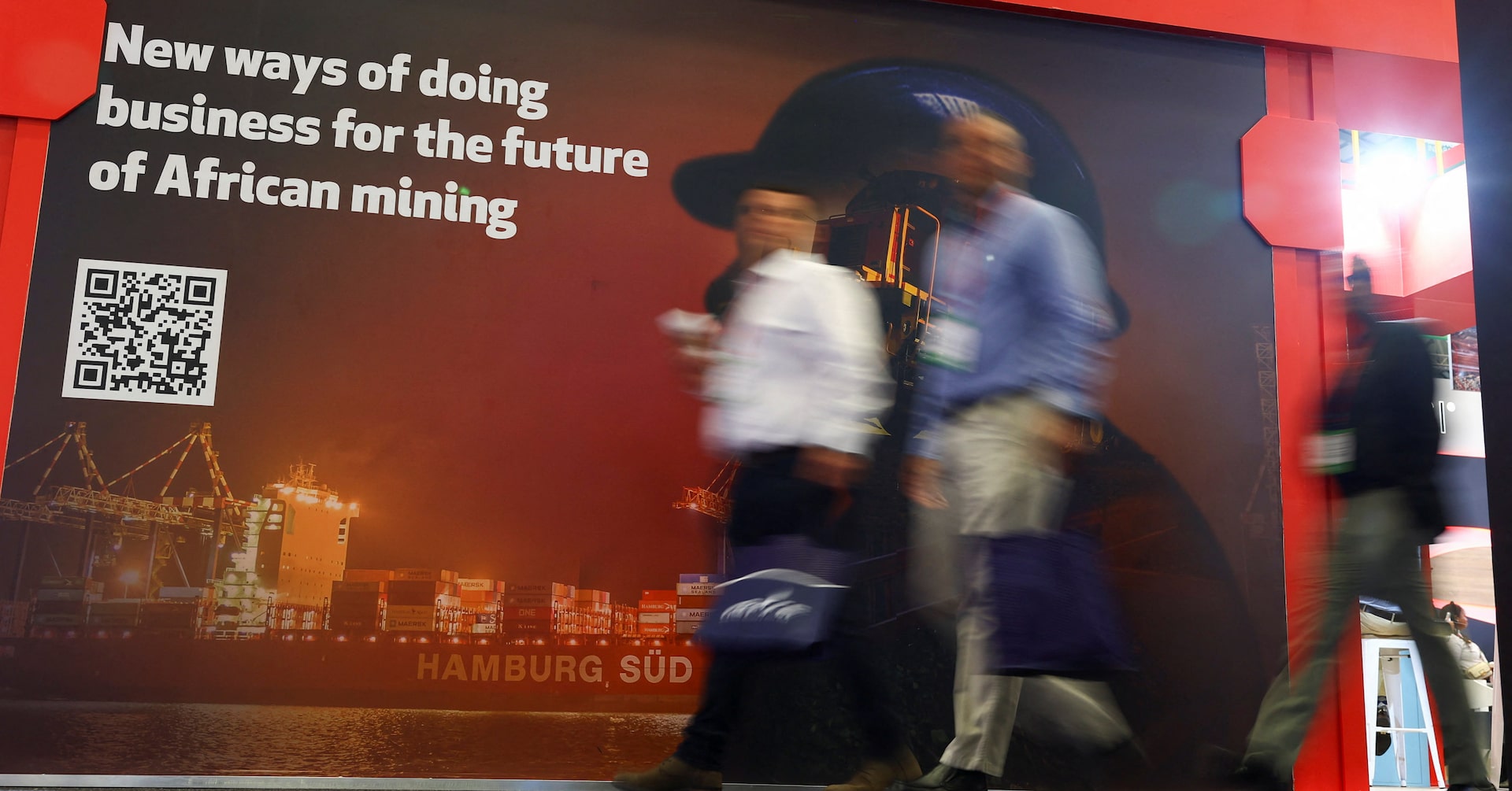
In a landmark move to revitalize its port infrastructure, South Africa’s state-owned logistics giant Transnet has inked a 10-year partnership with German industrial equipment manufacturer Liebherr. The agreement, announced on Thursday, focuses on the supply of advanced cranes and includes a comprehensive 20-year asset management program to ensure maintenance, repairs, and spare parts availability. This collaboration aims to address chronic equipment shortages and operational inefficiencies that have plagued Transnet’s port operations, often causing significant delays for retailers and exporters. Transnet Port Terminals CEO Jabu Mdaki emphasized that the partnership will enhance operational efficiency, streamline logistics, and reduce long-term costs. The company has already placed substantial orders, including four ship-to-shore cranes for Durban port and 48 rubber-tyred gantry cranes for terminals in Durban and Cape Town. This initiative marks a critical step in modernizing South Africa’s port infrastructure, which has suffered from years of under-investment.