博客

  • China launches new satellite

    China launches new satellite

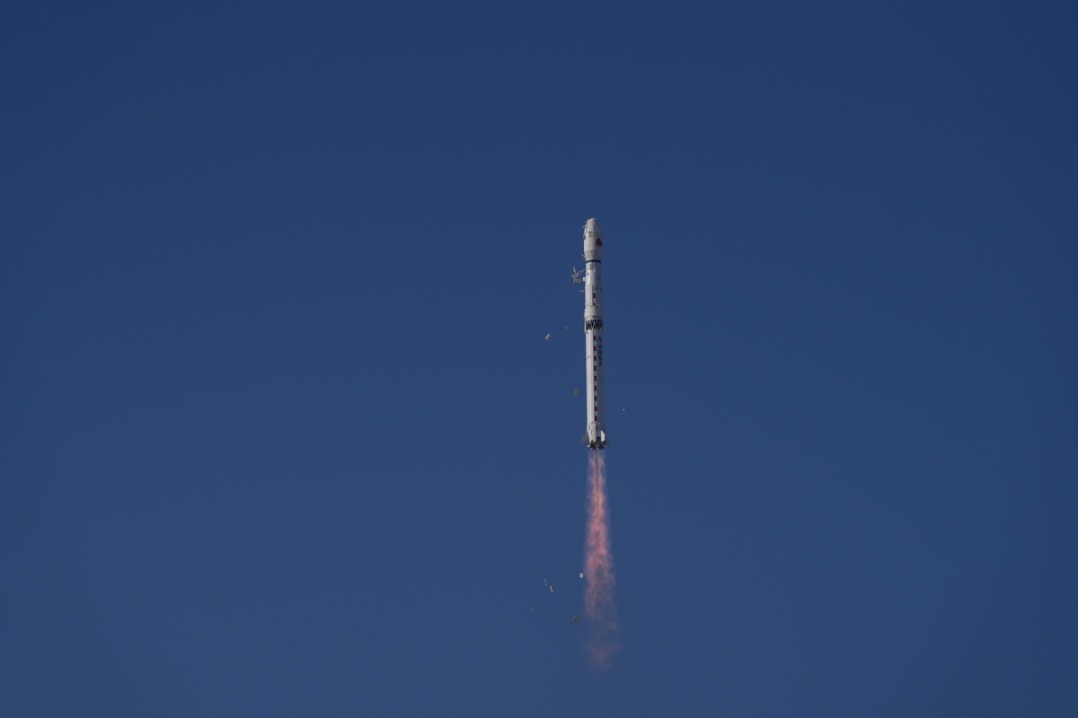
    China has successfully deployed its latest Earth observation satellite, marking another milestone in the nation’s ambitious space program. The Ziyuan III 04 spacecraft ascended into orbit aboard a Long March 4B rocket at precisely 11:17 am Beijing Time on December 16, 2025, from the Taiyuan Satellite Launch Center in Shanxi Province.

    This launch represents the 617th mission in the storied history of China’s Long March rocket series, demonstrating the program’s remarkable consistency and technical maturity. The Ziyuan (which translates to ‘Resources’) satellite family specializes in high-resolution terrestrial imaging with applications spanning environmental monitoring, urban planning, agricultural assessment, and disaster mitigation.

    The Taiyuan facility, situated in northern China’s mountainous region, has established itself as a premier launch site for polar-orbiting satellites. The successful deployment continues China’s pattern of regular space missions that support both scientific research and practical Earth observation needs. Space technology experts note that the Ziyuan series contributes significantly to global environmental monitoring efforts while advancing China’s capabilities in remote sensing technology.

    This achievement occurs within the broader context of China’s expanding space infrastructure, which includes navigation satellites, communication networks, and crewed space stations. The continuous development of space assets reflects China’s strategic commitment to technological sovereignty and its growing role in space exploration and Earth sciences.

  • China’s railway passenger trips hit new record in first 11 months

    China’s railway passenger trips hit new record in first 11 months

    China’s national railway system has achieved unprecedented passenger traffic volumes during the initial eleven months of 2025, establishing a new milestone in the country’s transportation history. According to official data released by China State Railway Group Co Ltd on December 16, 2025, the railway network accommodated approximately 4.28 billion passenger journeys between January and November, representing a substantial 6.6 percent increase compared to the equivalent period in the previous year.

    This remarkable growth demonstrates the continuing expansion and modernization of China’s railway infrastructure, which has undergone significant development in recent years. The record-breaking numbers coincide with the nation’s ongoing economic recovery and increased domestic mobility patterns following previous periods of travel restrictions.

    Transportation analysts highlight that this surge in railway usage reflects both the improved connectivity between urban and rural regions and the public’s growing preference for rail travel due to its efficiency, affordability, and environmental benefits compared to other transportation modes. The data emerges as China continues to invest heavily in its high-speed rail network, which remains the most extensive in the world.

    The railway operator’s report indicates consistent monthly growth throughout the monitoring period, with particular spikes during traditional holiday seasons and summer vacation months. This performance underscores the critical role that rail transportation plays in China’s domestic travel ecosystem and economic infrastructure.

  • PSG ordered to pay Mbappe €60m

    PSG ordered to pay Mbappe €60m

    In a landmark legal ruling with significant implications for European football, Paris Saint-Germain has been mandated by a French labor court to compensate former star striker Kylian Mbappé with €60 million (£52.5 million) in unpaid salary and contractual bonuses. The decision concludes a highly publicized financial dispute between the French champions and their former captain, though it represents merely a fraction of the original €263 million (£231.5 million) claim pursued by the player.

    The legal confrontation, which reached the Paris labor tribunal in November, saw both parties leveling substantial financial claims against each other. Mbappé’s legal team argued that the club had failed to fulfill its contractual obligations, specifically citing three months of unpaid wages between April and June 2024, along with unpaid ethics and signing bonuses. The 26-year-old Real Madrid forward additionally sought damages for alleged ill-treatment during contract negotiations.

    Conversely, PSG mounted a counterclaim seeking €240 million (£211 million) in compensation, primarily referencing Mbappé’s failed €300 million transfer to Saudi Arabian club Al-Hilal in 2023. The collapse of this potentially record-breaking transfer preceded Mbappé’s subsequent move to Spanish giants Real Madrid on a free transfer the following summer, a development that evidently fueled the club’s financial grievances.

    While the court acknowledged PSG’s failure to meet certain salary payments, it dismissed the majority of both the player’s damage claims and the club’s counterclaim. Mbappé’s legal representative, Frédérique Cassereau, expressed satisfaction with the verdict, stating, ‘We are satisfied with this ruling. This is what you could expect when salaries went unpaid.’

    The ruling underscores the complex financial and contractual dynamics governing top-tier football transfers and highlights the increasing willingness of players to pursue legal avenues against powerful clubs. This case sets a notable precedent for labor disputes within professional sports organizations across Europe.

  • Wondrous Xinjiang: High on the plateau, guardians keep watch over pristine wilderness

    Wondrous Xinjiang: High on the plateau, guardians keep watch over pristine wilderness

    In the starkly beautiful expanse of northwestern China’s Xinjiang Uygur autonomous region, a dedicated team of guardians patrols one of the country’s most remote and ecologically significant sanctuaries. Before dawn breaks across the high-altitude meadows of the Altun Mountain National Nature Reserve, these rangers embark on their mission to protect a pristine wilderness thriving with biodiversity.

    Spanning 45,000 square kilometers in the southeastern corner of Xinjiang, the reserve averages an elevation of 4,580 meters, creating challenging conditions where oxygen levels drop to barely half those at sea level and temperatures plunge to minus 40 degrees Celsius. Despite these brutal conditions, the patrol team led by Shang Peng navigates the complex terrain with expertise honed over a decade of experience.

    ‘The grass here is excellent. We should see Tibetan antelopes soon,’ Shang observed during a recent patrol as the first light touched the horizon. True to his prediction, faint shapes soon emerged in the distance—Tibetan antelopes moving across the barren landscape with wolves following behind, their movements stirring up dust in the thin, cold air.

    Established in 1983 and managed by approximately 70 dedicated personnel, the reserve serves as a crucial gene bank hosting 17 species under top-level state protection, including 338 species of wild animals and 387 species of plateau plants. The area connects with the Hoh Xil National Nature Reserve of Sanjiangyuan National Park in Qinghai and borders Xizang’s Changtang National Nature Reserve to the south, forming an extensive protected ecosystem.

    ‘Our primary task is to protect the plateau ecosystem and its iconic ungulates, such as the wild yak, Tibetan wild ass, and Tibetan antelope,’ explained Gong Junsheng, deputy director of the reserve administration.

    The conservation efforts have yielded remarkable success stories. Since 2010, the Tibetan antelope population has roughly doubled, now exceeding 65,000 individuals, while the wild yak count stands at approximately 12,000. Early December marks their mating season, when rangers observe wildlife and conduct routine inspections, documenting spirited courtship displays among the antelope herds.

    Hundreds of kilometers to the east, on the fringes of the Kum Kol Desert—one of the highest deserts on Earth—herds of wild yaks gather to drink from giant sand springs that well up from the ground like massive natural funnels. The diverse landscape also provides habitat for snow leopards, black-necked cranes, and Tibetan brown bears.

    To meet the formidable challenges of protecting this vast territory, the administration has built a comprehensive management system combining fixed posts, seasonal patrols, and mobile teams. They have increased patrols, deployed infrared cameras and drones, and dissuaded hundreds of attempted illegal entries.

    ‘The terrain is complex and distances vast. In summer, marshes can turn travel to distant stations into a journey of several days,’ said Tomurbatu, head of a reserve inspection station.

    For rangers like Erkin Jume, who patrols over 400 kilometers daily, the improvements are tangible. ‘We see more wildlife every year,’ he noted. ‘Before, we slept in tents or cars. Now, with better-equipped stations, the reserve feels like a second home.’

    These conservation efforts represent part of a broader push for green development and biodiversity conservation in western China, supported by strengthened policies and planning. The reserve administration has invested significantly in infrastructure, including a preliminary patrol road network, with future plans focusing on enhancing scientific research and monitoring to ensure this high-altitude sanctuary continues to thrive for generations to come.

  • Drone shows, desert camping, motorsports: UAE’s Liwa Festival lights up 300-metre sand dune

    Drone shows, desert camping, motorsports: UAE’s Liwa Festival lights up 300-metre sand dune

    The Liwa International Festival has spectacularly inaugurated the UAE’s winter desert season, transforming the Al Dhafra region into an immersive cultural and entertainment destination. The festival’s opening ceremony featured breathtaking technological displays against the backdrop of Tal Moreeb, one of the nation’s tallest sand dunes standing at 300 meters.

    Visitors embarking on the nearly three-hour journey from Al Ain experience a gradual transition from urban landscapes to the serene expanse of the Al Dhafra desert, setting the stage for an extraordinary desert experience. The festival’s opening events included precision aerial demonstrations by military aircraft during daylight hours, building anticipation among gathered crowds.

    As night descended, the desert underwent a magical transformation through advanced projection mapping technology that animated the natural contours of Tal Moreeb’s slopes. This innovative light display turned the massive dune into a dynamic canvas, seamlessly merging technology with natural topography to create an unparalleled open-air theater.

    The narrative presentation traced Liwa’s evolution from traditional desert heritage to contemporary winter destination, emphasizing the enduring connection between the landscape and its visitors. The technological climax featured hundreds of synchronized drones creating intricate light formations against the night sky during a 16-minute aerial ballet, followed by a spectacular fireworks display that illuminated the entire desert panorama.

    Beyond the central shows, Liwa Village emerged as a vibrant hub offering diverse attractions including entertainment zones, creative workshops, live performances, and a classic automobile exhibition. Culinary experiences ranged from traditional Emirati specialties to international cuisine, enhancing the festival’s communal atmosphere.

    The event concluded with motorsports demonstrations at a dedicated drifting arena, where enthusiasts gathered late into the night, celebrating Liwa’s longstanding association with automotive culture and desert adventure.

  • Brigitte Macron defends ‘clumsy’ sexist slur against feminist protesters

    Brigitte Macron defends ‘clumsy’ sexist slur against feminist protesters

    PARIS — In a remarkable public address, France’s First Lady Brigitte Macron has broken her silence regarding the controversial use of derogatory language against feminist protesters, characterizing her remarks as “clumsy” but insisting they were made during a private moment without awareness of being recorded.

    During an extensive interview with digital media outlet Brut published Monday evening, Macron acknowledged her choice of words was “very direct” while maintaining context for the exchange. The incident occurred backstage at Paris’ historic Folies Bergère theatre earlier this month, where she was conversing with French actor and comedian Ary Abittan prior to his performance.

    Addressing Abittan’s apparent distress following previous night’s protest disruption by feminist activists who shouted “Abittan, rapist!” during his show, Macron attempted to reassure the performer. When Abittan expressed fear about the ongoing situation, the First Lady employed a sexist slur to describe the demonstrators, adding “We’ll toss them out.”

    The revelation sparked immediate condemnation from multiple sectors, including organizations combating sexual and sexist violence, alongside political opponents of President Emmanuel Macron’s administration.

    In her defense, Brigitte Macron emphasized the private nature of the conversation, stating: “I am not always the wife of the president of the Republic. I also have a private life and this was a private moment. I am sorry if I hurt women victims. It’s them and just them that I am thinking of.”

    While expressing understanding for those offended, Macron simultaneously criticized protest tactics that disrupt artistic performances, questioning: “How does he carry on afterward? What is the meaning of this censorship being placed on artists?”

    The context involves Abittan’s previous legal challenges, as magistrates terminated a 2021 rape investigation due to insufficient evidence in 2024, a decision upheld on appeal this January. Feminist collective “Nous Toutes” (All of Us) organized the protests to highlight what they characterize as “the culture of impunity” surrounding sexual violence in France.

    When pressed about regret, Macron responded: “I cannot regret speaking. I don’t want to regret. It is true that I am the wife of the president of the Republic, but I am also myself above anything.”

  • Ningxia students recreate masterpiece with paper-cutting

    Ningxia students recreate masterpiece with paper-cutting

    In an extraordinary fusion of cultural education and artistic dedication, students from China’s Ningxia Hui Autonomous Region have completed a monumental two-year project: recreating the entire classical masterpiece “Riverside Scene at Qingming Festival” through intricate paper-cutting artistry.

    The ambitious endeavor, initiated in summer 2023, involved meticulous craftsmanship as students transformed colored paper into the vibrant tapestry of daily life depicted in the original Song Dynasty (960-1279) painting. Using traditional scissors techniques, the young artists painstakingly reconstructed the bustling markets, flowing rivers, and animated figures that characterize this iconic artwork.

    This project served dual purposes: as both an artistic achievement and an immersive historical education. Throughout the creative process, participants engaged in comprehensive studies of Song Dynasty culture, gaining insights into the social structures, economic activities, and daily customs of the period. The hands-on approach allowed students to connect with historical narratives through tactile artistic expression, bridging centuries of cultural heritage with contemporary educational methods.

    The completed work stands as a testament to both the preservation of traditional Chinese paper-cutting techniques and innovative approaches to cultural education. By interpreting two-dimensional artwork through three-dimensional paper craft, the students have created a unique interpretive version of this national treasure while demonstrating remarkable patience, precision, and cultural appreciation.

    Educational experts note that such projects represent significant advancements in experiential learning, where students actively participate in cultural preservation rather than passively receiving historical information. The Ningxia students’ achievement highlights how traditional arts can serve as effective vehicles for historical education and cultural continuity in modern pedagogical approaches.

  • Hegseth and Rubio are expected back on Capitol Hill as questions mount over boat strikes

    Hegseth and Rubio are expected back on Capitol Hill as questions mount over boat strikes

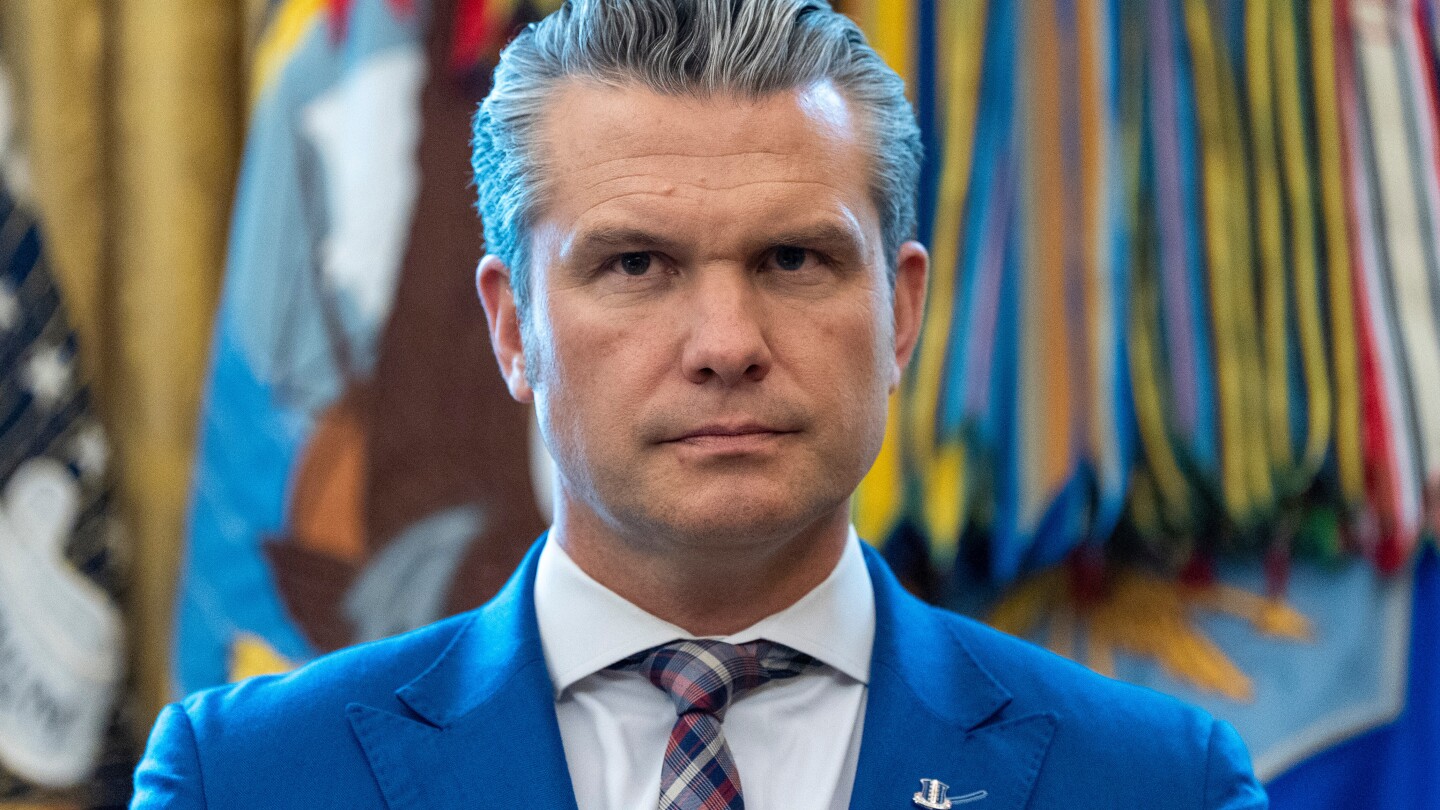
    WASHINGTON — Senior U.S. national security officials returned to Capitol Hill on Tuesday amid intensifying congressional investigations into deadly military operations in international waters near Venezuela. Defense Secretary Pete Hegseth and Secretary of State Marco Rubio faced lawmakers demanding explanations for a series of controversial strikes that have resulted in numerous casualties.

    The congressional scrutiny follows a September 2nd incident where U.S. forces killed two survivors of an initial attack on a vessel allegedly transporting cocaine in the Caribbean. Just hours before the scheduled briefings, the military announced additional strikes in the eastern Pacific Ocean that eliminated eight individuals on three boats suspected of drug smuggling.

    This military escalation occurs alongside a substantial buildup of U.S. naval assets in the region, including the deployment of thousands of troops and the nation’s largest aircraft carrier. The administration has simultaneously conducted fighter jet flights near Venezuelan airspace and seized an oil tanker as part of its campaign against President Nicolás Maduro’s government.

    Notably, the Trump administration has operated without seeking congressional authorization for these actions, prompting bipartisan concerns about the legal and strategic foundations of the operations. Lawmakers are advancing war powers resolutions that could reach votes this week in response to what many perceive as executive overreach.

    The September incident has become particularly contentious after revelations that the victims were survivors clinging to wreckage from the initial strike. Admiral Frank ‘Mitch’ Bradley, who ordered the fatal follow-up attack, reportedly acknowledged to lawmakers that although the two individuals attempted to overturn their damaged vessel, success was unlikely. According to briefings, the victims were waving from the overturned craft without attempting to call for reinforcement.

    Legal experts including John Yoo of Berkeley Law and Michael Schmitt, former Air Force lawyer and professor emeritus at the U.S. Naval War College, have raised serious concerns about potential violations of the Pentagon’s manual on laws of war, which explicitly prohibits firing upon shipwrecked persons.

    The administration maintains that these operations are legally justified under U.S. and international law, with supporters like Senator Jim Risch claiming the drug interdictions have saved numerous American lives by preventing narcotics from reaching domestic shores.

    As congressional committees schedule additional classified briefings, lawmakers from both parties are seeking greater transparency, including the release of video footage from the September engagement and a clearer explanation of the strategic objectives behind the military buildup targeting Venezuela.

  • JetBlue flight avoids mid-air collision with US Air Force jet

    JetBlue flight avoids mid-air collision with US Air Force jet

    A potentially catastrophic mid-air collision was narrowly averted on Friday when a JetBlue Airways commercial flight took emergency evasive maneuvers to avoid a US Air Force tanker aircraft near Venezuelan airspace. The incident occurred approximately 40 miles off the coast of Venezuela as JetBlue Flight 1112, an Airbus A320 en route from Curaçao to New York, encountered the military aircraft flying at identical altitude without an activated transponder.

    According to air traffic control recordings obtained by liveatc.net, the JetBlue pilot expressed extreme concern regarding the proximity and lack of electronic identification from the Air Force tanker. ‘They passed directly in our flight path… They don’t have their transponder turned on. It’s outrageous,’ the pilot reported during the incident.

    The event has drawn immediate attention from US lawmakers, with Senate Commerce Committee Chair Ted Cruz highlighting disturbing parallels to the January 29 collision between an Army helicopter and American Airlines flight near Reagan Washington National Airport that resulted in 67 fatalities. Senator Maria Cantwell, the committee’s top Democrat, emphasized the unacceptable nature of the incident, stating, ‘You don’t have corridors where military aircraft and commercial planes are flying and then not letting each other know that they are in that space.’

    Both senators are currently advocating for the removal of a provision from the annual defense bill that would permit military aircraft to operate in Washington, DC airspace without transmitting ADS-B information, an advanced tracking technology considered critical for collision avoidance.

    The incident occurs against the backdrop of heightened US military activity in the Caribbean region as the Trump administration intensifies pressure on Venezuelan leader Nicolás Maduro. The Federal Aviation Administration had previously issued warnings to airlines about potentially hazardous conditions when flying over Venezuela, with numerous carriers suspending operations as tensions escalate.

    JetBlue confirmed the incident through an official statement, noting that safety remains their top priority and that the matter has been reported to federal authorities for investigation. US Southern Command acknowledged awareness of the incident and stated they are reviewing the matter through appropriate channels.

  • Envoys try to narrow gaps on a loan plan for Ukraine ahead of Thursday’s crunch EU summit

    Envoys try to narrow gaps on a loan plan for Ukraine ahead of Thursday’s crunch EU summit

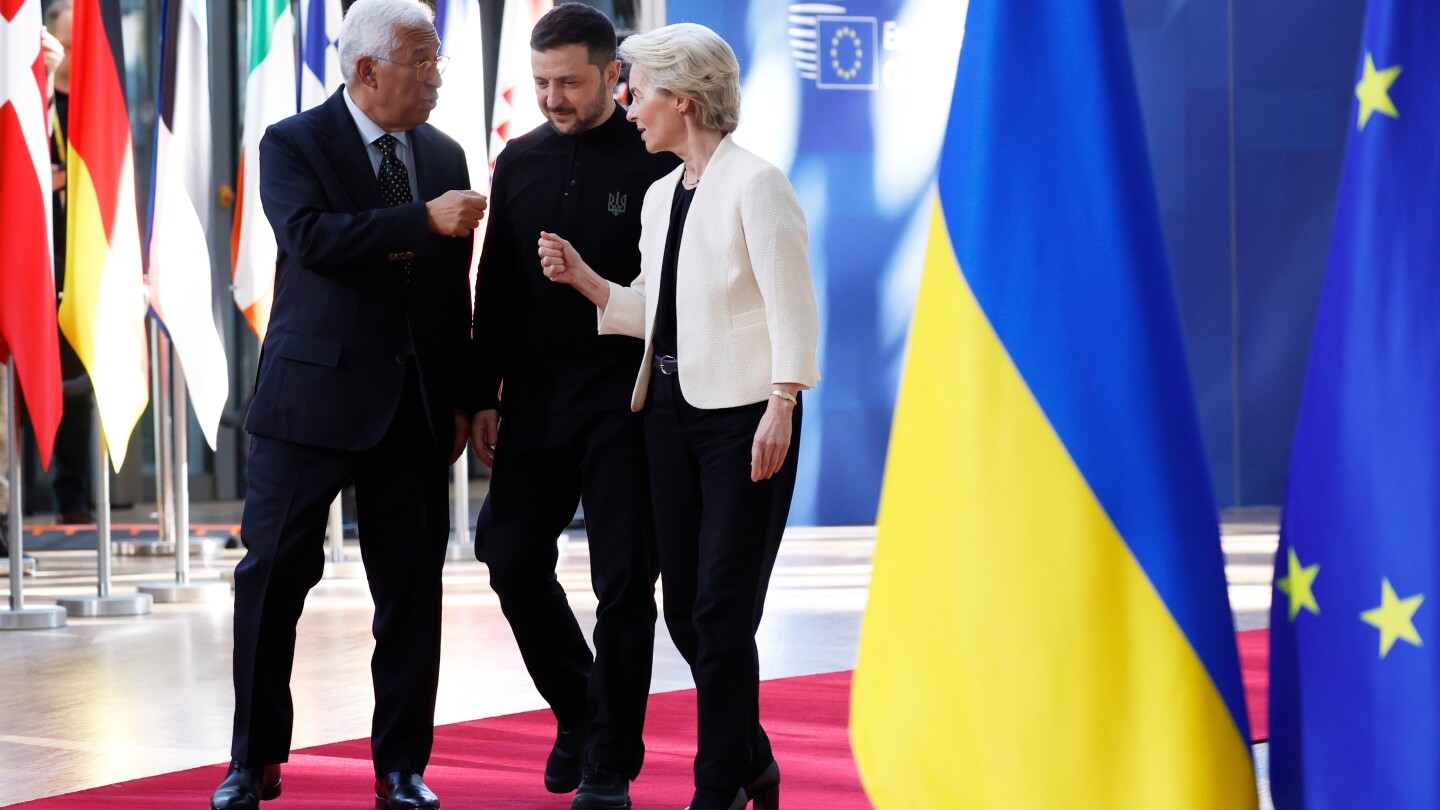
    BRUSSELS — European Union diplomats are engaged in intensive negotiations to finalize an unprecedented plan that would utilize frozen Russian assets as collateral for a massive loan package to support Ukraine’s economic and military requirements through 2026. This development comes as EU leaders prepare for a critical summit later this week aimed at securing Ukraine’s financial stability amid Russia’s ongoing invasion.

    With Ukraine’s needs estimated by the International Monetary Fund at approximately €135 billion ($157 billion), the proposed mechanism represents a groundbreaking financial approach to wartime support. Swedish EU Affairs Minister Jessica Rosencrantz emphasized the urgency, stating, “We do not have the luxury of time. The cost and risk of doing nothing is greater than acting decisively.”

    The complex proposal faces significant challenges, including concerns from the European Central Bank about potential impacts on euro confidence and fears of Russian retaliation. Belgium, where the majority of Russian assets are held through the Euroclear financial clearinghouse, remains the primary opponent due to these security and economic concerns.

    Two distinct approaches have emerged: Plan A involves creating a “reparations loan” using Russian assets until Moscow agrees to pay war damages, while Plan B would require the EU to borrow on financial markets—a challenging proposition given many member states’ existing debt burdens. The frozen assets, totaling approximately €210 billion ($247 billion), were indefinitely secured last Friday to prevent obstruction by Moscow-friendly governments like Hungary and Slovakia.

    European Commission President Ursula von der Leyen has proposed the EU cover two-thirds of Ukraine’s needs through a €90 billion ($105 billion) loan, with international partners providing the remainder. The mechanism would transfer accumulated cash balances from sanctioned Russian assets to an EU debt instrument, with repayment contingencies tied to future sanctions lifting and Russian reparations agreements.

    Despite legal challenges from the Russian Central Bank and Belgium’s continued reservations, supporters argue the plan represents a vital financial security guarantee for Ukraine. German and Swedish commitments to share potential risks have strengthened the proposal’s viability as leaders work toward a qualified majority decision that would bypass potential vetoes from dissenting member states.