博客

  • India, EU wrap up talks for landmark trade deal amid strained US ties

    India, EU wrap up talks for landmark trade deal amid strained US ties

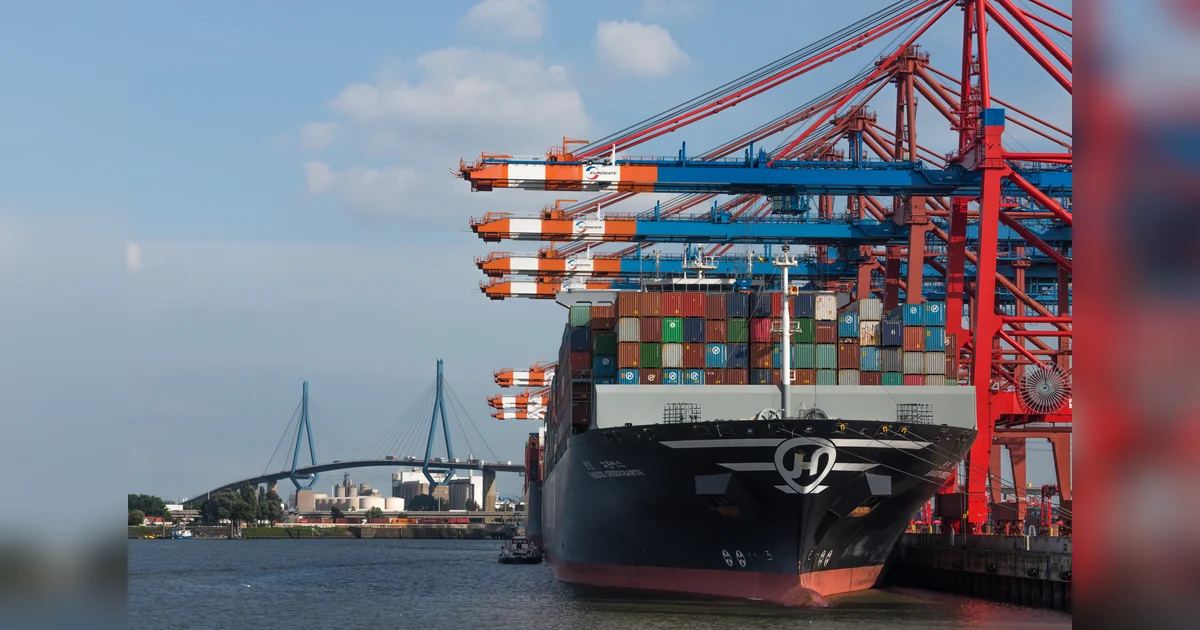
    India and the European Union have finalized negotiations on a comprehensive trade agreement described as historic by both parties, with formal announcement scheduled for Tuesday. The breakthrough concludes nearly two decades of intermittent discussions and creates a free trade pathway between the world’s largest democracy and the 27-nation bloc, collectively representing 25% of global GDP and approximately 2 billion consumers.

    Indian Trade Secretary Rajesh Agrawal characterized the agreement as “a balanced, forward-looking deal for better economic integration with the EU” that will significantly accelerate trade and investment flows between the signatories. Current bilateral trade stands at $136.5 billion for the fiscal year ending March 2025.

    The agreement emerges against a backdrop of strained relations with the United States, where President Donald Trump’s tariff policies—including 50% duties on Indian goods—have prompted trading nations to seek alternative partnerships. This strategic realignment follows the EU’s recent pact with Mercosur and India’s simultaneous agreements with Britain, New Zealand, and Oman.

    Final negotiations required delicate compromises on automotive and steel sectors. The EU secured reduced import duties on European vehicles, with India planning to slash car tariffs from 110% to 40%, while New Delhi obtained eased restrictions on its steel exports. Sensitive agricultural and dairy products were excluded from the agreement to protect India’s subsistence farmers.

    The formal signing will occur after a five-to-six month legal review process, with implementation expected within twelve months. The agreement marks India’s largest trade partnership and represents the EU’s most significant market opening in South Asia.
  • Sinner powers on to Australian Open quarterfinals, Keys exits

    Sinner powers on to Australian Open quarterfinals, Keys exits

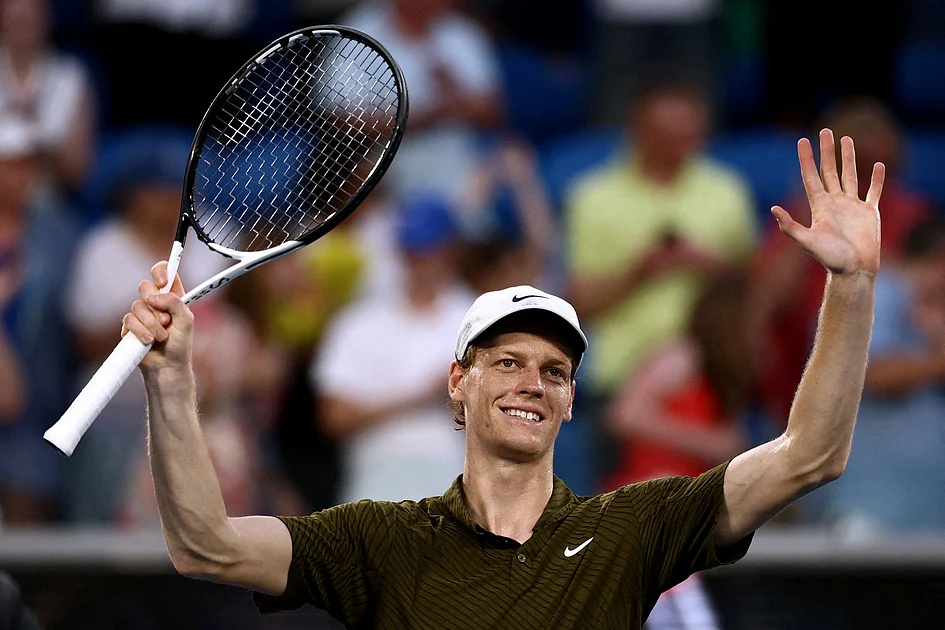
    Melbourne witnessed a dramatic shift in fortunes on Day 9 of the Australian Open, headlined by Jannik Sinner’s commanding advance and defending women’s champion Madison Keys’ unexpected exit. Sinner, demonstrating formidable resilience, secured his quarterfinal berth with a decisive 6-1, 6-3, 7-6(2) victory over compatriot Luciano Darderi. This performance, a stark contrast to his physically taxing third-round match, underscored his status as a top contender.

    The Italian contingent received a further boost as Lorenzo Musetti achieved a career milestone, reaching his first Australian Open quarterfinal by defeating an injury-plagued Taylor Fritz 6-2, 7-5, 6-4. This sets the stage for a highly anticipated showdown between Musetti and the legendary Novak Djokovic, who received a walkover into the last eight.

    In a stunning upset, Jessica Pegula ousted close friend and reigning champion Madison Keys in straight sets, 6-3, 6-4. The defeat concluded Keys’ title defense and fulfilled a lighthearted pre-match wager, obliging her to consume a cheese-smothered apple pie. Pegula now advances to face fellow American Amanda Anisimova, who triumphed over China’s Wang Xinyu.

    Meanwhile, world No. 2 Iga Swiatek delivered a dominant performance, dismissing local hope Maddison Inglis 6-0, 6-3 and eliminating the last Australian from the women’s singles draw. Her next challenge is former Wimbledon champion Elena Rybakina, who overpowered Elise Mertens.

    With extreme heat forecasts exceeding 45°C (113°F) for the upcoming matches, tournament officials face potential disruptions, including the closure of stadium roofs to ensure player safety.

  • Exclusive: Syria’s president reaches out to Kobane’s Kurds after SDF leader rattles US envoy

    Exclusive: Syria’s president reaches out to Kobane’s Kurds after SDF leader rattles US envoy

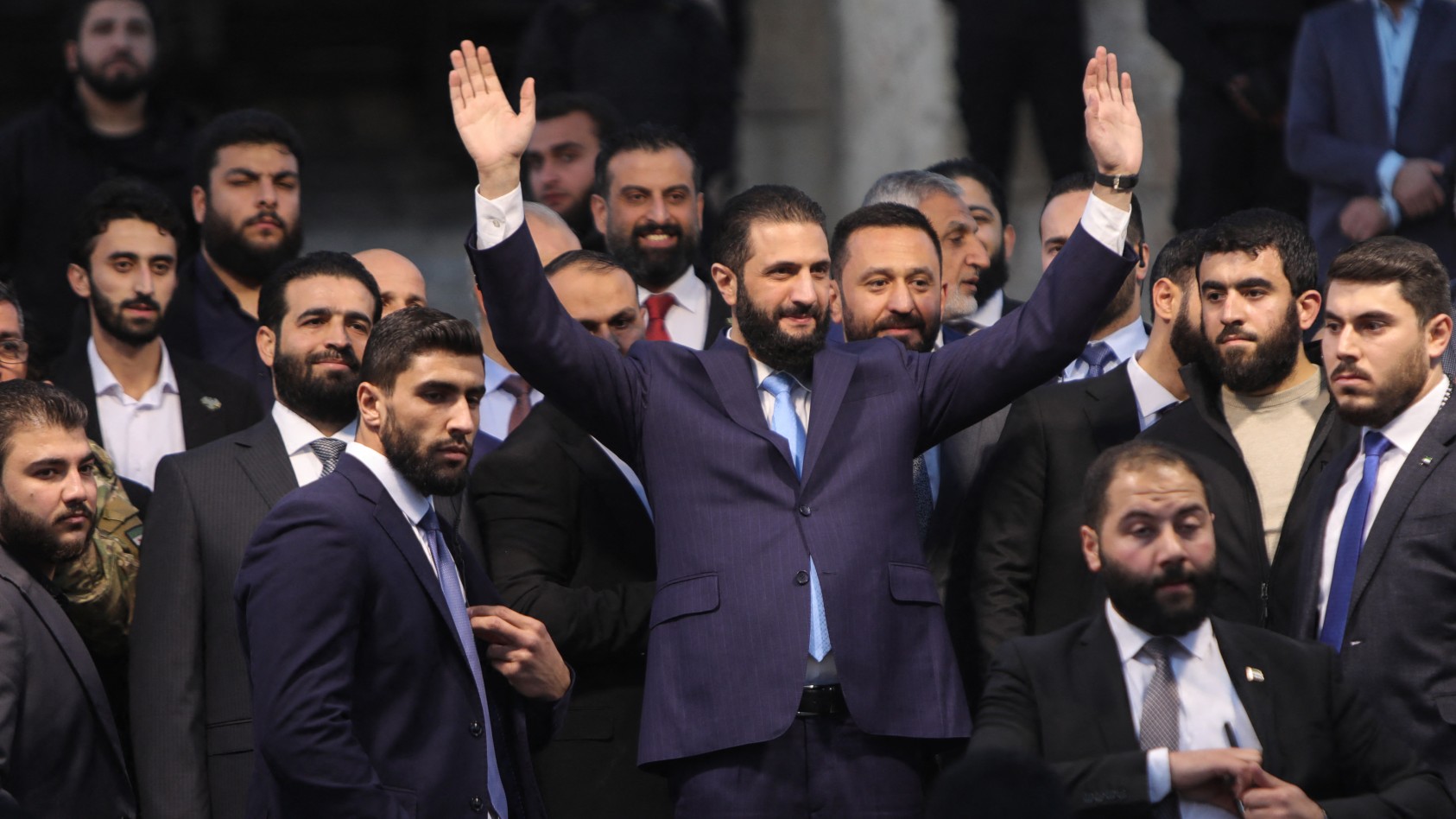
    In a significant diplomatic development, Syrian President Ahmed al-Sharaa conducted a discreet meeting with 15 prominent Kurdish intellectuals and community leaders from the northern city of Kobane, according to Kurdish sources familiar with the matter. The encounter occurred during an unpublicized presidential visit to the recently captured Tabqa Dam, Syria’s largest hydroelectric facility.

    The diverse delegation represented various segments of Kurdish political society, including both supporters and opponents of the Kurdish-led Syrian Democratic Forces (SDF). President Sharaa utilized the forum to emphasize implementation of his recently declared initiative recognizing Kurdish civil and cultural rights, while simultaneously criticizing SDF leadership for what he characterized as territorial ambitions rather than genuine concern for Kurdish welfare.

    “They prioritize territorial control over Kurdish rights,” Sharaa asserted during the meeting, adding, “I will prevent this fragmentation and pursue national unification.” Despite these criticisms, attendees reportedly found reassurance in the president’s commitments to protecting Kurdish rights within a unified Syrian state.

    This diplomatic outreach coincides with a substantial shift in American foreign policy, with Washington redirecting support from the SDF—formerly its primary partner against Islamic State—to President Sharaa’s transitional government. This policy realignment has enabled Syrian government forces to reclaim strategic territories including Aleppo, Raqqa, and Deir Ezzor, along with critical infrastructure such as oil fields, agricultural lands, and detention facilities housing ISIS suspects.

    The geopolitical maneuvering follows a January 18 ceasefire agreement that has faced implementation challenges. Additional reporting reveals that SDF chief Mazloum Abdi met with President Sharaa in Damascus for five hours on January 19, where Sharaa offered significant concessions including nomination rights for deputy defense minister and governor of Hasakah positions. Abdi reportedly retreated from previously agreed terms, demanding full autonomy for Hasakah and integrated military unit status for SDF forces rather than individual incorporation into the Syrian army.

    The negotiations reached a critical juncture when US envoy Tom Barrack departed the meeting in apparent frustration over Abdi’s reversal on the agreement he had personally mediated. This development prompted direct communication between former President Trump and Sharaa, during which Trump emphasized Syrian sovereignty and unity while urging secure management of ISIS detention facilities previously overseen by SDF forces.

  • Refugees in Minnesota sue Trump administration for ‘terrorising’ arrests amid federal crackdown

    Refugees in Minnesota sue Trump administration for ‘terrorising’ arrests amid federal crackdown

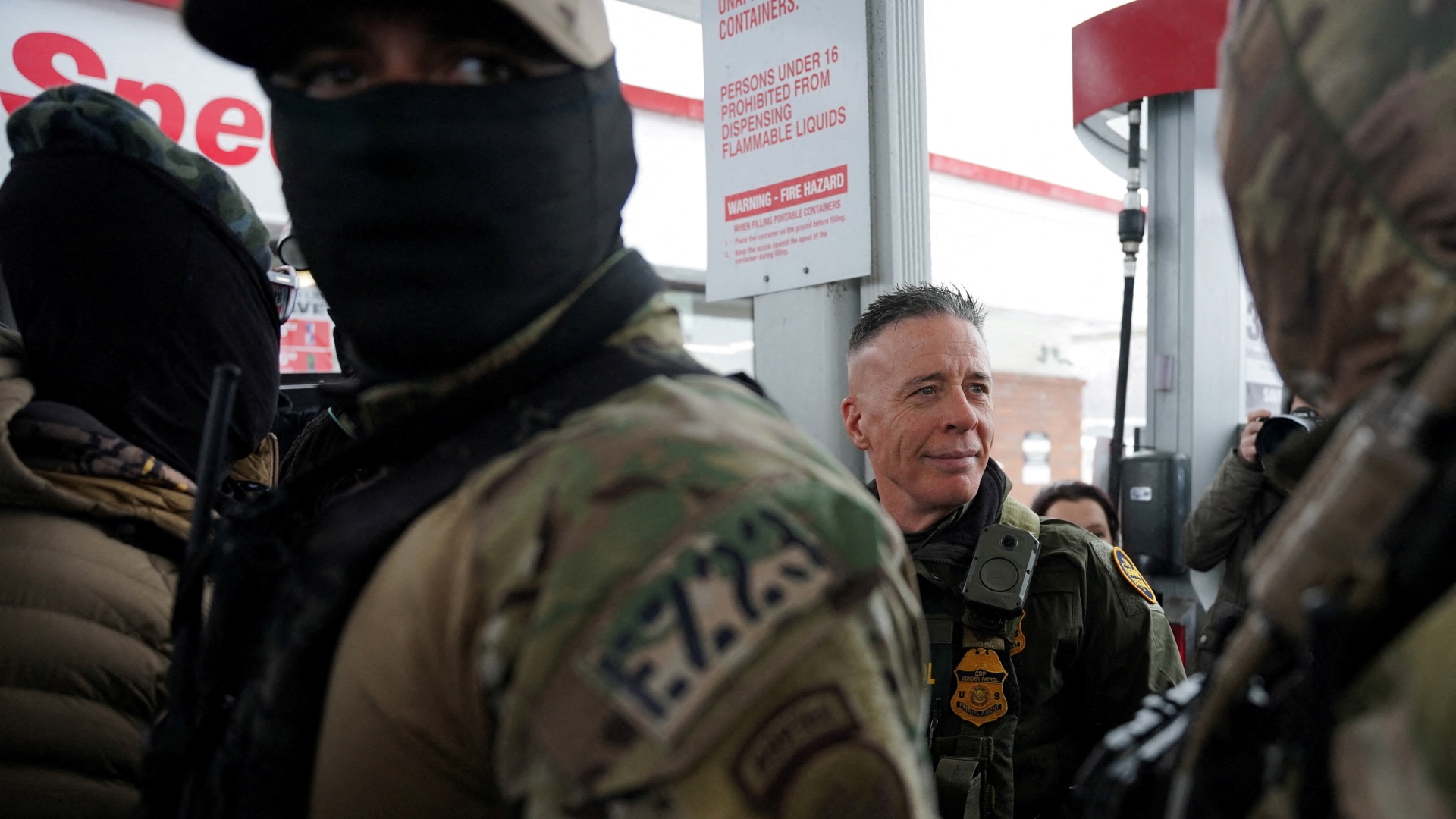
    A significant legal battle has emerged in Minnesota as approximately 100 lawfully admitted refugees filed a class action lawsuit against the Trump administration on Friday. The litigation targets what attorneys describe as a systematic “detention dragnet” operation that specifically terrorizes one of the most thoroughly vetted immigrant populations in the United States.

    According to Stephanie Gee, Senior Director of U.S. Legal Services at the International Refugee Assistance Project (IRAP), Immigration and Customs Enforcement (ICE) agents have detained these refugees without formal charges since January 9th, when the federal government initiated “Operation Post-Admission Refugee Reverification and Integrity Strengthening.” The detained individuals originate from various countries, including European nations, with some being children.

    IRAP, in collaboration with the Center for Human Rights and Constitutional Law and class action firm Berger Montague, argues the operation violates multiple constitutional protections and established government procedures for handling refugee cases. “This operation itself is unlawful on many levels,” Gee emphasized, noting that it contradicts existing policies governing refugee applications and treatment within the country.

    The enforcement tactics in Minnesota mirror ICE’s controversial approaches nationwide, featuring violent arrests where immigrants are forcibly removed from homes and vehicles. Detainees face transfer to remote facilities in Texas under conditions critics compare to “concentration camps” due to severe overcrowding, inadequate hygiene, and substandard nutrition.

    Refugees undergo exceptionally rigorous screening—often lasting years—before receiving government-funded relocation to American communities. This population never anticipated vulnerability to detention and removal procedures given their lawful status and extensive pre-admission vetting.

    The situation escalated tragically when ICE agents killed two U.S. citizens in Minnesota who were legally documenting enforcement activities. Despite ongoing investigations, White House Press Secretary Karoline Leavitt defended ICE operations, denouncing comparisons to Nazi Gestapo as “despicable” and “shameful.”

    Minneapolis Mayor Jacob Frey publicly demanded federal agents leave his city, declaring, “A great American city is being invaded by its own federal government.” Homeland Security data reveals most detained immigrants possess no criminal records, contradicting administration claims targeting “the worst of the worst.”

  • ‘Come more often!’ Mexico leader urges K-pop stars BTS on sold-out tour

    ‘Come more often!’ Mexico leader urges K-pop stars BTS on sold-out tour

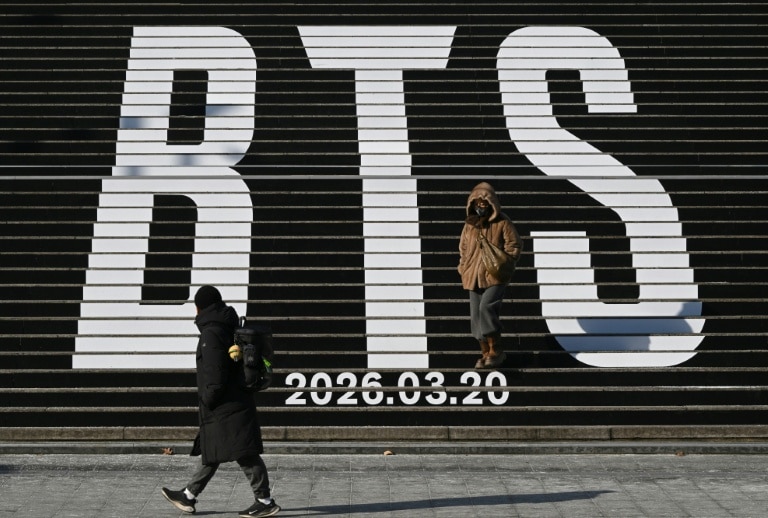
    In an unprecedented move highlighting the cultural phenomenon of K-pop, Mexican President Claudia Sheinbaum has personally intervened following the instantaneous sell-out of BTS’s upcoming concert dates in Mexico City. The massive ticket demand—with nearly one million fans competing for just 150,000 seats—prompted the president to appeal directly to South Korean leadership for increased cultural exchanges.

    The frenzy began when tickets for the three May performances vanished within minutes of going on sale last weekend, leaving hundreds of thousands of disappointed fans. This overwhelming response demonstrates Mexico’s deepening fascination with South Korean culture, which has expanded dramatically from television dramas and cuisine to dominate the music scene through K-pop’s global influence.

    President Sheinbaum revealed she formally requested South Korean President Lee Jae Myung to facilitate more frequent visits by the “acclaimed K-pop artists” to accommodate Mexico’s enormous fanbase. Additionally, her administration approached event promoter Ocesa regarding potential additional shows, though organizers indicated no possibilities for expanding the current schedule.

    The Mexican government’s engagement with BTS isn’t new—Economy Secretary Marcelo Ebrard, a self-professed fan, previously welcomed band member Jin via TikTok video when the tour was first announced. This official enthusiasm reflects strategic efforts to capitalize on the economic and cultural benefits of Korea’s entertainment exports.

    BTS will launch their global comeback tour in April, marking their return after a four-year hiatus during which all members completed mandatory military service. The group’s label announced a new album for March preceding what promises to be one of the year’s most extensive concert tours, spanning 34 cities worldwide.

  • US weighs ‘precision strikes’ on Iranian officials as military build-up surges, sources say

    US weighs ‘precision strikes’ on Iranian officials as military build-up surges, sources say

    The United States is actively considering targeted military action against high-ranking Iranian officials believed responsible for the lethal suppression of protesters, according to a Gulf official familiar with ongoing deliberations. These precision strikes, potentially occurring as early as this week, represent a significant escalation in Washington’s response to Tehran’s internal crackdown that has resulted in thousands of civilian casualties.

    Administration discussions have been characterized as chaotic, with intense debate surrounding anticipated Iranian retaliation strategies. The Trump administration has maintained a month-long deliberation period regarding potential military engagement with Iran, initially leveraging the protest crackdown as justification. Despite President Trump’s earlier encouragement for demonstrators to seize state institutions, he subsequently declared the ‘killing has stopped’ and opted for de-escalation—a decision influenced by diplomatic pressure from Gulf states including Saudi Arabia, Qatar, and Oman.

    Current and former officials indicate this de-escalation may represent merely a tactical pause rather than a permanent policy shift. The administration has significantly enhanced its military readiness in the region, deploying additional warplanes, advanced air defense systems, and naval assets including the Abraham Lincoln aircraft carrier group equipped with F-35 and F/A-18 fighter jets. Open-source intelligence confirms the establishment of an F-15 squadron at Jordan’s Muwaffaq Salti Air Base.

    Regional dynamics complicate potential strike operations, as Gulf states have enforced an airspace and facilities ban for US attacks against Iran since April 2025. This restriction has forced alternative basing strategies, with Jordan emerging as a critical operational hub. Tehran has issued stark warnings that US regional partners would face retaliatory strikes if their territories facilitate attacks against Iran.

    The geopolitical landscape remains fractured, with Saudi Arabia, Oman, Qatar, and Turkey opposing military action while Israel supports regime change objectives. The UAE has formally declared it will not permit its territory, airspace, or waters to be used for offensive operations against Iran—a position likely influenced by Iran’s previous retaliation against Qatar’s al-Udeid air base following nuclear facility bombings.

    Experts warn that current circumstances could provoke unprecedented Iranian responses, including potential shutdown of the Strait of Hormuz (transit route for 20% of global oil) or attacks against US bases region-wide. The memory of the recent 12-day Iran-Israel conflict remains fresh, during which Iranian ballistic missiles penetrated Tel Aviv’s defenses despite US-Israeli air superiority, creating critical supply shortages in missile interceptors that required emergency replenishment operations.

  • French lawmakers pass bill banning social media for under-15s

    French lawmakers pass bill banning social media for under-15s

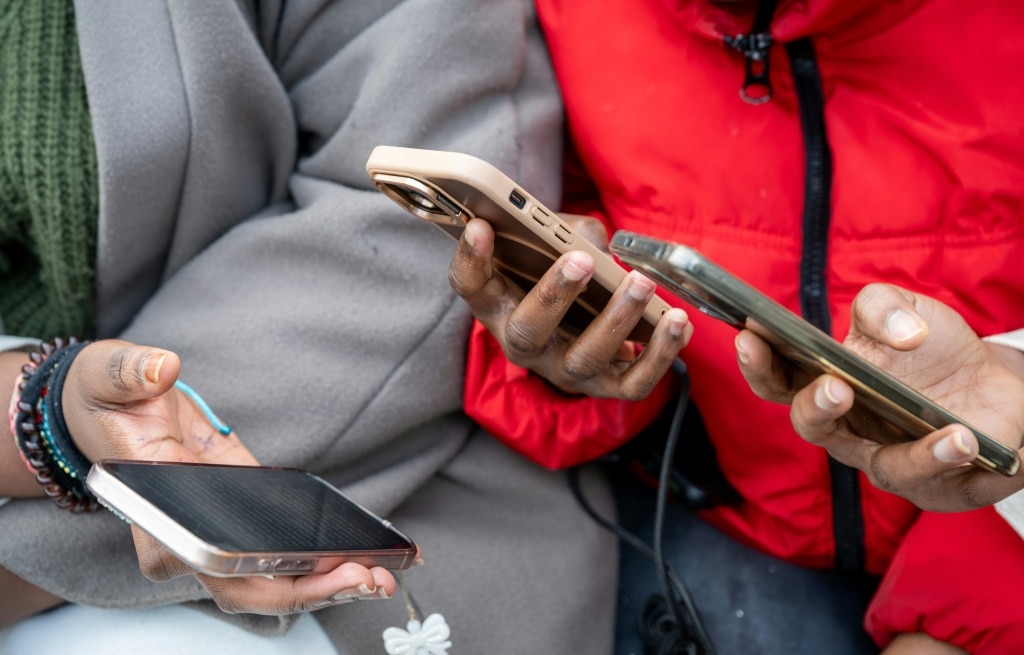
    French legislators have approved groundbreaking legislation that would establish one of the world’s most comprehensive digital protection frameworks for minors, prohibiting social media platform access for children under 15 years old. The National Assembly endorsed the measure with an overwhelming majority of 130-21 votes during an extended parliamentary session spanning Monday into Tuesday.

    President Emmanuel Macron celebrated this legislative achievement as a pivotal advancement in safeguarding French youth, declaring on social media platform X that the nation is taking decisive action against the potential manipulation of children’s emotions by foreign algorithms and platforms. The proposed law additionally reinforces existing restrictions on mobile phone usage within high school environments.

    This initiative positions France to become the second nation implementing such comprehensive age-based social media restrictions, following Australia’s similar prohibition for users under 16 enacted in December. The legislation emerges amid growing scientific consensus regarding the detrimental effects of excessive screen time on adolescent psychological development and mental wellness.

    The proposed implementation timeline specifies that new accounts would fall under these regulations beginning with the 2026 academic year. Gabriel Attal, leader of Macron’s Renaissance party, expressed optimism that the Senate will ratify the bill by mid-February, potentially enabling enforcement commencement on September 1st. Social media corporations would subsequently have until December 31st to deactivate non-compliant existing accounts belonging to underage users.

    Attal emphasized the measure’s dual purpose: addressing mental health concerns associated with digital platform engagement while countering external influences that seek to ‘colonize minds’ through social media. He characterized this legislation as potentially transformative for French youth and families while enhancing national sovereignty in the digital realm.

    Recent findings from France’s public health authority ANSES substantiate these concerns, documenting multiple adverse effects—particularly among female adolescents—linked to platforms including TikTok, Snapchat, and Instagram. Identified risks encompass cyberbullying incidents and exposure to violent content.

    The legislative text explicitly prohibits ‘access to online social networking services provided by digital platforms for minors under fifteen,’ while exempting educational websites and online encyclopedias. Effective implementation hinges upon developing robust age verification mechanisms, currently under development at the European level.

    Despite broad parliamentary support, the proposal faces criticism from both political and advocacy spheres. Left-wing politicians decry the approach as ‘digital paternalism,’ while child protection organizations advocate for enhanced platform accountability rather than outright access prohibition. The legislation now advances to Senate deliberation for final approval.

  • Bradman’s ‘Baggy Green’ cap worn against India sells for $460,000 at auction

    Bradman’s ‘Baggy Green’ cap worn against India sells for $460,000 at auction

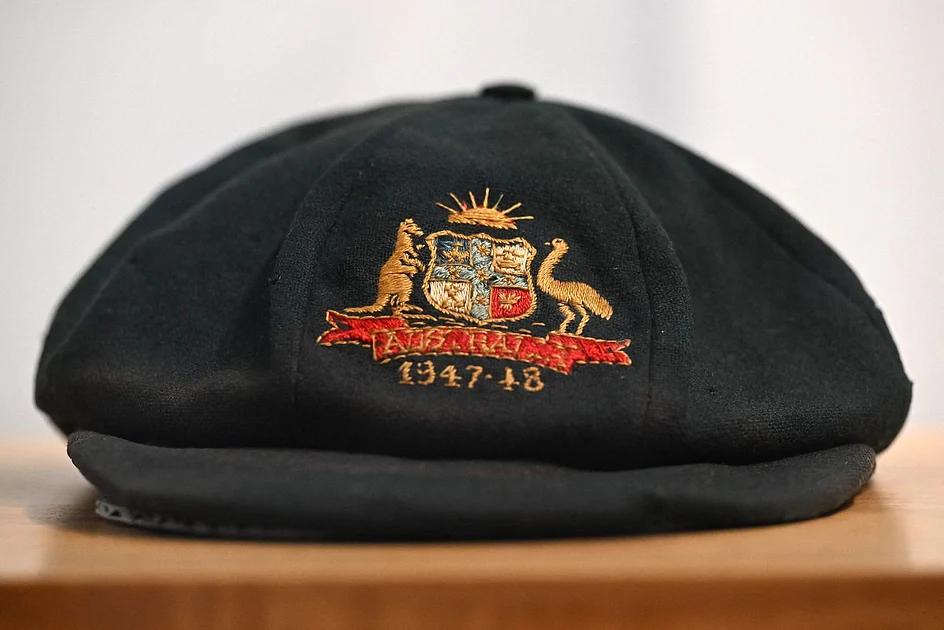
    A piece of cricketing history achieved unprecedented recognition at a Gold Coast auction on Monday when Don Bradman’s iconic ‘Baggy Green’ cap from the 1947-48 series against India fetched $460,000. This remarkable price establishes a new benchmark for memorabilia associated with the legendary Australian batsman, surpassing the previous record set just two years prior.

    The cap’s extraordinary journey spans seven decades, originating as a personal gift from Bradman to Indian cricketer Sriranga Wasudev Sohoni following their historic series. Remarkably preserved by Sohoni’s family across three generations, the artifact remained under stringent protective measures. Family tradition dictated that relatives could only view the cap for five minutes upon reaching their sixteenth birthday, according to Lee Hames, Chief Operating Officer of Lloyds Auctioneers and Valuers.

    The historically significant headwear, bearing both Bradman’s and Sohoni’s inscriptions inside the band, has maintained exceptional condition despite its age. This preservation quality significantly contributed to its valuation, particularly when contrasted with another Bradman cap that sold for $311,000 in 2024 despite evident sun damage and insect deterioration.

    The anonymous winning bidder has arranged for public display at an Australian museum, ensuring cricket enthusiasts worldwide can appreciate this tangible connection to sporting greatness. Bradman’s statistical dominance remains unmatched in cricket history, with his test batting average of 99.94 standing approximately 40 runs above any other player in the sport’s history across his 52-test career.

  • Oura Ring 4 review: A fitness tracker you’ll actually want to wear

    Oura Ring 4 review: A fitness tracker you’ll actually want to wear

    In an era dominated by wearable technology, the Oura Ring 4 emerges as a sophisticated health monitoring device that successfully merges clinical-grade biometric tracking with elegant jewelry-grade design. Now in its fourth iteration, this discreet finger-worn device represents a significant evolution in personal health technology, focusing particularly on recovery metrics and sleep quality assessment.

    The device’s aesthetic appeal immediately distinguishes it from conventional fitness trackers. Unlike wrist-worn alternatives that often appear conspicuously technological, the Oura Ring 4 presents as a premium accessory available in multiple finishes including ceramic options and various colorways. The brand’s meticulous sizing process—requiring a 24-hour trial period with sizing kits—ensures optimal comfort for continuous wear.

    Where the device truly excels is in its sophisticated health monitoring capabilities. Sleep analysis forms the cornerstone of its functionality, providing detailed breakdowns of sleep stages, duration, and efficiency through an intuitive mobile application. According to recently released regional data, UAE residents average 6.85 hours of sleep nightly—slightly below global averages—yet demonstrate exceptional sleep efficiency at 85.7%, ranking among the world’s highest quality sleepers despite being predominantly night owls with sleep windows typically spanning 12:06 AM to 7:57 AM.

    The Readiness Score feature represents another innovative aspect, evaluating users’ physiological preparedness for daily activities. This metric empowers individuals to make informed decisions about training intensity and recovery needs based on biometric feedback rather than subjective feeling alone.

    Activity tracking performs admirably, with the device automatically recognizing and recording various exercises after initial manual configuration. The ring’s hardware specifications impress with eight-day battery longevity, 120-minute full recharge capability, and waterproof construction suitable for swimming and showering.

    Financially, the Oura Ring 4 requires a one-time hardware investment starting from AED 1,399 (rising to AED 1,999 for premium finishes) complemented by a monthly subscription of AED 29.99 for full data access—positioning it favorably against competitor pricing models despite ongoing subscription requirements.

    While the accompanying application presents a learning curve for first-time users due to its comprehensive data presentation, the platform ultimately delivers valuable health insights that encourage more mindful lifestyle choices without compromising aesthetic preferences.

  • Trump raises US tariffs on South Korea imports to 25%

    Trump raises US tariffs on South Korea imports to 25%

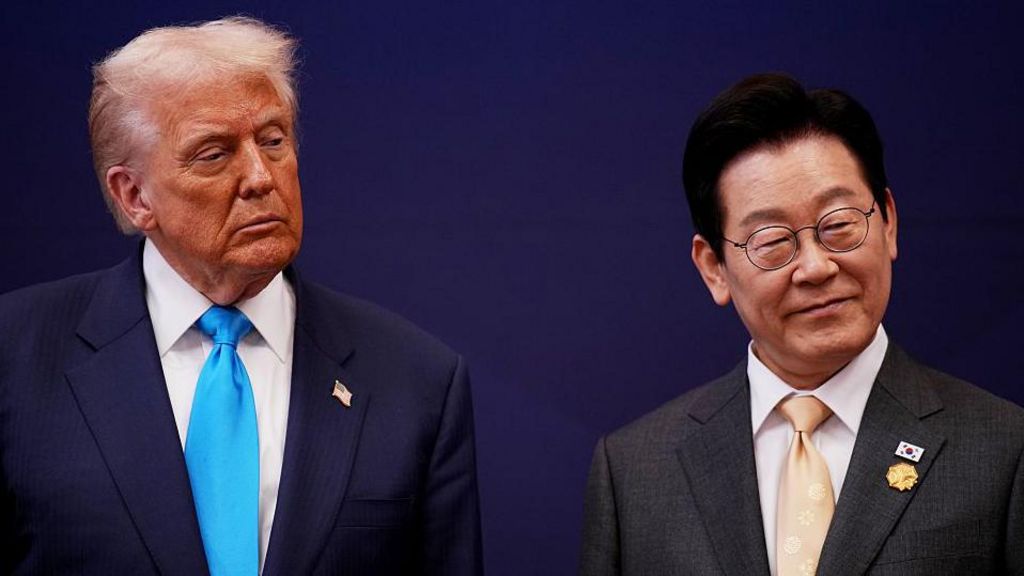
    In a significant escalation of trade policy, former US President Donald Trump has declared a substantial increase in tariffs on South Korean imports, raising them to 25%. The announcement was made via social media, where Trump accused Seoul of failing to uphold commitments under a bilateral trade agreement finalized last October.

    The tariff hike affects a broad range of products, including automobiles, lumber, pharmaceuticals, and various other goods subject to reciprocal tariffs. Trump justified the move by stating that South Korean lawmakers had been ‘slow to approve the deal,’ contrasting it with what he described as swift US action to reduce its own tariffs in accordance with the agreement.

    South Korea has responded with concern, indicating it had not received official notification of the tariff decision and is seeking urgent discussions with Washington. The country’s Industry Minister, Kim Jung-kwan, is reportedly cutting short a trip to Canada to arrange immediate talks with US Commerce Secretary Howard Lutnick.

    The contentious trade deal, reached in October, included a significant pledge from South Korea to invest approximately $350 billion in the United States, with portions directed toward the shipbuilding sector. Subsequent negotiations in November established that the US would reduce certain tariffs once South Korea initiated its domestic approval process. The agreement was submitted to South Korea’s National Assembly on November 26 and is currently under review, with local media projecting likely passage in February.

    This development represents another instance of Trump utilizing tariffs as a primary instrument of foreign policy during his second term. The move follows recent threats against Canada, where Trump warned of 100% tariffs if Ottawa pursued a trade agreement with China. Canadian Prime Minister Mark Carney has since clarified that no such deal with China is under consideration, with Canadian officials reportedly communicating this position to their US counterparts.

    The tariff strategy echoes previous confrontational approaches, including Trump’s earlier threats against eight countries, including the UK, regarding their opposition to US interests in Greenland. While those particular tariff threats were eventually withdrawn citing progress toward a ‘future deal,’ the episodes have contributed to strains in US relations with NATO allies and trading partners.