
In a historic move for Oceania’s football confederation, FIFA has granted direct qualification to the 2026 World Cup, marking the first time a team from the region will bypass the intercontinental playoff system. New Zealand, the highest-ranked team in Oceania at 89th in FIFA’s rankings, is favored to secure the spot as they face Fiji in the semifinals of the Oceania qualifying tournament in Wellington on Friday. Tahiti and New Caledonia will compete in the other semifinal, with the final set for Auckland next Monday. The winner will join hosts Canada, the United States, and Mexico in the expanded 48-team tournament. The runner-up will still have a chance to qualify through a playoff series involving teams from Asia, Africa, South America, and CONCACAF. Critics have questioned the fairness of low-ranked teams qualifying directly while higher-ranked teams from more competitive confederations are eliminated. However, New Zealand captain Chris Wood defended the decision, stating that a true global World Cup requires representation from every continent. New Zealand’s coach, Danny Bazeley, emphasized the team’s determination to avoid past playoff disappointments, while Fiji’s coach, Rob Sherman, acknowledged the challenge of facing a more experienced and professional New Zealand squad. Despite the odds, teams like New Caledonia and Tahiti have celebrated their semifinal achievements as significant milestones.
博客
-
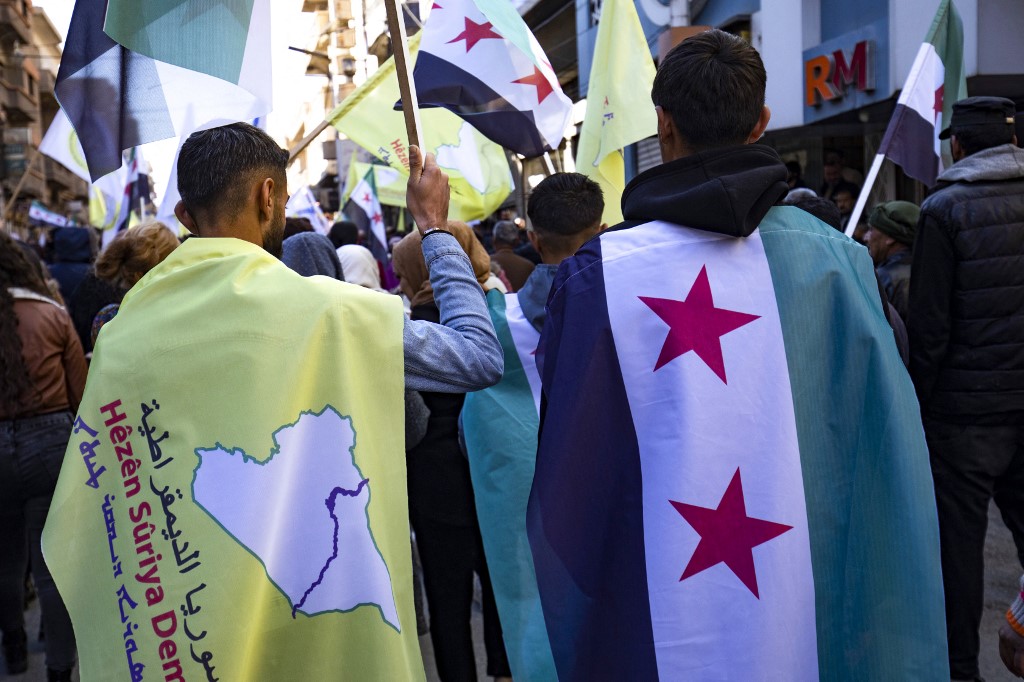
What is Turkey’s vision for the Kurds in Syria?
Regional observers are closely examining Turkey’s strategic objectives regarding the Kurdish-dominated Syrian Democratic Forces (SDF) that control substantial territories in northeastern Syria. Since the collapse of Bashar al-Assad’s regime in December, Ankara has emerged as a dominant power broker in Syria, cultivating strategic alliances with the interim government led by Hay’at Tahrir al-Sham (HTS).
Both Turkish authorities and HTS leadership have consistently demanded the expulsion of Kurdistan Workers’ Party (PKK)-affiliated elements from SDF ranks and advocated for the group’s disarmament, potentially through integration into Syria’s formal defense structures. This position creates a complex diplomatic landscape given that Western powers, while classifying PKK as a terrorist organization, have simultaneously supported PKK-linked factions in Syria since 2014 to combat Islamic State extremists.
Recent statements from de facto Syrian leader Ahmed al-Sharaa emphasize that the emerging administration will reject any form of federal division and insists on state monopoly over military capabilities. Despite President Erdogan’s vigorous rhetoric regarding eliminating security threats from Syrian territory, Ankara appears to favor diplomatic solutions over full-scale military intervention against Kurdish forces.
The SETA think tank, maintaining close government ties, recently proposed a collaborative framework where American and Turkish officials could pursue non-violent resolution mechanisms. The proposal suggests the United States would acknowledge Turkey’s security concerns by limiting military and political support for SDF, while Turkey would refrain from large-scale operations in northeastern Syria.
Turkish Foreign Minister Hakan Fidan has reiterated demands for SDF to expel PKK cadres and demobilize their forces. On Monday, Fidan claimed approximately 2,000 foreign fighters embedded within SDF ranks are under the command of senior PKK officials Sabri Ok and Fehman Huseyin, who allegedly influence SDF leadership.
A critical element in this diplomatic process involves ongoing negotiations between Turkish authorities and imprisoned PKK leader Abdullah Ocalan, initiated in October. Multiple Turkish sources indicate Ocalan may release a video statement in February urging PKK disarmament, which could significantly pressure SDF toward accepting a political compromise.
Senior PKK official Bese Hozat confirmed they await Ocalan’s guidance regarding future steps, noting his intensive efforts toward democratic solutions for the Kurdish question and regional democratization.
Turkish officials anticipate that with Ocalan’s potential intervention, non-PKK elements within SDF could be integrated into Damascus’ military administration. Additionally, they expect former President Donald Trump’s potential return to office might accelerate SDF’s positional reconsideration.
Beyond disarmament, Ankara seeks the repatriation of Kurdish refugees to northeastern Syria and the reintegration of rival Kurdish political parties into the region. Turkey recently facilitated discussions between Masoud Barzani, former president of Iraqi Kurdistan and PKK rival, and SDF leader Mazloum Abdi, urging political reintegration and cooperation with Damascus.
According to sources familiar with Ankara’s strategic thinking, Turkey essentially desires the Democratic Union Party (PYD) to transform into a national political entity participating in democratic elections and gaining representation in Damascus through constitutional processes.
Al Jazeera Arabic recently reported that Damascus presented SDF with a draft agreement aligning with Turkish interests, offering constitutional recognition of Kurdish cultural rights and establishing decentralized administrative systems with substantial local powers. However, Damascus insists SDF must integrate into national military institutions as individuals rather than as independent units, and cannot maintain current deployments in non-Kurdish majority areas like Raqqa. SDF reportedly rejected these terms, citing Turkish security threats and demanding equitable oil revenue sharing.
Despite ongoing diplomatic efforts, indications suggest Turkey continues military preparations. Yahya Bostan, a columnist with extensive military and intelligence connections, recently wrote that Ankara is intensifying efforts to eliminate PKK threats, anticipating increased diplomatic and intelligence operations at military levels in the near future.
-
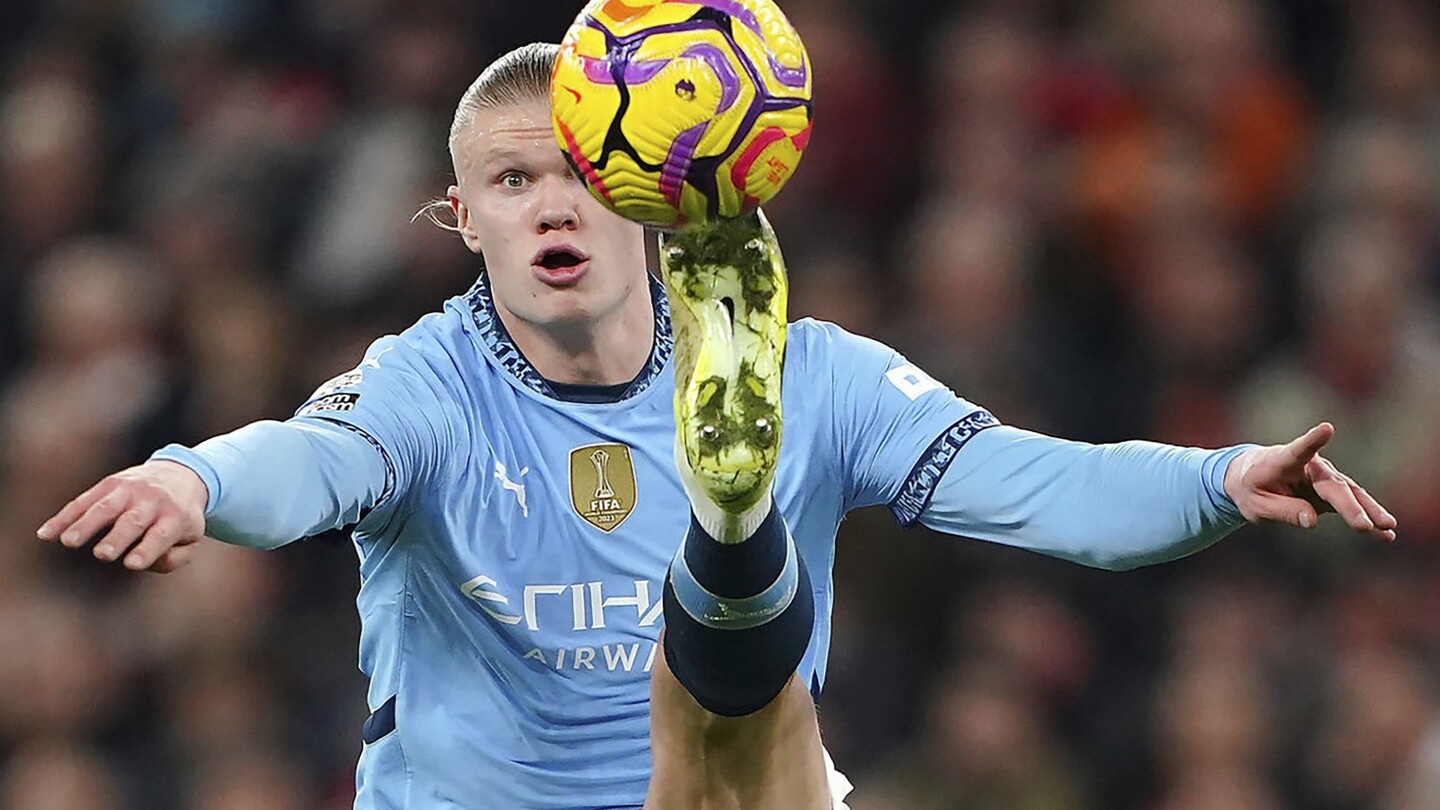
The draw for FIFA’s revamped Club World Cup is coming up. Here’s what to know
The United States is set to host the most expansive edition of FIFA’s Club World Cup in 2025, marking a significant evolution for the global club tournament. The event, scheduled from June 15 to July 13, will feature 32 teams competing across 11 U.S. cities, a dramatic increase from the previous seven-team format. This edition will also transition the tournament to a quadrennial schedule, aligning it with the FIFA World Cup for national teams. The draw for the group stage will take place in Miami on Thursday, December 7, at 1 p.m. (1800 GMT).
Among the participants are European giants like Real Madrid and Manchester City, Lionel Messi’s Inter Miami, South American champion Botafogo, and top clubs from Asia, Africa, and Oceania. The tournament’s new structure includes eight groups of four teams each, with the top two advancing to a knockout stage. FIFA has allocated 12 spots to Europe, six to South America, four each to Africa, Asia, and North America, and one each to Oceania and the host nation.
The 2025 Club World Cup represents FIFA’s most ambitious project to date, aiming to create a month-long spectacle that rivals the global appeal of the men’s World Cup. Teams qualified based on their continental championship victories or consistent performance from 2021 to 2024. Notable absences include Liverpool, Barcelona, and Napoli, while emerging stars like Kylian Mbappé, Erling Haaland, and Jude Bellingham are expected to shine.
Inter Miami’s inclusion, secured through FIFA’s decision to award the host nation’s spot based on regular-season standings, adds star power with Lionel Messi and co-owner David Beckham. The tournament promises significant financial rewards, with FIFA president Gianni Infantino guaranteeing hundreds of millions in prize money. A recent broadcasting deal with DAZN ensures all 63 matches will be streamed for free, with potential public broadcaster partnerships.
The Club World Cup’s history dates back to the Intercontinental Cup, which pitted European and South American champions. FIFA’s modern iteration began in 2000, evolving into an annual seven-team event. However, the tournament struggled to gain traction in Europe, where the UEFA Champions League remained the pinnacle of club competition. The 2025 edition aims to redefine the Club World Cup as a premier global event, combining tradition with innovation.
-
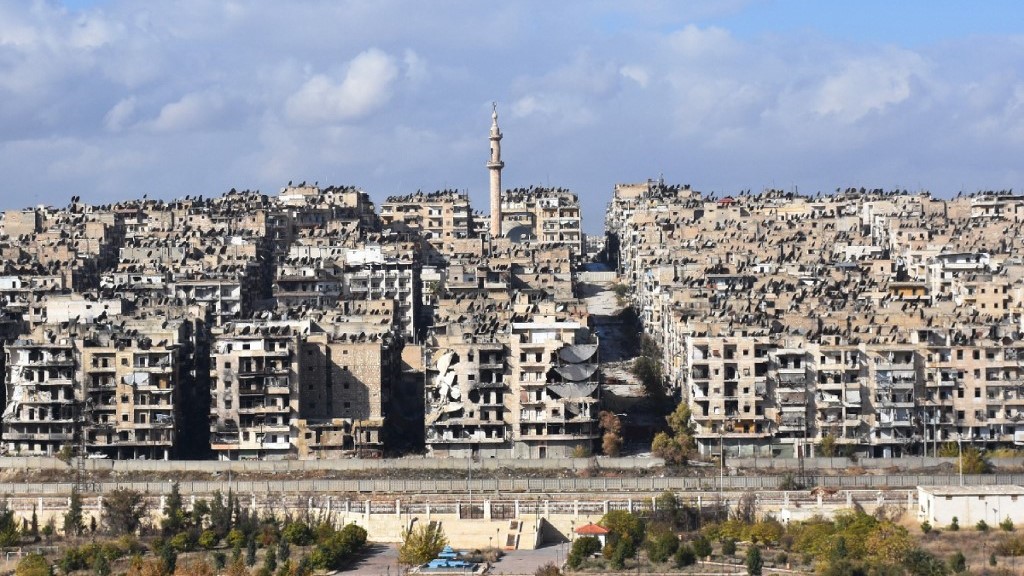
Sheikh Maqsoud: The Kurdish enclave in Syria’s Aleppo
The strategic city of Aleppo has emerged as the critical battleground in Syria’s reignited civil war, exposing the complex geopolitical fractures that have defined the 13-year conflict. Recent fighting has erupted between multiple factions including former al-Qaeda affiliate Hay’at Tahrir al-Sham, Turkish-backed Syrian National Army forces, government loyalists to President Bashar al-Assad, and Kurdish-led defense units.
The predominantly Kurdish neighborhood of Sheikh Maqsoud, with its 30,000 residents and centuries-old Kurdish heritage, has become a primary flashpoint. This district has remained under control of the People’s Protection Units (YPG) since 2012 despite repeated attacks throughout the civil war. The YPG, an ideological affiliate of the Kurdistan Workers Party (PKK), has maintained a delicate balancing act between opposition forces and the Syrian government while attempting to protect local residents.
Historical context reveals that Kurds faced systematic discrimination prior to 2011 under Syria’s Arab nationalist government, with their language and culture suppressed in official contexts. The current administration in northeastern Syria, the Autonomous Administration of North and East Syria (AANES), was established on principles of multi-ethnic, multi-faith decentralization.
Turkey’s support for opposition groups, particularly the Syrian National Army, has created significant tensions as Ankara considers crushing PKK-affiliated groups a primary objective. Recent developments suggest rebel forces have gained control of major northern Syrian cities, raising questions about the sustainability of Kurdish-held territories.
The Syrian Democratic Forces (SDF), which includes Kurdish units and receives U.S. backing, has characterized the new offensive as Turkish-driven with the ultimate goal of occupying Syrian territory. Humanitarian conditions have deteriorated severely with reports of besieged neighborhoods, blocked supply routes, and failed attempts to establish humanitarian corridors. Thousands of Kurdish civilians have been displaced from Aleppo’s outskirts, creating uncertainty about the future of Kurdish presence in the region.
-
Barclays sells all shares in Israeli weapons firm Elbit amid pro-Palestinian pressure
A years-long campaign of direct action by British pro-Palestine activist group Palestine Action has yielded a key victory, after regulatory filings confirmed UK banking giant Barclays has liquidated all of its holdings in Elbit Systems Ltd., Israel’s largest weapons manufacturer.
Recent filings submitted to the U.S. Securities and Exchange Commission (SEC) show that as of the latest update, Barclays holds zero shares in Elbit, which trades on the NASDAQ under the ticker ELST. This marks a full exit from the position the bank held as of the 15 May 2024 filing, when it held 16,345 shares valued at more than $3.4 million.
Palestine Action, which has targeted Barclays for its ties to the Israeli arms industry over the past 12 months, attributes the full divestment to the intensity of its pressure campaign. “The most recent SEC filings and NASDAQ data record an immediate total sale of Barclays’ ELST shares, abruptly sold just when Palestine Action’s campaign hit them hardest,” the group said in a statement.
The banking group has pushed back on framing the sale as a divestment, however, disputing the characterization of its share holdings as an active investment. In comments provided to Middle East Eye, a Barclays spokesperson clarified that the bank only holds shares of listed companies as part of executing trades on behalf of clients, rather than making direct investments for its own portfolio.
“Barclays trades in shares of listed companies in response to client instruction or demand and that may result in us holding shares,” the spokesperson explained. “We are not making investments for Barclays and Barclays is not a ‘shareholder’ or ‘investor’ in Elbit Systems in that sense, and therefore cannot divest; it would be misleading to suggest otherwise. We continue provide a range of financial services to the defence sector, including US, UK and European defence companies.”
Over the past year, Palestine Action has organized 54 separate protest actions across the United Kingdom targeting Barclays locations. Some of these actions have included property damage, such as smashing branch windows and spraying exteriors with red paint, a tactic the group uses to symbolize civilian bloodshed in Gaza. The organization frames its campaign as a response to Elbit’s role in arming the Israeli military during its ongoing war in Gaza, which began in October 2023. Palestine Action accuses Elbit of complicity in what it describes as genocidal acts against Palestinian civilians in the enclave.
This is not the first time the group has targeted firms tied to Elbit. It has previously organized direct actions at British properties linked to the weapons manufacturer, occasionally resulting in property damage and occupation of sites. The group openly embraces radical direct action tactics, including sabotage of infrastructure it says enables what it calls “destructive and lethal business operations.” Dozens of Palestine Action activists have been arrested over the past year for their actions targeting Barclays, with estimated property damage ranging from £250,000 to £500,000.
Despite the full sale of Elbit shares, Palestine Action says its campaign is not over. The group warned it would resume pressure if Barclays ever takes a position in Elbit again, and pledged to continue targeting all financial institutions that do business with the Israeli arms firm.
“Through a focused strategy, direct action has achieved multiple successes and forced the hands of many complicit institutions,” a Palestine Action spokesperson said. “We will remain committed and focused to the task at hand and target any and all institutions and businesses which enable Israel’s biggest weapons firm to maintain their genocidal operations. That means, if Barclays does reinvest into Elbit Systems in the future, Palestine Action will come knocking again.”
The divestment from Elbit comes amid broader pressure on Barclays over its financial ties to Israeli-linked arms firms. In May 2024, a coalition of Palestinian solidarity organizations published a report claiming Barclays held a total of £2 billion in investments and interests in companies that supply arms to Israel. That list includes major international defense contractors such as U.S.-based General Dynamics, which manufactures components for Israeli military warplanes, alongside BAE Systems and Raytheon. Barclays responded to the report by noting it provides standard financial services to defense companies that supply NATO and allied nations, including Israel.
In August 2024, the Financial Times reported that Barclays was planning to step back from participating in new Israeli government bond auctions, a move that came amid ongoing pressure from pro-Palestine activists. The report noted the decision was part of a broader effort by the bank to address widespread criticism of its financial ties to Israel.
-
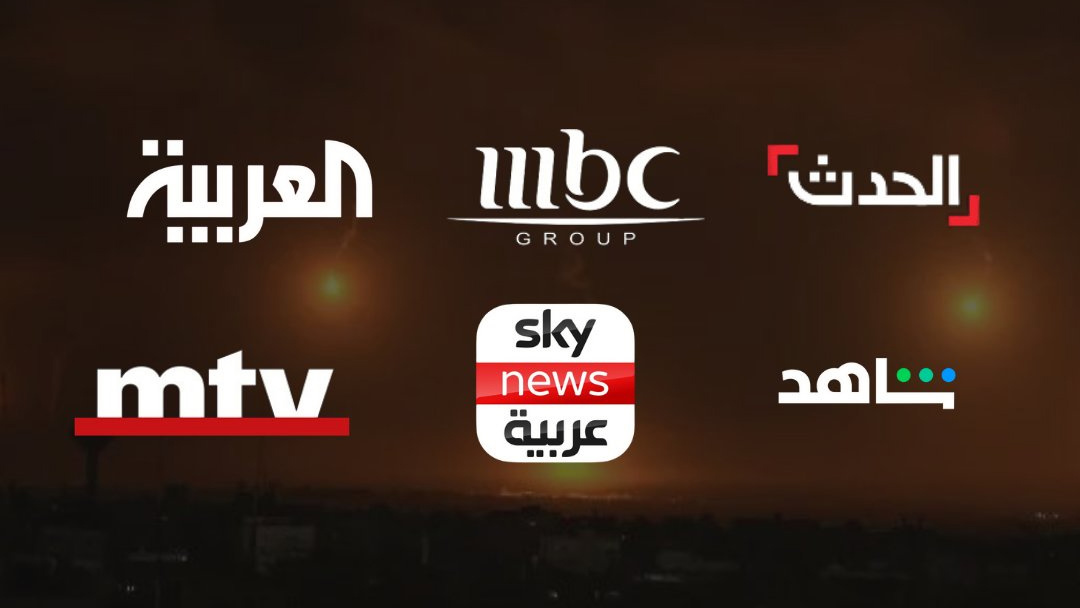
BDS calls for boycott of Arabic channels serving as ‘mouthpieces’ for Israel
The global Boycott, Divestment and Sanctions (BDS) movement has issued a public appeal via its Arabic-language social media account urging widespread boycotts of a slate of major Arabic-speaking media platforms it labels as “mouthpieces of the Israeli enemy”.
The list of targeted outlets includes three prominent Saudi-owned networks: Al Arabiya, MBC, and Al Hadath, alongside the United Arab Emirates-based Sky News Arabia, popular regional streaming platform Shahid, and Lebanon-based domestic news network MTV. In its official statement, BDS accuses these outlets of far more than just advancing diplomatic detente between Arab nations and Israel. The movement argues the channels act as core tools of a colonial ideological campaign targeting Arab public consciousness, working systematically to plant despair and push pro-Israel framing across the region.
BDS supports its accusations by pointing to coverage from these outlets that aligns with Israel’s official narrative amid its ongoing military conflicts in Gaza and southern Lebanon. Examples cited include reports repeating Israel’s claim that Hamas uses civilian hospitals for military operations, as well as broadcasts that include interviews with sitting Israeli government officials. Beyond calling on individual audiences to stop watching and subscribing to the named channels, BDS is also pressing regional journalist unions to cut formal ties with the outlets and anchor their professional commitments in opposition to normalization with Israel.
This boycott call lands amid a sharp wave of already growing public anger toward many of the targeted networks across the Arab world. The most dramatic public backlash unfolded in Baghdad, Iraq, where protesters stormed and ransacked MBC’s Baghdad bureau after the network ran a report labeling Hamas, Hezbollah, and armed Iraqi factions as terrorist organizations. In the aftermath of the incident, Iraqi media regulators formally suspended MBC’s operating license in the country, justifying the move by saying the channel had violated national media rules by “assaulting the martyrs” and violating obligations to protect national values and public morality.
The inclusion of MTV, a Lebanon-focused outlet that primarily covers domestic political debates tied to the Israel-Hezbollah conflict, has drawn particular pushback from media freedom advocates, who argue BDS has overlooked the complex local nuance of Lebanon’s political landscape.
Hezbollah’s open military confrontation with Israel, launched on October 8, 2023 as a solidarity front with Gaza, has remained a deeply divisive issue in Lebanese domestic politics from the start. Tensions only escalated after Israel launched large-scale bombing campaigns across southern Lebanon last month, followed by a limited ground incursion into border areas weeks later. MTV has faced intense domestic criticism from Hezbollah supporters for its consistent critical coverage of the armed group’s decision to open the conflict front. Many Lebanese have deemed the network’s reporting on the issue dangerous and unethical.
Scrutiny of MTV intensified to new heights following an Israeli airstrike on al-Qard al-Hassan, a Hezbollah-linked financial organization, in early 2024. Just days before the strike, MTV published a series of reports naming the group as a likely next target for Israeli attacks. In the aftermath of the bombing, Hezbollah’s head of media relations Mohammed Afif used a public press conference to address all Lebanese media outlets, declaring that “media freedom does not allow you to incite or be complicit in murder”.
Even amid widespread criticism of MTV’s editorial choices, many regional analysts and media freedom advocates emphasize that debates over Hezbollah’s role in Lebanon and its decision to enter the conflict are core domestic conversations that Lebanese stakeholders have the right to hold among themselves. Jad Shahrour, spokesperson for the Samir Kassir Eyes Center for Media and Cultural Freedom, a Beirut-based freedom of press advocacy group, notes that while boycott campaigns can carry legitimate humanitarian goals, targeting a domestic Lebanese outlet in this context undermines BDS’s broader objectives. “When you drown in political corners, you lose sight of your influence on public opinion,” Shahrour explained.
Shahrour warned that adding MTV to the boycott list puts the network’s already vulnerable staff at heightened risk of violence, harassment, and public accusations, all against the backdrop of extreme political polarization that has left Lebanon on the brink of internal collapse. “The Lebanese fabric is in danger, and we are nearing an explosion into what may look like a civil war,” he added.
Founded on the model of the global anti-apartheid boycott movement that targeted segregation-era South Africa, BDS works to push for nonviolent international pressure to force Israel to end its occupation of Palestinian territories and address what the movement frames as ongoing violations of Palestinian human rights. This report was produced by Middle East Eye, an independent media outlet focused on original coverage and analysis of the Middle East and North Africa region.
-
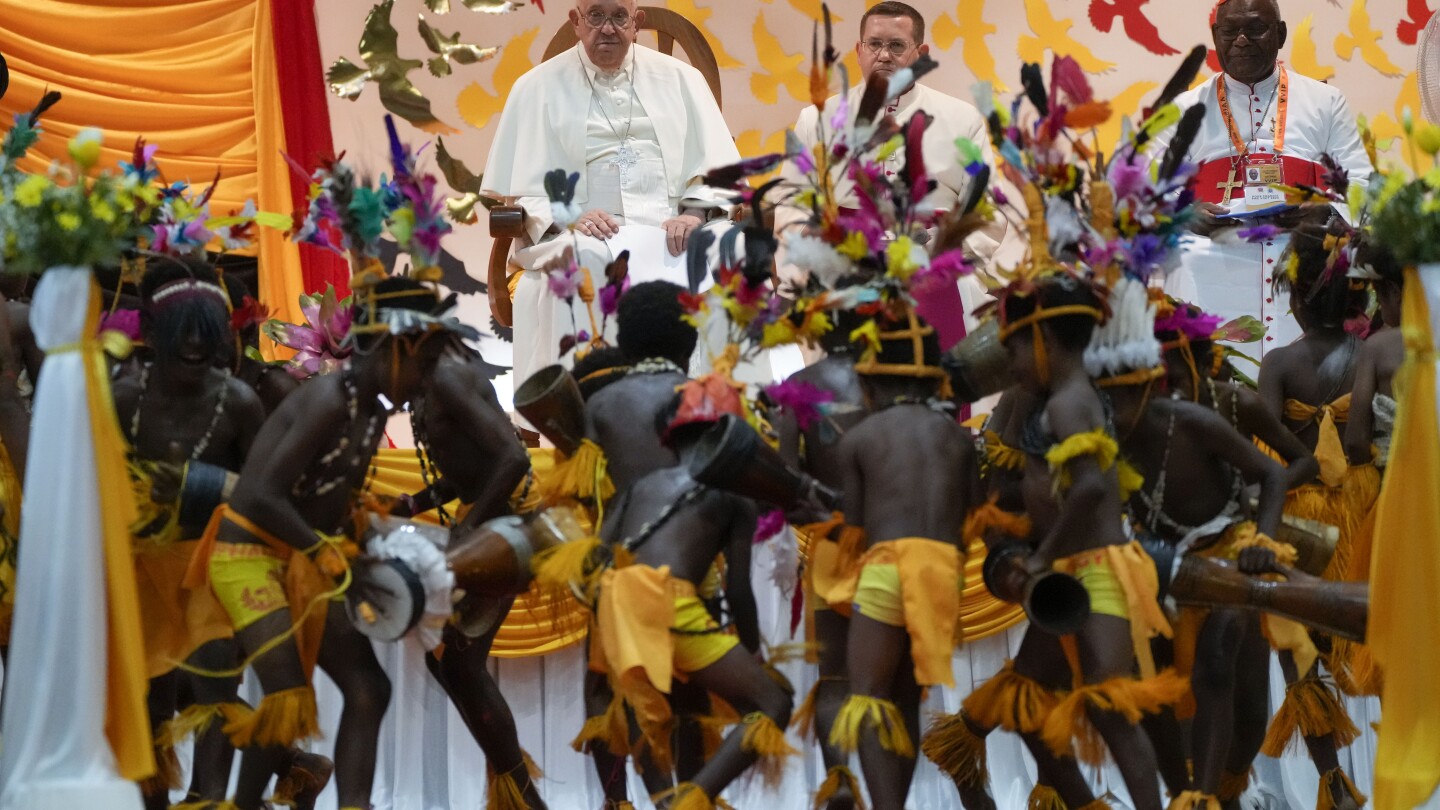
Pope urges church in Papua New Guinea to be close to women after hearing of sorcery ‘superstitions’
During his visit to Papua New Guinea, Pope Francis emphasized the need for the Catholic Church to support women who have faced abuse and marginalization, particularly in a country where violence against women is alarmingly prevalent. Speaking at APEC Haus in Port Moresby on September 7, 2024, the Pope highlighted the struggles of women accused of witchcraft and sorcery, who are often ostracized by their families and communities. He urged the Church to show ‘closeness, compassion, and tenderness’ to these marginalized individuals.
-
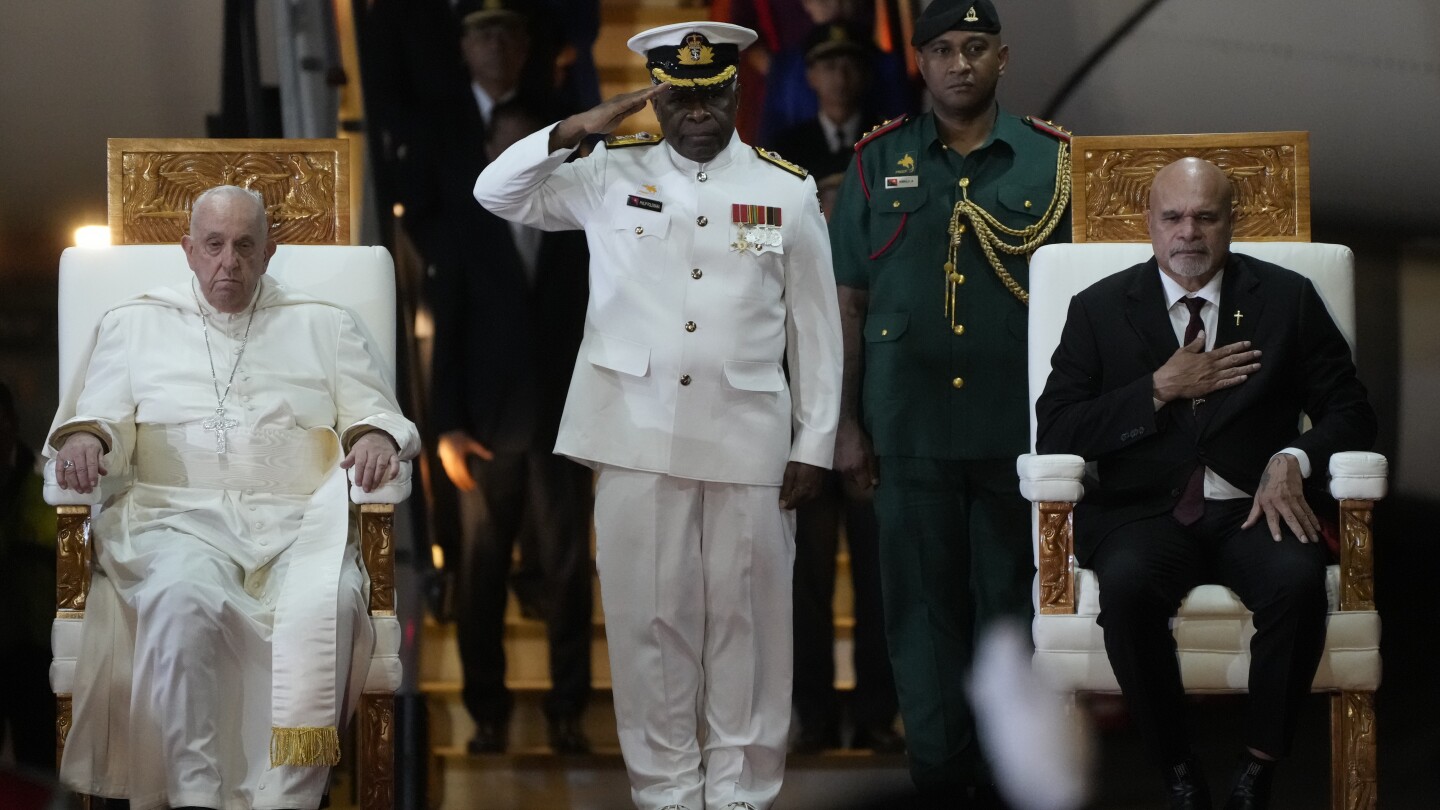
Pope arrives in Papua New Guinea for the second leg of his Southeast Asia and Oceania trip
Pope Francis arrived in Papua New Guinea on Friday, marking the second stop of his extensive 11-day journey across Southeast Asia and Oceania. This visit makes him only the second pope to set foot in the strategically significant South Pacific nation, following in the footsteps of St. John Paul II, who visited in 1984 and 1995. The 87-year-old pontiff was greeted at Port Moresby airport with a cannon salute and a marching band, though he briefly lost his balance during the welcome ceremony, requiring assistance from his security team. Francis’ visit comes on the heels of a vibrant three-day stay in Indonesia, where he addressed a crowd of over 100,000 at a jubilant Mass and signed a historic interfaith declaration with Jakarta’s grand imam, pledging to combat religious violence and protect the environment. In Papua New Guinea, Francis’ agenda focuses on social justice, environmental stewardship, and fostering harmony among the nation’s diverse tribal communities. He is scheduled to meet with government officials, address local clergy, and visit Catholic missionaries working in remote areas. The country, home to over 10 million people, faces challenges such as tribal conflicts, environmental degradation, and the impacts of climate change. Francis’ visit is seen as a beacon of hope for the nation’s Catholic community, which makes up a significant portion of the population. The pope’s journey will continue to East Timor and Singapore before concluding on September 13.
-
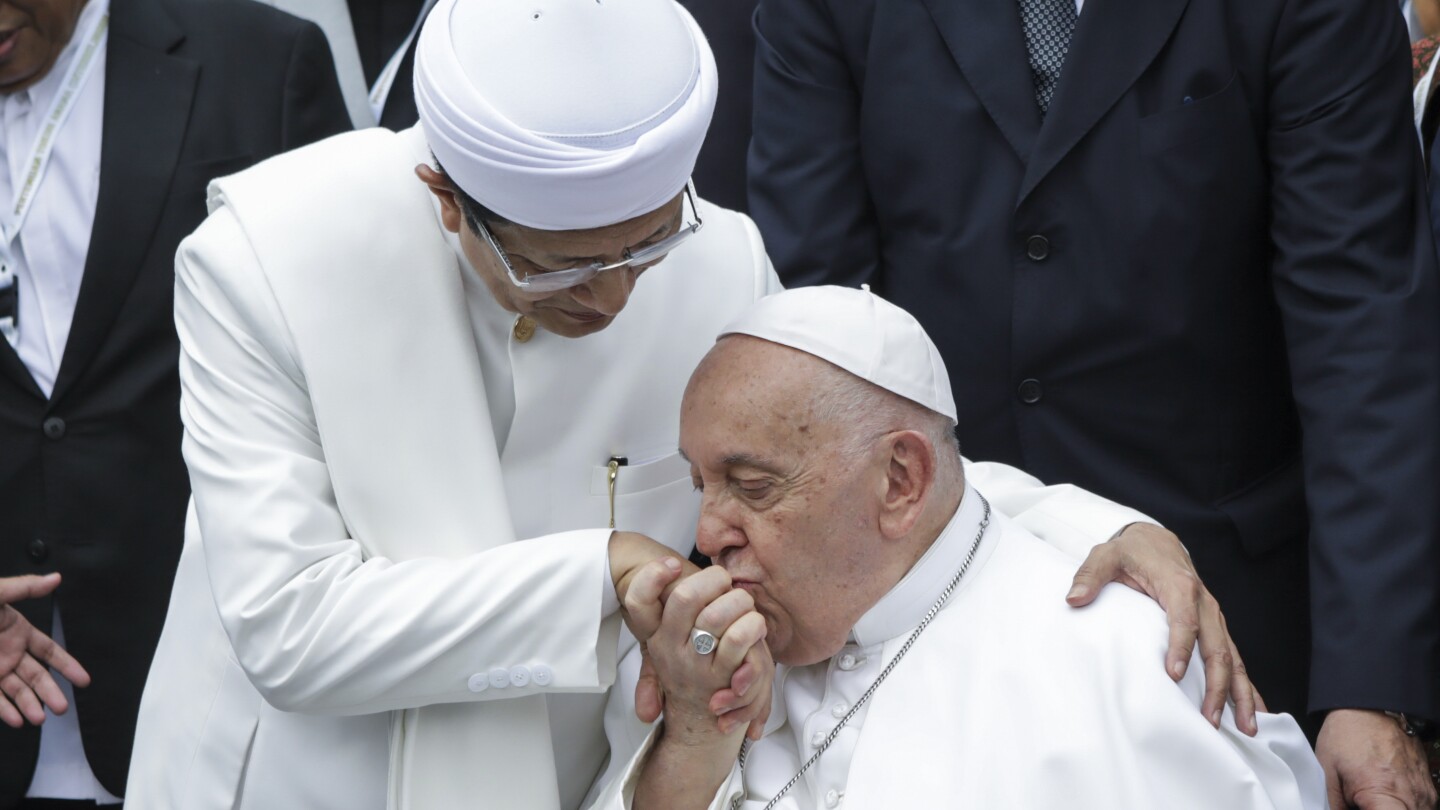
Pope and imam of Southeast Asia’s largest mosque make joint call to fight violence, protect planet
In a historic moment of interfaith solidarity, Pope Francis and Grand Imam Nasaruddin Umar of Southeast Asia’s largest mosque, Istiqlal Mosque in Jakarta, jointly pledged to combat religiously inspired violence and address the pressing climate crisis. The leaders issued the “Joint Declaration of Istiqlal 2024” during the Pope’s visit to Indonesia, marking a significant step in fostering global harmony and environmental stewardship. The declaration emphasized that religion must never be used to justify violence but should instead promote peace, human dignity, and environmental protection. The event, held at the iconic Istiqlal Mosque, brought together representatives of Indonesia’s six officially recognized religions: Islam, Buddhism, Confucianism, Hinduism, Catholicism, and Protestantism. The gathering underscored the nation’s commitment to religious freedom, despite ongoing challenges of intolerance and discrimination. Francis and Umar’s personal rapport was evident as they shared heartfelt gestures of mutual respect, symbolizing the potential for unity across faiths. The Pope’s visit also included a jubilant Mass at Jakarta’s stadium, attended by an estimated 100,000 faithful, where he urged Indonesians to build a civilization of peace and hope. This visit is part of Francis’ 11-day journey across Southeast Asia and Oceania, aimed at strengthening Catholic-Muslim ties and promoting fraternity. The Istiqlal Declaration builds on Francis’ longstanding efforts to bridge religious divides, following similar initiatives in the Gulf and Iraq. The document also highlighted the urgent need for decisive action to combat climate change, a cause close to the Pope’s heart, particularly in Indonesia, a nation vulnerable to environmental crises. Umar emphasized the mosque’s role as a unifying space, designed by a Christian architect and serving diverse communities. The event concluded with a powerful message of unity, as Francis and Umar called on people of all faiths to work together for a sustainable and peaceful future.
-

Expo City Dubai News
In a heartwarming moment at Expo 2020 Dubai, His Highness Sheikh Mohammed bin Rashid Al Maktoum, Vice President and Prime Minister of the UAE and Ruler of Dubai, paused to engage with a group of enthusiastic school children. As Sheikh Mohammed approached, the children burst into cheers and eagerly waved at him, their excitement palpable. Seizing the opportunity, he graciously stopped for a quick photo with the young admirers, creating a memorable experience for them. This spontaneous interaction highlighted Sheikh Mohammed’s approachable demeanor and his commitment to fostering connections with the younger generation. The incident, captured on video, quickly garnered attention, showcasing the warmth and accessibility of the UAE’s leadership during the global event.