博客

  • All hail the Panama Canal, a frontline in the US-China trade war

    All hail the Panama Canal, a frontline in the US-China trade war

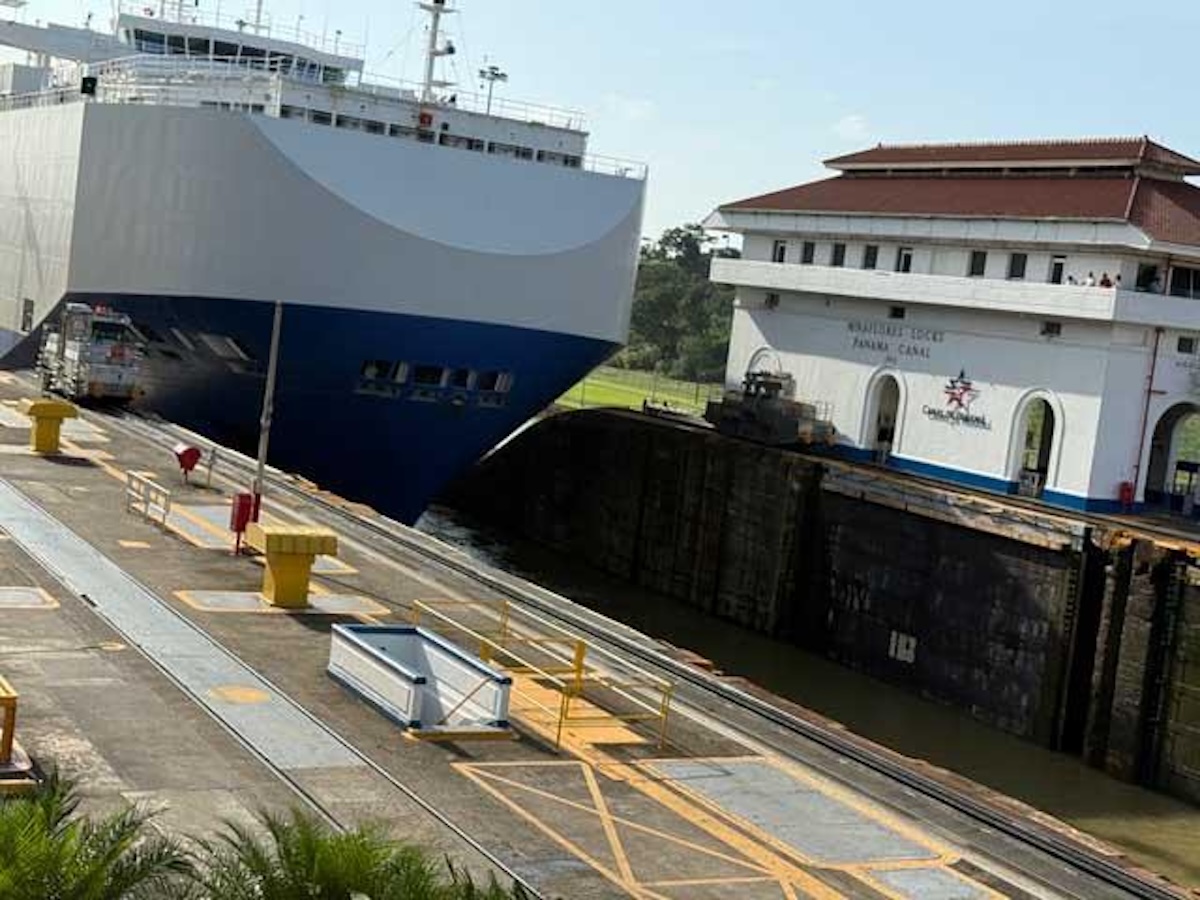
    For American farmers and retailers, the Panama Canal operates like atmospheric oxygen—largely unnoticed until suddenly absent. This reality struck hard in 2023 when severe drought conditions dramatically lowered water levels, creating unprecedented disruptions for global shipping. Vessels carrying critical agricultural exports from the United States found passage impossible, forcing costly reroutes and depressing farm-gate prices. Approximately 25-30% of U.S. grain exports typically traverse this vital waterway, yet during the drought period, virtually none could pass.

    The recent return of rainfall has restored normal operations, once again rendering the canal’s monumental importance invisible to daily commerce. This oversight extends beyond economic functionality to historical significance—the canal represents one of humanity’s most extraordinary engineering achievements, constructed through what can only be described as herculean effort.

    The French initially attempted construction for two decades, suffering catastrophic losses of approximately 20,000 lives before abandoning the project. The United States subsequently undertook the endeavor between 1904-1914, completing it ahead of schedule and under budget despite staggering challenges: 232 million cubic yards of excavation, construction of gravity-operated lock systems that lift ships 85 feet above sea level, and creation of the world’s largest earthen dam at that time.

    Critical to American success was Dr. William Gorgas’s eradication of yellow fever and control of malaria, alongside the organizational genius of Major General George Washington Goethals. The project cost $352 million (approximately $10.8 billion today) and claimed 5,600 lives, predominantly Caribbean workers—a tragic but dramatically improved safety record compared to the French effort.

    The canal’s history intertwines with nation-building—the U.S. facilitated Panama’s independence from Colombia when negotiations stalled—and continues to generate geopolitical tension. Recent controversies have emerged regarding ownership of port facilities at both canal termini, currently held by a Hong Kong-based company. Former President Trump’s comments about ‘taking the canal back’ and China’s demand for 51% ownership in bidding companies highlight how this engineering marvel remains strategically relevant in contemporary superpower relations.

    While businesses may take the canal’s operations for granted, its historical significance and ongoing geopolitical importance ensure it remains firmly in the consciousness of world powers. The original lock systems, still operational today, stand as testament to one of history’s most ambitious and successful infrastructure projects.
  • As Bethlehem lights up again, Palestinian-American Christians reflect on Christmas

    As Bethlehem lights up again, Palestinian-American Christians reflect on Christmas

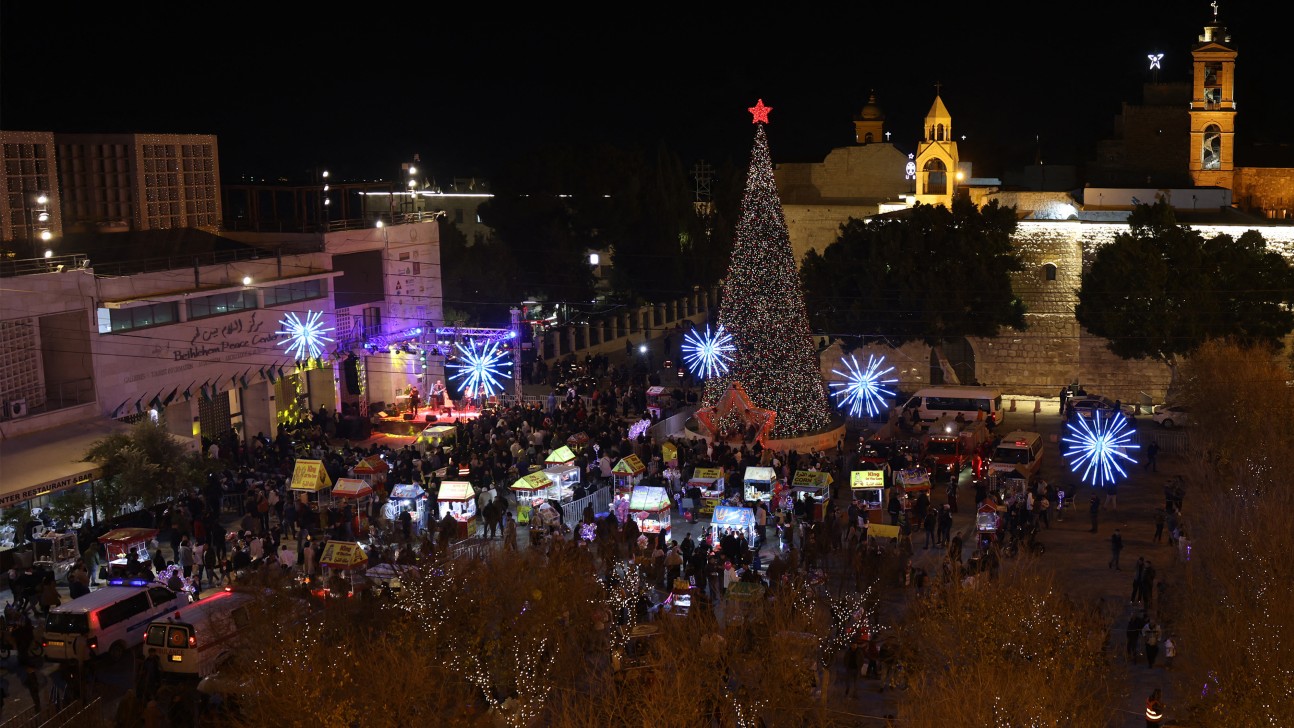
    In the occupied West Bank city of Bethlehem, the traditional birthplace of Jesus Christ, Palestinian Christians are experiencing a Christmas season marked by fragile relief and profound contradictions. Following the implementation of a US-brokered ceasefire in Gaza on October 10th, 2025, the city has reactivated its Christmas illuminations and restored some public celebrations after previous years of solemn observances.

    The temporary truce has provided Palestinians with limited respite from continuous aerial bombardments and the crippling blockade that restricted essential supplies. However, this reprieve remains tenuous—according to Gaza’s Government Media Office, Israeli forces have committed nearly 1,000 violations since the ceasefire began.

    Reverend Munther Isaac of Bethlehem’s Evangelical Lutheran Christmas Church, who two years ago proclaimed that “Christ is under the rubble” alongside a nativity scene depicting Jesus swaddled in a Palestinian keffiyeh amid debris, now observes families continuing to emigrate due to deteriorating conditions. “We say goodbye to another family every other week or so,” Isaac noted, highlighting how persistent settler attacks and occupation policies undermine dignified existence in their homeland.

    The symbolic dimension of this Christmas has drawn international attention. The U.S. Embassy in Jerusalem recently shared a video featuring Ambassador Mike Huckabee—a known Christian Zionist who has previously denied Palestinian existence—walking through Bethlehem’s streets while promising American support for worship rights. This gesture appears deeply ironic to many Palestinian Christians, given that 3% of Gaza’s Christian community has been killed in Israeli attacks since October 2023.

    Palestinian-American Christians across the United States have articulated their complex perspectives on this paradoxical season. Lydia el-Sayegh of Atlanta reflects that Christmas represents “hope coming in darkness,” drawing parallels between Jesus’ family as refugees and contemporary Palestinian experiences. Philip Farah from Virginia expresses alienation from mainstream churches that avoid controversy, while Tariq Habash in Washington DC describes Christmas as arriving “heavy with contradiction”—celebrating Christ’s birth while children remain trapped under siege.

    In practical terms, the occupation continues to intrude upon religious observance. Khalil Jahshan reports that family in Gaza still hear gunfire and drones during celebrations, while Israeli police disrupted Christmas parades in Nazareth and Haifa—where Santa Claus was reportedly arrested. Daniel Bannoura, a theologian in Indiana, notes that despite surface-level normalcy with decorations, land confiscation and settlement expansion around Beit Sahour create underlying despair.

    The consensus among Palestinian Christians suggests that while the ceasefire has brought physical breathing room, it has failed to address fundamental injustices or create meaningful conditions for peace, leaving the community navigating a complex landscape of measured hope amid ongoing oppression.

  • Japan’s Cabinet OKs record defense budget that aims to deter China

    Japan’s Cabinet OKs record defense budget that aims to deter China

    The Japanese Cabinet has greenlit an unprecedented defense expenditure plan surpassing 9 trillion yen ($58 billion) for fiscal year 2026, representing a 9.4% increase from the previous year. This strategic allocation marks the fourth installment of Japan’s accelerated five-year military expansion initiative, which aims to double annual defense spending to reach 2% of GDP by March—two years ahead of the original schedule.

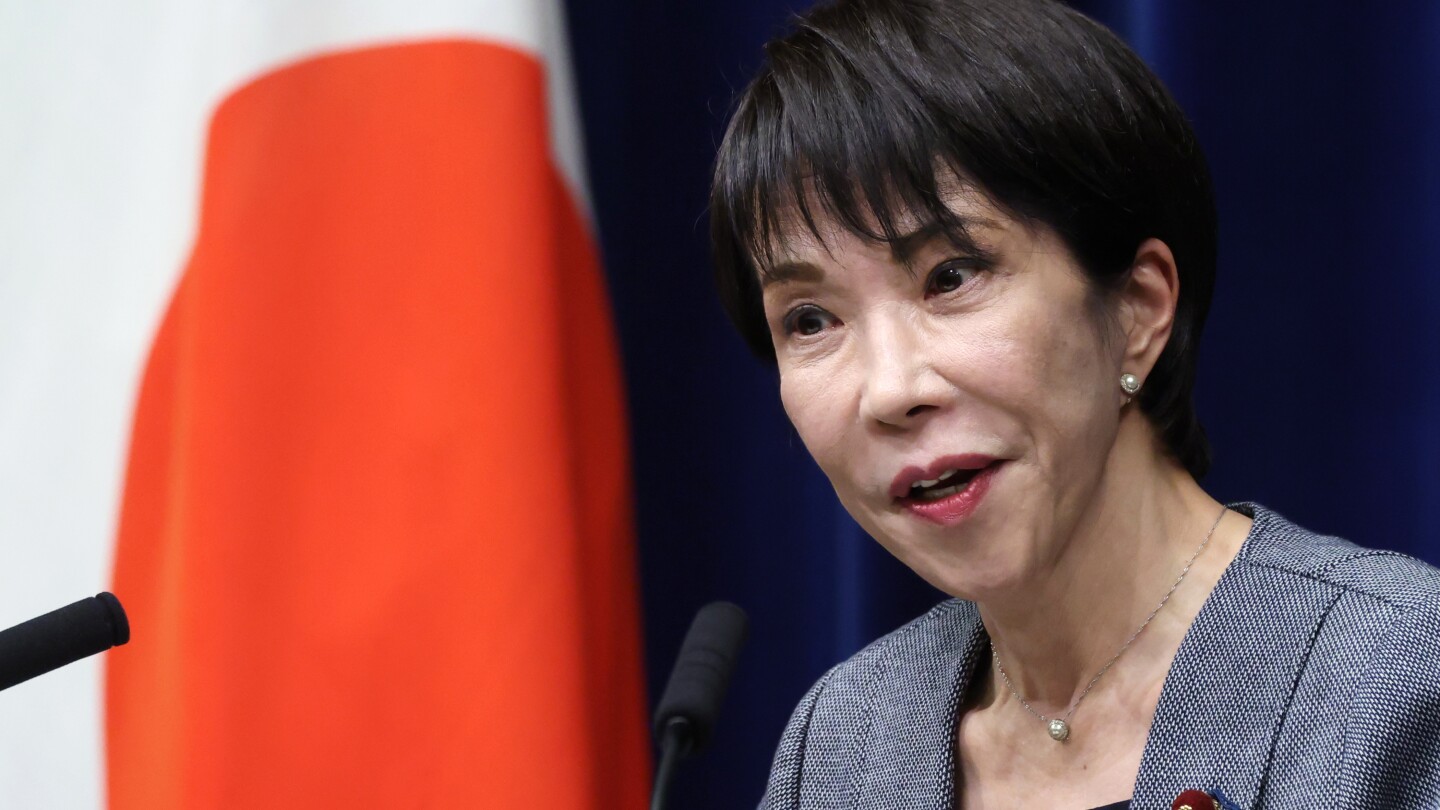
    The budget enhancement occurs against a backdrop of escalating regional tensions, particularly with China. Prime Minister Sanae Takaichi’s November remarks regarding potential Japanese military involvement in Taiwan scenarios have intensified diplomatic friction. Recent incidents, including Chinese aircraft carrier drills near Japanese territories and radar locking incidents, have further heightened security concerns.

    A significant portion of the budget—over 970 billion yen ($6.2 billion)—is designated for enhancing Japan’s ‘standoff’ missile capabilities. This includes 177 billion yen ($1.13 billion) for acquiring upgraded Type-12 surface-to-ship missiles with an extended range of approximately 1,000 kilometers. Deployment in Kumamoto prefecture will commence by March, accelerating regional missile defense preparations.

    Addressing demographic challenges and military staffing shortages, Japan will invest 100 billion yen ($640 million) in the SHIELD initiative—a comprehensive unmanned defense system utilizing aerial, surface, and underwater drones for coastal surveillance. Initial deployments will rely on imported technology from nations like Turkey or Israel.

    The budget also supports international defense collaboration, allocating 160 billion yen ($1 billion) for joint development of next-generation fighter jets with Britain and Italy, alongside AI-operated companion drones. Australia’s selection of Mitsubishi Heavy Industries for frigate upgrades further strengthens Japan’s defense industry exports.

    Funding mechanisms include corporate and tobacco tax increases, with income tax hikes planned from 2027. While Japan is poised to become the world’s third-largest defense spender, long-term fiscal sustainability for maintaining this elevated spending level remains uncertain.

  • Syria to start replacing currency from January 1: Central bank chief

    Syria to start replacing currency from January 1: Central bank chief

    Damascus announces a comprehensive monetary transformation as Syria prepares to introduce a redesigned national currency beginning January 1, 2026. Central Bank Governor Abdul Qadir Al Hasriya confirmed the currency replacement initiative marks a fundamental shift in Syria’s economic trajectory following the nation’s political transition.

    The currency revitalization represents a critical component of Syria’s economic reconstruction strategy, with authorities planning to remove two zeros from the existing currency denominations. This structural adjustment aims to streamline financial transactions while maintaining the currency’s intrinsic value. The central bank intends to circulate six new banknote denominations that will gradually replace current notes featuring images of former leaders Bashar Al Assad and his father Hafez.

    Governor Hasriya characterized the monetary overhaul as occurring at a ‘pivotal national juncture that reflects the beginning of a new economic and monetary era.’ He further described the new currency as ‘a symbol of our financial sovereignty after the liberation’ and ‘a firm step towards stability and economic recovery.’

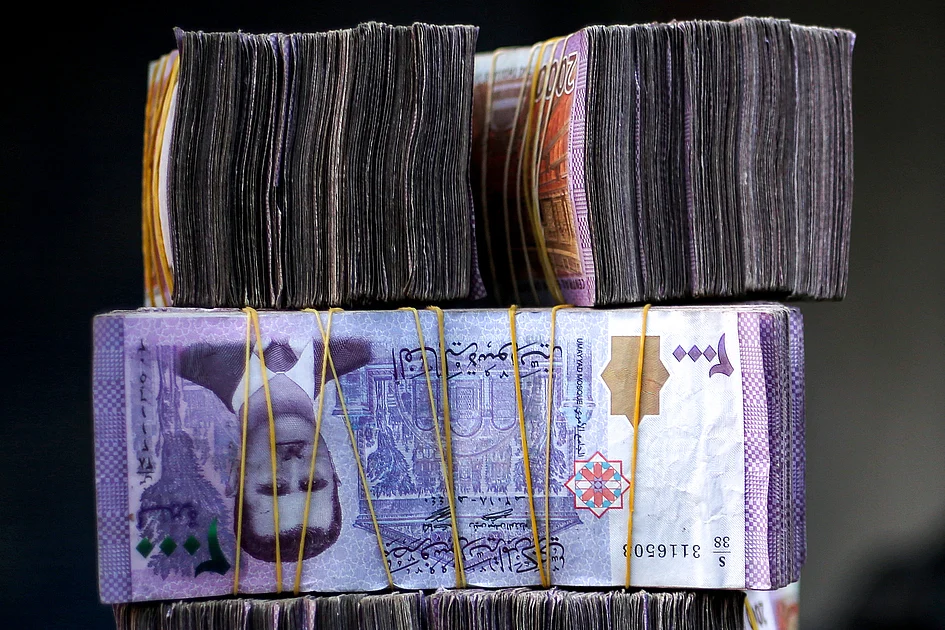
    The Syrian pound has experienced catastrophic devaluation since the outbreak of civil war in 2011, plummeting from approximately 50 to 10,000-11,000 against the US dollar. This hyperinflation has forced citizens to carry substantial bundles of banknotes for routine purchases, severely hampering daily economic activity.

    The currency transition coincides with significant international developments, including the United States’ permanent removal of Caesar Act sanctions this month. This diplomatic shift potentially opens Syria to foreign investment after years of economic isolation. Banking officials will provide detailed implementation guidelines during a press conference scheduled for Sunday, outlining the technical parameters of the currency conversion process.

  • New York Post slammed for smearing Ms Rachel after Mamdani inauguration pick

    New York Post slammed for smearing Ms Rachel after Mamdani inauguration pick

    The appointment of children’s content creator Ms. Rachel to New York City Mayor-elect Zohran Mamdani’s inaugural committee has ignited significant controversy, revealing deep divisions over Palestinian solidarity discourse in American politics. The New York Post’s characterization of Ms. Rachel as a ‘controversial YouTube star’ has drawn widespread criticism from activists and parents who argue that humanitarian advocacy for Gazan children is being deliberately misrepresented.

    Ms. Rachel (Rachel Griffin Accurso), an educational content creator with 18 million followers, has utilized her platform to call for an end to child casualties in Gaza. Her inclusion on the 400-member transition team—one of the largest in NYC history—alongside figures like actor Cynthia Nixon and Jewish Voice for Peace’s Beth Miller, reflects Mamdani’s commitment to a progressive coalition that propelled his electoral victory.

    The controversy extends beyond media framing to institutional responses. Both Ms. Rachel and Nixon were previously named finalists on StopAntisemitism’s ‘Antisemite of the Year’ list, a designation critics argue is increasingly weaponized against voices critical of Israeli policy rather than addressing genuine antisemitism. Ms. Rachel revealed on Instagram that resulting harassment forced her to hire personal security due to false allegations supporting Hamas.

    While pro-Israel organizations like the Anti-Defamation League have criticized the appointments, claiming 20% of transition team members have anti-Zionist affiliations, supporters maintain the selections reflect humanitarian principles rather than religious hostility. One appointee, Catherine Almonte Da Costa, resigned after decade-old antisemitic posts surfaced, which she disavowed as no longer reflecting her views.

    Mamdani has defended the selections as representative of diverse viewpoints within his progressive coalition, emphasizing that advocacy for Palestinian rights and opposition to Israeli government violence are legitimate political positions. The inauguration, scheduled for January 1, 2026, will feature a public block party in downtown Manhattan framed as an inclusive civic celebration rather than an exclusive political ceremony.

    This confrontation over a routine political process has evolved into a significant flashpoint, exposing fundamental tensions regarding Middle East discourse, media representation of dissent, and the boundaries of acceptable political speech in American public life.

  • Should a top Russian archaeologist face trial for digging in occupied Crimea?

    Should a top Russian archaeologist face trial for digging in occupied Crimea?

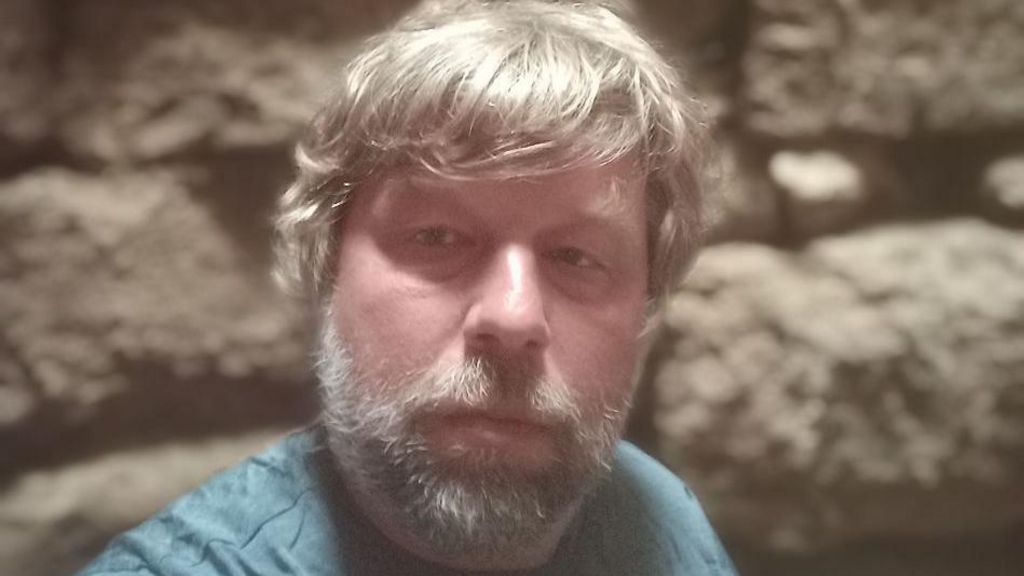
    The arrest of Russian archaeologist Alexander Butyagin in Warsaw has become a focal point in the escalating tension between cultural preservation and geopolitical conflict. Butyagin, a senior scholar at St. Petersburg’s Hermitage Museum, faces potential extradition to Ukraine over allegations of conducting illegal excavations in Crimea since Russia’s 2014 annexation of the peninsula.

    Ukrainian authorities accuse Butyagin of violating international protocols by continuing archaeological work at the ancient Greek site of Myrmekion without proper authorization. The 6th-century BC settlement, where Butyagin has led expeditions since 1999, contains artifacts dating to Alexander the Great’s era. A Kyiv court issued an arrest warrant in April 2025, charging him with ‘illegal partial destruction’ of an archaeological complex and unauthorized excavations.

    The case highlights a fundamental conflict: Butyagin’s supporters claim he has protected Crimea’s heritage from looting, while critics argue his work legitimizes Russia’s occupation. Under the Hague Convention’s 2nd Protocol, which both Poland and Ukraine have ratified, occupying powers must prevent archaeological excavations except in narrowly defined circumstances. Russia, not a party to the protocol, has permitted continued work through its Ministry of Culture.

    Evelina Kravchenko of Ukraine’s National Academy of Sciences asserts that any excavation during armed conflict without permission constitutes destruction, regardless of ethical intentions. The Hermitage maintains Butyagin complied with all legal norms, transferring finds to Crimea’s Eastern Crimean Museum rather than removing them to Russia—though this still violates Ukrainian law requiring artifacts to remain in Ukraine’s national museum fund.

    The extradition decision carries significant implications for European courts’ handling of similar cases. Previous requests have been denied citing the European Convention on Human Rights, which prohibits politically motivated persecution. Legal expert Gleb Bogush suggests that primary responsibility lies with Russian state officials rather than individual archaeologists, though this distinction may not shield Butyagin from prosecution.

    The case has drawn unusual alliances, with both Kremlin supporters and Russian anti-war figures defending Butyagin’s work. Meanwhile, cultural property experts like Samuel Andrew Hardy contend that official excavations don’t necessarily prevent looting and should not excuse violations of international law during occupation.

  • ALA Developments signals entry into Dubai’s luxury real estate market with Dh1 billion development pipeline

    ALA Developments signals entry into Dubai’s luxury real estate market with Dh1 billion development pipeline

    Dubai’s luxury property sector welcomes a sophisticated new player as ALA Developments announces its strategic entry with a Dh1 billion development pipeline targeting the city’s discerning high-end market. Established in early 2025 and headquartered in Dubai, the developer brings together decades of cross-sector business expertise to create exclusive residential communities prioritizing architectural excellence, privacy, and enduring value.

    The company emerges during a significant market evolution where buyer preferences have shifted toward quality-driven properties rather than volume-based development. Founded by UAE-based entrepreneurs with over thirty years of multifaceted business experience, ALA Developments represents the formal consolidation of operational and investment expertise into a dedicated real estate platform.

    Chairman Hassan Raza emphasized the changing market dynamics: ‘Dubai’s real estate landscape has matured beyond mere scale. Contemporary buyers are globally aware and particularly attentive to design quality and long-term performance. Our development philosophy directly addresses this paradigm shift.’

    Under the leadership of Zaman Abbas, the company leverages deep expertise spanning hospitality, retail, consumer electronics manufacturing, and real estate through established ventures including Iraz Developments, Star Track, Alfstar, and Kobe Sizzlers. This diverse background informs the company’s disciplined, design-first methodology anchored in sustainable fundamentals rather than short-term market fluctuations.

    The flagship project, Creek Views at Jaddaf Waterfront, currently under development with anticipated completion by Q4 2026, exemplifies the company’s commitment to architectural refinement and lifestyle-oriented planning. Simultaneously, three additional luxury residential projects valued collectively at approximately Dh1 billion are advancing through design and planning stages, all scheduled for launch in 2026.

    ALA Developments operates through a design-centric philosophy, collaborating with prominent architects and consultants to deliver residences characterized by thoughtful layouts, material sophistication, and timeless aesthetics. The company integrates privacy-focused planning, gated environments, and sustainable standards as core components of its development approach.

    Positioning itself as a next-generation luxury developer, ALA Developments enters the market with focus on disciplined growth, architectural integrity, and legacy-oriented value creation as Dubai continues to attract long-term residents and global investors seeking refined living experiences.

  • Sharjah Ruler announces govt employee status, pay for imams, muezzins

    Sharjah Ruler announces govt employee status, pay for imams, muezzins

    In a landmark decision that recognizes the vital role of religious leaders, His Highness Sheikh Dr. Sultan bin Mohammed Al Qasimi, Supreme Council Member and Ruler of Sharjah, has officially designated all imams and muezzins throughout the emirate as government employees. This transformative policy shift, announced on December 25, 2025, grants these religious figures the complete spectrum of benefits and privileges enjoyed by public sector staff.

    The directive mandates the placement of mosque leaders on the emirate’s general government payroll, making them eligible for career promotions, comprehensive health insurance coverage, and various financial allowances. A significant component is a specialized work nature allowance of Dh3,000, acknowledging the unique demands of their spiritual duties.

    A particularly notable provision addresses periodic leave management. Imams and muezzins will retain their accrued leave balance indefinitely if they choose not to utilize it. In coordination with the Department of Islamic Affairs, they will receive monetary compensation equivalent to the value of this unused leave.

    This initiative represents a formal institutional recognition of the essential services provided by these religious leaders in maintaining places of worship and serving community spiritual needs. The policy underscores Sharjah’s commitment to supporting those who serve in houses of God, ensuring their dedication is met with appropriate professional and financial security.

  • Saudi Arabia: Man jumps from upper floor of Masjid Al Haram, ‘attempts to take own life’

    Saudi Arabia: Man jumps from upper floor of Masjid Al Haram, ‘attempts to take own life’

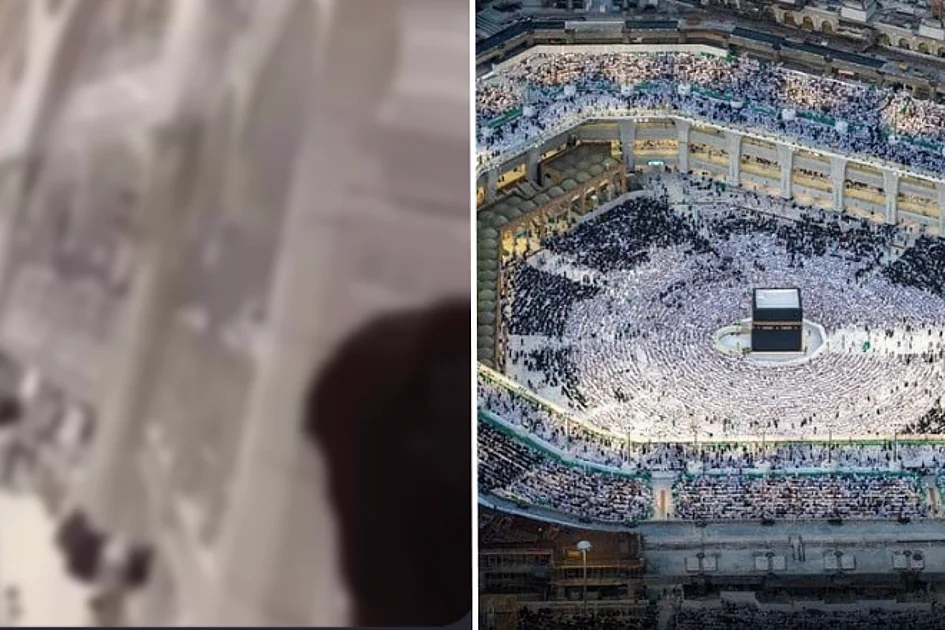
    A distressing incident unfolded at Islam’s holiest site on December 25, 2025, when an individual attempted suicide by jumping from an upper floor of Masjid Al Haram in Mecca. According to Saudi Arabia’s Ministry of Interior, security personnel from the Special Force for the Security of the Grand Mosque immediately responded to the emergency situation.

    During the intervention, a security officer sustained injuries while attempting to break the fall of the individual. Both the would-be suicide victim and the injured officer were promptly transferred to medical facilities for emergency treatment. Authorities confirmed that all necessary legal procedures have been completed following the incident.

    The Haram security forces issued an official statement clarifying: ‘There was an incident of a person attempting to take his own life from the upper floors of the Grand Mosque. A security officer was injured while trying to prevent him from hitting the ground at the moment of his fall.’ The statement emphasized that both individuals received immediate medical attention and that official protocols were followed.

    This event marks a rare security and humanitarian challenge at one of the world’s most frequently visited religious sites, which typically sees millions of worshippers annually during pilgrimage seasons. The incident highlights both the ongoing mental health challenges in society and the dedication of security forces tasked with protecting visitors to the holy site.

  • UAE: 3 types of official New Year holidays announced to welcome 2026

    UAE: 3 types of official New Year holidays announced to welcome 2026

    The United Arab Emirates has taken a decisive step toward safeguarding its younger generation with the introduction of comprehensive legislation designed to protect children from digital risks. This pioneering law establishes a robust framework to ensure the secure and responsible use of technology among minors, addressing growing concerns about online safety in an increasingly digital world.

    The legislation mandates strict guidelines for technology providers, educational institutions, and parents to collaboratively create a protected digital environment. It encompasses measures against cyberbullying, inappropriate content exposure, data privacy violations, and other potential threats that children might encounter online. The law also emphasizes digital literacy programs to empower children with the knowledge to navigate the digital landscape safely.

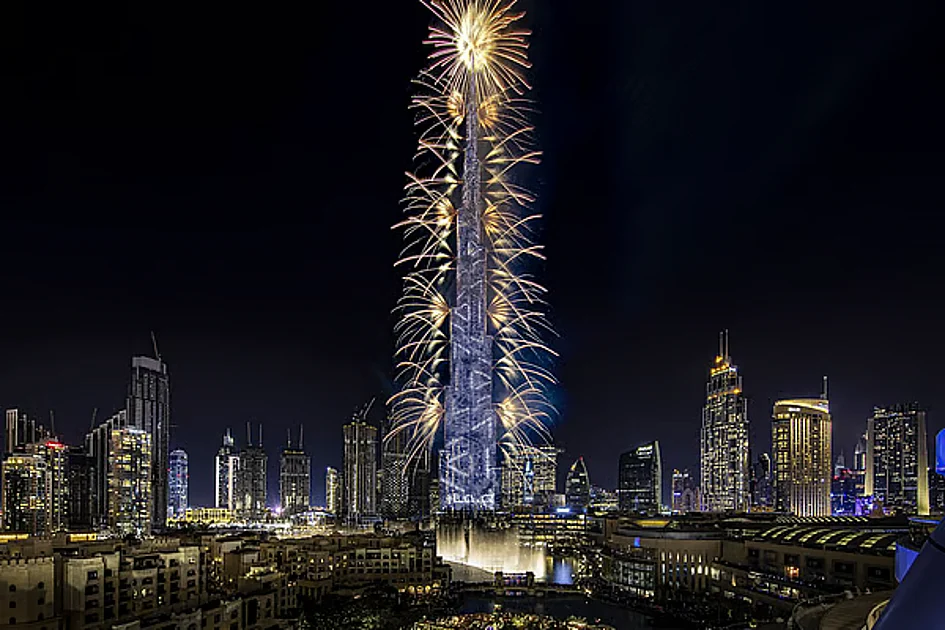
    Concurrently, Dubai continues its tradition of spectacular celebrations with announcements of an expansive New Year’s Eve display for 2026. The emirate plans to illuminate the sky with 48 synchronized fireworks displays across 40 different locations, creating a breathtaking panorama that will be visible throughout the city. This ambitious project underscores Dubai’s position as a global hub for tourism and grand-scale events, combining technological innovation with cultural celebration.

    The simultaneous revelation of these developments presents a striking contrast between the UAE’s forward-thinking approach to digital child protection and its commitment to maintaining its reputation for world-class entertainment and tourism experiences.