博客

  • Barclays sells all shares in Israeli weapons firm Elbit amid pro-Palestinian pressure

    Barclays sells all shares in Israeli weapons firm Elbit amid pro-Palestinian pressure

    A years-long campaign of direct action by British pro-Palestine activist group Palestine Action has yielded a key victory, after regulatory filings confirmed UK banking giant Barclays has liquidated all of its holdings in Elbit Systems Ltd., Israel’s largest weapons manufacturer.

    Recent filings submitted to the U.S. Securities and Exchange Commission (SEC) show that as of the latest update, Barclays holds zero shares in Elbit, which trades on the NASDAQ under the ticker ELST. This marks a full exit from the position the bank held as of the 15 May 2024 filing, when it held 16,345 shares valued at more than $3.4 million.

    Palestine Action, which has targeted Barclays for its ties to the Israeli arms industry over the past 12 months, attributes the full divestment to the intensity of its pressure campaign. “The most recent SEC filings and NASDAQ data record an immediate total sale of Barclays’ ELST shares, abruptly sold just when Palestine Action’s campaign hit them hardest,” the group said in a statement.

    The banking group has pushed back on framing the sale as a divestment, however, disputing the characterization of its share holdings as an active investment. In comments provided to Middle East Eye, a Barclays spokesperson clarified that the bank only holds shares of listed companies as part of executing trades on behalf of clients, rather than making direct investments for its own portfolio.

    “Barclays trades in shares of listed companies in response to client instruction or demand and that may result in us holding shares,” the spokesperson explained. “We are not making investments for Barclays and Barclays is not a ‘shareholder’ or ‘investor’ in Elbit Systems in that sense, and therefore cannot divest; it would be misleading to suggest otherwise. We continue provide a range of financial services to the defence sector, including US, UK and European defence companies.”

    Over the past year, Palestine Action has organized 54 separate protest actions across the United Kingdom targeting Barclays locations. Some of these actions have included property damage, such as smashing branch windows and spraying exteriors with red paint, a tactic the group uses to symbolize civilian bloodshed in Gaza. The organization frames its campaign as a response to Elbit’s role in arming the Israeli military during its ongoing war in Gaza, which began in October 2023. Palestine Action accuses Elbit of complicity in what it describes as genocidal acts against Palestinian civilians in the enclave.

    This is not the first time the group has targeted firms tied to Elbit. It has previously organized direct actions at British properties linked to the weapons manufacturer, occasionally resulting in property damage and occupation of sites. The group openly embraces radical direct action tactics, including sabotage of infrastructure it says enables what it calls “destructive and lethal business operations.” Dozens of Palestine Action activists have been arrested over the past year for their actions targeting Barclays, with estimated property damage ranging from £250,000 to £500,000.

    Despite the full sale of Elbit shares, Palestine Action says its campaign is not over. The group warned it would resume pressure if Barclays ever takes a position in Elbit again, and pledged to continue targeting all financial institutions that do business with the Israeli arms firm.

    “Through a focused strategy, direct action has achieved multiple successes and forced the hands of many complicit institutions,” a Palestine Action spokesperson said. “We will remain committed and focused to the task at hand and target any and all institutions and businesses which enable Israel’s biggest weapons firm to maintain their genocidal operations. That means, if Barclays does reinvest into Elbit Systems in the future, Palestine Action will come knocking again.”

    The divestment from Elbit comes amid broader pressure on Barclays over its financial ties to Israeli-linked arms firms. In May 2024, a coalition of Palestinian solidarity organizations published a report claiming Barclays held a total of £2 billion in investments and interests in companies that supply arms to Israel. That list includes major international defense contractors such as U.S.-based General Dynamics, which manufactures components for Israeli military warplanes, alongside BAE Systems and Raytheon. Barclays responded to the report by noting it provides standard financial services to defense companies that supply NATO and allied nations, including Israel.

    In August 2024, the Financial Times reported that Barclays was planning to step back from participating in new Israeli government bond auctions, a move that came amid ongoing pressure from pro-Palestine activists. The report noted the decision was part of a broader effort by the bank to address widespread criticism of its financial ties to Israel.
  • BDS calls for boycott of Arabic channels serving as ‘mouthpieces’ for Israel

    BDS calls for boycott of Arabic channels serving as ‘mouthpieces’ for Israel

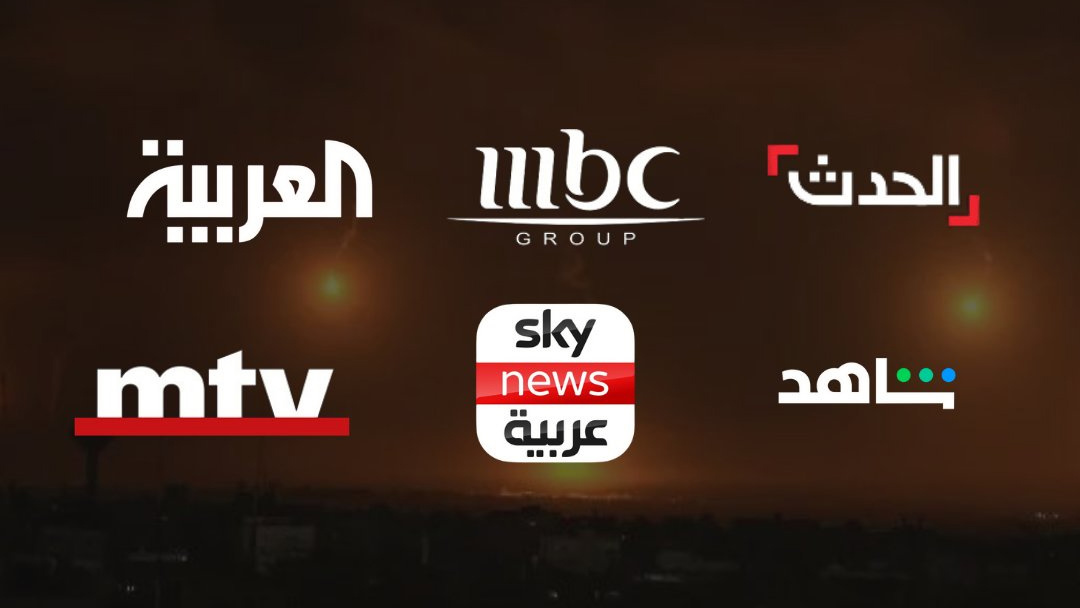
    The global Boycott, Divestment and Sanctions (BDS) movement has issued a public appeal via its Arabic-language social media account urging widespread boycotts of a slate of major Arabic-speaking media platforms it labels as “mouthpieces of the Israeli enemy”.

    The list of targeted outlets includes three prominent Saudi-owned networks: Al Arabiya, MBC, and Al Hadath, alongside the United Arab Emirates-based Sky News Arabia, popular regional streaming platform Shahid, and Lebanon-based domestic news network MTV. In its official statement, BDS accuses these outlets of far more than just advancing diplomatic detente between Arab nations and Israel. The movement argues the channels act as core tools of a colonial ideological campaign targeting Arab public consciousness, working systematically to plant despair and push pro-Israel framing across the region.

    BDS supports its accusations by pointing to coverage from these outlets that aligns with Israel’s official narrative amid its ongoing military conflicts in Gaza and southern Lebanon. Examples cited include reports repeating Israel’s claim that Hamas uses civilian hospitals for military operations, as well as broadcasts that include interviews with sitting Israeli government officials. Beyond calling on individual audiences to stop watching and subscribing to the named channels, BDS is also pressing regional journalist unions to cut formal ties with the outlets and anchor their professional commitments in opposition to normalization with Israel.

    This boycott call lands amid a sharp wave of already growing public anger toward many of the targeted networks across the Arab world. The most dramatic public backlash unfolded in Baghdad, Iraq, where protesters stormed and ransacked MBC’s Baghdad bureau after the network ran a report labeling Hamas, Hezbollah, and armed Iraqi factions as terrorist organizations. In the aftermath of the incident, Iraqi media regulators formally suspended MBC’s operating license in the country, justifying the move by saying the channel had violated national media rules by “assaulting the martyrs” and violating obligations to protect national values and public morality.

    The inclusion of MTV, a Lebanon-focused outlet that primarily covers domestic political debates tied to the Israel-Hezbollah conflict, has drawn particular pushback from media freedom advocates, who argue BDS has overlooked the complex local nuance of Lebanon’s political landscape.

    Hezbollah’s open military confrontation with Israel, launched on October 8, 2023 as a solidarity front with Gaza, has remained a deeply divisive issue in Lebanese domestic politics from the start. Tensions only escalated after Israel launched large-scale bombing campaigns across southern Lebanon last month, followed by a limited ground incursion into border areas weeks later. MTV has faced intense domestic criticism from Hezbollah supporters for its consistent critical coverage of the armed group’s decision to open the conflict front. Many Lebanese have deemed the network’s reporting on the issue dangerous and unethical.

    Scrutiny of MTV intensified to new heights following an Israeli airstrike on al-Qard al-Hassan, a Hezbollah-linked financial organization, in early 2024. Just days before the strike, MTV published a series of reports naming the group as a likely next target for Israeli attacks. In the aftermath of the bombing, Hezbollah’s head of media relations Mohammed Afif used a public press conference to address all Lebanese media outlets, declaring that “media freedom does not allow you to incite or be complicit in murder”.

    Even amid widespread criticism of MTV’s editorial choices, many regional analysts and media freedom advocates emphasize that debates over Hezbollah’s role in Lebanon and its decision to enter the conflict are core domestic conversations that Lebanese stakeholders have the right to hold among themselves. Jad Shahrour, spokesperson for the Samir Kassir Eyes Center for Media and Cultural Freedom, a Beirut-based freedom of press advocacy group, notes that while boycott campaigns can carry legitimate humanitarian goals, targeting a domestic Lebanese outlet in this context undermines BDS’s broader objectives. “When you drown in political corners, you lose sight of your influence on public opinion,” Shahrour explained.

    Shahrour warned that adding MTV to the boycott list puts the network’s already vulnerable staff at heightened risk of violence, harassment, and public accusations, all against the backdrop of extreme political polarization that has left Lebanon on the brink of internal collapse. “The Lebanese fabric is in danger, and we are nearing an explosion into what may look like a civil war,” he added.

    Founded on the model of the global anti-apartheid boycott movement that targeted segregation-era South Africa, BDS works to push for nonviolent international pressure to force Israel to end its occupation of Palestinian territories and address what the movement frames as ongoing violations of Palestinian human rights. This report was produced by Middle East Eye, an independent media outlet focused on original coverage and analysis of the Middle East and North Africa region.

  • Pope urges church in Papua New Guinea to be close to women after hearing of sorcery ‘superstitions’

    Pope urges church in Papua New Guinea to be close to women after hearing of sorcery ‘superstitions’

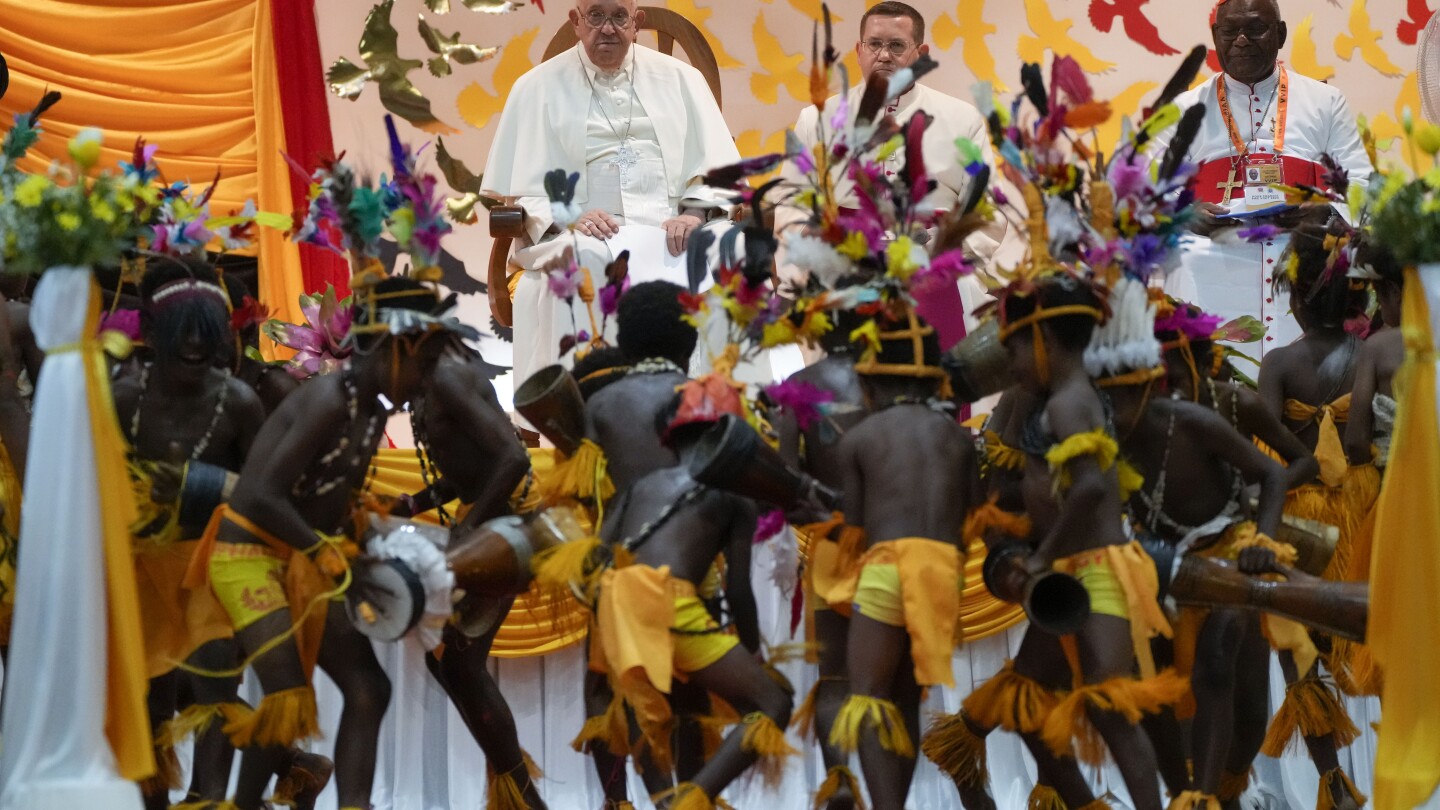
    During his visit to Papua New Guinea, Pope Francis emphasized the need for the Catholic Church to support women who have faced abuse and marginalization, particularly in a country where violence against women is alarmingly prevalent. Speaking at APEC Haus in Port Moresby on September 7, 2024, the Pope highlighted the struggles of women accused of witchcraft and sorcery, who are often ostracized by their families and communities. He urged the Church to show ‘closeness, compassion, and tenderness’ to these marginalized individuals.

  • Pope arrives in Papua New Guinea for the second leg of his Southeast Asia and Oceania trip

    Pope arrives in Papua New Guinea for the second leg of his Southeast Asia and Oceania trip

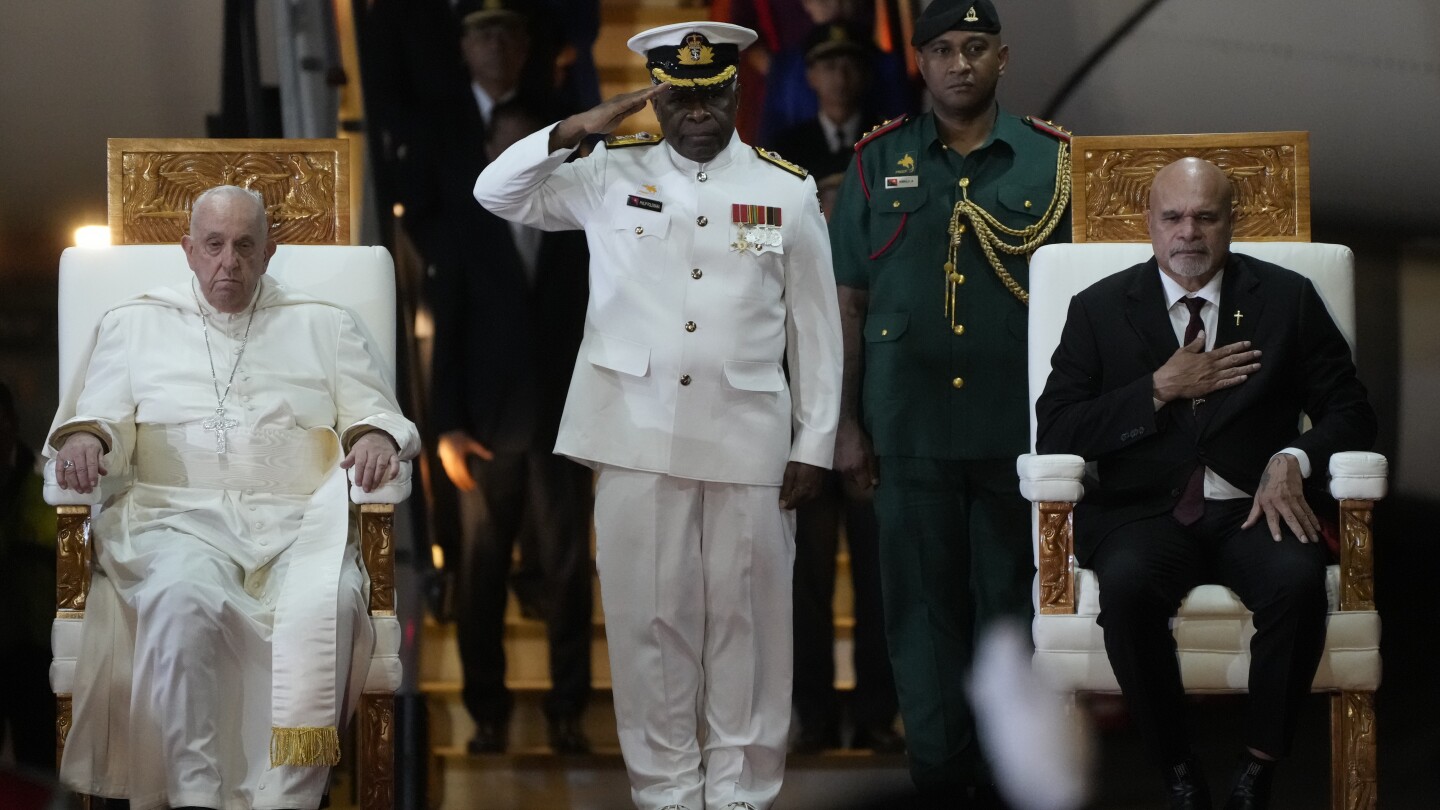
    Pope Francis arrived in Papua New Guinea on Friday, marking the second stop of his extensive 11-day journey across Southeast Asia and Oceania. This visit makes him only the second pope to set foot in the strategically significant South Pacific nation, following in the footsteps of St. John Paul II, who visited in 1984 and 1995. The 87-year-old pontiff was greeted at Port Moresby airport with a cannon salute and a marching band, though he briefly lost his balance during the welcome ceremony, requiring assistance from his security team. Francis’ visit comes on the heels of a vibrant three-day stay in Indonesia, where he addressed a crowd of over 100,000 at a jubilant Mass and signed a historic interfaith declaration with Jakarta’s grand imam, pledging to combat religious violence and protect the environment. In Papua New Guinea, Francis’ agenda focuses on social justice, environmental stewardship, and fostering harmony among the nation’s diverse tribal communities. He is scheduled to meet with government officials, address local clergy, and visit Catholic missionaries working in remote areas. The country, home to over 10 million people, faces challenges such as tribal conflicts, environmental degradation, and the impacts of climate change. Francis’ visit is seen as a beacon of hope for the nation’s Catholic community, which makes up a significant portion of the population. The pope’s journey will continue to East Timor and Singapore before concluding on September 13.

  • Pope and imam of Southeast Asia’s largest mosque make joint call to fight violence, protect planet

    Pope and imam of Southeast Asia’s largest mosque make joint call to fight violence, protect planet

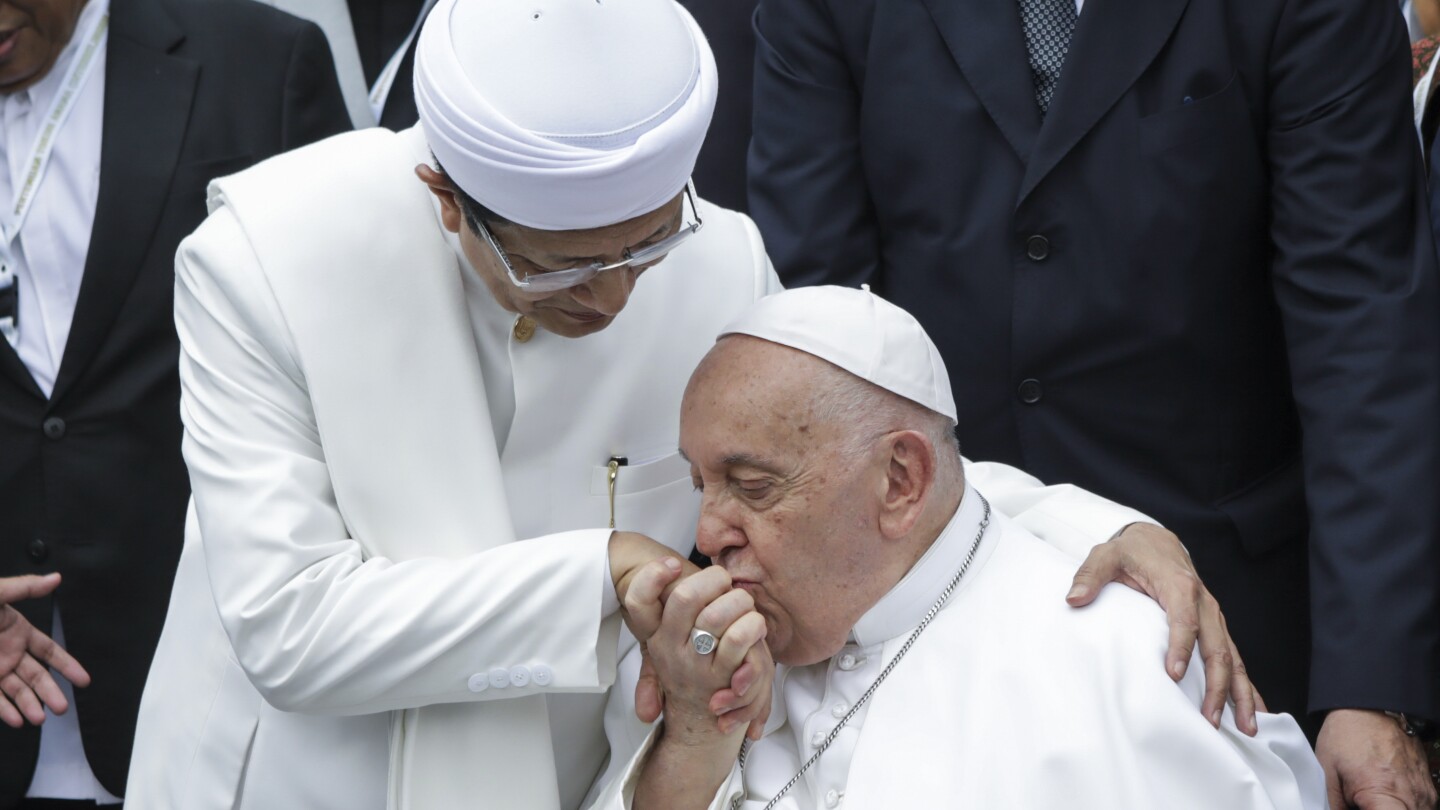
    In a historic moment of interfaith solidarity, Pope Francis and Grand Imam Nasaruddin Umar of Southeast Asia’s largest mosque, Istiqlal Mosque in Jakarta, jointly pledged to combat religiously inspired violence and address the pressing climate crisis. The leaders issued the “Joint Declaration of Istiqlal 2024” during the Pope’s visit to Indonesia, marking a significant step in fostering global harmony and environmental stewardship. The declaration emphasized that religion must never be used to justify violence but should instead promote peace, human dignity, and environmental protection. The event, held at the iconic Istiqlal Mosque, brought together representatives of Indonesia’s six officially recognized religions: Islam, Buddhism, Confucianism, Hinduism, Catholicism, and Protestantism. The gathering underscored the nation’s commitment to religious freedom, despite ongoing challenges of intolerance and discrimination. Francis and Umar’s personal rapport was evident as they shared heartfelt gestures of mutual respect, symbolizing the potential for unity across faiths. The Pope’s visit also included a jubilant Mass at Jakarta’s stadium, attended by an estimated 100,000 faithful, where he urged Indonesians to build a civilization of peace and hope. This visit is part of Francis’ 11-day journey across Southeast Asia and Oceania, aimed at strengthening Catholic-Muslim ties and promoting fraternity. The Istiqlal Declaration builds on Francis’ longstanding efforts to bridge religious divides, following similar initiatives in the Gulf and Iraq. The document also highlighted the urgent need for decisive action to combat climate change, a cause close to the Pope’s heart, particularly in Indonesia, a nation vulnerable to environmental crises. Umar emphasized the mosque’s role as a unifying space, designed by a Christian architect and serving diverse communities. The event concluded with a powerful message of unity, as Francis and Umar called on people of all faiths to work together for a sustainable and peaceful future.

  • Expo City Dubai News

    Expo City Dubai News

    In a heartwarming moment at Expo 2020 Dubai, His Highness Sheikh Mohammed bin Rashid Al Maktoum, Vice President and Prime Minister of the UAE and Ruler of Dubai, paused to engage with a group of enthusiastic school children. As Sheikh Mohammed approached, the children burst into cheers and eagerly waved at him, their excitement palpable. Seizing the opportunity, he graciously stopped for a quick photo with the young admirers, creating a memorable experience for them. This spontaneous interaction highlighted Sheikh Mohammed’s approachable demeanor and his commitment to fostering connections with the younger generation. The incident, captured on video, quickly garnered attention, showcasing the warmth and accessibility of the UAE’s leadership during the global event.

  • New Mediterranean cable set to bring 5G internet to North African countries

    New Mediterranean cable set to bring 5G internet to North African countries

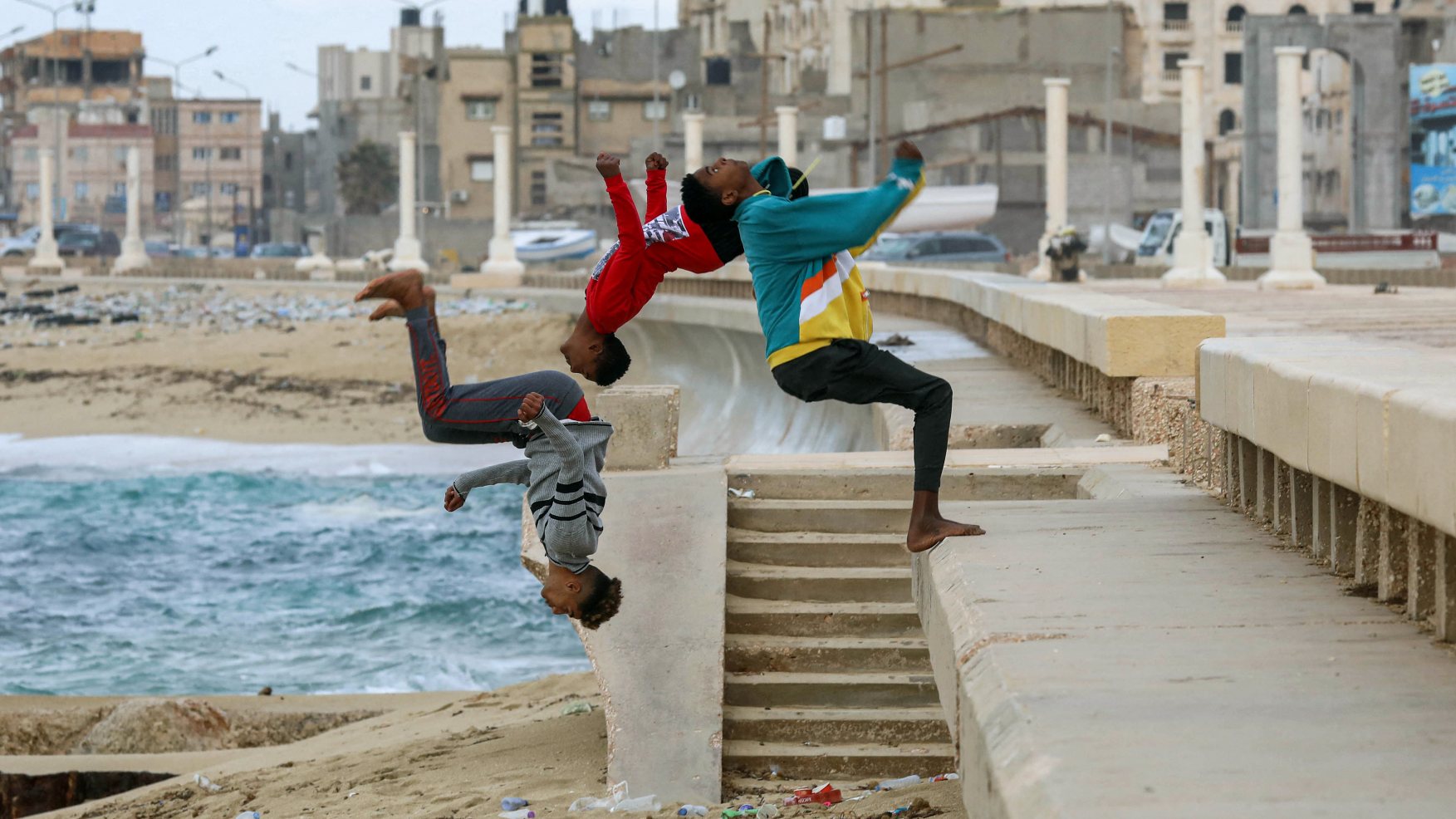
    A groundbreaking digital infrastructure project is poised to revolutionize connectivity across North Africa’s Mediterranean coastline. The Medusa subsea cable, spanning 8,700 kilometers, will become the first submarine cable to link all five North African nations—Morocco, Algeria, Tunisia, Libya, and Egypt—with southern Europe and potentially onward to Asia.

    Scheduled for operational deployment in the eastern Mediterranean by 2025 and the western segment by 2026, this €370 million project addresses critical bandwidth limitations that have hampered the region’s digital growth. While Morocco functions as a major cable hub for Europe-West Africa traffic and Egypt serves as a crucial Europe-Asia gateway, the intermediate nations of Algeria, Tunisia, and Libya have relied on aging infrastructure incapable of handling modern bandwidth demands.

    The project represents a remarkable triumph over significant geopolitical challenges. Algeria and Morocco maintain severed diplomatic relations since 2021, with borders closed since 1994 due to the Western Sahara dispute. Libya remains divided between rival administrations following a decade of civil conflict. Regional cooperation has been further hampered by post-Arab Spring instability and uncompetitive telecommunications markets.

    European Union funding through its Global Gateway strategy—a €320 billion initiative positioned as an alternative to China’s Belt and Road Initiative—has been instrumental in advancing the project. The EU and European Investment Bank are providing partial financing for Medusa, recognizing North Africa’s strategic importance due to its geographical proximity.

    Miguel Angel Acero, Vice-President of Operations at project developer AFR-IX Telecom, emphasizes the cable’s educational benefits: “It will connect North African universities to Europe, which is really needed. It’s in the interest of Europe to reinforce the university level in Africa.”

    The cable operates on a “carriers’ carrier” model, providing infrastructure for telecom companies rather than functioning as a consortium or proprietary cable for tech giants. This approach has enabled cooperation among historically adversarial regional telecom providers. As submarine cable consultant Julian Rawle explains: “They are simply providing ‘dumb’ cables for others to use, and relying on the margins they make from wholesale activity.”

    Despite significantly bolstering internet capacity and enabling 5G deployment, analysts don’t anticipate consumer price reductions due to market concentration among few telecom providers. Guy Zibi of Xalam Analytics notes: “These markets generate between a quarter to a third of all Africa’s data traffic. It’s a significant base, but well controlled by a small number of providers.”

    The cable’s economic impact will vary across the region, with Morocco’s more open investment climate likely yielding greatest benefits. While the project may stimulate country-level e-commerce, it isn’t expected to drive regional economic integration or immediately transform North Africa into a digital hub comparable to Saudi Arabia or the UAE.

    Future expansion plans include extending the cable through Egypt to the Red Sea, though current regional instability presents challenges. The project represents a landmark achievement in digital infrastructure that could reshape North Africa’s technological future despite complex geopolitical realities.

  • Israel’s ultra-Orthodox leaders failed. That’s why they may stick with Netanyahu

    Israel’s ultra-Orthodox leaders failed. That’s why they may stick with Netanyahu

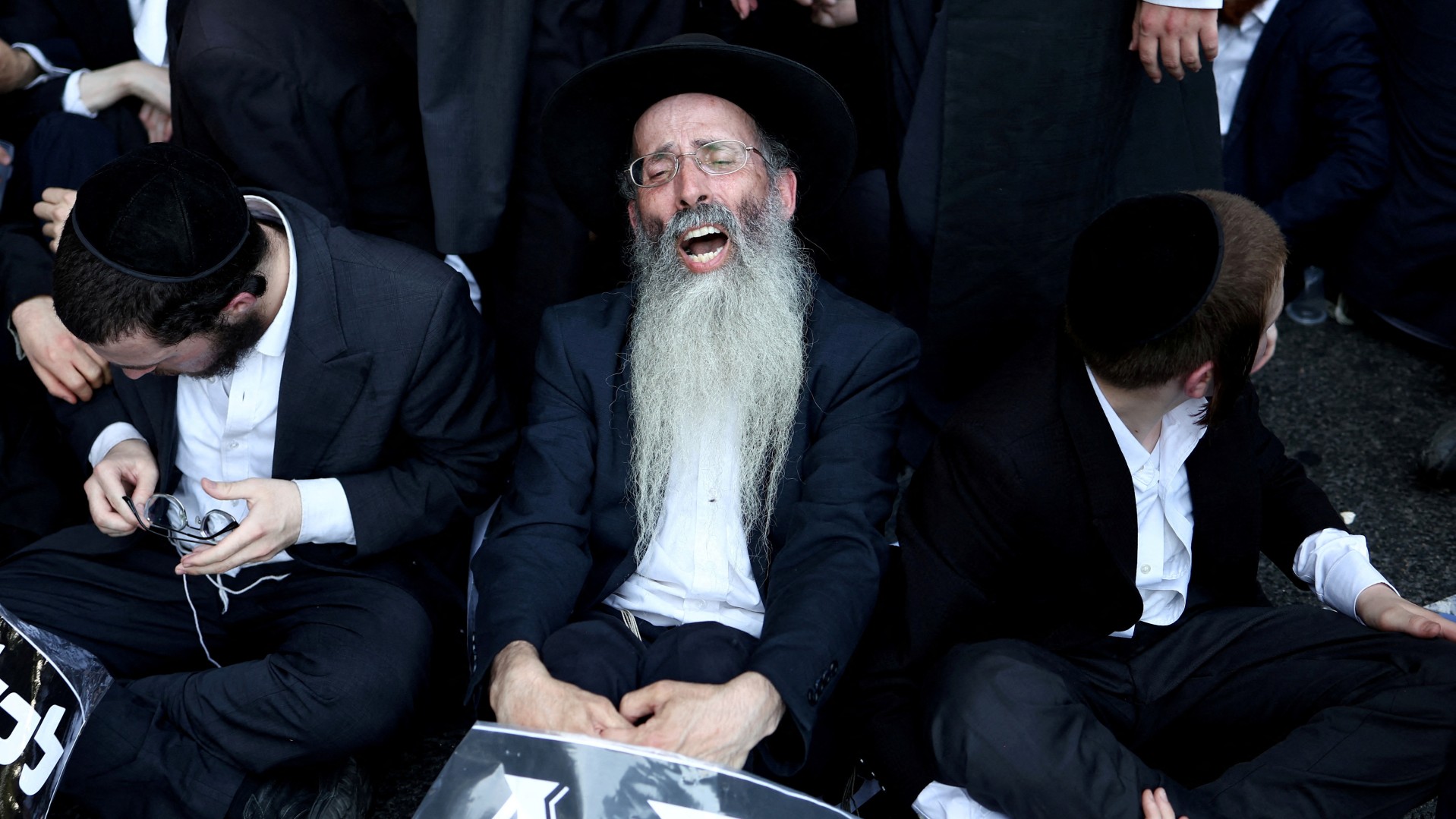
    Israel’s ultra-Orthodox community, known as the Haredim, has long been exempt from military service, a privilege that has sparked significant debate and legal challenges. On Tuesday, the High Court of Israel ruled that this exemption could no longer stand, mandating that Haredim must serve in the military like other Israeli citizens. Additionally, the court decided that the state could no longer fund ultra-Orthodox education services, a decision that has deeply impacted a community heavily reliant on such aid. This ruling comes after years of legal battles and societal pressure, particularly intensified by the ongoing conflict in Gaza and the need for increased military manpower. The Haredim, who have traditionally prioritized religious education over military service, now face a critical juncture. The community’s leadership, though expecting the court’s decision, is frustrated by the outcome, especially given the current right-wing government’s inability to secure their interests. The ruling has also exacerbated tensions within the coalition government, as far-right parties, who advocate for military service, clash with the Haredim’s demands for exemption. Beyond military conscription, the Haredim are grappling with a potential budget crisis. The freeze on education funding threatens the very foundation of their society, which depends heavily on state support. This dual crisis of conscription and funding could lead to the dissolution of the government, as Haredi leaders struggle to navigate the political landscape. The ultra-Orthodox community, traditionally insular and focused on religious life, now finds itself at the center of Israel’s political debate, a position that is both unfamiliar and challenging. As the government and the Haredim seek a resolution, the broader Israeli public remains divided, with a growing consensus that the ultra-Orthodox must contribute to national defense. The outcome of this struggle will have profound implications for Israel’s social fabric and political stability.

  • Israel-Palestine war: A quick history of Christianity in Gaza

    Israel-Palestine war: A quick history of Christianity in Gaza

    The Israeli airstrike on the fifth-century Church of Saint Porphyrius in Gaza has drawn international attention to the besieged territory’s diminishing Christian population, killing at least 18 civilians who had sought refuge within its sacred walls. This attack on one of Christianity’s oldest surviving places of worship underscores the vulnerable position of Palestinian Christians in the conflict-ridden region.

    Gaza’s Christian community, numbering approximately 1,100 today, represents a continuous spiritual lineage dating back to the earliest centuries of Christianity. The territory holds profound biblical significance, specifically mentioned in Acts 8 regarding Philip the Evangelist’s journey between Jerusalem and Gaza. The Church of Saint Porphyrius, established in 425 CE and reconstructed by Crusaders in the 12th century, stands alongside the fourth-century Tell Umm Amer monastery as testament to Gaza’s rich Christian heritage.

    Christianity took firm root in Gaza during the fifth century under Byzantine influence, overcoming strong pagan traditions through the missionary work of figures like Bishop Porphyrius. The faith flourished until the Arab conquests brought gradual Islamization, though a Christian minority persisted through centuries of change.

    The modern era has witnessed a dramatic decline in Gaza’s Christian population, from approximately 6,000 in the 1960s to today’s precarious numbers. Like their Muslim counterparts, Palestinian Christians have endured displacement since the 1948 Nakba and Israel’s subsequent blockade imposed in 2007. They face severe restrictions on movement, requiring Israeli permits to visit holy sites in Jerusalem or the West Bank—permits that are frequently denied even for major religious observances like Christmas and Easter.

    Despite their small numbers, Gaza’s churches have traditionally served as sanctuaries for all civilians during conflicts. The bombing of Saint Porphyrius challenges this historical protection and raises concerns about the preservation of ancient Christian heritage in the region. The incident highlights how Gaza’s Christians, while maintaining unique religious traditions, see themselves as inseparable from the broader Palestinian national identity and shared struggle.

  • Saudi Arabia formally informs FIFA of its wish to host the 2034 World Cup as the favorite to win

    Saudi Arabia formally informs FIFA of its wish to host the 2034 World Cup as the favorite to win

    In a strategic move that positions Saudi Arabia as the frontrunner to host the 2034 FIFA Men’s World Cup, the Saudi Arabian Football Federation formally submitted its bid to FIFA on Monday. The kingdom’s candidacy is bolstered by a streamlined bidding process that restricts participation to members of the Asian and Oceania football governing bodies. This development follows FIFA’s recent decision to fast-track the 2034 hosting contest, effectively paving the way for Saudi Arabia’s potential victory. The 2030 World Cup, set to be co-hosted by six nations across three continents—Europe, Africa, and South America—has already been decided, leaving Asia as the focal point for the 2034 edition. Saudi Arabia’s bid is supported by over 70 of FIFA’s 211 member federations, reflecting its global outreach and commitment to expanding football’s reach. The kingdom’s infrastructure, including its readiness to host the 2027 Asian Cup, aligns with FIFA’s stringent hosting criteria. However, the bid has sparked concerns about potential scheduling conflicts, as the tournament would likely be held in November-December, disrupting European football leagues. FIFA’s decision-making process, influenced by its 37-member council, is expected to finalize the 2034 host by late next year. Saudi Arabia’s growing influence in global football, underscored by its acquisition of Newcastle United and investments in domestic clubs, further solidifies its candidacy.