博客

  • Dubai Court cancels Dh150-million fine in Abu Sabah case, upholds 5-year jail term

    Dubai Court cancels Dh150-million fine in Abu Sabah case, upholds 5-year jail term

    Dubai’s highest judicial authority has delivered a significant ruling in one of the emirate’s most substantial money laundering investigations, partially modifying the financial penalties while maintaining core criminal sanctions against convicted individuals.

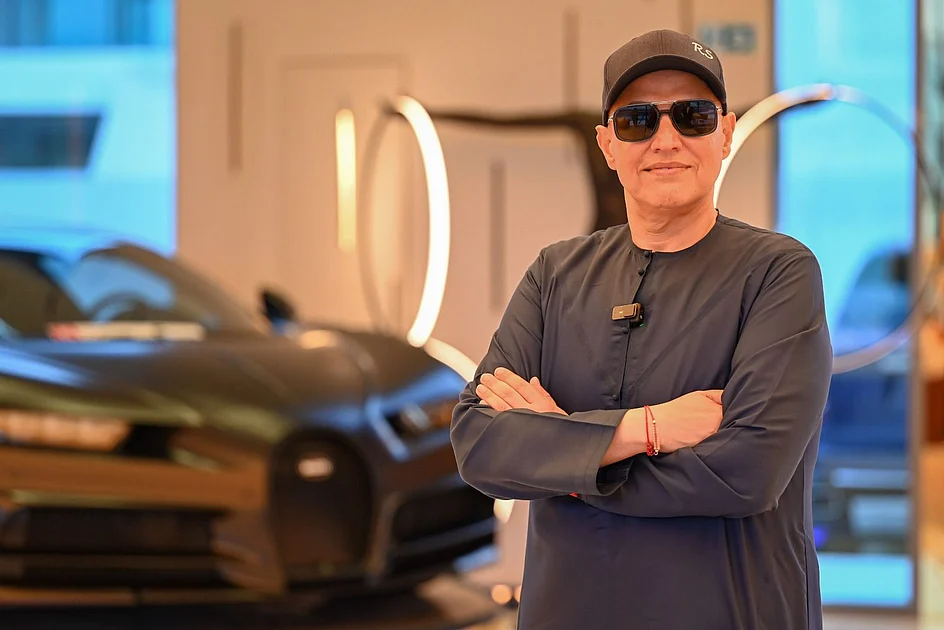
    The Court of Cassation has annulled a previously imposed Dh150 million (approximately $40.8 million) joint fine against Indian businessman Balvinder Singh Sahni, widely known as Abu Sabah. The judicial body substituted the monetary penalty with comprehensive confiscation of all funds connected to the criminal enterprise. This decision represents a notable adjustment to the financial consequences of the case while preserving the fundamental punitive measures.

    The court simultaneously affirmed multiple other components of the verdict, including Sahni’s five-year incarceration period, an individual Dh500,000 fine, seizure of illegally obtained assets, and subsequent deportation following sentence completion. The ruling also maintained convictions and penalties for additional defendants implicated in the sophisticated operation that utilized Bitcoin and advanced digital methodologies to conceal criminal proceeds.

    Court documentation reveals the operation involved a meticulously organized criminal network coordinating activities both within and beyond UAE borders in association with European organized crime syndicates. The organization employed an elaborate framework of shell companies, suspicious financial transactions, and digital wallet technologies to transfer illicit funds internationally.

    Forensic investigation established that the network laundered approximately Dh180 million through cryptocurrency platforms and informal banking channels. One female accomplice was found to have acquired luxury properties and vehicles valued at Dh7.4 million utilizing these illegally obtained funds.

    The original prosecution encompassed thirty-three defendants, with proceedings commencing in January 2024 following a Dubai Police investigation initiated the previous month. While several defendants raised procedural objections regarding arrest protocols and translation services, appellate courts consistently dismissed these challenges, affirming that substantial evidence demonstrated organized money laundering activities rather than mere unlicensed cryptocurrency trading.

    Sahni, a 53-year-old property management executive with international business operations, previously gained public notoriety for his extravagant lifestyle, most notably purchasing the distinctive vehicle registration number “5” for Dh33 million at a 2016 auction.
  • Trump media firm to issue new cryptocurrency to shareholders

    Trump media firm to issue new cryptocurrency to shareholders

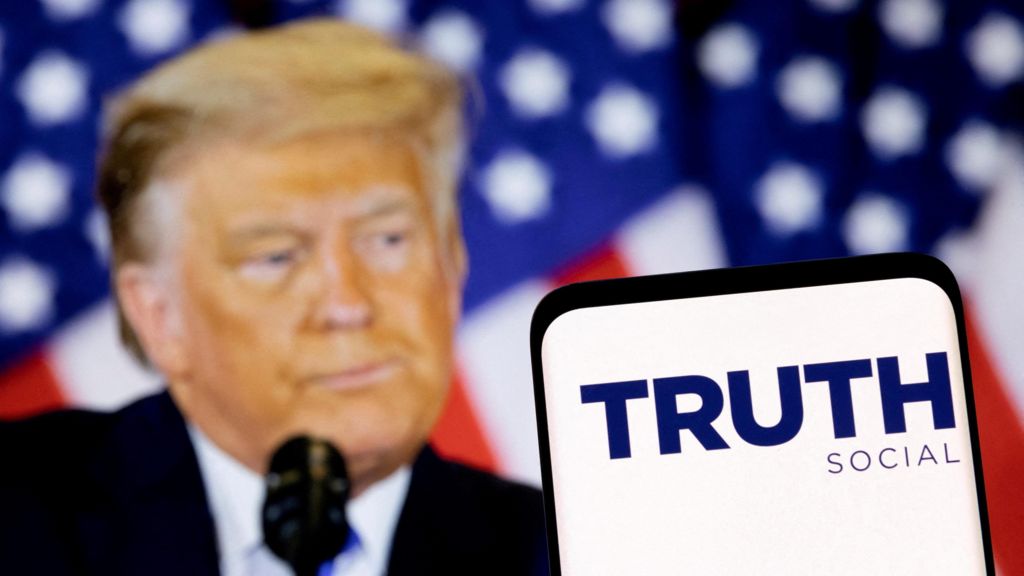
    Trump Media and Technology Group (TMTG), the parent company of former President Donald Trump’s Truth Social platform, has announced the creation of a novel cryptocurrency exclusively for its shareholders. This strategic move represents the Trump family’s expanding footprint in the digital asset landscape, an industry that has already yielded substantial financial returns while simultaneously drawing scrutiny over potential conflicts of interest.

    The newly unveiled token will be distributed on a one-to-one basis relative to share ownership. Current CEO Devin Nunes, who also chairs the White House Intelligence Advisory Board, hailed the initiative as a groundbreaking effort to reward investors and champion market transparency. The distribution will be facilitated through a partnership with the Crypto.com exchange, with the token operating on the Cronos blockchain.

    This foray into crypto coincides with a notable regulatory shift from the Trump administration. Since returning to the White House, President Trump has championed policies favorable to the cryptocurrency sector. His administration signed the nation’s first major crypto legislation, dropped several enforcement cases against crypto businesses, and advocated for allowing retirement savings to be invested in digital assets. This stands in stark contrast to Trump’s previous characterization of cryptocurrency as a scam.

    Despite a supportive regulatory environment, the crypto market has faced headwinds. Bitcoin is on track for an annual loss after retreating from its October peaks. Similarly, TMTG’s stock has plummeted over 60% this year, and a separate ‘TRUMP’ meme-coin launched around the January inauguration has lost more than 90% of its value. The company has indicated that token holders may receive various perks, including discounts on TMTG products, with distribution expected in the near future.

  • Cyprus agitated as Netanyahu drags it into Israel–Turkey tensions

    Cyprus agitated as Netanyahu drags it into Israel–Turkey tensions

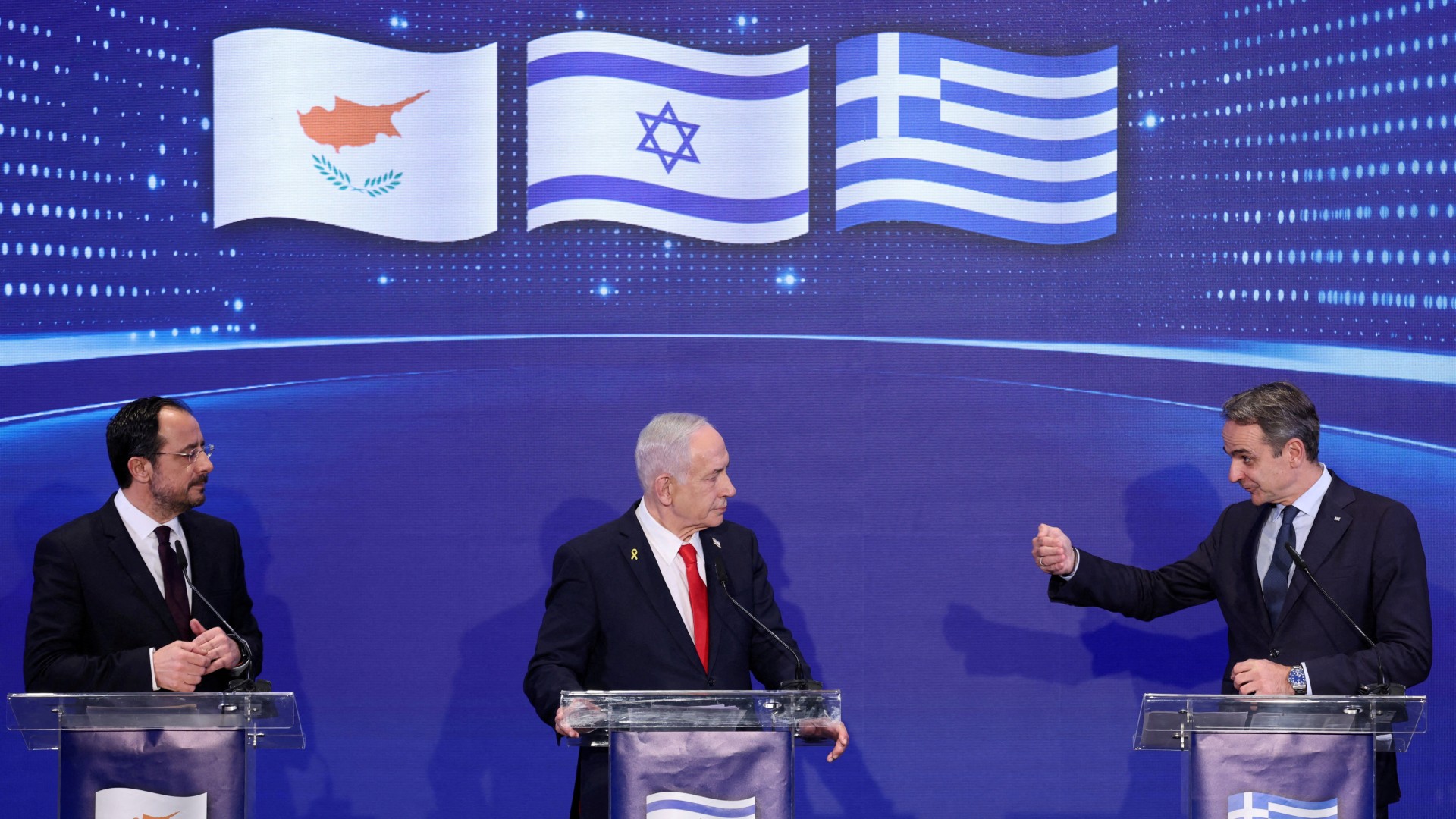
    Cyprus has voiced significant diplomatic unease regarding Israel’s utilization of recent trilateral discussions with Greece to escalate regional tensions with Turkey. According to reports from Politis, a leading Cypriot newspaper, Israeli Prime Minister Benjamin Netanyahu deliberately employed provocative rhetoric during the Jerusalem summit to advance his domestic political standing, thereby compromising the strategic interests of other participating nations.

    The tenth trilateral meeting between Cyprus, Greece, and Israel occurred against a backdrop of heightened regional instability, shortly after the signing of a new military-planning agreement. Netanyahu’s explicit references to Turkey—urging abandonment of imperial ambitions—reportedly aimed to position Ankara as a mutual adversary, a move Cypriot officials found diplomatically reckless.

    Nicosia’s discontent stems from four primary concerns: Netanyahu’s inflammatory remarks implying collective defense against Turkey; potential disruption to Cyprus reunification talks following the election of Turhan Erhurman in Northern Cyprus; unauthorized leaks suggesting a joint military brigade; and Israel’s unilateral announcement of a new military agreement without coordinated disclosure from Cyprus or Greece.

    Cyprus’s imminent presidency of the Council of the European Union further complicates matters, necessitating cautious diplomacy toward Turkey. The nation recently enhanced its defensive capabilities with the Israeli-made Barak MX air defense system, which provides surveillance coverage extending into southern Turkish airspace—a detail adding strategic complexity to the diplomatic friction.

    Regional officials confirmed that Israel’s approach reflects a pattern of leveraging international platforms for domestic messaging, often disregarding the nuanced diplomatic positions of its partners. While the trilateral format remains valuable, the recent episode underscores the challenges of maintaining balanced alliances in a volatile geopolitical landscape.

  • Shilpa Rao talks timeless songs, finding new sides of herself through music

    Shilpa Rao talks timeless songs, finding new sides of herself through music

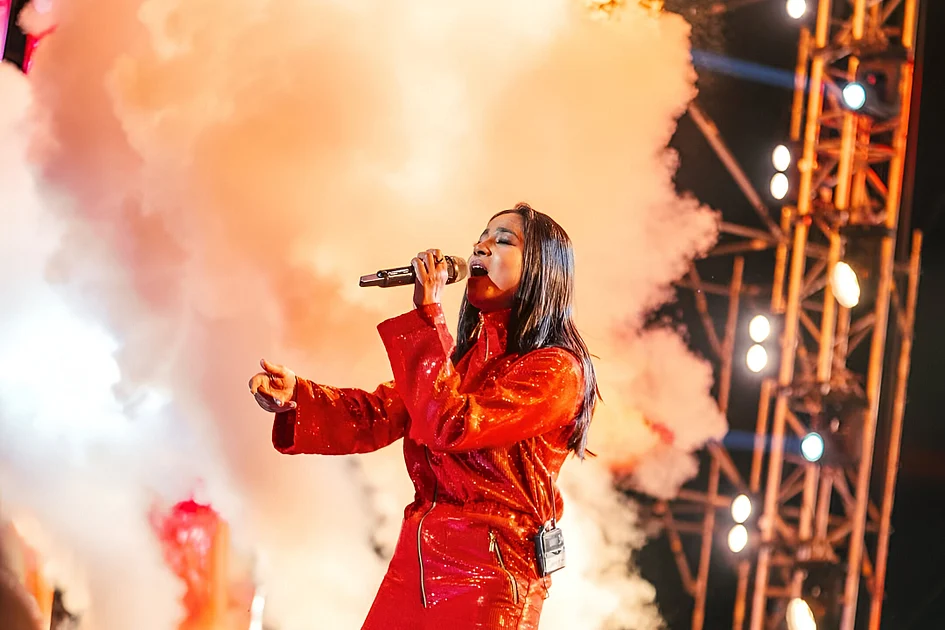
    In an exclusive interview with Khaleej Times, acclaimed vocalist Shilpa Rao offers profound insights into her remarkable musical journey spanning nearly twenty years. The singer, recently honored with both Grammy recognition and a National Award, discusses the artistic evolution that has defined her career.

    Rao attributes her sustained relevance to continuous collaboration with brilliant musicians, writers, and directors, emphasizing that each project has revealed new dimensions of her artistic identity. Her approach centers on perpetual learning—whether mastering new techniques or developing patience and fresh perspectives on creative expression.

    The breakthrough year of 2025 marked significant professional milestones for the singer, who remains humbled by the accolades. She dedicates these achievements to her enduring support system: family, friends, and particularly fans who have embraced her genre-spanning explorations.

    When examining the enduring appeal of signature pieces like ‘Khuda Jaane,’ ‘Tose Naina,’ and the recent viral sensation ‘Ghafoor,’ Rao highlights the collaborative alchemy required for timeless music. She explains that visionary direction, lyrical-composer synergy, and interpretive vocal delivery must harmonize perfectly—a collective effort rather than individual accomplishment.

    The artist describes her relationship with her voice as an evolving dynamic, emphasizing the importance of continual experimentation and self-surprise. Her recording experience with ‘Ghafoor’ unexpectedly revealed previously unknown playful dimensions of her artistic persona.

    Addressing her special connection with Dubai audiences, Rao expresses heartfelt appreciation for the city’s consistent support since her first visits around 2010-2011. She cherishes the warmth shown by fans, radio jockeys, and event organizers alike.

    Currently, Rao defines success not through individual achievement but as the collective experience created with her team for audiences. She maintains an open, unplanned approach to future projects, valuing creative spontaneity with collaborators. The singer concludes with deep gratitude to global listeners whose support has shaped her career, expressing hope for shared musical moments in the coming year.

  • Yunnan rose named after uncle ‘who looks like a flower’

    Yunnan rose named after uncle ‘who looks like a flower’

    In an unexpected turn of events during an online naming competition, a newly cultivated Chinese rose variety from the Yunnan Academy of Agricultural Sciences has been officially named after a Shandong province resident’s maternal uncle. The flower, characterized by its distinctive white petals with pinkish-purple edges, will be marketed as the ‘Baohua Chinese Rose’ in recognition of Liu Baohua, whom the nominating netizen described as resembling a flower.

    The Yunnan Academy had initially organized the digital naming initiative, receiving numerous poetic suggestions including ‘Jinghong,’ ‘Water Sleeves,’ and ‘Silk.’ However, the humorous proposal from the Shandong-based internet user unexpectedly captured public imagination, sparking widespread support across social media platforms.

    Research Fellow Cai Yanfei from the academy’s flower research institute confirmed to xinhuanet that despite initial reservations about the unconventional naming suggestion, the ‘Liu Baohua Chinese Rose’ secured a decisive victory during the final voting phase. The academic institution had initially questioned the appropriateness of naming a flower after a private individual but ultimately respected the democratic process and public sentiment.

    The newly christened horticultural product is scheduled to enter commercial distribution in multiple formats—including seedlings, fresh cuts, and preserved specimens—with anticipated market availability beginning August 2025. This incident demonstrates how digital public participation can influence scientific nomenclature while adding a human-interest dimension to botanical development.

  • Over 100 injured in India as two monorail trains crash at hydropower site

    Over 100 injured in India as two monorail trains crash at hydropower site

    A significant industrial accident occurred at a major hydropower construction site in northern India on Tuesday night, resulting in mass casualties when two monorail trains collided within an underground tunnel. The incident took place at the Pipalkoti hydropower project in Uttarakhand state, operated by Tehri Hydro Development Corp (THDC), a joint venture partially owned by NTPC Ltd.

    According to Gaurav Kumar, the district’s chief administrative officer, the collision was triggered by catastrophic brake failure in one of the monorail vehicles. These transport systems are critical infrastructure at the construction site, primarily used for ferrying personnel and moving construction materials through the extensive tunnel network.

    The collision resulted in 109 workers sustaining injuries, with medical officials reporting that most victims suffered minor trauma while four individuals sustained serious fractures. Emergency response teams were immediately deployed to the remote mountainous region to provide medical assistance and extract injured workers from the confined tunnel environment.

    Despite the severity of the incident, Kumar confirmed that track clearance operations were completed promptly, with project managers anticipating a resumption of construction activities on Wednesday. The quick recovery highlights the project’s strategic importance to India’s energy infrastructure development.

    This accident brings attention to India’s ambitious hydropower expansion program. Currently, hydropower constitutes approximately 51 gigawatts of the nation’s 505-gigawatt total installed capacity. Uttarakhand state, where this incident occurred, hosts more than ten operational hydropower facilities with approximately 2.0 gigawatts of combined capacity, alongside numerous projects under development.

  • Crystals and LEDs: a look at the Times Square New Year’s Eve ball

    Crystals and LEDs: a look at the Times Square New Year’s Eve ball

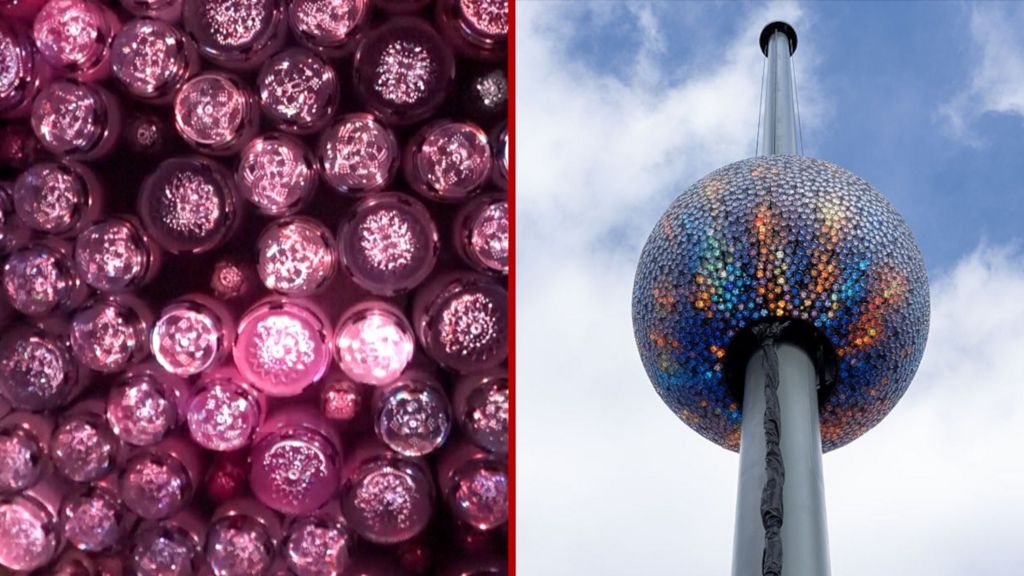
    New York City’s iconic New Year’s Eve celebration is set to receive a spectacular upgrade with the unveiling of the ‘Constellation Ball,’ scheduled to make its debut descent in Times Square to mark the arrival of 2026. This revolutionary design represents a significant evolution from its predecessors, masterfully blending traditional crystalline elegance with cutting-edge LED technology.

    The spherical structure, which serves as the visual centerpiece of the global celebration, incorporates a sophisticated arrangement of crystal panels. These are meticulously engineered to interact with an advanced internal lattice of multicolored LED lights, creating an unprecedented prismatic effect. The innovative illumination system is capable of generating millions of color combinations and dynamic patterns, transforming the ball into a mesmerizing celestial body that appears to dance across the night sky.

    This technological marvel continues the rich tradition that began in 1907, symbolizing both continuity and progress. The integration of sustainable, energy-efficient lighting systems reflects a commitment to environmental responsibility while maintaining the dazzling visual spectacle expected by the millions of spectators who witness the event both in person and through global broadcasts. The Constellation Ball stands as a testament to how tradition and innovation can coalesce to create new forms of public celebration and artistic expression.

  • Hunan becomes fourth city to host Chinese-built C919 jet

    Hunan becomes fourth city to host Chinese-built C919 jet

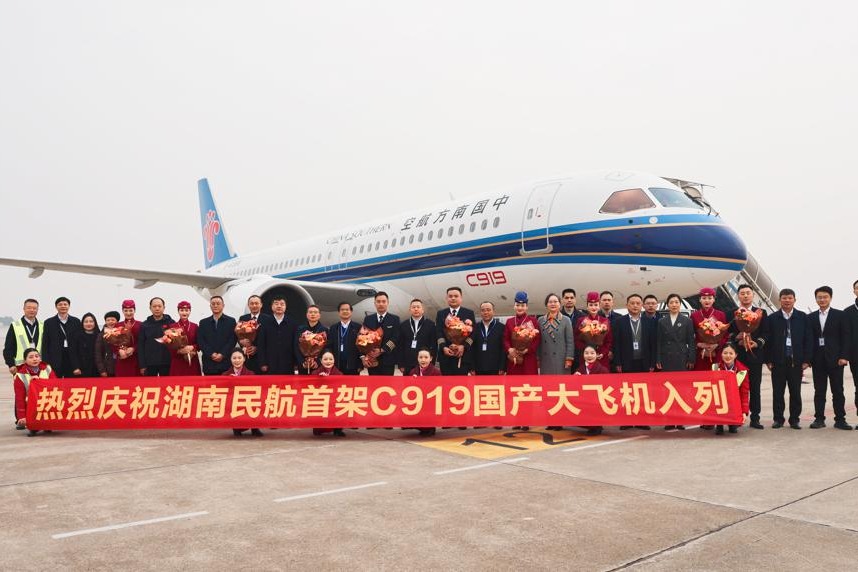
    Hunan Province has entered a new era of aviation connectivity as China’s domestically developed C919 passenger jet commenced dual-base operations from Changsha Huanghua International Airport. The aircraft (registered B-658N) completed its inaugural landing on Wednesday, establishing Hunan’s capital as the fourth Chinese metropolitan center to integrate the homegrown jetliner into regular service, following Beijing, Shanghai, and Guangzhou.

    China Southern Airlines, the pioneering carrier operating the C919, confirmed this strategic expansion represents a significant milestone in China’s commercial aviation advancement. The airline has initiated a dual-base operational model connecting Guangzhou and Changsha, enhancing regional connectivity while demonstrating growing confidence in the aircraft’s performance capabilities.

    Since its initial deployment to Hunan in January, the C919 has been actively serving seven major domestic routes from Changsha to key economic hubs including Guangzhou, Beijing, Shanghai, and Chengdu. Operational data reveals impressive performance metrics with over 1,400 completed flights transporting more than 170,000 passengers to date. Travelers and aviation experts have particularly noted the aircraft’s enhanced comfort features and operational reliability during this period.

    The expansion continues with China Southern Airlines announcing plans to introduce a second C919 aircraft to Hunan prior to the February Spring Festival travel season. According to Du Haibo, Deputy General Manager of China Southern’s Hunan branch, the additional aircraft will support three crucial routes during the peak travel period, connecting Changsha with Guangzhou, Beijing, and Shanghai.

    This strategic deployment underscores China’s accelerating progress in aerospace manufacturing and commercial aviation infrastructure development, positioning the C919 as an increasingly important component of the country’s transportation network.

  • From Downtown to JBR: How Dubai will roll out NYE traffic controls to manage rush

    From Downtown to JBR: How Dubai will roll out NYE traffic controls to manage rush

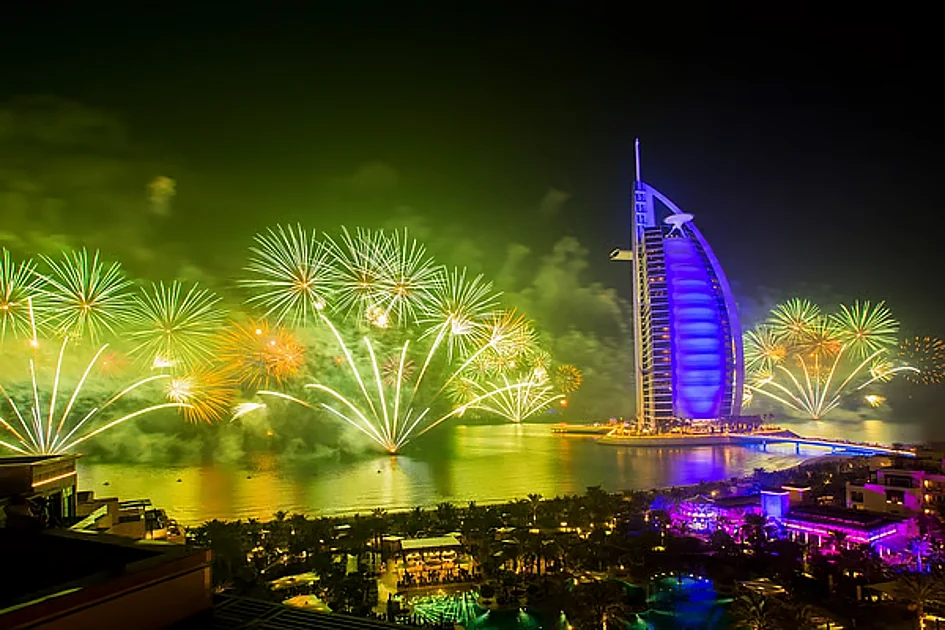
    Dubai’s transportation authorities have unveiled an extensive, multi-location traffic management blueprint for New Year’s Eve celebrations, with Jumeirah Beach Residence (JBR) joining Downtown as a primary focus area. The comprehensive strategy involves phased road closures, enhanced public transport deployment, and strict pedestrian management to accommodate massive crowds while ensuring public safety.

    According to Salahaldeen Al Marzooqi, Director of Intelligent Traffic Systems at Dubai’s Roads and Transport Authority (RTA), JBR has emerged as the city’s second most popular NYE destination, necessitating specialized traffic coordination with event organizers, security teams, and property developers. The area will undergo gradual access restrictions beginning at 4pm with pedestrian walkway closures along the beachfront, progressing to full road closures by 11pm that will transform the vicinity into an extensive pedestrian zone.

    Simultaneously, Downtown Dubai will experience phased arterial road closures starting at 4pm, affecting key thoroughfares including Al Asayel Street, Sheikh Mohammed bin Rashid Boulevard, and Burj Khalifa Street. Additional segments will close incrementally throughout the evening, with Sheikh Zayed Road undergoing gradual closure between Al Meydaan intersection and Commercial Centre roundabout from 11pm onward.

    The RTA has implemented exceptional public transport measures to support the strategy, deploying 700-1,000 dedicated taxis specifically for JBR alongside 360 buses for crowd movement and park-and-ride operations across the emirate. Metro and tram services will operate continuously for approximately 43 hours to facilitate movement. Taxi ranks will operate throughout the night with enhanced signage directing visitors to transport hubs.

    Authorities have issued strict warnings against illegal parking, particularly on high-speed roads surrounding event areas, emphasizing that roads within JBR will prohibit stopping or parking entirely. Residents, hotel guests, and restaurant patrons received advance notification of closures through developers to enable early movement planning.

    Al Marzooqi emphasized that public transport represents the safest and most efficient option for high-density celebrations, stating: ‘Our priority is people’s safety and comfort. With proper planning and cooperation from the public, JBR celebrations will be enjoyable and well managed.’ The coordinated approach aims to balance accessibility with safety as Dubai prepares to welcome hundreds of thousands of revelers.

  • Snap bans on candy, soda to start in five US states

    Snap bans on candy, soda to start in five US states

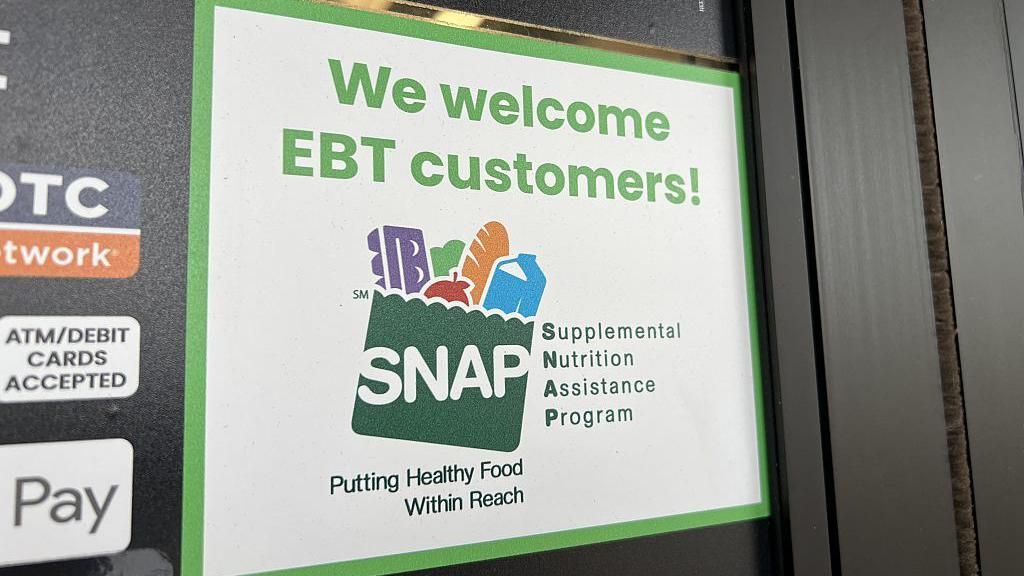
    A significant policy shift affecting millions of low-income Americans begins January 1st, 2026, as multiple U.S. states implement new restrictions on what can be purchased with government food assistance benefits. West Virginia, Utah, Indiana, Iowa, and Nebraska are leading this initiative that prohibits the purchase of sugar-sweetened beverages and candy through the Supplemental Nutrition Assistance Program (SNAP).

    The movement, championed by Health Secretary Robert F. Kennedy Jr. and Agriculture Secretary Brooke Rollins, represents a fundamental rethinking of how taxpayer-funded nutrition programs operate. “For years, SNAP has used taxpayer dollars to fund soda and candy – products that fuel America’s diabetes and chronic disease epidemics,” Kennedy stated, highlighting the public health rationale behind the restrictions.

    While SNAP historically allowed beneficiaries to purchase most grocery items except hot foods, tobacco, alcoholic beverages, and supplements, the new regulations create substantially tighter constraints. The implementation varies by state: West Virginia and Utah will ban sodas; Nebraska will prohibit both sodas and energy drinks; Indiana will restrict sodas and candy; while Iowa adopts the most comprehensive approach by banning soda, candy, and other pre-packaged foods subject to state sales tax, including chocolate-coated nuts and sweet popcorn.

    This initial wave of restrictions marks just the beginning of a broader national trend. Eighteen states have submitted waiver requests to implement similar limitations, with Florida and Texas scheduled to begin restrictions in April, South Carolina in August, and Missouri in October.

    The policy changes impact approximately 42 million Americans—roughly 12% of the population—who rely on SNAP benefits for nutritional support. Critics argue that these restrictions will create operational challenges for both retailers and recipients. Crystal FitzSimons, president of the Food Research & Action Center, warned that “SNAP restrictions will create more harm, confusion, and chaos for program participants who are still reeling from the government shutdown that unnecessarily delayed the delivery of benefits.”

    The debate continues as public health objectives confront practical implementation concerns, potentially reshaping food assistance programs across the United States throughout 2026.