博客

  • Trump says Maduro ‘captured’ as US bombs Venezuela

    Trump says Maduro ‘captured’ as US bombs Venezuela

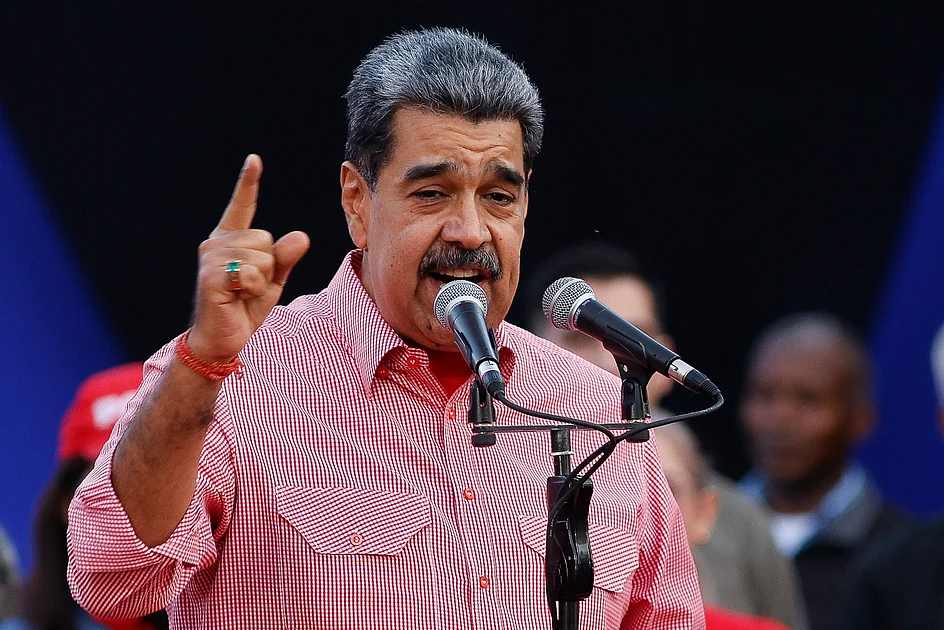
    In a dramatic escalation of tensions, former U.S. President Donald Trump declared on his Truth Social platform that American military forces had successfully captured Venezuelan President Nicolás Maduro during a series of large-scale strikes within Venezuela. Trump asserted that Maduro and his wife, Cilia Flores, had been extracted from the country by U.S. forces.

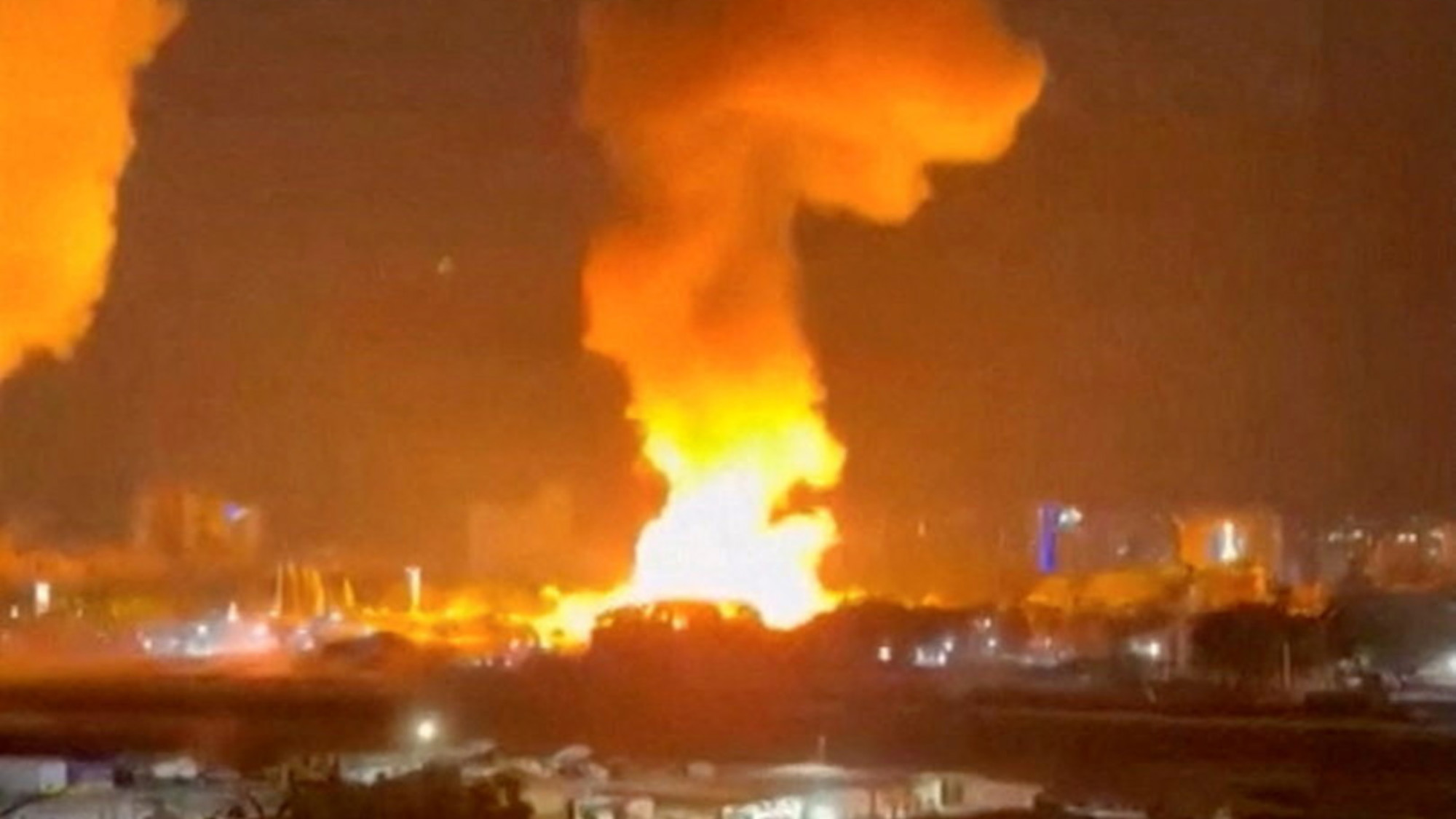
    The announcement followed reports of significant explosions near key civilian and military installations in Caracas, as well as in the states of La Guaira, Aragua, and Miranda. According to U.S. officials speaking to CBS News, the high-risk operation was executed by the elite Delta Force unit, which Trump later praised as a ‘brilliant’ mission in communications with The New York Times.

    Venezuelan Vice President Delcy Rodríguez, who stands next in the line of succession, immediately challenged Trump’s claims, stating that the whereabouts of both Maduro and his wife were unknown. She publicly demanded that the U.S. provide verifiable proof that Maduro was alive and in their custody.

    The Venezuelan government reported numerous casualties from the attacks, though no specific death toll was immediately provided. U.S. authorities confirmed they sustained no American casualties during the operation.

    Contradictory narratives emerged regarding the circumstances of Maduro’s apparent removal. Sky News cited senior Venezuelan opposition sources suggesting Maduro’s exit had been ‘negotiated’ with the United States, while U.S. Senator Mike Lee of Utah stated on social media platform X that Secretary of State Marco Rubio anticipated ‘no further action in Venezuela now.’ Lee further revealed that Rubio informed him Maduro would face criminal charges in the United States.

    In response to the military action, Venezuelan Defense Minister Vladimir Padrino condemned the strikes as ‘the worst aggression’ against the nation and announced the full deployment of military forces across Venezuela, vowing to resist any foreign troop presence.
  • Trump on Venezuela: ‘We are going to run the country’

    Trump on Venezuela: ‘We are going to run the country’

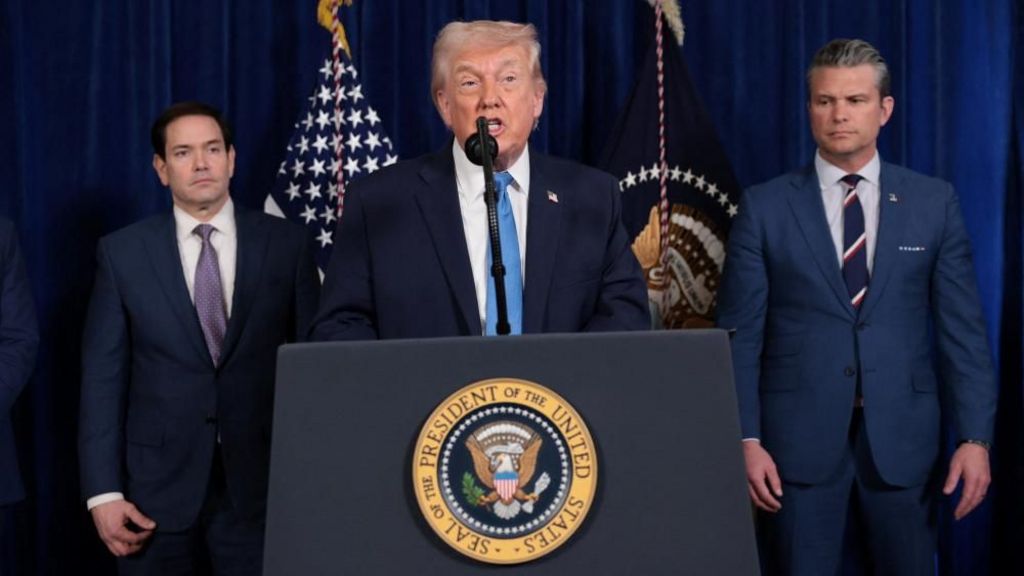
    In a significant foreign policy statement, President Donald Trump has asserted that the United States will assume administrative control over Venezuela until what he termed a ‘proper transition’ of power can be implemented. The declaration represents an unprecedented escalation in Washington’s approach to the ongoing political crisis in the South American nation, where opposition leader Juan Guaidó and incumbent President Nicolás Maduro both claim legitimate authority. This pronouncement signals a potential shift from diplomatic and economic pressure toward more direct involvement in Venezuelan governance. The Trump administration has consistently supported Guaidó’s interim government while applying crippling sanctions against Maduro’s regime, which it considers illegitimate. This latest development raises profound questions about sovereignty, international law, and the future of U.S. interventionist policy in Latin America, potentially setting a new precedent for how global powers address internal political conflicts in other nations.

  • New Chinese study reveals Antarctic amplification mechanism

    New Chinese study reveals Antarctic amplification mechanism

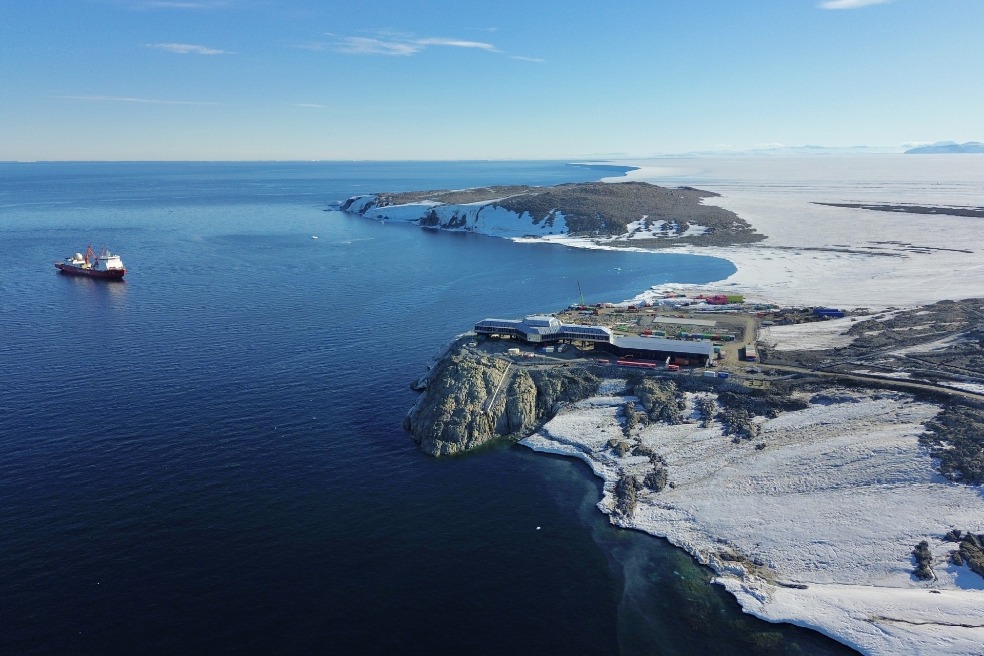
    A groundbreaking study conducted by Chinese scientists has provided definitive confirmation of future Antarctic amplification while elucidating the precise physical mechanisms driving this critical climate phenomenon. Published recently in the prestigious journal Geophysical Research Letters, the research represents a significant advancement in understanding polar climate dynamics.

    Led by researchers from the Institute of Global Change and Polar Meteorology under the Chinese Academy of Meteorological Sciences (CAMS), the study resolves longstanding uncertainties regarding Antarctic warming patterns. While polar amplification has been well-documented in the Arctic, the Antarctic counterpart had remained subject to scientific debate until this comprehensive analysis.

    The research team employed an extensive dataset comprising observations from over 200 Antarctic monitoring stations, combined with China’s first-generation global atmospheric and land surface reanalysis products. This robust methodology enabled the first detection of a continent-wide warming signal across Antarctica’s vast expanse.

    Under the Paris Agreement’s 2 degrees Celsius warming scenario, the study demonstrates a pronounced warming signal over the Antarctic continent, with an overall warming magnitude approximately 1.4 times greater than the Southern Hemisphere average. Dr. Ding Minghu, head of the Institute of Global Change and Polar Research at CAMS, explained the mechanism: ‘The roaring westerlies of the Southern Hemisphere create an isolating effect, meaning human activities primarily influence Antarctica through sea surface warming and subsequent heat transfer. This explains why Antarctic warming has lagged behind other global regions.’

    The research further indicates that with continuously rising sea surface temperatures, Antarctic amplification will progressively intensify in coming decades, accompanied by an accelerated warming rate. This revelation highlights a substantial, previously underestimated human impact on the Antarctic climate system, with far-reaching implications for global sea level rise and climate modeling accuracy.

  • China’s railways see New Year holiday return passenger flow peak

    China’s railways see New Year holiday return passenger flow peak

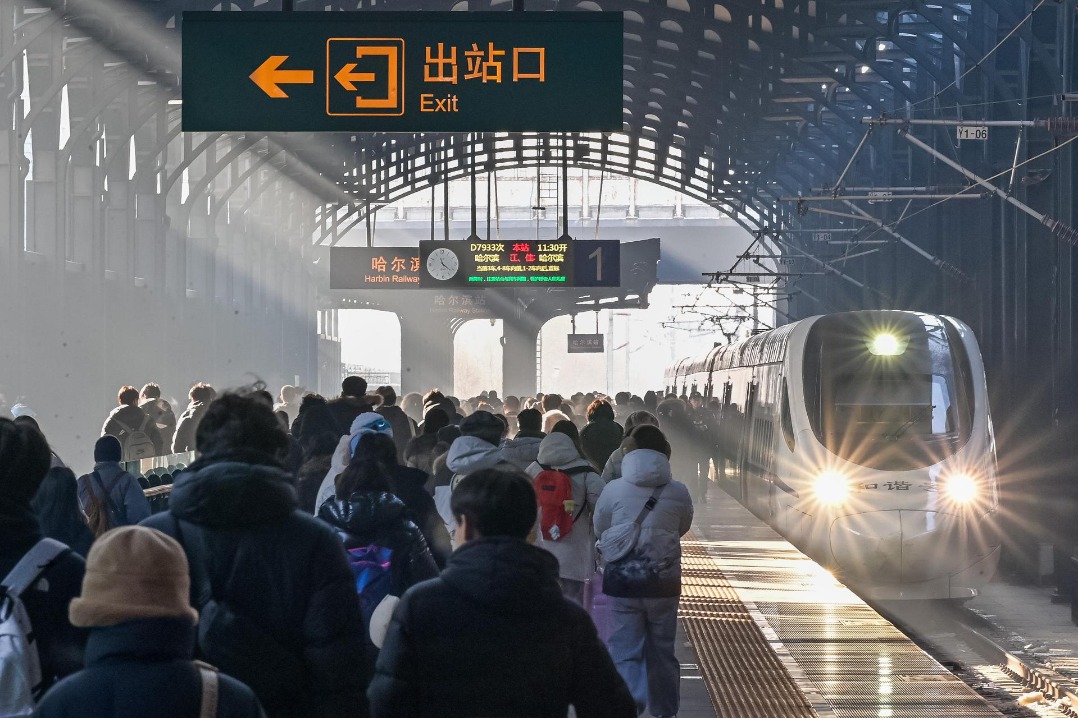
    China’s extensive railway system experienced a significant surge in return passenger traffic on Saturday, January 3rd, 2026, marking the conclusion of the New Year holiday period. According to official data released by China State Railway Group Co Ltd, the national rail network prepared to accommodate approximately 17.45 million passenger journeys on the final day of the holiday break.

    In response to the substantial travel demand, railway authorities implemented enhanced operational measures, scheduling an additional 1,343 passenger trains to ensure efficient transportation services nationwide. The strategic deployment of extra capacity aimed to facilitate smooth travel experiences for millions of citizens returning from their holiday destinations.

    Geographical analysis of passenger flow patterns identified Guangzhou, Beijing, and Chengdu as primary departure hubs, while Beijing, Guangzhou, and Shanghai emerged as the most frequented destination cities. This bidirectional traffic pattern reflects the extensive interregional mobility characteristic of China’s major holiday periods.

    The preceding day, Friday January 2nd, already demonstrated substantial transportation activity with railways processing over 12 million passenger trips nationwide. The 2026 New Year holiday period officially spanned from Thursday December 31st, 2025 through Saturday January 3rd, 2026, creating a concentrated three-day window for holiday travel and family reunions across the country.

    China’s railway management continues to demonstrate remarkable operational capability in managing these periodic mass migration events, which represent some of the largest organized human movements globally. The efficient handling of such substantial passenger volumes underscores the advanced logistical planning and infrastructure development within China’s transportation sector.

  • UAE: Feeling drained in winter? It has more to do with biology than willpower

    UAE: Feeling drained in winter? It has more to do with biology than willpower

    As winter embraces the United Arab Emirates with shorter daylight hours, medical experts reveal that the pervasive fatigue experienced by residents stems from biological mechanisms rather than diminished willpower. The reduction in natural light exposure significantly disrupts circadian rhythms, triggering physiological changes that impact energy levels and sleep patterns.

    Dubai-based professional Alex D. exemplifies this phenomenon, describing how his post-work energy vanishes unexpectedly despite maintaining consistent sleep schedules. “By the time I reach home, my body feels so tired that I just feel like sleeping,” he reports, noting how evening activities that were once manageable now feel overwhelmingly burdensome.

    Medical specialists including Dr. Shaju George, psychiatrist at International Modern Hospital, explain the science behind this seasonal shift. “Without strong morning and evening light signals, the circadian rhythm slowly drifts,” he states. This disruption causes melatonin production to commence earlier in the evening while simultaneously impairing cortisol release, resulting in diminished daytime alertness.

    The consequences extend beyond simple tiredness. Reduced daylight exposure compromises sleep architecture itself, leading to increased nighttime awakenings and diminished deep sleep phases. This results in next-day cognitive impairment characterized by reduced concentration, slower reaction times, and mental fogginess.

    Modern lifestyle factors exacerbate these biological tendencies. Dr. George notes that “blue-rich light from phone or TV screens suppresses melatonin at the wrong time,” creating a cycle of exhaustion coupled with delayed sleep onset.

    Psychological dimensions accompany the physiological changes. Dr. Sneha John, psychologist at Medcare Kamali Clinic, observes that “individuals notice a dip in energy or motivation as seasons change,” emphasizing that these responses represent normal biological adaptations rather than personal shortcomings.

    Notably, these seasonal effects occur even in sun-drenched regions like the UAE due to reduced light exposure timing and duration. Dr. Nada Omer, consultant psychiatrist at Burjeel Hospital, explains that decreased sunlight causes measurable neurochemical changes: “Serotonin levels linked to mood can drop, while melatonin production increases.”

    Experts recommend practical interventions including morning light exposure within 30 minutes of waking, midday outdoor breaks, evening light dimming, and reduced screen brightness. These adjustments help realign circadian rhythms and mitigate winter’s physiological impacts, offering residents strategies to maintain energy and wellbeing throughout the seasonal transition.

  • How the US captured Venezuelan leader Nicolás Maduro

    How the US captured Venezuelan leader Nicolás Maduro

    In a stunning revelation during a Fox News interview, former President Donald Trump disclosed details of a covert U.S. military operation designed to apprehend Venezuelan President Nicolás Maduro and transport him to American soil for prosecution. The operation, described by Trump as meticulously planned, targeted Maduro’s heavily fortified presidential palace in Caracas.

    Trump characterized the Venezuelan leader’s residence as ‘a fortress’ with specialized security features, including a solid steel safe room that ultimately proved ineffective against the rapid advance of U.S. forces. American operatives came equipped with industrial-grade blowtorches capable of cutting through reinforced barriers, though these tools ultimately proved unnecessary as Maduro was apprehended before reaching his sanctuary.

    The operation’s success relied on extensive preparation, including the construction of an identical replica facility for training purposes. Trump emphasized the mission’s precision timing, noting that execution required optimal weather conditions with sufficient cloud cover, resulting in a four-day delay before implementation.

    Conducted under complete darkness after U.S. forces allegedly disabled most of Caracas’ electrical grid, the raid involved intense combat with machine gun fire and multiple explosions heard throughout the capital. The engagement lasted less than thirty minutes, according to eyewitness accounts.

    While Trump acknowledged ‘a couple of guys were hit’ among U.S. personnel, he stated that no American fatalities occurred, though a helicopter sustained significant damage. Venezuelan officials reported civilian and military casualties but provided no specific numbers.

    Following capture, Maduro and his wife Cilia Flores were transported via helicopter to a U.S. warship awaiting international waters. They face transfer to New York to answer charges outlined in a Justice Department indictment alleging their involvement in narco-terrorism conspiracies.

    This operation represents a dramatic escalation in the Trump administration’s pressure campaign against Maduro’s government, following months of targeted strikes against suspected drug trafficking operations in Venezuelan waters and coastal facilities.

  • Shreyas Iyer returns for India’s ODI series against New Zealand

    Shreyas Iyer returns for India’s ODI series against New Zealand

    MUMBAI, India — The Board of Control for Cricket in India (BCCI) unveiled its provisional squad on Saturday for the upcoming one-day international series against New Zealand, marking significant returns and strategic player management decisions ahead of the 2026 T20 World Cup.

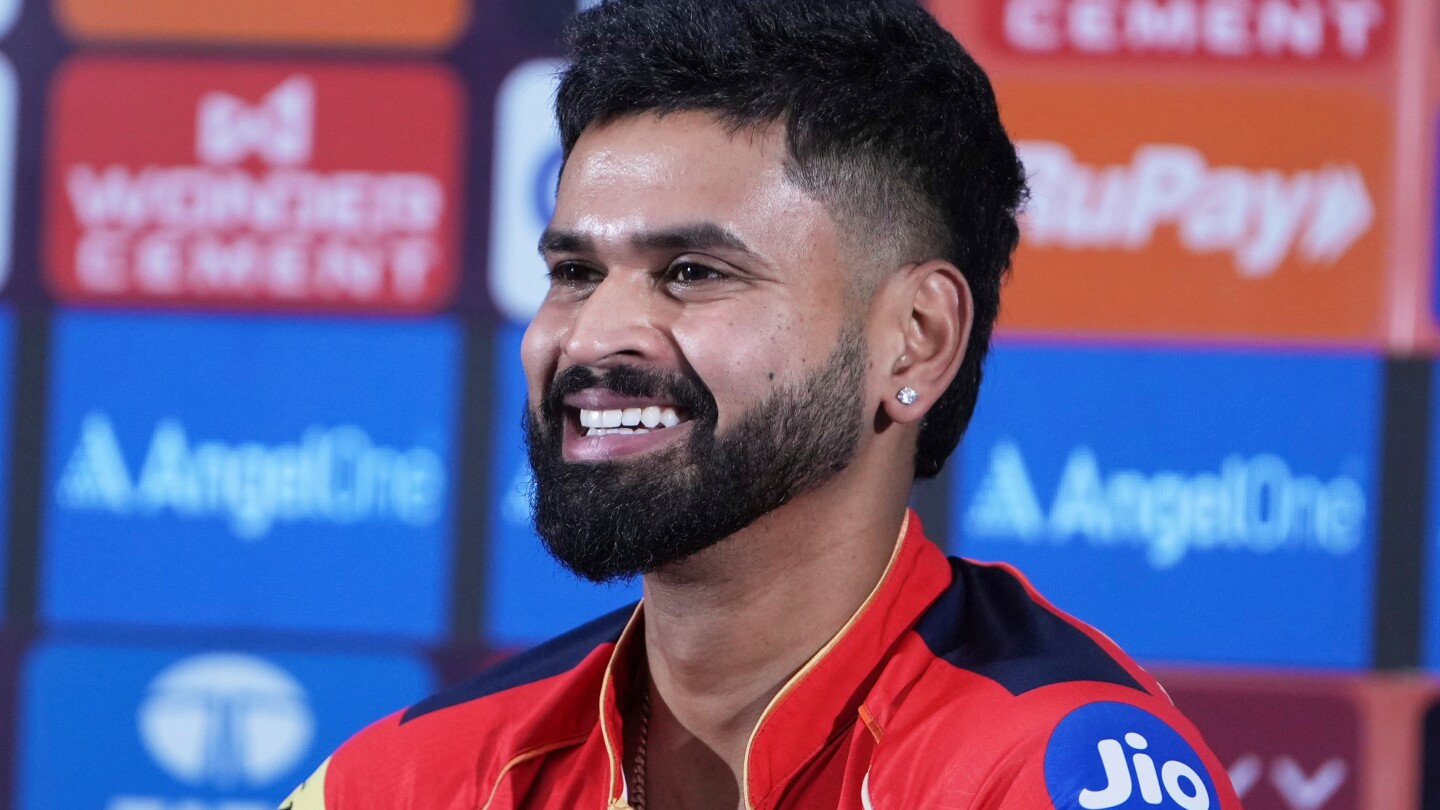
    In a major development, middle-order batsman Shreyas Iyer received provisional selection following his recovery from a spleen injury sustained during October’s ODI against Australia in Sydney. His final participation remains contingent upon fitness clearance from BCCI’s medical team, with the potential to return as vice-captain for the three-match contest.

    Captain Shubman Gill makes his anticipated return after missing December’s ODI series against South Africa due to neck spasms suffered during the preceding Test matches. The squad welcomes back star veterans Virat Kohli and Rohit Sharma, both having recently participated in the domestic Vijay Hazare Trophy to maintain competitive form.

    The selection committee implemented strategic resting policies for key personnel. Pace spearhead Jasprit Bumrah receives continued rest alongside all-rounder Hardik Pandya, who despite being fit, hasn’t achieved bowling readiness for full ODI quotas. Pandya’s absence creates opportunity for newcomer Nitish Kumar Reddy’s inclusion.

    Notable omissions include Ruturaj Gaikwad, despite his maiden ODI century against South Africa in Visakhapatnam, and Tilak Verma. Wicketkeeping duties will be shared between primary choice Lokesh Rahul—who previously captained against South Africa—and Rishabh Pant as secondary keeper-batter.

    Mohammed Siraj returns to lead the bowling attack after missing the previous series due to workload management protocols. The pace battery features Prasidh Krishna and Arshdeep Singh alongside spin options Ravindra Jadeja, Washington Sundar, and Kuldeep Yadav.

    The white-ball engagement commences with three ODIs in Vadodara (January 11), Rajkot (January 14), and Indore (January 18), followed by a five-match T20 series beginning January 21, serving as crucial preparation for the 2026 T20 World Cup co-hosted by India and Sri Lanka.

  • UAE urges Yemenis to exercise restraint, calls for de-escalation

    UAE urges Yemenis to exercise restraint, calls for de-escalation

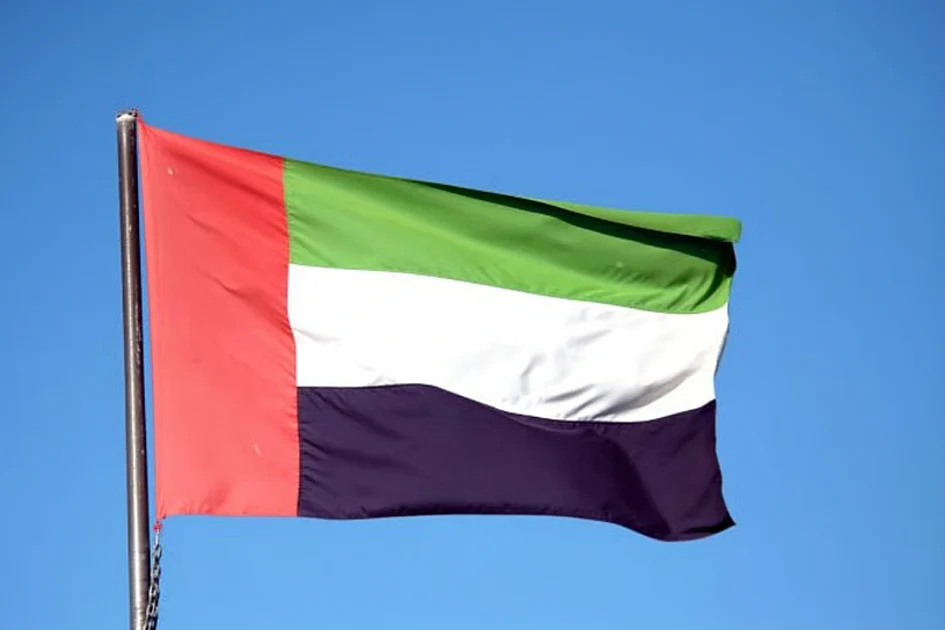
    The United Arab Emirates has formally urged all Yemeni factions to demonstrate maximum restraint and pursue de-escalation measures amid growing regional instability. In an official statement released through WAM news agency on January 3, 2026, Emirati authorities expressed profound concern regarding recent destabilizing developments within Yemen’s borders.

    The Gulf nation emphasized its regret over the deteriorating security situation and called for immediate dialogue between conflicting parties. The UAE government stressed that rational, responsible approaches must prevail over confrontation, with national interests and civilian welfare taking precedence over political differences.

    Citing the critical need for lasting stability, the statement outlined that constructive diplomatic engagement represents the most viable pathway to address current challenges. The Emirates specifically highlighted the importance of prioritizing nation-building, economic prosperity, and regional security coordination.

    This diplomatic intervention occurs against a backdrop of heightened regional tensions, with the UAE advocating for peaceful resolution mechanisms that align with Yemeni citizens’ aspirations for security and development. The statement concluded by reaffirming the Emirates’ commitment to supporting dialogue-driven solutions that benefit both Yemen and the broader Middle East region.

  • Venezuela denounces ‘extremely serious military aggression’ by US

    Venezuela denounces ‘extremely serious military aggression’ by US

    Venezuela has initiated a state of emergency following what President Nicolas Maduro’s administration characterizes as an act of severe military aggression by the United States against its capital. Early Saturday, Caracas was shaken by multiple explosions, with Reuters witnesses and social media footage documenting columns of black smoke and military aircraft activity over the city.

    The Venezuelan government issued a formal condemnation, stating it “rejects, repudiates, and denounces before the international community the extremely serious military aggression perpetrated by the current government of the United States of America.” The disturbances, commencing around 2:00 AM local time (0600 GMT), triggered a power outage in southern districts near a significant military installation, though the precise origins and locations remained initially unclear.

    This escalation follows a pattern of heightened tensions between the two nations. U.S. President Donald Trump has consistently advocated for ground operations in Venezuela and recently acknowledged conducting strikes on Venezuelan territory targeting alleged drug trafficking operations—marking Washington’s first confirmed land operations in the country. The White House and Pentagon have declined to comment on the latest developments.

    Colombian President Gustavo Petro amplified the crisis via social media, asserting “At this moment they are bombing Caracas” and urgently calling for immediate meetings of the Organization of American States and United Nations. Petro, while not disclosing his information sources, has historically opposed U.S. pressure tactics against Venezuela.

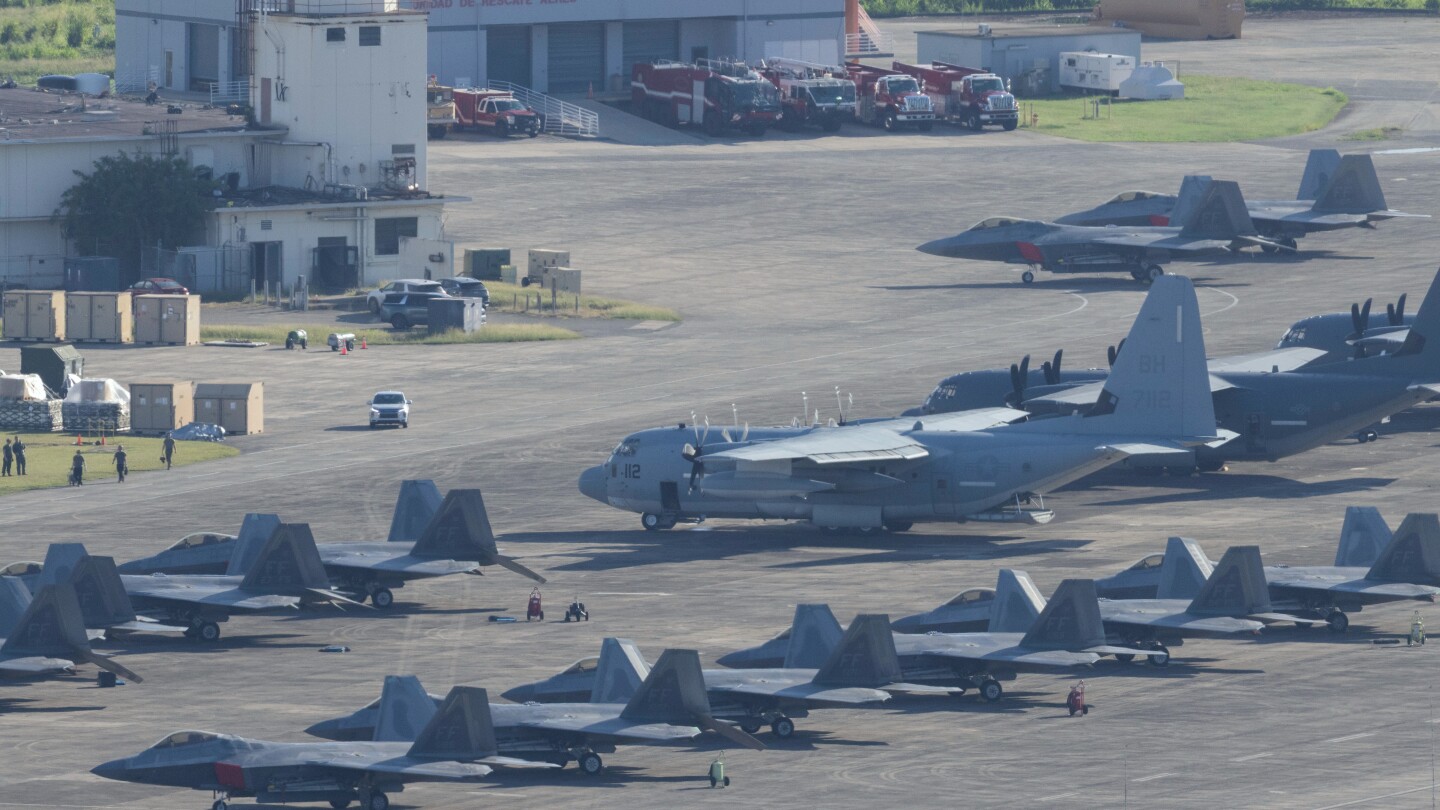
    The Trump administration has significantly increased military assets in the region, deploying an aircraft carrier, warships, and advanced fighter jets to the Caribbean. Additional measures include expanded sanctions, a naval blockade of Venezuelan waters, and over two dozen strikes on vessels allegedly involved in drug trafficking. Maduro maintains that these actions represent an attempt to orchestrate regime change to access Venezuela’s substantial oil reserves, while the U.S. justifies its operations as necessary to combat drug trafficking—claims consistently denied by Caracas.

  • I woke to a huge bang in Caracas – nothing has been normal since

    I woke to a huge bang in Caracas – nothing has been normal since

    CARACAS – The Venezuelan capital awoke to a state of profound uncertainty Saturday following a dramatic overnight military intervention by the United States. President Donald Trump announced a large-scale offensive that resulted in the capture of Venezuelan leader Nicolás Maduro and his wife, an operation witnessed by residents near a key military airbase.

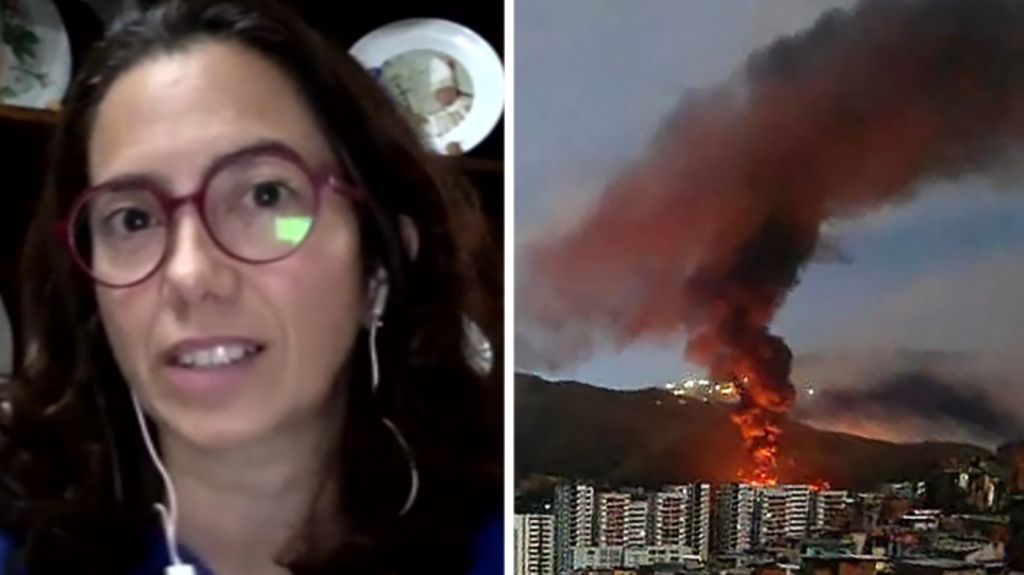
    Local resident Vanessa Silva described being jolted awake around 2 a.m. by a massive explosion that shook her home in southeastern Caracas. From her window, she observed flames erupting across the runway at the adjacent military installation, though no personnel were visible in the immediate aftermath. The night sky was subsequently illuminated by repeated orange flashes and the resonant roar of aircraft circling the valley.

    The morning brought an eerie calm to the streets of Baruta Municipality, where Silva resides. While queues formed outside petrol stations and supermarkets—a familiar sight in economically strained Venezuela—public transportation remained conspicuously absent. A pharmacy served customers through closed doors, potentially rationing supplies, while many residents opted to remain indoors, urgently contacting relatives abroad amid the crisis.

    Information blackouts compounded the tension, with residents in parts of the city reporting electricity failures since the nighttime explosions, leaving them isolated from developments. For those with power, state television featured government loyalists decrying Maduro’s capture as an illegal kidnapping and demanding his immediate release.

    The government has invoked a “state of external commotion,” declaring a national emergency that potentially suspends constitutional guarantees and freedom of movement—reminiscent of measures taken during the Caracazo riots of the 1980s. Venezuelan law imposes severe penalties, including 30-year prison sentences, for those supporting foreign military aggression.

    The strike represents an unprecedented escalation in the long-standing tensions between Washington and Caracas. Despite recent incidents in the Caribbean and weeks of speculation about potential U.S. action, Maduro had maintained a visible public presence, including Christmas visits to slums and public demonstrations, creating an illusion of normalcy that was shattered by Friday night’s events.