博客

  • Trump says US needs Greenland ‘for defense’ following strikes on Venezuela

    Trump says US needs Greenland ‘for defense’ following strikes on Venezuela

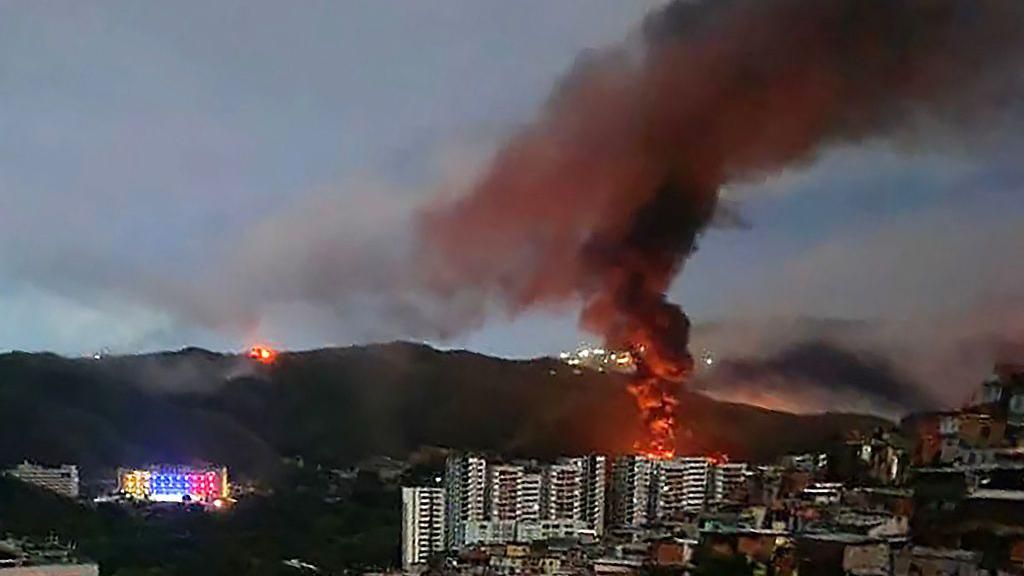
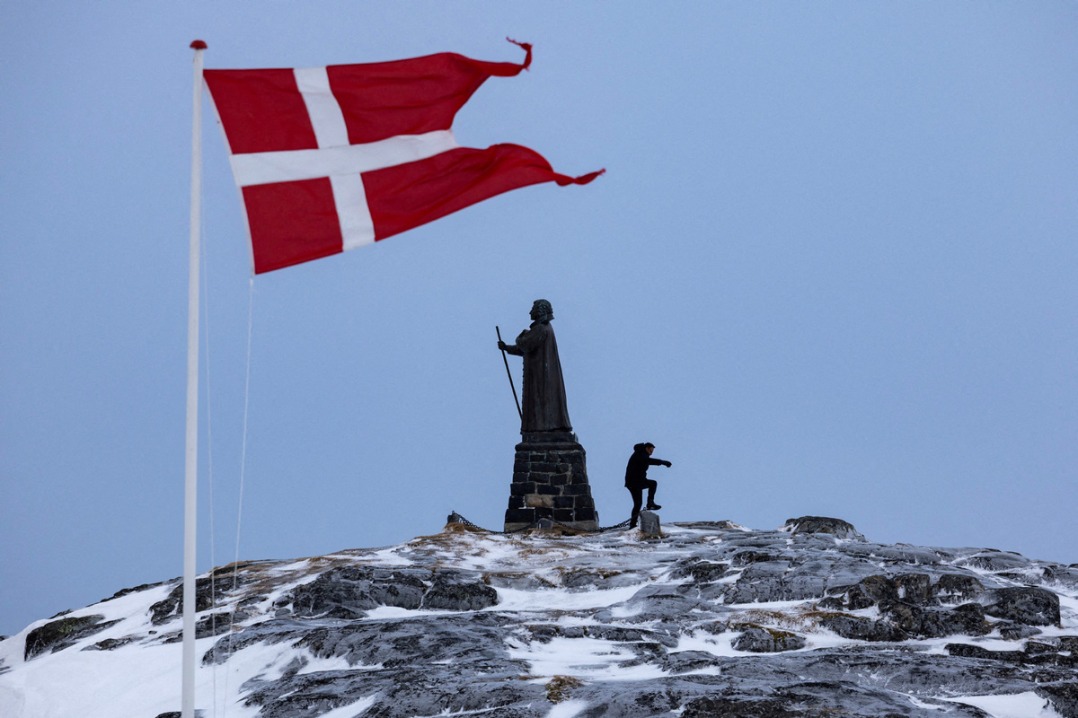
    President Donald Trump has reignited controversy by asserting the United States’ strategic need for Greenland’s territory for national defense purposes. The declaration came during a telephone interview with The Atlantic magazine on Sunday, shortly after U.S. forces conducted a military operation in Venezuela that resulted in the capture of President Nicolás Maduro.

    “We do need Greenland, absolutely,” Trump stated, connecting the Arctic territory’s strategic importance to broader national security concerns. When questioned about potential implications of the Venezuela intervention on Greenland’s status, Trump responded: “It was up to others to decide what the large-scale US strike against Venezuela means to Greenland. They are going to have to view it themselves.”

    The remarks prompted an immediate and forceful response from Danish leadership. Prime Minister Mette Frederiksen issued a direct rebuke, declaring that “the United States has no right to annex” any part of the Danish Realm, which includes Denmark, Greenland, and the Faroe Islands.

    “I have to say it very directly to the United States,” Frederiksen stated, urging Washington to cease making threats against a close ally and the Greenlandic people. This diplomatic tension marks the latest chapter in a recurring pattern of territorial interest expressed by the Trump administration throughout the previous year.

    The White House has consistently justified its Greenland aspirations by citing national security imperatives, Arctic strategy considerations, and the territory’s potential wealth of critical minerals and natural resources. Meanwhile, the international community continues to express profound alarm over the Venezuela operation, with multiple nations condemning what they characterize as blatant use of force against a sovereign state.
  • Lianjiang’s long road to renewal

    Lianjiang’s long road to renewal

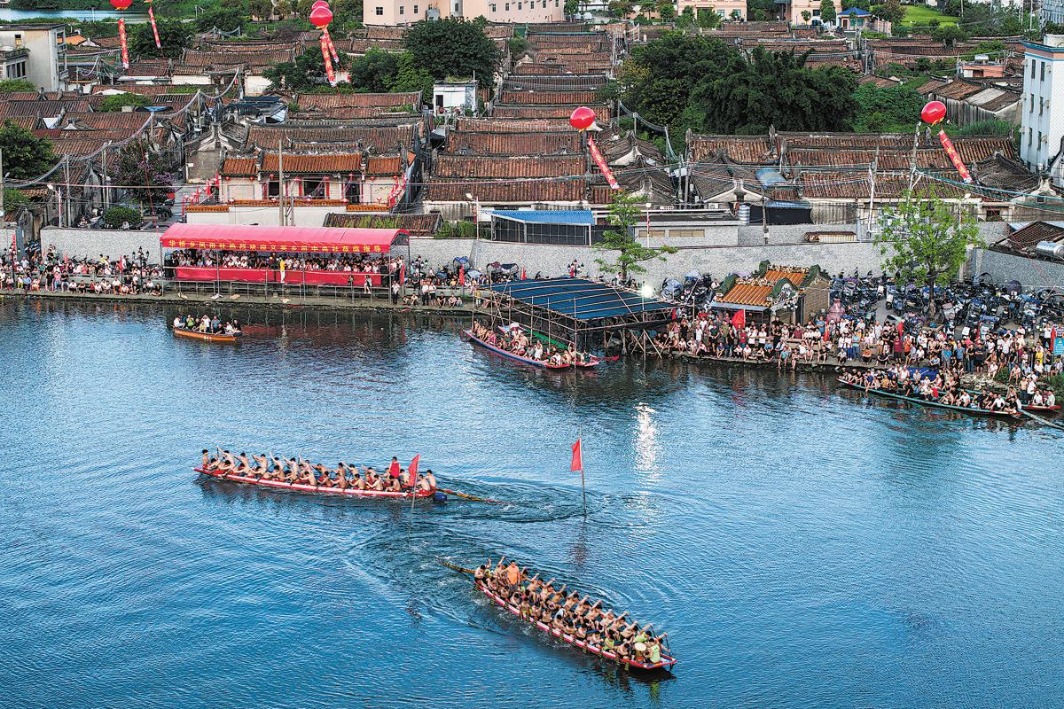
    The Lianjiang River, once celebrated for its crystalline waters that inspired its silk-like name, is experiencing a remarkable ecological renaissance after suffering severe degradation during China’s rapid industrialization period. Flowing 71.1 kilometers through Guangdong province from its origins in Puning to its terminus at Haimen Port in Shantou, this vital waterway supports approximately five million residents along its banks.

    During the late 20th century economic expansion, the river’s health dramatically declined as industrial contamination and population pressures turned its waters toxic. The ecological damage was so extensive that aquatic life virtually disappeared, earning the Lianjiang the unfortunate distinction of being among Guangdong’s most polluted rivers.

    Recent conservation efforts have sparked a noticeable recovery, with visual evidence captured in June showing children playing on inflatable rafts and swim rings while adults perform daily washing routines in one of the river’s tributaries. These scenes of community interaction with the reviving waterway signal a significant environmental turnaround.

    The rehabilitation of the Lianjiang represents part of China’s broader commitment to environmental protection and ecological restoration. As the country balances economic development with environmental sustainability, success stories like the Lianjiang’s transformation demonstrate the potential for reversing ecological damage through dedicated conservation policies and practices.

    The river’s improving condition not only enhances local quality of life but also serves as an indicator of changing priorities in regional development strategies, highlighting the increased emphasis on environmental protection in China’s modernization journey.

  • Venezuela’s acting president convenes first cabinet meeting since Maduro’s capture

    Venezuela’s acting president convenes first cabinet meeting since Maduro’s capture

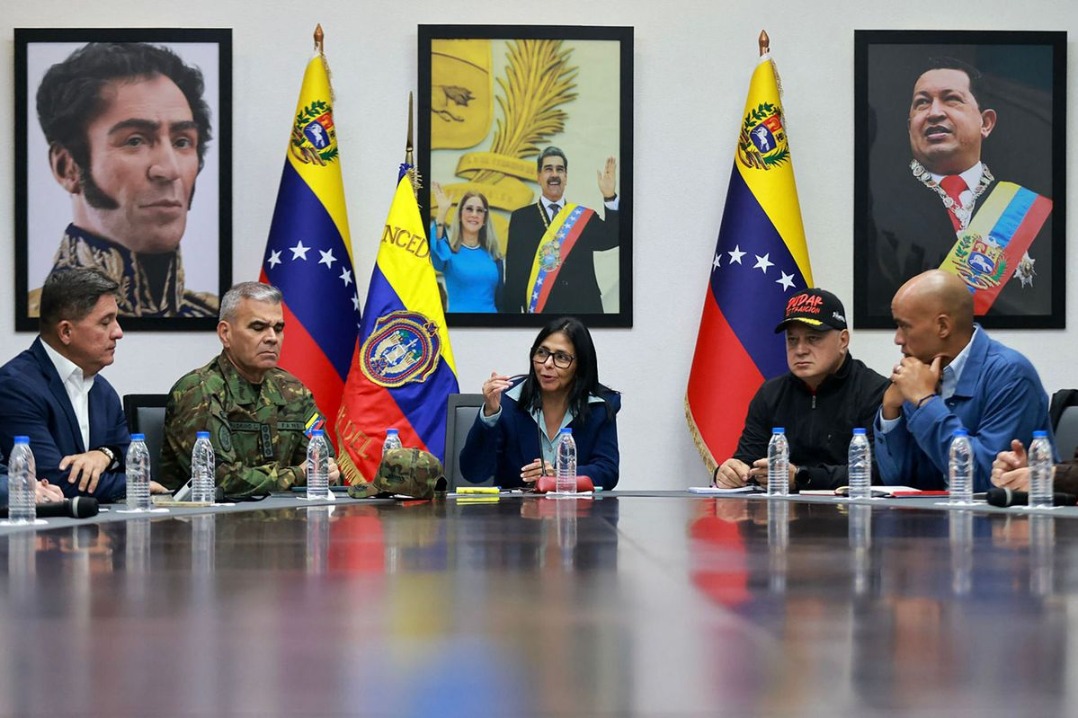
    Venezuela’s political landscape entered a critical phase as Acting President Delcy Rodriguez presided over an emergency cabinet assembly on Sunday, marking the first such gathering since the dramatic capture of President Nicolas Maduro by United States authorities. The high-stakes meeting, convened merely one day after the nation’s Supreme Tribunal formally mandated Rodriguez to assume interim presidential duties, represents a pivotal moment in Venezuela’s ongoing political crisis.

    Official state television broadcasts depicted Rodriguez flanked by key governmental figures including Defense Minister Vladimir Padrino Lopez and Interior Minister Diosdado Cabello during the council of ministers meeting at the Vice Presidency headquarters in Caracas. The visual symbolism of unity among Maduro’s closest allies served as a powerful message to both domestic and international observers.

    The administration characterized the emergency session as addressing “strategic lines framed in the ‘state of external commotion’”—a special decree previously enacted by the Venezuelan government to respond to extraordinary circumstances. This legal framework provides the interim government with expanded authority to navigate the complex geopolitical situation arising from Maduro’s detention.

    In a parallel development demonstrating the government’s coordinated response, Rodriguez announced the establishment of a specialized committee dedicated exclusively to securing Maduro’s release. This move signals Caracas’ intention to pursue diplomatic and legal channels to challenge what Venezuelan officials have characterized as an unlawful international intervention in their sovereign affairs.

    The convergence of military, judicial, and political leadership surrounding Rodriguez suggests a consolidation of power within Maduro’s political circle, aimed at projecting stability and continuity despite the unprecedented challenge to Venezuela’s leadership structure.

  • Alleged Bondi shooter Naveed Akram moved to Goulburn Supermax prison

    Alleged Bondi shooter Naveed Akram moved to Goulburn Supermax prison

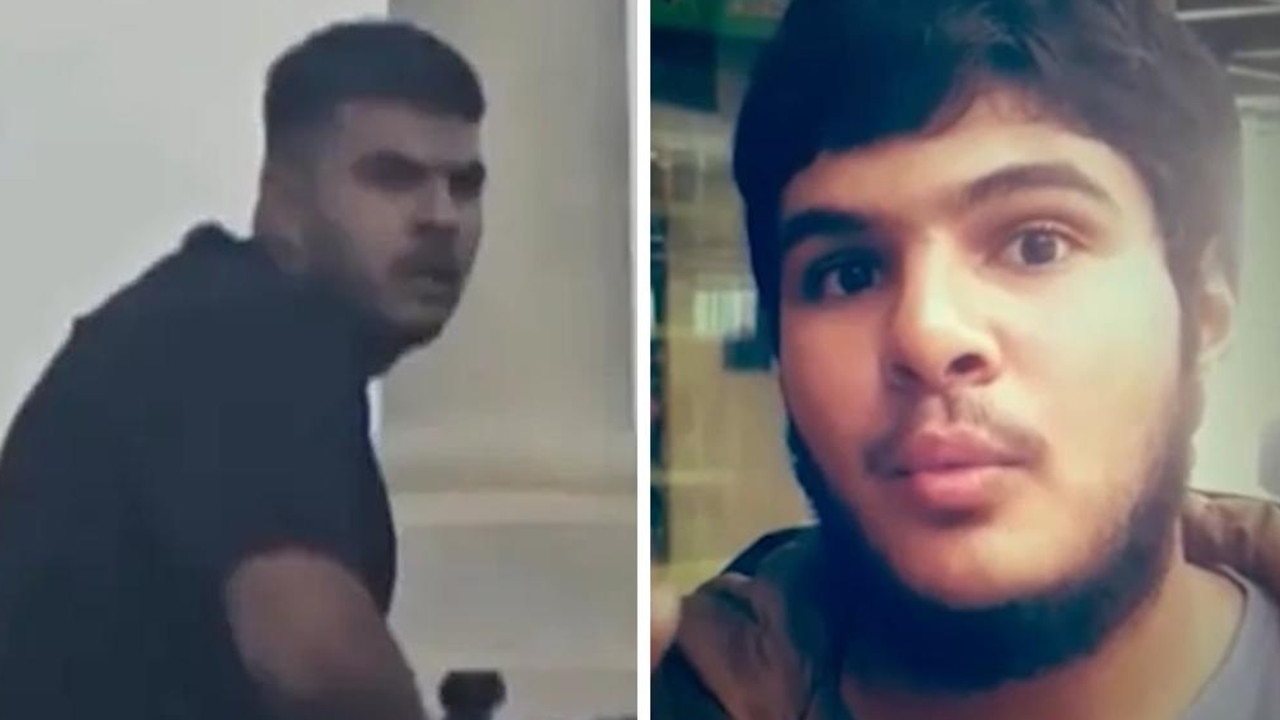
    Naveed Akram, the primary suspect in December’s Bondi Beach terrorist shooting, has been relocated to Goulburn Supermax, Australia’s most secure penitentiary facility. The 24-year-old was transferred Monday to the High Risk Management Correctional Centre approximately 190km southwest of Sydney, where he will remain in protective custody while facing extensive criminal charges.

    The alleged perpetrator stands accused of 59 offenses, including commission of a terrorist act, 15 counts of murder, and 40 counts of wounding with intent to murder. The charges stem from the December 14 attack targeting Jewish celebrants during Chanukah by the Sea festivities at Bondi Beach.

    Newly released court documents reveal chilling details of alleged preparation for the attack. CCTV evidence reportedly shows Akram and his father Sajid Akram conducting reconnaissance at the attack location two days prior to the shooting. Further evidence includes October 2025 footage allegedly depicting the pair conducting firearms training in a rural NSW location and appearing before an Islamic State flag while articulating ideological justifications for their planned actions.

    A NSW Government spokesman declined to confirm specific inmate movements but emphasized that “community safety remained the government’s top priority,” noting that the High Risk Management Correctional Center is specifically designed to accommodate inmates posing the highest security risks.

    The case has sparked broader scrutiny of firearm regulations in New South Wales. Retired Senior Constable Wayne Jackson, a former NSW Police Force veteran with three decades of service, has publicly criticized what he describes as systemic failures in the firearms registry system. Jackson contends the compliance-focused approach has created an “unchecked and effectively unlimited supply of firearms” into communities, with approximately 7,500 permits and 1,900 new license applications processed monthly without adequate enforcement capabilities.

    The transfer to Supermax places Akram alongside some of NSW’s most notorious criminals, including convicted murderers Ivan Milat and Malcolm Naden, as well as terrorist Bourhan Hraichie. Akram has not yet been required to enter formal pleas to the charges against him.

  • Bluefin tuna fetches record $3.2m at Tokyo auction

    Bluefin tuna fetches record $3.2m at Tokyo auction

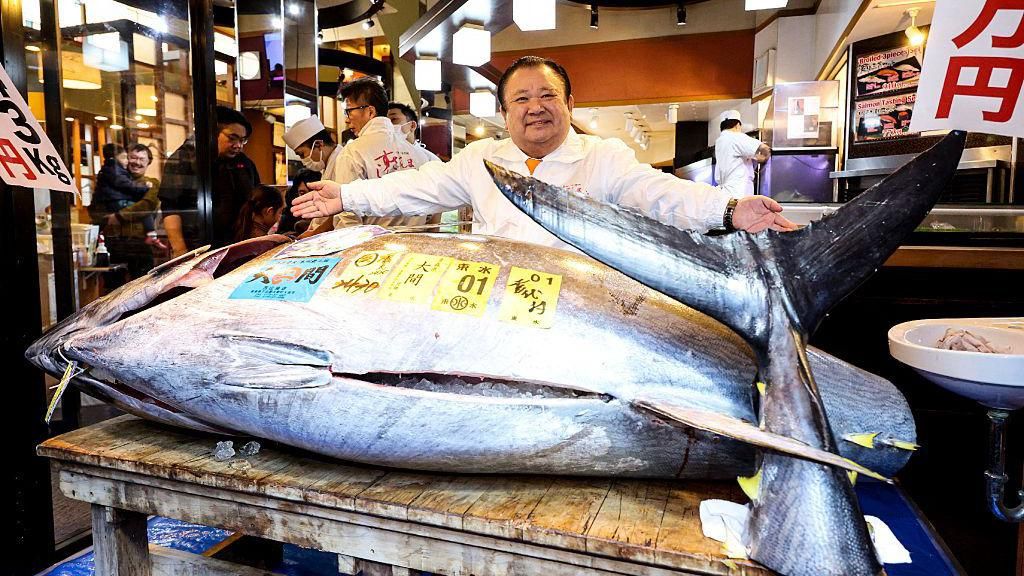
    Tokyo’s Toyosu fish market witnessed an extraordinary start to the new year as a massive 243kg bluefin tuna commanded a staggering 510.3 million yen ($3.2 million) during Monday’s inaugural auction, setting an unprecedented price record. The winning bid came from Kiyomura Corp, the parent company of renowned sushi restaurant chain Sushi Zanmai with both domestic and international locations.

    Kiyoshi Kimura, the corporation’s president and a perennial participant in these ceremonial auctions, secured the prized specimen through his aggressive bidding strategy. Known throughout the industry as the ‘Tuna King,’ Kimura has established a pattern of breaking his own records during these symbolic January events. Despite expressing surprise at the final price, telling reporters he had anticipated a more moderate outcome, the entrepreneur continued his tradition of premium acquisitions.

    This transaction surpasses Kimura’s previous benchmark of 333.6 million yen ($2.1 million) set in 2019, which itself broke his earlier records of 155 million yen in 2013 and 56.5 million yen in 2012. The auction commenced at approximately 05:00 local time, maintaining the tradition of pre-dawn bidding that has become a significant tourist attraction in Tokyo.

    Following the acquisition, the bluefin tuna was promptly transported to Kimura’s sushi establishments where master chefs prepared it for immediate consumption. Patrons expressed delight at participating in the auspicious tradition, with one customer telling reporters that consuming the year’s first premium tuna felt like an ideal way to commence the new year.

    The Toyosu market’s first auction consistently generates premium prices for bluefin tuna, with last year’s opening specimen fetching 207 million yen from competitor Onodera Group. These ceremonial purchases combine business strategy with cultural tradition, as restaurant chains leverage the publicity while honoring Japan’s deep-rooted seafood heritage.

  • Maduro is taken to a US courthouse for his first appearance on drug trafficking charges

    Maduro is taken to a US courthouse for his first appearance on drug trafficking charges

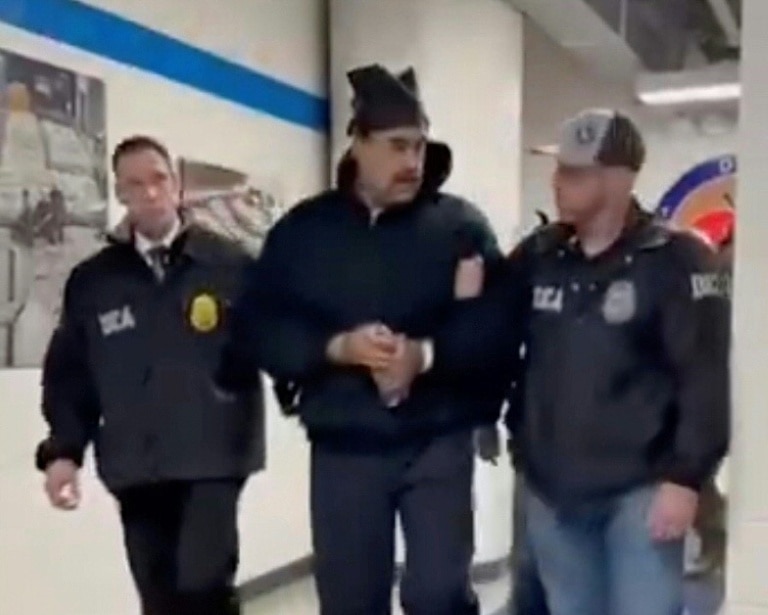
    In an unprecedented legal confrontation, deposed Venezuelan leader Nicolás Maduro and his wife Cilia Flores appeared Monday in a Manhattan federal courtroom to face narco-terrorism charges—marking the first time a former head of state has been brought to the United States under such circumstances since Panamanian strongman Manuel Noriega in 1990.

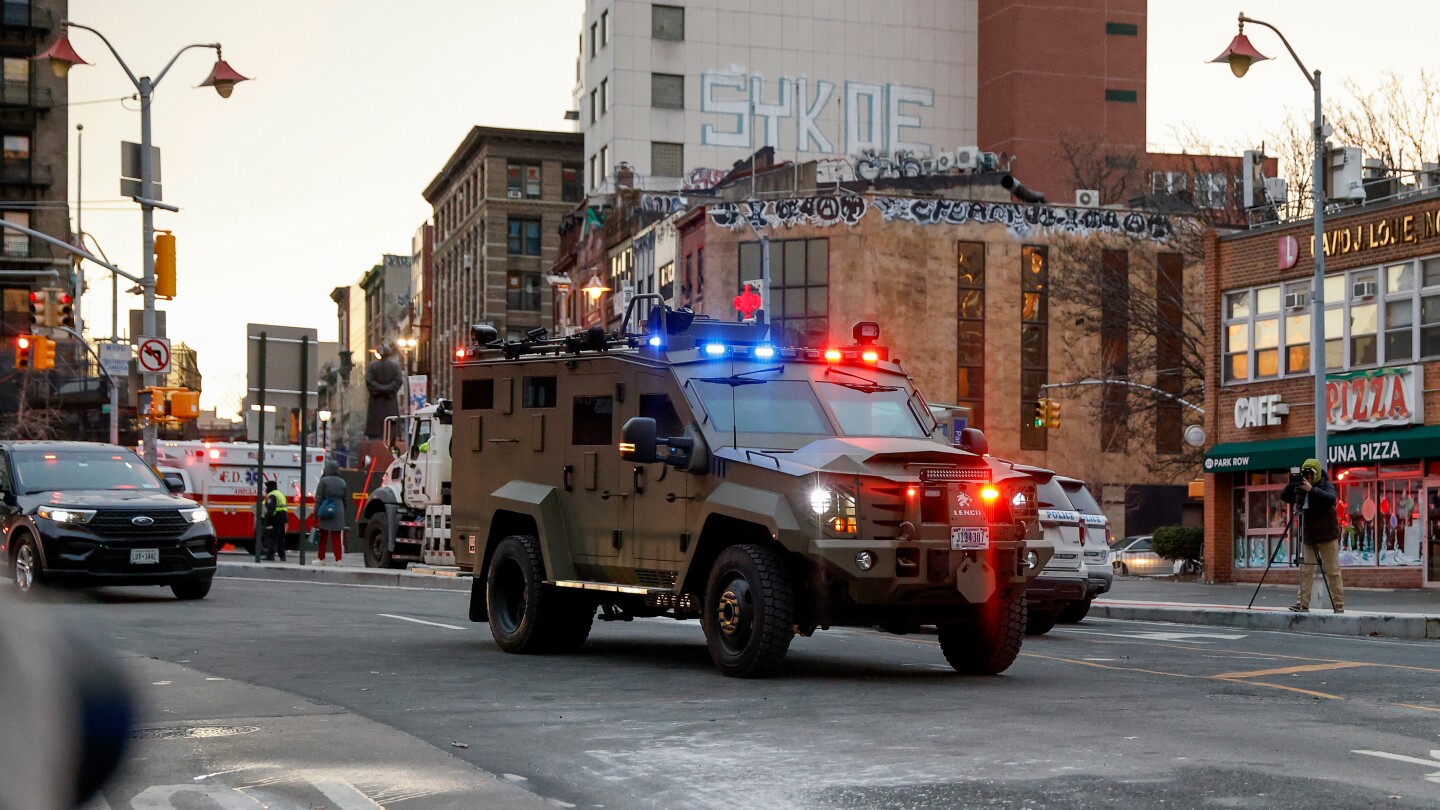
    The couple, transported under heavy armed guard from Brooklyn’s Metropolitan Detention Center, arrived via a meticulously coordinated operation involving motorcades and helicopter transfer across New York Harbor. Their appearance initiates what legal experts anticipate will be protracted proceedings challenging U.S. jurisdiction over a sovereign leader.

    Maduro’s defense team is expected to mount a vigorous challenge based on head-of-state immunity, despite the U.S. government’s position that his disputed 2024 reelection lacks legitimacy. The case presents complex diplomatic implications as Venezuela’s interim president Delcy Rodríguez has demanded Maduro’s return while simultaneously extending an olive branch for ‘respectful relations’ with the Trump administration.

    The 25-page indictment unsealed Saturday alleges Maduro and associates collaborated with drug cartels to facilitate thousands of tons of cocaine shipments into the United States, while further accusing the couple of ordering kidnappings, beatings, and murders related to drug debts. These charges carry potential life sentences if convicted.

    President Trump’s remarks aboard Air Force One signaled broader regional ambitions, notably threatening Colombian President Gustavo Petro over drug production and demanding ‘total access’ to Venezuela. The administration has clarified it will not govern Venezuela day-to-day but will enforce existing oil quarantine measures.

    Notably, an April U.S. intelligence assessment contradicted portions of the indictment, finding no coordination between the Venezuelan government and the Tren de Aragua criminal organization mentioned in the charges.

  • New Year holiday drives travel peak

    New Year holiday drives travel peak

    China’s tourism sector experienced a powerful resurgence during the three-day New Year holiday period commencing January 1st, 2026, marking the nation’s first significant travel peak of the year. Official data from the Ministry of Culture and Tourism revealed an impressive 142 million domestic tourist excursions generated approximately 84.8 billion yuan ($12.13 billion) in tourism revenue, signaling robust consumer confidence and pent-up travel demand.

    The extended holiday period—two days longer than previous years—provided ample opportunity for diverse travel experiences across the country. From the artistic enclaves of Beijing’s 798 Art District to winter wonderlands in northern counties, Chinese travelers demonstrated increasingly sophisticated preferences. Yan Lijie, a 23-year-old university student from Tianjin, exemplified this trend as she and her dorm mates celebrated New Year’s Eve amidst art exhibitions, fairs, and performances in the capital.

    Industry experts noted a remarkable diversification in tourism consumption patterns. Qi Chunguang, Vice-President of travel portal Tuniu, observed that ‘younger travelers show stronger preferences for concerts, music festivals, drone shows or fireworks displays to count down to the new year.’ This generational shift toward experiential tourism was reflected in booking data from platform Qunar, which reported hotel reservations tripling in destinations like Kaifeng, Henan province, driven by Chinese-style theme parks.

    The revival extended beyond major metropolitan areas, with travelers venturing to over 1,000 counties nationwide—from the tropical warmth of Nan’ao in Guangdong to the snowy landscapes of Antu in Jilin. International travel also witnessed substantial growth, with Chinese tourists favoring short-haul destinations including Seoul, Bangkok, and Hong Kong. Simultaneously, China attracted visitors from 97 cities worldwide, particularly from neighboring Vietnam, Singapore, and Malaysia, with significant increases from Saudi Arabia, Uzbekistan, and the United States.

    According to the National Immigration Administration, approximately 6.62 million cross-border movements were recorded during the holiday period, including 828,000 trips by foreign nationals—a striking 29.8% year-on-year increase, underscoring China’s reopening and growing appeal as a global tourism destination.

  • India’s top court denies bail to 2 Muslim activists after 5 years in jail without trial

    India’s top court denies bail to 2 Muslim activists after 5 years in jail without trial

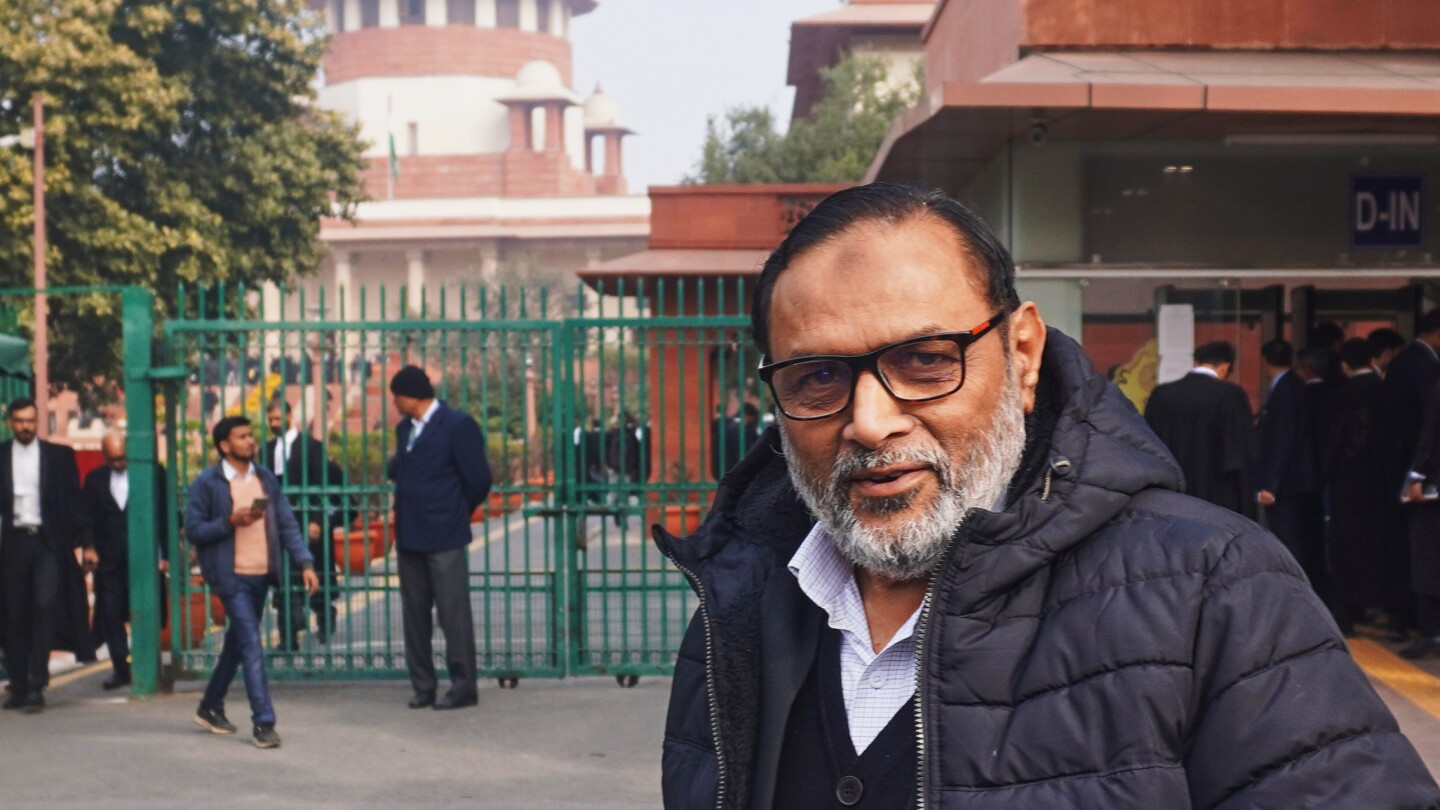
    India’s Supreme Court has upheld the continued detention of two prominent Muslim student activists, Umar Khalid and Sharjeel Imam, rejecting their bail applications in a controversial conspiracy case connected to the nation’s deadliest religious violence outbreak in decades. The justices determined that both individuals occupied a “qualitatively different footing” compared to other defendants in the same investigation, citing their alleged central involvement in orchestrating the February 2020 Delhi riots that resulted in 53 fatalities, predominantly within the Muslim community.

    The court acknowledged the significant delay in trial proceedings but maintained that this circumstance alone did not justify granting pretrial release. The violence erupted during extensive protests against the Citizenship Amendment Act of 2019, legislation widely criticized for its perceived discriminatory provisions against Muslims. Khalid and Imam emerged as leading voices in these demonstrations, which represented one of the most substantial challenges to Prime Minister Narendra Modi’s Hindu nationalist administration.

    Their continued incarceration under the Unlawful Activities (Prevention) Act—a stringent anti-terrorism statute increasingly deployed against government critics—has drawn international condemnation. Recent expressions of concern from eight U.S. lawmakers joined previous criticisms from human rights organizations alleging systematic suppression of dissent. Amnesty International characterized Khalid’s imprisonment as emblematic of justice system derailment and a broader pattern of repressing freedom of expression.

    Notably, the prosecution argued that the defendants deliberately engineered violence to damage India’s global reputation, while defense attorneys maintained the complete absence of credible evidence connecting their clients to the riots. This case occurs alongside numerous similar prosecutions of Muslim individuals following the Delhi violence, some of which have collapsed due to insufficient evidence.

  • Trump declares US ‘in charge’ of Venezuela and Maduro goes to court

    Trump declares US ‘in charge’ of Venezuela and Maduro goes to court

    In a dramatic escalation of geopolitical tensions, former President Donald Trump has declared the United States to be ‘in charge’ of Venezuela, following a military operation that resulted in the capture of the nation’s deposed leader, Nicolás Maduro. The 63-year-old leftist strongman, along with his wife, was apprehended in a surprise assault involving commandos, aerial bombardment, and significant naval deployment off Venezuela’s coast. He now faces narcotrafficking charges in a New York courtroom.

    The operation has triggered international outcry, prompting the UN Security Council to convene an emergency session at Venezuela’s request. Nations including China, Russia, and Iran condemned the action as a breach of international law, while some US allies expressed deep concern over the unilateral move. Chinese officials demanded Maduro’s immediate release, and Colombian President Gustavo Petro labeled the intervention an ‘assault on the sovereignty’ of Latin America, warning of potential humanitarian consequences.

    In a surprising diplomatic shift, Delcy Rodríguez, Maduro’s successor and interim leader, softened her initial defiant stance and extended an offer of cooperation to the Trump administration. This conciliatory gesture came mere hours after Trump issued a stark warning, threatening that she would face a ‘very big price, probably bigger than Maduro’ if she resisted US demands. Trump explicitly stated that Washington requires ‘total access’ to Venezuela’s vast oil reserves and other resources, framing it as essential for rebuilding the nation.

    The White House has clarified that its objective is not wholesale regime change but rather the installation of a compliant government, even if it includes former associates of Maduro. Secretary of State Marco Rubio emphasized that the US seeks a pragmatic assessment of the new leadership’s actions rather than an immediate return to democracy. This stance has left the Venezuelan opposition, which claims it was robbed of electoral victory, in a precarious position, with key figures stating that US intervention alone is insufficient without the release of political prisoners and recognition of their electoral win.

    Despite the withdrawal of ground forces, a formidable US naval presence, including an aircraft carrier, remains stationed near Venezuela. The Trump administration asserts that it maintains powerful economic leverage through an oil tanker blockade and has threatened further military action if necessary. The event has sparked domestic concern in the US, with Senate Democratic Leader Chuck Schumer noting that Americans were left ‘scratching their heads in wonderment and in fear’ over the administration’s strategy.

  • Thirty-two Cubans killed during US attack on Venezuela

    Thirty-two Cubans killed during US attack on Venezuela

    The Cuban government has confirmed the deaths of 32 nationals during a U.S. military operation targeting Venezuelan leader Nicolás Maduro’s compound in Caracas. According to official statements, the deceased were members of Cuba’s armed forces and intelligence agencies who had been providing security protection to Maduro and his wife at Venezuela’s request. The Cuban presidency described the fatalities as occurring ‘after fierce resistance’ during direct combat with American forces or resulting from aerial bombardments.

    While Venezuela has not released official casualty figures, unnamed sources cited by The New York Times suggest the death toll may reach 80 with numbers potentially rising. The operation, which resulted in Maduro’s capture on Saturday, has triggered two days of national mourning in Cuba and raised questions about potential U.S. actions against other adversarial nations.

    In response to developments, President Donald Trump indicated military action against Cuba would be unnecessary, stating the country appeared ‘ready to fall’ without intervention. Secretary of State Marco Rubio meanwhile characterized Cuba’s leadership as ‘incompetent, senile men’ and suggested government officials in Havana should be concerned.

    This incident occurs against the backdrop of tightened U.S. restrictions on Cuba, with Trump having signed a memorandum in July reversing earlier policies that eased pressure on the Caribbean nation. The current administration has maintained economic practices that specifically target Cuban government, military, and intelligence agencies while strengthening enforcement of travel restrictions for American citizens.

    The longstanding U.S. embargo on Cuba, initially imposed in 1962 and continuously maintained despite United Nations calls for its termination, continues to shape bilateral relations between the two nations.