博客

  • Unbearably long wait for justice leaves South African families in limbo

    Unbearably long wait for justice leaves South African families in limbo

    South Africa’s crumbling judicial system has created a national crisis of delayed justice, leaving thousands of victims’ families in emotional and financial limbo. The case of Jason Pretorius exemplifies this systemic failure—waiting over two years for his mother’s alleged killer to face trial while navigating a legal system with backlogs approaching 100,000 cases.

    Charlene Pretorius, a 43-year-old grandmother described by her son as “my best friend” and “someone kind and loving,” died in May 2023 after being set alight in her car in what authorities allege was gender-based violence. Despite the accused remaining in custody, the trial has been repeatedly postponed due to missing reports, incomplete investigations, judicial unavailability, and administrative failures.

    The scale of the crisis is staggering. Official reports indicate 37,000 pending cases, though justice department estimates suggest the actual number may approach 100,000. With only approximately 250 judges serving a population of 60 million—just four judges per million residents—South Africa’s judiciary operates at a fraction of the capacity of comparable nations. India maintains 15 judges per million, while European countries typically exceed 200.

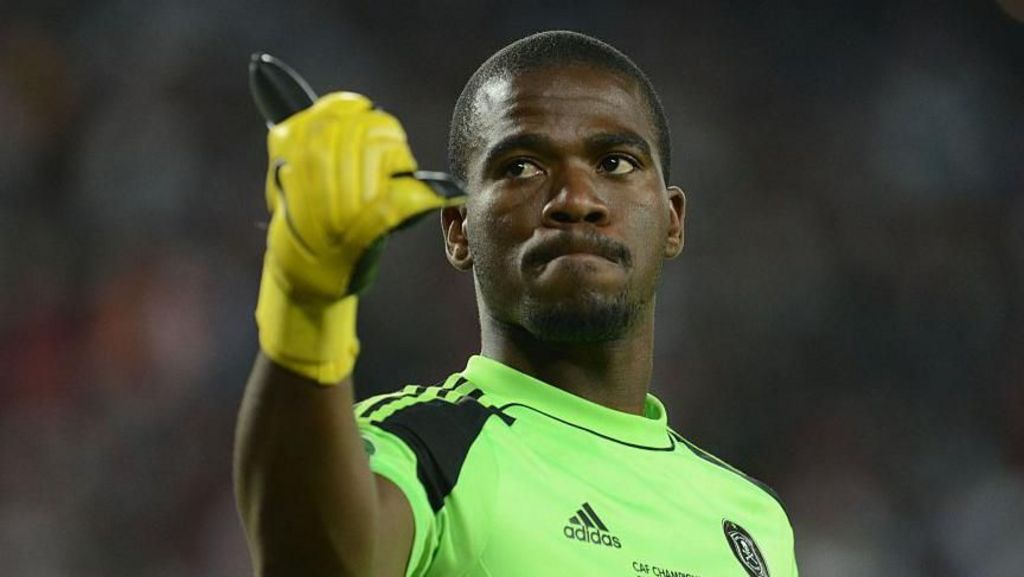
    This judicial collapse affects cases across the socioeconomic spectrum. The high-profile murder of national football captain Senzo Meyiwa in 2014 remains unresolved after a decade of botched investigations, changing legal teams, and allegations of police factionalism. Meanwhile, ordinary citizens like Jason Pretorius face dual burdens: emotional trauma compounded by financial strain as he now supports his wife, child, younger sister, and grandmother—responsibilities his mother previously shared.

    Government officials acknowledge the crisis. Lucky Mohalaba, head of court administration, admits “some matters could have been processed much quicker” and promises reforms including hiring additional magistrates and potentially extending court hours. However, advocacy groups like Action Society report that victims are losing faith in a system where delays create a “vicious cycle” in a nation with a 90% re-offender rate.

    As victims’ families await justice that may take years to arrive, the fundamental legal principle that “justice delayed is justice denied” becomes increasingly evident in a system struggling to maintain public confidence.

  • The ‘magical’ blue flower changing farmers’ fortunes in India

    The ‘magical’ blue flower changing farmers’ fortunes in India

    A quiet agricultural revolution is unfolding across rural India as the vibrant blue butterfly pea flower transforms from a common wild vine into a valuable commercial commodity. This botanical species, scientifically known as Clitoria ternatea and locally called aparajita, has become the foundation of an emerging natural dye industry that empowers farmers and entrepreneurs alike.

    In the northeastern state of Assam, Nilam Brahma represents this transformation. What began as casual flower harvesting has evolved into a formal enterprise. ‘My initial earnings of $50 from dried flowers delivered an electric shock of possibility,’ Brahma recounts. Her subsequent investment in solar drying technology enabled quality preservation and business expansion, demonstrating how traditional knowledge can merge with modern agricultural practices.

    This botanical renaissance responds to growing international demand for natural colorants. Varshika Reddy, founder of THS Impex export company, observes: ‘The global appetite for natural ingredients is exploding, driven by regulatory shifts and consumer preferences.’ The 2021 FDA approval of butterfly pea as a food additive in the United States created significant market opportunity, though European authorities maintain caution regarding its novel food status.

    Despite regulatory variations, Indian entrepreneurs recognize the flower’s potential. Nitesh Singh, founder of Blue Tea near Delhi, describes his seven-year journey developing supply chains: ‘Initially, we imported superior varieties because domestic flowers lacked sufficient pigment retention.’ Through persistent farmer education and quality control implementation, Singh now collaborates with 600 growers nationwide.

    The production process reveals why this crop particularly benefits rural women. Singh explains: ‘Women possess naturally softer hands and intuitive understanding of delicate harvesting techniques.’ Their dominance in flower plucking creates meaningful employment opportunities in agricultural communities.

    Post-harvest handling requires precise temperature control during drying. ‘One error destroys both medicinal properties and color value,’ Singh emphasizes. The technical complexity necessitates close collaboration between farmers and processing experts.

    Emerging research suggests potential health benefits that could further boost market prospects. Dr. V Supriya of Sri Ramachandra Institute reports promising findings: ‘Our preliminary study on pre-diabetic subjects showed improved sugar control with butterfly pea consumption.’ While acknowledging need for more comprehensive human trials, researchers note the flower’s rich antioxidant properties.

    West Bengal farmer Pushpal Biswas exemplifies the crop’s transformative impact: ‘From struggling with traditional crops, I’ve expanded my land holdings through butterfly pea cultivation.’ His production increased 60% using scientific methods, creating ripple effects through local economies. ‘This has evolved beyond farming into a community business network,’ Biswas concludes.

    The butterfly pea’s journey from backyard ornamental to commercial commodity demonstrates how global trends in natural products can create sustainable livelihoods while preserving agricultural heritage.

  • NSW Police Commissioner Mal Lanyon to decide on extension of Sydney protest ban

    NSW Police Commissioner Mal Lanyon to decide on extension of Sydney protest ban

    New South Wales Police Commissioner Mal Lanyon is poised to make a pivotal determination regarding the potential extension of Sydney’s controversial protest ban, initially implemented following Christmas Eve legislative changes enacted after the Bondi terror incident. The decision, expected Tuesday, could prolong restrictive measures well into the new year.

    The current regulations, granting unprecedented authority to law enforcement, emerged from marathon parliamentary debates that established a 14-day prohibition on all public assemblies following declared terrorist events. This framework permits Commissioner Lanyon to maintain restrictions for up to three months, with provisions denying all police authorization requests during the initial fortnight.

    Notably, the legislation expands police capabilities to remove facial coverings from individuals suspected of committing offenses at public gatherings—a power previously reserved for more serious categories of criminal activity.

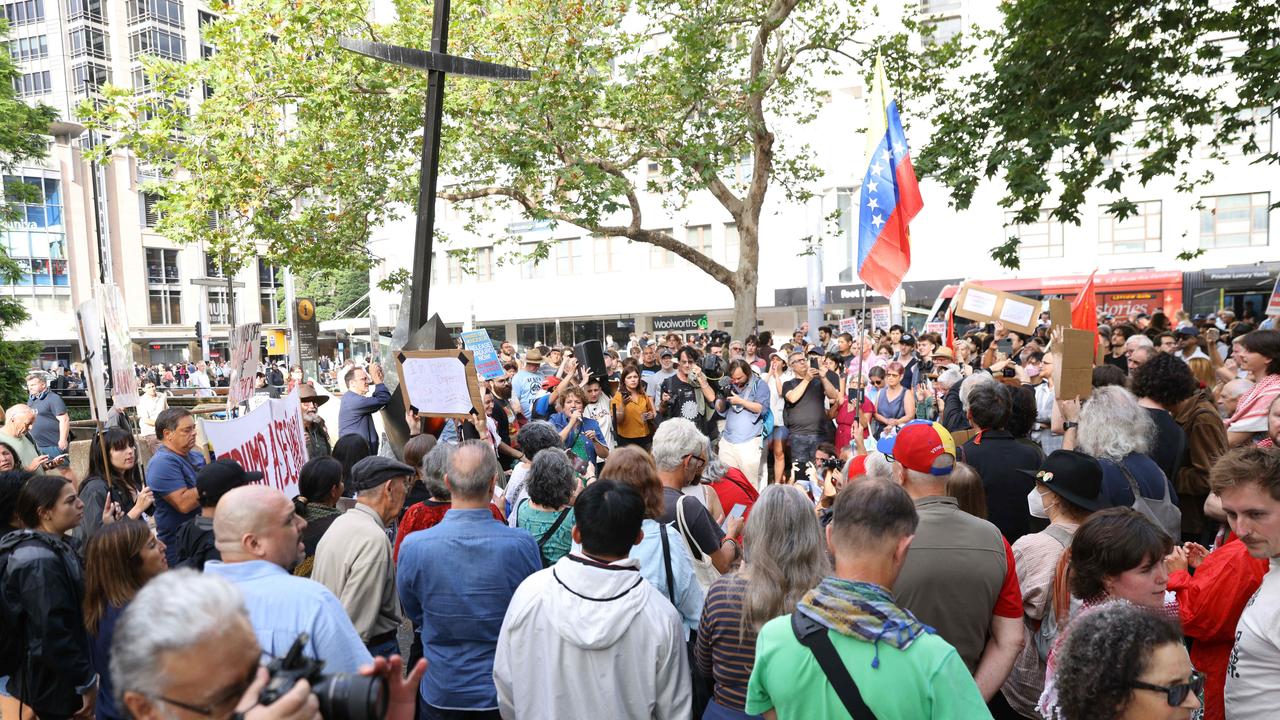
    The urgency of Commissioner Lanyon’s decision intensified after approximately 250 demonstrators defied the ban on Sunday, assembling at Sydney’s Town Hall to protest American military actions against Venezuela. Participants displayed placards bearing anti-imperialist messages and modified American flags featuring skull imagery. Counter-protesters numbered around forty according to police accounts.

    Law enforcement arrested three individuals during the unauthorized gathering: two men aged 26 and 34 for breach of peace, and a 53-year-old woman allegedly wearing offensive attire. All were released without formal charges following the demonstration’s conclusion.

    Commissioner Lanyon previously justified the restrictions by emphasizing their role in preventing community fear and divisiveness, asserting that “NSW Police is committed to exercising these new powers responsibly and transparently.”

    However, civil liberties organizations have mounted significant opposition. NSW Council for Civil Liberties president Timothy Roberts condemned the powers as “extremely anti-democratic,” while the Palestine Action Group criticized the measures as undermining fundamental democratic rights. Advocacy groups argue the regulations disproportionately suppress legitimate dissent across various social movements, extending beyond their original counter-terrorism purpose.

  • India reported bird flu outbreaks on farms in Kerala state

    India reported bird flu outbreaks on farms in Kerala state

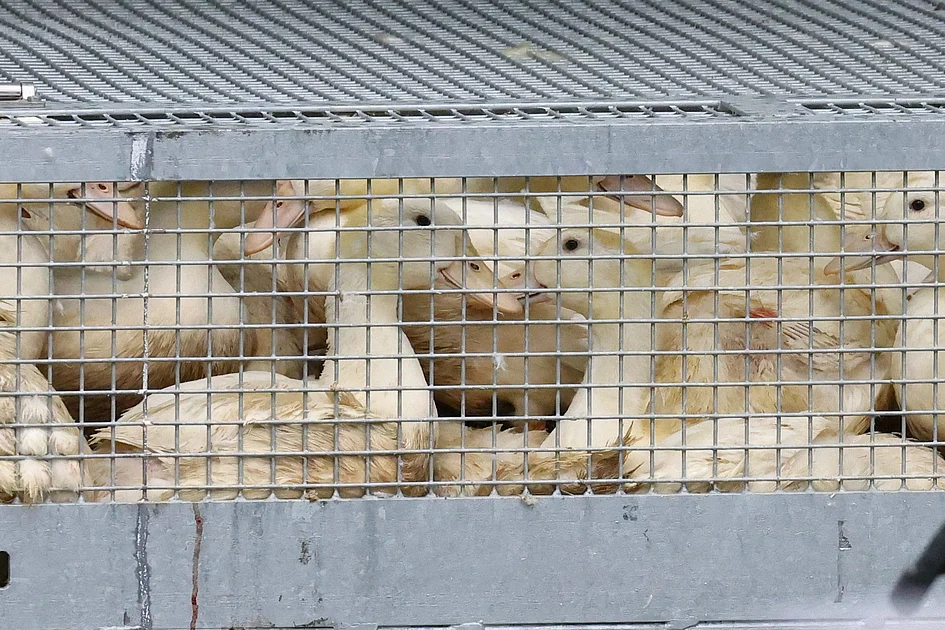
    Indian veterinary authorities have confirmed eleven distinct outbreaks of highly pathogenic H5N1 avian influenza across poultry farms in the southern state of Kerala, according to an official report submitted to the World Organisation for Animal Health (WOAH) on Monday. The Paris-based intergovernmental body disclosed that the virus has resulted in the sudden mortality of approximately 54,100 birds, predominantly ducks.

    The outbreaks, first detected on December 9th and formally confirmed through laboratory testing on December 22nd, mark the first recurrence of the virus within India’s domestic poultry sector since May of last year. In a decisive containment effort, an additional 30,289 birds were culled to prevent further viral spread. This resurgence has reignited global concerns within the agriculture and public health sectors, given the virus’s devastating impact on poultry supplies worldwide in recent years, which has contributed to market disruptions and elevated food prices.

    The recurrence of H5N1 underscores the persistent threat of zoonotic diseases and the critical need for vigilant surveillance. While primarily affecting avian populations, the virus’s potential for transmission to humans continues to be a significant point of concern for epidemiologists. The Indian government’s immediate reporting to WOAH reflects adherence to international health protocols aimed at tracking and mitigating such transboundary animal diseases.

  • After Venezuela, Trump threatens action in 5 more countries over 3 days

    After Venezuela, Trump threatens action in 5 more countries over 3 days

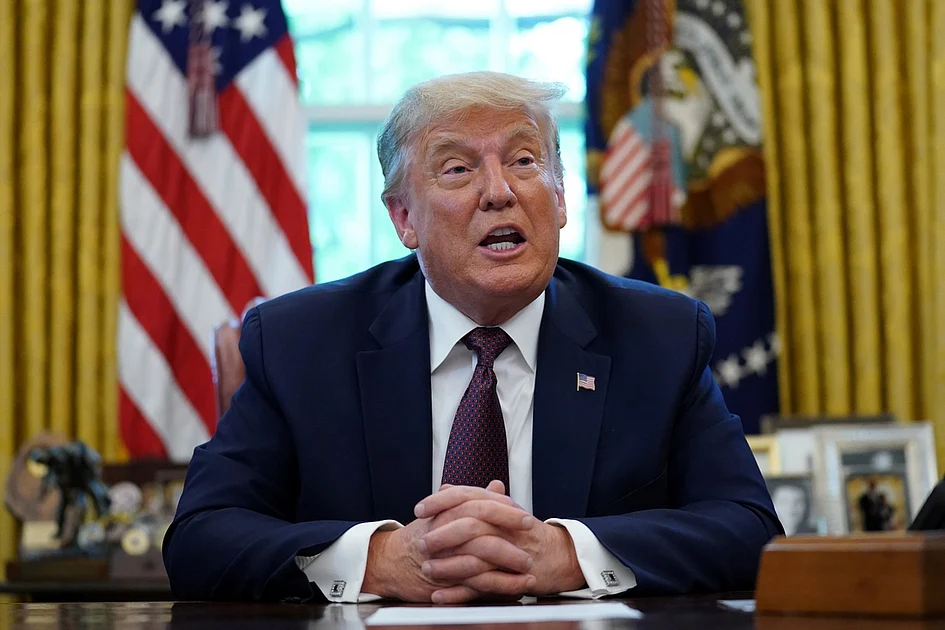
    In a dramatic escalation of foreign policy maneuvers, the Trump administration has initiated a series of confrontational actions against multiple sovereign states within a remarkably condensed timeframe. The opening salvo occurred with a military incursion into Venezuela, resulting in the capture of President Nicolas Maduro and his subsequent extradition to the United States to confront narcotics trafficking allegations. President Trump subsequently declared American oversight of Venezuelan oil reserves pending political transition.

    This unprecedented intervention has catalyzed a rapid succession of diplomatic threats against five additional nations over seventy-two hours. Mexico received stern warnings regarding cartel operations, with Trump insisting the nation ‘get its act together’ to stem drug trafficking. Colombia faced explicit threats of military action, characterized by Trump as a necessary response to governmental complicity in cocaine production.

    The administration reignited territorial aspirations regarding Greenland, with Trump asserting strategic necessity despite Danish objections. Simultaneously, Iran received ultimatums regarding its internal civil unrest, with Trump declaring readiness to ‘hit very hard’ should protests be suppressed. Cuba was conversely described as a ‘failing nation’ potentially requiring American intervention, though Trump suggested regime collapse might occur organically.

    These developments have triggered vehement international condemnation, with multiple nations decrying violations of sovereignty and international law. The rapid succession of threats suggests a coordinated strategy of hemispheric and global power projection that has fundamentally altered diplomatic norms and heightened geopolitical tensions worldwide.

  • A prediction market user made $436,000 from bets on Maduro’s downfall

    A prediction market user made $436,000 from bets on Maduro’s downfall

    A cryptocurrency-based prediction market has become the center of an alleged insider trading investigation after an anonymous bettor profited nearly half a million dollars from Venezuela’s political upheaval. The suspicious activity occurred on Polymarket, where wagers on President Nicolás Maduro’s removal surged hours before Donald Trump’s official announcement regarding the Venezuelan leader’s capture.

    Market data reveals dramatic odds fluctuations in the critical hours preceding Trump’s Truth Social post. On January 2nd, traders placed mere 6.5% probability on Maduro’s exit by month’s end. However, these odds jumped to 11% by midnight and experienced a significant surge in the early hours of January 3rd—immediately before Trump’s revelation that Maduro was in U.S. custody.

    One particularly fortunate account, created just last month with exclusive focus on Venezuelan political outcomes, transformed a $32,537 wager into $436,000 profits. The account’s blockchain identifier, consisting of anonymous letters and numbers, has concealed the bettor’s identity despite the substantial gains.

    Financial reform advocacy group Better Markets has characterized the transaction as exhibiting ‘all the hallmarks of a trade based on inside information.’ Several other Polymarket users also generated tens of thousands in profits from wagers on Maduro’s capture, amplifying concerns about information integrity.

    In response to these developments, Congressman Ritchie Torres (D-NY) introduced legislation seeking to prohibit government employees from trading on prediction markets when possessing material nonpublic information. The bill specifically targets those who may reasonably obtain such privileged information through official channels.

    The prediction market industry, which handled hundreds of millions in wagers during the 2024 presidential election, operates in a regulatory gray area. While traditional stock markets enforce strict insider trading prohibitions, prediction markets like Polymarket and competitor Kalshi face less stringent oversight despite company policies against insider trading. The industry has experienced fluctuating regulatory reception, facing scrutiny during the Biden administration while receiving warmer acceptance during Trump’s presidency, notably with Donald Trump Jr. serving in advisory roles at both major prediction market platforms.

  • Egypt says it has ‘identical’ positions with Saudi Arabia on Yemen and Sudan

    Egypt says it has ‘identical’ positions with Saudi Arabia on Yemen and Sudan

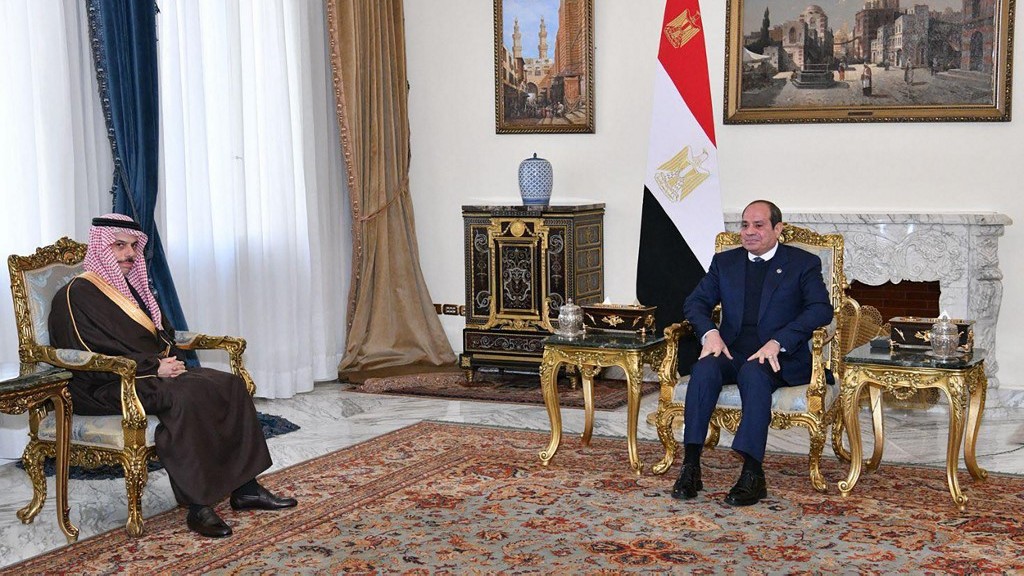
    Cairo and Riyadh have declared a unified diplomatic stance on several critical regional issues following high-level talks between Egyptian President Abdel Fattah el-Sisi and Saudi Foreign Minister Prince Faisal bin Farhan al-Saud. The Monday meeting in Cairo revealed identical positions regarding conflict resolution in Yemen, Sudan, and the contentious status of Somaliland.

    The leaders emphasized their joint commitment to peaceful resolutions for regional crises, specifically highlighting Yemen, Sudan, Gaza, and the recently recognized breakaway state of Somaliland. Both nations affirmed their dedication to preserving ‘the unity, sovereignty and territorial integrity of states’—a statement that carries significant weight given current regional dynamics.

    This demonstration of solidarity emerges against a backdrop of escalating tensions between Saudi Arabia and the United Arab Emirates, who maintain opposing positions on several regional conflicts. The UAE has notably supported secessionist movements in Sudan, Yemen, and Somaliland—a direct contrast to the Saudi-Egyptian position favoring territorial integrity.

    Somaliland, which declared independence from Somalia in 1991 but remains unrecognized by UN permanent members, recently gained recognition from Israel. The UAE, long considered Somaliland’s key international advocate, responded tepidly to Israel’s recognition while reportedly beginning to accept travel documents from the breakaway state.

    The Saudi-Egyptian alignment appears particularly significant in Yemen, where Riyadh supports the internationally recognized government while the UAE backs the Southern Transitional Council secessionist group. Recent clashes saw Saudi-backed forces reclaim territory from STC fighters, including the strategic city of Mukalla in Hadhramaut province.

    President el-Sisi endorsed Saudi Arabia’s proposal to host an inclusive conference for southern Yemeni groups, while Egyptian Foreign Minister Badr Abdelatty called for de-escalation and Yemeni-led political settlements. This coordinated diplomatic approach suggests a reshaping of regional alliances and conflict resolution strategies.

  • Canada’s Chrystia Freeland to quit as MP and become adviser to Zelensky

    Canada’s Chrystia Freeland to quit as MP and become adviser to Zelensky

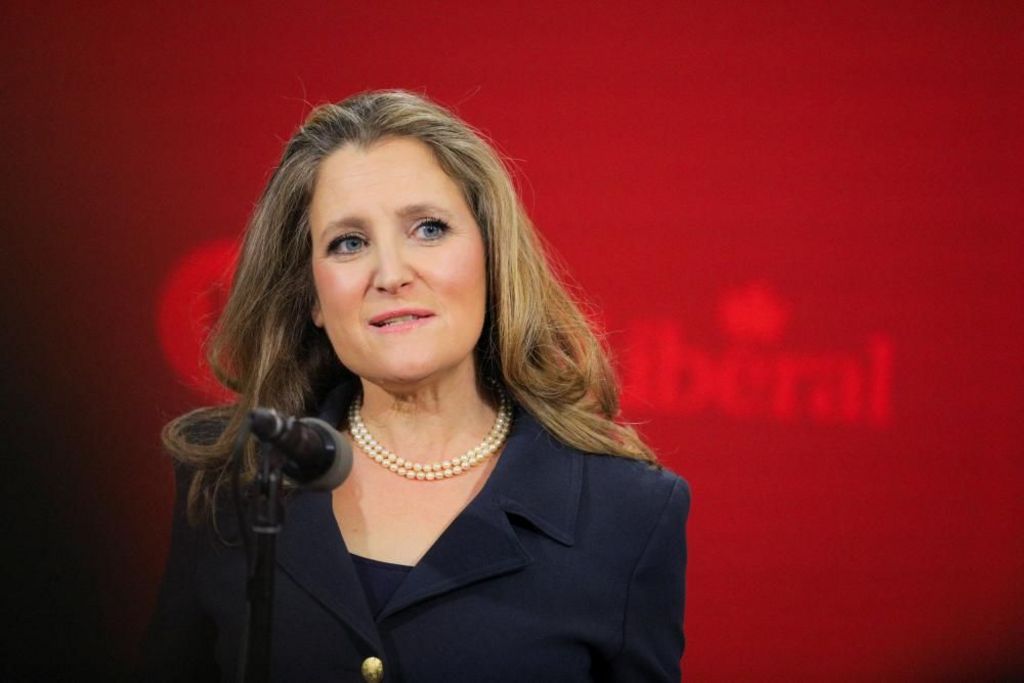
    In a significant political transition, Canada’s former Deputy Prime Minister Chrystia Freeland has announced her departure from parliament to assume an advisory position with Ukrainian President Volodymyr Zelensky’s administration. The high-profile move, confirmed through simultaneous social media announcements from both parties on Monday, marks a notable shift in Freeland’s distinguished political career.

    Freeland will serve as an unpaid economic development adviser to Ukraine while maintaining her Ukrainian heritage and longstanding support for Kyiv throughout its conflict with Russia. Her appointment has already sparked controversy among Canadian opposition lawmakers, with Conservative foreign affairs critic Michael Chong asserting that “one cannot be a Canadian MP and an adviser to a foreign government.”

    The career transition follows Freeland’s public break with former Prime Minister Justin Trudeau in late 2024, when she resigned from cabinet citing disagreements over handling potential U.S. tariffs. Her distinguished tenure included groundbreaking roles as Canada’s first female finance minister, where she managed the country’s pandemic financial response, and key positions overseeing foreign affairs and international trade.

    Additionally, Freeland will assume leadership of the prestigious Rhodes Trust educational charity in the United Kingdom this July. Her departure from Canadian politics includes relinquishing both her parliamentary seat for Toronto’s University-Rosedale riding and her position as Canada’s special representative for Ukrainian reconstruction.

    Zelensky praised Freeland’s “extensive experience in attracting investment and implementing economic transformations” in his announcement. The appointment comes as Ukraine continues its defense against Russian aggression and as the USMCA trade agreement—which Freeland helped renegotiate during the Trump administration—faces another round of negotiations this year.

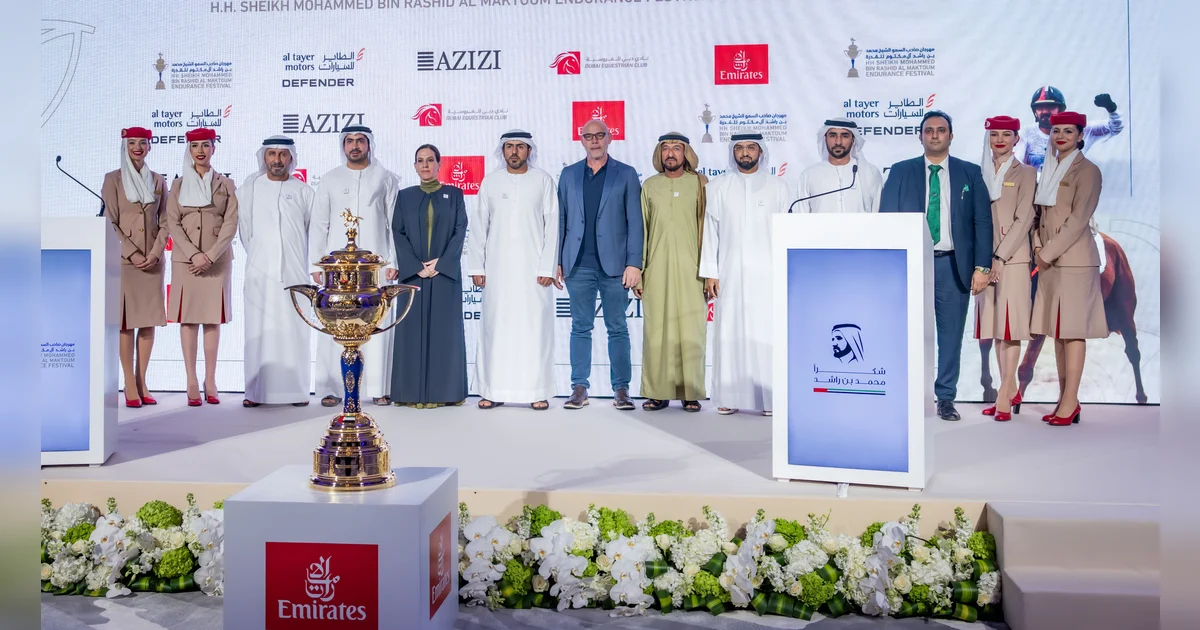
  • World’s elite unite in Dubai for HH Sheikh Mohammed bin Rashid Endurance Festival

    World’s elite unite in Dubai for HH Sheikh Mohammed bin Rashid Endurance Festival

    Dubai International Endurance City prepares to showcase the pinnacle of equestrian endurance competition as the 19th edition of the HH Sheikh Mohammed bin Rashid Al Maktoum Endurance Festival commences its five-day spectacle. From January 6-10, the world’s finest riders and horses will converge on Seih Al Salam to demonstrate extraordinary stamina, strategic brilliance, and exceptional horsemanship in what is widely recognized as the sport’s most prestigious global gathering.

    The festival honors His Highness Sheikh Mohammed bin Rashid Al Maktoum, UAE Vice President, Prime Minister, Ruler of Dubai, and former World Endurance Champion, whose vision has shaped the event’s evolution over nearly two decades. What began as a test of raw speed has transformed into a sophisticated discipline emphasizing selective breeding, scientific preparation, and unparalleled horse welfare standards.

    Organized by Dubai Equestrian Club, the competition features four distinct rides: Tuesday’s 120km Ladies Ride, followed by the Private Stables Ride, the Gamilati Endurance Cup for Mares, and culminating in Saturday’s grueling 160km HH Sheikh Mohammed bin Rashid Al Maktoum Endurance Cup—the ultimate examination of equine-athlete partnership.

    Ahmed Rashed Mohammed Al Kaabi, General Manager of Dubai Equestrian Club, confirmed complete preparations at the state-of-the-art facility, emphasizing that “while providing a highly competitive environment, the well-being of both horse and rider remains paramount.”

    All attention focuses on defending champion Saif Al Mazrouei, who seeks to replicate his extraordinary double victory from last year’s event. The Emirati horseman, representing MRM Stables, faces formidable competition from an international field and rising local star Rashid Mohammed Al Muhairi, the reigning FEI World Champion for Young Riders and Juniors.

    Al Muhairi, making his senior debut in the feature race, described the event as representing “more than a race—it is a dream rooted in inspiration” bearing the name of his greatest idol. As endurance riding continues to elevate global standards, Dubai’s festival remains the gold standard for excellence in this demanding equestrian discipline.

  • UAE: New platform launched to celebrate newborns, connect families in the country

    UAE: New platform launched to celebrate newborns, connect families in the country

    A groundbreaking digital initiative named UAE BORN has emerged in the United Arab Emirates, creating a dedicated space for families to celebrate newborn arrivals and strengthen communal ties. Founded by Yasser bin Mohammed, a communications specialist with extensive media experience, this voluntary project represents a innovative approach to fostering social cohesion through life’s happiest moments.

    The platform’s operational model invites all UAE citizens and residents with newborns to submit their child’s information for publication. Once shared, community members can extend congratulations and participate in spreading the joyful news throughout the nation. The service launched officially in 2026 as part of broader family-oriented initiatives gaining traction across the Emirates.

    Inspiration for UAE BORN originated from traditional Emirati customs surrounding life’s final chapter. Yasser noted the existing ‘Janaza Al Emirate’ practice, where communities share information about those who have passed away to facilitate condolences and funeral participation. ‘We have this beautiful tradition where we come together during difficult times,’ Yasser explained. ‘I thought, why not create something similar to celebrate life instead?’

    Beyond newborn announcements, the platform features a distinctive section highlighting notable figures born in the UAE, including media personalities, scientists, and creative professionals. This historical recognition component aims to connect citizens with their shared heritage and celebrate national accomplishments.

    Future development plans envision UAE BORN evolving into a comprehensive family resource portal. The platform aims to expand with educational content covering child-rearing practices, parental care guidance, and community support systems. Yasser expressed aspirations to create a reference point for various life stages, from marriage preparation to childbirth and beyond, ultimately bringing community members together through shared experiences and mutual support.