博客

  • Xizang’s highway network grows to 125,200 kilometers

    Xizang’s highway network grows to 125,200 kilometers

    The Xizang Autonomous Region has achieved a significant breakthrough in transportation infrastructure, with its total operational highway network expanding to 125,200 kilometers by the conclusion of 2025. This development marks a substantial advancement in the region’s ongoing efforts to establish a modernized transportation system.

    According to official data released by the regional transport authority, the past year witnessed the implementation of 167 rural road construction initiatives. These projects have successfully provided paved road access to 14 additional towns and 231 administrative villages, resulting in remarkable accessibility rates of 100% for towns and 92.48% for villages throughout the region.

    The infrastructure enhancement program extended beyond basic road construction to encompass critical safety improvements and public transportation expansion. Authorities renovated more than 170 deteriorated rural bridges while simultaneously extending bus services to 28 additional villages. These coordinated efforts have established comprehensive bus connectivity across 623 towns and 3,902 administrative villages.

    Throughout 2025, the region constructed or upgraded an impressive 6,595 kilometers of rural roads, bringing the cumulative rural road network to 94,400 kilometers. This extensive infrastructure development represents a transformative achievement in connecting previously isolated communities and facilitating economic growth throughout the autonomous region.
  • Snow and ice wreak havoc across Europe, causing deadly accidents and travel chaos

    Snow and ice wreak havoc across Europe, causing deadly accidents and travel chaos

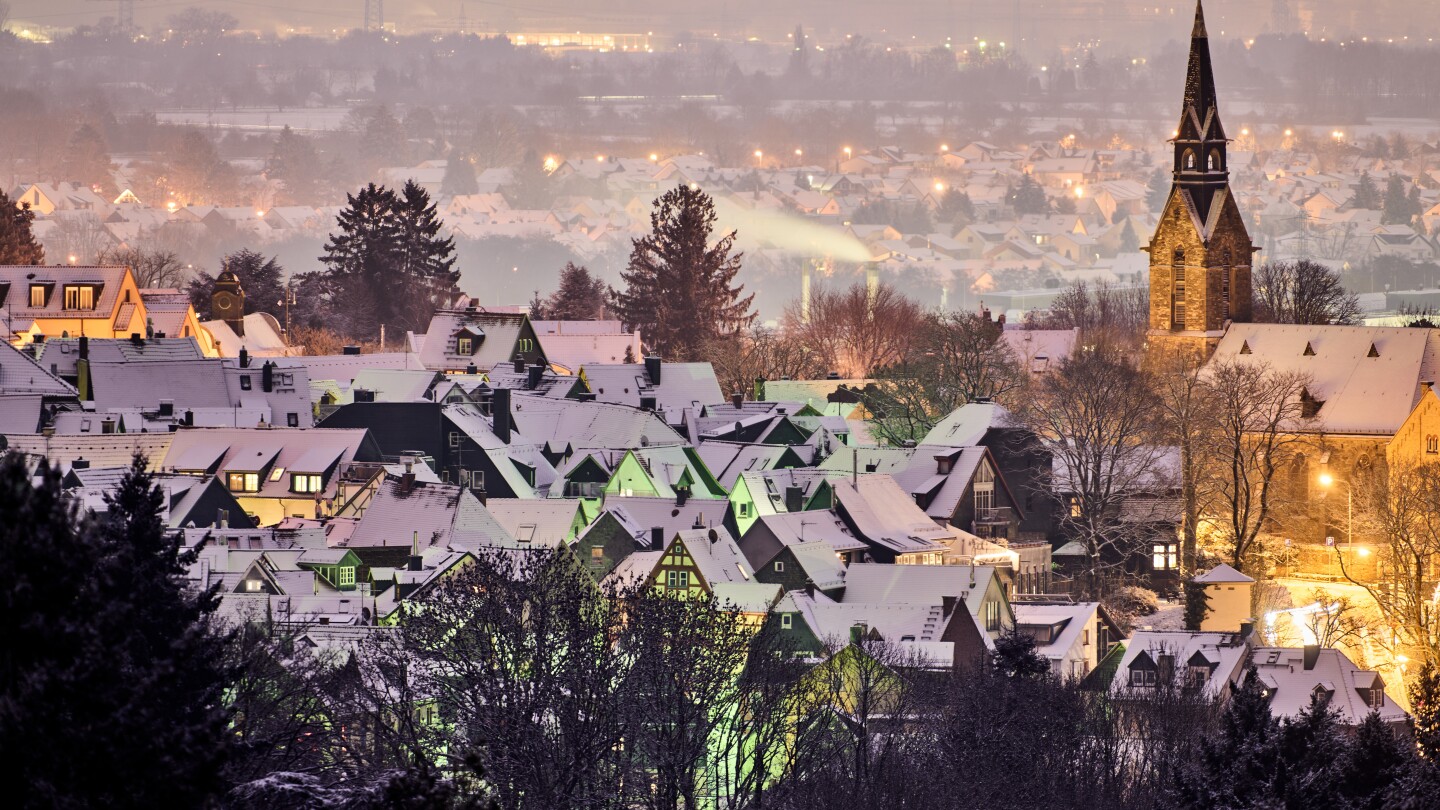
    A severe winter storm system has engulfed Europe, triggering widespread transportation chaos and resulting in multiple fatalities. The deep freeze, characterized by heavy snowfall and subzero temperatures, has created hazardous conditions across the continent.

    In France, the winter onslaught proved deadly with at least five weather-related fatalities reported. Three casualties occurred in the southwestern Les Landes region while two additional deaths were confirmed in the Île-de-France territory surrounding Paris. French authorities implemented emergency measures, including prohibiting truck traffic on roadways as snowfall generated massive traffic congestion on Monday.

    The French capital awoke Tuesday to a picturesque coating of snow covering its iconic landmarks, granting schoolchildren unexpected holidays but creating aviation nightmares. Six airports across northern and western France suspended operations due to severe weather conditions.

    The Netherlands experienced similar disruptions as Amsterdam’s Schiphol Airport, among Europe’s busiest aviation hubs, canceled approximately 400 flights. Ground crews worked tirelessly to clear frozen runways and de-ice aircraft. The Dutch rail network descended into chaos due to frozen switching points and an early morning software malfunction, with services around Amsterdam remaining largely suspended throughout the morning.

    Britain recorded temperatures plunging to -12.5°C (9.5°F), causing widespread cancellations of rail, road, and air transportation. Northern regions reported hundreds of school closures, while sporting events including horse races and football matches were postponed due to hazardous conditions. Scotland faced particularly critical circumstances with up to 15 centimeters (6 inches) of snowfall predicted, prompting calls for military assistance to deliver essential supplies to snowbound communities.

    The Balkan region confronted dual challenges of heavy precipitation, with both snow and rain causing river swelling and infrastructure damage. Sarajevo reported one fatality when a snow-laden tree branch struck a woman, while Serbian authorities implemented emergency measures and warned travelers ahead of Orthodox Christmas celebrations.

    Meanwhile, Italy’s extended period of rainfall has elevated Tiber River levels, affecting traditional gatherings in Rome where Pope Leo XIV delivered his Epiphany blessing to a reduced crowd under colorful umbrellas. Municipal authorities restricted access to parks and flood-risk areas throughout the city.

  • European leaders push back on Trump’s comments about a US takeover of Greenland

    European leaders push back on Trump’s comments about a US takeover of Greenland

    BERLIN — A coalition of European leaders issued a firm collective response on Tuesday to U.S. President Donald Trump’s controversial remarks regarding American acquisition of Greenland, explicitly affirming the Arctic territory’s right to self-determination. The leaders of France, Germany, Italy, Poland, Spain, and the United Kingdom joined Danish Prime Minister Mette Frederiksen in a strong statement of solidarity that emphasized Greenland’s status as belonging exclusively to its people.

    The joint declaration came as a direct rebuttal to comments from White House Deputy Chief of Staff Stephen Miller, who asserted on Monday that Greenland should become part of the United States despite warnings from Danish leadership that such a move would effectively signal the demise of NATO. Miller characterized Greenland as essential to American security infrastructure during a CNN interview, stating the president had been ‘clear for months’ about this position.

    President Trump justified his interest in the mineral-rich territory by citing escalating Russian and Chinese presence in the Arctic region, telling reporters on Sunday that ‘Greenland is covered with Russian and Chinese ships all over the place’ and emphasizing its strategic importance for national security. He questioned Denmark’s capacity to maintain control over the vast Arctic territory.

    Miller further challenged the basis of Denmark’s territorial claim, referring to Greenland as a ‘colony of Denmark’ and questioning the legitimacy of Copenhagen’s sovereignty. However, he dismissed speculation about potential military intervention, asserting that no nation would confront the United States militarily over Greenland’s future.

    The European leaders’ statement left no room for interpretation: ‘Greenland belongs to its people. It is for Denmark and Greenland, and them only, to decide on matters concerning Denmark and Greenland.’ This unified European position highlights growing transatlantic tensions over sovereignty issues and strategic territories in the rapidly changing Arctic landscape.

  • Ice & snow bridges global mayors at Harbin expo 2026

    Ice & snow bridges global mayors at Harbin expo 2026

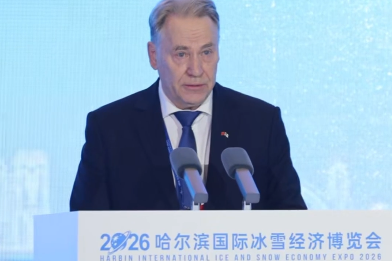
    HARBIN, China – The 2026 Harbin International Ice and Snow Economy Expo has transformed into a platform for international diplomacy, hosting the “Global Mayors Dialogue” event that brought together municipal leaders from across the world. Against a backdrop of spectacular ice sculptures and winter displays, the event facilitated cross-border conversations on economic cooperation and cultural exchange.

    The exposition, renowned for its magnificent frozen architecture and winter tourism attractions, this year serves as an unconventional venue for fostering international relations. City leaders engaged in substantive discussions about shared challenges and opportunities, with the winter economy serving as both metaphor and medium for their dialogue.

    Delegates explored collaborative ventures in sustainable cold-weather industries, winter tourism development, and cultural exchange programs. The unique setting provided a neutral ground for mayors to establish connections beyond traditional diplomatic channels, emphasizing how specialized economic sectors can bridge geopolitical divides.

    The Harbin Expo, traditionally focused on showcasing ice and snow artistry, has thus expanded its mission to include fostering international municipal partnerships. This convergence of cultural spectacle and diplomatic engagement demonstrates how niche economic sectors can facilitate broader international cooperation, creating unexpected avenues for global dialogue.

  • Shots fired near Venezuela presidential palace days after Maduro’s capture

    Shots fired near Venezuela presidential palace days after Maduro’s capture

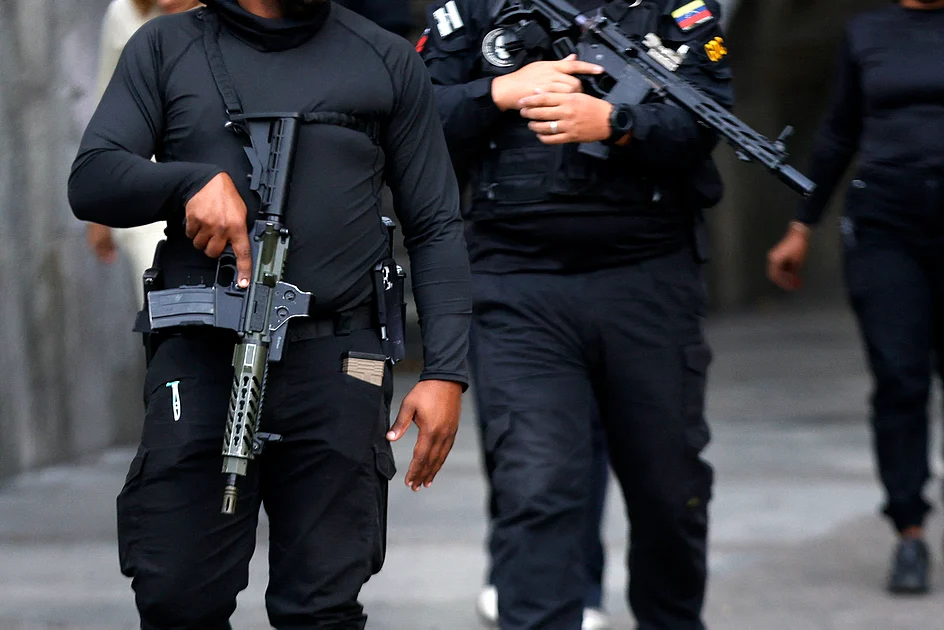
    Fresh security incidents shook Venezuela’s capital Monday evening as unidentified drones triggered defensive gunfire near the Miraflores Presidential Palace in Caracas. The incident occurred mere hours after Delcy Rodríguez was formally sworn in as interim president, succeeding the deposed Nicolás Maduro who was captured by US forces in a dramatic military operation Saturday.

    Eyewitness accounts describe two distinct red lights moving through the night sky around 8:00 PM local time (0000 GMT), prompting security personnel to respond with anti-aircraft fire. The exchange lasted approximately one minute according to local residents, though the intensity appeared significantly diminished compared to the pre-dawn raid that toppled Maduro’s government over the weekend.

    A government-affiliated source confirmed the situation remained under control despite the aerial incursion. Social media footage circulated showing apparent tracer ammunition arcing into the darkness as security forces rapidly reinforced palace perimeter defenses. The Communications Ministry has not yet issued an official statement regarding the incident.

    The unfolding political crisis entered its third day with Rodríguez assuming leadership of the fractured administration. The latest security breach highlights the ongoing volatility in Venezuela following Maduro’s capture, which represents one of the most significant geopolitical developments in recent Latin American history.

  • Trump says the US ‘needs’ Greenland for Arctic security. Here’s why

    Trump says the US ‘needs’ Greenland for Arctic security. Here’s why

    The strategic significance of Greenland, the world’s largest island situated predominantly above the Arctic Circle, has catapulted it into the center of international geopolitical discourse. This mineral-rich autonomous Danish territory finds itself at the confluence of climate change, global security concerns, and economic competition among world powers.

    Greenland’s geographical positioning northeast of Canada, with over two-thirds within the Arctic Circle, has made it strategically vital since World War II when U.S. forces occupied it to prevent Nazi control. The ongoing thinning of Arctic ice due to climate change is opening new shipping routes and access to previously inaccessible resources, reigniting international competition.

    The island contains substantial deposits of rare earth minerals essential for modern technology, from smartphones to renewable energy infrastructure. This resource wealth has attracted significant attention from Western nations seeking to counter China’s market dominance in these critical materials.

    U.S. military presence remains established through the Pituffik Space Base, operating under the 1951 Defense of Greenland Treaty with Denmark. This facility supports missile warning systems and space surveillance operations for both U.S. and NATO forces. Greenland also serves as a critical monitoring point in the GIUK Gap, where NATO tracks Russian naval movements in the North Atlantic.

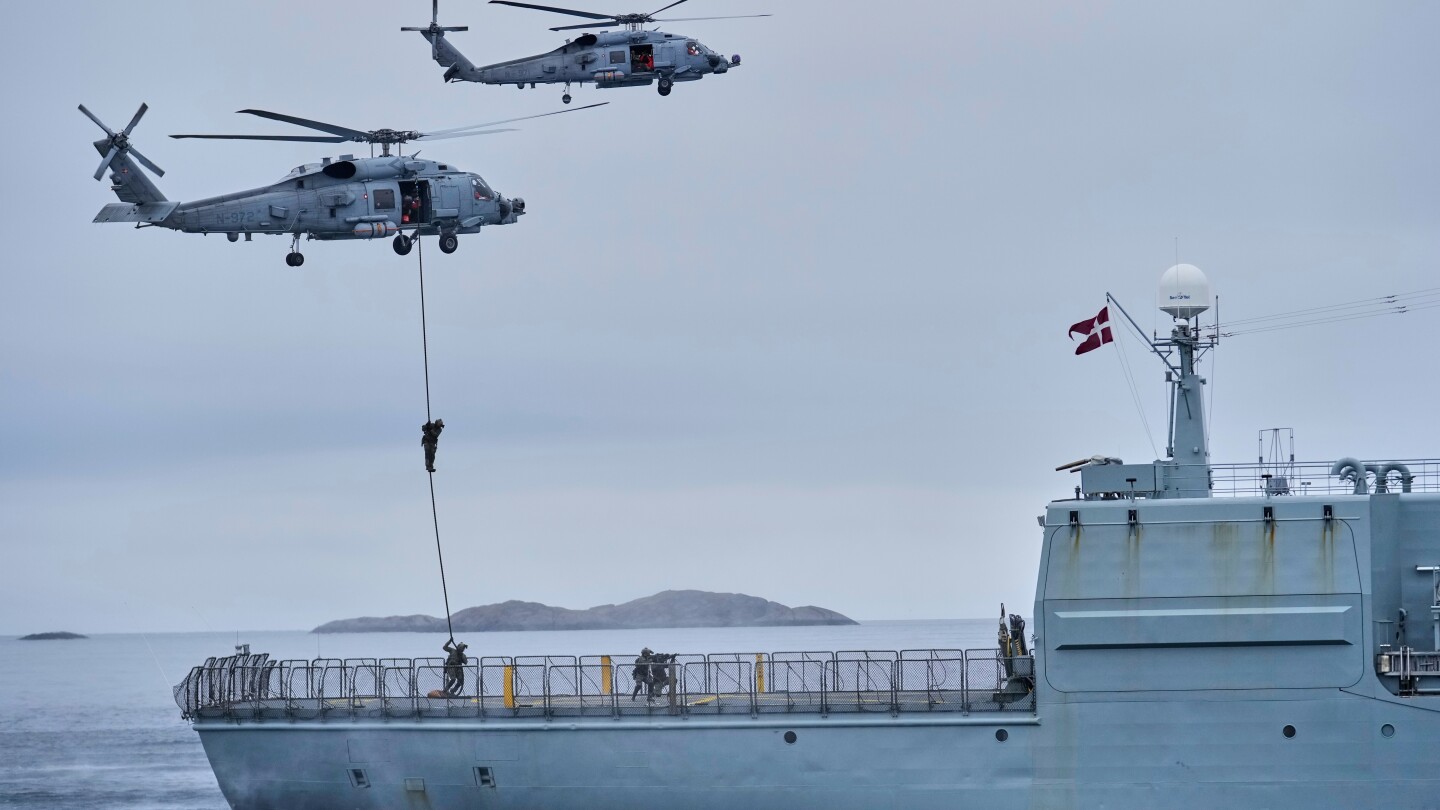
    In response to growing regional tensions, Denmark has announced a substantial $2.3 billion investment to enhance surveillance and sovereignty capabilities in Greenland and the Faroe Islands. This includes deploying new Arctic naval vessels, long-range drones, and satellite capacity. The Danish Joint Arctic Command, headquartered in Nuuk, maintains sovereignty operations alongside the elite Sirius Dog Sled Patrol that conducts reconnaissance missions.

    Recent years have seen increased geopolitical maneuvering, with China declaring itself a ‘near-Arctic state’ and proposing a ‘Polar Silk Road’ as part of its Belt and Road Initiative. Meanwhile, Russia has expressed concerns about NATO’s Arctic activities and pledged to strengthen its military capabilities in the region, particularly following its 2022 invasion of Ukraine.

    The local population of approximately 56,000 predominantly Inuit people maintain their right to self-determination, with both the Greenlandic and Danish governments having rejected external acquisition attempts. Environmental challenges and strict regulations continue to complicate mineral development despite the island’s resource potential.

  • Newborn’s finger severed at hospital, sparking public concern

    Newborn’s finger severed at hospital, sparking public concern

    A distressing medical incident at a county hospital in Jiangsu province has ignited public outrage and prompted a system-wide safety review after a newborn’s finger was accidentally severed during a routine procedure.

    The unfortunate event occurred at the People’s Hospital of Xuyi County in Huai’an on December 25, when a midwife’s critical error during an umbilical cord cutting procedure partially severed the left middle finger of a newborn boy delivered via cesarean section. The infant, born to mother Zhang, immediately required specialized medical attention due to the severity of the injury.

    According to the infant’s father, Mr. Sheng, the baby’s small size compounded the surgical challenges. After two hospital transfers, the child finally received specialized reattachment surgery at a medical facility in Wuxi. The delicate procedure involved fixing the severed digit with a steel pin, causing significant discomfort to the newborn who has been crying frequently throughout recovery.

    The Xuyi County Health Commission addressed the incident in an official statement Monday evening, confirming the hospital’s immediate response following the accident. Medical staff promptly arranged transfers to facilities capable of performing the complex microsurgery, with the operation completed the same afternoon.

    By December 31, the infant had been discharged from medical care and entered the recovery phase. The hospital administration has repeatedly apologized to the family and committed to covering all treatment and rehabilitation expenses. The responsible midwife has been suspended pending further investigation.

    The commission acknowledged significant deficiencies in the hospital’s safety protocols and announced that all personnel involved would face appropriate accountability measures. A comprehensive medical safety inspection will be implemented across all county healthcare facilities to prevent similar incidents.

    This case has triggered broader concerns about medical safety standards in maternal and neonatal care, highlighting the need for enhanced training and supervision in delivery room procedures.

  • Curfew imposed in southern Nepal border city after mosque vandalism sparks protests

    Curfew imposed in southern Nepal border city after mosque vandalism sparks protests

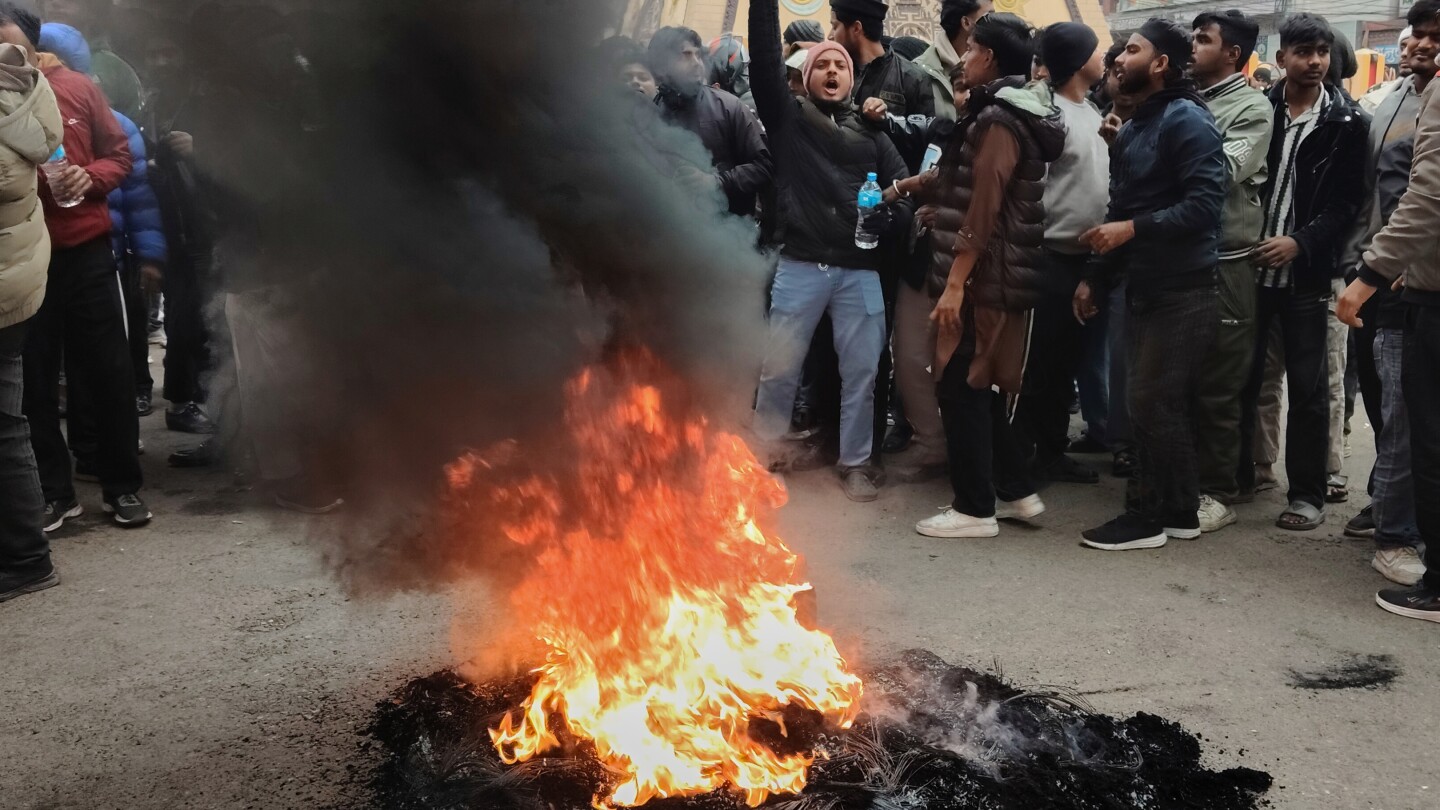
    Authorities in Nepal have declared a strict curfew in the strategic border city of Birgunj following escalating tensions between Hindu and Muslim communities. The emergency measures were implemented after reciprocal protests erupted in response to the vandalization of a local mosque over the weekend.

    The Parsa District Administration’s directive mandates complete prohibition of public movement, banning all forms of assembly and demonstrations. The official notice contained severe enforcement provisions, indicating that security forces are authorized to use lethal force against violators.

    Birgunj, situated 130 kilometers south of Kathmandu, represents Nepal’s most vital trade conduit with India, handling critical imports including petroleum products and essential supplies. The city currently witnesses armed military and police patrols monitoring the streets.

    The unrest initiated when Muslim demonstrators gathered on Sunday to protest the mosque desecration in a neighboring town. This was subsequently met with counter-demonstrations by Hindu groups on the same day, creating sustained tensions that have persisted through the week.

    Despite the volatile situation, no significant violent confrontations between the religious groups have been documented. Minor altercations involving riot police have been reported, though no major injuries have been recorded.

    Religious conflicts between Hindus and Muslims remain uncommon in Nepal, where Hinduism constitutes the majority faith. The nation’s Muslim demographic predominantly resides in southern border regions, making this incident particularly notable for its location and intensity.

  • Slovenia will hold parliamentary election on March 22

    Slovenia will hold parliamentary election on March 22

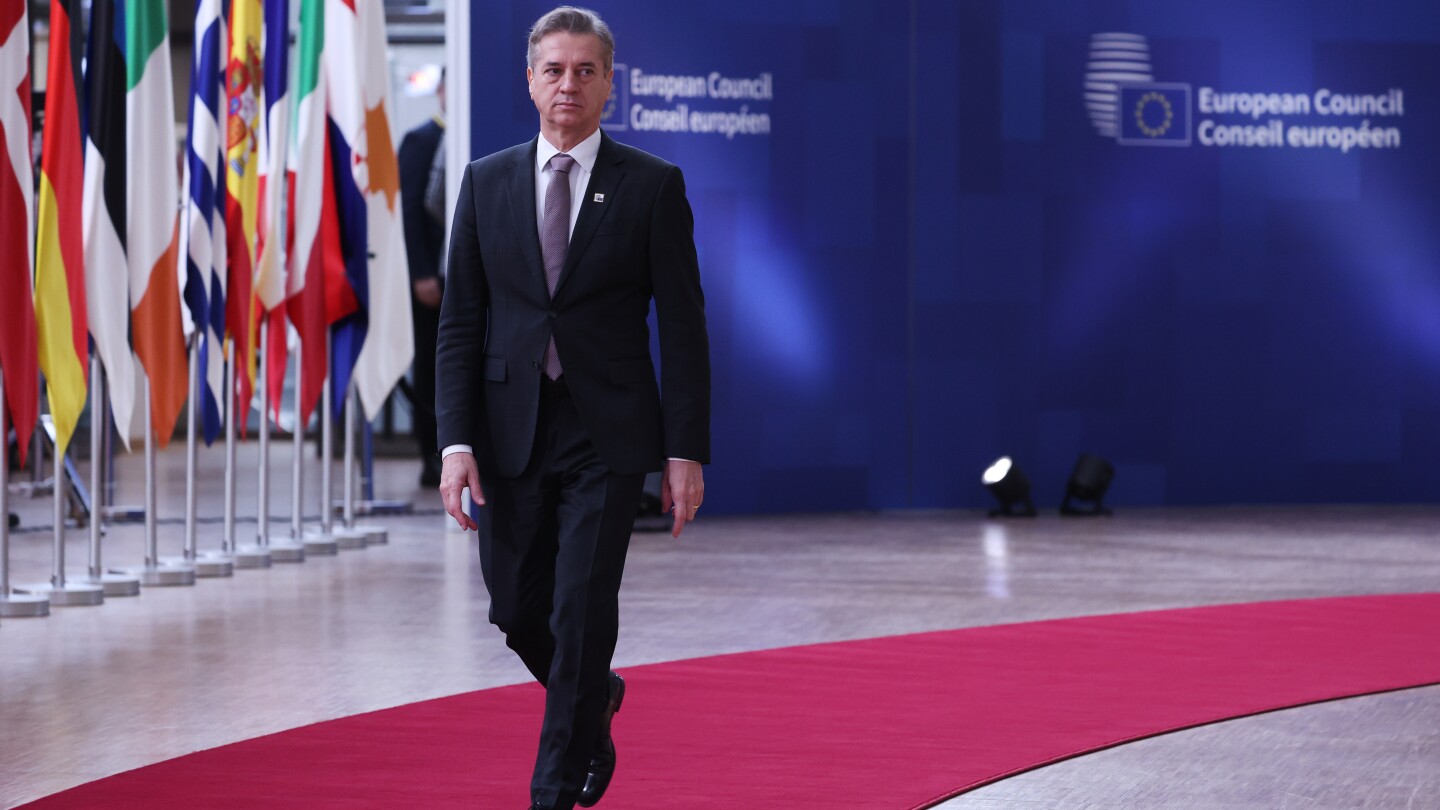
    Slovenia will hold parliamentary elections on March 22, 2024, as announced by President Natasa Pirc Musar on Tuesday. The upcoming vote represents a critical political test for Prime Minister Robert Golob’s liberal coalition government, which faces significant opposition from right-wing populist factions.

    President Musar emphasized the importance of electoral integrity, stating she would actively monitor disinformation campaigns and potential foreign manipulation attempts. “I want the election to be conducted fairly, and I will pay attention to disinformation and manipulation, including from abroad,” she declared, while simultaneously advocating for “respectful, responsible and tolerant communication during the election campaign.”

    The election will determine the composition of Slovenia’s 90-seat National Assembly, with the outcome potentially reshaping the nation’s political trajectory. The Alpine EU member state, which gained independence from Yugoslavia in 1991 and joined both NATO and the European Union in 2004, has approximately 2 million citizens.

    Prime Minister Golob’s administration, which assumed power in 2022 after defeating populist predecessor Janez Jansa, has pursued several controversial policies. These include Slovenia’s official recognition of Palestinian statehood, a move that drew both international attention and domestic criticism. Opposition parties have additionally accused the government of economic mismanagement and slowing economic growth.

    The government recently suffered a political setback when Slovenian voters rejected assisted dying legislation in a November referendum. The proposed bill would have permitted terminally ill patients to legally end their lives under specific circumstances.

    According to constitutional procedures, the newly elected parliament must convene within 20 days following the election. President Musar will then have an additional 30 days to appoint a prime minister-designate capable of securing parliamentary majority support.

  • Ukraine’s European, US allies meet in Paris on security guarantees

    Ukraine’s European, US allies meet in Paris on security guarantees

    PARIS – In a significant diplomatic mobilization, key Western allies assembled in Paris on Tuesday for high-stakes negotiations aimed at establishing concrete security guarantees for Ukraine. The summit, attended by representatives from 35 nations including 27 heads of state, represents the latest coordinated effort to address Europe’s most devastating conflict since World War II.

    Ukrainian President Volodymyr Zelensky arrived in the French capital for afternoon talks following preliminary discussions among coalition members. The gathering, dubbed the ‘Coalition of the Willing’, includes participation from US Special Envoy Steve Witkoff and Senior Advisor Jared Kushner, dispatched by President Donald Trump to engage in the dialogue initiated last year by France and Britain.

    The Paris meeting occurs against a backdrop of intensified geopolitical complexities. The recent detention of Venezuelan President Nicolás Maduro, a key Russian ally, by US forces has introduced additional transatlantic tensions, with European leaders expressing measured concern regarding implications for international law.

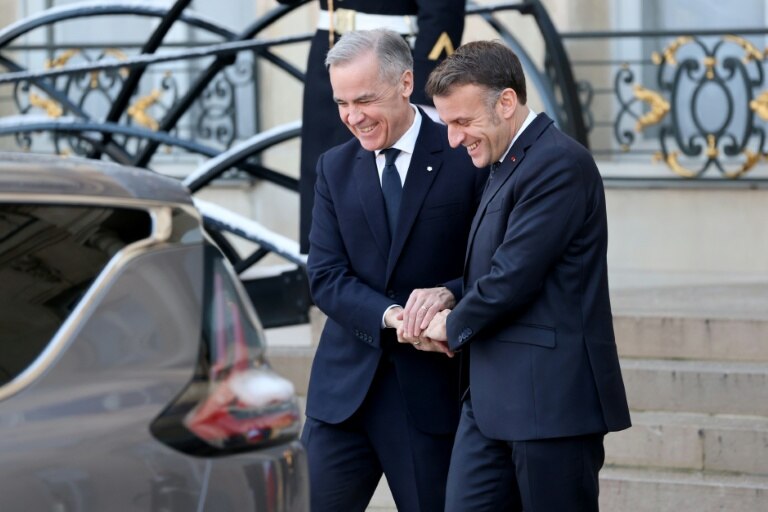
    French President Emmanuel Macron hosted Canadian Prime Minister Mark Carney for breakfast at the Élysée Palace ahead of scheduled meetings with Zelensky and American delegates. The assembly also includes UK Prime Minister Keir Starmer, German Chancellor Friedrich Merz, and Italian Prime Minister Giorgia Meloni, signaling broad Western engagement.

    Central to discussions is the proposed deployment of a multinational force to Ukraine as a deterrent against future Russian aggression, should hostilities cease. However, diplomatic progress remains constrained by fundamental disagreements over territorial control, with Kyiv maintaining that Russia must completely withdraw from occupied Ukrainian territories before any settlement can be reached.

    Polish Prime Minister Donald Tusk emphasized the meeting’s objective to ‘tighten and align European and American positions,’ noting that only unified Western pressure could compel Russia to seriously consider ceasefire negotiations. An advisor to President Macron characterized the summit as the culmination of efforts to prevent ‘the United States from abandoning Ukraine’ since the Trump administration took office.

    Despite Kyiv’s assertion that a potential agreement is ’90 percent’ complete, Russia continues to demand full control of Ukraine’s eastern Donbas region, which it currently partially occupies. German Chancellor Merz acknowledged diplomatic efforts are proceeding ‘under difficult conditions,’ citing Russia’s limited willingness to negotiate and challenges in maintaining transatlantic cooperation.