博客

  • Somalia calls Israeli FM visit to Somaliland an ‘incursion’

    Somalia calls Israeli FM visit to Somaliland an ‘incursion’

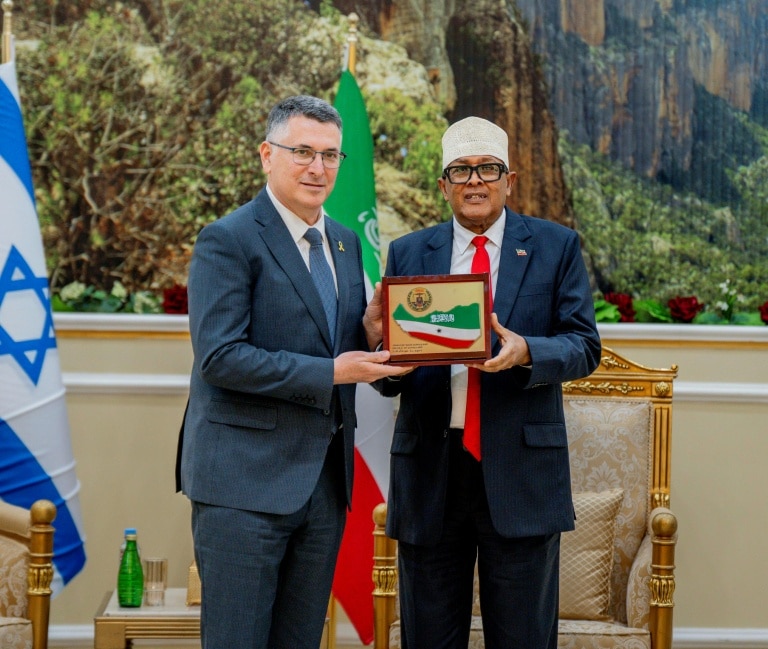
    Somalia has vehemently denounced Israeli Foreign Minister Gideon Saar’s official visit to the breakaway region of Somaliland, characterizing the diplomatic mission as an “unauthorized incursion” into its sovereign territory. The high-profile arrival on Tuesday marks the first ministerial-level engagement since Israel extended formal recognition to Somaliland last month—a landmark decision for the self-declared republic that separated from Somalia in 1991.

    Despite maintaining its own government, currency, and military forces, Somaliland has struggled to achieve broad international acknowledgment due to concerns about encouraging separatist movements across Africa. The region’s strategic positioning along the critical shipping lanes of the Gulf of Aden has attracted foreign interest, with Israel potentially gaining improved access to the Red Sea and enhanced capabilities against Houthi rebels in Yemen.

    During joint press conferences, Israeli officials described the recognition as “the moral thing to do,” while Somaliland President Abdirahman Abdullahi Mohamed praised the move as “courageous” and anticipated significant economic and development opportunities. However, Somalia’s foreign ministry asserted its right to pursue “all appropriate diplomatic and legal measures” to protect its territorial integrity, receiving support from the African Union Peace and Security Council which strongly condemned Israel’s recognition and demanded its immediate revocation.

    The diplomatic development has drawn mixed international reactions, with the United States supporting Israel’s position while Egypt, Turkey, the Gulf Cooperation Council, and the Organisation of Islamic Cooperation expressed criticism. The European Union emphasized the importance of respecting Somalia’s sovereignty. Adding to regional tensions, the Islamist militant group Al-Shabaab has threatened to combat any Israeli military presence in Somaliland, potentially escalating security challenges in the volatile Horn of Africa region.

    Historical context reveals that Somaliland briefly existed as an independent state in June 1960 after gaining independence from Britain before voluntarily uniting with Italian-administered Somalia. Somaliland leadership contends this union was never properly ratified and became invalid following Somalia’s governmental collapse in 1991.

  • Man charged after fatal assault of Donegal businessman

    Man charged after fatal assault of Donegal businessman

    A prominent County Donegal businessman has died following a violent assault, with authorities now charging a suspect in connection with the case. Stephen McCahill, a respected figure in his 60s known for his work as an auctioneer, publican, and business leader, was discovered deceased at a residence near Ardara in the early hours of Monday morning.

    Irish police (An Garda Síochána) confirmed that emergency services responded to the scene at approximately 03:50 local time after receiving reports of a disturbance. Following immediate investigation efforts, law enforcement officials arrested a man in his 30s believed to be connected to the incident.

    The investigation has progressed rapidly, with authorities formally charging the suspect within hours of the initial arrest. The accused individual is scheduled to appear before Letterkenny District Court on Tuesday, where preliminary hearings will establish the judicial process moving forward.

    The sudden and violent death has sent shockwaves through the close-knit communities of County Donegal, where McCahill was widely recognized and respected. Colleagues, friends, and community members have begun sharing heartfelt tributes, highlighting McCahill’s significant contributions to local business and community development throughout his career.

    Local authorities have increased patrols in the area while continuing their investigation into the circumstances surrounding the assault. Police have indicated that forensic teams remain active at the property where McCahill’s body was discovered, though specific details regarding the nature of the assault have not been publicly disclosed.

    The case represents one of the most significant violent crime investigations in the region in recent years, particularly given the victim’s prominent status within the community. Further developments are expected as the judicial process moves forward and additional investigation findings emerge.

  • Trump supporters across US react to Venezuela operation

    Trump supporters across US react to Venezuela operation

    A complex tapestry of reactions has emerged from former President Donald Trump’s support base following the recent U.S. military operation that resulted in the seizure of Venezuelan leader Nicolás Maduro. The dramatic development has exposed significant divisions within the political movement, highlighting contrasting perspectives on American interventionism.

    Initial responses from Trump loyalists revealed enthusiastic approval from certain quarters, with many celebrating the operation as a decisive blow against a controversial socialist leader long criticized by Washington. These supporters framed the action as a demonstration of American strength and a continuation of Trump’s hardline approach toward leftist regimes in Latin America.

    However, a substantial contingent within the Trump coalition expressed reservations about the long-term implications and potential consequences of such direct military involvement. These cautious voices raised questions about the operation’s timing, legal justification, and possible geopolitical fallout, reflecting a more non-interventionist streak that has gained traction within certain conservative circles.

    The divergent reactions underscore the ongoing ideological evolution within Trump’s political base, which has historically balanced nationalist rhetoric with varying attitudes toward foreign military engagements. This internal debate occurs against the backdrop of escalating tensions between Washington and Caracas, with Venezuela remaining a persistent foreign policy challenge through multiple U.S. administrations.

    Analysts suggest the mixed response illustrates the complex foreign policy expectations among Trump’s supporters, who simultaneously demand assertive American leadership while remaining wary of extended foreign entanglements. The operation and its aftermath are likely to fuel continued discussion about the proper scope of U.S. military action in pursuing international objectives.

  • Six dead in weather accidents as cold snap grips Europe

    Six dead in weather accidents as cold snap grips Europe

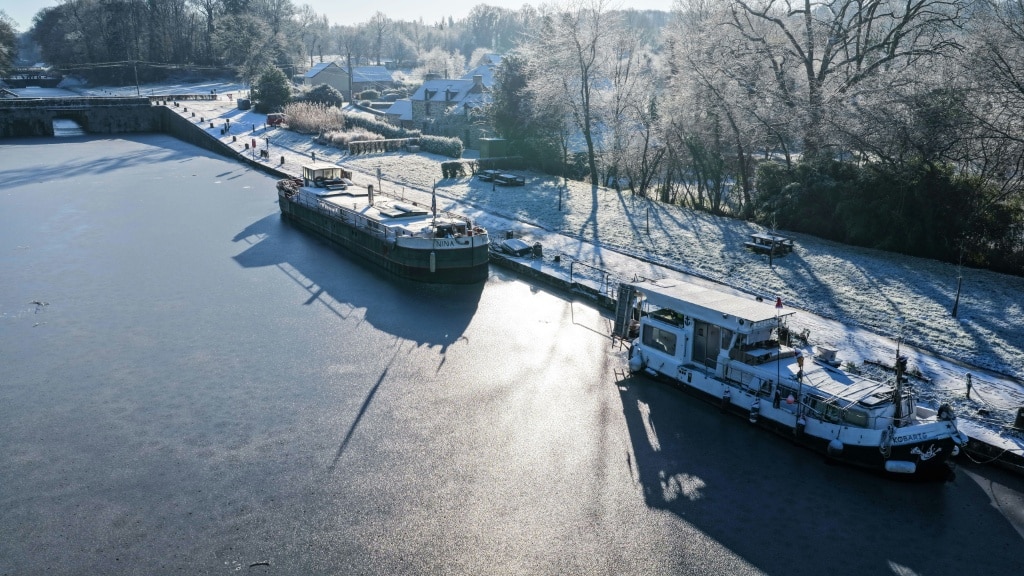
    A severe Arctic blast has enveloped Europe, triggering a cascade of fatal accidents and widespread transportation paralysis. The continent’s most intense cold spell this winter has resulted in six weather-related fatalities and created unprecedented travel disruption across multiple nations.

    France has borne the heaviest human toll, reporting five deaths linked to hazardous conditions. Authorities confirmed three individuals perished on icy roads in the southwest due to black ice accidents. Separately, a taxi driver died after skidding into the Marne River near Paris, while another motorist lost their life in a collision with a freight vehicle east of the capital.

    Transportation infrastructure faced severe strain as Paris’s Charles de Gaulle Airport prepared to cancel 40% of flights and Orly Airport 25% to facilitate runway clearing operations. Amsterdam’s Schiphol Airport experienced its second consecutive day of cancellations with over 400 flights grounded, creating massive passenger queues. The Dutch national railway system remained suspended until mid-morning, operating at reduced capacity thereafter.

    The Balkans confronted dual challenges of heavy snowfall and flooding. Sarajevo recorded 40 centimeters (16 inches) of snow accumulation, leading to one fatality when a snow-laden tree collapsed onto a woman. Widespread power outages affected dozens of Serbian villages, while Bosnia experienced river overflows and Albania conducted evacuations from flooded homes.

    Meteorological agencies reported extreme temperatures, with England’s Norfolk region recording -12.5°C and the Netherlands experiencing widespread sub -10°C conditions. Britain’s Met Office confirmed this represented the winter’s coldest night, with nearly the entire UK under weather alerts. Scotland faced particularly severe conditions with over 300 school closures and major rail disruptions.

    Transport Minister Fiona Hyslop urged Scots to avoid travel unless absolutely necessary, emphasizing the continued risks from additional expected snowfall. Despite challenges, airports in Liverpool and Aberdeen resumed operations after Monday’s closures.

    In Hungary, officials warned of deteriorating conditions with northeastern roads and railways becoming impassable. Construction and Transport Minister Janos Lazar advised citizens to venture out only for essential purposes as fresh snowfall continued.

    Urban centers faced unique challenges, with Parisian pedestrians navigating treacherously icy sidewalks. Tour guide Valeria Pitchouguina described the surreal beauty of snow-covered Paris while noting the practical difficulties of navigating Montmartre’s iconic steps under icy conditions, comparing the ascent to ‘climbing Mont Blanc.’

  • Indonesian rescuers recover third body from tour boat sinking

    Indonesian rescuers recover third body from tour boat sinking

    Indonesian search teams have retrieved a third victim from the devastating tour boat sinking that struck a Spanish family during their Christmas vacation in Komodo National Park. The latest recovery occurred Tuesday near Pede beach, where local fishermen discovered the wreckage approximately 14 kilometers from the original incident location.

    The tragedy unfolded on December 26th when the vessel carrying Valencia CF Women’s B coach Fernando Martín, 44, his immediate family, and five local personnel experienced critical engine failure and capsized. While Martín’s wife and one child survived alongside all four crew members and their guide, the coach himself and his daughter perished in the accident. Their remains were cremated in Bali on Monday following relatives’ requests, as confirmed by East Nusa Tenggara Police spokesperson Ariasandy.

    This incident highlights persistent maritime safety concerns throughout the Indonesian archipelago, where vessels serve as essential transportation between the nation’s 17,000 islands. Despite their critical role, regulatory enforcement remains inconsistent, with overcrowding and inadequate safety protocols contributing to frequent nautical accidents. Rescue operations continue as authorities search for Martín’s two remaining missing sons.

  • Greece’s Epiphany events marking Christ’s baptism highlight concerns about water scarcity

    Greece’s Epiphany events marking Christ’s baptism highlight concerns about water scarcity

    MARATHON, Greece — A traditional Orthodox Christian Epiphany ceremony at Lake Marathon served as a stark backdrop for addressing Greece’s escalating water crisis on Tuesday. While faithful gathered to commemorate the baptism of Christ, government officials sounded the alarm over severe water scarcity, using the visibly depleted reservoir to underscore the urgency.

    The ceremonial casting of a wooden cross into the diminished waters highlighted a critical situation: water reserves across the four reservoirs supplying Athens have experienced a catastrophic decline, dropping from over 1 billion cubic meters in 2022 to approximately 390 million cubic meters today. This dramatic reduction prompted the declaration of a water emergency in the capital last November.

    George Stergiou, chairman of the Athens water utility EYDAP, emphasized the severity during post-ceremony remarks: “We are facing our third consecutive year of significantly declining reservoir levels. The problem is no longer distant—it is directly before us.”

    Stergiou identified climate change as a primary driver, noting the increasing frequency of prolonged droughts followed by intense rainfall that fails to adequately replenish water systems due to runoff and evaporation.

    In response, EYDAP has launched an ambitious 2.5 billion euro ($2.9 billion) investment program spanning the next decade. The comprehensive strategy focuses on reducing water losses through infrastructure modernization, including pipe replacement, installation of smart meter systems, and significantly expanding wastewater recycling capabilities.

    “Our primary objective is to substitute non-essential potable water uses with recycled water wherever possible,” Stergiou explained, outlining the utility’s conservation approach.

    Sofia Nalpantidou, reservoir manager at Marathon, provided context for the low water levels, explaining that winter management includes maintaining buffer capacity for flood control within the interconnected reservoir system.

    Local residents observe the environmental changes firsthand. Antonis Stamou, a 78-year-old retiree attending the Epiphany service, noted the climatic shift: “We experienced considerably more rainfall in the past, sometimes on a daily basis. These patterns have undeniably changed.”

  • China’s civil aviation sector achieves steady growth in 2025

    China’s civil aviation sector achieves steady growth in 2025

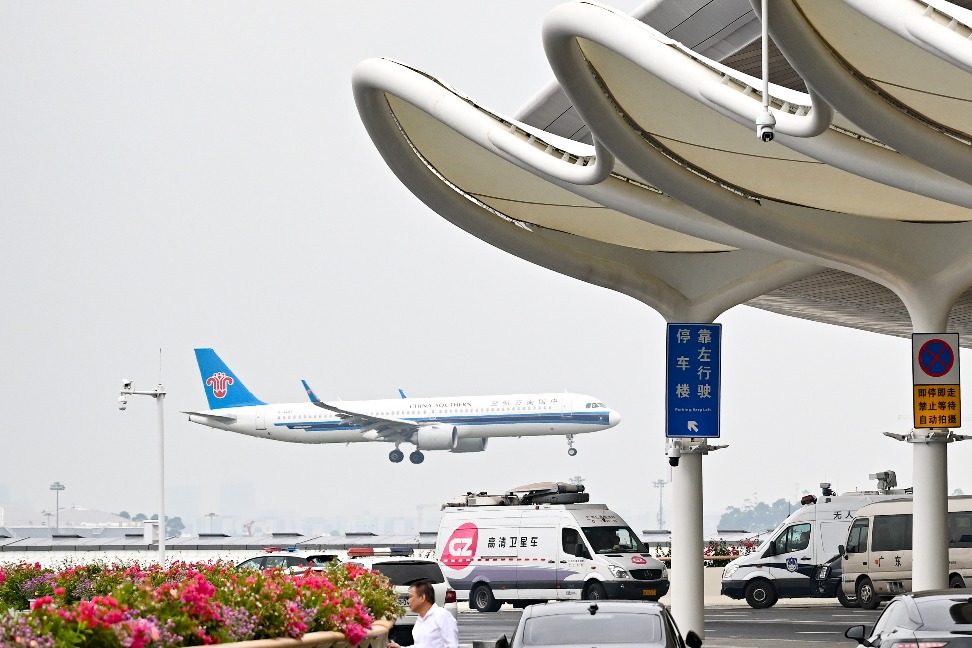
    China’s civil aviation industry demonstrated remarkable resilience and growth throughout 2025, according to official data released at the national civil aviation work conference in Beijing. The comprehensive performance metrics reveal an industry experiencing robust expansion across all key operational areas.

    The Civil Aviation Administration of China (CAAC) reported a total transportation turnover of 164.08 billion tonne-kilometers for the year, representing a substantial 10.5% increase compared to 2024 figures. Passenger traffic showed strong recovery with 770 million travelers taking to the skies, marking a 5.5% year-on-year growth. The cargo sector emerged as particularly dynamic, with mail and freight volume reaching 10.17 million tonnes – an impressive 13.3% surge from the previous year.

    CAAC Director Song Zhiyong highlighted the industry’s overall stable development trajectory, noting that all major objectives and operational tasks had been successfully accomplished. International routes experienced extraordinary growth, with passenger traffic jumping 21.6% annually. Specific regional markets showed exceptional performance: Latin American routes skyrocketed by 108.6%, while connections to Central Asia, West Asia, and Africa increased by 59.3%, 33.4%, and 39% respectively.

    Financial performance showed significant improvement as the industry recorded combined profits totaling 6.5 billion yuan (approximately $926.28 million). Looking forward to 2026, projections indicate continued expansion with anticipated transportation turnover of 175 billion tonne-kilometers, passenger traffic of 810 million, and cargo volume of 10.7 million tonnes, signaling sustained momentum in China’s aviation sector.

  • How a decade of dedicated protection is transforming China’s mother river

    How a decade of dedicated protection is transforming China’s mother river

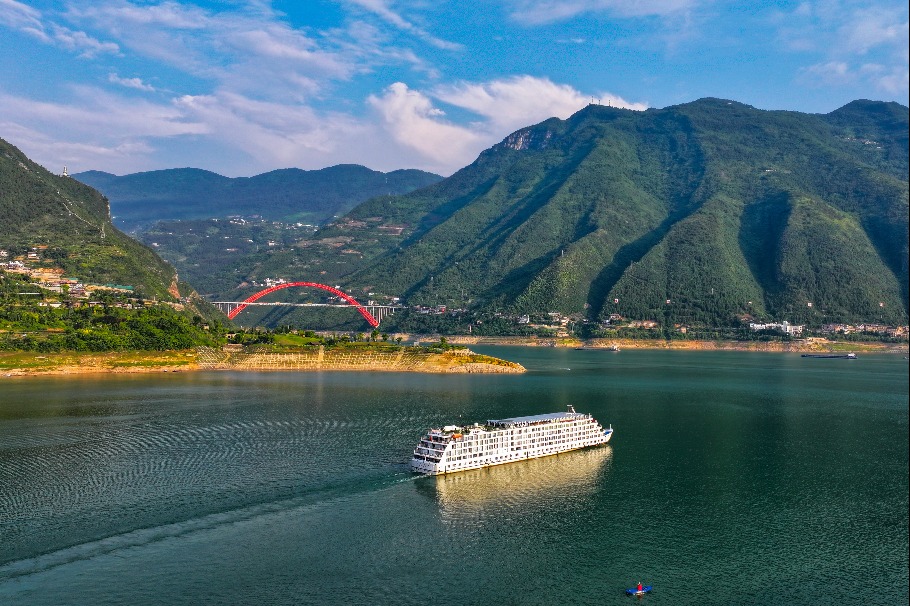
    A remarkable ecological transformation is underway along China’s Yangtze River, reversing decades of environmental degradation through a comprehensive conservation strategy implemented over the past ten years. The 6,300-kilometer waterway, once described as “seriously ill” due to severe pollution and biodiversity loss, has achieved previously unimaginable water quality levels and witnessed the return of native fish species to long-barren stretches.

    The watershed moment occurred on January 5, 2016, when Chinese leadership established the guiding principle that development along the Yangtze River Economic Belt must prioritize ecological protection and green development. This policy shift initiated a comprehensive approach combining strict environmental safeguards, structural economic reforms, and technology-driven governance across 11 provinces and municipalities that collectively generate nearly half of China’s GDP.

    According to Wang Yanxin, academician of the Chinese Academy of Sciences, “The Yangtze conservation drive has woven environmental protection into the fabric of high-quality development, fundamentally reshaping the river basin’s growth model while accelerating transitions in production methods, energy systems, and rural community development.”

    The most dramatic intervention came on January 1, 2021, with the implementation of a comprehensive 10-year fishing ban affecting more than 230,000 fishers across ten provincial regions. This unprecedented measure aimed to reverse the decline in aquatic biodiversity by halting exploitation entirely rather than merely managing it.

    Chongqing municipality, serving as a critical ecological gateway in the river’s upper reaches, demonstrated the policy’s implementation challenges and successes. More than 5,300 fishing boats were retired and over 10,000 fishers transitioned to land-based livelihoods. Many former fishers, like 58-year-old Li Daiguo who now serves on a fisheries enforcement team, have found new purpose in river protection roles while applying their knowledge of the waterways.

    Supported by technological innovation, Chongqing has deployed an AI-powered monitoring system integrating over 1,200 riverside cameras and numerous drones that automatically identify illegal fishing activities, pollution risks, and enforcement gaps. Local authorities report handling more than 5,000 alerts through this system, significantly enhancing regulatory effectiveness.

    The ecological results are quantitatively demonstrated: high-quality water sections have increased from 82.3% in 2016 to over 98% today, while biodiversity shows strong recovery. The population of the iconic Yangtze finless porpoise reached 1,249 in 2023—a 23.4% increase from 2017—and surveys recorded 344 native fish species between 2021-2024, representing an increase of 36 species compared to the 2017-2020 period.

    This conservation effort received robust legal foundation through China’s first river-basin-specific legislation, the Yangtze River Protection Law enacted in March 2021, which established ecological protection and green development as formal guiding principles.

    Contrary to conventional wisdom that environmental protection hinders economic development, the Yangtze River Economic Belt has demonstrated simultaneous ecological and economic progress. Regional GDP has more than doubled over the past decade, with the economic belt’s contribution to national output increasing from 42.2% to 47.3% during this period.

    The region has emerged as a dynamic innovation hub, producing internationally competitive technology companies including AI startup DeepSeek and robotics manufacturer Unitree Robotics, while developing world-class industrial clusters in automotive manufacturing and electronic information sectors.

    The Yangtze River Delta exemplifies this integrated approach, where green industries achieve remarkable efficiency. New-energy vehicle production now takes as little as four hours through coordinated regional specialization: design and software development in Shanghai, battery systems installation in Anhui, final assembly in Jiangsu, and intelligent systems testing in Zhejiang.

    The delta has become China’s largest automotive manufacturing hub, accounting for nearly 40% of the country’s new-energy vehicle output and over one-quarter of global production. Simultaneously, the region has phased out outdated industrial capacity, dismantling 1,361 illegal docks and standardizing or closing more than 200,000 discharge outlets along the Yangtze.

    Wang Changlin, deputy head of the National Development and Reform Commission, emphasized that while the economic belt accounts for approximately one-third of China’s energy consumption and carbon emissions, it generates close to half of the country’s GDP, demonstrating its role as a testing ground for environmentally prioritized development.

    Looking forward, sustained commitment will determine long-term success. The next phase of Yangtze protection will require enhanced technological application, closer coordination between pollution control and carbon reduction, and development of market-based mechanisms for environmental governance, according to experts involved in the initiative.

  • Venezuelan opposition leader Machado vows to return home ‘as soon as possible’

    Venezuelan opposition leader Machado vows to return home ‘as soon as possible’

    In a dramatic development following the US military’s removal of President Nicolas Maduro, Venezuelan opposition leader Maria Corina Machado has announced her imminent return to the country. The Nobel Peace Prize winner made her declaration during an exclusive interview with Fox News host Sean Hannity, though her current location remains undisclosed for security reasons.

    Machado delivered a scathing condemnation of interim President Delcy Rodriguez, characterizing her as a principal architect of systemic human rights abuses and criminal activities. ‘She represents the very apparatus responsible for torture, political persecution, widespread corruption, and narcotrafficking that has devastated our nation,’ Machado asserted during the televised segment.

    The political landscape shifted significantly when Rodriguez, previously Maduro’s vice president, assumed interim control and indicated willingness to collaborate with Washington. However, Machado dismissed Rodriguez’s legitimacy, claiming overwhelming popular support for the opposition movement. ‘The Venezuelan people have consistently rejected this regime,’ she stated, projecting confidence in her movement’s electoral prospects. ‘In free and fair elections, we would secure over 90 percent of the vote without question.’

    Beyond political restructuring, Machado outlined an ambitious vision for Venezuela’s economic future, pledging to transform the nation into ‘the energy hub of the Americas.’ She committed to dismantling criminal networks and facilitating the repatriation of millions of Venezuelans displaced by the ongoing crisis. This announcement marks Machado’s first public address since the extraordinary events that removed Maduro from power over the weekend.

  • India’s Reliance says it expects no Russian crude deliveries in January

    India’s Reliance says it expects no Russian crude deliveries in January

    Reliance Industries Ltd., India’s largest private refiner, announced on Tuesday that it anticipates zero shipments of Russian crude oil for January and confirmed no receipt of such cargoes over the preceding three weeks. The energy conglomerate publicly refuted a Bloomberg report, based on Kpler data, which claimed three oil tankers carrying Russian crude were en route to Reliance’s Jamnagar refining complex.

    This development signals a substantial shift in global energy trade dynamics that emerged following Russia’s invasion of Ukraine in 2022. India had capitalized on discounted Russian seaborne crude, becoming Moscow’s largest petroleum customer and triggering diplomatic friction with Western nations. These nations implemented stringent sanctions targeting Russia’s energy sector, arguing that oil revenues directly finance Moscow’s military operations.

    With Reliance’s withdrawal from Russian crude procurement, India’s imports from Russia are projected to decline further this month. China now stands as the sole significant market for Russian oil exports. This recalibration occurs as New Delhi pursues enhanced trade relations with Washington, with Indian authorities recently mandating weekly disclosures from refiners regarding their Russian and U.S. oil purchases.

    The impact of strengthened U.S. and European Union sanctions is already evident in trade data. December witnessed Russian oil flows to India plummet to approximately 1.2 million barrels per day—the lowest level in three years according to industry sources and analytics firm Kpler. This represents a dramatic 40% contraction from the June peak of nearly 2 million barrels per day, underscoring the effectiveness of international pressure on energy trade patterns.