博客

  • Trump tells Cuba to ‘make a deal, before it is too late’

    Trump tells Cuba to ‘make a deal, before it is too late’

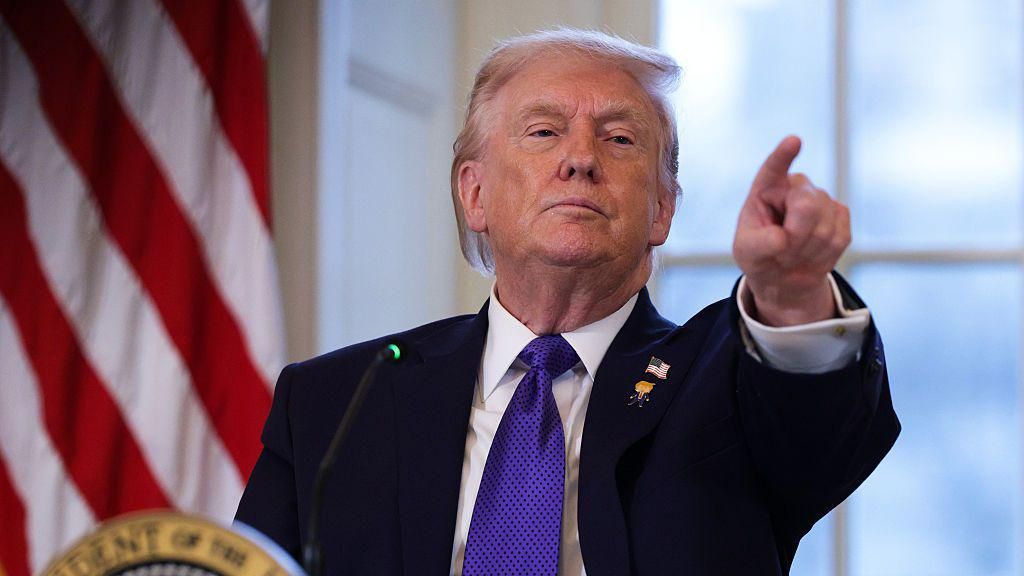
    In a significant escalation of hemispheric tensions, former U.S. President Donald Trump has delivered a stark warning to Cuba, demanding the nation “make a deal” or face severe consequences following the interception of Venezuelan oil shipments. The ultimatum comes amid a broader campaign against left-wing governments in Latin America that Trump has framed through his revived “Donroe Doctrine”—an aggressive reinterpretation of the 19th-century Monroe Doctrine asserting U.S. supremacy in the Western Hemisphere.

    The confrontation intensified after U.S. forces conducted an unprecedented raid in Caracas on January 3rd, resulting in the capture of Venezuelan leader Nicolás Maduro and his wife, Cilia Flores, who now face drug trafficking charges in the United States. This operation reportedly resulted in the deaths of 32 Cuban nationals who formed part of Maduro’s security detail, a claim that has heightened diplomatic tensions.

    Venezuela, a longstanding Cuban ally, has historically supplied approximately 35,000 barrels of oil daily to the island nation—a vital economic lifeline that the Trump administration has now effectively severed through the seizure of five sanctioned oil tankers. This tactic has already exacerbated existing fuel and electricity shortages in Cuba, creating a humanitarian crisis.

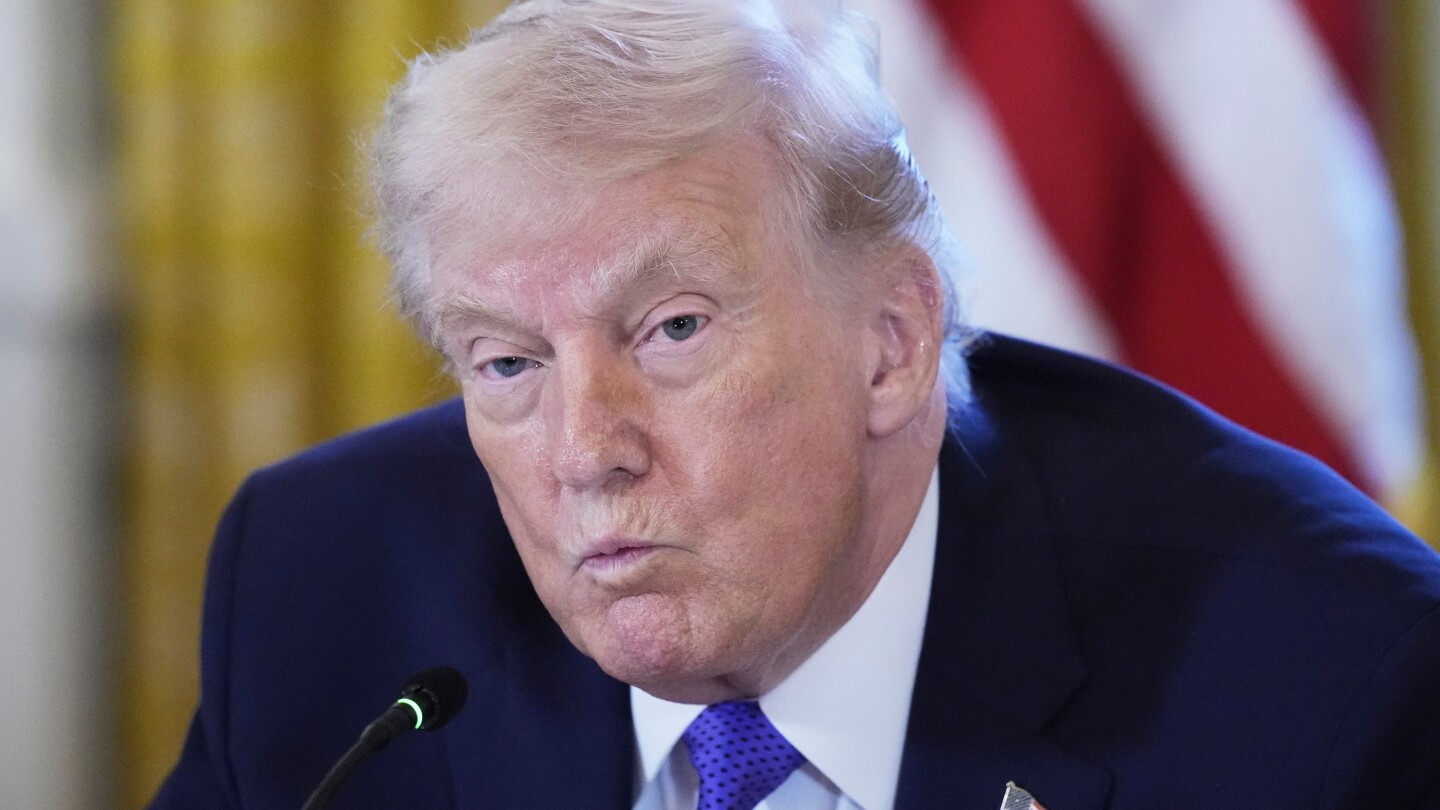
    Trump articulated his position emphatically on Truth Social, stating: “Cuba lived, for many years, on large amounts of OIL and MONEY from Venezuela. In return, Cuba provided ‘Security Services’ for the last two Venezuelan dictators, BUT NOT ANYMORE! THERE WILL BE NO MORE OIL OR MONEY GOING TO CUBA – ZERO! I strongly suggest they make a deal, BEFORE IT IS TOO LATE.” Despite the forceful rhetoric, the former president did not specify what terms such a deal might entail or what precise consequences Cuba would face for non-compliance.

    Cuban leadership responded with defiance. Foreign Minister Bruno Rodríguez asserted the nation’s “absolute right to import fuel without interference or subordination to the unilateral coercive measures of the United States,” emphasizing that Cuba does not engage in “blackmail or military coercion against other States.” President Miguel Díaz-Canel similarly rejected external pressure, stating: “Those who turn everything into a business, even human lives, have no moral authority to point fingers at Cuba for anything, absolutely anything.”

    The administration’s approach appears coordinated, with Secretary of State Marco Rubio—a Cuban-American former senator—suggesting that Cuban leaders “should be worried” and are “in a lot of trouble.” Trump amplified this messaging by sharing a social media post suggesting Rubio could become president of Cuba, commenting: “Sounds good to me!”

    This confrontation represents the latest chapter in the complex U.S.-Cuba relationship that has been strained since the 1959 revolution. While diplomatic relations saw improvement during the Obama administration, Trump has reversed many of those advances, including reinstating Cuba’s designation as a state sponsor of terrorism shortly after beginning his second term—a designation that had been lifted by the Biden administration just days earlier.

    The administration’s Latin American focus has expanded beyond Cuba and Venezuela, with Trump suggesting potential military action in Colombia and offering to deploy U.S. troops to Mexico—proposals that have been firmly rejected by both nations’ leaders. This aggressive posture signals a fundamental shift in hemispheric relations centered on combating drug trafficking and challenging left-wing ideologies throughout the region.

  • Thousands of tourists stranded in northern Finland as deep freeze halts flights

    Thousands of tourists stranded in northern Finland as deep freeze halts flights

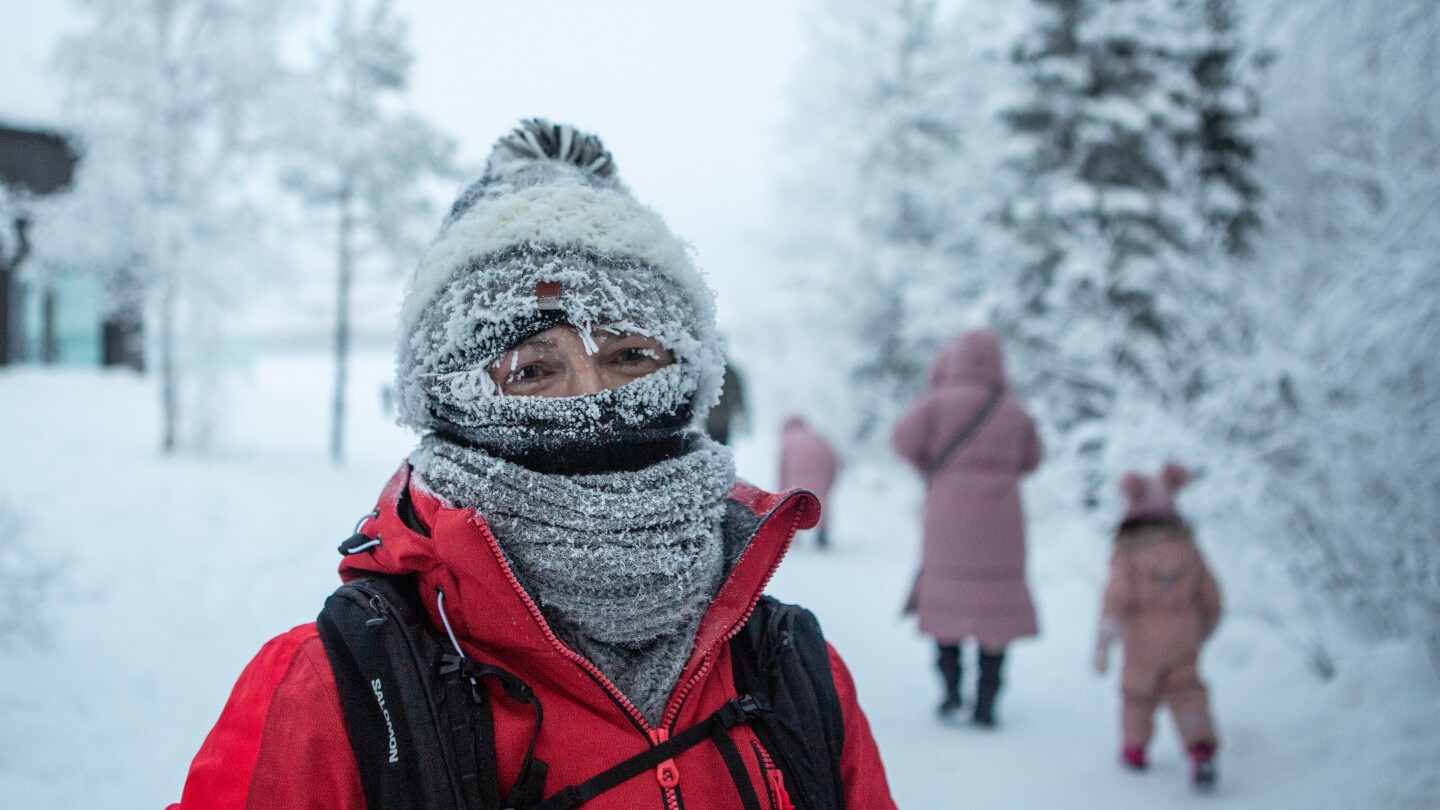
    An extreme Arctic cold front has triggered widespread travel chaos across Northern Europe, with Finland’s Lapland region experiencing the most severe disruptions. At Kittilä Airport, a key gateway to Finnish Lapland, all flight operations were suspended Sunday as temperatures plummeted to -37°C (-34.6°F), creating dangerously frigid conditions that made aircraft de-icing and ground operations impossible.

    The deep freeze left thousands of tourists stranded in the popular winter destination, with meteorologists predicting even more severe conditions Monday with temperatures approaching -40°C (-40°F). While Finns are accustomed to harsh winter weather, the current cold snap has proven exceptionally severe compared to recent years.

    The travel disruptions extended far beyond Finland’s borders. Germany’s rail network continued experiencing significant delays and cancellations Sunday after Deutsche Bahn suspended all northern services Friday due to heavy snowfall. In North Rhine-Westphalia, Germany’s most populous state, authorities preemptively closed all schools Monday, shifting to remote learning amid forecasts of dangerously icy roads.

    Baltic nations implemented similar precautions. Both Estonia and Lithuania issued travel advisories urging drivers to postpone nonessential journeys due to approaching blizzards, while Latvia activated snow alerts across its western regions. The persistent cold weather system has affected vast areas of northern, central, and eastern Europe, combining heavy snowfall, high winds, and treacherous road conditions to create one of the most challenging winter travel scenarios in recent memory.

  • As Vijay’s ‘Jana Nayagan’ faces delay, his 2016 hit ‘Theri’ to release in theatres

    As Vijay’s ‘Jana Nayagan’ faces delay, his 2016 hit ‘Theri’ to release in theatres

    In an unexpected cinematic development, Tamil superstar Thalapathy Vijay’s 2016 action thriller ‘Theri’ is poised for a theatrical re-release on January 15, 2026—exactly a decade after its original premiere. The announcement comes from veteran producer Kalaipuli S. Thanu of V Creations, who revealed the news through his official social media channels alongside a specially commissioned anniversary poster.

    The re-release strategy emerges concurrently with production delays affecting Vijay’s highly anticipated final film project, ‘Jana Nayagan,’ which has encountered postponement due to certification complications. Originally scheduled for January 9, 2026, the setback has left fans awaiting the actor’s purported farewell performance.

    Directed by Atlee, ‘Theri’ showcases Vijay in a dual role as both DCP Vijaya Kumar and Joseph Kuruvilla, portraying a former police officer who abandons his career to safeguard his young daughter from his turbulent past. The film’s narrative gains emotional depth through its exploration of paternal sacrifice and redemption, complemented by strong performances from Samantha Ruth Prabhu and Amy Jackson in pivotal supporting roles. Child actor Nainika delivered a memorable performance as Vijay’s on-screen daughter, contributing to the film’s emotional resonance.

    The film’s cultural impact extended beyond regional cinema, inspiring the Hindi remake ‘Baby John’ featuring Varun Dhawan and Keerthy Suresh. Its return to theaters represents both a nostalgic celebration for dedicated fans and a strategic countermeasure to maintain audience engagement during the ‘Jana Nayagan’ delay. This re-release initiative demonstrates the enduring commercial viability of Vijay’s filmography and the industry’s adaptive strategies in managing production timelines.

  • New protests hit Iran as alarm grows over crackdown ‘massacre’

    New protests hit Iran as alarm grows over crackdown ‘massacre’

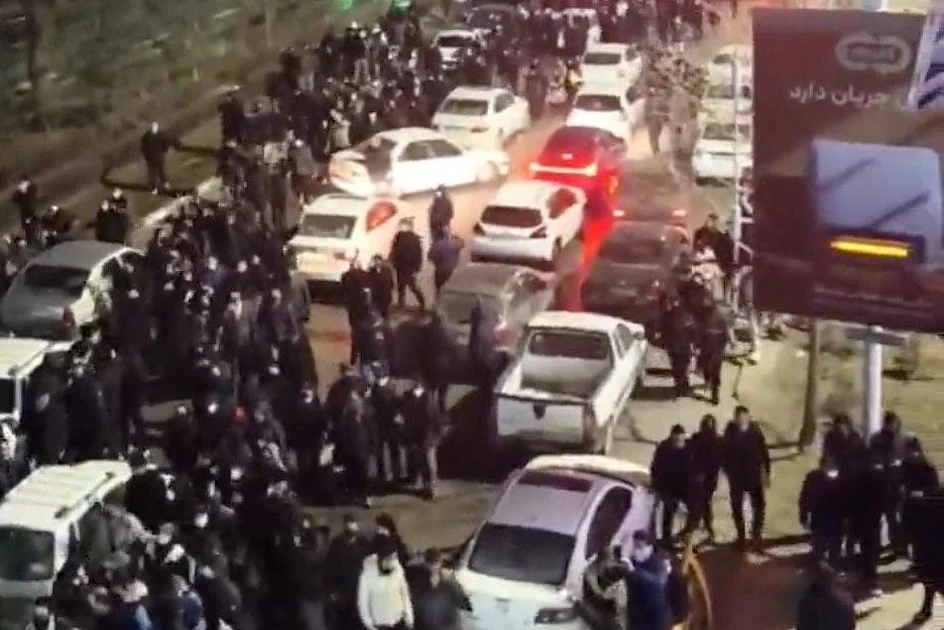
    Iran has been plunged into a new wave of civil unrest as citizens defy authorities despite a comprehensive internet blackout entering its third day. The demonstrations, which initially erupted over economic grievances and soaring living costs, have evolved into a direct challenge against the nation’s theocratic establishment that has governed since the 1979 revolution.

    According to documentation by the US-based Human Rights Activists News Agency, the death toll has reached at least 116 individuals, including 37 security personnel. However, human rights organizations caution that the actual number of fatalities may be significantly higher due to severe information restrictions imposed by the government’s digital crackdown.

    Netblocks, an internet monitoring organization, confirmed that Iran’s connectivity shutdown has surpassed 60 hours, describing the measure as a direct threat to citizen safety during this critical period. Despite these constraints, social media platforms have circulated videos showing substantial crowds mobilizing in Tehran, Mashhad, and other urban centers, with some footage depicting burning vehicles and confrontations with security forces.

    The Center for Human Rights in Iran has received disturbing accounts indicating hundreds of additional casualties, overwhelmed medical facilities, and critical blood supply shortages. Particularly alarming are reports of security forces intentionally targeting protesters’ eyes with projectiles.

    Interior Minister Eskandar Momeni characterized the events as acts of vandalism during a state television broadcast, asserting that the situation was being contained. Meanwhile, Reza Pahlavi, the exiled son of Iran’s former monarch, has emerged as a vocal supporter of the demonstrations, urging continued resistance against the regime.

    This uprising represents one of the most significant challenges to Supreme Leader Ayatollah Ali Khamenei’s governance, occurring against the backdrop of regional tensions following Israel’s recent military engagement with Iran and ongoing international pressure.

  • From receptionist to manager: UAE expats share secret behind rapid career growth

    From receptionist to manager: UAE expats share secret behind rapid career growth

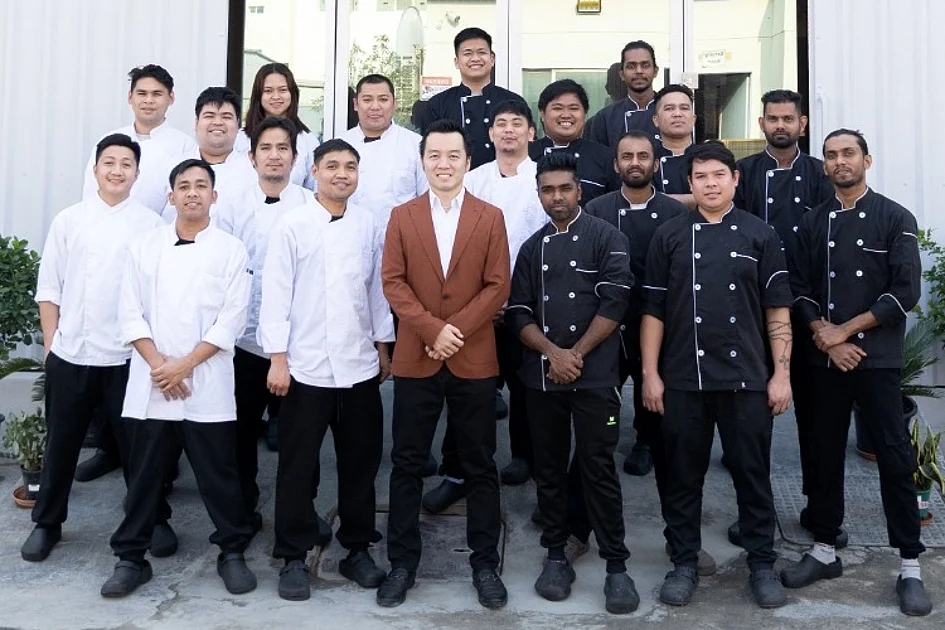
    In an inspiring demonstration of career transformation, several expatriates in the United Arab Emirates have achieved extraordinary professional growth through strategic reinvention and dedicated skill development. Their journeys, facilitated by a forward-thinking employer, reveal a powerful blueprint for career advancement in dynamic markets.

    Fatima De Guzman, formerly an English educator in the Philippines, arrived in the UAE in 2019 and accepted an entry-level receptionist position. Through seven years of progressive development, she now oversees human resources and administrative operations for a 400-employee organization, managing complex functions including recruitment, compliance, and employee relations.

    Parallel success stories emerge within the same organization: Ken Barona transitioned from IT background to culinary specialist during Dubai’s 2020 pandemic recovery, subsequently mastering operations and financial management to become a senior operations executive. Rodessa ‘Dessa’ Marie Alivarvar leveraged her computer engineering education to lead creative design teams for restaurant branding, while Sri Lankan national Munsith Ahamed expanded his graphic design expertise into videography and photography.

    These transformations were catalyzed by Takahiro Mogi, founder of the TKI Group, who himself deliberately stepped down from restaurant management in Singapore to work as a Dubai waiter in 2017. His six-month immersion strategy provided crucial market insights that enabled him to establish a thriving network of 10 Japanese restaurants and a premium Wagyu beef import business serving the UAE and Saudi Arabia.

    The cornerstone of this success model is Mogi’s institutionalized learning ecosystem. The company invests significantly in employee development through professional management training, specialized technical courses, and practical on-site instruction from industry experts. This educational framework emphasizes not only technical proficiency but also judgment development, personal responsibility, and leadership cultivation.

    Employees report that this commitment to continuous learning has eliminated burnout, enhanced productivity, and fostered profound organizational loyalty. The company’s philosophy encourages role exploration beyond comfort zones, with tuition support for skill acquisition that benefits both individual careers and organizational capabilities.

    These narratives reflect broader patterns among UAE expatriates who leverage adaptability and educational opportunities to achieve rapid career progression. The demonstrated formula combines employer investment in human capital with employee willingness to embrace new challenges, creating mutually beneficial advancement that transcends conventional career trajectories.

  • Trump won’t take Greenland by force, Mandelson says

    Trump won’t take Greenland by force, Mandelson says

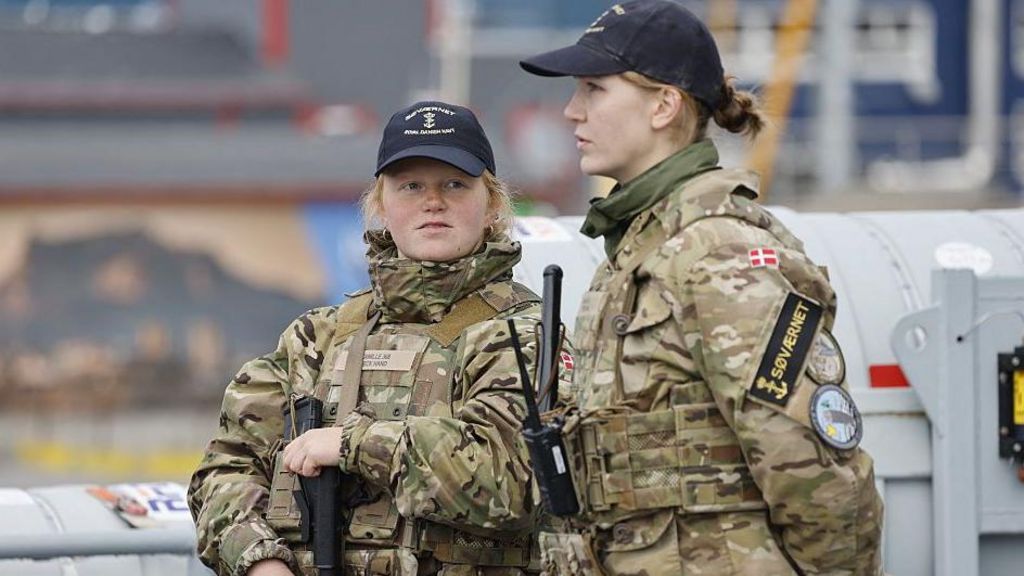
    A significant geopolitical confrontation is unfolding in the Arctic region as the United States under President Donald Trump’s administration demonstrates renewed interest in acquiring Greenland, creating diplomatic friction with NATO allies. While former UK ambassador Lord Mandelson has dismissed the possibility of military action, stating Trump wouldn’t “land on Greenland and take it by force,” the situation has escalated into a serious international discussion about Arctic sovereignty and security.

    The strategic importance of Greenland cannot be overstated. Its geographical position between North America and the Arctic makes it ideally situated for missile early warning systems and monitoring maritime activity. President Trump has repeatedly emphasized Greenland’s vital role in U.S. national security, claiming without evidence that Russian and Chinese vessels increasingly populate surrounding waters. This focus intensified following recent military operations in Venezuela that resulted in the capture of President Nicolas Maduro.

    Denmark and Greenland have firmly maintained that the territory is not for sale, with Danish officials warning that any military intervention would effectively destroy the NATO alliance. This stance has garnered support from major European nations and Canada, who have collectively reaffirmed that “only Denmark and Greenland can decide on matters concerning their relations.”

    The UK government finds itself navigating delicate diplomatic waters. Transport Secretary Heidi Alexander acknowledged the need for enhanced Arctic security cooperation with NATO allies while carefully distinguishing these discussions from being a direct response to U.S. posturing. Meanwhile, political leaders expressed divergent views, with Conservative leader Kemi Badenoch considering Greenland a “second order” issue compared to events in Iran, while Liberal Democrat leader Sir Ed Davey criticized Trump’s “outrageous threats” as benefiting Russian President Vladimir Putin.

    Complicating the diplomatic landscape is the background of Lord Mandelson himself, whose brief tenure as ambassador ended due to revelations about his contacts with convicted sex offender Jeffrey Epstein. Mandelson claims the government was fully aware of his background when appointing him, though Number 10 sources previously stated he had been “economical with the truth” during his vetting process.

    Beyond geopolitical positioning, Greenland’s signifcance extends to its substantial natural resources, including rare earth minerals, uranium, iron, and potential oil and gas reserves that are becoming increasingly accessible due to climate-change-induced ice melt. This economic dimension adds another layer to the ongoing international interest in the strategically crucial territory.

  • With Cuban ally Maduro ousted, Trump warns Havana to make a ‘deal’ before it’s too late

    With Cuban ally Maduro ousted, Trump warns Havana to make a ‘deal’ before it’s too late

    WEST PALM BEACH, Fla. — President Donald Trump escalated tensions with Cuba through a series of social media declarations on Sunday, warning the communist nation of severe economic consequences following the deposition of Venezuelan leader Nicolás Maduro. The U.S. President asserted that Cuba’s longstanding reliance on Venezuelan oil subsidies has reached its definitive endpoint.

    From his Florida residence, Trump proclaimed that Cuba would no longer receive petroleum resources or financial support from Venezuela, emphasizing his message with the declaration: “THERE WILL BE NO MORE OIL OR MONEY GOING TO CUBA – ZERO!” The President urged Cuban leadership to “make a deal, BEFORE IT IS TOO LATE,” though he provided no specific details regarding potential negotiation terms.

    The geopolitical confrontation intensified when Cuban President Miguel Díaz-Canel responded via social media platform X, challenging U.S. moral authority in international affairs. Díaz-Canel asserted that “those who turn everything into a business, even human lives, have no moral authority to point the finger at Cuba.”

    This diplomatic exchange occurs against the backdrop of significant regional upheaval. Cuban authorities reported that 32 military personnel from their nation’s security agencies were killed during the American operation that captured Maduro. These personnel were stationed in Caracas under a bilateral security agreement between Cuba and Venezuela.

    Trump reinforced his position by stating that Venezuela no longer requires protection from “thugs and extortionists,” instead promising that “the most powerful military in the World” would now provide protection to the Venezuelan people.

    The U.S. administration has intensified its pressure campaign against Cuba, which faces its most severe economic crisis in decades. The island nation has suffered from extensive blackouts and critical shortages of essential goods. Cuban officials attribute these challenges primarily to U.S. sanctions, which they claim have cost the economy over $7.5 billion between March 2024 and February 2025.

    Díaz-Canel defended Cuba’s political sovereignty and criticized U.S. economic measures, stating that those blaming the Cuban Revolution for economic hardships “should be ashamed” while condemning American-imposed “draconian measures.”

    Trump previously predicted Cuba’s economic deterioration would accelerate following Maduro’s removal from power, bluntly stating: “It’s going down for the count.”

  • Iran: Death toll rises to 116; internet blackout crosses 60 hours

    Iran: Death toll rises to 116; internet blackout crosses 60 hours

    Iran remains engulfed in a severe communications crisis as authorities continue to enforce a nationwide internet blackout that has now surpassed 60 consecutive hours. The digital shutdown coincides with escalating civil unrest that has resulted in a mounting death toll, with the US-based HRANA Rights Group reporting at least 116 fatalities linked to ongoing protests against governmental authorities.

    Netblocks, an internet monitoring organization, has characterized the censorship measures as particularly dangerous during this critical period. ‘The censorship measure presents a direct threat to the safety and wellbeing of Iranians at a key moment for the country’s future,’ the monitor stated via social media platform X, emphasizing the prolonged duration of the connectivity restrictions.

    The Iranian government has simultaneously declared three days of national mourning for what official sources describe as ‘martyrs,’ though state media has not provided specific casualty figures or detailed accounts of the circumstances surrounding these deaths. This official period of mourning stands in stark contrast to the ongoing suppression of digital communications that would typically allow for documentation and international awareness of the situation.

    The extended internet blackout represents one of the most severe digital crackdowns in Iran’s recent history, effectively isolating the country’s population from global communication networks and hindering the flow of information both within and beyond its borders. Such comprehensive restrictions on digital connectivity have raised significant concerns among human rights organizations regarding transparency and accountability during periods of civil unrest.

  • UAE: Woman duped in phone scam, court orders fraudsters to repay Dh40,900

    UAE: Woman duped in phone scam, court orders fraudsters to repay Dh40,900

    In a significant ruling against digital fraud, the Al Dhafra Court of First Instance in Abu Dhabi has mandated two convicted fraudsters to fully reimburse an Emirati woman they deceived through an elaborate telephone scam. The court’s final judgment, issued on January 8, 2026, brings closure to a case that highlights growing concerns about sophisticated digital financial crimes in the region.

    The defendants orchestrated their scheme by impersonating government officials, convincing the victim to download a specific mobile application under false pretenses. Once they gained her trust, they directed her to transfer a total of Dh40,900 to multiple bank accounts. The victim only realized she had been defrauded after completing the transactions.

    Court documents reveal that both defendants were already serving criminal sentences in separate cases—one detained at Bur Dubai Detention Center and the other at Al Qusais Detention Center. They had previously received criminal convictions in absentia for acquiring property through fraudulent means, resulting in three-month suspended prison sentences and orders for deportation from the UAE.

    During civil proceedings, the court established that the first defendant had illicitly obtained Dh22,500 from the victim, while the second defendant had taken Dh18,409. Neither had returned any portion of the stolen funds, prompting the civil claim for restitution.

    The court’s ruling requires both defendants to jointly repay the full Dh40,900 they fraudulently acquired. While the plaintiff had sought additional compensation of Dh9,000 for material and moral damages, the court awarded partial compensation exclusively for material damages, acknowledging the financial harm suffered. The claim for moral damages was rejected due to insufficient evidence of reputational harm.

    The judgment also ordered defendants to cover court expenses but denied the plaintiff’s claim for attorney fees since she represented herself throughout the legal proceedings. With no appeals filed, the court’s decision stands as final.

  • Dubai-Riyadh route records second highest airfare increase among cross-border travel

    Dubai-Riyadh route records second highest airfare increase among cross-border travel

    The Dubai-Riyadh air corridor has emerged as a significant aviation market, recording the world’s second-highest airfare increase in 2025 with a notable 6% price surge. According to aviation analytics firm OAG, average fares on this route reached $267 (Dh980), reflecting robust demand primarily driven by business travel and religious tourism.

    This pricing trend coincides with the route’s remarkable capacity expansion, ranking as the seventh busiest global corridor with 4.465 million seats annually—a 4% year-on-year increase and a substantial 42% growth compared to pre-pandemic 2019 levels. The sustained demand underscores the Middle East’s strengthening connectivity and economic integration.

    Dubai International Airport’s traffic statistics further validate this trend, revealing Saudi Arabia as its second-largest market during the first three quarters of 2025. The airport recorded 5.5 million passengers traveling to Saudi destinations, with Riyadh specifically accounting for 2.3 million travelers during this period, solidifying its position as Dubai’s second most popular city destination.

    The facilitation of travel between the neighboring Gulf nations has been significantly enhanced by Saudi Arabia’s streamlined visa policies. The introduction of electronic pilgrimage visas through the Nusuk Umrah platform, launched in August 2025, has simplified access for UAE residents and other international visitors seeking religious tourism experiences. This digital initiative offers comprehensive service customization, allowing pilgrims to arrange integrated packages or individual components including visas, accommodation, and transportation.

    Globally, the Kuala Lumpur-Singapore route experienced the most substantial airfare increase at 8%, while New York-London saw a more modest 2% rise. Conversely, several Asian routes including Tokyo-Taipei and Bangkok-Hong Kong witnessed fare reductions ranging from 5% to 12% throughout 2025.