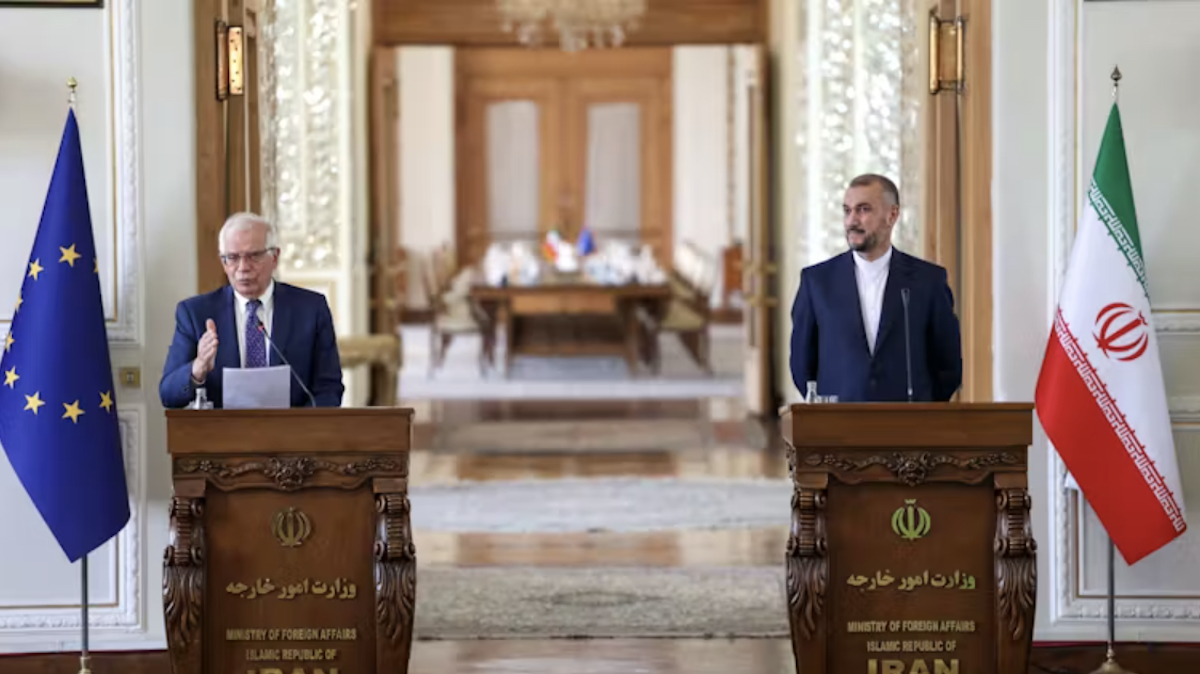
The United States’ decision to bomb three Iranian nuclear facilities on June 22, 2025, sent shockwaves across the globe, marking a stark departure from the Trump administration’s earlier diplomatic efforts to negotiate with Tehran over its nuclear program. This unprecedented military action, taken amidst the ongoing Israeli-Iranian conflict, has raised significant questions about the future of international diplomacy and nuclear nonproliferation. European governments, which have long advocated for a diplomatic resolution to Iran’s nuclear ambitions, responded with surprising restraint. European Commission President Ursula von der Leyen and German Chancellor Friedrich Merz both expressed support for Israel’s right to self-defense, while a joint statement from the E3 nations—France, the UK, and Germany—tacitly justified the US strikes as necessary to prevent Iran from developing nuclear weapons. However, the muted European reaction highlighted the continent’s diminished role in global diplomacy, particularly in contrast to its past leadership in negotiating the 2015 Iran nuclear deal. The deal, which included the US, Russia, China, and the European Union, aimed to curb Iran’s nuclear program in exchange for sanctions relief. The US withdrawal from the agreement in 2018 under President Trump, followed by the reimposition of heavy sanctions, severely undermined European efforts to maintain the deal and eroded Tehran’s trust in Europe as a reliable partner. Recent tensions, including Iran’s support for Russia’s invasion of Ukraine and Europe’s backing of Israel in the Gaza conflict, have further strained relations. Europe’s internal divisions over Middle East policy and its reliance on US leadership have compounded its challenges in reasserting a meaningful role in nuclear negotiations. As transatlantic relations remain fraught under the Trump administration, Europe faces an uphill battle to restore its influence in addressing Iran’s nuclear ambitions.
博客
-
US producer prices unchanged with wholesale inflation remaining under control
In a surprising turn of events, U.S. wholesale inflation showed signs of cooling in June, despite widespread concerns that President Donald Trump’s tariffs would drive up prices for goods before they reached consumers. The Labor Department reported on Wednesday that the producer price index (PPI) remained unchanged from May, following a 0.3% increase the previous month. Year-over-year, wholesale prices rose by 2.3%, marking the smallest annual gain since September. Both figures fell short of economists’ expectations. Excluding volatile food and energy prices, core producer prices also remained flat compared to May and increased by 2.6% from June 2024. This report came a day after the Labor Department revealed that consumer prices had risen by 2.7% year-over-year in June, the largest increase since February, driven by Trump’s sweeping tariffs on goods ranging from groceries to appliances. However, consumer and producer prices do not always move in sync. Bradley Saunders, North America economist at Capital Economics, noted a 0.3% rise in core wholesale goods prices, attributing it to the impact of Trump’s tariffs. Furniture prices surged by 1% from May, while home electronics rose by 0.8%, both categories heavily reliant on imports. Interestingly, steel mill producer prices dropped by 5.5% despite Trump’s 50% tariff on imported steel. Some companies had stockpiled goods before the tariffs took effect, helping to keep prices stable, but Saunders warned that these inventories are dwindling. With new tariffs on Japanese and South Korean imports set to take effect on August 1, the situation remains precarious. Auto retailers’ profit margins also fell by 5.4%, suggesting that car dealers are absorbing the costs of Trump’s 25% tariff on imported vehicles and parts. Economists are closely monitoring wholesale prices as they provide early insights into potential consumer inflation trends. The Federal Reserve, which has been cautious this year, is also watching the inflationary impact of Trump’s trade policies. Trump’s aggressive push for rate cuts has raised concerns about the central bank’s independence.
-

‘Come meet us in Dubai’: the new offshoring of grand corruption
In a revealing 2017 interview, an African high-net-worth individual recounted being advised by a London-based executive to relocate their business dealings to Dubai. This anecdote underscores a significant yet underappreciated global trend: the migration of sensitive financial activities from traditional Western hubs to more lenient jurisdictions. This shift, driven by stricter regulations on dubious foreign funds in established financial centers, has breathed new life into corrupt practices while complicating efforts to combat them.
-

S&P 500 and Nasdaq composite pull back from their all-time highs
Wall Street experienced a modest pullback on Friday, with major U.S. stock indexes closing in the red for the week. The S&P 500 fell 0.3%, retreating from its all-time high set the previous day, while the Dow Jones Industrial Average dropped 0.6% and the Nasdaq Composite slipped 0.2%. This decline followed a week of market volatility, driven by escalating trade tensions and anticipation of the upcoming corporate earnings season. President Donald Trump’s announcement of increased tariffs on Canadian imports to 35% further strained relations with the longstanding North American ally. This move is part of the administration’s broader strategy to leverage tariff threats to secure new trade agreements globally. Despite the initial market turmoil caused by Trump’s tariff policies earlier this year, Wall Street has shown relative stability recently, with stocks reaching record highs. However, some analysts remain cautious, noting that the market’s muted response to the latest tariff escalation may not reflect underlying risks. As earnings season gains momentum, companies like Levi Strauss and PriceSmart reported strong results, boosting their shares. Meanwhile, financial and healthcare stocks weighed heavily on the market, with Visa and Gilead Sciences among the notable decliners. In other developments, T-Mobile’s shares dipped slightly after the Justice Department cleared its $4.4 billion acquisition of U.S. Cellular, and Red Cat Holdings surged following Defense Secretary Pete Hegseth’s orders to accelerate drone production. Bond yields rose, with the 10-year Treasury yield climbing to 4.42%. European and Asian markets also closed lower, while Bitcoin briefly surpassed $118,000, driven by bullish momentum and anticipation of regulatory developments during the U.S. Congress’ Crypto Week.
-
Wimbledon: All the early upsets could stem from a lack of experience on grass courts
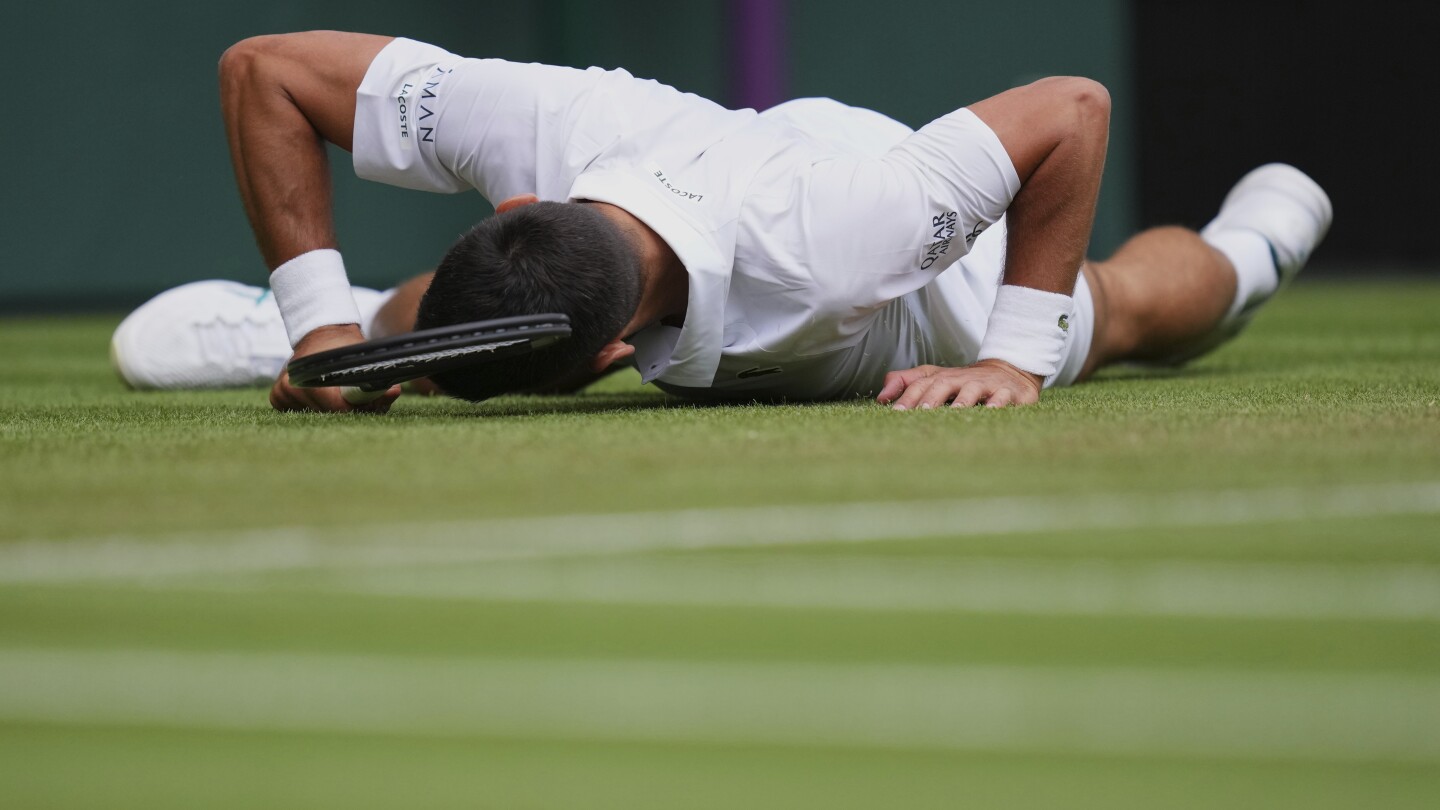
LONDON (AP) — Novak Djokovic, despite his remarkable success on Wimbledon’s grass courts with 100 wins and seven of his 24 Grand Slam titles, did not grow up playing on this surface. In fact, his first encounter with grass was in 2005, during a qualifying event at Roehampton, where he secured his debut at the All England Club at 18. ‘That was actually the first year I stepped out on the grass,’ Djokovic recalled. ‘It felt very natural for me to adapt, even though I grew up on clay.’ Djokovic is set to face Alex de Minaur in the quarterfinals on Monday. The unpredictability of grass courts has been a recurring theme at Wimbledon this year, with eight top-10 seeds—four women and four men—exiting in the first round, the highest number since 2001. Elena Rybakina, the 2022 champion, noted, ‘Grass is very unpredictable.’ With Rybakina’s third-round exit and defending champion Barbora Krejcikova’s loss to Emma Navarro, the women’s singles will crown a first-time winner for the ninth consecutive year. The All England Club’s grass courts pose unique challenges, as most players grow up on hard or clay courts. Grass courts, used for only about a month each year, require significant adaptation. ‘It’s a surface that requires a lot of adapting. You have to go by feeling,’ said Lorenzo Musetti, a semifinalist last year. The slippery footing, skidding balls, and inconsistent bounces make grass a demanding surface. Tommy Paul, who grew up playing on green clay, described grass as ‘the most fun surface to play on’ despite its challenges. Many top players, like Naomi Osaka and Iga Swiatek, have struggled on grass, with Osaka citing a past injury as a source of fear. Swiatek, despite a junior Wimbledon title, has found it her least successful Slam as a pro. ‘This year on grass, I had some moments where I just felt comfortable,’ Swiatek said. ‘It was just pretty smooth.’
-
US OKs chip design software for China after a key minerals deal
In a significant development in US-China trade relations, the United States has lifted restrictions on the export of chip-making software to China, following China’s agreement to increase exports of key minerals to America. This decision, reported by Bloomberg, allows major Electronic Design Automation (EDA) software providers—Synopsys, Cadence, and Siemens—to resume operations in China, where they collectively dominate over 90% of the market. The move comes after a trade agreement signed on June 25, which was preceded by high-level meetings between US and Chinese officials in London earlier in June. The Chinese Ministry of Commerce confirmed that China would approve export applications for controlled items, while the US would reciprocate by lifting restrictive measures. US Treasury Secretary Scott Bessent expressed optimism about the increased flow of Chinese mineral and magnet exports, emphasizing the importance of rare earth magnets in the deal. Meanwhile, shares of China’s Empyrean Technology, a key chip-making software supplier for Huawei, fell by 3%, reflecting the competitive pressures in the domestic market. The trade agreement marks a de-escalation in tensions, though observers remain cautious about its long-term sustainability, given the US’s efforts to diversify its key mineral sources. Countries like India, Brazil, and Australia are emerging as alternative suppliers, potentially challenging China’s dominance in the rare earth sector. The deal underscores the complex interdependence between the two nations in critical technology and resource sectors, even as strategic competition persists.
-

Japanese seafood imports conditionally resumed
China has announced the conditional resumption of seafood imports from select regions of Japan, effective immediately. The decision, disclosed by the Foreign Ministry on Monday, comes with stringent safeguards to ensure public health and food safety. Mao Ning, the ministry’s spokesperson, emphasized that the move aligns with Chinese laws, international trade regulations, and scientific assessments. However, China retains the authority to impose immediate restrictions should any risks emerge. The announcement follows the General Administration of Customs’ Sunday declaration, which outlined the resumption of imports from certain Japanese areas while maintaining a ban on products from 10 prefectures, including Fukushima. These regions remain excluded due to ongoing concerns over radioactive wastewater discharges from the Fukushima Daiichi Nuclear Power Plant, which began in August 2023. China, previously the largest overseas market for Japanese seafood, had imposed a comprehensive ban following the wastewater release. Mao highlighted that Japan has agreed to international monitoring and independent sampling by China, pledging to ensure the safety of exported aquatic products. Despite the conditional resumption, China reiterated its opposition to Japan’s ocean discharge practices, underscoring the need for long-term risk management and international collaboration.
-
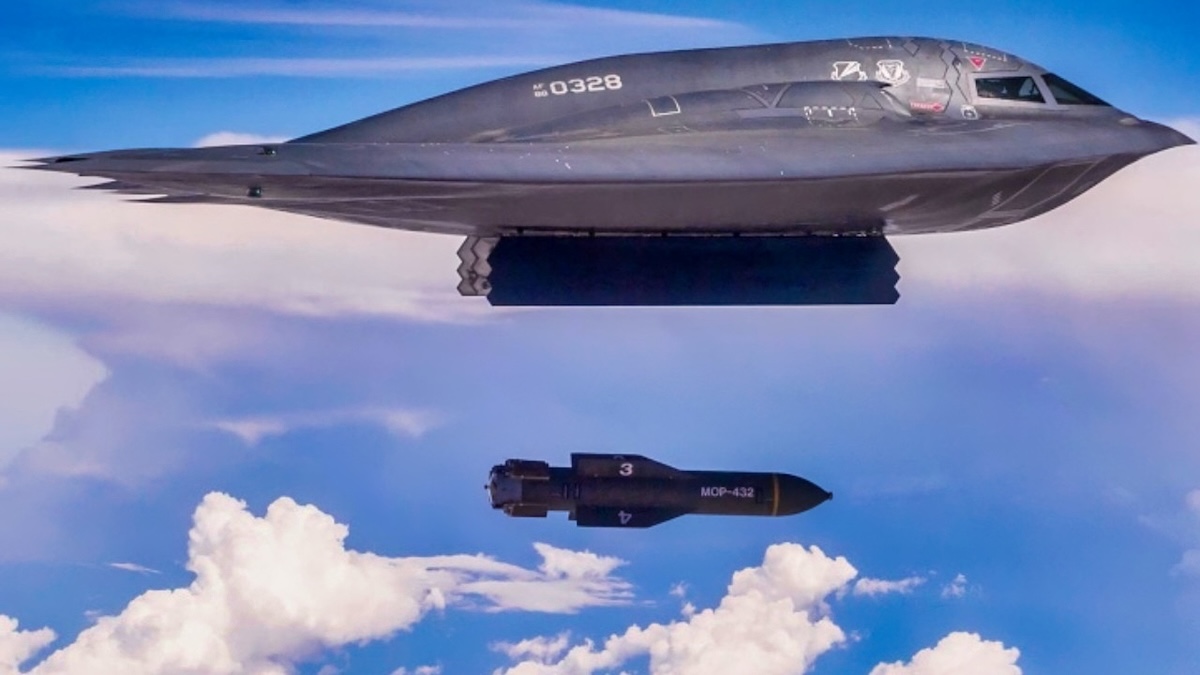
US builds next-generation bunker buster with China in mind
In the wake of its recent strikes on Iran’s nuclear facilities, the United States is fast-tracking the development of a next-generation penetrator (NGP) to address the evolving challenges of modern warfare. The June 2024 operation, codenamed Midnight Hammer, saw the first combat use of the 13,000-kilogram GBU-57/B Massive Ordnance Penetrator (MOP) against Iran’s Fordow and Natanz sites. While the strikes demonstrated precision, they also highlighted operational limitations, particularly with the B-21 Raider’s reduced payload capacity. This has spurred the US Department of Defense to prioritize the creation of a more advanced penetrator capable of overcoming hardened and deeply buried targets. The NGP, expected to weigh under 9,900 kilograms, will feature enhanced precision, propulsion systems for standoff capability, and improved terminal effects. Its development is driven by lessons from the Iran strikes and the growing global proliferation of fortified facilities in nations like China, North Korea, and Russia. The US Air Force aims to deploy initial prototypes within two years, integrating the NGP into the Long Range Strike system alongside platforms like the B-21 bomber and the AGM-181A Long-Range Stand-Off missile. However, the strikes on Iran’s Fordow facility, which lies 80 meters underground, raised questions about the MOP’s effectiveness. Satellite imagery revealed only six craters despite the deployment of 14 bombs, suggesting incomplete destruction of critical infrastructure. US Defense Secretary Pete Hegseth downplayed these concerns, calling leaked reports preliminary and emphasizing the complexity of battle damage assessments. The lessons from Iran could foreshadow greater challenges in potential conflicts with China, where deeply buried command centers and missile silos pose significant threats. Analysts warn that conventional strikes on such targets might be misinterpreted as nuclear decapitation attempts, escalating tensions. As the US refines its penetrator technology, the broader strategy of deterrence by denial remains critical, though it faces practical limitations amid China’s expanding missile capabilities and anti-access systems.
-
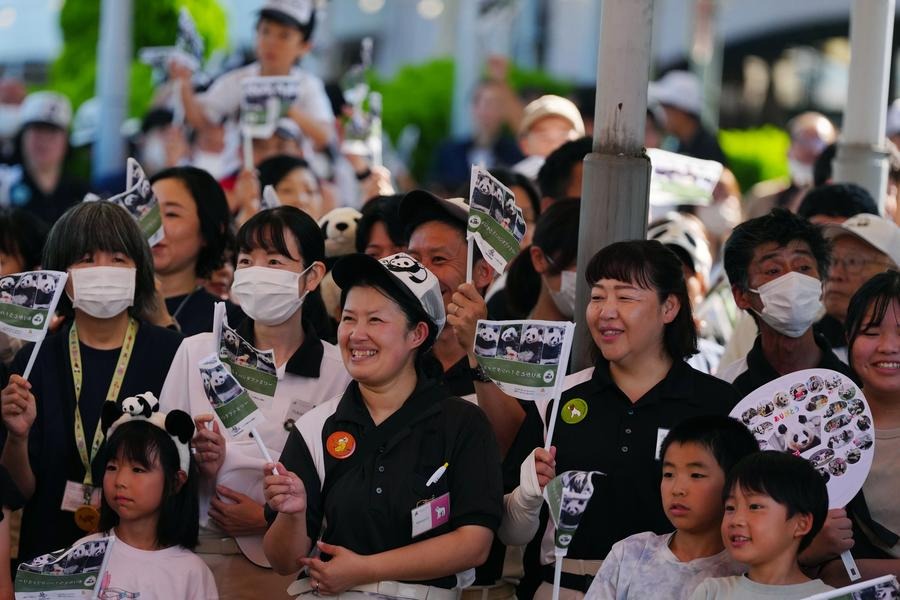
4 giant pandas at western Japan zoo depart for China
On June 28, 2025, four giant pandas from Adventure World amusement park in Shirahama, Wakayama Prefecture, Japan, embarked on their journey back to China. The pandas, 24-year-old Rauhin and her three daughters—Yuihin (8), Saihin (6), and Fuhin (4)—were transported to the Chengdu Research Base of Giant Panda Breeding in Sichuan Province. The departure marked the end of their stay in Japan, where they had been part of a joint breeding program initiated in 1994. Early in the morning, park staff and fans gathered to bid farewell, waving flags and wearing T-shirts adorned with images of the pandas. The zoo’s director, Koji Imazu, expressed his hopes for the pandas’ healthy and long lives in China, emphasizing their role in fostering goodwill between the two nations. The transfer was scheduled for June to avoid the physical strain of summer heat, especially for Rauhin, who is now in her senior years. The younger pandas are expected to contribute to future breeding efforts in China. The zoo’s panda breeding team ensured a smooth transition by sharing detailed information about each panda’s traits with their Chinese counterparts.
-
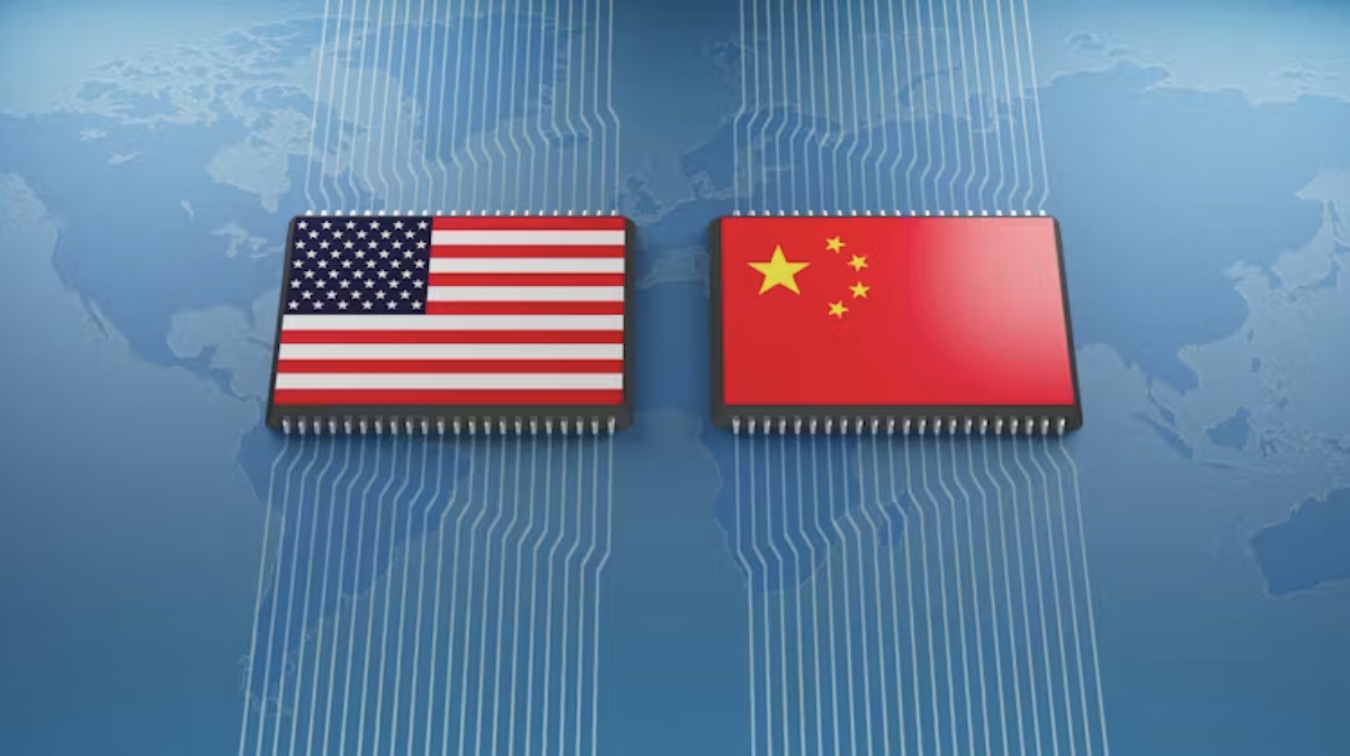
US missing the point on China’s industrial cyberespionage
The United States is actively pursuing economic decoupling from China, implementing measures such as increased tariffs on Chinese goods, restrictions on advanced technology exports, and subsidies to bolster domestic manufacturing. This strategy aims to reduce reliance on China for critical products and safeguard US intellectual property from theft, particularly state-sponsored cyber-economic espionage. Former US Trade Representative Katherine Tai emphasized that China-specific tariffs were intended to counter harmful cyber intrusions and theft, echoing earlier Trump administration efforts to address intellectual property theft. However, the effectiveness of decoupling in protecting US innovations remains questionable. Political scientist William Akoto, who specializes in state-sponsored cyberespionage, argues that decoupling may not deter cyber theft and could even exacerbate it. His research highlights that industrial similarity, rather than reliance, drives cyberespionage. Countries with overlapping advanced industries, such as aerospace and electronics, are more likely to target each other with cyberattacks due to intense competition. For instance, the 2012 cyberattack on US solar panel manufacturer SolarWorld, attributed to Chinese entities, exemplifies this dynamic. Cutting trade ties does not eliminate technological rivalry; instead, it may intensify espionage efforts. Historical examples, such as South Africa’s covert acquisition of nuclear technology under sanctions and Israel’s clandestine military tech efforts during embargoes, illustrate how isolation can fuel desperation. To mitigate cyberespionage, Akoto suggests investing in cyber defense, building resilience, and accelerating innovation. Strengthening network security, training employees against phishing, and adopting robust encryption can make hacking attempts less successful. Additionally, businesses can focus on faster product development cycles to stay ahead of competitors. Rather than relying on tariffs and export bans as solutions, US leaders should prioritize resilience and stress-test cybersecurity measures to make espionage less rewarding for adversaries.