博客

  • Horrific footage captures moment Melbourne truck driver bashed outside Clyde North home while family sleeps

    Horrific footage captures moment Melbourne truck driver bashed outside Clyde North home while family sleeps

    A disturbing violent incident unfolded in Melbourne’s southeastern suburb of Clyde North early Thursday morning, leaving a local truck driver with significant injuries. At approximately 5:30 a.m., a 42-year-old man was preparing to depart for work from his Brumich Way residence when two unidentified assailants launched a surprise attack.

    Closed-circuit television footage obtained by authorities depicts the harrowing sequence of events. The visual evidence allegedly shows one individual striking the victim in the head with sufficient force to propel him backward onto the roadway. A second assailant then joined the assault, with both men proceeding to punch and kick the defenseless victim while he lay incapacitated on the ground.

    Despite sustaining a fractured skull and broken nose in the brutal beating, the victim demonstrated remarkable resilience by managing to return to his household where family members remained asleep during the altercation. His sister, Suman, provided a chilling account to Nine News, describing extensive blood distribution throughout the home and on the victim’s face. She characterized the assault as potentially lethal in intent, stating the attackers appeared determined to ensure his demise through targeted head trauma.

    Victoria Police representatives confirmed the victim received hospital treatment for injuries classified as non-life threatening. Law enforcement officials conducted comprehensive area searches but failed to locate the perpetrators. Although the precise motivations remain undetermined, authorities have explicitly stated they are not treating this as a random act of violence. The criminal investigation continues with police urging residents possessing relevant information or additional surveillance footage to contact Crime Stoppers immediately.
  • Rift at top of the Taliban: BBC reveals clash of wills behind internet shutdown

    Rift at top of the Taliban: BBC reveals clash of wills behind internet shutdown

    A profound internal power struggle is threatening the unity of Afghanistan’s Taliban government, pitting the reclusive supreme leader against powerful cabinet ministers in a clash over the country’s future direction. The conflict, revealed through a BBC investigation based on leaked audio and over 100 interviews with Taliban insiders, exposes two competing visions for the nation.

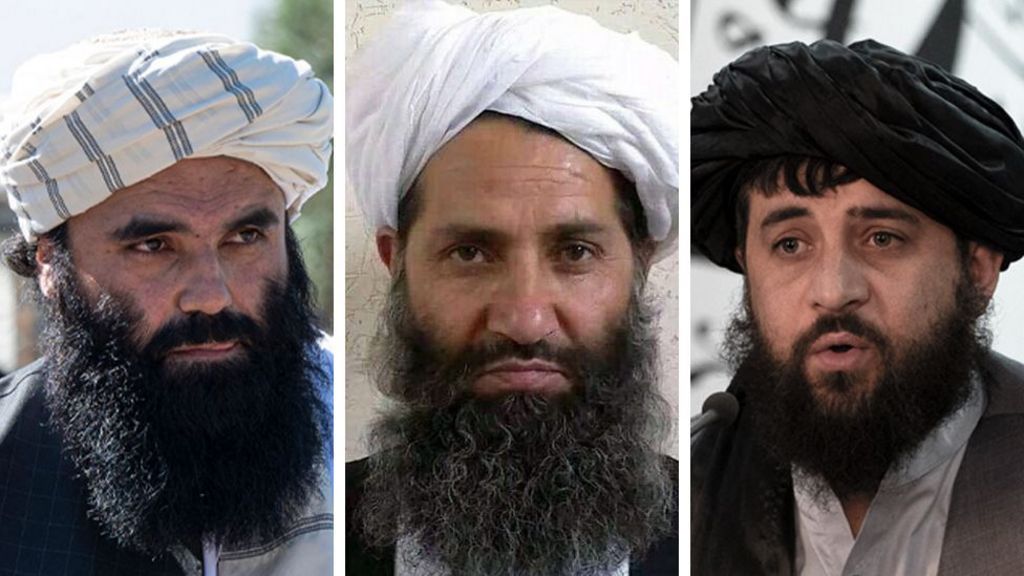
    At the center stands Supreme Leader Hibatullah Akhundzada, who rules from Kandahar with absolute religious authority. Surrounding himself with hardline ideologues, he advocates for a strictly isolated Islamic Emirate severed from modern global systems. His faction has implemented sweeping bans on girls’ education beyond primary school and women’s employment, enforcing rigid religious interpretations across Afghan society.

    Opposing this vision stands the so-called ‘Kabul group’—influential ministers including Interior Minister Sirajuddin Haqqani, Defense Minister Mohammad Yaqoob, and political leader Abdul Ghani Baradar. While still conservative Islamists, these figures advocate for international engagement, economic development, and limited modernization. They particularly disagree with Akhundzada’s education bans and isolationist policies.

    The tension reached its climax in September 2025 when Akhundzada ordered a nationwide internet blackout, citing anti-Islamic content concerns. In an unprecedented act of defiance, Kabul-based ministers collectively pressured Prime Minister Mullah Hassan Akhund to restore connectivity just three days later—an act described by insiders as ‘nothing short of rebellion.’

    This direct challenge to Akhundzada’s authority marked a seismic shift in Taliban dynamics. While the movement has historically valued obedience to leadership, the pragmatic ministers recognized that governing a modern state requires internet access for both administration and commerce.

    The power struggle reflects deeper ideological divisions. Akhundzada, a former Sharia court judge, believes himself accountable only to God and has consolidated power by moving key government functions to Kandahar. Meanwhile, the Kabul faction—many of whom negotiated with the United States and have international experience—seeks a governance model resembling Gulf states while maintaining Islamic principles.

    Despite the confrontation, open rupture remains unlikely. Both factions recognize that visible division could threaten their hold on power. As 2026 begins, the question remains whether these internal tensions will translate into meaningful policy changes for the Afghan people, particularly regarding women’s rights and international relations.

  • Voting begins in Uganda’s presidential election during internet shutdown and polling station delays

    Voting begins in Uganda’s presidential election during internet shutdown and polling station delays

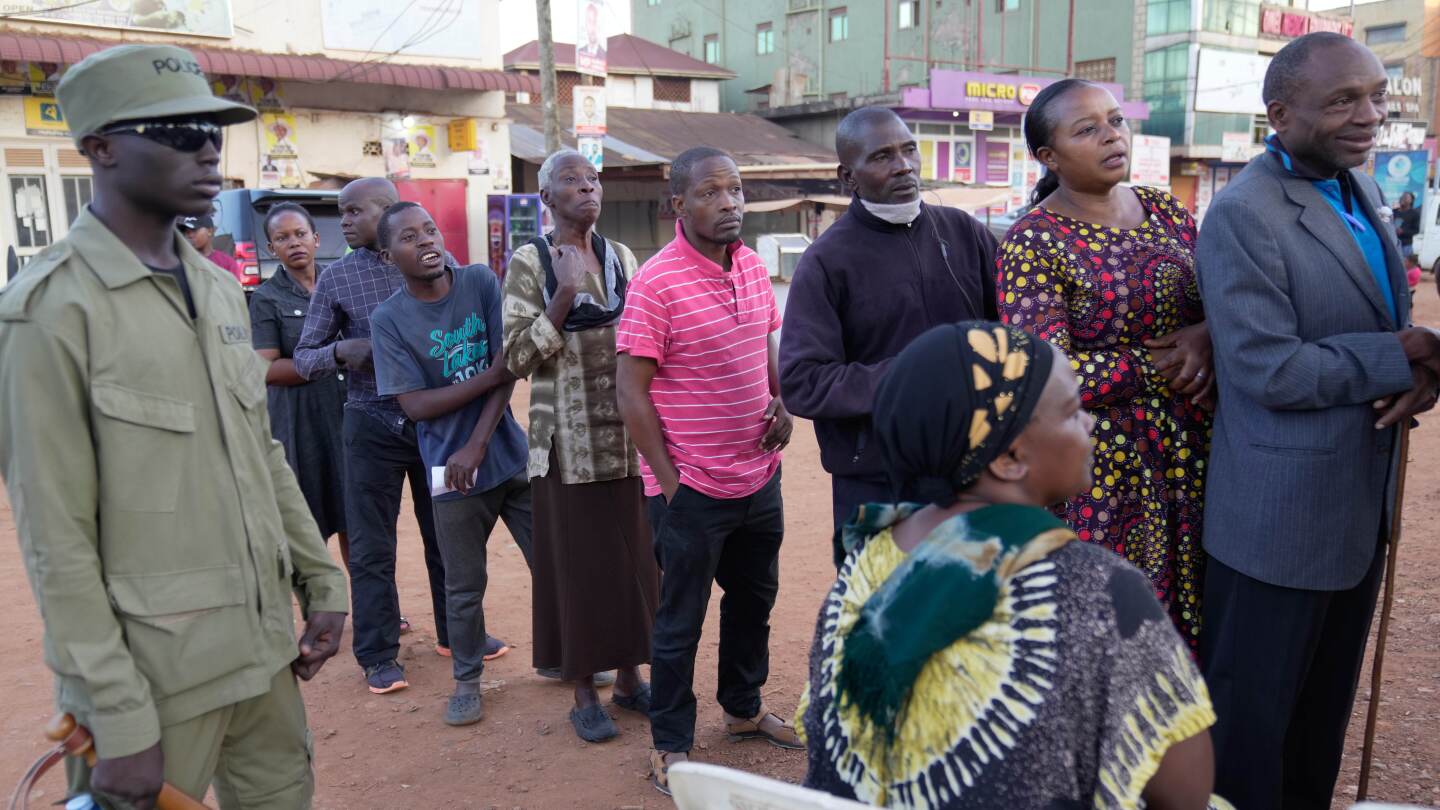
    Uganda commenced presidential voting operations on Thursday under unprecedented digital censorship, as nationwide internet blackouts cast shadows over electoral integrity in East Africa’s longstanding political landscape. Despite scheduled 7 a.m. openings, numerous polling stations witnessed significant delays with electoral materials arriving tardily, prompting substantial voter queues across multiple districts.

    The electoral contest features 81-year-old incumbent Yoweri Museveni, seeking to extend his 35-year presidency against seven challengers. Most notably, opposition momentum centers around Robert Kyagulanyi—the charismatic musician-politician popularly known as Bobi Wine—who has mobilized youth-led movements demanding systemic political transformation.

    With approximately 45 million citizens and 21.6 million registered voters, Uganda’s electoral process unfolds amid international scrutiny regarding digital freedom and transparent governance. The government-enforced internet suspension, criticized by digital rights advocates as fundamentally anti-democratic, severely restricts independent monitoring capabilities and real-time information dissemination.

    Electoral officials acknowledge logistical challenges while maintaining that voting procedures will adhere to constitutional standards. However, the communications blackout raises profound concerns about transparency mechanisms in a nation where the same leadership has governed since 1986.

  • Two dead after another construction crane collapses in Thailand

    Two dead after another construction crane collapses in Thailand

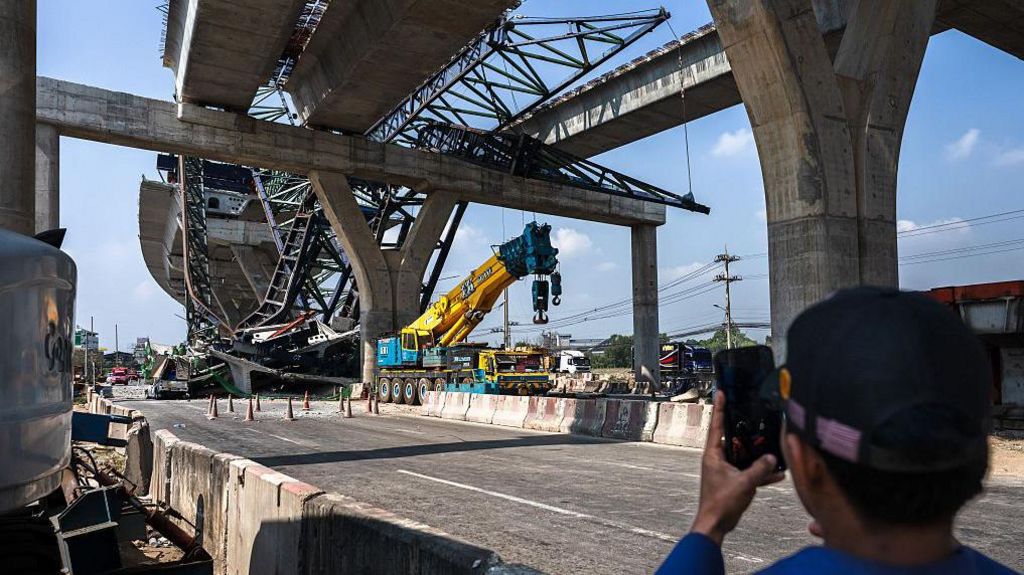
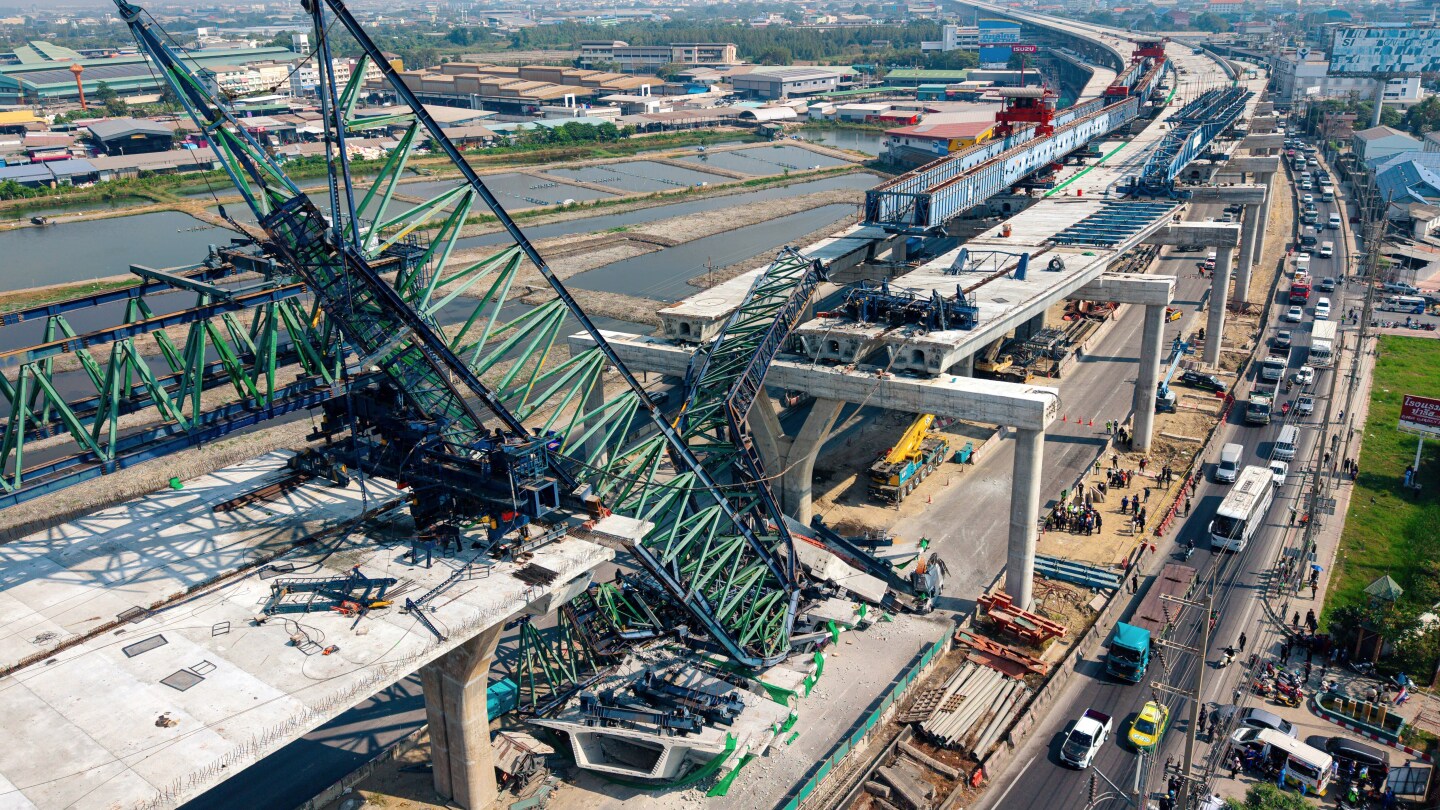
    A deadly construction crane collapse has struck Thailand for the second consecutive day, killing two people on a highway in Samut Sakhon, a suburban area of Bangkok. The catastrophic incident occurred Thursday as the crane, operated by Italian-Thai Development PLC, was being used for expressway construction before crashing onto the roadway below.

    Dramatic footage captured the moment the massive structure gave way, crushing vehicles beneath its weight and blanketing the area in thick dust and debris. This tragedy follows Wednesday’s equally devastating accident in Nakhon Ratchasima province, where a crane collapsed onto a moving train, resulting in 32 fatalities and over 60 injuries.

    Both construction projects were managed by Italian-Thai Development, one of Thailand’s largest construction firms currently facing intense scrutiny. The company has a troubling safety record, including responsibility for a Bangkok skyscraper that collapsed during an earthquake in March when no other structures in the city were damaged.

    The latest collapse occurred on a route notoriously nicknamed ‘Death Road’ by local media due to its history of fatal accidents. According to AFP reports, approximately 150 people have lost their lives in numerous accidents over the past seven years on this road improvement project connecting Bangkok to southern regions.

    The repeated tragedies have exposed critical weaknesses in Thailand’s construction safety enforcement. Prime Minister Anutin Charnvirakul has pledged to address construction negligence following Wednesday’s incident, while the State Railway of Thailand has initiated legal action against Italian-Thai Development for the train catastrophe.

  • ICE agent shoots Minneapolis man in the leg

    ICE agent shoots Minneapolis man in the leg

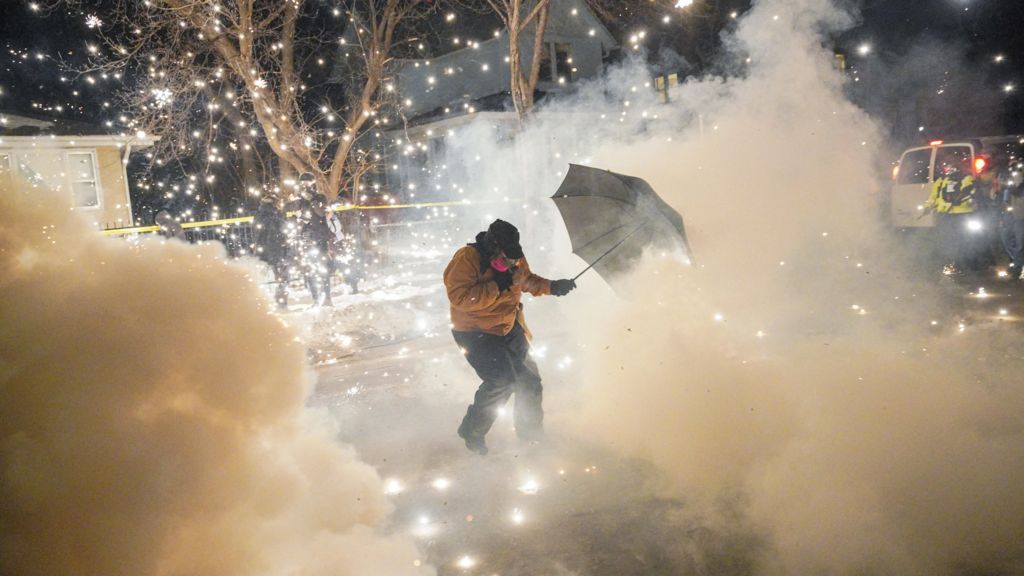
    Minneapolis has become the epicenter of escalating tensions between federal immigration authorities and local officials following a second shooting incident involving Immigration and Customs Enforcement (ICE) officers within a week. According to the Department of Homeland Security (DHS), federal officers pursued a Venezuelan national residing illegally in the United States, culminating in a vehicle chase and subsequent altercation. During the confrontation, the suspect exited his vehicle and engaged with an ICE officer, prompting two additional individuals to emerge from a nearby apartment building and allegedly assault the officer. In what the DHS describes as a “defensive” measure against being “ambushed,” the officer discharged his firearm, striking the primary suspect in the leg. All three individuals are currently in custody, with both the suspect and officer receiving hospital treatment for non-life-threatening injuries.

    The incident has ignited fierce condemnation from Minneapolis leadership. City officials issued a statement on social media platform X demanding the immediate withdrawal of ICE from both the city and the state of Minnesota, acknowledging public anger while urging calm. Minneapolis Mayor Jacob Frey sharply criticized federal officers, accusing them of “creating chaos” across Minnesota. This sentiment was echoed by Governor Tim Walz, who, in a social media address shortly before news of this latest shooting broke, passionately urged former President Trump to terminate what he termed the ICE “occupation” of the state.

    This event marks the second such confrontation in a week, coming on the heels of the fatal shooting of 37-year-old Renee Nicole Good by an ICE agent. Federal authorities claimed Good attempted to run over agents with her vehicle, though Mayor Frey contested this, stating the agent had acted recklessly. Video evidence from that prior incident depicts agents approaching a stationary vehicle in the street before firing shots as it attempts to drive away. Both shootings are under investigation by the FBI.

    The political fallout has been immediate and severe. U.S. Deputy Attorney General Todd Blanche blamed state leadership directly, calling the situation a “Minnesota insurrection” and a direct result of a “FAILED governor and a TERRIBLE mayor encouraging violence against law enforcement.” Meanwhile, protesters have gathered at the scene of the latest shooting, condemning ICE’s intensified operations. The agency has deployed approximately 3,000 officers to Minnesota in recent weeks, significantly heightening local tensions and fueling a deepening rift between state and federal authorities.

  • US, Denmark, Greenland to set up work group as ’fundamental disagreement’ persists

    US, Denmark, Greenland to set up work group as ’fundamental disagreement’ persists

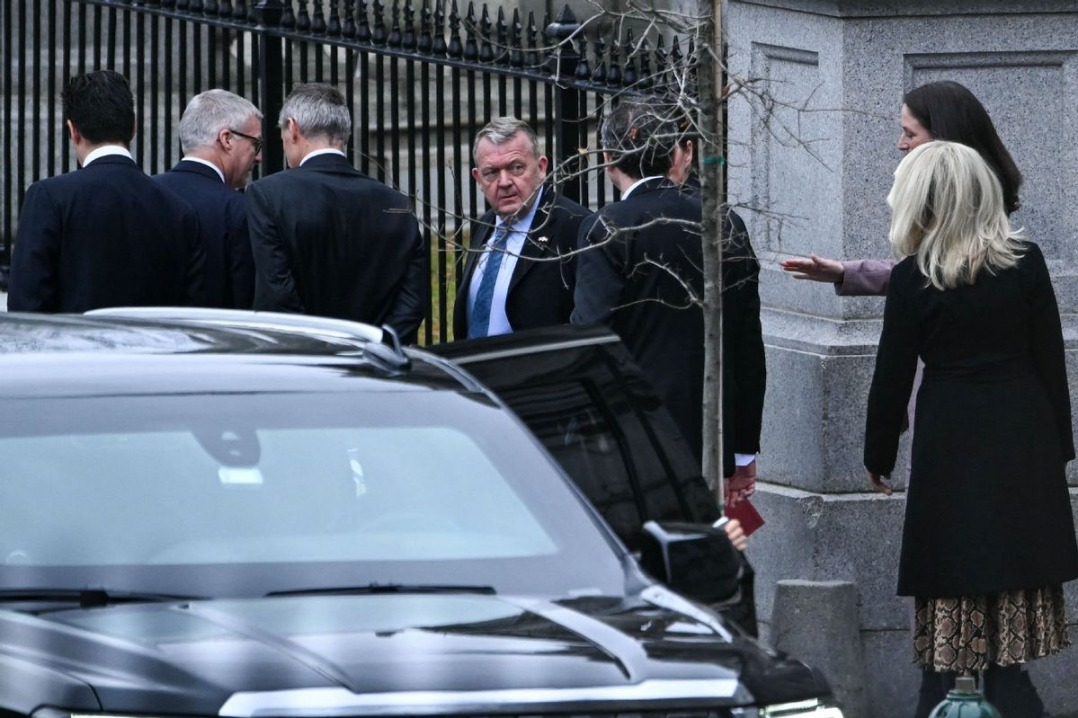
    In a significant diplomatic development, the United States, Denmark, and Greenland have agreed to establish a high-level working group to address escalating tensions over the future status of the world’s largest island. The agreement came following a high-stakes meeting at the White House on January 14, 2026, involving US Vice-President JD Vance, Secretary of State Marco Rubio, Danish Foreign Minister Lars Lokke Rasmussen, and Greenlandic Foreign Minister Vivian Motzfeldt.

    Despite characterizing the discussions as “frank but constructive,” Minister Rasmussen acknowledged that “fundamental disagreements” persist between the nations. The core dispute centers on US President Donald Trump’s persistent ambition to acquire Greenland, which he has deemed essential for national security and the controversial Golden Dome project—a stance that directly conflicts with Danish and Greenlandic sovereignty positions.

    The newly established working group will explore potential compromise areas while respecting what Rasmussen described as “red lines”—specifically the territorial integrity of the Danish Kingdom and Greenland’s right to self-determination. The minister emphasized that any proposals violating these principles would be “totally unacceptable,” reflecting the firm stance maintained by both Danish and Greenlandic leadership.

    The tension reached new heights earlier this week when Danish Prime Minister Mette Frederiksen and Greenlandic Premier Jens-Frederik Nielsen presented a united front in Copenhagen, denouncing what they characterized as “completely unacceptable pressure” from their traditional ally. Nielsen unequivocally stated that if forced to choose between the US and Denmark, Greenland would maintain its current constitutional relationship.

    This geopolitical standoff represents the latest chapter in Trump’s longstanding interest in acquiring Greenland, which dates back to his first presidential term. Despite repeated assertions from both Nuuk and Copenhagen that the island is not for sale, the White House recently declined to rule out the use of force, further complicating diplomatic relations between the NATO allies.

    Greenland, while enjoying self-governance in domestic affairs, remains under Danish sovereignty for defense and foreign policy matters. The United States maintains a strategic military presence at Thule Air Base, adding complex security dimensions to the ongoing negotiations that will commence within weeks.

  • Labubu toy manufacturer exploited workers, labour group claims

    Labubu toy manufacturer exploited workers, labour group claims

    A U.S.-based labor rights organization has raised serious allegations regarding working conditions at a Chinese manufacturing facility responsible for producing the globally popular Labubu dolls. China Labor Watch (CLW), a non-governmental organization, claims its investigation revealed concerning labor practices at Shunjia Toys Co Ltd, a Guangdong-based supplier for toy retailer Pop Mart.

    According to CLW’s report, researchers conducted 51 in-person interviews with factory employees, uncovering multiple labor violations. The investigation allegedly found evidence of excessive overtime shifts, problematic contract practices including blank or incomplete agreements, and denial of paid leave entitlements. While no child labor was identified, the report notes the factory employed 16-year-old workers without providing the special protections required under Chinese law for minor employees.

    The factory in Xinfeng County, described as a core manufacturing facility employing over 4,500 workers, also allegedly lacked adequate safety training and protections for workers. CLW emphasized that as an original equipment manufacturer (OEM), the factory operates under pricing and production schedules set by client companies, making brands directly responsible for conditions in their supply chains.

    Pop Mart, the Beijing-based toy company behind the wildly successful Labubu blind box toys, responded to the allegations by stating it is investigating the claims. The company acknowledged receiving the report details and committed to ‘firmly’ requiring corrective actions from suppliers if violations are confirmed. Pop Mart highlighted its existing audit processes, including annual independent third-party reviews conducted by internationally recognized inspectors.

    The Labubu phenomenon has generated global excitement with celebrity endorsements from Kim Kardashian and Blackpink’s Lisa contributing to its massive popularity. The current allegations present a significant challenge to the company’s ethical manufacturing claims as it continues its international expansion.

  • Forget tariff wars: The EU and Mercosur build one of the world’s biggest free-trade zones

    Forget tariff wars: The EU and Mercosur build one of the world’s biggest free-trade zones

    After a quarter-century of complex negotiations, the European Union and the South American Mercosur bloc are poised to formally sign one of the most significant trade agreements in modern history. The landmark deal, set for formalization at a ceremony in Paraguay, represents a profound shift in global trade dynamics and a powerful endorsement of multilateralism.

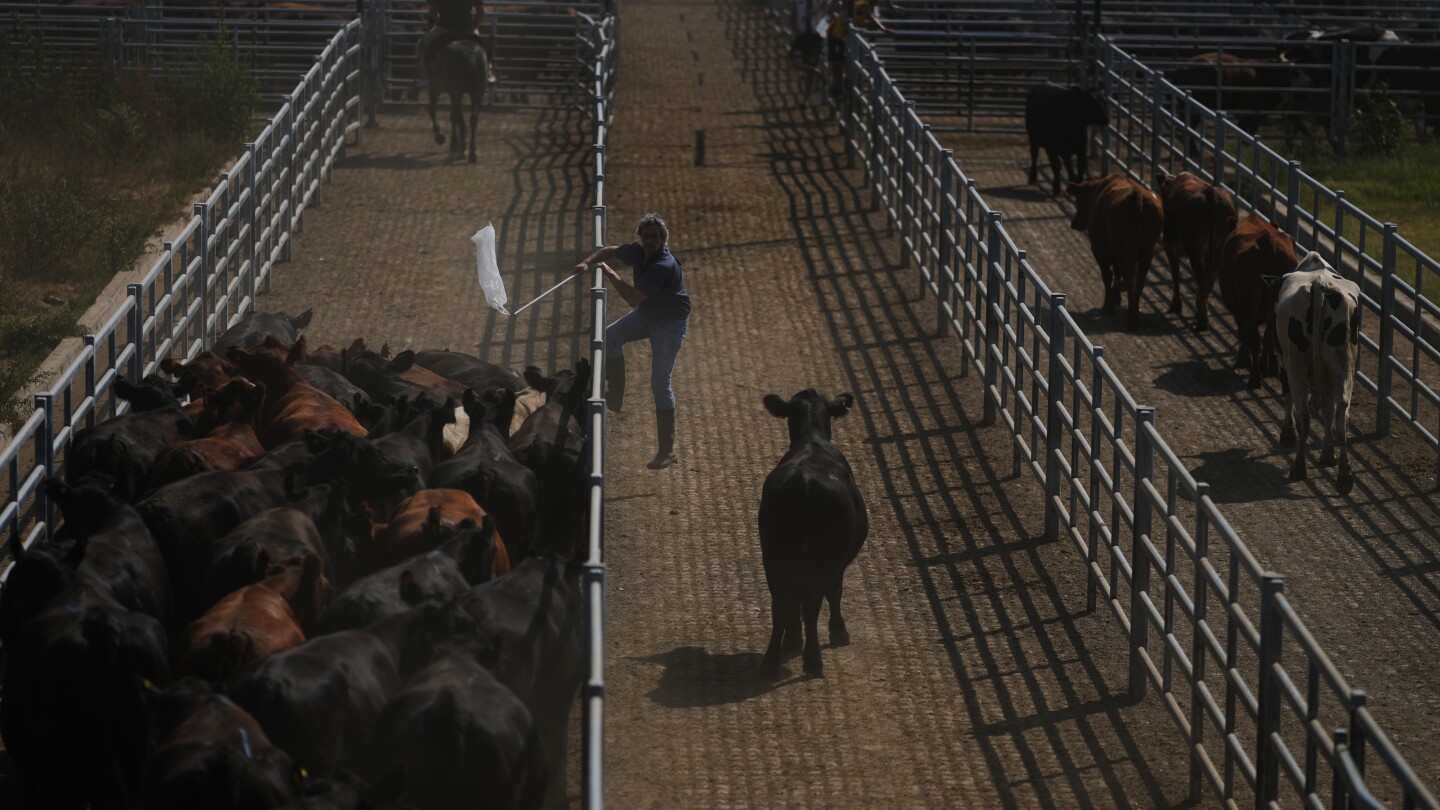
    The agreement between the EU and Mercosur—comprising Argentina, Brazil, Paraguay, and Uruguay—will create a free-trade zone encompassing over 700 million people and accounting for approximately 25% of global GDP. The pact eliminates tariffs on a wide range of products, from Argentine beef and Brazilian agricultural goods to European automobiles and machinery.

    The timing carries particular geopolitical significance as it emerges against a backdrop of rising protectionism and great power competition. European Commission President Ursula von der Leyen characterized the agreement as a robust defense of rules-based international trade “in the face of an increasingly hostile and transactional world.”

    For South American nations, the deal represents both economic opportunity and strategic positioning. Brazilian President Luiz Inácio Lula da Silva hailed it as a “victory for dialogue, negotiation and the bet on cooperation.” Experts note the agreement provides South American economies with crucial diversification away from the intensifying U.S.-China rivalry, allowing the region to “flex its muscles in the international sphere,” according to Lee Schlenker of the Quincy Institute.

    The accord marks a dramatic policy reversal for Argentina, which maintained protectionist policies for decades. President Javier Milei, despite his libertarian skepticism of international organizations, has embraced the agreement as a mechanism to revitalize Mercosur and open Argentina’s economy to global markets.

    The path to agreement faced significant obstacles, particularly from European agricultural interests concerned about competition. Widespread farmer protests across Europe prompted the EU to add environmental safeguards, animal welfare protections, and strict export quotas to the final agreement. The bloc further allocated approximately $52 billion in subsidies to ease farmer concerns, a move some analysts characterized as a “sizable bribe” necessary to secure the deal’s passage.

    The automotive sector emerges as another major beneficiary, with the elimination of 35% tariffs on European vehicles and parts providing manufacturers like Volkswagen and BMW opportunities to regain market share from Chinese competitors in South America.

    Despite the impending signing, the agreement still requires ratification by the European Parliament, leaving some participants cautiously optimistic about its ultimate implementation.

  • Thailand suffers another construction accident just a day after rail tragedy that killed 32

    Thailand suffers another construction accident just a day after rail tragedy that killed 32

    Thailand faces mounting scrutiny over construction safety protocols following two major infrastructure accidents within 24 hours. The most recent incident occurred Thursday morning on the outskirts of Bangkok when a construction crane collapsed onto the Rama 2 Road elevated expressway in Samut Sakhon province. According to the government’s Public Relations Department, the collapse trapped at least two vehicles beneath massive metal girders at approximately 9 a.m., with rescue operations immediately initiated. Initial reports from Fire & Rescue Thailand’s Facebook page indicated at least one fatality, though official confirmation remains pending.

    This latest accident comes merely one day after a catastrophic construction incident in Nakhon Ratchasima province, where a falling crane derailed and crushed a moving passenger train, resulting in at least 32 confirmed fatalities. Provincial governor Anuphong Suksomnit confirmed the conclusion of search operations Wednesday night, though investigations continue regarding three passengers initially listed as missing. Officials believe 171 people were aboard the train’s three carriages at the time of impact.

    The Rama 2 Road expressway extension project has developed notoriety for multiple construction accidents in recent years, some proving fatal. Similarly, the high-speed rail project involved in Wednesday’s tragedy represents a significant component of Thailand’s infrastructure development, with total investment exceeding 520 billion baht ($16.8 billion) and connections to China’s Belt and Road Initiative.

    Italian-Thai Development (Italthai), the project’s contractor, faces renewed scrutiny following both incidents. The company previously served as co-lead contractor for Bangkok’s State Audit Building that collapsed during construction in March 2023, killing approximately 100 people. Although dozens of executives were indicted, none have faced trial. Italthai has issued statements expressing condolences and committing to compensation for victims’ families and medical expenses for the injured.

    The involvement of Chinese companies in both projects has drawn additional attention, particularly given their participation in multiple expressway extensions around Bangkok where several accidents have occurred. South Korea’s Foreign Ministry confirmed one South Korean national among the dead in the train accident, while Chinese Foreign Ministry spokesperson Mao Ning expressed official condolences regarding the rail incident.

  • Fatal back-to-back crane failures tied to same Thai firm: minister

    Fatal back-to-back crane failures tied to same Thai firm: minister

    Thailand’s infrastructure sector faces a severe crisis following two catastrophic crane failures within 48 hours, both linked to the nation’s prominent construction firm Italian-Thai Development. The tragic sequence began Wednesday when a massive launching gantry crane collapsed onto a passenger train in Nakhon Ratchasima province, resulting in 32 fatalities and 64 injuries in one of Thailand’s deadliest rail accidents in recent history.

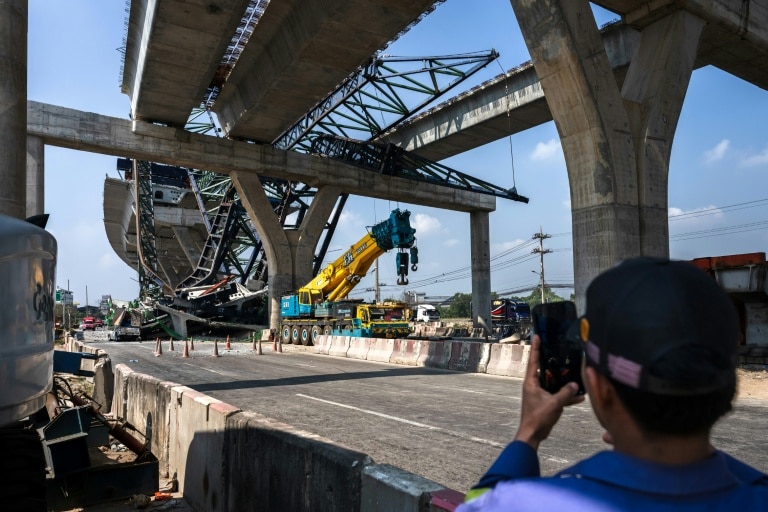
    The tragedy deepened Thursday morning when another crane operated by the same company collapsed at the Rama II Expressway construction site near Bangkok, claiming two additional lives. Verified dashcam footage obtained by AFP captured the terrifying moment when the massive structure plummeted, generating massive dust clouds and sending debris across the busy highway as vehicles scrambled to avoid falling wreckage.

    Transport Minister Phiphat Ratchakitprakarn confirmed Italian-Thai’s involvement in both incidents, expressing bewilderment at the consecutive failures. ‘We have to find out the facts, whether it was an accident or something else,’ the minister told local media. The company, one of Thailand’s largest construction contractors, has faced multiple deadly accidents at its sites in recent years.

    The Rama II Expressway project, designed to connect Bangkok with southern regions, has earned the grim nickname ‘Death Road’ due to its history of fatal incidents. Prior to this week’s tragedies, the corridor witnessed a concrete beam collapse in March that killed several workers, a November 2024 crane accident that claimed three lives, and two additional fatal incidents in 2023 and early 2024.

    At the Nakhon Ratchasima site, where the crane remains suspended from concrete pillars intended for the Thailand-China high-speed rail project, construction workers gathered Thursday to document the wreckage while relatives of victims conducted silent prayers. The Chinese-backed rail initiative represents a significant joint venture between the two nations.

    Italian-Thai has issued formal condolences and committed to compensating victims’ families while covering all medical expenses. Thailand’s rail operator has ordered an immediate construction halt pending comprehensive investigation. Minister Phiphat has vowed accountability for all parties involved, including both Italian-Thai and their Chinese consultancy partners.