博客

  • Experience Larnaka — A Mediterranean getaway

    Experience Larnaka — A Mediterranean getaway

    Positioned as an ideal Mediterranean escape for UAE travelers, Cyprus’s Larnaka region presents a compelling fusion of coastal vibrancy and mountain serenity within a remarkably short flight duration. The destination’s strategic accessibility—merely three to four hours from the Gulf—places visitors at the heart of its diverse offerings immediately upon arrival at Larnaka International Airport, where most accommodations and key attractions lie within a fifteen-minute radius.

    The region’s unique character unfolds from the moment of arrival, where the otherworldly Larnaka Salt Lake serves as a gateway spectacle. Between November and March, this ecological marvel hosts magnificent flocks of greater flamingos, while a forest-encircled pathway provides year-round leisurely strolls under typically agreeable temperatures. Overlooking the serene waters stands the architecturally significant Hala Sultan Tekke Mosque, an active pilgrimage site constructed under Caliph Muawiya’s commission. This sacred monument marks the believed resting place of Umm Haram, the Holy Helper and aunt of Prophet Muhammad, who died during the 648 AD Arab landing in Larnaka.

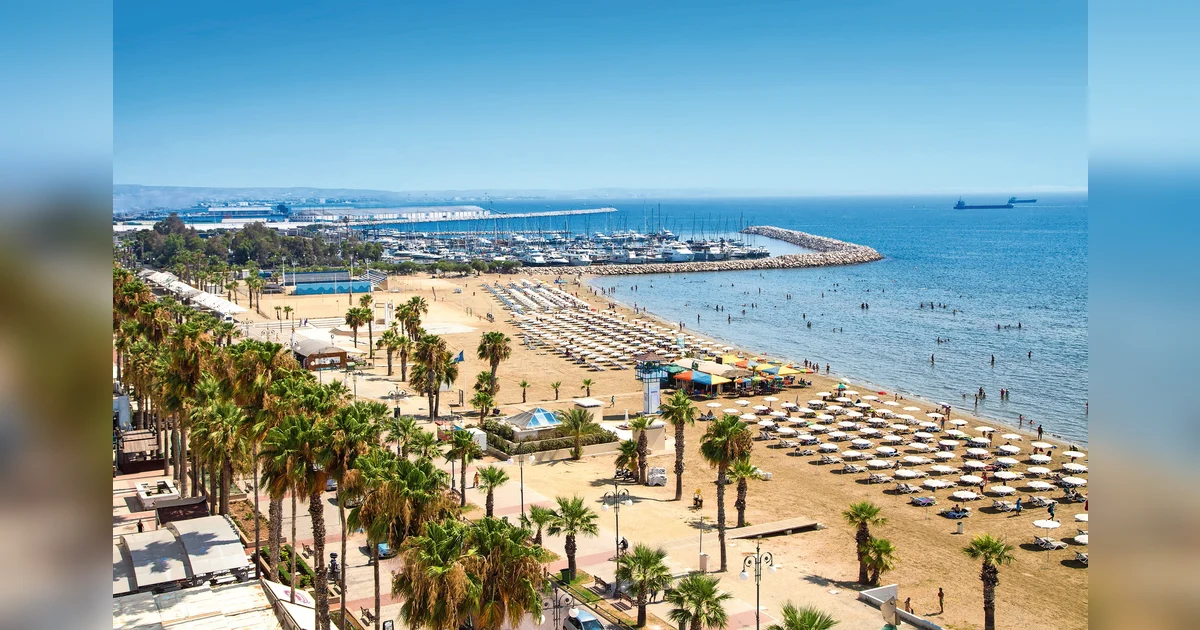
    Urban exploration reveals Larnaka’s dynamic evolution as an emerging investment and tourism hub. While international hotel brands increasingly establish presence alongside comprehensive European infrastructure upgrades, the city maintains profound authenticity through its layered historical narrative. The palm-lined Foinikoudes promenade introduces visitors to British Colonial Administration buildings, while the marina—once Cyprus’s primary commercial gateway for copper and carob exports—now hosts luxury yachts and sailing regattas.

    The city’s cultural complexity manifests through architectural juxtapositions like the Larnaka Medieval Castle standing adjacent to the Kebir (Buyuk) Mosque. Enhanced walkability connects landmarks, interactive QR-activated storytelling statues, the revitalized Zouchouri Square Complex, and the artistic Larnaka Art Workshops neighborhood where local creators welcome engagement. Comprehensive English signage and widespread multilingual communication ensure seamless navigation and meaningful cultural exchange.

    Beyond the urban center, Larnaka’s geographical diversity spans 75 kilometers of coastline transitioning into rolling countryside and traditional mountain villages. The agrotourism experience thrives through nine distinct Honey Villages renowned for apiculture, alongside destinations like Lefkara—celebrated for intricate lacework and silver filigree craftsmanship. Visitors engage directly with regional traditions through hands-on workshops in basketry, pottery, halloumi cheese production, and unique Cypriot pasta preparation.

    Gastronomically, Larnaka presents a fresh synthesis of Mediterranean and Middle Eastern flavors best experienced through alfresco dining in both urban and village settings. This culinary approach mirrors the region’s overall lifestyle rhythm, where seasonal variations continuously offer new reasons for repeated visitation—embodied in Larnaka’s official tourism slogan: ‘Welcome Back.’
  • Cyprus Trade Centre in the GCC region (Dubai) deepens Cyprus and GCC engagement through strategic initiatives in 2025

    Cyprus Trade Centre in the GCC region (Dubai) deepens Cyprus and GCC engagement through strategic initiatives in 2025

    The year 2025 marked a transformative period in Cyprus-Gulf Cooperation Council economic relations, characterized by groundbreaking institutional frameworks and strategic cross-sector collaborations. Spearheading this diplomatic-economic offensive, the Cyprus Trade Centre in Dubai (CTC) executed an ambitious agenda that fundamentally reshaped bilateral engagement between Cyprus and Gulf nations.

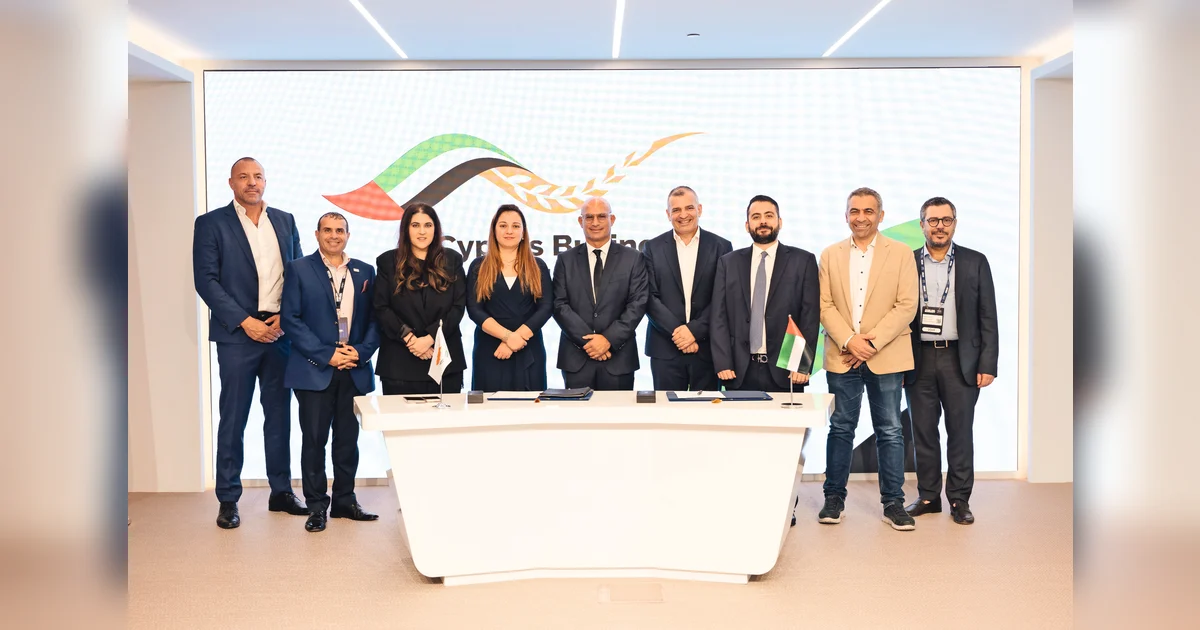
    Central to this evolution was the formal establishment of the Cyprus Business Council in Dubai under the auspices of Dubai Chambers. This private-sector-driven platform, comprising 30 founding members from both Cypriot and UAE-based enterprises, emerged as the cornerstone for structured economic dialogue. The Council’s inauguration at Dubai Silicon Oasis featured high-level executive participation, symbolizing the institutionalization of long-standing bilateral ties.

    Throughout 2025, Cyprus demonstrated its export capabilities and technological prowess through strategic participations in premier regional exhibitions. The National Pavilion at GulfFood 2025 featured twenty-five Cypriot companies establishing crucial market connections across Middle Eastern, Asian, and African markets. Technology took center stage at GITEX Global 2025, where fourteen Cypriot firms showcased cutting-edge solutions in artificial intelligence, cybersecurity, and regulatory technology.

    The World Utilities Congress in Abu Dhabi witnessed Cyprus’s inaugural national pavilion focusing on energy and water security, featuring participation from the Electricity Authority of Cyprus and the Cyprus Solar Energy Industrial Association. This presence generated significant leads for strengthening energy sector cooperation with GCC nations.

    Beyond the UAE, the CTC expanded engagement across the Gulf region through strategic missions to Qatar, Bahrain, and Saudi Arabia. These efforts included registration on Qatar Chamber’s digital platform, substantive discussions with Lulu Bahrain regarding Cypriot product exports, and exploration of cooperation opportunities in technology, innovation, and energy with Saudi counterparts.

    The diplomatic crescendo occurred in December 2025 with the first-ever UAE presidential visit to Cyprus, culminating in the signing of a landmark memorandum of understanding establishing the Joint Cyprus-UAE Business & Investment Council. This agreement, signed between the Cyprus Chamber of Commerce and Industry, Invest Cyprus, and the Federation of UAE Chambers of Commerce & Industry, created an institutional framework for deepening trade, investment, and business partnerships across multiple sectors.

    A significant humanitarian and strategic achievement emerged through the UAE’s donation of fourteen mobile desalination units with daily production capacity of 15,000 cubic meters, addressing Cyprus’s water scarcity challenges while demonstrating deepening bilateral cooperation.

    The CTC’s Export Helpdesk registered unprecedented demand, processing 34% of all global requests from Cypriot companies seeking market entry support in the GCC region. This statistic underscores both the strategic importance of the UAE as a regional business hub and the confidence Cypriot enterprises place in the CTC’s facilitation capabilities.

    Concurrently, the CTC maintained active participation in multilateral initiatives including the International Renewable Energy Agency (where Cyprus served as Vice-Chair) and the EU-GCC Cooperation on Green Transition platform, leveraging Cyprus’s unique geostrategic position bridging European and Gulf markets.

  • Cyprus–UAE Engagement: From Momentum to Investment

    Cyprus–UAE Engagement: From Momentum to Investment

    The strategic partnership between Cyprus and the United Arab Emirates has evolved into a structured economic framework designed to transform diplomatic alignment into tangible investment outcomes. This relationship, built on mutual trust and shared vision for progress, is now demonstrating measurable results in trade and investment sectors.

    The recent high-level visit by the UAE President to Cyprus, accompanied by senior officials and business leaders, underscored the depth of bilateral ties and reinforced Cyprus’s position as a stable European partner in a region valuing predictability. This engagement culminated in the December 2025 establishment of the Cyprus-UAE Joint Business and Investment Council through a signed Memorandum of Understanding, creating a permanent platform for opportunity identification and stakeholder coordination.

    Cyprus continues to emerge as a compelling EU investment destination, offering UAE and GCC partners direct access to the European Single Market. The nation’s robust legal framework, strategic geographical positioning, and highly skilled English-speaking professional ecosystem provide exceptional advantages for market entry and regulatory certainty. Cyprus maintains strong economic fundamentals, ranking among the EU’s fastest-growing economies with near full employment, reduced public debt below 60% of GDP, and consistent ‘A’ credit ratings from major international agencies.

    Bilateral cooperation focuses on investment-ready sectors including shipping, energy, technology, and automation. Cyprus’s technology sector has experienced remarkable growth, hosting over 800 technology-driven companies across ICT, fintech, gaming, and technology-enabled services. The ICT sector contributes approximately 14% to GDP directly and indirectly, with Cyprus ranking third in the EU for sector growth. Foreign technology investment surged by over 200% in 2024, while the number of ICT professionals doubled within three years.

    Cyprus is enhancing its innovation infrastructure through regulatory mechanisms including the Capital Markets Commission sandbox, the Central Bank’s Innovation Hub, and an upcoming AI Sandbox. These initiatives position Cyprus as a testing and scaling ground for new solutions targeting the 450-million-consumer EU market.

    Beyond economic factors, Cyprus offers quality living conditions and a supportive environment for international professionals, supported by 12 universities, 9 research institutes, and 7 centers of excellence. Invest Cyprus facilitates investor transition from interest to execution, with the Joint Business Council serving as a practical channel for sustained engagement and accelerated cooperation across priority sectors.

    Both nations demonstrate that ambition transcends physical size, with the partnership now focused on delivering concrete results through targeted sector partnerships and investment flows, positioning Cyprus as the reliable EU gateway for regional and global growth.

  • Former senior political adviser sentenced to 12 years for bribery

    Former senior political adviser sentenced to 12 years for bribery

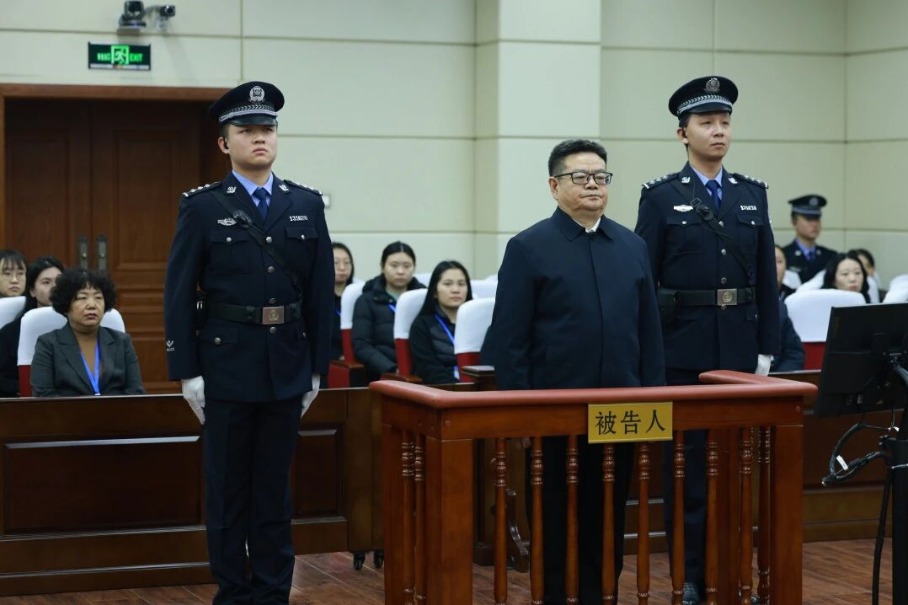
    In a significant demonstration of China’s ongoing anti-corruption campaign, Zhang Xiaolian, a former high-ranking political adviser, has been sentenced to 12 years imprisonment for bribery offenses. The Shijiazhuang Intermediate People’s Court in Hebei province delivered the verdict on Wednesday, additionally imposing a substantial fine of 2 million yuan ($287,920) and ordering the confiscation of all illicit gains to be transferred to the State treasury.

    The judicial investigation revealed that between 2007 and 2023, Zhang systematically exploited his influential positions, including his tenure as mayor of Harbin—the provincial capital of Heilongjiang—and later as deputy head of the Committee on Economic Affairs of the 13th National Committee of the Chinese People’s Political Consultative Conference (CPPCC). During this sixteen-year period, he provided improper assistance to various individuals and organizations in matters ranging from legal case interventions to business operations and administrative management, accepting bribes totaling over 30.68 million yuan in exchange.

    The court characterized the amount involved as ‘extremely large,’ which typically warrants severe punishment under Chinese law. However, the sentencing reflected some leniency due to Zhang’s cooperation with authorities, including his voluntary confession, disclosure of previously unknown bribery incidents, and active restitution of illegal proceeds.

    Zhang’s professional trajectory, which ultimately culminated in his downfall, began with his Communist Party membership in 1985. Following his initial career at Beijing Forestry University, he ascended through various governmental roles, including leadership of Beijing’s Fangshan district in 2002. His transfer to Heilongjiang province in 2005 marked a significant step in his political career, leading to his appointment as Harbin mayor in 2007. His election to the CPPCC National Committee in 2018 represented the peak of his political influence before his investigation commenced in October 2024 for serious violations of Party discipline and national laws. His subsequent expulsion from the Party in April 2025 preceded formal indictment and trial proceedings.

  • Traffic alert: Dubai Police warn of accident on Sheikh Mohammed Bin Zayed Road

    Traffic alert: Dubai Police warn of accident on Sheikh Mohammed Bin Zayed Road

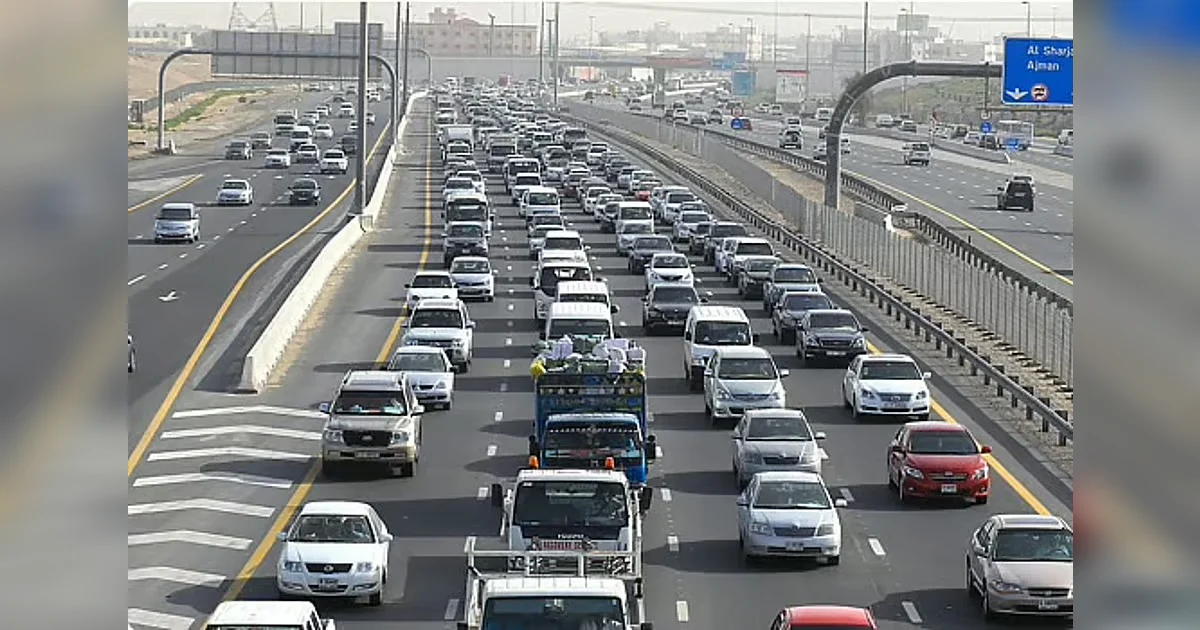
    Dubai authorities issued an urgent traffic advisory on Wednesday, January 28th, 2026, following a vehicular incident along the prominent Sheikh Mohammed Bin Zayed Road. The collision occurred during morning hours in the vicinity approaching the Airport Road exit, specifically affecting lanes directed toward Jebel Ali.

    The incident precipitated considerable traffic congestion along this critical transportation artery, prompting immediate response from local law enforcement. Dubai Police disseminated official notifications through multiple communication channels, alerting motorists to anticipate delays and exercise heightened vigilance when navigating the affected sector.

    Authorities emphasized defensive driving protocols and recommended that commuters consider alternative routes where feasible to alleviate congestion. Emergency response teams were deployed to manage the situation, though specific details regarding the nature of the accident or potential injuries remained undisclosed in the initial bulletin.

    This development underscores the ongoing challenges of urban mobility in rapidly growing metropolitan areas and highlights the efficiency of Dubai’s emergency response systems in managing roadway incidents. The police communication served both to warn drivers and to demonstrate the jurisdiction’s proactive approach to traffic incident management and public safety dissemination.

  • Rubio details how the Trump administration will control Venezuela’s oil money

    Rubio details how the Trump administration will control Venezuela’s oil money

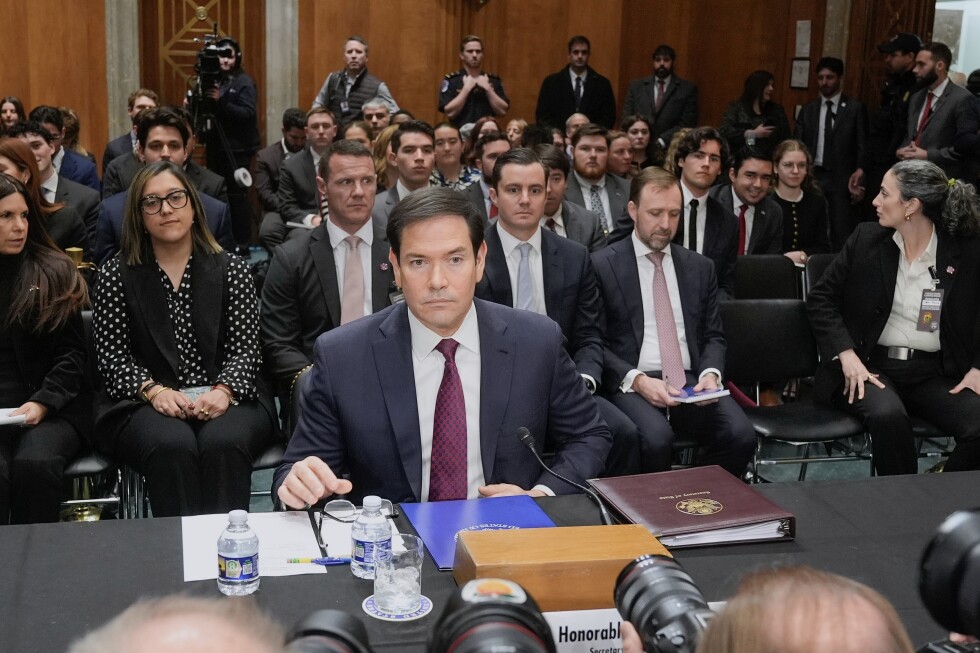
    The United States government has unveiled a groundbreaking framework for managing Venezuela’s oil revenue under stringent American oversight. Secretary of State Marco Rubio disclosed before the Senate Foreign Relations Committee that previously sanctioned Venezuelan oil would now be permitted for international sale, with all proceeds channeled into a specially designed account subject to U.S. Treasury supervision.

    This financial mechanism, initially established in Qatar to circumvent legal complications with American creditors, will serve as the central repository for Venezuela’s oil earnings. Rubio emphasized that the arrangement represents an interim measure to prevent complete economic collapse during Venezuela’s political transition. The funds will be exclusively allocated for essential public services including healthcare, law enforcement, and critical infrastructure maintenance.

    The development follows the recent capture of former President Nicolás Maduro, whose administration allegedly diverted oil profits to benefit corrupt officials and privileged international partners like China through discounted arrangements. Under the new system, Venezuela’s interim leadership will receive specific instructions on permissible expenditures, with regular audits conducted to ensure compliance.

    Democratic lawmakers, including Senator Chris Murphy of Connecticut, expressed serious concerns about the potential for favoritism toward oil companies with Trump administration connections. Murphy characterized the arrangement as effectively seizing a sovereign nation’s resources ‘at gunpoint’ while determining financial allocations for 30 million citizens.

    Despite these concerns, the State Department maintains that the mechanism provides necessary stability during Venezuela’s recovery period. Approximately $3 billion in anticipated oil revenue is expected to flow through the oversight account, which functions as Venezuelan property with U.S. sanctions acting as a blocking mechanism against misuse.

  • Foshan Station marks a milestone as it moves toward construction

    Foshan Station marks a milestone as it moves toward construction

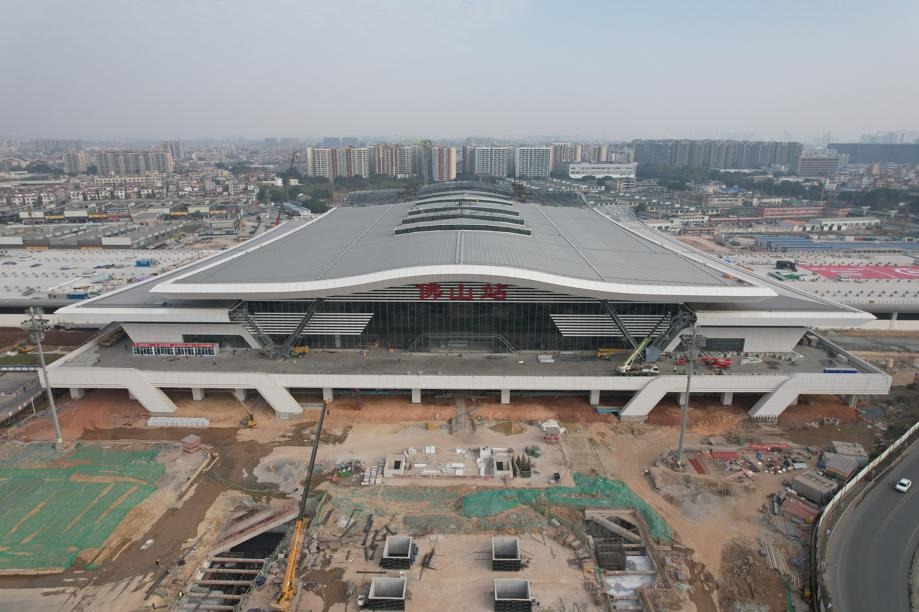
    Foshan Station has reached a pivotal construction milestone with the completion of its primary structural framework, marking significant progress for the Guangzhou-Zhanjiang high-speed railway project. China Railway Guangzhou Group confirmed the successful installation of steel structures on the northern building roof this Tuesday, representing a crucial engineering achievement for this major transportation hub.

    The station forms an integral component of the new high-speed corridor connecting Guangzhou, Guangdong’s provincial capital, with the coastal city of Zhanjiang in the province’s eastern region. Upon operational commencement, the facility is projected to accommodate approximately 4.6 million passengers annually during its initial service phase, substantially enhancing regional connectivity and transportation capacity.

    This infrastructure development aligns with China’s ongoing expansion of high-speed rail networks, particularly within the economically vibrant Guangdong province. The strategic positioning of Foshan Station will facilitate more efficient transportation links between urban centers and coastal areas, potentially stimulating economic development along the railway corridor.

    The structural completion demonstrates advanced engineering capabilities in large-scale transportation infrastructure, with the roof steel structure installation representing one of the most technically challenging aspects of station construction. Further development phases will focus on interior systems, platform configuration, and integration with regional transportation networks.

  • Historic UAE presidential visit marks new chapter in Cyprus–UAE relations

    Historic UAE presidential visit marks new chapter in Cyprus–UAE relations

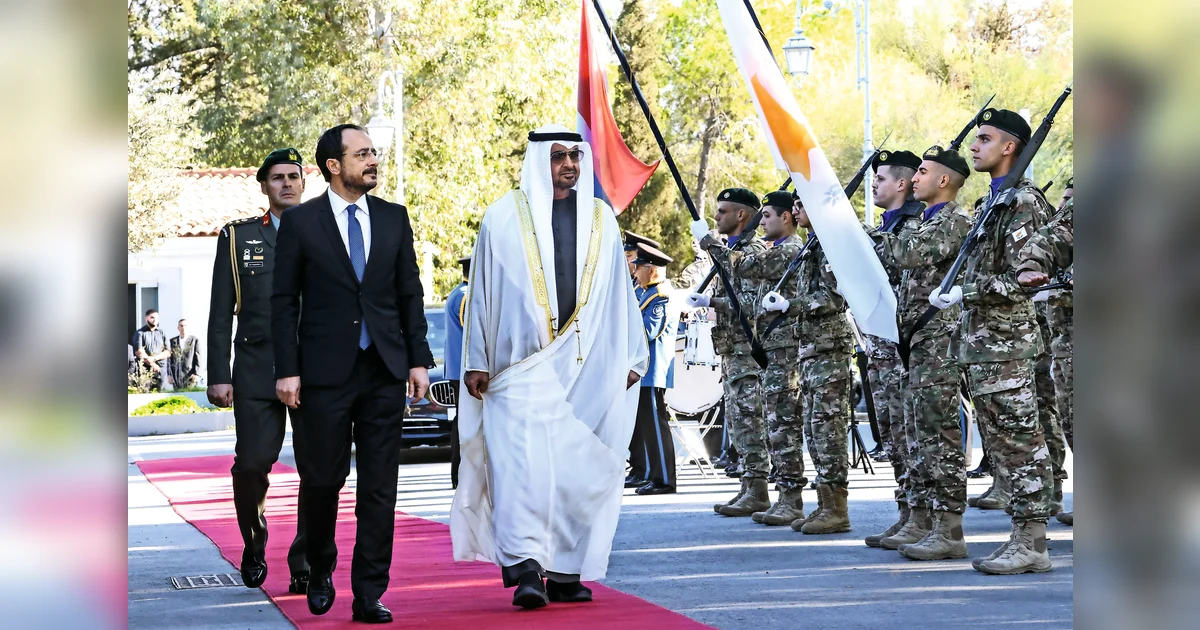
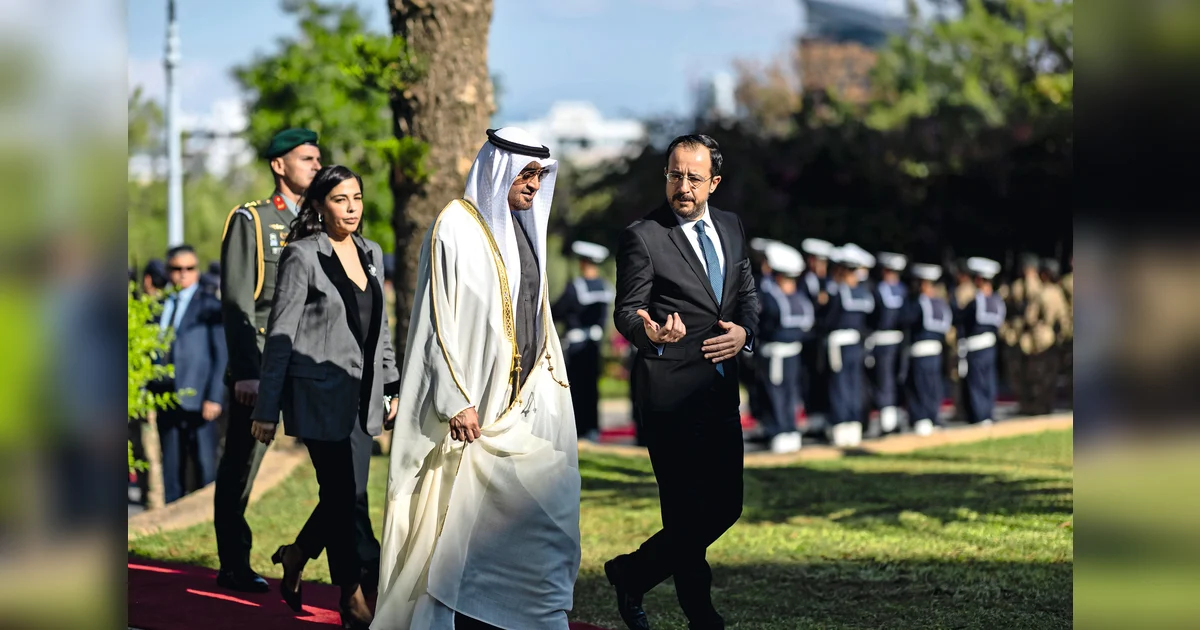
    A landmark diplomatic event unfolded on December 14, 2025, as United Arab Emirates President His Highness Sheikh Mohamed bin Zayed Al Nahyan conducted the first-ever state visit by a UAE head of state to Cyprus. Hosted by Cypriot President Nikos Christodoulides, this historic engagement signaled a transformative phase in bilateral relations between the Mediterranean nation and the Gulf powerhouse.

    The visit culminated in a comprehensive joint declaration that formally elevated the Cyprus-UAE relationship to an implemented strategic partnership. This framework establishes concrete mechanisms for enhanced cooperation across multiple sectors including energy security, defense coordination, technological innovation, trade facilitation, and humanitarian initiatives.

    Central to the new partnership is the development of a detailed Joint Action Plan, to be administered by both nations’ foreign ministries, designed to identify and execute specific collaborative projects. The agreement emphasizes economic diversification through renewable energy development, digital infrastructure modernization, and cross-border investment opportunities.

    Both leaders reaffirmed their commitment to regional stability, particularly supporting United Nations efforts toward a bizonal, bicommunal resolution of the Cyprus issue. The timing proved strategically significant with Cyprus preparing to assume the Presidency of the Council of the European Union in 2026, positioning the nation as a bridge for enhanced EU-UAE dialogue.

    George Partasides, Commercial Counsellor of the Cyprus Trade Centre in the GCC Region, characterized the visit as a pivotal moment that transforms political alignment into practical cooperation. He emphasized the visit’s role in establishing sustainable economic partnerships that would generate long-term value for both nations, particularly in energy, trade, and digitalization sectors.

    The UAE reinforced its view of Cyprus as a strategic gateway to European markets, while Cyprus affirmed its position as a stable partner in the Eastern Mediterranean. This visit built upon previous diplomatic foundations established in 2022, marking a decisive shift from theoretical alignment to actionable implementation.

  • Comedy Mixtape Fest Vol. 2 returns to Dubai this Valentine’s Day

    Comedy Mixtape Fest Vol. 2 returns to Dubai this Valentine’s Day

    Dubai prepares to host an evening of unparalleled laughter as Comedy Mixtape Fest Vol. 2 returns to the Dubai World Trade Centre on February 14, 2026. Following its successful inaugural edition, the festival promises to redefine Valentine’s Day celebrations with a powerhouse lineup of South Asia’s most celebrated comedic talents.

    Event organizers Midas Events and Eva Live Middle East, in collaboration with DXB LIVE, have curated an exceptional roster featuring comedy sensations Munawar, Kanan Gill, Harsh Gujral, Ravi Gupta, and emerging stars including Kaustubh, Mohd Suhel, Urjita Wani, Sonali Thakker, and Vivek Desai. The performances will commence at 6:00 PM, offering attendees an alternative romantic celebration filled with high-energy humor and crowd-favorite acts.

    The festival’s timing coincides with the growing appetite for stand-up comedy in Dubai’s multicultural landscape, where digital-first performers have cultivated substantial followings. This convergence of cultural influences and comedic styles creates a unique entertainment experience that resonates with the city’s diverse population.

    Tickets for the highly anticipated event are currently available for purchase, with organizers anticipating robust demand given the festival’s previous success and the stellar reputation of its featured performers. The event underscores Dubai’s evolving position as a regional hub for international entertainment and live performances.

  • UAE offers condolences to Greece over victims of deadly biscuit factory fire

    UAE offers condolences to Greece over victims of deadly biscuit factory fire

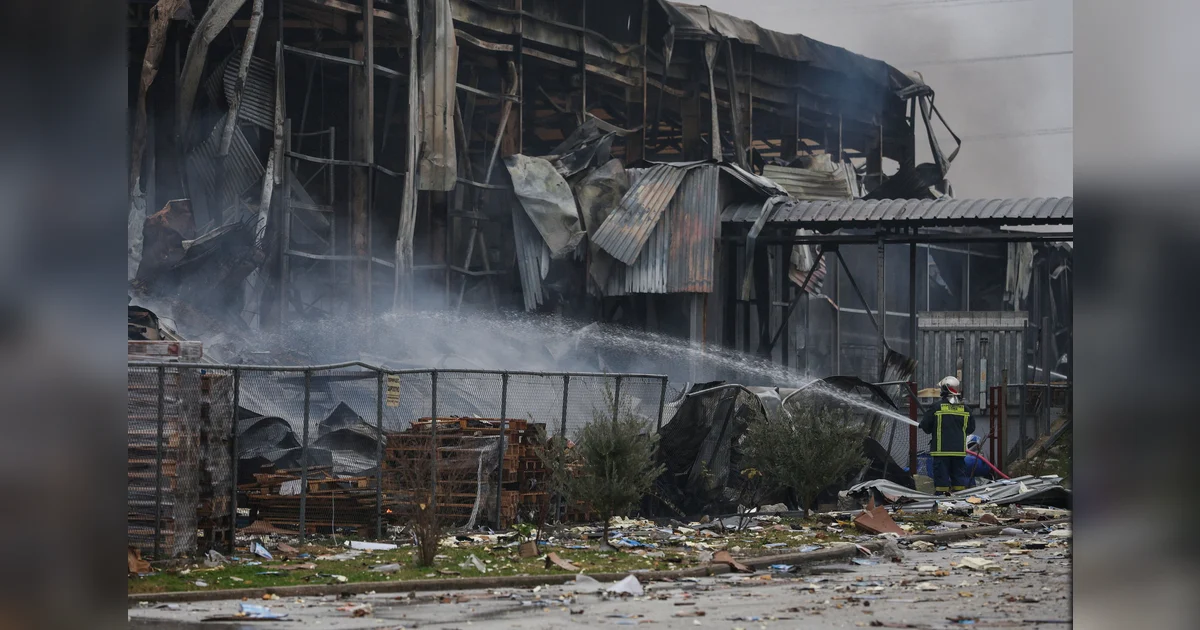
    The United Arab Emirates has formally expressed its profound condolences to the Hellenic Republic following a catastrophic industrial fire that resulted in multiple fatalities at a food processing facility northwest of Athens. Through an official statement released by its Ministry of Foreign Affairs, the UAE government conveyed its solidarity with the Greek nation and extended heartfelt sympathies to both the grieving families and the broader community affected by this tragedy.

    The incident, which represents Greece’s most severe industrial accident in recent years, occurred in the early hours of Monday at the Violanta biscuit manufacturing plant located near Trikala, approximately 245 kilometers from the capital. Security footage from adjacent properties captured the moment of a devastating explosion that subsequently engulfed a substantial section of the factory in flames.

    Greek emergency services confirmed the recovery of five female victims from the wreckage, with four bodies located shortly after the blaze and the fifth discovered the following morning once persistent fire pockets were sufficiently contained. Industrial safety investigators have launched a comprehensive probe to determine the precise cause of the explosion and subsequent fire.

    The human dimension of this tragedy has deeply affected the local communities surrounding Trikala, which supply much of the factory’s workforce. In a poignant detail that has emerged from witness accounts, colleagues and family members revealed that the deceased women had specifically opted for nocturnal shift patterns to maximize daytime availability for their children, highlighting the profound personal sacrifices behind this industrial catastrophe.