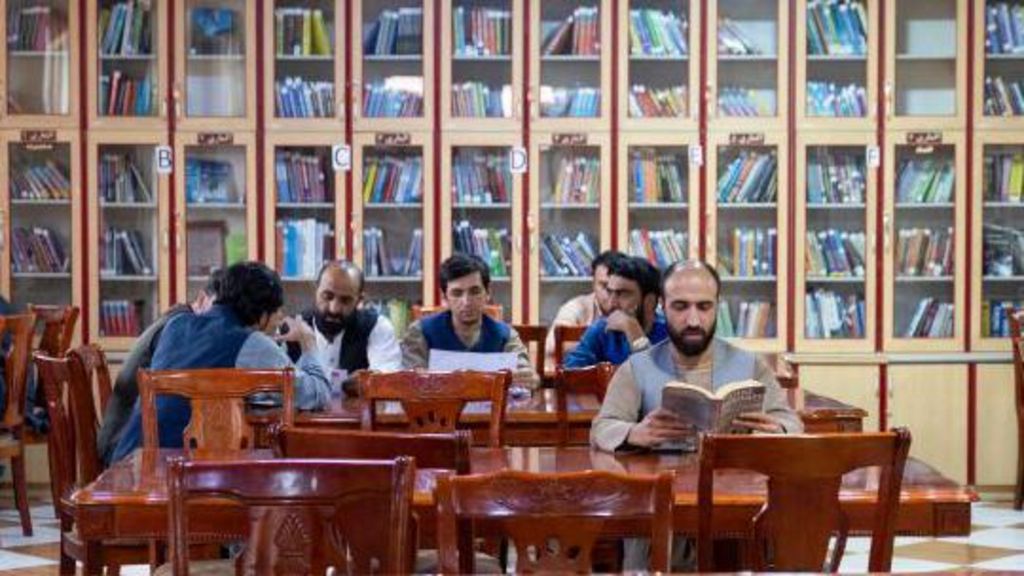
In a significant move, the Taliban government has mandated the removal of books authored by women from university curricula across Afghanistan. This decision is part of a broader ban that also prohibits the teaching of human rights and sexual harassment. A total of 680 books, including 140 written by women, have been flagged as ‘problematic’ due to their perceived opposition to Sharia law and Taliban policies. Additionally, universities have been instructed to cease teaching 18 specific subjects, which the Taliban claims conflict with Islamic principles and their governance policies. Among the banned subjects are Gender and Development, The Role of Women in Communication, and Women’s Sociology. This decree is the latest in a series of restrictive measures implemented by the Taliban since their return to power four years ago. Women and girls have been disproportionately affected, with access to education beyond the sixth grade already barred. The recent closure of midwifery courses in late 2024 further limited their educational opportunities. The Taliban asserts that their policies align with Afghan culture and Islamic law, but critics argue these measures are deeply misogynistic. Zakia Adeli, a former deputy minister of justice and one of the authors whose books were banned, expressed little surprise, stating that the Taliban’s actions over the past four years made such decisions predictable. The new guidelines, issued in late August, were reportedly formulated by a panel of religious scholars and experts. The ban also targets books by Iranian authors and publishers, with officials citing concerns over the ‘infiltration of Iranian content’ into Afghan education. A professor at Kabul University revealed that faculty members are now forced to create their own textbook chapters, raising questions about the quality and global standards of these materials. The BBC has reached out to the Taliban’s Ministry of Education for further comment.
博客
-
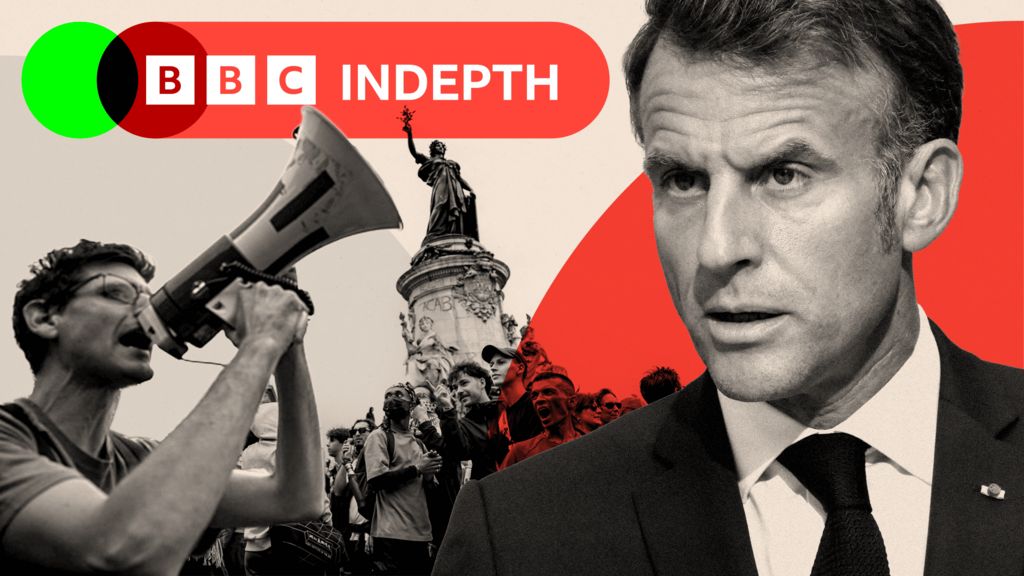
Why France is at risk of becoming the new sick man of Europe
France is grappling with unprecedented political instability, economic challenges, and social unrest, as the nation faces a deepening crisis that has drawn both domestic and international scrutiny. In less than two years, the country has seen five prime ministers, a record even surpassing Italy’s post-war political turbulence. The current political impasse stems from President Emmanuel Macron’s decision to dissolve the National Assembly in 2024, which backfired, leaving the parliament fractured into three factions: the center, the left, and the far-right. This division has paralyzed governance, with no single group able to form a functioning majority. The immediate challenge is passing a budget, a task made more daunting by a recent general strike that saw widespread disruptions, including school closures and halted public transport. Meanwhile, Italy’s media has reveled in France’s misfortunes, mocking its political chaos and questioning the nation’s once-celebrated grandeur. The economic situation is equally dire. France’s national debt has soared to €3 trillion, or 114% of GDP, with debt servicing costs estimated at €67 billion this year—more than the budgets of all government departments except education and defense. Fitch’s recent downgrade of French debt has further exacerbated concerns, raising fears of potential IMF intervention. Amid this turmoil, Macron’s leadership is under intense scrutiny. His new prime minister, Sébastien Lecornu, faces the Herculean task of forging a budget compromise between deeply divided political factions. However, concessions to one side risk alienating the other, making consensus nearly impossible. The stakes are high: failure could lead to another government collapse, further elections, and even Macron’s resignation. As France navigates this historic turning point, the question remains: will the nation emerge stronger or become Europe’s new ‘sick man’?
-

India’s Chopra says back injury derailed javelin world title defence
In a disappointing turn of events, Neeraj Chopra, India’s celebrated javelin thrower, finished eighth in the men’s javelin event at the World Athletics Championships held in Tokyo on September 18, 2025. Competing at the National Stadium, the same venue where he secured India’s first Olympic athletics gold in 2021, Chopra managed a best throw of 84.03 meters, falling short of his qualifying mark from the previous day. This performance marked a stark contrast to his usual dominance in the sport.
Chopra revealed that he had been secretly battling a back injury for weeks, which significantly impacted his performance. ‘I don’t understand what happened today. This has not happened for a long time. I had some problems before coming to Tokyo,’ he admitted. The injury, sustained on September 4, forced him to undergo an MRI scan, and he acknowledged that he was not at full fitness. ‘Two weeks ago I had some back issues but I didn’t want to tell anyone. I was thinking I would still manage to get through it. But javelin is really tough. If you are not in good shape, you’re out,’ he added.
Despite the setback, Chopra remained optimistic about his future in the sport. ‘Normally it doesn’t happen with me because for a long time, I was always in the top two positions. After a long time, I’m not in the position, but it’s okay. I will learn from today and try to stay healthy and focus on my technique,’ he said. He also emphasized the need for more training and technical improvements to regain his form.
Meanwhile, Trinidad and Tobago’s Keshorn Walcott clinched his first global title since his teenage Olympic triumph in 2012, with a throw of 88.16 meters. Grenada’s Anderson Peters and American Curtis Thompson completed the podium, securing second and third places, respectively.
Chopra’s performance serves as a reminder of the physical and mental challenges athletes face, even at the highest levels of competition. His resilience and determination to bounce back from this setback will be closely watched by fans and analysts alike.
-
US Supreme Court to hear Trump’s tariffs case on November 5
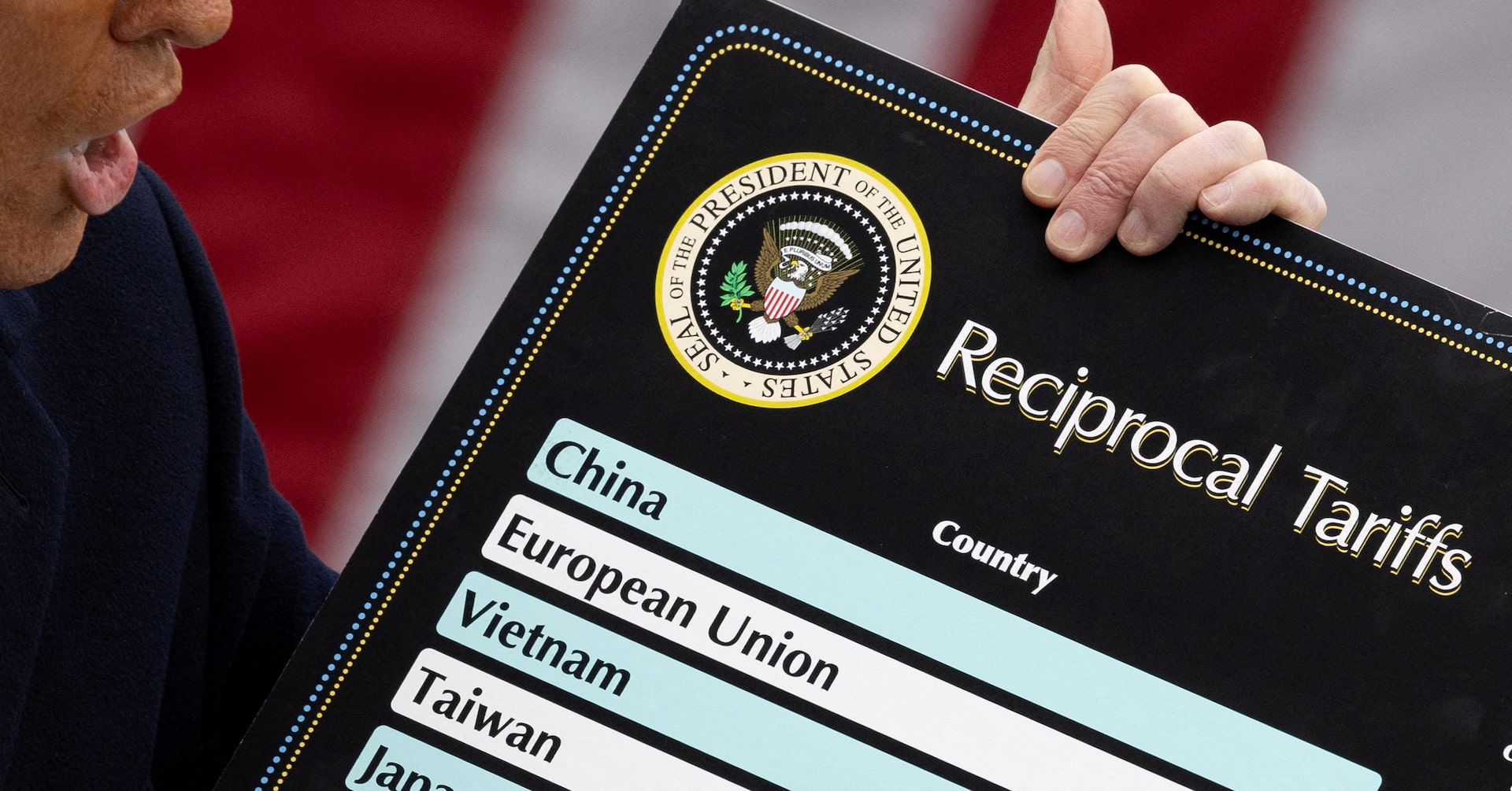
The U.S. Supreme Court has scheduled oral arguments for November 5, 2025, to examine the legality of former President Donald Trump’s expansive global tariffs. This case represents a pivotal moment in assessing the extent of executive power, a cornerstone of Trump’s economic and trade policies. The decision to hear the case follows a ruling by a lower court that Trump exceeded his authority in implementing most of these tariffs under a federal law designed for emergency situations. The Supreme Court, which commences its next term on October 6, will also concurrently address a separate challenge to Trump’s tariffs brought by Learning Resources, a family-owned toy company. This dual examination underscores the significant legal and economic implications of Trump’s tariff policies, which have been a subject of intense debate and litigation.
-

S.Africa’s Transnet agrees port equipment deal with Liebherr
In a landmark move to revitalize its port infrastructure, South Africa’s state-owned logistics giant Transnet has inked a 10-year partnership with German industrial equipment manufacturer Liebherr. The agreement, announced on Thursday, focuses on the supply of advanced cranes and includes a comprehensive 20-year asset management program to ensure maintenance, repairs, and spare parts availability. This collaboration aims to address chronic equipment shortages and operational inefficiencies that have plagued Transnet’s port operations, often causing significant delays for retailers and exporters. Transnet Port Terminals CEO Jabu Mdaki emphasized that the partnership will enhance operational efficiency, streamline logistics, and reduce long-term costs. The company has already placed substantial orders, including four ship-to-shore cranes for Durban port and 48 rubber-tyred gantry cranes for terminals in Durban and Cape Town. This initiative marks a critical step in modernizing South Africa’s port infrastructure, which has suffered from years of under-investment.
-

US judge keeps block on Trump effort to deport Guatemalan unaccompanied children
A federal judge has issued a significant ruling against the Trump administration’s efforts to deport unaccompanied Guatemalan migrant children with active immigration cases. Judge Timothy Kelly, appointed by President Trump and based in Washington, D.C., upheld a previous judicial block on the policy, strongly criticizing the administration’s unsubstantiated claim that the children’s parents desired their deportation. The ruling came in response to a legal challenge sparked by the administration’s surprise attempt to deport 76 Guatemalan minors in U.S. custody on August 31. Initially, Justice Department lawyer Drew Ensign asserted that the children’s parents had requested their return, but this claim was later retracted. The reversal followed a Reuters report citing an internal Guatemalan attorney general document, which revealed that most parents of the approximately 600 Guatemalan children in U.S. custody could not be reached, and many of those contacted opposed their children’s return. In a 43-page opinion, Judge Kelly described the administration’s justification as ‘crumbling like a house of cards’ and emphasized the lack of evidence supporting the parents’ alleged wishes. The judge’s decision prevents the rapid deportation of these children while their cases remain active. The U.S. Department of Homeland Security and Department of Justice have yet to comment on the ruling. Under federal law, unaccompanied migrant children are placed in government-run shelters until they can be reunited with family or placed in foster care. A Guatemalan mother, who spoke anonymously, expressed her son’s desire to remain in California despite her longing for his return. She works long hours at a restaurant, earning just enough to cover basic necessities.
-
Kimmel said ‘horrible thing’ about Charlie Kirk, Trump says
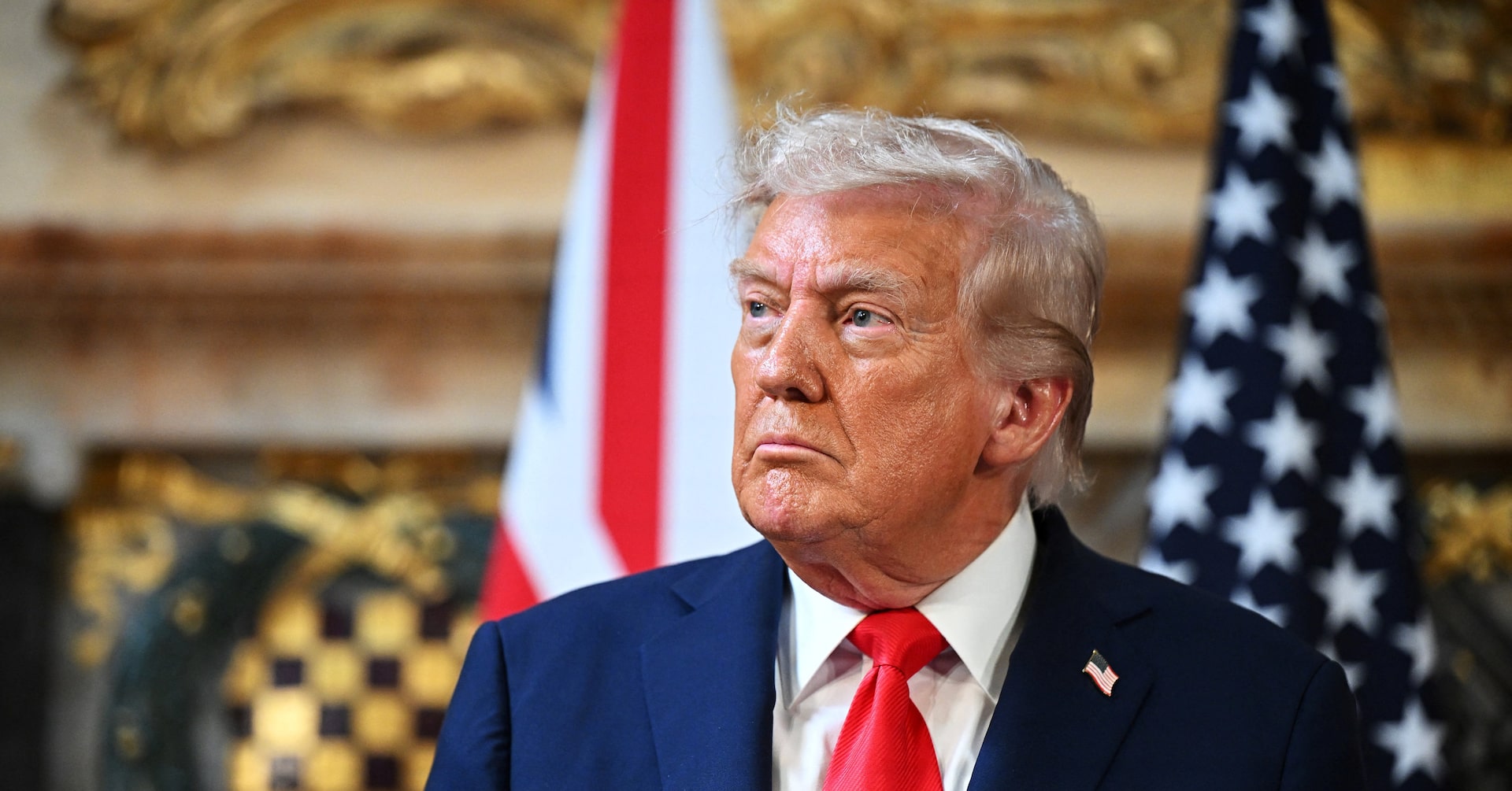
U.S. President Donald Trump, during a press conference with UK Prime Minister Keir Starmer at Chequers on September 18, 2025, commended ABC’s decision to remove ‘Jimmy Kimmel Live’ from its programming. Trump criticized the late-night host for making ‘a horrible thing’ about the late conservative activist Charlie Kirk, who was assassinated on September 10 at a Utah university campus. ABC, owned by Walt Disney Co, announced the show’s cancellation following Kimmel’s controversial remarks, which suggested that conservatives were exploiting Kirk’s death for political gain. Trump emphasized that Kimmel’s dismissal was primarily due to poor ratings and a lack of talent, rather than solely his comments. The incident has sparked discussions about free speech and media responsibility, as state prosecutors in Utah have vowed to pursue the death penalty for Kirk’s accused killer.
-

Trump says US may extend deadline on TikTok sale
In a significant development regarding the future of TikTok, U.S. President Donald Trump announced on Thursday that the United States is nearing an agreement with China to transfer ownership of the popular social media platform to U.S. companies. Speaking at a joint press conference with British Prime Minister Keir Starmer in London, Trump hinted at a possible extension of the deadline for the divestiture of Chinese ownership, emphasizing that the terms of the deal remain favorable. ‘We’re pretty close to a deal. We may do an extension with China, but it’s an extension based on the same terms that we have right now, which are pretty good terms,’ Trump stated. The President also revealed plans to discuss the matter further with Chinese President Xi Jinping on Friday. This announcement follows Trump’s executive order issued on Tuesday, which delayed the enforcement of a 2024 law mandating the divestiture of Chinese ownership of TikTok until December 16. The ongoing negotiations underscore the complex geopolitical and economic dynamics surrounding TikTok, which has been at the center of debates over data privacy and national security. The potential deal could reshape the global social media landscape and set a precedent for future cross-border tech acquisitions.
-
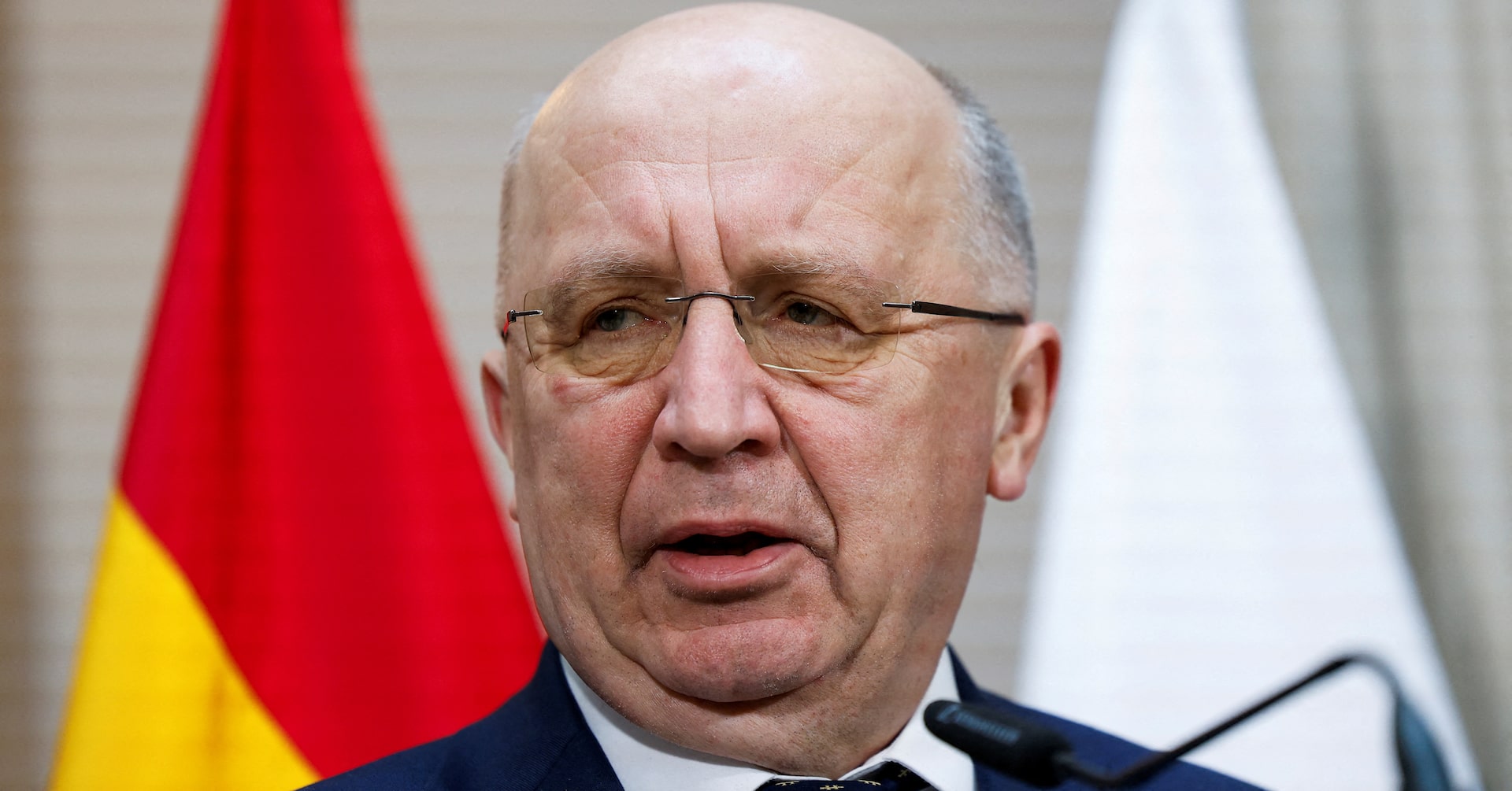
EU defence chief to convene talks on ‘drone wall’ to protect against Russia
In response to a recent Russian drone incursion into Poland, European Defence Commissioner Andrius Kubilius announced plans to expedite the creation of a ‘drone wall’ along the EU’s eastern border. Kubilius revealed that discussions with defence ministers from Eastern Europe and Ukraine will take place next week to advance the project, which aims to address critical gaps in Europe’s drone defense capabilities. The initiative, already under consideration by some EU nations, has gained urgency following the incident, which exposed vulnerabilities in NATO’s and Europe’s ability to counter drone threats. Kubilius emphasized the need for rapid implementation, describing the situation as ‘very dangerous.’ The proposed system would integrate sensors, weapons, and jamming technologies to detect and neutralize incoming drones. While cost and timeline estimates remain uncertain, analysts suggest the project could be operational within a year. Additionally, Ukraine has offered to share its expertise in drone countermeasures, with Ukrainian troops set to train Polish forces. Russia has denied intentionally targeting Poland, but Warsaw has dismissed this claim, labeling the incursion a deliberate act. The EU’s swift response underscores the growing importance of drone defense in regional security strategies.
-

India’s SEBI dismisses Hindenburg allegations against Adani group
The Securities and Exchange Board of India (SEBI) has officially dismissed allegations of stock manipulation against billionaire Gautam Adani and his conglomerate, the Adani Group. The claims were initially made by U.S.-based short-seller Hindenburg Research in January 2023, accusing the group of using tax havens and failing to disclose related-party transactions. These allegations triggered a massive $150 billion sell-off of Adani Group stocks, though the shares have since rebounded. SEBI conducted an extensive investigation into the group, including Adani Ports, Adani Power, and Adani Enterprises, examining 24 separate sets of violations such as insider trading and stock price manipulation. The regulator concluded that the transactions flagged by Hindenburg did not qualify as related-party transactions under SEBI rules and thus did not violate disclosure norms or constitute market manipulation. Gautam Adani, Chairman of the Adani Group, welcomed the decision, stating on X that it reaffirms the group’s commitment to transparency and integrity. Hindenburg Research founder Nathan Anderson announced earlier this year that he would disband the firm, citing the immense toll of his work. SEBI also noted that its expanded disclosure rules, introduced in 2022, cannot be applied retroactively to transactions occurring between 2012 and 2021.