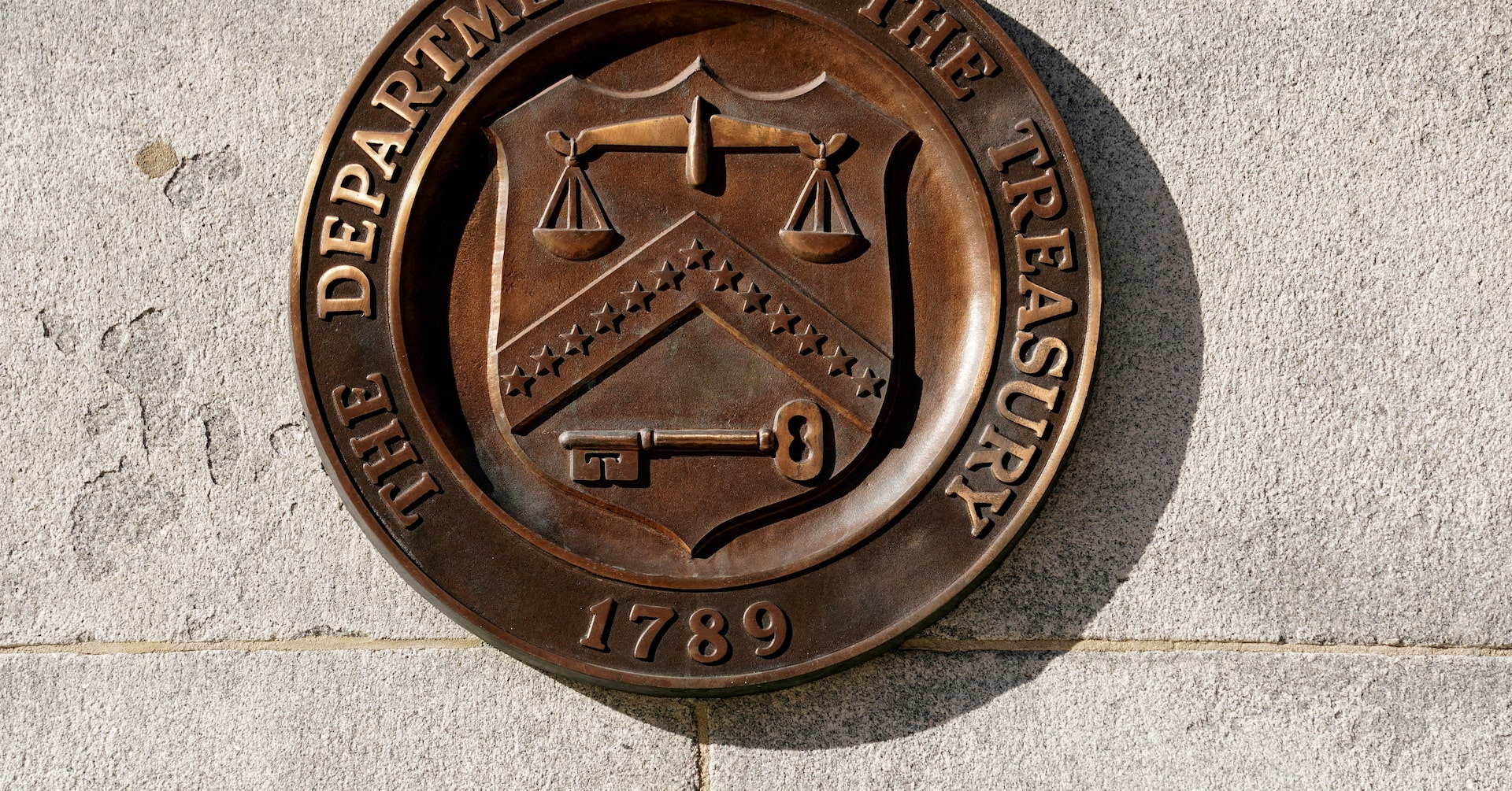
In a significant move to combat organized crime and corruption, the United States has imposed sanctions on the El Mayo faction of the Sinaloa Cartel, one of Mexico’s most notorious drug trafficking organizations, along with several of its alleged associates, including a sitting federal lawmaker. The announcement was made by the U.S. Treasury Department on Thursday, September 18, 2023, as part of an intensified effort to pressure Mexican crime groups and their political allies. The El Mayo faction is accused of producing and trafficking fentanyl, a deadly synthetic opioid, as well as other illicit drugs such as cocaine, marijuana, heroin, and methamphetamine. Among the sanctioned individuals is Hilda Araceli Brown Figueredo, a federal lawmaker representing Baja California for the ruling Morena party and former mayor of Rosarito. The U.S. Treasury alleges that Brown maintained close ties with a cartel operative, enabling the El Mayo faction to exert control over parts of Rosarito’s municipal government and shield its criminal activities. Brown has publicly denied the allegations, stating her commitment to continue her work. The sanctions also target five individuals and 15 companies linked to the cartel. This action coincides with a visit by John K. Hurley, the U.S. Treasury’s under secretary for terrorism and financial intelligence, to Mexico City for discussions with Mexican officials. The Biden administration has continued the Trump-era policy of designating Mexican cartels as foreign terrorist organizations and pressing Mexico to investigate and prosecute corrupt politicians with cartel ties.
博客
-
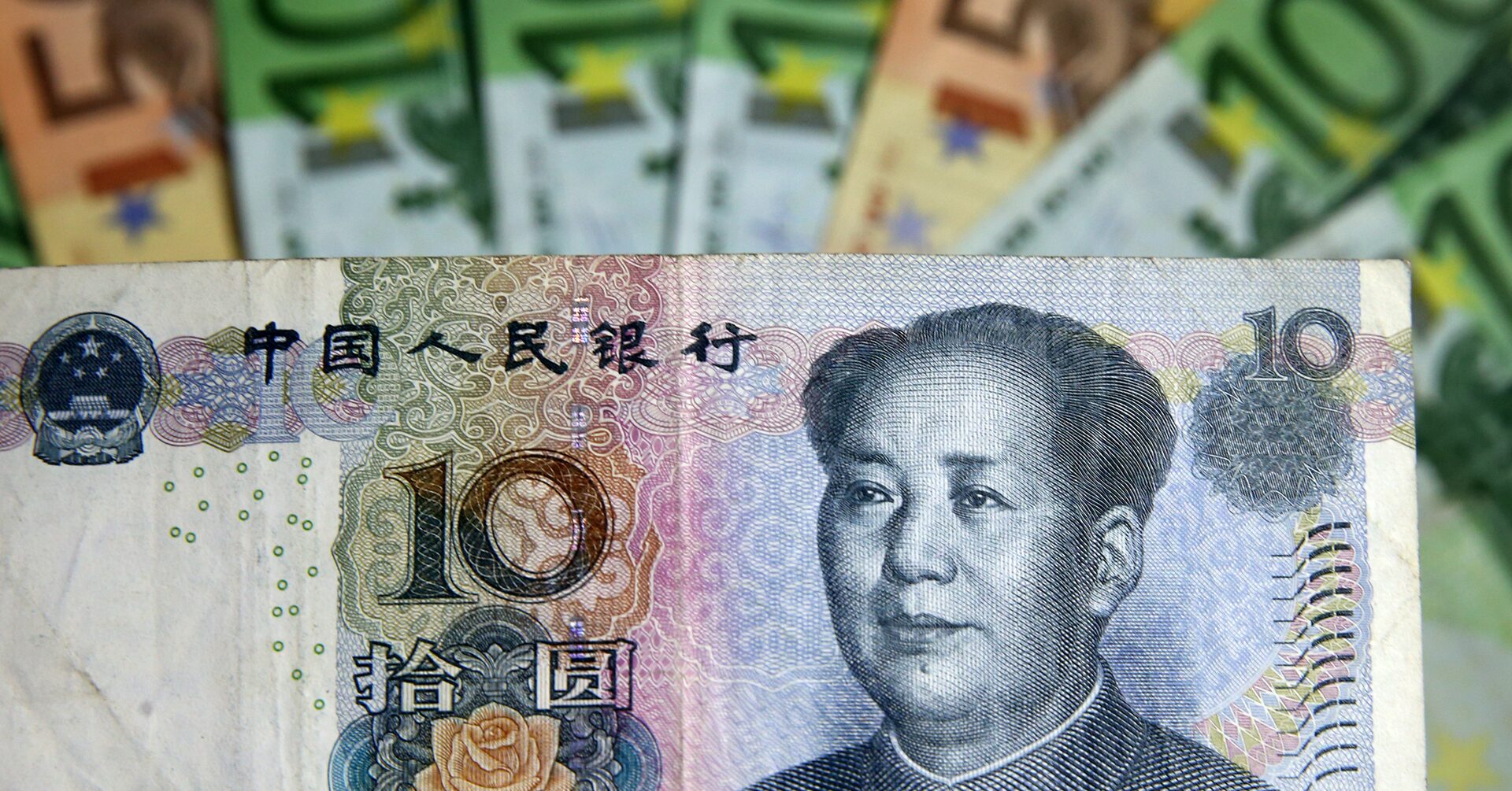
Bessent says China’s yuan rate is bigger problem for Europe than US
In a recent interview in Madrid, U.S. Treasury Secretary Scott Bessent emphasized that China’s yuan valuation poses a more significant challenge for Europe than for the United States. Bessent noted that while the yuan has strengthened against the U.S. dollar this year, it has reached record lows against the euro, exacerbating trade imbalances between China and the European Union. Speaking to Reuters and Bloomberg following U.S.-China trade discussions, Bessent highlighted that U.S. tariffs on Chinese imports have effectively reduced the U.S. trade deficit, with U.S.-China trade declining by 14% this year. In contrast, Chinese trade with Europe has surged by 6.9%. The yuan, also referred to as the renminbi (RMB), has weakened to over 8.4 against the euro, compared to 7.5 at the start of 2025. This depreciation has facilitated a surge in Chinese exports to Europe, intensifying the EU’s trade deficit with China and escalating trade tensions between Brussels and Beijing. Meanwhile, the yuan has appreciated slightly against the dollar, moving from 7.3 in January to 7.1 currently. When questioned about potential currency manipulation, Bessent remarked that the yuan is a ‘closed currency,’ implying that its value is managed by Chinese authorities. The ongoing dynamics underscore the complex interplay between global currencies and trade relationships, with Europe bearing the brunt of the yuan’s recent fluctuations.
-

Historic tunnel created under the Alps to connect Italy and Austria
In a landmark achievement for European infrastructure, workers on Thursday breached the final layer of rock in the construction of the Brenner Base Tunnel, a monumental project set to become the world’s longest underground rail connection. This tunnel, linking Austria and Italy, is a cornerstone of the European Union’s strategy to reduce road freight traffic, lower pollution, and enhance cross-border trade. Italian Prime Minister Giorgia Meloni hailed the event as a “decisive step” in building one of the continent’s most ambitious infrastructure projects, calling it a historic milestone for Italy, Austria, and Europe as a whole. Scheduled to open in 2032—16 years behind schedule—the tunnel will span 55 kilometers (34 miles) and, when connected to an existing underground link to Innsbruck, extend to 64 kilometers. It promises to slash travel times between Fortezza, Italy, and Innsbruck, Austria, from 80 minutes to under 25 minutes. The Brenner Pass, one of Europe’s busiest freight routes, currently sees over 2.5 million trucks and 50 million tonnes of goods annually, contributing to severe congestion and environmental strain. The tunnel aims to shift 70% of trans-Alpine freight traffic from roads to rail, reversing the current imbalance. However, the project’s full potential could be hindered by Germany’s delay in finalizing crucial northern access routes to the tunnel, which are essential for maximizing its impact on reducing road traffic through the Alps. With a budget now exceeding 8.5 billion euros ($10 billion), the Brenner Base Tunnel represents a significant investment in Europe’s sustainable transportation future.
-
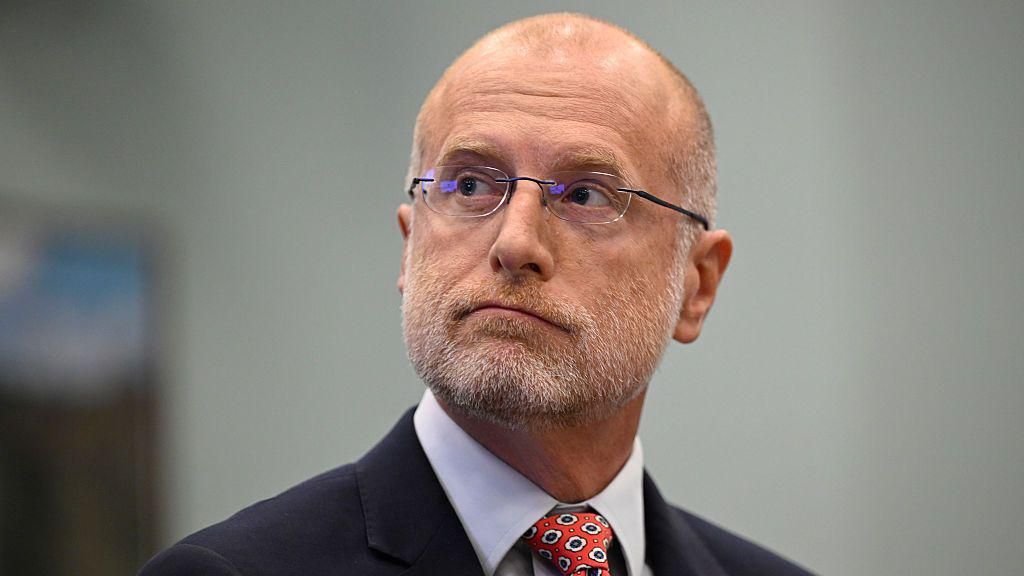
Brendan Carr’s emboldened FCC takes on Trump’s media foes
The U.S. media landscape is undergoing a seismic shift, marked by heightened tensions between the Trump administration and major broadcast networks. The indefinite suspension of Jimmy Kimmel’s long-running ABC show has become the latest flashpoint in this ongoing conflict. Kimmel, a staple of late-night comedy, faced backlash after making controversial remarks following the murder of Charlie Kirk, which appeared to mock President Trump and his supporters. This incident has reignited debates over media bias and government interference in editorial content. The Trump administration, led by Federal Communications Commission (FCC) Chairman Brendan Carr, has been actively scrutinizing media companies, accusing them of liberal bias and threatening regulatory action. Carr, described by Trump as a ‘warrior for free speech,’ has expanded the FCC’s purview to include tech giants like Apple and Google, alleging they participate in a ‘censorship cartel.’ The administration’s aggressive stance has prompted some media companies to settle lawsuits and revise editorial policies, while others, like The New York Times, have vowed to resist intimidation. Critics, including some conservatives, warn that these actions could endanger free speech. Meanwhile, media consolidation and the conservative leanings of certain owners have made the industry more susceptible to government pressure. Despite these challenges, some outlets remain defiant, asserting their commitment to independent journalism.
-
Erika Kirk named CEO of Turning Point USA after husband’s murder
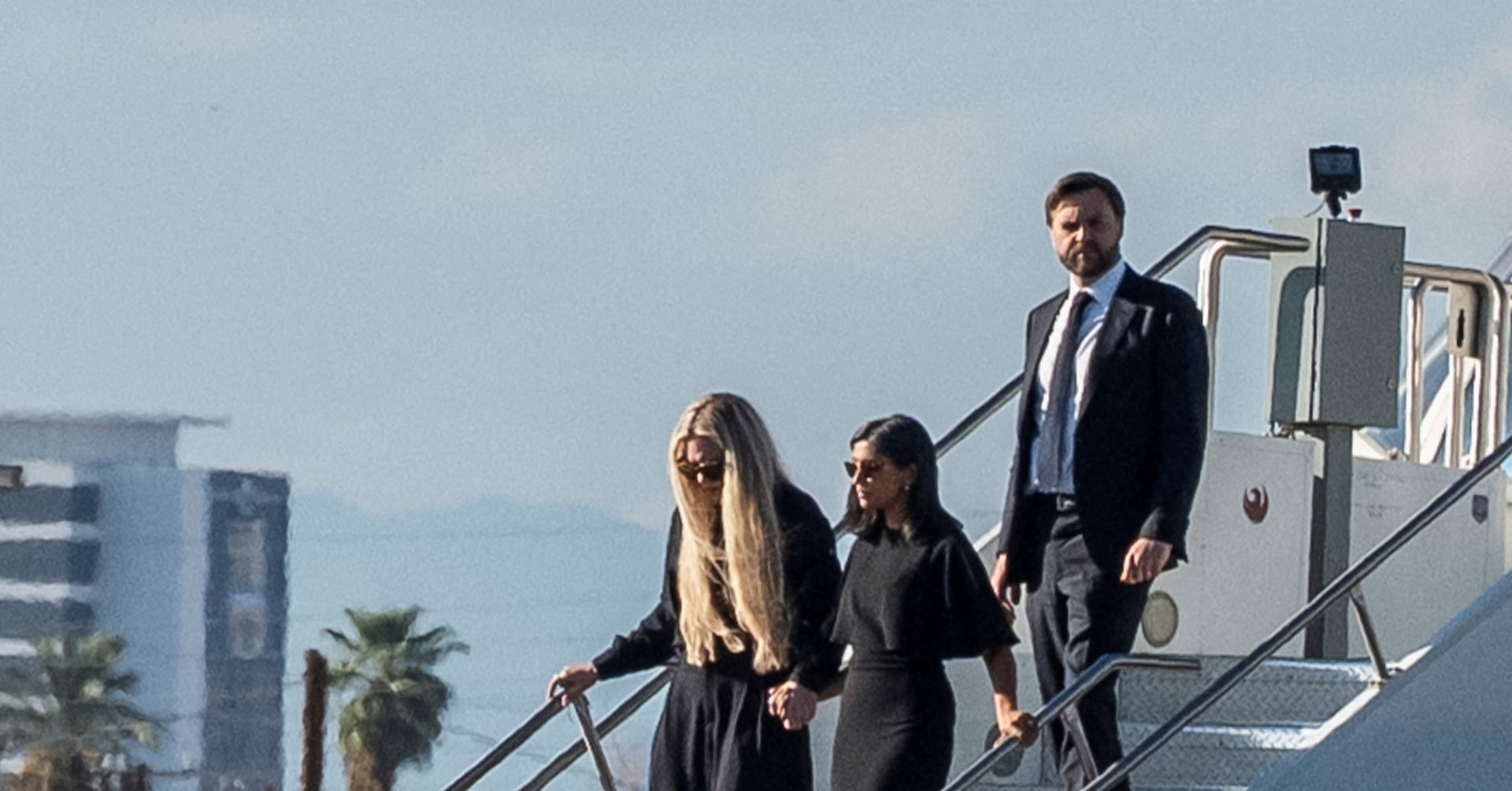
In a significant development within the conservative political landscape, Erika Kirk, the widow of slain activist Charlie Kirk, has been unanimously elected as the new CEO of Turning Point USA. The announcement came on September 18, 2025, just days after her husband was fatally shot during an event at Utah Valley University. The organization, founded by Charlie Kirk to mobilize young voters for Republican causes, now faces a critical juncture in its mission. Vice President JD Vance and his wife Usha were present as Air Force Two transported Charlie Kirk’s body to Phoenix, Arizona, on September 11, 2025. The accused shooter, 22-year-old Tyler Robinson, allegedly fired the fatal shot from a rooftop during the campus event. Erika Kirk, 36, has vowed to continue her husband’s legacy, emphasizing her Christian faith and conservative values. In a poignant video address, she declared, ‘The cries of this widow will echo around the world like a battle cry.’ The board of Turning Point USA expressed confidence in her leadership, stating that Charlie Kirk had prepared the organization to endure even the greatest challenges.
-
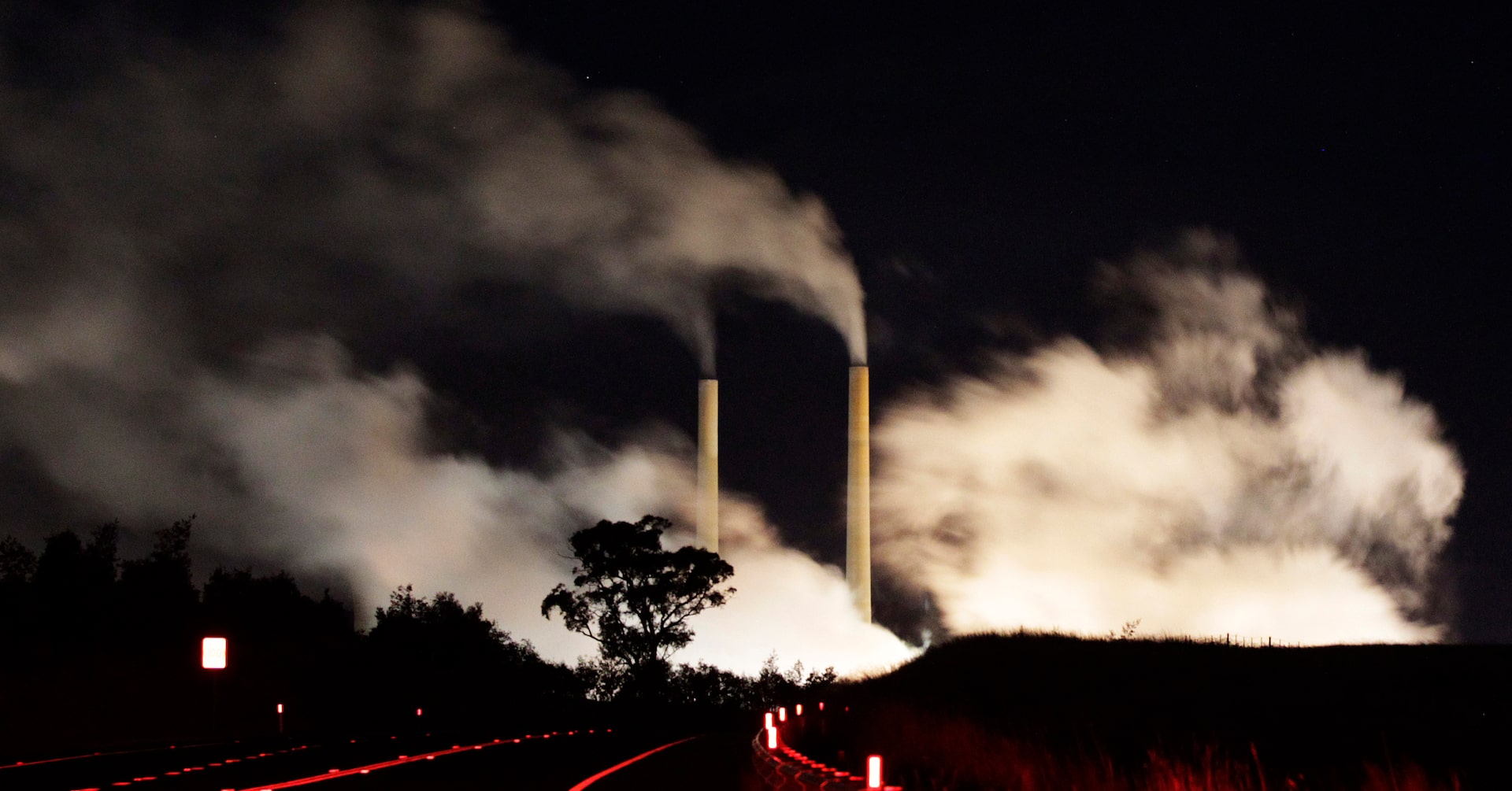
Australia’s watered down emissions target draws ire of environmentalists
Australia has announced its 2035 emissions reduction target, aiming to cut emissions by 62%-70% from 2005 levels. However, this figure has drawn sharp criticism from environmental groups, who argue it lacks ambition and prioritizes industry over vulnerable communities. The target falls below the 65%-75% range initially suggested by the Climate Change Authority, an independent advisory body. Climate Change and Energy Minister Chris Bowen defended the decision, stating that the target must be both ambitious and achievable, with a reduction beyond 70% deemed unrealistic. Greenpeace Australia Pacific’s Shiva Gounden condemned the plan, accusing the government of favoring coal and gas profits over the safety of Pacific and Australian communities. WWF-Australia CEO Dermot O’Gorman echoed these concerns, labeling the target as ‘dangerously short of what the science demands.’ Despite the backlash, the Labor government has committed billions of dollars to clean energy initiatives, including A$5 billion for industrial decarbonization and A$2 billion for the Clean Energy Finance Corporation. The government also aims to host the 2026 COP31 summit in partnership with Pacific nations. However, tensions remain over Australia’s decision to extend the life of a major natural gas project and its reluctance to phase out aging coal power plants, which critics argue hinders renewable energy adoption. Prime Minister Anthony Albanese emphasized Australia’s commitment to climate action, stating it is crucial for the nation’s neighbors, economy, and future generations.
-

India’s net direct tax collections rise over 9% y/y in April-Sep
India’s direct tax collections have shown a robust growth trajectory in the first half of the fiscal year, according to a government statement released on Thursday. From April 1 to September 17, net direct tax revenues surged by over 9% year-on-year, reaching 10.8 trillion rupees. On a gross basis, which includes both corporate and personal taxes, collections climbed by more than 3% to 12.4 trillion rupees during the same period. The income tax department highlighted that this growth reflects the country’s economic resilience and improved tax compliance. Additionally, the government issued tax refunds amounting to 1.6 trillion rupees, marking a 24% decline compared to the previous year. This reduction in refunds suggests a more efficient tax administration and tighter fiscal management. The data underscores India’s ongoing economic recovery and its ability to sustain revenue growth despite global uncertainties.
-
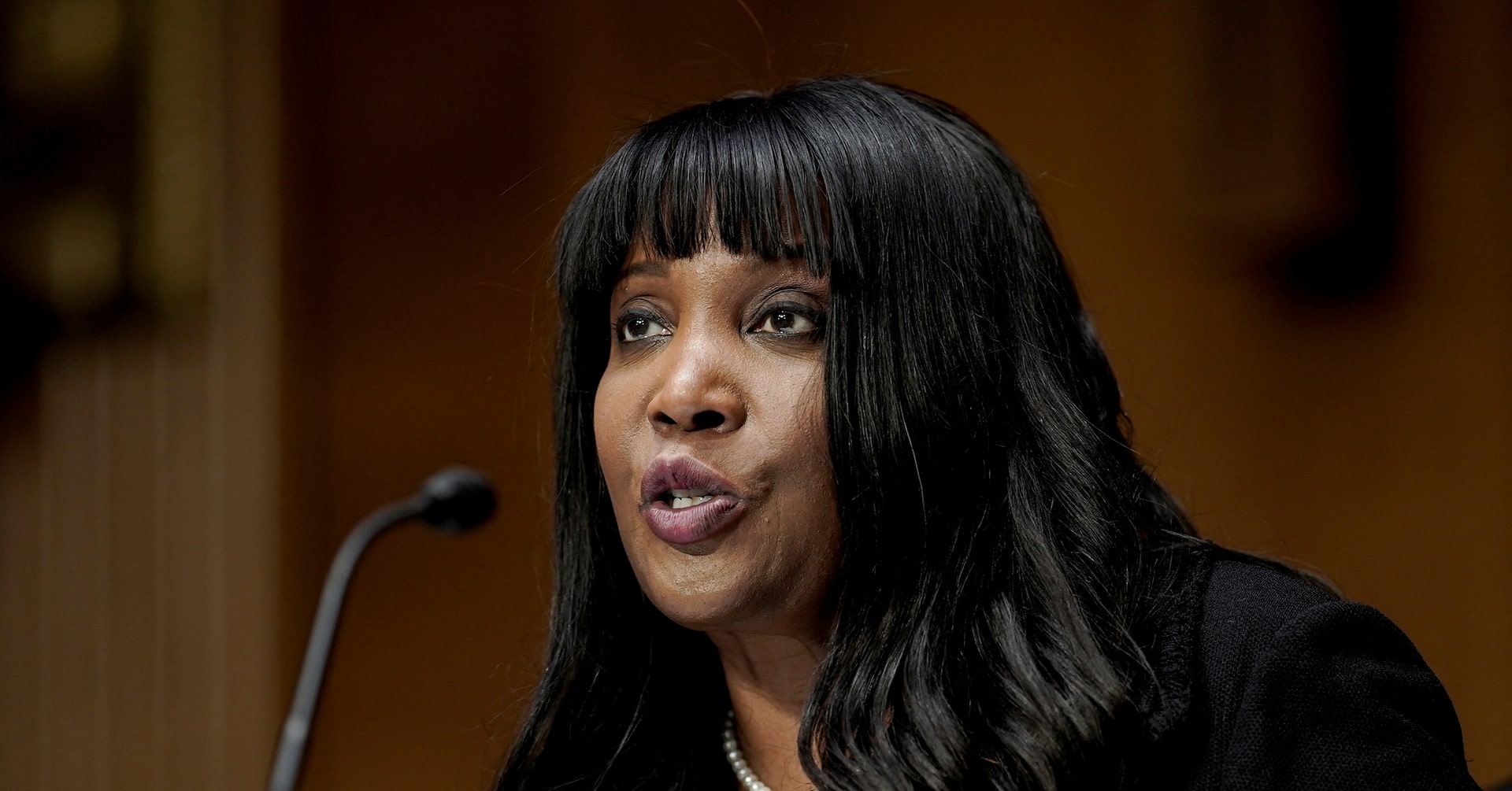
Trump asks US Supreme Court to allow firing of Fed Governor Lisa Cook
In an unprecedented move, former President Donald Trump’s administration has sought the U.S. Supreme Court’s approval to dismiss Federal Reserve Governor Lisa Cook, a decision that threatens the long-standing independence of the central bank. The legal battle, initiated on September 18, marks the first time a sitting president has attempted to remove a Fed official since its establishment in 1913. The Justice Department filed a request to overturn a September 9 ruling by U.S. District Judge Jia Cobb, which temporarily blocked Trump from firing Cook. Cobb determined that Trump’s allegations of mortgage fraud against Cook, which she denies, were insufficient grounds for removal under the Federal Reserve Act. Cook, appointed by President Joe Biden, participated in the Fed’s recent decision to cut interest rates by a quarter percentage point, a move aimed at addressing job market concerns. The legal dispute raises significant questions about the Fed’s autonomy in setting monetary policy, a cornerstone of its operational independence. Trump’s administration has argued that the president has ‘unreviewable discretion’ to remove Fed governors ‘for cause,’ though the law does not define what constitutes such cause. Cook, the first Black woman to serve as a Fed governor, has countered that Trump’s actions are politically motivated, stemming from her monetary policy stance. The case has broader implications for the global economy, as concerns over the Fed’s independence could undermine confidence in its ability to manage inflation and stabilize financial markets. The Supreme Court, with a 6-3 conservative majority, has previously sided with Trump in similar cases, but its stance on the Fed’s unique structure remains uncertain. The outcome of this legal battle could set a precedent for presidential authority over independent federal agencies.
-

New US global health plan prioritizes drugs, recipients’ self-reliance
The Trump administration has unveiled a new global health strategy, titled ‘America First Global Health Strategy,’ which marks a significant shift in how the United States approaches international health aid. Released on Thursday, the strategy emphasizes direct collaboration with recipient countries, prioritizing frontline health supplies, staff, and country-to-country agreements over traditional contractor-based models. This move comes after months of uncertainty following sweeping cuts to foreign aid earlier this year.
The plan requires recipient nations to co-invest in global health goals, particularly in combating diseases such as HIV/AIDS, malaria, tuberculosis, and polio. It also outlines a transition from aid dependency to self-reliance over the next few years. Notably, the strategy does not address several areas previously prioritized, including maternal and child health, cholera, and vaccine-preventable diseases like measles.
Secretary of State Marco Rubio highlighted the need to retain effective aspects of U.S. health foreign assistance while addressing inefficiencies. The strategy, however, lacks specific budget details, leaving questions about its financial feasibility. This announcement follows the dismantling of the United States Agency for International Development (USAID), which was integrated into the State Department as part of President Trump’s broader plan to reduce foreign aid.
The strategy also proposes changes to the President’s Emergency Plan for AIDS Relief (PEPFAR), a program previously lauded for its success. The new approach aims to allocate more funding directly to purchasing drugs and supporting health workers, reducing programmatic overheads that previously consumed up to 60% of funds. Additionally, the U.S. plans to promote its health innovations and products globally.
Critics, however, argue that an effective response to infectious diseases requires more than just products. Asia Russell, director of Health GAP, an HIV advocacy group, emphasized the importance of outreach to ensure patients access healthcare systems. She expressed concern that the U.S. is retreating from its leadership role in global health, particularly in the fight against HIV/AIDS.
The strategy also commits to a 72-hour U.S. response to disease outbreaks threatening Americans but notably omits any mention of climate change, which experts link to the increasing frequency of global outbreaks. Senior administration officials indicated that the U.S. will use next week’s U.N. General Assembly meetings in New York to engage in bilateral discussions with countries, aiming to finalize transition plans by March 2025.
-
India’s federal investigator charges Anil Ambani, former Yes Bank CEO in alleged loan fraud
India’s Central Bureau of Investigation (CBI) has formally filed chargesheets in a high-profile case involving alleged fraudulent transactions between Yes Bank, companies owned by billionaire Anil Ambani, and entities linked to the bank’s former CEO, Rana Kapoor. The investigation reveals that in 2017, Yes Bank invested over 50 billion rupees ($567.21 million) in two Ambani-controlled firms, despite warnings from rating agencies about financial risks. The funds were reportedly siphoned off, leading to a systematic diversion of public money. CBI alleges that Kapoor misused his position to channel bank funds into financially troubled Ambani group companies, which in turn provided concessional loans to businesses associated with Kapoor’s family. This arrangement allegedly caused a loss of 27.97 billion rupees ($317.29 million) to Yes Bank while benefiting Ambani’s firms and Kapoor’s family-linked companies. Neither Anil Ambani’s spokesperson nor Rana Kapoor has responded to requests for comment. The case highlights significant governance lapses and financial misconduct in India’s banking sector.