博客

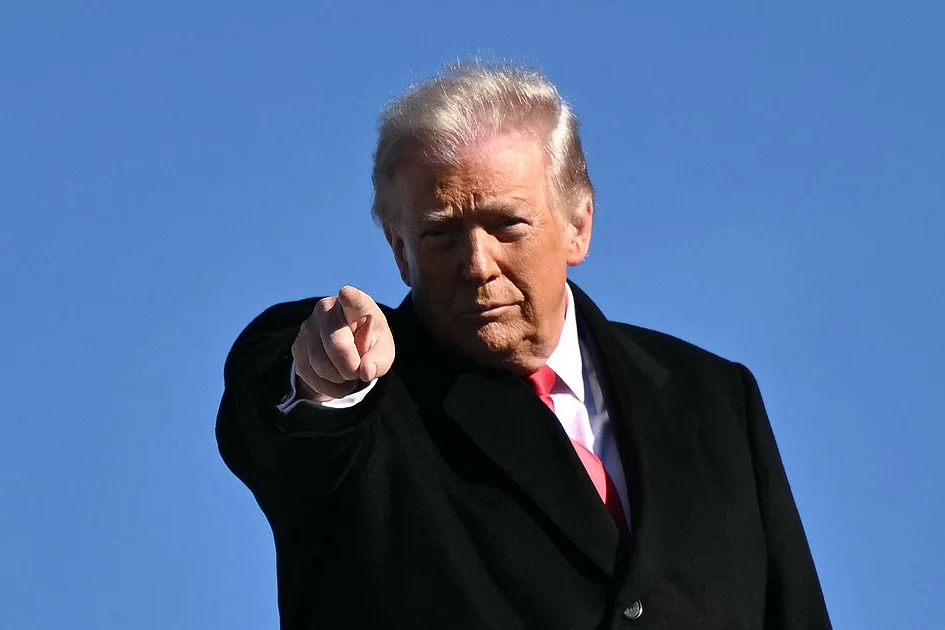
  • Trump says ‘massive armada’ will strike Iran with ‘speed and violence’ unless deal made

    Trump says ‘massive armada’ will strike Iran with ‘speed and violence’ unless deal made

    Former US President Donald Trump has issued a direct military threat against Iran through his Truth Social platform, declaring that a substantial naval fleet is currently en route to the region. Trump emphasized the armada’s readiness to execute operations with maximum force unless Tehran agrees to negotiate a nuclear non-proliferation agreement.

    Drawing parallels to previous military operations in Venezuela that ultimately resulted in the capture of President Nicolas Maduro, Trump characterized the current deployment as significantly larger and more capable. He explicitly warned that the military force stands prepared to fulfill its mission with unprecedented speed and violence if diplomatic efforts fail.

    The former president referenced previous airstrikes against Iranian nuclear facilities in June 2025, known as ‘Operation Midnight Hammer,’ as precedent for potential military action. Trump asserted that any future offensive would substantially exceed previous operations in scale and destruction.

    This escalation occurs amid reports that the Trump administration is considering precision strikes targeting high-ranking Iranian officials allegedly connected to recent protester fatalities. While Israel media outlets suggest Britain, Jordan, and the United Arab Emirates might provide logistical support for potential operations, the UAE foreign ministry has explicitly denied permitting use of its territory or airspace for military actions against Iran.

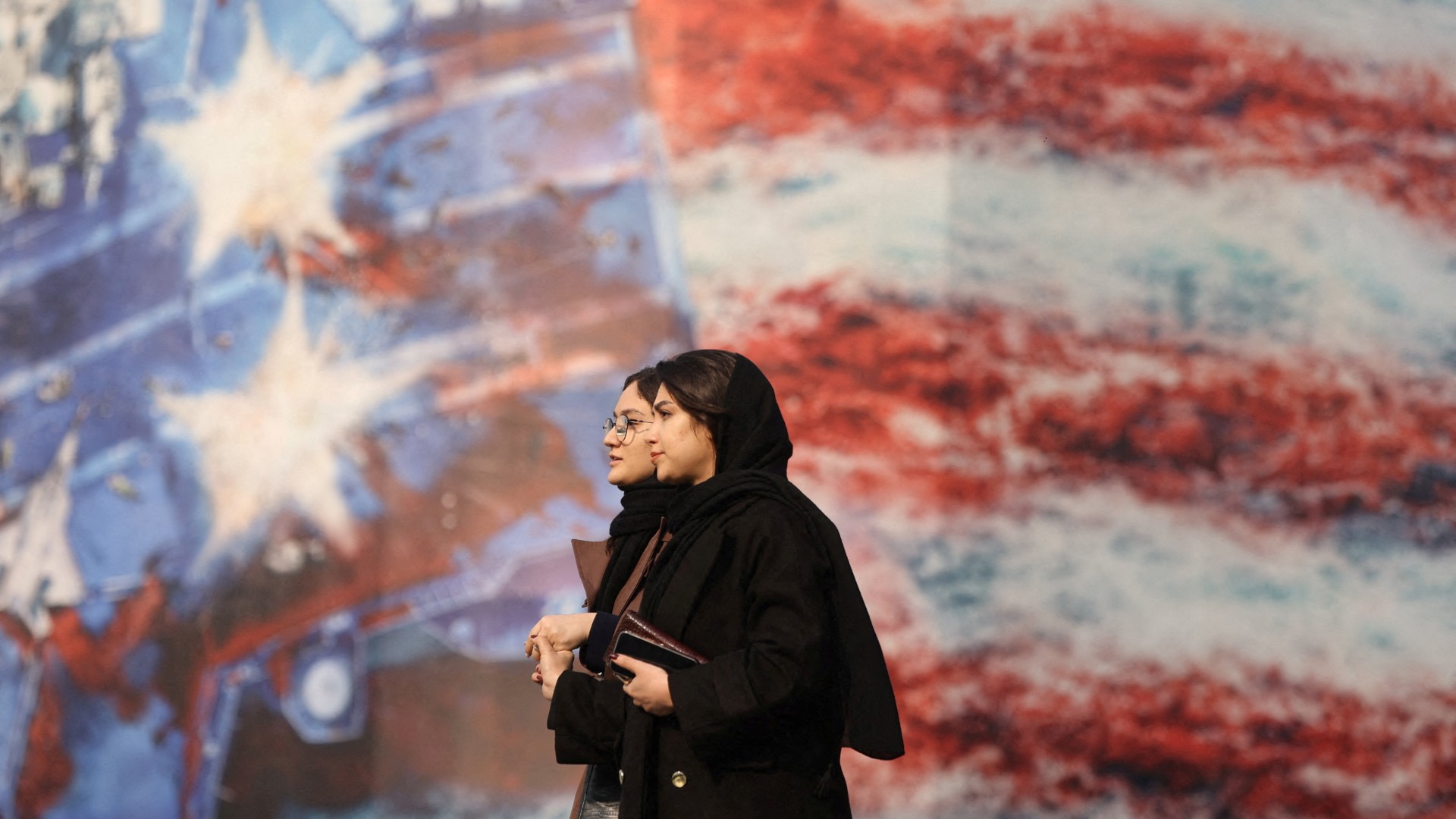
    Iranian Foreign Minister Abbas Araghchi responded by rejecting negotiations under current threat conditions, stating that productive diplomacy cannot coexist with military ultimatums. Despite acknowledging communication channels with Washington, Araghchi clarified that Tehran has not actively sought negotiations and maintains its position that the United States must cease threats and excessive demands before meaningful dialogue can occur.

  • Brazil midfielder Paqueta set for Flamengo move ahead of World Cup after asking to leave West Ham

    Brazil midfielder Paqueta set for Flamengo move ahead of World Cup after asking to leave West Ham

    In a significant transfer development, West Ham United has officially permitted Brazilian international Lucas Paqueta to proceed with medical assessments and negotiate personal terms with Brazilian club Flamengo. This move signals the imminent conclusion of the midfielder’s challenging tenure in the English Premier League.

    The transfer, valued at a reported £35 million (approximately $48 million), follows Paqueta’s formal transfer request. West Ham had initially sought to retain the 28-year-old player until the season’s conclusion to bolster their campaign to avoid relegation from England’s top football division.

    Paqueta’s time at the London club was notably overshadowed by an extensive Football Association investigation into potential gambling regulation violations. The protracted inquiry, which concluded only in July 2025 with Paqueta cleared of all misconduct charges, spanned two years and reportedly inflicted considerable psychological distress on the player.

    In an official club statement, West Ham acknowledged the player’s personal circumstances: “Lucas has articulated that, due to personal and family considerations, he desires to return to his native Brazil and initiate a new chapter following his recent exoneration. Despite implementing comprehensive measures to encourage him to remain with our squad, he maintained his firm position regarding departure. Consequently, both the head coach and club management have acquiesced to his transfer appeal, albeit with reluctance.”

  • US troops to conduct multi-day exercise in Middle East; what does it mean for Iran?

    US troops to conduct multi-day exercise in Middle East; what does it mean for Iran?

    The United States Air Force has initiated a comprehensive, multi-day military exercise across the Central Command (CENTCOM) operational zone, signaling a significant demonstration of aerial combat readiness. Announced on January 26th, the drills are strategically designed to showcase the rapid deployment, dispersion, and sustained operational capacity of American combat airpower in volatile regions.

    Concurrently, Qatar has commenced the ‘Arabian Gulf Security 4’ drill, a joint tactical operation integrating security forces from Gulf Cooperation Council (GCC) member states, including the United Arab Emirates, with specialized units from the United States. This parallel exercise underscores a coordinated approach to regional security preparedness.

    Lieutenant General Derek France, commander of AFCENT and the Combined Forces Air Component for CENTCOM, emphasized the critical nature of the maneuvers. He stated the operations are fundamental to upholding commitments to maintaining combat-ready personnel and ensuring the disciplined execution necessary to project airpower precisely where and when it is required. The exercises will serve to validate protocols for the swift mobilization of personnel and aircraft, alongside testing integrated, multi-national command and control systems across extensive operational theaters.

    These military developments unfold against a backdrop of escalating diplomatic friction between Washington and Tehran. The tensions have been fueled by widespread protests within Iran over recent weeks. US President Donald Trump has publicly assured Iranian citizens of impending ‘help,’ subsequently asserting that American pressure compelled Iran to halt 800 scheduled executions—a claim that adds a layer of psychological dimension to the standoff.

    Iran has remained steadfast in its refusal to engage in negotiations with the United States, condemning what it perceives as threats against the Islamic Republic. President Trump has deliberately kept all options, including potential military action in response to Tehran’s suppression of protesters, on the table. Security analysts speculate that any US intervention could range from targeted strikes on military infrastructure to precision operations aimed at the leadership under Ayatollah Ali Khamenei.

    In response, top Iranian officials are reportedly conducting diplomatic outreach to key Arab states to garner support, with several nations publicly denying they would permit their airspace to be used for offensive actions against Iran. Iranian Foreign Minister Abbas Araghchi has advocated for diplomatic solutions, asserting that military threats are ineffective. He clarified in televised remarks that Iran has not sought negotiations and has had no recent contact with US Middle East envoy Steve Witkoff, insisting that productive talks require the cessation of threats and ‘excessive demands.’

  • Starbucks scraps $250,000 cap on boss’s use of company jet

    Starbucks scraps $250,000 cap on boss’s use of company jet

    Starbucks Corporation has eliminated the $250,000 annual limit on CEO Brian Niccol’s personal use of the company jet following a security evaluation that identified potential safety risks. The decision comes amid heightened media scrutiny and credible security threats targeting the high-profile executive.

    Mr. Niccol, who maintains his family residence in Newport Beach, California, regularly commutes approximately 1,000 miles to Starbucks’ Seattle headquarters using the corporate aircraft. Previously, his personal usage beyond the quarter-million dollar threshold required personal reimbursement to the company.

    An independent security assessment conducted by a third-party firm determined that private aviation represents a necessary safety precaution for all of Mr. Niccol’s air travel, whether for business, commuting, or personal purposes. The review cited Mr. Niccol’s prominent leadership position, increased media attention surrounding Starbucks, and the current threat environment as contributing factors to this recommendation.

    The company’s compensation committee proposed replacing the fixed cap with quarterly reviews of his flight usage, a measure approved by Starbucks’ board of directors in September. This arrangement will undergo regular reassessment every three months to ensure appropriate oversight.

    The security evaluation also recommended implementing a dedicated car and driver service for ground transportation during Mr. Niccol’s visits to Seattle, further enhancing protective measures.

    Mr. Niccol’s compensation package totaled approximately $31 million in 2025, with security expenses reaching $1.1 million plus an additional $997,000 specifically related to his aircraft usage for commuting and personal travel. This arrangement has previously drawn criticism regarding environmental consistency, as some stakeholders have noted disparities between Starbucks’ sustainability commitments and executive travel practices.

    The original employment agreement, established when Mr. Niccol assumed leadership in 2024, explicitly stated he would not be required to relocate from California while committing to commute as necessary to fulfill his executive responsibilities, including authorized use of company aircraft for business and commuting purposes.

  • Chongqing sets GDP growth target of over 5% for 2026

    Chongqing sets GDP growth target of over 5% for 2026

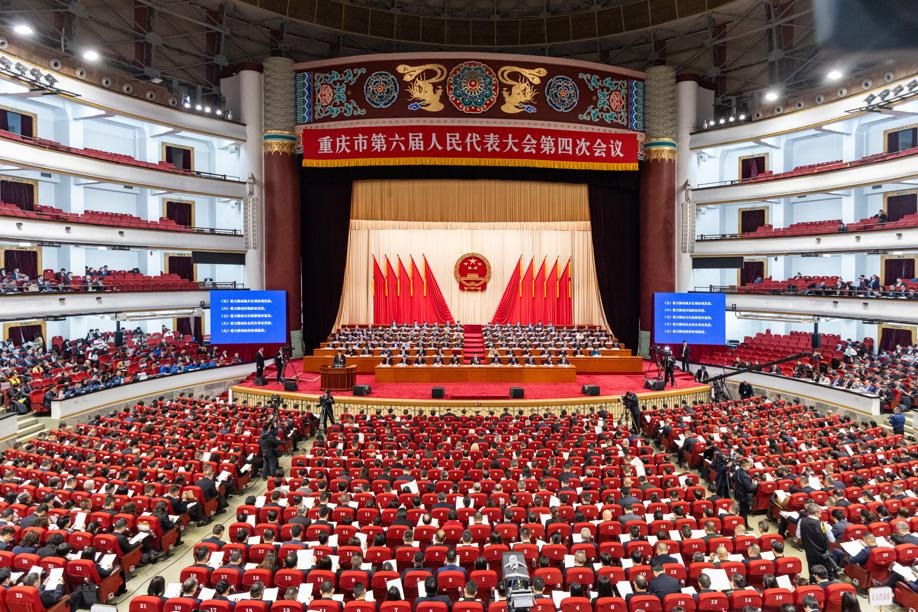
    The southwestern Chinese metropolis of Chongqing has officially established its economic development objectives for 2026, targeting a gross domestic product (GDP) expansion exceeding 5 percent. This announcement emerged from the inaugural session of the municipal people’s congress convened on January 28, 2026.

    Mayor Hu Henghua, presenting the municipal government’s annual work report to legislative delegates, revealed that Chongqing’s economic output reached 3.37 trillion yuan (approximately $485.22 billion) in the previous fiscal year, achieving a robust growth rate of 5.3 percent. This performance demonstrates the city’s resilient economic fundamentals despite global economic uncertainties.

    As a critical industrial hub in China’s strategic development blueprint, Chongqing’s growth target reflects the municipality’s commitment to sustainable economic development while maintaining stability in regional economic contributions. The projected growth rate aligns with national economic planning objectives while accounting for local industrial capabilities and market conditions.

    The announced target emerges amid China’s ongoing economic transformation toward high-quality development, with major manufacturing centers like Chongqing playing pivotal roles in balancing growth stability with technological advancement. The city’s strategic positioning within the Yangtze River Economic Belt further amplifies its significance in regional economic integration efforts.

    Economic analysts will monitor Chongqing’s performance throughout 2026 as an indicator of regional economic health and the effectiveness of municipal development policies implemented across China’s southwestern industrial corridor.

  • Cyprus: Navigating the future of global shipping

    Cyprus: Navigating the future of global shipping

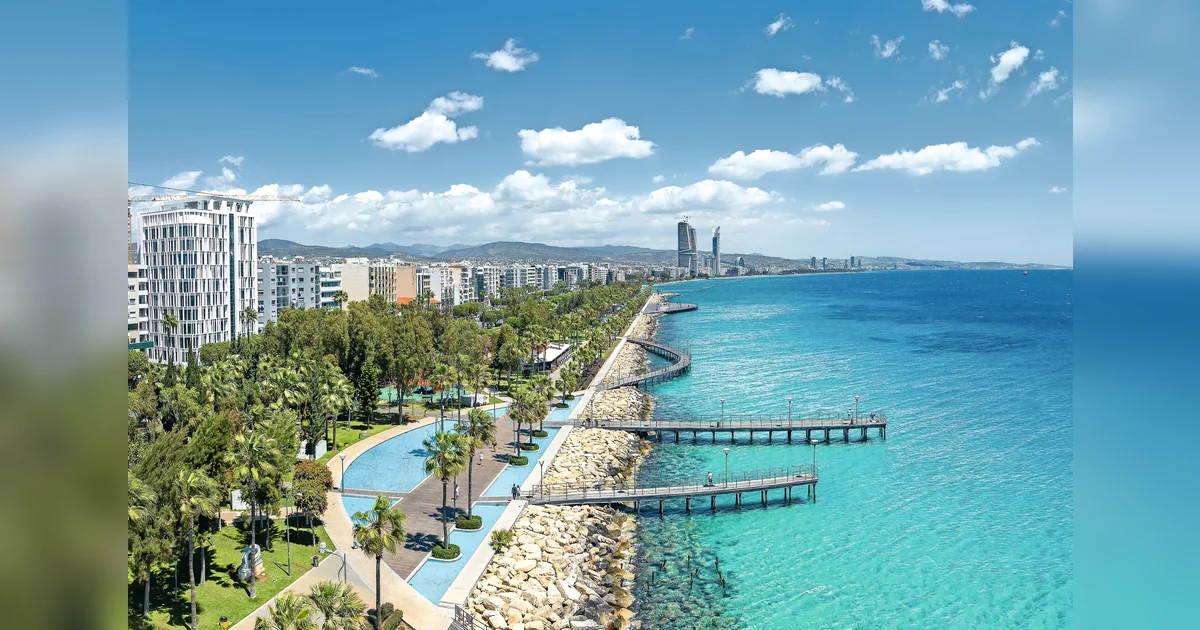
    Positioned at the strategic intersection of Europe, Africa, and Asia, Cyprus has solidified its status as a premier global maritime center. The Mediterranean island nation has developed a comprehensive shipping ecosystem that merges operational excellence with innovative environmental stewardship, establishing itself among the world’s largest shipping registries and top ship management hubs.

    The Cypriot maritime sector has undergone transformative modernization through strategic initiatives implemented by the Shipping Deputy Ministry (SDM). The establishment of a streamlined One-Stop Shipping Center has significantly enhanced administrative efficiency, providing shipowners and maritime operators with accelerated services and reduced bureaucracy. This customer-centric approach is supported by round-the-clock professional assistance and an extensive global network of offices ensuring uninterrupted support regardless of operational geography.

    Cyprus maintains a robust legal framework rooted in English common law principles, regularly updated to preserve competitive advantage. The nation’s Tonnage Tax System, fully compliant with European maritime transport regulations, offers unprecedented stability for shipping entrepreneurs. Environmental responsibility has become central to Cyprus’s maritime strategy, with the 2024 Tonnage Tax (Environmental Incentives) Order providing up to 30% tax reductions for vessels implementing eco-friendly technologies and emissions-reduction equipment.

    Digital transformation represents another cornerstone of Cyprus’s maritime advancement. The SDM is progressing toward complete digitalization of services to boost sector efficiency and competitiveness. Beyond technological progress, Cyprus actively promotes workforce development through diversity initiatives and career promotion programs. These include specialized scholarships at the IMO International Maritime Law Institute and World Maritime University, alongside national campaigns encouraging youth and women to pursue maritime professions.

    With its dual commitment to operational excellence and environmental sustainability, Cyprus has secured consistent placement on the Paris and Tokyo MoU White Lists, reflecting exceptional safety and quality standards. The nation continues to navigate evolving global shipping challenges while maintaining its position as a trusted maritime flag for the future.

  • Experience Larnaka — A Mediterranean getaway

    Experience Larnaka — A Mediterranean getaway

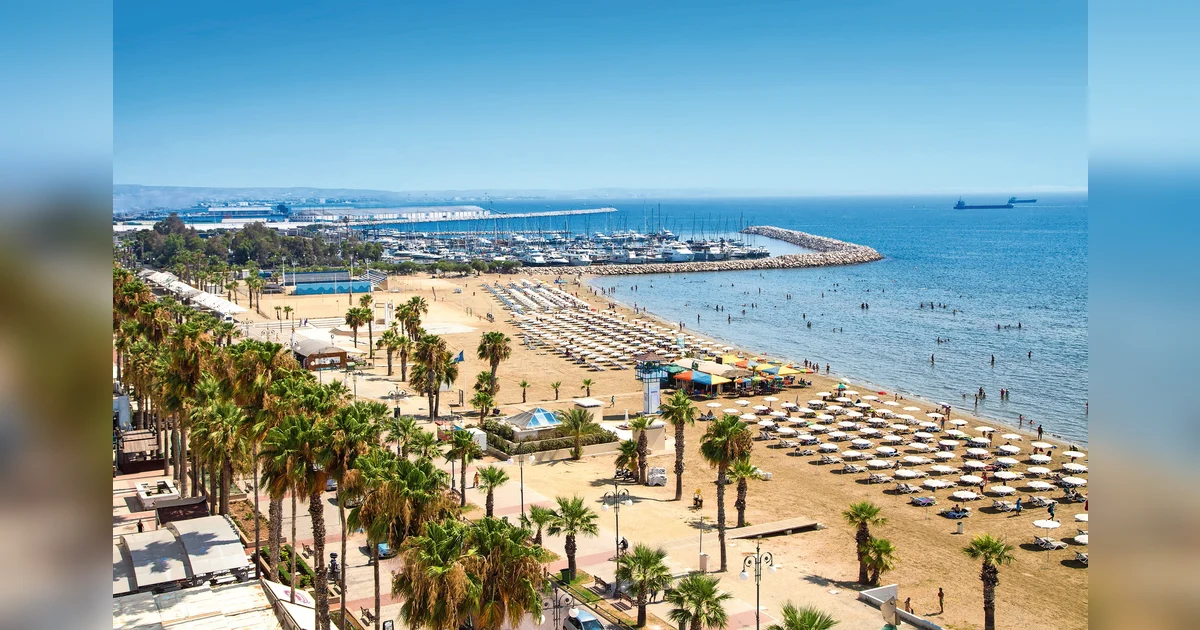
    Positioned as an ideal Mediterranean escape for UAE travelers, Cyprus’s Larnaka region presents a compelling fusion of coastal vibrancy and mountain serenity within a remarkably short flight duration. The destination’s strategic accessibility—merely three to four hours from the Gulf—places visitors at the heart of its diverse offerings immediately upon arrival at Larnaka International Airport, where most accommodations and key attractions lie within a fifteen-minute radius.

    The region’s unique character unfolds from the moment of arrival, where the otherworldly Larnaka Salt Lake serves as a gateway spectacle. Between November and March, this ecological marvel hosts magnificent flocks of greater flamingos, while a forest-encircled pathway provides year-round leisurely strolls under typically agreeable temperatures. Overlooking the serene waters stands the architecturally significant Hala Sultan Tekke Mosque, an active pilgrimage site constructed under Caliph Muawiya’s commission. This sacred monument marks the believed resting place of Umm Haram, the Holy Helper and aunt of Prophet Muhammad, who died during the 648 AD Arab landing in Larnaka.

    Urban exploration reveals Larnaka’s dynamic evolution as an emerging investment and tourism hub. While international hotel brands increasingly establish presence alongside comprehensive European infrastructure upgrades, the city maintains profound authenticity through its layered historical narrative. The palm-lined Foinikoudes promenade introduces visitors to British Colonial Administration buildings, while the marina—once Cyprus’s primary commercial gateway for copper and carob exports—now hosts luxury yachts and sailing regattas.

    The city’s cultural complexity manifests through architectural juxtapositions like the Larnaka Medieval Castle standing adjacent to the Kebir (Buyuk) Mosque. Enhanced walkability connects landmarks, interactive QR-activated storytelling statues, the revitalized Zouchouri Square Complex, and the artistic Larnaka Art Workshops neighborhood where local creators welcome engagement. Comprehensive English signage and widespread multilingual communication ensure seamless navigation and meaningful cultural exchange.

    Beyond the urban center, Larnaka’s geographical diversity spans 75 kilometers of coastline transitioning into rolling countryside and traditional mountain villages. The agrotourism experience thrives through nine distinct Honey Villages renowned for apiculture, alongside destinations like Lefkara—celebrated for intricate lacework and silver filigree craftsmanship. Visitors engage directly with regional traditions through hands-on workshops in basketry, pottery, halloumi cheese production, and unique Cypriot pasta preparation.

    Gastronomically, Larnaka presents a fresh synthesis of Mediterranean and Middle Eastern flavors best experienced through alfresco dining in both urban and village settings. This culinary approach mirrors the region’s overall lifestyle rhythm, where seasonal variations continuously offer new reasons for repeated visitation—embodied in Larnaka’s official tourism slogan: ‘Welcome Back.’

  • Cyprus Trade Centre in the GCC region (Dubai) deepens Cyprus and GCC engagement through strategic initiatives in 2025

    Cyprus Trade Centre in the GCC region (Dubai) deepens Cyprus and GCC engagement through strategic initiatives in 2025

    The year 2025 marked a transformative period in Cyprus-Gulf Cooperation Council economic relations, characterized by groundbreaking institutional frameworks and strategic cross-sector collaborations. Spearheading this diplomatic-economic offensive, the Cyprus Trade Centre in Dubai (CTC) executed an ambitious agenda that fundamentally reshaped bilateral engagement between Cyprus and Gulf nations.

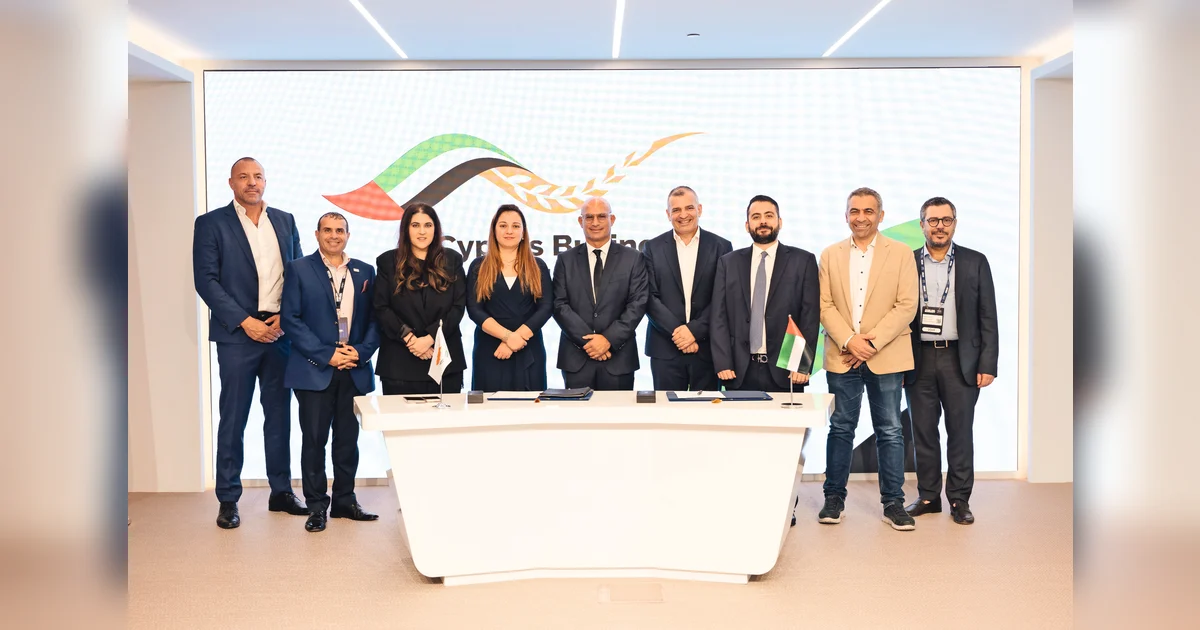
    Central to this evolution was the formal establishment of the Cyprus Business Council in Dubai under the auspices of Dubai Chambers. This private-sector-driven platform, comprising 30 founding members from both Cypriot and UAE-based enterprises, emerged as the cornerstone for structured economic dialogue. The Council’s inauguration at Dubai Silicon Oasis featured high-level executive participation, symbolizing the institutionalization of long-standing bilateral ties.

    Throughout 2025, Cyprus demonstrated its export capabilities and technological prowess through strategic participations in premier regional exhibitions. The National Pavilion at GulfFood 2025 featured twenty-five Cypriot companies establishing crucial market connections across Middle Eastern, Asian, and African markets. Technology took center stage at GITEX Global 2025, where fourteen Cypriot firms showcased cutting-edge solutions in artificial intelligence, cybersecurity, and regulatory technology.

    The World Utilities Congress in Abu Dhabi witnessed Cyprus’s inaugural national pavilion focusing on energy and water security, featuring participation from the Electricity Authority of Cyprus and the Cyprus Solar Energy Industrial Association. This presence generated significant leads for strengthening energy sector cooperation with GCC nations.

    Beyond the UAE, the CTC expanded engagement across the Gulf region through strategic missions to Qatar, Bahrain, and Saudi Arabia. These efforts included registration on Qatar Chamber’s digital platform, substantive discussions with Lulu Bahrain regarding Cypriot product exports, and exploration of cooperation opportunities in technology, innovation, and energy with Saudi counterparts.

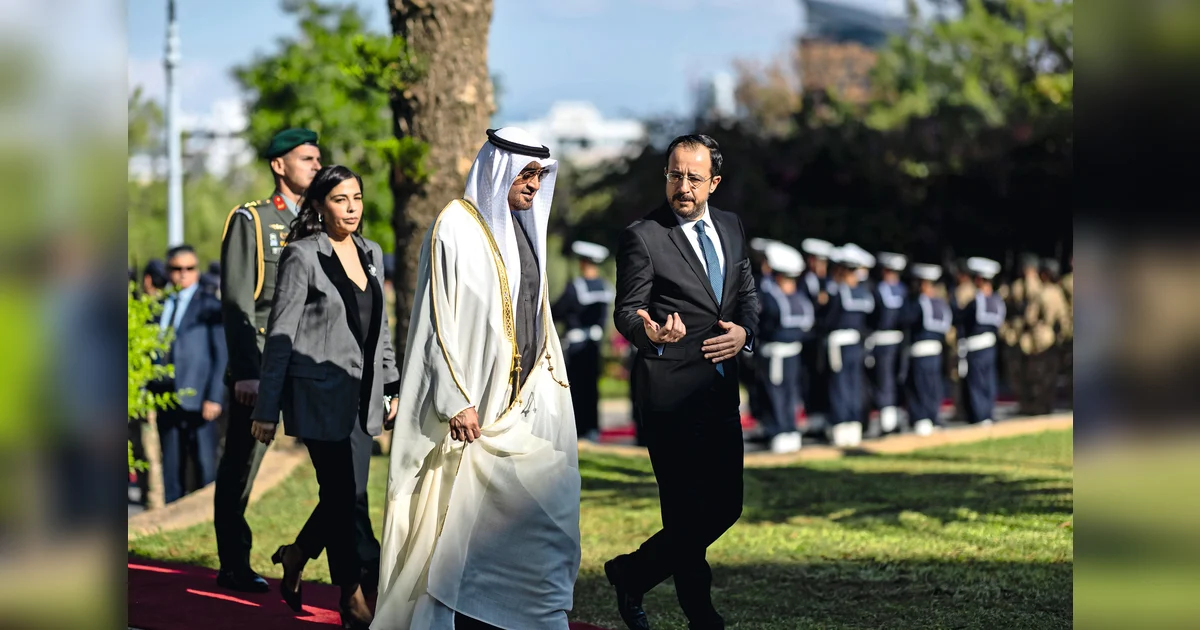
    The diplomatic crescendo occurred in December 2025 with the first-ever UAE presidential visit to Cyprus, culminating in the signing of a landmark memorandum of understanding establishing the Joint Cyprus-UAE Business & Investment Council. This agreement, signed between the Cyprus Chamber of Commerce and Industry, Invest Cyprus, and the Federation of UAE Chambers of Commerce & Industry, created an institutional framework for deepening trade, investment, and business partnerships across multiple sectors.

    A significant humanitarian and strategic achievement emerged through the UAE’s donation of fourteen mobile desalination units with daily production capacity of 15,000 cubic meters, addressing Cyprus’s water scarcity challenges while demonstrating deepening bilateral cooperation.

    The CTC’s Export Helpdesk registered unprecedented demand, processing 34% of all global requests from Cypriot companies seeking market entry support in the GCC region. This statistic underscores both the strategic importance of the UAE as a regional business hub and the confidence Cypriot enterprises place in the CTC’s facilitation capabilities.

    Concurrently, the CTC maintained active participation in multilateral initiatives including the International Renewable Energy Agency (where Cyprus served as Vice-Chair) and the EU-GCC Cooperation on Green Transition platform, leveraging Cyprus’s unique geostrategic position bridging European and Gulf markets.

  • Cyprus–UAE Engagement: From Momentum to Investment

    Cyprus–UAE Engagement: From Momentum to Investment

    The strategic partnership between Cyprus and the United Arab Emirates has evolved into a structured economic framework designed to transform diplomatic alignment into tangible investment outcomes. This relationship, built on mutual trust and shared vision for progress, is now demonstrating measurable results in trade and investment sectors.

    The recent high-level visit by the UAE President to Cyprus, accompanied by senior officials and business leaders, underscored the depth of bilateral ties and reinforced Cyprus’s position as a stable European partner in a region valuing predictability. This engagement culminated in the December 2025 establishment of the Cyprus-UAE Joint Business and Investment Council through a signed Memorandum of Understanding, creating a permanent platform for opportunity identification and stakeholder coordination.

    Cyprus continues to emerge as a compelling EU investment destination, offering UAE and GCC partners direct access to the European Single Market. The nation’s robust legal framework, strategic geographical positioning, and highly skilled English-speaking professional ecosystem provide exceptional advantages for market entry and regulatory certainty. Cyprus maintains strong economic fundamentals, ranking among the EU’s fastest-growing economies with near full employment, reduced public debt below 60% of GDP, and consistent ‘A’ credit ratings from major international agencies.

    Bilateral cooperation focuses on investment-ready sectors including shipping, energy, technology, and automation. Cyprus’s technology sector has experienced remarkable growth, hosting over 800 technology-driven companies across ICT, fintech, gaming, and technology-enabled services. The ICT sector contributes approximately 14% to GDP directly and indirectly, with Cyprus ranking third in the EU for sector growth. Foreign technology investment surged by over 200% in 2024, while the number of ICT professionals doubled within three years.

    Cyprus is enhancing its innovation infrastructure through regulatory mechanisms including the Capital Markets Commission sandbox, the Central Bank’s Innovation Hub, and an upcoming AI Sandbox. These initiatives position Cyprus as a testing and scaling ground for new solutions targeting the 450-million-consumer EU market.

    Beyond economic factors, Cyprus offers quality living conditions and a supportive environment for international professionals, supported by 12 universities, 9 research institutes, and 7 centers of excellence. Invest Cyprus facilitates investor transition from interest to execution, with the Joint Business Council serving as a practical channel for sustained engagement and accelerated cooperation across priority sectors.

    Both nations demonstrate that ambition transcends physical size, with the partnership now focused on delivering concrete results through targeted sector partnerships and investment flows, positioning Cyprus as the reliable EU gateway for regional and global growth.

  • Former senior political adviser sentenced to 12 years for bribery

    Former senior political adviser sentenced to 12 years for bribery

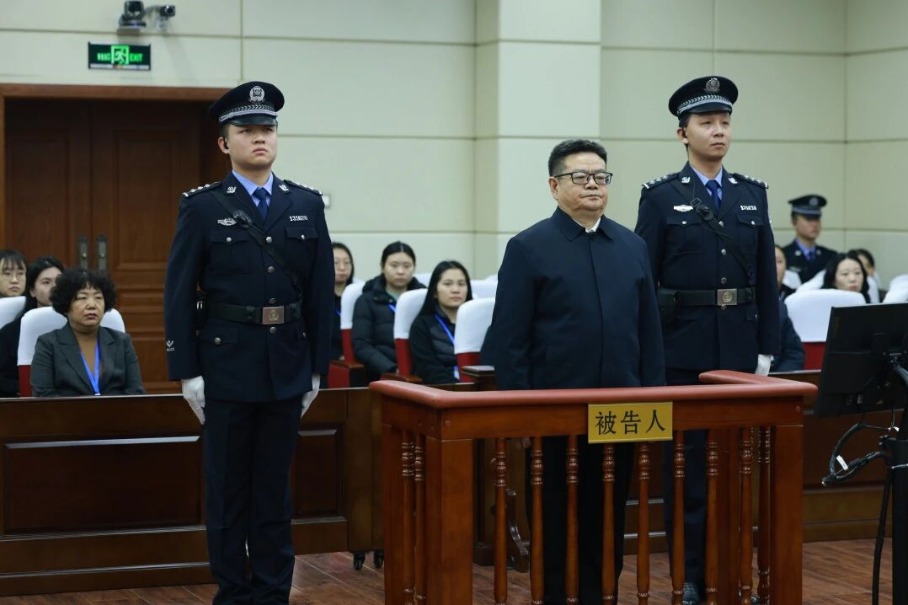
    In a significant demonstration of China’s ongoing anti-corruption campaign, Zhang Xiaolian, a former high-ranking political adviser, has been sentenced to 12 years imprisonment for bribery offenses. The Shijiazhuang Intermediate People’s Court in Hebei province delivered the verdict on Wednesday, additionally imposing a substantial fine of 2 million yuan ($287,920) and ordering the confiscation of all illicit gains to be transferred to the State treasury.

    The judicial investigation revealed that between 2007 and 2023, Zhang systematically exploited his influential positions, including his tenure as mayor of Harbin—the provincial capital of Heilongjiang—and later as deputy head of the Committee on Economic Affairs of the 13th National Committee of the Chinese People’s Political Consultative Conference (CPPCC). During this sixteen-year period, he provided improper assistance to various individuals and organizations in matters ranging from legal case interventions to business operations and administrative management, accepting bribes totaling over 30.68 million yuan in exchange.

    The court characterized the amount involved as ‘extremely large,’ which typically warrants severe punishment under Chinese law. However, the sentencing reflected some leniency due to Zhang’s cooperation with authorities, including his voluntary confession, disclosure of previously unknown bribery incidents, and active restitution of illegal proceeds.

    Zhang’s professional trajectory, which ultimately culminated in his downfall, began with his Communist Party membership in 1985. Following his initial career at Beijing Forestry University, he ascended through various governmental roles, including leadership of Beijing’s Fangshan district in 2002. His transfer to Heilongjiang province in 2005 marked a significant step in his political career, leading to his appointment as Harbin mayor in 2007. His election to the CPPCC National Committee in 2018 represented the peak of his political influence before his investigation commenced in October 2024 for serious violations of Party discipline and national laws. His subsequent expulsion from the Party in April 2025 preceded formal indictment and trial proceedings.