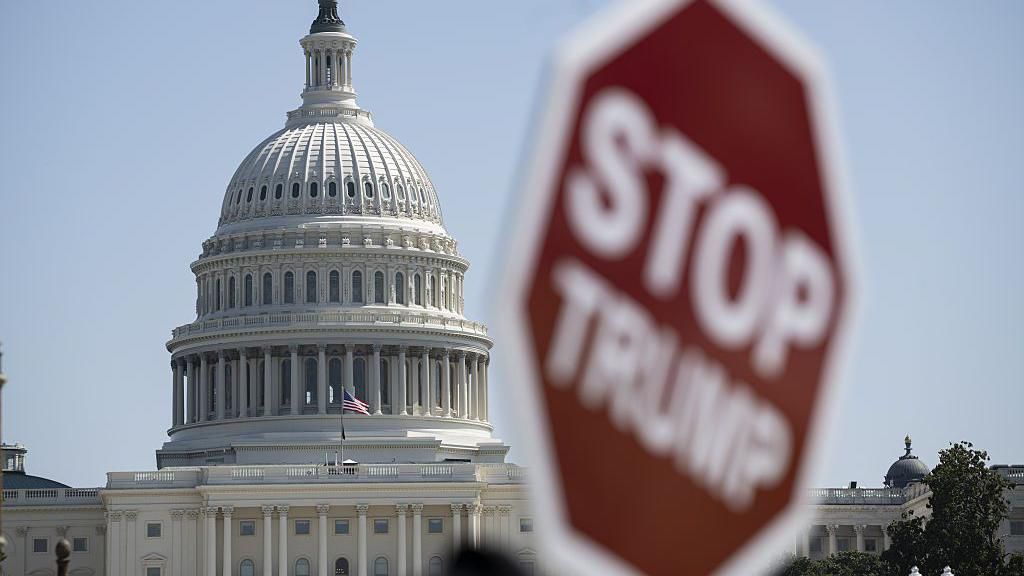
The United States is on the brink of a government shutdown as President Donald Trump’s Republican Party and opposition Democrats remain deadlocked over a critical spending bill. If an agreement is not reached by the end of Tuesday, federal funding will expire, leading to a partial halt in government services. This impending crisis underscores the deepening political divide in Washington, exacerbated by Trump’s aggressive efforts to reduce the size of the federal government over the past nine months. The Republicans, who control both chambers of Congress, lack the necessary 60 votes in the Senate to pass the bill unilaterally, giving Democrats significant leverage. Democrats are refusing to support the Republican-proposed bill, which they argue would undermine healthcare affordability for millions of Americans. Instead, they are pushing for an extension of health insurance tax credits and a reversal of Medicaid cuts enacted by the Trump administration. A stopgap bill has already passed the House but remains stalled in the Senate. If no resolution is found by 00:01 EDT on Wednesday, the US will experience its first government shutdown in nearly seven years. The last shutdown occurred in late 2018 during Trump’s first term, lasting 36 days and costing the economy an estimated $11 billion. This time, the Trump administration appears less concerned about the political fallout, with officials even suggesting that a shutdown could help identify and eliminate ‘non-essential’ federal workers. While essential services like border protection, law enforcement, and air-traffic control would continue, programs such as food assistance, federally-funded pre-schools, and national park operations would be severely impacted. The standoff highlights the unique nature of US budget politics, where divided government branches often lead to such impasses. As both sides make last-ditch efforts to avoid a shutdown, the stakes for the nation’s economy and public services remain high.
博客
-
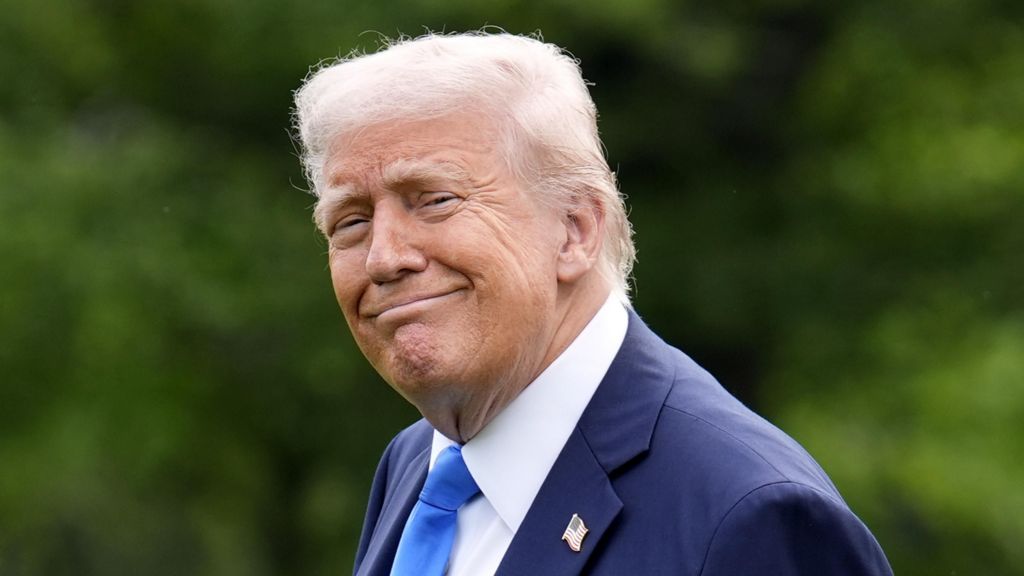
Trump renews threat to impose 100% tariffs on non-US made movies
Former U.S. President Donald Trump has reiterated his controversial proposal to impose a 100% tariff on all films not produced within the United States, asserting that the American film industry has been ‘stolen’ by other nations. Speaking on his Truth Social platform, Trump emphasized that California, in particular, has suffered significantly due to the decline in domestic film production. He framed the tariff as a solution to what he described as a ‘long-time, never-ending problem.’
This announcement follows Trump’s broader tariff strategy, which recently included a 100% levy on branded or patented drug imports and 50% tariffs on kitchen and bathroom cabinets. Trump’s rhetoric has drawn criticism and skepticism, with many questioning the feasibility and economic impact of such a policy. Investment analyst Dan Coatsworth of AJ Bell highlighted the complexities of defining what constitutes an ‘American-made’ film, especially when productions involve foreign actors, directors, or funding.
Coatsworth also noted that filmmakers have increasingly relocated to countries offering more favorable tax incentives, leading to a decline in the prominence of the Los Angeles film industry. He warned that forcing productions back to the U.S. could drive up costs, which might ultimately be passed on to consumers, potentially harming demand for streaming services and cinema operators. Despite these concerns, investors have yet to treat the proposal as a serious threat, with stocks for companies like Netflix and Disney showing only brief dips before recovering.
The proposal’s implications for streaming platforms and international co-productions remain unclear. For instance, films like ‘Wicked,’ which was shot in the UK but produced by an American studio, could face ambiguous treatment under the proposed tariffs. Recent data from movie industry research firm ProdPro reveals that while the U.S. remains a major global production hub, spending has declined by 26% since 2022, with countries like Australia, New Zealand, Canada, and the UK attracting increased investment.
-
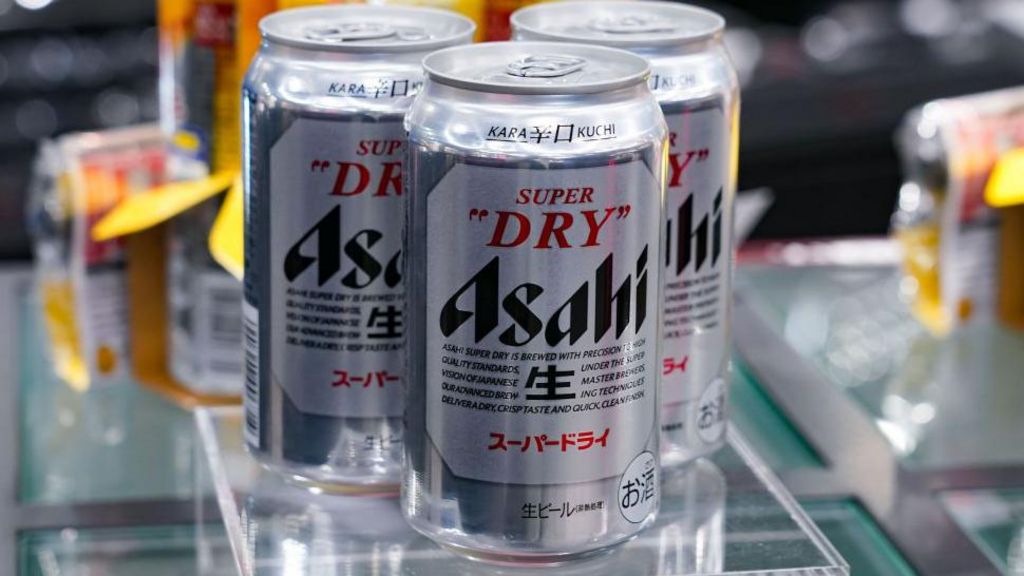
Japanese brewing giant Asahi hit by cyber-attack
Japanese brewing powerhouse Asahi Group Holdings has fallen victim to a significant cyber-attack, resulting in a widespread ‘systems failure’ that has disrupted its shipping and customer service operations in Japan. The company, renowned for its global beer brands such as Peroni, Pilsner Urquell, and Grolsch, confirmed that its European operations, including the UK, remain unaffected. However, the incident has forced the suspension of order and shipment activities domestically, as well as customer service functions. Asahi, which also owns Fullers in the UK—producer of London Pride and other beverages—has issued an apology to its customers and business partners, emphasizing that no personal data breaches have been detected. The company is actively investigating the cause and working to restore operations, though no timeline for recovery has been provided. This cyber-attack underscores the growing threat of digital crime to major corporations, with Asahi previously identifying such risks in its 2024 report. The incident comes amid a challenging domestic market in Japan, where declining alcohol consumption among younger generations has prompted Asahi to pivot toward zero or low-alcohol beverages, aiming to double their share of overall sales to 20%.
-
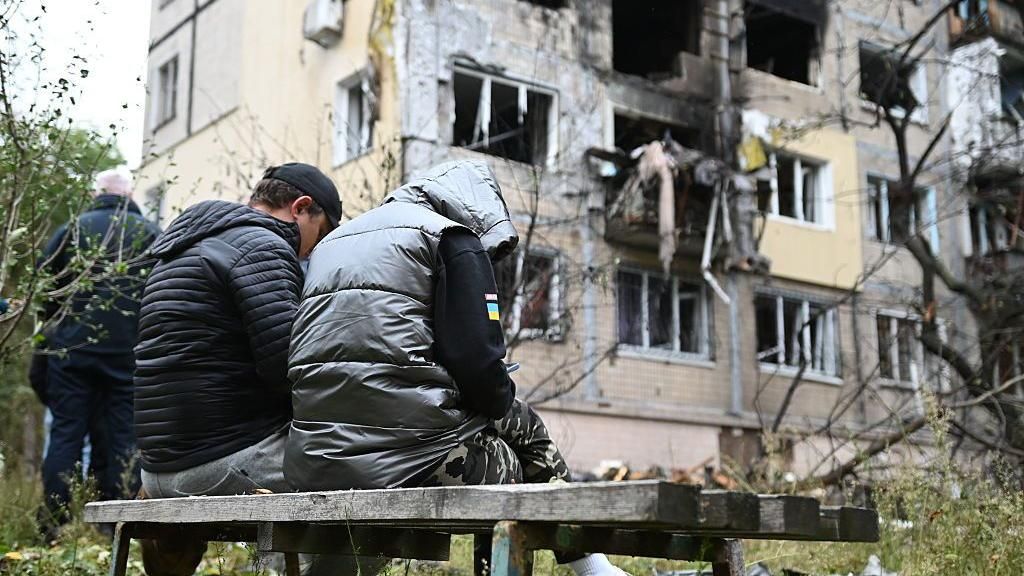
Trump considering supplying Ukraine with long-range missiles, Vance says
Kyiv faced a harrowing 12-hour bombardment on Sunday, resulting in multiple fatalities and over 70 injuries across Ukraine. The attack, involving hundreds of drones and nearly 50 missiles, targeted civilian infrastructure, including a cardiology center in the capital. This escalation comes as the US deliberates Ukraine’s request for long-range Tomahawk missiles, which could potentially strike deep into Russian territory. US Vice-President JD Vance indicated that President Donald Trump would have the final say on the matter, while US Special Envoy Keith Kellogg hinted that Trump had already authorized such strikes. Kremlin spokesman Dmitry Peskov dismissed the potential impact of these weapons, asserting that no missile could alter the dynamics of the conflict. Ukraine’s Deputy Defence Minister Ivan Havryliuk emphasized that increasing the cost of war for Russia could compel Moscow to engage in peace talks. Meanwhile, Ukraine is seeking advanced air defense systems, including Patriot units, to counter Russia’s intensified aerial assaults. The country is also ramping up its domestic production of drones and artillery, aiming to reduce reliance on Western allies. However, the urgency for immediate support remains critical as Russia continues to deploy more sophisticated drones and missiles, posing a growing threat to Ukraine’s cities and Europe’s security.
-
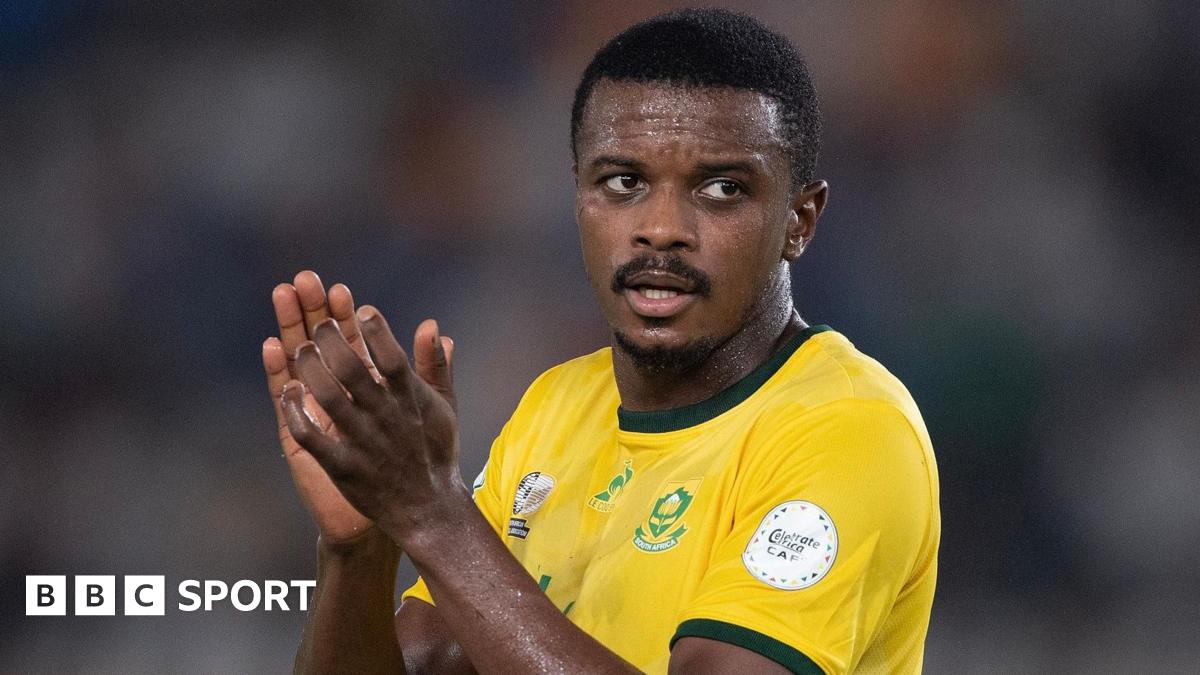
South Africa’s 2026 World Cup hopes hit by forfeit
South Africa’s aspirations to secure a spot in the 2026 FIFA World Cup have been severely compromised following a ruling by FIFA’s disciplinary committee. The committee found that the South African national team violated competition regulations by fielding an ineligible player, Teboho Mokoena, during their 2-0 victory over Lesotho in March. Mokoena, a 28-year-old midfielder, was supposed to serve a suspension after accumulating two yellow cards in previous matches. As a consequence, FIFA has imposed a 3-0 forfeit on South Africa, fined the South African Football Association (Safa) 10,000 Swiss Francs ($12,500), and issued a warning to Mokoena. This decision has dramatically reshaped the standings in Group C of the African World Cup qualifiers. South Africa, previously leading the group, has now dropped to second place, trailing Benin on goal difference. The outcome has also reignited the hopes of Nigeria and Rwanda, who are now just three points behind the top two teams. With the final rounds of qualifiers scheduled for October 10-14, Benin will face Rwanda and Nigeria, while South Africa will play Zimbabwe and host Rwanda. Safa has a 10-day window to appeal FIFA’s decision, but the road to the World Cup has undoubtedly become more challenging for Bafana Bafana.
-
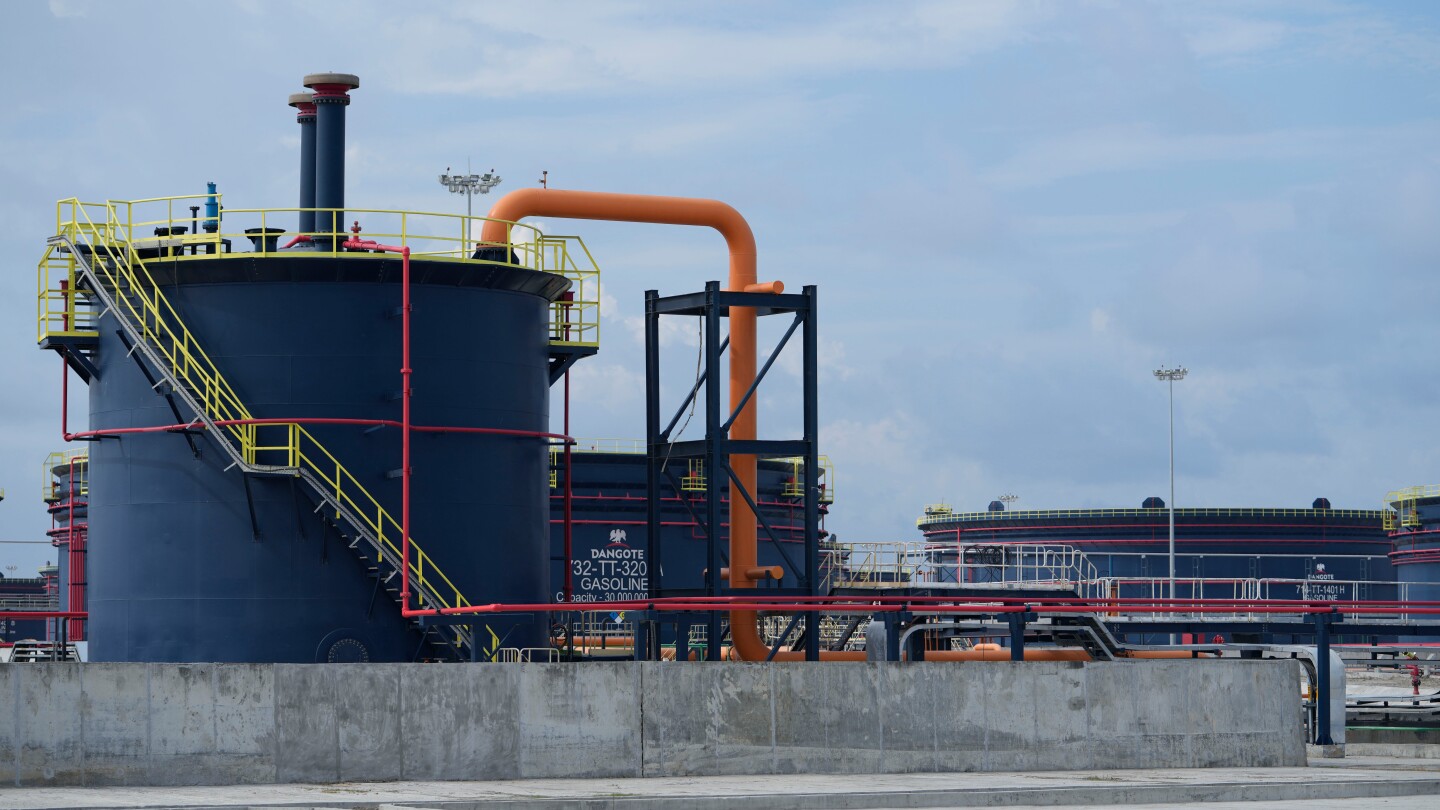
Nigerian government to meet oil workers’ union after strike halts nationwide supply
LAGOS, Nigeria — A critical meeting is scheduled between Nigerian government officials and representatives of the country’s oil workers union on Monday, following a nationwide strike triggered by the dismissal of 800 employees at Dangote Refinery, Africa’s largest refining facility. The strike, initiated by the Petroleum and Natural Gas Senior Staff Association of Nigeria (PENGASSAN), has disrupted operations across key oil and gas institutions, threatening to halt national supply chains.
-
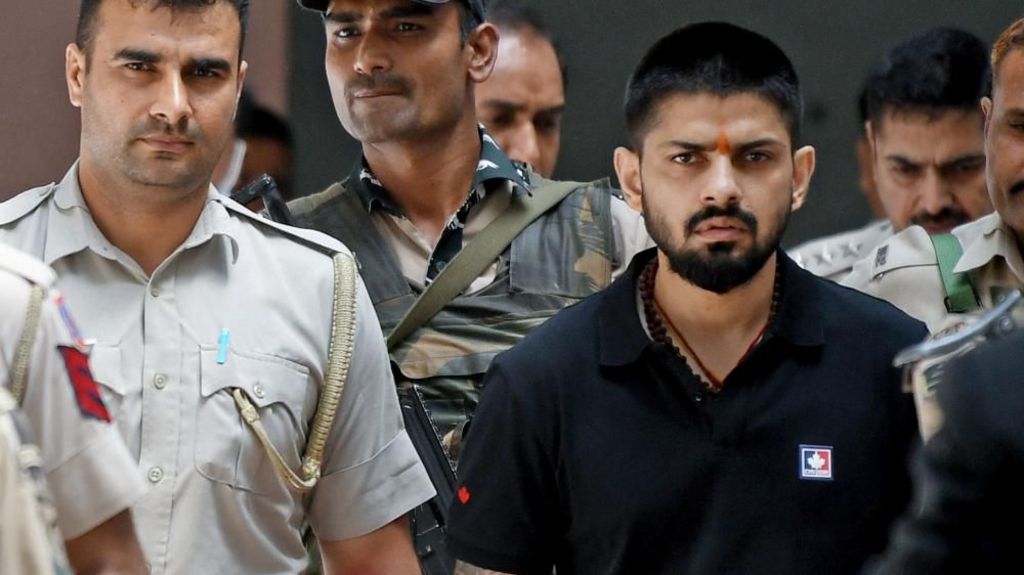
Canada lists India’s Bishnoi gang as terrorist entity
In a significant move, Canada has officially classified India’s Bishnoi gang as a terrorist organization, granting the federal government authority to confiscate the group’s assets and freeze its financial holdings within the country. The announcement was made by Public Safety Minister Gary Anandasangaree on Monday, who emphasized that the gang has fostered an environment of fear and intimidation within Canadian diaspora communities. The decision follows allegations by Canadian police last year that members of the Bishnoi gang, allegedly linked to the Indian government, were involved in homicides, extortion, and violent acts targeting supporters of the pro-Khalistan movement. India has consistently denied these claims, citing a lack of evidence provided by Canada. The new designation empowers Canadian law enforcement to prosecute terrorist activities such as financing, recruitment, and travel. Minister Anandasangaree stated, ‘Specific communities have been subjected to terror, violence, and intimidation by the Bishnoi gang. This listing equips us with stronger tools to combat and halt their criminal operations.’ The Bishnoi gang, led by Lawrence Bishnoi, a 32-year-old incarcerated Indian gangster, is described as a transnational criminal organization primarily based in India but with significant operations in Canada, particularly in areas with large diaspora populations. In India, Bishnoi is accused of controlling a 700-member gang involved in extortion, drug and weapon smuggling, and targeted assassinations. The designation follows pressure from opposition parties and provincial leaders in Alberta and British Columbia, who argued that such a move would enable the government to impose sanctions and counter the gang’s activities more effectively.
-
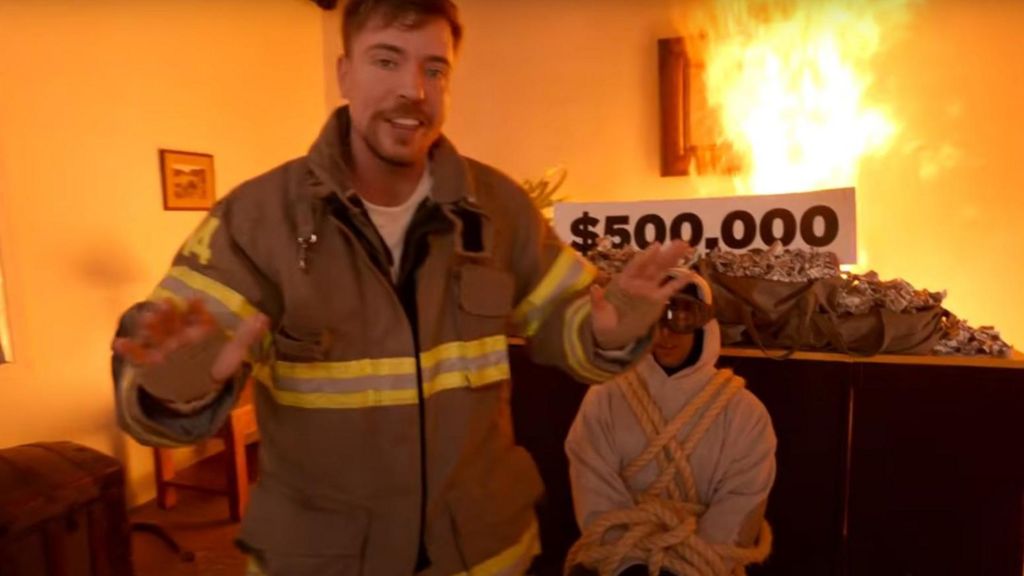
MrBeast defends trapping man in burning building for $500,000
Jimmy Donaldson, better known as MrBeast, the world’s most subscribed YouTuber, has come under fire for his latest high-octane video titled ‘Would You Risk Dying for $500,000?’ The video, which premiered on Saturday, features professional stuntman Eric navigating a series of perilous challenges, including escaping a burning building and surviving massive explosions, all while collecting bags of cash. The dramatic visuals, however, have sparked widespread criticism, with many accusing the content of being dangerously irresponsible and potentially encouraging copycat behavior. In response, MrBeast took to social media platform X to defend the production, emphasizing that safety was a top priority. He revealed that the stunt was meticulously planned with ventilation systems, kill switches, and a professional pyro team to control the fires. Eric, the contestant, successfully completed the challenges, walking away with $350,000, which he plans to use to support his retired parents. Despite the backlash, the video has amassed over 45 million views, showcasing MrBeast’s unparalleled influence on the platform. This incident adds to a series of controversies surrounding Donaldson, including allegations of exploitation in his Amazon series ‘Beast Games’ and accusations from the Mexican government regarding his use of Mayan pyramids in a video. While some critics labeled the stunt as dystopian and humiliating, others argued that it was a well-executed PR stunt with minimal real danger involved.
-
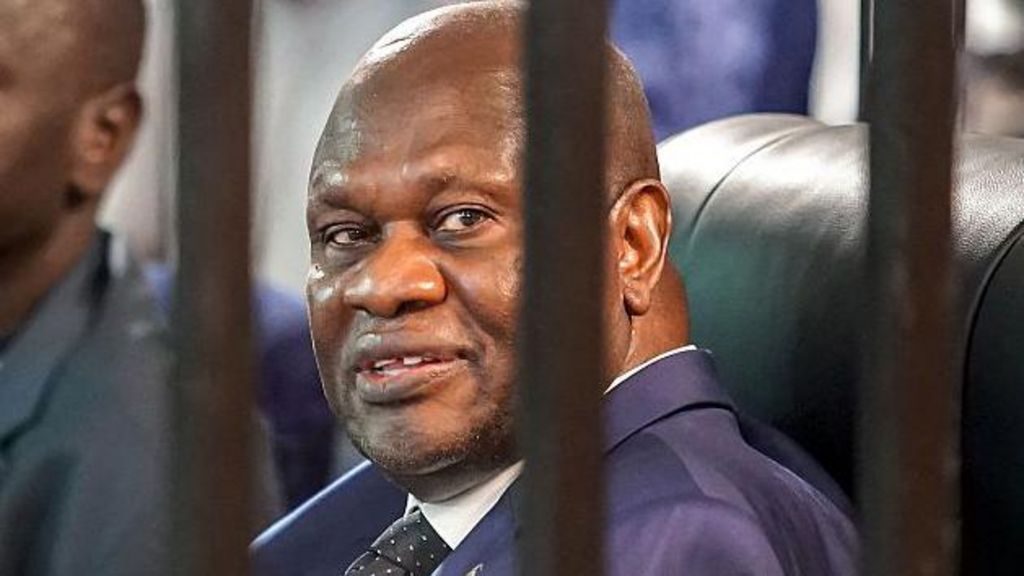
South Sudan court rejects ex-VP’s bid to halt murder and treason trial
A special court in South Sudan has firmly established its jurisdiction to prosecute suspended Vice-President Riek Machar and seven co-defendants, who face grave charges including murder, treason, and crimes against humanity. The court dismissed all objections raised by Machar’s legal team, which challenged its authority, the constitutionality of the proceedings, and his claimed immunity from prosecution. The trial is set to resume on Wednesday. Machar, who has been under house arrest since March, has labeled the charges as a politically motivated ‘witch-hunt,’ sparking fears of a potential resurgence of civil war in the fragile nation. The charges stem from a March militia attack allegedly linked to Machar, which resulted in the deaths of 250 soldiers and a general. Machar’s defense argued that the case should be handled by a hybrid court under the African Union, as stipulated in the 2018 Peace Agreement that ended the five-year civil war between his forces and those loyal to President Salva Kiir. However, the court countered that it has the authority to try national offenses, as no hybrid court has yet been established. Presiding Judge James Alala emphasized that the special court’s jurisdiction is grounded in the amended 2011 Transitional Constitution. The court also rejected the claim of immunity for Machar, stating that such protection is exclusively reserved for the president. Additionally, two of Machar’s lawyers were barred from the proceedings due to invalid licenses, though they may rejoin once their credentials are renewed. Machar’s lead lawyer, Geri Raimondo Legge Lubati, accused the government of conducting a ‘politicized media campaign’ against his client, violating the constitutional presumption of innocence. The case has drawn international concern, with the UN, African Union, and neighboring countries urging calm in South Sudan, which gained independence from Sudan in 2011 after decades of conflict.
-
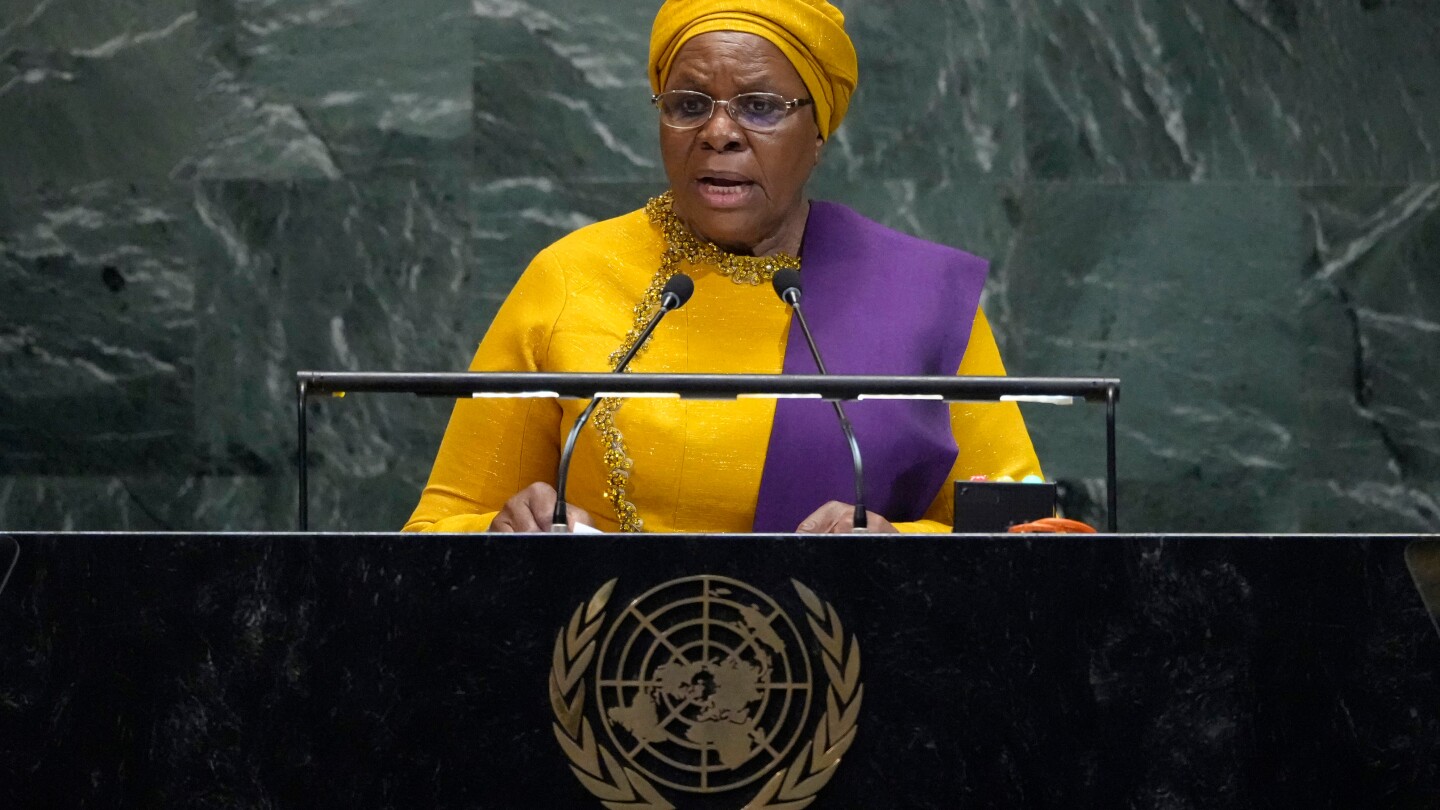
At the UN, African leaders did not draw attention to home conflicts, analysts say
LAGOS, Nigeria — African leaders took center stage at the United Nations General Assembly last week, delivering impassioned speeches on global issues such as climate change, inequality, and international conflicts. Prominent figures, including Nigerian Vice President Kassim Shettima, Senegalese President Bassirou Faye, and Namibian President Netumbo Nandi-Ndaitwah, strongly condemned Israel’s attacks on Gaza, emphasizing the humanity and rights of Palestinians. However, analysts noted a glaring omission: the lack of significant attention to Africa’s own protracted conflicts in Sudan and the Democratic Republic of Congo (DRC).
In Sudan, a civil war erupted in mid-2023 when the Rapid Support Forces (RSF) paramilitary group clashed with the national army, resulting in over 40,000 deaths and effectively splitting the country. The conflict has been marked by mass atrocities and a looming famine, exacerbated by restrictions on aid distribution. Meanwhile, in the DRC, the M23 rebel group, allegedly backed by Rwanda, has caused widespread devastation, displacing millions and killing thousands. Despite these crises, African leaders offered only cursory mentions of these conflicts during their UN speeches.
Experts like Chris Ogunmodede, an Africa affairs analyst, criticized the lack of prioritization of African issues on the global stage. Beverly Ochieng, a senior security analyst, echoed this sentiment, calling it a missed opportunity to address the escalating humanitarian crises. The speeches also highlighted the limitations of African multilateral organizations, with external powers like the U.S., UAE, Saudi Arabia, and Egypt taking the lead in peace negotiations. These outside interests, often accused of involvement in the conflicts, wield significant leverage, overshadowing African institutions’ efforts to mediate.
The geopolitical complexities of these wars have drawn in neighboring countries and international actors, further complicating resolution efforts. For instance, Rwanda’s alleged support for M23 has strained regional relations, while the UAE faces accusations of arming Sudanese rebels. As African leaders focus on global issues, the pressing need for solutions to homegrown conflicts remains unaddressed, raising questions about the continent’s ability to manage its own affairs.