博客

  • Indian rupee crosses Rs25 against UAE dirham: Factors of decline, what it means

    Indian rupee crosses Rs25 against UAE dirham: Factors of decline, what it means

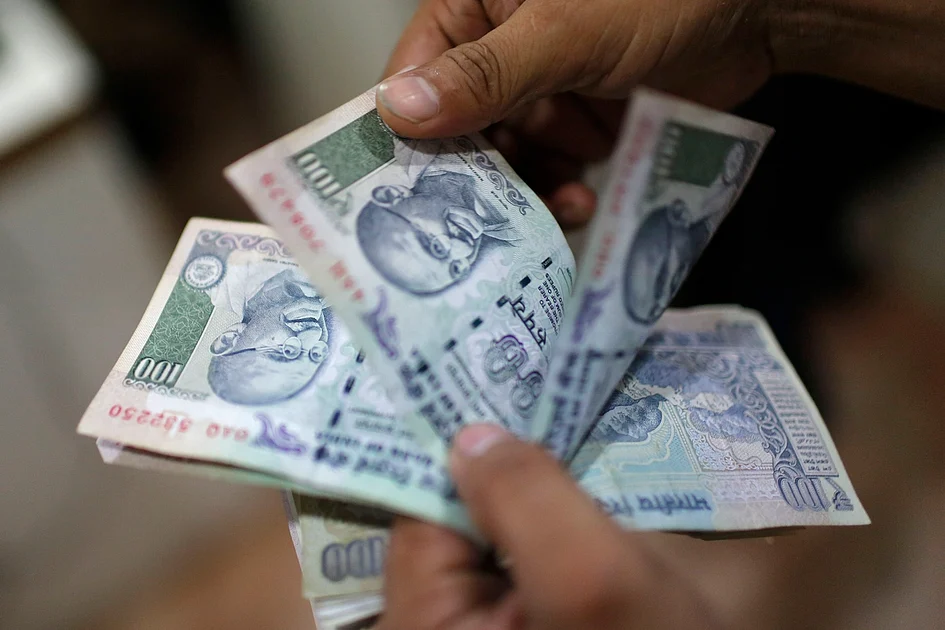
    The Indian rupee has breached the psychologically significant threshold of 25 against the UAE dirham, reflecting its persistent weakness against the US dollar which recently approached record lows of 92 rupees. This depreciation, impacting millions of UAE-based Indians through remittances, education costs, and import expenses, stems from multiple converging factors rather than a single catalytic event.

    Currency markets witnessed heightened volatility on January 27, 2026, with the rupee experiencing slight firming as the dollar softened and trade-deal optimism provided temporary relief. However, this minor recovery followed fresh historic lows, underscoring the currency’s underlying vulnerability.

    Three primary drivers are propelling the rupee’s decline. First, elevated US interest rates and Federal Reserve policy signals have strengthened the dollar, drawing global capital away from emerging markets like India. Second, sustained foreign portfolio outflows have created tangible dollar demand as international investors exit Indian assets. Third, importers’ anticipatory dollar buying—particularly for crude oil, electronics, and gold—has created self-fulfilling downward pressure, while exporters withhold dollar conversions hoping for further rupee depreciation.

    The UAE dirham’s peg to the dollar means the rupee-dirham exchange rate directly mirrors rupee-dollar movements, making Gulf transactions more expensive for Indian expatriates. Despite market anxieties, Reserve Bank of India Governor Sanjay Malhotra has clarified that the central bank focuses on maintaining orderly market conditions rather than defending specific exchange rate levels, emphasizing that currency strength shouldn’t be judged solely by exchange rates but by broader economic fundamentals.

    Potential stabilizers include moderating dollar strength, progress on India-EU trade agreements, and the RBI’s smoothing interventions. For households, the weak rupee presents a dual reality: enhanced remittance value for those sending money to India, but increased costs for imported goods, international education, and travel.

    The rupee’s trajectory remains contingent on global dollar dynamics, foreign investment flows, and trade imbalances, with the RBI positioned to prevent disorderly movements rather than reverse the currency’s broader trend.

  • Foreign trade fuels Xinjiang’s regional GDP growth during 14th Five-Year Plan

    Foreign trade fuels Xinjiang’s regional GDP growth during 14th Five-Year Plan

    Xinjiang Uygur Autonomous Region has demonstrated remarkable economic performance throughout China’s 14th Five-Year Plan period (2021-2025), with foreign trade emerging as a primary growth engine. Regional Chairman Erkin Tuniyaz revealed these findings during his government work report presented at the annual legislative session in Urumqi this week.

    The northwestern region achieved an impressive 5.9% average annual GDP growth, significantly propelled by a staggering 28.5% yearly expansion in foreign trade volume. By 2025, Xinjiang’s total economic output reached 2.15 trillion yuan ($309.03 billion), representing a 5.5% year-on-year increase.

    Notably, disposable income growth showed robust performance across urban and rural communities. Urban per capita disposable income rose by 5.3%, while rural residents experienced a more substantial 7% increase. For the first time in the region’s history, rural disposable income surpassed the 20,000 yuan threshold, reaching 20,793 yuan.

    Strategic industrial development played a crucial role in this economic transformation. Xinjiang has successfully cultivated characteristic and competitive industries, with major clusters emerging in multiple sectors including oil and gas production and processing, clean coal utilization, innovative power systems, environmentally conscious mining, and strategic emerging industries.

    The region maintained its national leadership in oil and gas equivalent output throughout the five-year period, achieving a cumulative production of 320 million metric tons. Simultaneously, Xinjiang’s energy transition advanced significantly with installed new-energy capacity growing to 167 million kilowatts—accounting for nearly two-thirds of the region’s total power capacity. Outbound electricity transmission increased at an average annual rate of 3.6%, with green electricity constituting over 30% of total exports.

  • Carney denies walking back Davos speech in phone call with Trump

    Carney denies walking back Davos speech in phone call with Trump

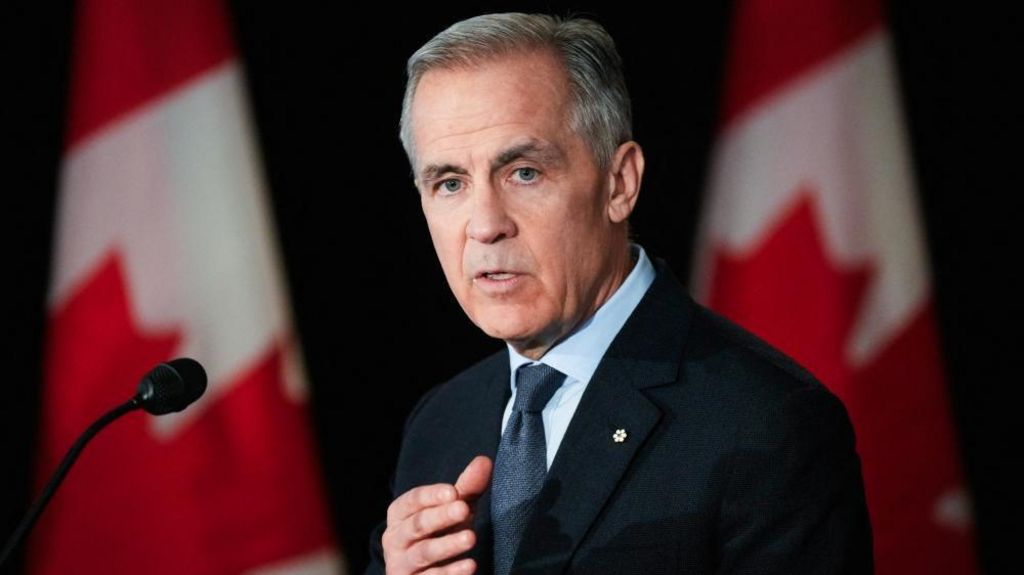
    Canadian Prime Minister Mark Carney has publicly reaffirmed the substance of his critical Davos speech addressing global power dynamics, despite claims from Trump administration officials that he had retracted his statements. The diplomatic friction emerged after U.S. Treasury Secretary Scott Bessent asserted that Carney had “aggressively walked back” his remarks during a phone conversation with President Donald Trump.

    In a Tuesday press briefing in Ottawa, Carney provided his account of the Monday phone exchange, clarifying that it was Trump who initiated the call. The Prime Minister characterized their discussion as a “very good conversation” covering multiple bilateral issues including Ukraine, Venezuela, Arctic security matters, and Canada’s recent trade arrangement with China.

    The controversy stems from Carney’s World Economic Forum address, where he indirectly criticized Trump’s approach to international relations, suggesting it had caused a “rupture” in the postwar global order. Trump responded during his own Davos appearance with a stark reminder of Canada’s economic dependence on the United States.

    Carney explained that his speech articulated Canada’s recognition of shifting U.S. trade policy and the nation’s adaptive response. He maintained that the President understood Canada’s position despite the subsequent tension.

    The dispute escalated when Bessent used a Fox News interview to criticize Canada’s trade agreement with China, questioning Carney’s judgment and emphasizing the disproportionate importance of north-south trade relations over east-west alternatives. The Treasury Secretary suggested Carney should prioritize Canadian interests over “globalist agendas.”

    This exchange occurred against the backdrop of Trump’s threat to impose 100% tariffs on Canadian goods if China uses Canada to circumvent U.S. tariffs. The recently announced Canada-China agreement will reduce Canadian canola oil tariffs from 85% to 15% by March, while Canada will apply most-favored-nation rates of 6.1% to limited Chinese electric vehicle imports, down from 100%.

    Carney denied pursuing a comprehensive free-trade deal with China, stating Canada has “never” considered such an arrangement. He characterized Trump’s tariff threats as negotiation tactics ahead of the upcoming USMCA review, noting that “the president is a strong negotiator” and such comments should be viewed within broader negotiation context.

  • US sued over deadly missile strikes on alleged drug boats

    US sued over deadly missile strikes on alleged drug boats

    The United States government faces a landmark wrongful death lawsuit following a series of lethal military strikes targeting vessels allegedly involved in drug trafficking. The legal action, initiated by bereaved families from Trinidad and Tobago, represents the first judicial challenge to the Trump administration’s controversial maritime operations in the Caribbean and eastern Pacific waters.

    Filed in Massachusetts federal court, the litigation stems from an October 14 incident that claimed six lives, including those of Chad Joseph (26) and Rishi Samaroo (41). While President Trump characterized the deceased as ‘six male narcoterrorists’ transporting narcotics from Venezuela, the plaintiffs contend the victims were civilian laborers returning from fishing and agricultural work. Notably, no substantiating evidence regarding drug cartel connections or terrorist designations has been publicly disclosed by Washington.

    The complaint leverages the Death on the High Seas Act and Alien Tort Statute, alleging these ‘premeditated and intentional killings’ constitute unlawful extrajudicial executions without legal justification. Represented by the American Civil Liberties Union and Center for Constitutional Rights, plaintiffs Lenore Burnley (Joseph’s mother) and Sallycar Korasingh (Samaroo’s sister) seek punitive damages through jury determination.

    Legal director Baher Azmy condemned the operations as ‘lawless killings in cold blood; killings for sport and killings for theater,’ emphasizing that the suit aims to establish accountability for potential war crimes. The case follows a separate December petition to the Inter-American Commission on Human Rights by relatives of Colombian national Alejandro Carranza Medina, similarly killed in September strikes despite family assertions he was engaged in legitimate fishing activities.

    This developing legal confrontation highlights escalating tensions between counter-narcotics operational protocols and international human rights standards, with implications for extraterritorial use of lethal force and governmental accountability mechanisms.

  • Spain plans to give half a million undocumented migrants legal status

    Spain plans to give half a million undocumented migrants legal status

    In a historic move that sets Spain apart from its European neighbors, the socialist-led coalition government has unveiled a sweeping migrant regularization program expected to grant legal status to approximately half a million undocumented immigrants. The initiative, announced by Minister of Inclusion, Social Security and Migration Elma Saiz, represents the first large-scale regularization effort in two decades.

    Under the program’s provisions, foreign nationals without criminal records who can demonstrate residence in Spain prior to December 31, 2025, for a minimum of five months will qualify for initial one-year residence permits, renewable upon expiration. The application window will open in April and remain accessible through June 2026.

    The decision comes amid staggering statistics from conservative think-tank Funcas, revealing an eight-fold surge in Spain’s undocumented migrant population—from 107,409 in 2017 to 837,938 in 2025. Primary countries of origin include Colombia, Peru, and Honduras, with significant migration flows from Latin American nations.

    Prime Minister Pedro Sánchez’s administration emphasizes the economic rationale behind the measure, characterizing immigrants as catalysts for ‘wealth, development and prosperity.’ Spain’s economy has notably outperformed major EU counterparts, projecting nearly 3% growth for 2025 alongside unemployment rates dipping below 10% for the first time since 2008—achievements partly attributed to migrant contributions to the social security system.

    The policy emerged through negotiations with far-left Podemos party, long-time advocates for migrant rights under the slogan ‘regularisation is rights.’ Former minister Irene Montero celebrated the move as a triumph against racism, though the government bypassed parliamentary procedures by implementing the measure via royal decree.

    Conservative opposition parties have voiced strong objections. People’s Party leader Alberto Núñez Feijóo warned of potential strain on public services and increased migration pull factors, while far-right Vox spokeswoman Pepa Millán condemned the initiative as an attack on national identity, pledging to challenge it before the Supreme Court.

  • Tourism in Cuba plummets as tensions with US increase and Venezuela oil shipments drop

    Tourism in Cuba plummets as tensions with US increase and Venezuela oil shipments drop

    HAVANA — Under the shade of a beach almond tree, classic car drivers leap to their feet as tourists disembark from a yellow bus near Havana’s seawall. But hopes quickly fade as visitors snap selfies with the vintage vehicles—a 1950 Pontiac here, a 1960 Buick there—before walking away without booking rides.

    “This is grim,” lamented Reymundo Aldama, leaning against his bubblegum pink 1957 Ford Fairlane convertible. “We’re waiting for them to come, we’re waiting for work.”

    Cuba’s tourism sector is experiencing a catastrophic decline, with visitor numbers plummeting by more than half since 2018. The dual blows of COVID-19 pandemic restrictions and severe energy blackouts have been exacerbated by tightened U.S. sanctions, creating what experts warn could become an economic disaster for the island nation.

    The crisis hits particularly hard for Cubans whose livelihoods depend on tourism. Rosbel Figueredo Ricardo, 30, who sells popular fried flour chips called “chivirico,” now loads only 50 bags daily compared to his previous 150. “I’m a mid-level industrial mechanical technician, and look at me here,” he said, supporting a partner and three children with another on the way.

    Statistics reveal the dramatic downturn: from January to November 2025, Cuba welcomed approximately 2.3 million tourists, significantly fewer than the 4.8 million recorded in 2018. The industry, which once generated up to $3 billion annually, has seen restaurants sit empty, tourism buses run near-vacant, and classic car drivers struggle to find even one customer per day.

    Multiple factors contribute to the decline. The Trump administration’s 2019 ban on cruise ship visits eliminated one of the most popular travel methods to the island. Recent disruptions in Venezuelan oil shipments following U.S. actions against the South American country have exacerbated energy shortages. Additionally, visitors report being deterred by growing tensions between the U.S. and Cuba, utility cuts, and accumulating garbage in tourist areas.

    Gaspar Biart, a double-decker tourism bus driver with 16 years of experience, noted: “There’s been a huge change. Sanctions imposed by U.S. President Donald Trump have closed Cuba’s doors. We can’t even breathe.”

    International visitors express mixed reactions. Vincent Seigi from Russia observed “so many poor people, sadly” and noted Cuba’s economic struggles might preview what could happen in his own sanction-impacted country. In contrast, Brazilian teacher Gloraci Passos de Carvalho admired Cuban resilience: “It’s a lesson for people, to survive with less… I see it in a positive light.”

    With Venezuela’s support diminished, questions arise about whether China or Russia might fill the void. Meanwhile, classic car drivers like Aldama have slashed prices from $50 to $20-25 per tour, wondering how long they can continue before seeking alternative employment.

  • ICE agents to help with security at Winter Olympics

    ICE agents to help with security at Winter Olympics

    The upcoming Winter Olympic Games in Italy have become embroiled in political controversy following revelations that agents from the U.S. Immigration and Customs Enforcement (ICE) will participate in security operations. According to an official statement obtained by AFP, ICE’s Homeland Security Investigations division will collaborate with the U.S. Department of State’s Diplomatic Security Service and Italian authorities to assess and mitigate potential threats from transnational criminal organizations during the February 6-22 event.

    The agency emphasized that all security operations remain under Italian jurisdiction and clarified that ‘ICE does not conduct immigration enforcement operations in foreign countries.’ This assurance comes amid growing concerns about the agency’s involvement, particularly following recent civilian fatalities during immigration enforcement operations in Minneapolis that sparked national outrage.

    Italian officials have offered conflicting accounts regarding the scope of ICE’s participation. Initial denials of their presence were followed by attempts to minimize their role, suggesting they would primarily provide security for the U.S. delegation attending the Games. Attilio Fontana, president of Lombardy region hosting some Olympic events, initially stated their involvement would be ‘only in a defensive role’ focused on protecting U.S. Vice President JD Vance and Secretary of State Marco Rubio during the February 6 opening ceremony in Milan. However, his office subsequently issued a clarification indicating these remarks addressed a hypothetical scenario rather than confirming specific operational details.

    The controversy unfolds against the backdrop of increased ICE deployments across American cities under President Donald Trump’s immigration crackdown, which has prompted widespread protests. The recent deaths of two U.S. citizens—37-year-olds Renee Good and Alex Pretti—during Minneapolis enforcement actions have further intensified scrutiny of the agency’s methods and international reputation.

  • Watch: Athlete flies through Ciel Dubai Marina’s ‘eye of needle’ at over 200kmph

    Watch: Athlete flies through Ciel Dubai Marina’s ‘eye of needle’ at over 200kmph

    Dubai’s skyline became the stage for an extraordinary aerial spectacle as elite wingsuit athletes executed a precision fly-through of the Ciel Dubai Marina’s architectural centerpiece. In a breathtaking maneuver captured by drone cameras, the XDubai wingsuit team transformed the city’s atmosphere into their performance arena.

    The lead athlete achieved the pivotal stunt, navigating through the tower’s distinctive ‘eye of the needle’ opening at velocities surpassing 200 kilometers per hour. This architectural marvel, standing at 377 meters with 82 stories, provided both the backdrop and the obstacle for this death-defying feat. Meanwhile, accompanying team members deployed vibrant color effects during their descent, creating spectacular aerial trails against Dubai’s iconic skyline.

    This demonstration transcended typical extreme sports boundaries, blending athletic precision with architectural appreciation. The carefully coordinated flight path showcased not only human skill but also the tower’s unique design features. The Ciel Dubai Marina now holds the distinction of being the world’s tallest hotel, featuring floor-to-ceiling windows offering panoramic views of Burj Al Arab and Palm Jumeirah, along with the planet’s highest infinity pool.

    The drone footage provided unprecedented perspectives of the wingsuit formation as they maneuvered around the blue glass oval-shaped tower, offering viewers a rare glimpse of urban base jumping at its most spectacular. This event represents another milestone in Dubai’s continuing relationship with extreme sports and architectural innovation.

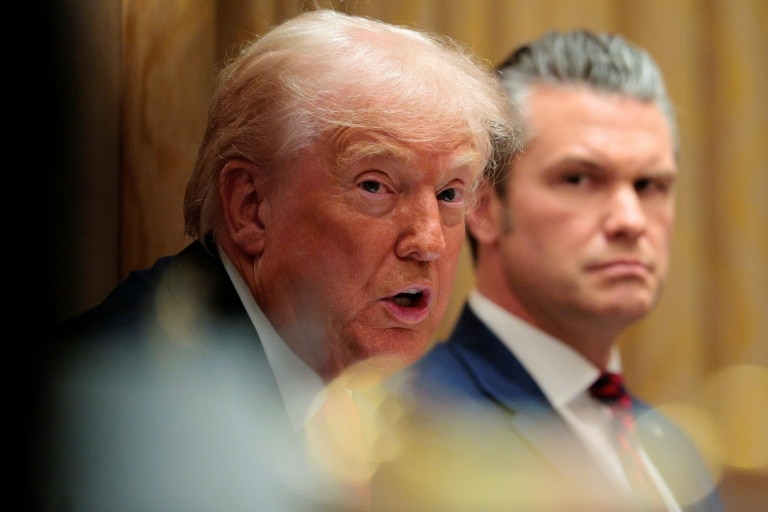
  • US border enforcer set to leave Minneapolis as Trump tries to calm crisis

    US border enforcer set to leave Minneapolis as Trump tries to calm crisis

    Minneapolis is witnessing the withdrawal of certain federal border enforcement personnel following two fatal protester shootings that have ignited nationwide condemnation and placed President Trump’s immigration policies under unprecedented scrutiny. The anticipated departure of Border Patrol Commander Gregory Bovino, recognized for his militarized approach to immigration enforcement, coincides with the arrival of new White House envoy Tom Homan, who is tasked with deescalating tensions through improved communication with local officials.

    The crisis reached a critical point when 37-year-old ICU nurse Alex Pretti was fatally shot multiple times at point-blank range during an altercation with federal agents on an icy road this past Saturday. This incident occurred less than three weeks after another U.S. citizen, Renee Good—a mother of three—was similarly killed inside her vehicle on January 7th. Both shootings involved masked, heavily armed Immigration and Customs Enforcement (ICE) and Border Patrol agents operating under Trump’s aggressive deportation initiative.

    Initially, administration officials falsely characterized Pretti as a ‘domestic terrorist’ intending to harm federal agents, claims that were visibly contradicted by multiple video recordings. Although President Trump initially amplified these allegations on social media, he subsequently adopted a more conciliatory stance as political backlash intensified.

    The repercussions have extended to Washington, where rare bipartisan criticism has emerged. Republican Senator Rand Paul called for the immediate administrative leave of agents involved in Pretti’s shooting, while centrist Democratic Senator John Fetterman demanded the dismissal of Homeland Security Secretary Kristi Noem, citing gross incompetence.

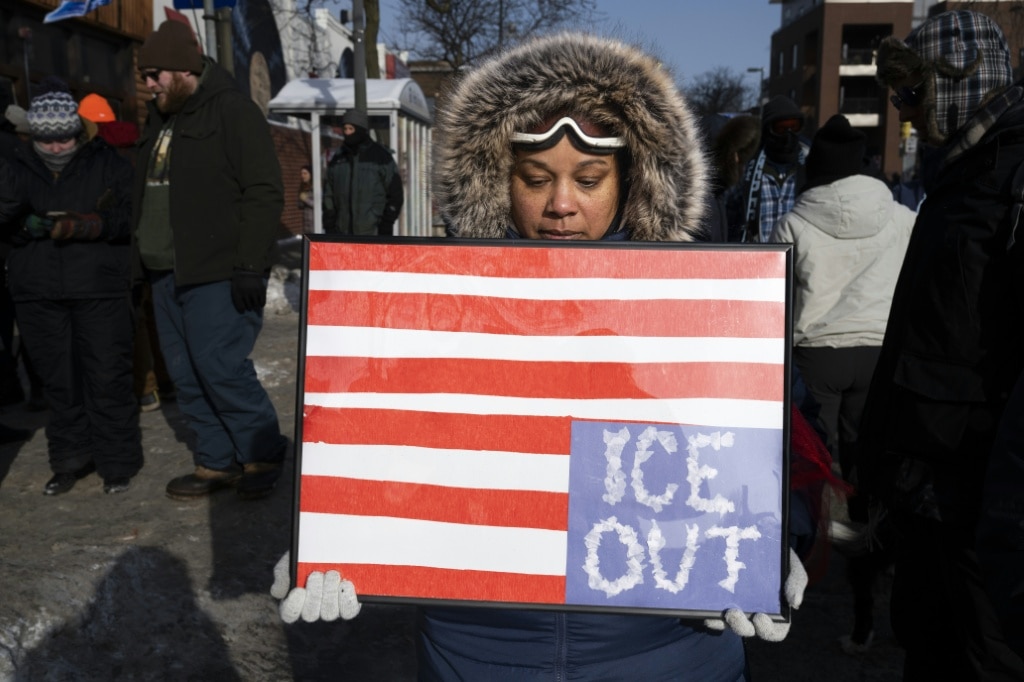
    Meanwhile, Minneapolis protesters braving sub-zero temperatures expressed cautious relief at the partial withdrawal of federal forces. Local demonstrators described months of community trauma and brutality, viewing the reduced presence as both a vindication of their protests and a welcome relief from sustained violence.

    Simultaneously, legal challenges are progressing through Minnesota courts. A federal judge is considering whether the deployment of federal officers violates state sovereignty, and ICE’s acting director has been ordered to appear in court regarding a detention challenge.

  • 3 French tourists die after boat capsizes with 27 onboard in Oman

    3 French tourists die after boat capsizes with 27 onboard in Oman

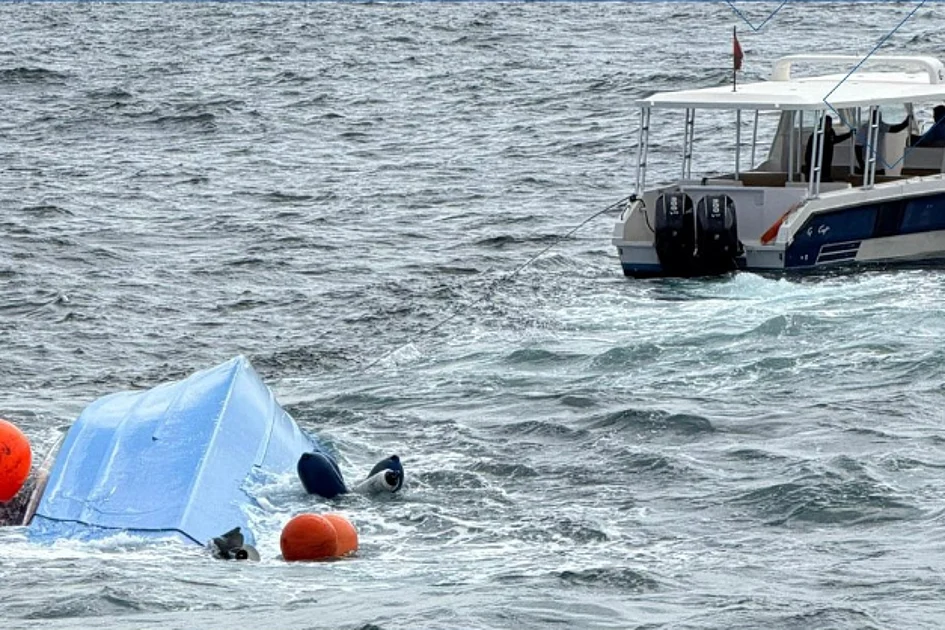
    A maritime tragedy struck Oman’s coastal waters on Tuesday, January 27, 2026, resulting in the deaths of three French tourists after their vessel capsized. The Sultanate’s police authorities confirmed the incident involved a tourist boat carrying 27 individuals, including 25 French visitors, one tour guide, and the boat captain.

    Emergency response teams promptly arrived at the scene following the capsizing. Two tourists sustained minor injuries in the accident and received immediate medical treatment from ambulance crews. Their conditions were stabilized after on-site intervention.

    The Omani authorities have launched a comprehensive investigation to determine the exact circumstances that led to this fatal maritime accident. Preliminary reports have not disclosed specific details regarding weather conditions or potential mechanical failures at the time of the incident.

    This tragedy highlights the persistent maritime safety challenges in Oman’s popular tourist destinations. The country’s picturesque coastline and beaches, while attracting numerous international visitors, occasionally present dangerous sea conditions and unpredictable weather patterns that can turn deadly.

    Historical context reveals this is not an isolated incident in the region. In March 2025, a child was found deceased at sea following a four-day search operation involving citizens and specialized water rescue teams. February 2025 saw recovery operations for two drowning victims in Ain Wadah, while October 2024 witnessed another fatal drowning incident involving two children in the Al Haddah area, where only one survived.

    The Royal Oman Police has demonstrated responsive capabilities in maritime emergencies, as evidenced by their successful evacuation of a medical case from Wadi Bani Ghafir’s mountainous terrain, transporting the individual to Rustaq Reference Hospital for treatment.

    This latest incident raises questions about safety protocols for tourist water activities in Oman and underscores the need for continued vigilance regarding maritime safety measures in the region.