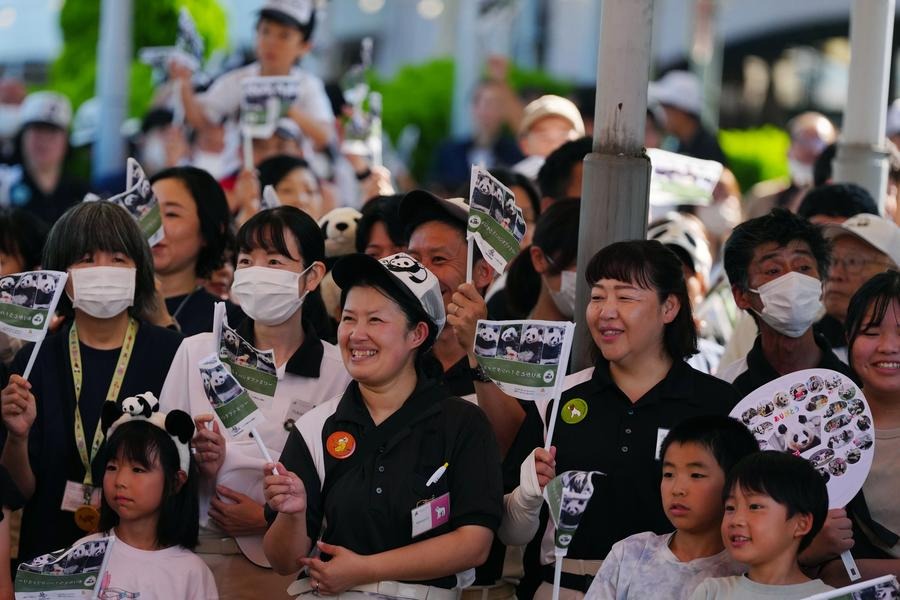
On June 28, 2025, four giant pandas from Adventure World amusement park in Shirahama, Wakayama Prefecture, Japan, embarked on their journey back to China. The pandas, 24-year-old Rauhin and her three daughters—Yuihin (8), Saihin (6), and Fuhin (4)—were transported to the Chengdu Research Base of Giant Panda Breeding in Sichuan Province. The departure marked the end of their stay in Japan, where they had been part of a joint breeding program initiated in 1994. Early in the morning, park staff and fans gathered to bid farewell, waving flags and wearing T-shirts adorned with images of the pandas. The zoo’s director, Koji Imazu, expressed his hopes for the pandas’ healthy and long lives in China, emphasizing their role in fostering goodwill between the two nations. The transfer was scheduled for June to avoid the physical strain of summer heat, especially for Rauhin, who is now in her senior years. The younger pandas are expected to contribute to future breeding efforts in China. The zoo’s panda breeding team ensured a smooth transition by sharing detailed information about each panda’s traits with their Chinese counterparts.
博客
-
US missing the point on China’s industrial cyberespionage
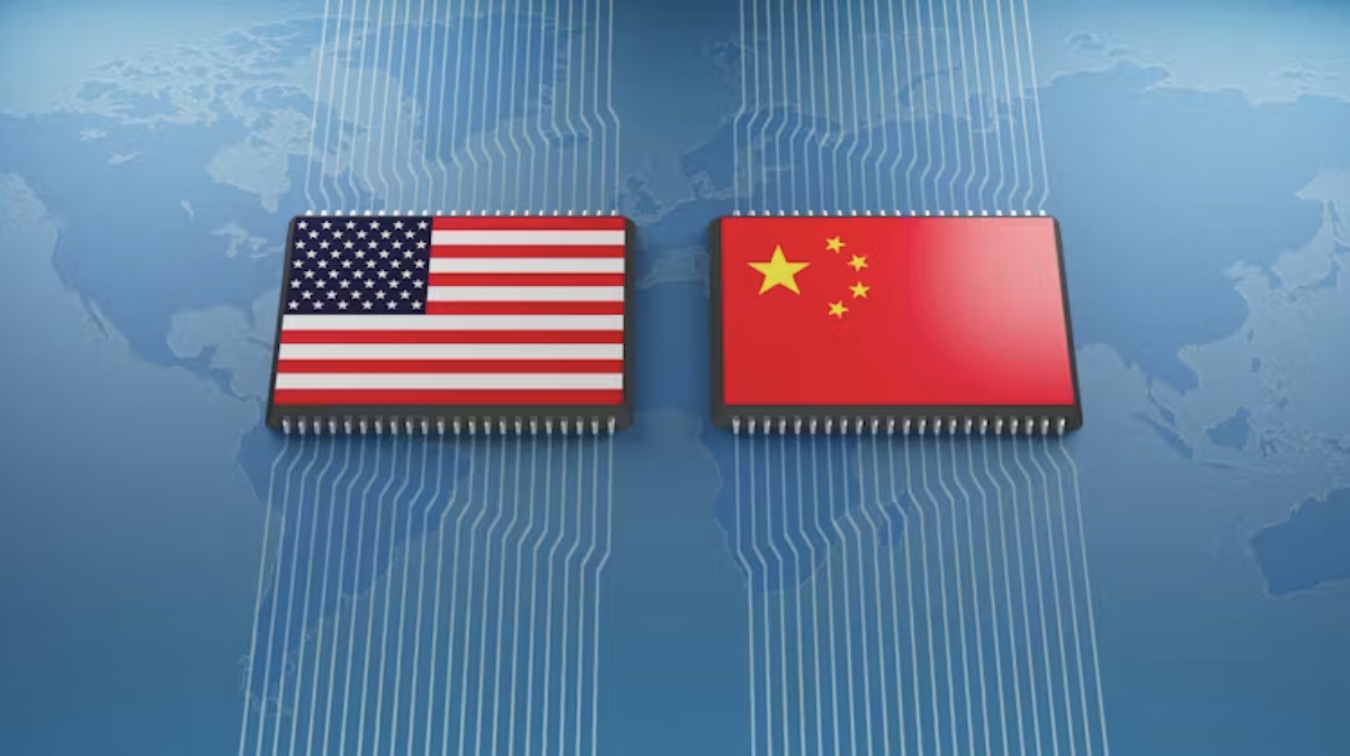
The United States is actively pursuing economic decoupling from China, implementing measures such as increased tariffs on Chinese goods, restrictions on advanced technology exports, and subsidies to bolster domestic manufacturing. This strategy aims to reduce reliance on China for critical products and safeguard US intellectual property from theft, particularly state-sponsored cyber-economic espionage. Former US Trade Representative Katherine Tai emphasized that China-specific tariffs were intended to counter harmful cyber intrusions and theft, echoing earlier Trump administration efforts to address intellectual property theft. However, the effectiveness of decoupling in protecting US innovations remains questionable. Political scientist William Akoto, who specializes in state-sponsored cyberespionage, argues that decoupling may not deter cyber theft and could even exacerbate it. His research highlights that industrial similarity, rather than reliance, drives cyberespionage. Countries with overlapping advanced industries, such as aerospace and electronics, are more likely to target each other with cyberattacks due to intense competition. For instance, the 2012 cyberattack on US solar panel manufacturer SolarWorld, attributed to Chinese entities, exemplifies this dynamic. Cutting trade ties does not eliminate technological rivalry; instead, it may intensify espionage efforts. Historical examples, such as South Africa’s covert acquisition of nuclear technology under sanctions and Israel’s clandestine military tech efforts during embargoes, illustrate how isolation can fuel desperation. To mitigate cyberespionage, Akoto suggests investing in cyber defense, building resilience, and accelerating innovation. Strengthening network security, training employees against phishing, and adopting robust encryption can make hacking attempts less successful. Additionally, businesses can focus on faster product development cycles to stay ahead of competitors. Rather than relying on tariffs and export bans as solutions, US leaders should prioritize resilience and stress-test cybersecurity measures to make espionage less rewarding for adversaries.
-

Alaska Native woman, ‘everybody’s helper,’ is Orthodox church’s first female North American saint
In the remote Alaskan village of Kwethluk, Olga Michael, a Yup’ik woman known for her quiet generosity and compassion, has been canonized as the first female Orthodox saint from North America. Officially titled “St. Olga of Kwethluk, Matushka of All Alaska,” her sainthood marks a historic moment for the Orthodox Church, which has traditionally been led by male clergy. Olga, who passed away in 1979 at the age of 63, was a midwife, mother of 13, and a spiritual guide to many, particularly women who had endured abuse, miscarriage, or other personal traumas. Her legacy of kindness and piety has resonated far beyond her village, inspiring devotees across Alaska and beyond. Her canonization ceremony, held in her hometown, drew hundreds of worshippers from across the globe, celebrating her life and contributions. Metropolitan Tikhon, head of the Orthodox Church in America, emphasized the significance of recognizing women like St. Olga, stating that holiness is accessible to all, regardless of gender or background. St. Olga’s sainthood is especially meaningful as it highlights the role of lay women and mothers in the church, a departure from the traditional focus on nuns or ancient martyrs. Her canonization also underscores the deep connection between Orthodoxy and Alaska’s Indigenous cultures, where the faith has flourished since its introduction by Russian missionaries in the 18th century. St. Olga’s remains, now enshrined in Kwethluk’s St. Nicholas Orthodox Church, will serve as a pilgrimage site, honoring her enduring legacy as a beacon of hope and healing.
-
Trump vs Powell is the war that really matters
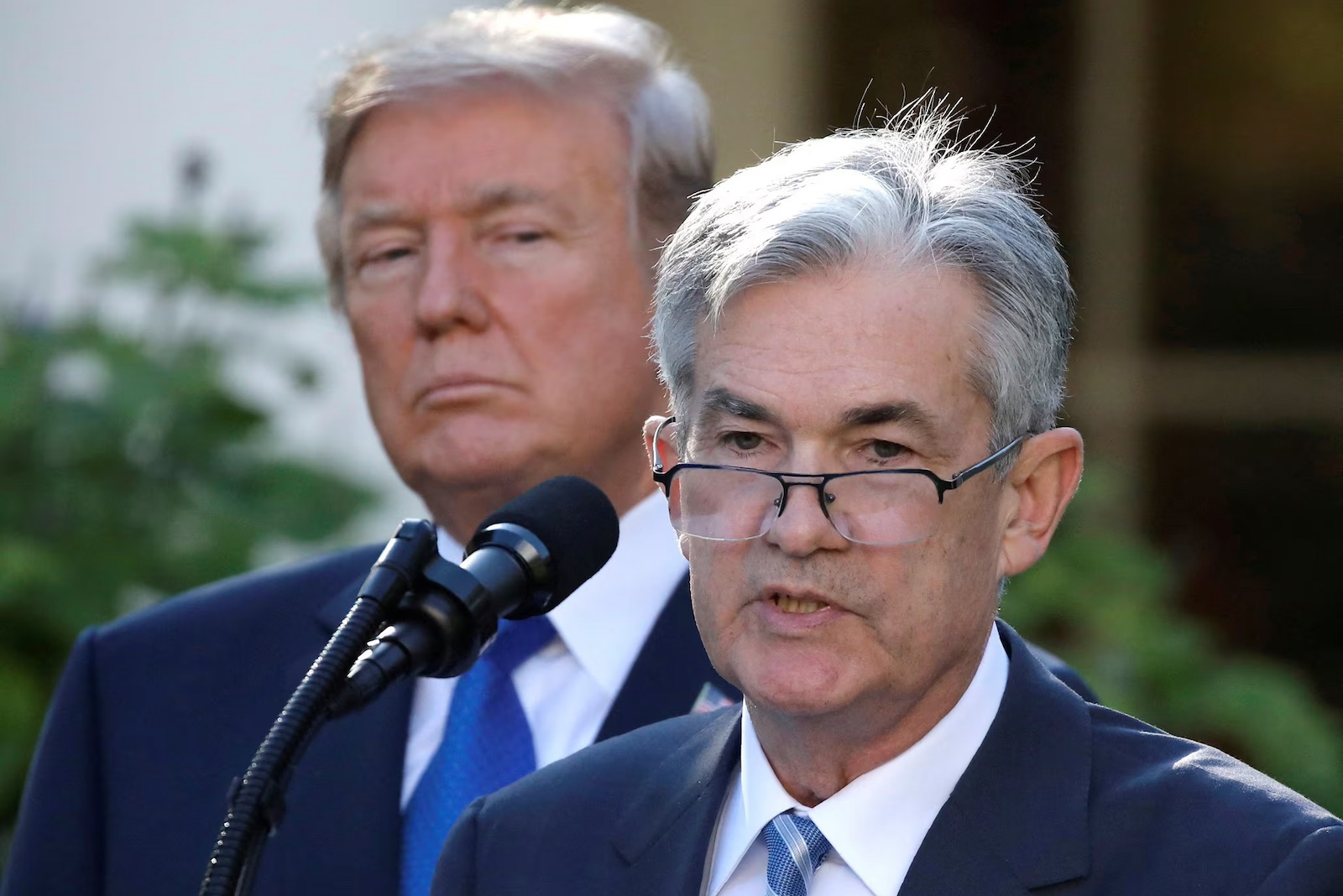
President Donald Trump’s ability to manage multiple high-stakes situations is currently under intense scrutiny as his administration navigates two significant challenges: one on the international stage and another within the United States. On the global front, Trump’s decision to authorize military strikes against Iran has sent shockwaves through global markets, creating uncertainty and volatility. Despite his announcement of a ceasefire between Iran and Israel, tensions remain high as both nations have reportedly violated the agreement, prompting sharp criticism from the President. Domestically, Trump’s ongoing feud with Federal Reserve Chair Jerome Powell is exacerbating economic anxieties, particularly in Asian markets. Trump and his key advisors have publicly criticized Powell for resisting calls to lower interest rates, further complicating the economic landscape. These dual battles highlight the complexities of Trump’s leadership style and the far-reaching consequences of his decisions.
-
Who are Palestine Action?
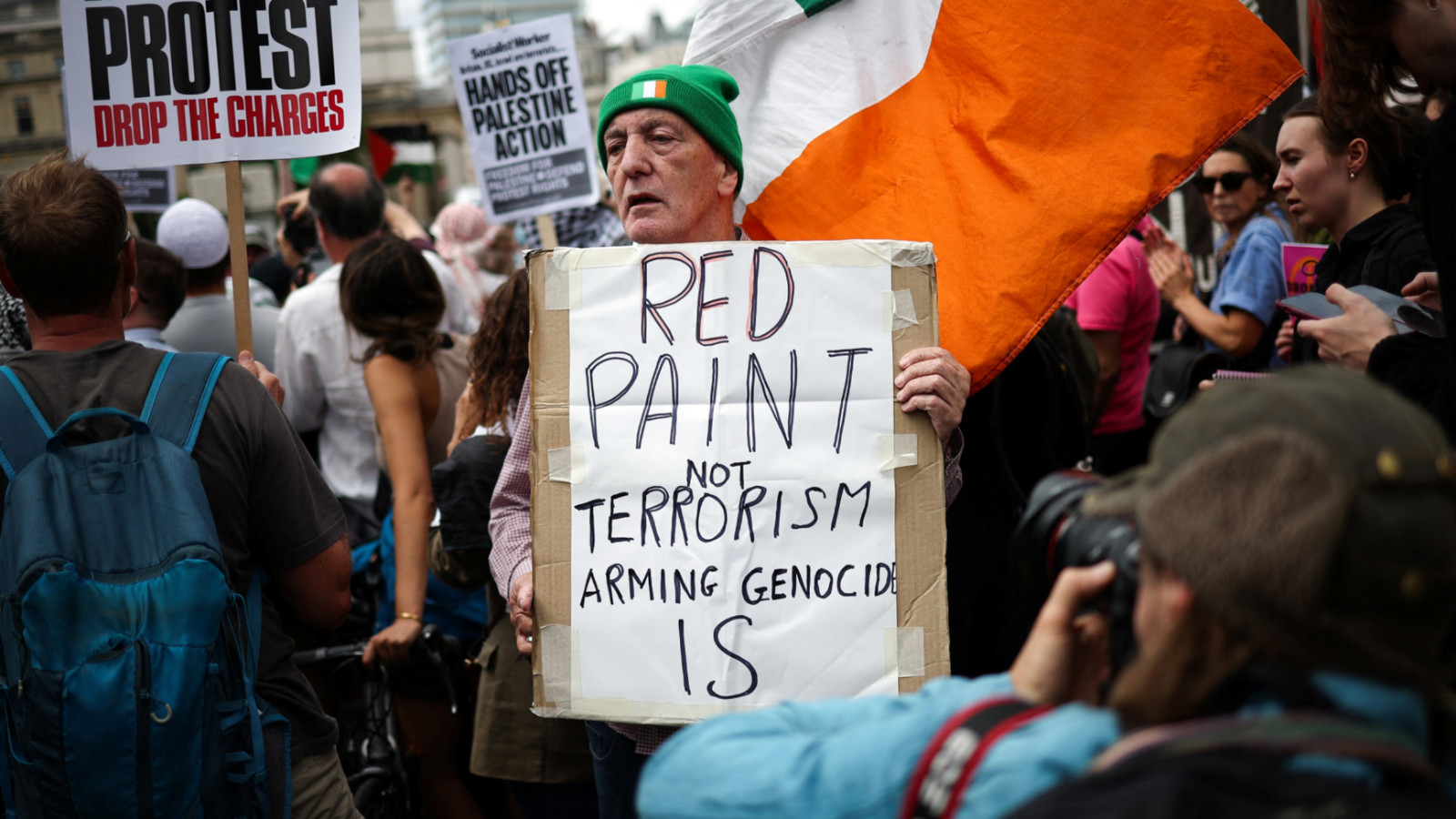
In a landmark judicial ruling, the UK High Court has declared the government’s proscription of the activist network Palestine Action as a terrorist organization to be unlawful. Justice Victoria Sharp delivered the judgment on Friday, determining that the ban constituted a disproportionate infringement on fundamental human rights, specifically the freedoms of expression and assembly protected under the Human Rights Act.
The court acknowledged that while a minimal number of the group’s activities could be classified as terrorism under statutory definitions, the overwhelming majority of its 385 documented actions were lawful. This assessment aligned with an evaluation from the government’s own Joint Terrorism Analysis Centre (JTAC), which found only three actions meeting the terrorism threshold.
The controversial ban, instituted in July by then-Home Secretary Yvette Cooper, had criminalized membership and public support for Palestine Action with penalties of up to 14 years imprisonment. Its implementation resulted in approximately 3,000 arrests nationwide, primarily involving individuals holding silent vigil placards opposing genocide and supporting the group. Statistics revealed an astonishing 660% increase in terrorism arrests following the proscription, with 86% connected to Palestine Action support.
Founded in 2020, Palestine Action employs direct action tactics targeting corporations it identifies as enablers of Israel’s military-industrial complex. Their primary focus has been Elbit Systems, Israel’s largest arms manufacturer with significant UK operations. The group’s campaigns have reportedly cost the defense contractor billions through canceled contracts and divestments, including Barclays’ withdrawal of investments and the UK Ministry of Defence terminating £280 million in contracts.
The ruling emerged from a judicial review initiated by co-founder Huda Ammori, potentially invalidating thousands of arrests. However, the ban remains temporarily in effect pending an appeal launched by current Home Secretary Shabana Mahmood, who expressed disappointment with the decision and vowed to continue the legal fight.
Human rights experts including UN officials had previously warned that the broad application of counter-terrorism legislation created a ‘chilling effect’ on free speech and violated international human rights standards. The case highlights ongoing tensions between national security priorities and civil liberties in the UK’s protest landscape.
-

Behind Trump’s flip-flop on Chinese student visas
In a surprising turn of events, former President Donald Trump has seemingly retracted plans for the U.S. State Department to scrutinize and revoke visas for Chinese students studying in the United States. On June 11, 2025, Trump took to his social media platform, TruthSocial, to announce that Chinese students remain welcome in the U.S., stating their presence ‘has always been good with me!’ This declaration came weeks after Secretary of State Marco Rubio revealed intentions to review and potentially cancel visas for Chinese nationals with ties to the Chinese Communist Party or those pursuing studies in critical fields. The conflicting messages have left Chinese students and prospective applicants in a state of uncertainty. Historically, Chinese students have faced barriers to studying in the U.S., with efforts to restrict their access dating back decades. Since the late 1970s, millions of Chinese students have been granted visas to study in American universities, contributing significantly to the U.S. economy and academic institutions. However, the proposed visa restrictions have reignited concerns about anti-Chinese discrimination and the broader implications for U.S.-China relations. The Trump administration’s contradictory moves highlight the complexities of balancing national security interests with the benefits of international educational exchange.
-
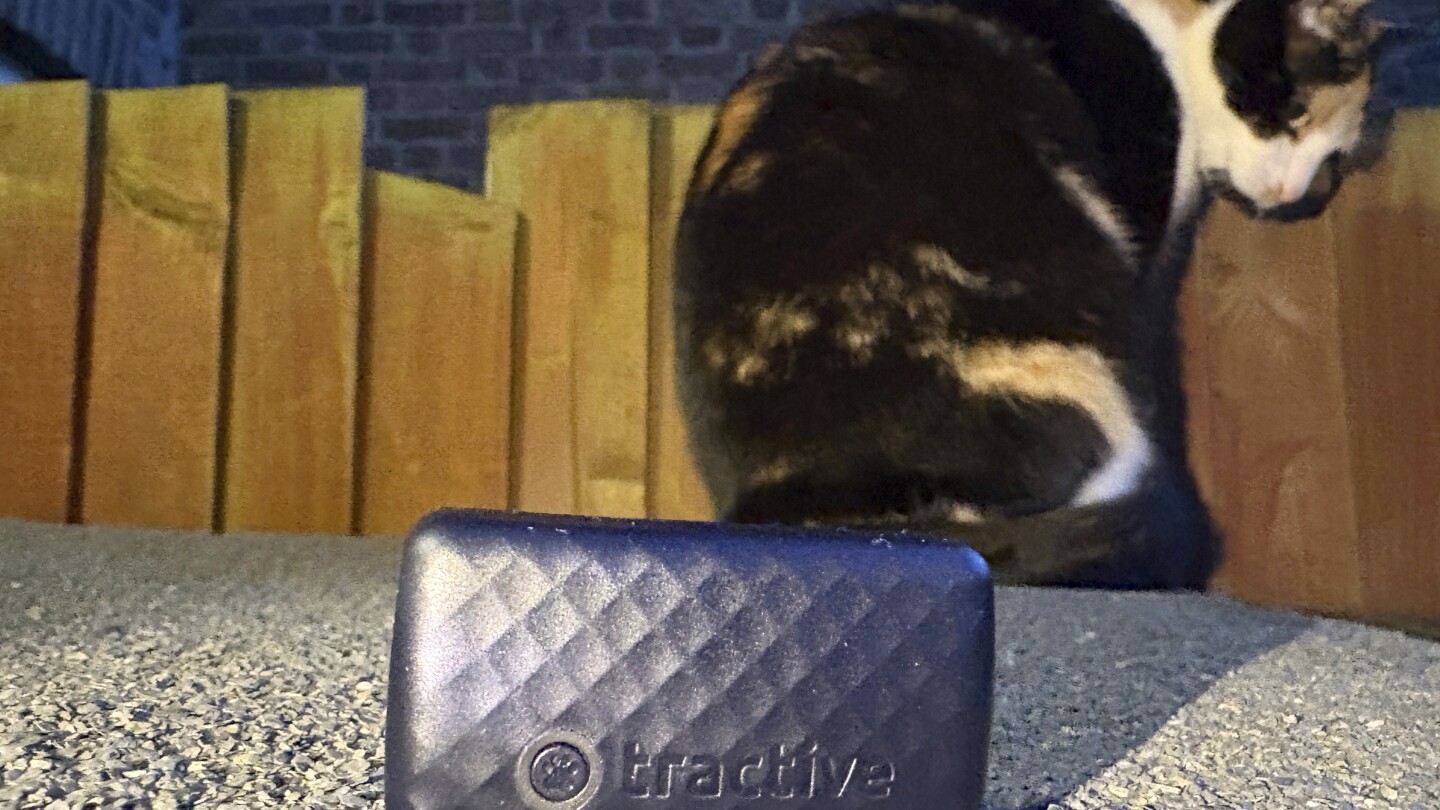
One Tech Tip: No more lost cats and dogs. Use tech to track your pet
In London, the question ‘Have you seen the cats?’ is a familiar one in many households, especially for pet owners like myself with free-roaming felines like Maple and Juniper. These cats, equipped with microchips, explore the neighborhood freely, but their adventures can sometimes lead to anxiety for their owners. Fortunately, advancements in pet technology offer solutions to keep track of our furry friends. Pet trackers, such as those from Tractive, Jiobit, and Pawfit, use GPS and 4G or Wi-Fi signals to relay the animal’s location to a smartphone app. These devices, tailored for both dogs and cats, allow owners to set safe zones and receive alerts if their pets wander beyond these boundaries. While the cost of these devices is generally under $100, subscription fees for cellular service can add up, but many find the peace of mind worth the expense. Battery life varies, with most lasting two to three days, though signal strength can impact this. Beyond location tracking, these apps offer health and activity monitoring, similar to fitness watches for humans. However, it’s important to note that these trackers won’t physically restrain pets; they merely alert owners when pets leave designated areas. For those who prefer alternatives, Bluetooth trackers like Apple’s Air Tags or Samsung’s SmartTags offer another option, though they are not specifically designed for pets and have limited range. Ultimately, whether through GPS trackers or microchips, technology is providing pet owners with innovative ways to ensure their pets’ safety and well-being.
-
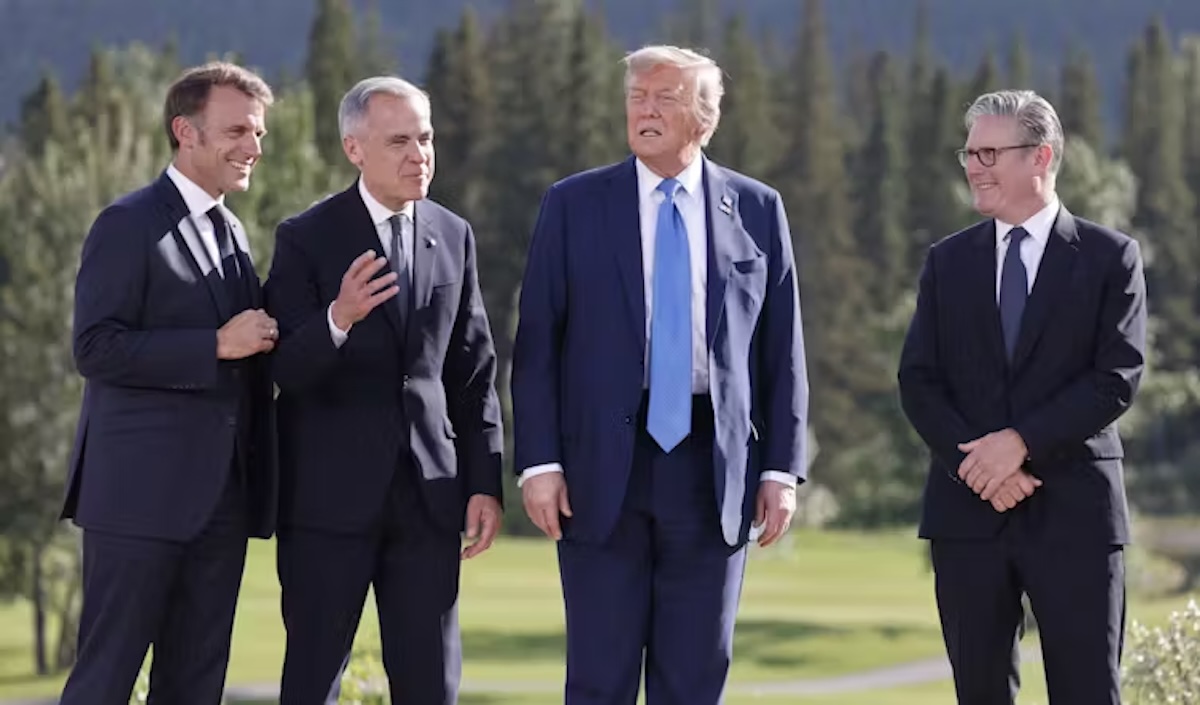
Trump made clear he does not fit in with G7, nor does he want to
President Donald Trump’s abrupt departure from the recent G7 summit in Canada has reignited concerns about his strained relationships with Western democratic allies. While French President Emmanuel Macron speculated that Trump’s exit was linked to the escalating tensions between Iran and Israel, the U.S. president offered no clear explanation, merely stating he left for “obvious reasons.” Trump later took to social media to criticize Macron, asserting that his departure was unrelated to a ceasefire and involved something “much bigger.” This cryptic behavior has fueled speculation about potential U.S. involvement in Israel’s military actions against Iran. Trump’s recent statements, including claiming “complete and total control of the skies over Iran” and demanding Tehran’s “unconditional surrender,” suggest a hardening stance. Israeli Prime Minister Benjamin Netanyahu appears to be leveraging Trump’s impulsive nature to secure advanced military support, such as the 30,000-pound “bunker buster” bomb and a B-2 bomber, to target Iran’s uranium enrichment sites. Trump’s actions have left U.S. allies scrambling to interpret his intentions, further straining transatlantic relations. His history of early departures from G7 meetings, skepticism toward NATO, and preference for bilateral deals over multilateral cooperation underscore his “America First” agenda. Trump’s call for Russia’s return to the G7 and his admiration for Vladimir Putin have also alarmed allies, raising questions about his commitment to collective security. As tensions in the Middle East escalate, Trump’s approach risks undermining global stability and deepening divisions among Western powers.
-
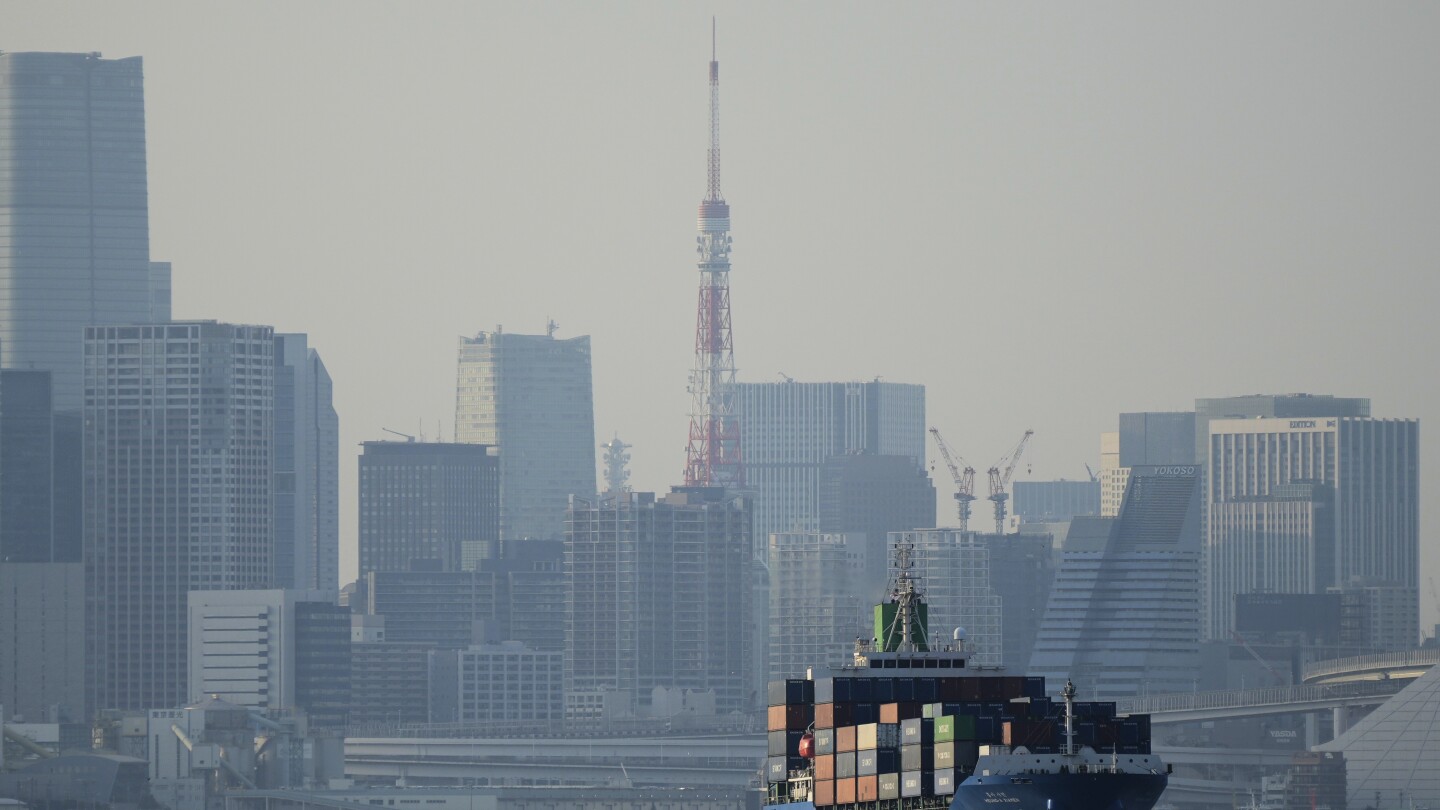
Japan records trade deficit as exports suffer from Trump’s tariffs
Japan’s export sector experienced a downturn in May, primarily driven by a significant 25% drop in automobile shipments to the United States. This decline is attributed to the heightened tariffs imposed by President Donald Trump. According to the Finance Ministry, overall exports decreased by 1.7% year-on-year, a figure that, while concerning, was less severe than the anticipated decline forecasted by analysts. Concurrently, imports plummeted by 7.7%, indicative of weakening domestic demand and marking a steeper fall compared to April’s 2% decrease. The trade deficit for May stood at 637.6 billion yen, equivalent to $4.4 billion. Despite ongoing discussions, Japan has yet to secure an agreement with the U.S. to resolve the tariff issue. Prime Minister Shigeru Ishiba, following a meeting with President Trump at the Group of Seven summit in Canada, noted that the two nations remain at odds on several key points. Trump has levied a 25% tariff on Japanese automobiles and a 24% tariff on other goods, with recent statements suggesting potential increases in auto tariffs. Ishiba has underscored Japan’s role as a crucial ally in the bilateral defense alliance with Washington, emphasizing efforts to safeguard national interests. The auto industry, a cornerstone of Japan’s economy, exports over a million vehicles to the U.S. annually. Tokyo has consistently highlighted the contributions of automakers like Toyota and Honda, which manufacture vehicles in North America, bolstering the economy and generating employment.
-

Two major US food producers to remove artificial dyes from products sold domestically
In a significant move toward healthier food production, two leading food manufacturers, Kraft Heinz and General Mills, have announced plans to eliminate artificial dyes from their U.S. products by 2027. This decision follows a recent call by U.S. health officials for the food industry to phase out petroleum-based synthetic colors. Kraft Heinz revealed on Tuesday that it will begin removing artificial dyes from its U.S. portfolio in 2027 and will cease introducing new products containing these additives. Shortly after, General Mills disclosed its strategy to eliminate artificial dyes from all U.S. cereals and K-12 school meals by mid-2026, with a complete removal from its retail products by the end of 2027. Kraft Heinz emphasized that nearly 90% of its U.S. products already exclude FD&C colors—synthetic additives approved by the FDA for use in food, drugs, and cosmetics. The remaining products, primarily in the beverage and dessert categories, including brands like Crystal Light, Kool-Aid, Jell-O, and Jet-Puffed, will transition to natural alternatives. General Mills noted that 85% of its retail products and nearly all K-12 school items are already dye-free. Both companies are aligning with consumer demand for cleaner ingredients, driven by health advocates who have raised concerns about potential neurobehavioral issues linked to artificial dyes in children. The FDA, while maintaining that approved dyes are safe, has supported voluntary industry efforts to reduce their use. This shift mirrors global trends, as many countries, including Canada and European nations, have adopted stricter regulations or warning labels for synthetic colors. In the U.S., states like California and West Virginia have enacted laws restricting artificial dyes, prompting food manufacturers to explore natural alternatives derived from sources like beets, algae, and vegetables.