博客

  • Trump says Putin agreed not to attack freezing Kyiv for a week

    Trump says Putin agreed not to attack freezing Kyiv for a week

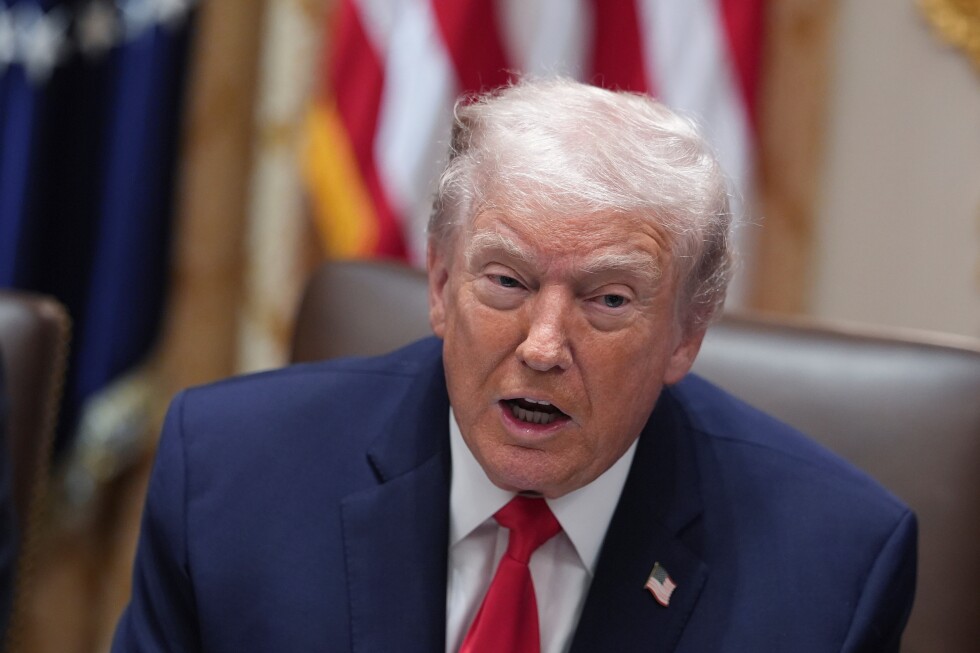
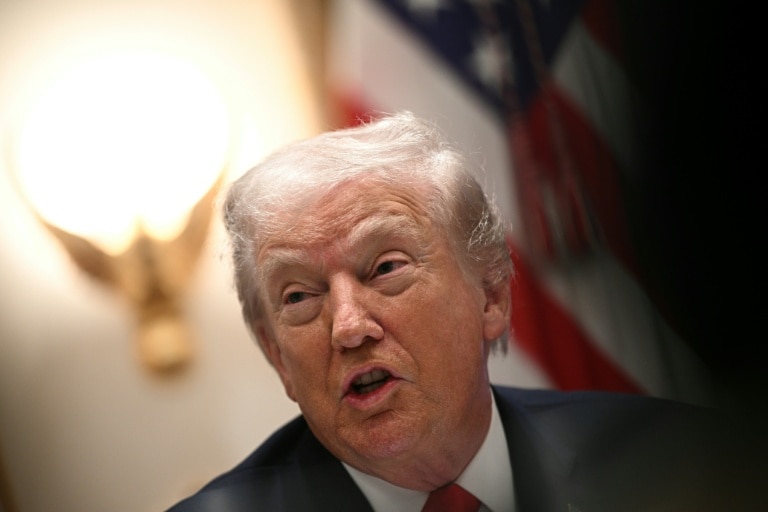
    In a surprising diplomatic development, former U.S. President Donald Trump has asserted that Russian President Vladimir Putin consented to suspend military operations against Kyiv and other Ukrainian urban centers for one week. This announcement came during a White House cabinet meeting where Trump emphasized his personal intervention regarding the ongoing conflict.

    The timing of this claimed agreement coincides with Ukraine experiencing its most severe winter since the invasion began, with temperatures forecasted to plummet to life-threatening lows of minus 30 degrees Celsius. Russian strikes on critical energy infrastructure have already created a humanitarian emergency, leaving millions without reliable access to electricity, heating, and clean water during these extreme conditions.

    Trump elaborated on his conversation with Putin, stating: ‘Given the extraordinary cold weather—record-setting conditions similar to what we’re experiencing in Washington—I personally requested President Putin refrain from attacks on Ukrainian population centers for this seven-day period. He agreed to this arrangement, which I consider a humanitarian gesture.’

    The Kremlin has not immediately verified Trump’s account of the agreement. This would represent a significant development given that previous diplomatic engagements between Trump and Putin, including their Alaska summit in August, failed to produce substantial breakthroughs in the conflict.

    Meanwhile, Ukrainian President Volodymyr Zelensky has warned of continued Russian targeting of energy facilities, even as emergency services work to restore critical infrastructure. Regional authorities reported that Russian attacks resulted in six civilian fatalities in central and southern Ukraine on Thursday alone.

    Trump additionally suggested that U.S.-mediated negotiations between Kyiv and Moscow have shown ‘considerable progress’ toward resolving the conflict, which approaches its fifth year of ongoing hostilities.

  • Chips, anyone? German farm gives away millions of potatoes after bumper harvest

    Chips, anyone? German farm gives away millions of potatoes after bumper harvest

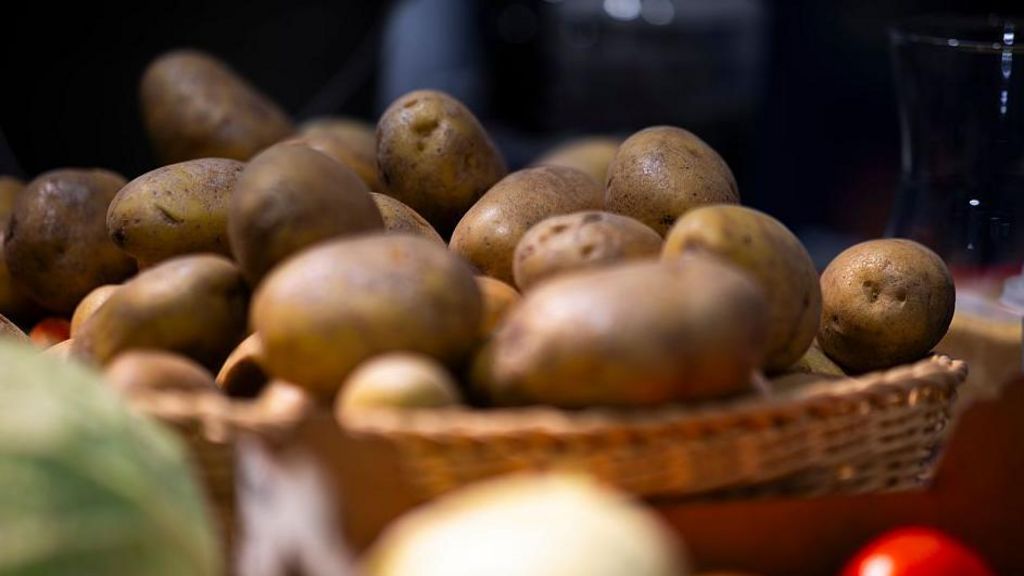
    Berlin has become the unexpected beneficiary of a massive potato surplus, with millions of kilograms of free spuds being distributed across the German capital since mid-January. The initiative, dubbed “the great potato rescue,” emerged after agricultural firm Osterland Agrar found itself with approximately 4 million kilograms of excess potatoes following a bumper harvest in Saxony.

    Rather than allowing the potatoes to rot in fields, the company partnered with Berliner Morgenpost newspaper and eco-friendly search engine Ecosia to coordinate a large-scale distribution effort. Food banks, schools, and churches have served as primary distribution points, with 174 designated “spud-hubs” established throughout the Berlin metropolitan area.

    Hans-Joachim von Massow, Managing Director of Osterland Agrar, explained that while the company could technically store the potatoes until mid-year, the market saturation made distribution necessary. “We’re not wishing to discard our magnificent tubers back into the fields,” von Massow stated, noting that approximately 500,000kg had already been transported to Berlin, with additional shipments sent to other German regions and Ukraine.

    The initiative has drawn sharp criticism from agricultural associations. The Brandenburg Farmers’ Association condemned the effort as a “disgusting PR stunt,” with representative Timo Scheib arguing that “food is and will remain valuable, even if thoughtless do-gooders throw around free potatoes at schools and churches.”

    Peter Schink, a Berliner Morgenpost editor who helped spearhead the plan, countered that the project ultimately aims to “put the potato in the spotlight as a valuable food” in a country known for its gastronomic passion for potatoes. Despite extensive media coverage, actual distribution has faced practical challenges, with some distribution points temporarily lacking supplies amid icy winter conditions.

    The program is now winding down in Berlin as funding diminishes, though organizers anticipate one final shipment once weather conditions improve.

  • China to boost social assistance for vulnerable groups during Spring Festival holiday

    China to boost social assistance for vulnerable groups during Spring Festival holiday

    In a significant move to safeguard welfare during the nation’s most important traditional holiday, China has implemented comprehensive social assistance measures targeting vulnerable demographics. The Ministry of Civil Affairs unveiled this enhanced support framework on Thursday, emphasizing timely and adequate aid distribution throughout the Spring Festival period.

    Zhang Wei, Deputy Director of the Ministry’s Social Assistance Department, detailed the multifaceted initiative during a press briefing. The strategy encompasses accelerated subsistence allowance payments, expanded heating subsidies, and simplified application procedures for those seeking assistance during the holiday season. “Our priority is ensuring complete and punctual disbursement of assistance funds to all eligible recipients,” Zhang stated.

    The financial backbone of this effort includes over 141 billion yuan ($20 billion) in pre-allocated central funds dedicated to social assistance programs. Major metropolitan areas including Beijing and Shanghai have already commenced distributing aid through various channels—direct cash transfers, consumption vouchers, and essential goods provision.

    To identify those in need more effectively, authorities are employing advanced data analytics platforms complemented by physical verification through field visits. This dual approach enables real-time monitoring of vulnerable groups, particularly isolated seniors, individuals with severe disabilities, and those battling serious medical conditions.

    Beyond financial support, the program features operational hotlines throughout the holiday period and personalized visits by civil affairs personnel to assess specific needs. Several provinces have additionally broadened heating assistance eligibility to include households marginally above subsistence allowance thresholds but facing financial strain due to fixed expenditures.

    This comprehensive social protection initiative reflects China’s commitment to ensuring no citizen is left behind during traditional family reunions and celebrations.

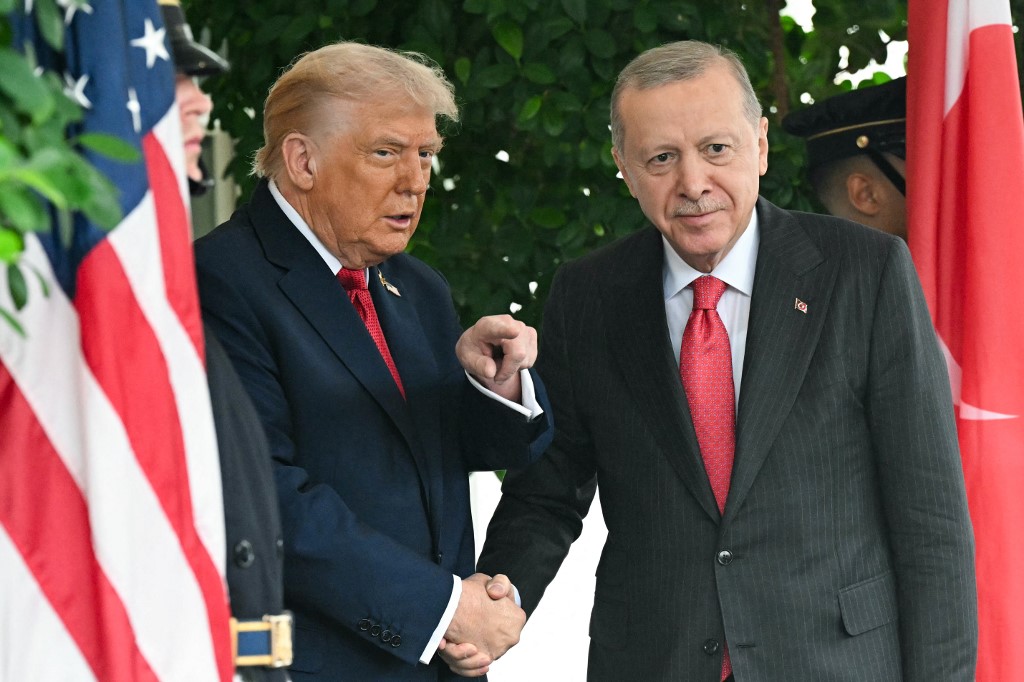
  • Turkey’s President Erdogan offers Trump a teleconference with Iran

    Turkey’s President Erdogan offers Trump a teleconference with Iran

    Turkish President Recep Tayyip Erdogan has formally proposed hosting a direct teleconference between U.S. President Donald Trump and Iranian President Masoud Pezeshkian in a bold diplomatic effort to de-escalate mounting tensions between the two nations. This mediation offer comes amid heightened military threats from Washington toward Tehran, with Trump explicitly warning of imminent offensive actions.

    The initiative emerged during a Monday phone conversation between Erdogan and Trump, where the Turkish leader emphasized diplomatic solutions as the paramount priority. While President Trump reportedly expressed interest in the proposed dialogue format, Iranian leadership has yet to formally respond to the offer. Diplomatic sources indicate that Iranian Foreign Minister Abbas Araghchi, scheduled to visit Istanbul on Friday for bilateral discussions with Turkish counterpart Hakan Fidan, may deliver Tehran’s official response during these talks.

    This marks Ankara’s second mediation attempt this year, following a similar unsuccessful offer during the 12-day conflict in June that Tehran declined with apparent dismay. Turkey has consistently opposed foreign intervention in Iran, with Foreign Minister Fidan advocating for gradual, file-by-file resolution of disputes between the nations.

    The current crisis is significantly influenced by Israel’s strategic concerns regarding Iran’s ballistic missile program and nuclear research activities. Prime Minister Benjamin Netanyahu, facing domestic electoral pressures, has been actively advocating for U.S. intervention against Tehran.

    In parallel to Turkey’s diplomatic efforts, other regional nations have engaged in shuttle diplomacy. Columnist Hande Firat of Turkey’s Hurriyet newspaper reported that Ankara’s persistent messaging emphasizes diplomacy as the only viable path forward, crediting these efforts with temporarily postponing—though not resolving—the brewing crisis.

    The situation escalated dramatically when Trump publicly warned via his Truth Social platform of a ‘massive armada’ positioned to strike Iran with ‘speed and violence’ unless Tehran agrees to nuclear negotiations. Drawing comparisons to Venezuelan operations, Trump referenced previous military actions against Iranian nuclear sites in June 2025, threatening significantly more destructive consequences if Iran refuses to negotiate.

    According to intelligence reports, the Trump administration is considering precision strikes against high-value Iranian officials allegedly connected to protester deaths during recent anti-government demonstrations. This potential military action represents the latest development in weeks of intensifying tensions between the United States and Iran.

  • Israeli settlers set Palestinian homes on fire in Jerusalem

    Israeli settlers set Palestinian homes on fire in Jerusalem

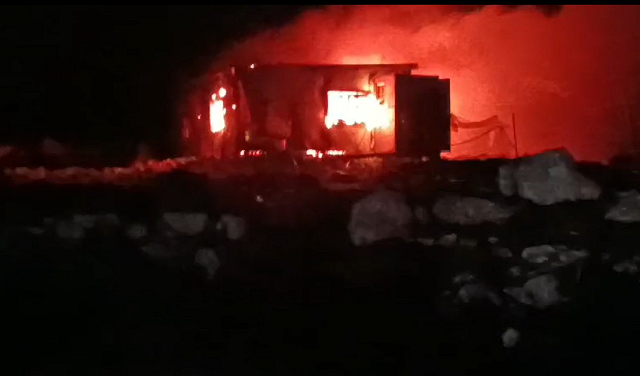
    A coordinated assault by Israeli settlers targeted the Khallat al-Sidra Bedouin community northeast of occupied East Jerusalem on Wednesday night, resulting in extensive property destruction through arson attacks. According to official reports from the Palestinian Authority’s Jerusalem Governorate, armed settlers not only set multiple homes ablaze but also physically assaulted residents before Israeli military forces entered the area.

    The violence was preceded by settlers blocking the community’s sole access road, effectively imposing a movement lockdown on residents. Viral video footage circulating on social media platforms shows structures completely engulfed in flames as desperate residents attempted to extinguish the fires with limited resources.

    This incident represents the latest in a series of escalating attacks against the Khallat al-Sidra community, which has experienced intensified violence in recent days including beatings of both residents and international activists, destruction of vehicles and animal shelters, and systematic seizure of critical infrastructure including solar panels and surveillance equipment.

    Parallel land seizure attempts were reported in the neighboring Ma’azi Jaba’ community, where approximately 200 Palestinians face repeated attacks allegedly aimed at territorial expansion for the Adam settlement and its connection to the Benjamin settlement. Such settlement construction violates international law, which explicitly prohibits building in occupied territories.

    Settler violence against Palestinian communities in the occupied West Bank and Jerusalem has operated with impunity for years, frequently under military protection. Since the beginning of the Gaza conflict, official data from the Wall and Settlement Resistance Commission documents 4,723 settler violence cases in 2025 alone. Over the past two years, more than 1,000 Palestinians, including 217 minors, have been killed by Israeli forces and settlers in the West Bank.

  • Iranian press review: High bail and legal hurdles keep protesters in detention

    Iranian press review: High bail and legal hurdles keep protesters in detention

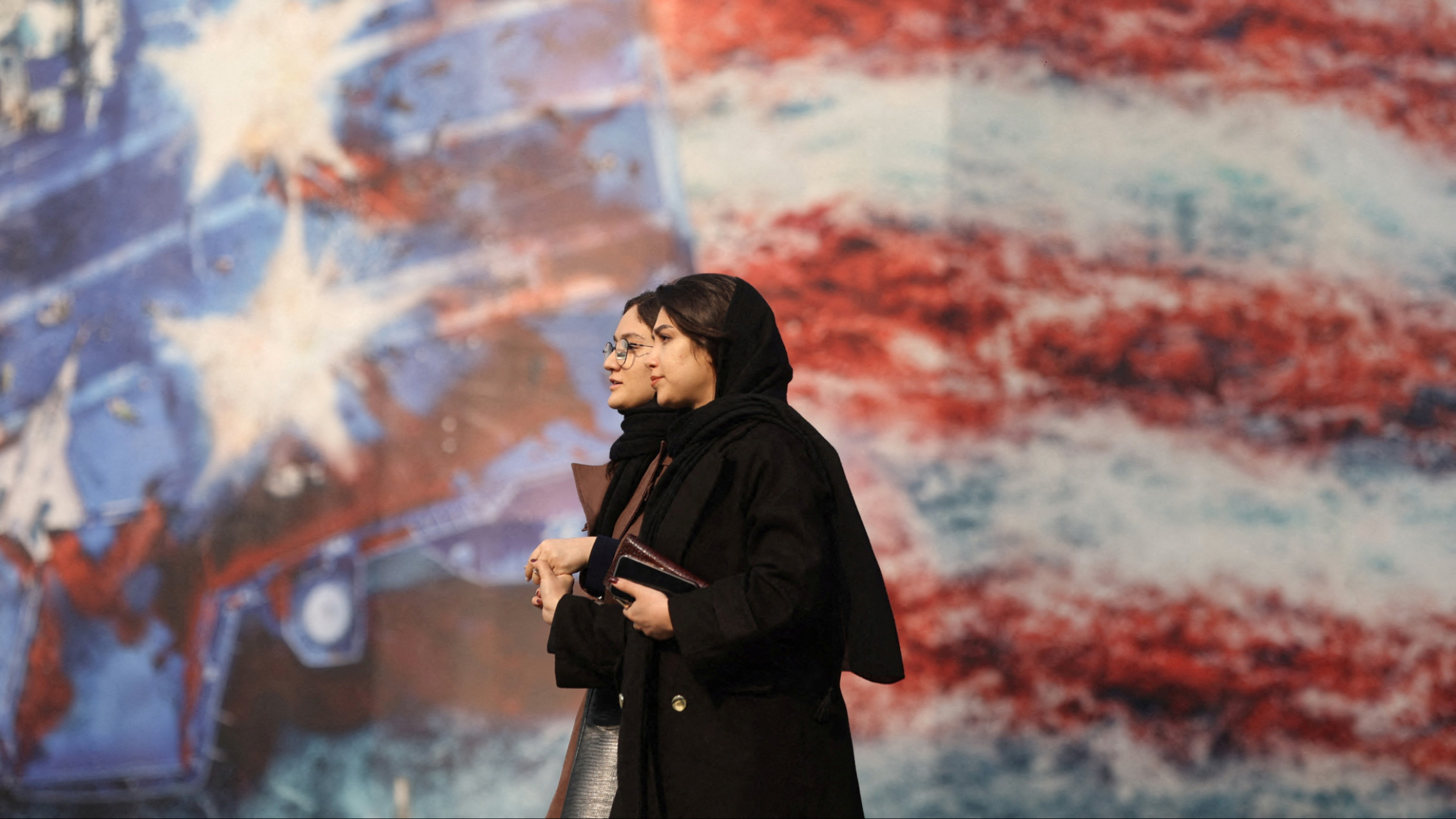
    Iranian families seeking the release of relatives detained during recent nationwide protests confront an increasingly impossible bail system, compounding the nation’s ongoing sociopolitical crisis. Administrative obstructions, exorbitant financial requirements, and deliberate judicial delays have created insurmountable barriers for detainees awaiting trial.

    Legal expert Mustafa Nili revealed to Shargh daily that bail amounts have skyrocketed due to hyperinflation and currency devaluation, now requiring 10 billion rials ($9,000) per year of potential imprisonment—a tenfold increase from 2022 levels. Even families capable of meeting these astronomical sums face arbitrary rejections by security forces at courthouses, effectively denying due process.

    The human dimension emerges through firsthand accounts: one mother described mortgaging her brother’s home to meet a 50 billion rial bail for her daughter, while noting many fellow prisoners lack any recourse to freedom. Demographic data from the Qom Seminary study of 11,252 arrestees reveals disturbing patterns—17% are high-school students, 77% under age 30, and 65% from low-income backgrounds, directly contradicting government narratives blaming foreign agitators.

    Simultaneously, Iran’s economic collapse accelerates as the rial plummets to historic lows against the dollar (1:1.57 million), triggering catastrophic price surges in essentials. Dairy products have risen 40-85%, forcing nutritionally devastating dietary cuts among vulnerable populations. Government price controls threaten to exacerbate shortages, creating a self-perpetuating crisis cycle.

    The National Sociological Association of Iran issued a grave warning against the normalization of state violence, stating that civilian killings risk irreversible social fragmentation. Their declaration emphasized that ‘no political or military justification can excuse this level of human suffering,’ highlighting the erosion of public trust and potential for total societal collapse if demands for reform continue to be met with suppression.

  • China records markedly warm and wet climate conditions in 2025

    China records markedly warm and wet climate conditions in 2025

    China experienced unprecedented climate conditions throughout 2025, characterized by record-breaking warmth and significantly increased precipitation patterns, according to the authoritative China Climate Bulletin (2025) released by the China Meteorological Administration and National Climate Center.

    The comprehensive report reveals the national average temperature reached 10.9°C, matching 2024’s record and exceeding the 1991-2020 average by a full degree Celsius. This temperature parity establishes both years as the warmest since comprehensive meteorological record-keeping began in 1951. The frequency of high-temperature days similarly achieved unprecedented levels, with extended heatwaves affecting central and eastern regions from late June through early September.

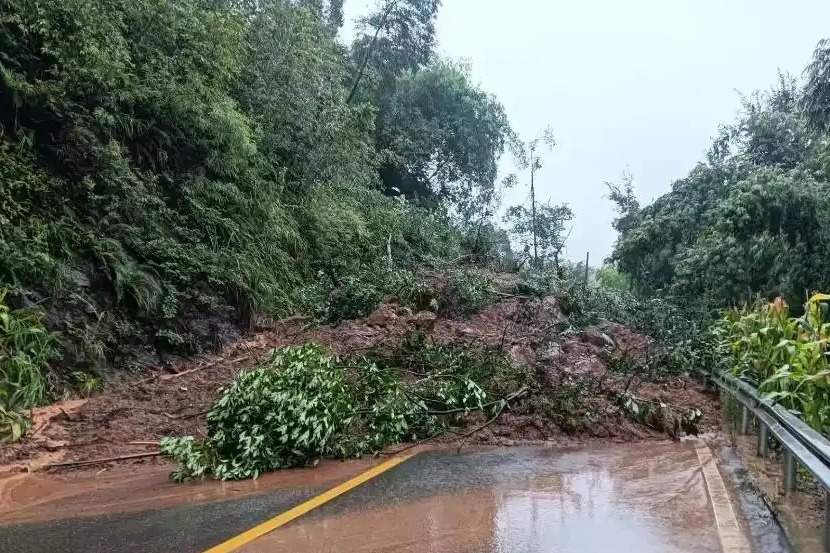
    Precipitation patterns demonstrated notable increases, with annual rainfall volumes exceeding long-term averages by 4.5%. Northern China experienced particularly severe flooding during summer months, especially between late July and early August, due to intensified rainstorm activity. Gao Rong, Deputy Director of the National Climate Center, confirmed that North China’s rainy season reached historic peaks in both duration and total precipitation volume, while western regions recorded their most substantial autumn rainfall in meteorological history.

    Typhoon activity surpassed normal parameters, with both formation frequency and landfall incidents exceeding seasonal averages. Five consecutive typhoons made landfall or significantly affected southern China between September and October, creating compounded weather challenges.

    While meteorological drought conditions remained generally mild nationwide, specific regions experienced pronounced seasonal dryness. Southern China and the Yangtze River’s middle-lower reaches endured consecutive winter and spring drought periods. Cold air movements remained relatively subdued overall, though cold wave events occurred more frequently than typical patterns. Spring sandstorm activity intensified, with the inaugural annual sandstorm event occurring later than historical averages.

    Gao Rong attributed these complex weather variations to multifaceted atmospheric and oceanic interactions across multiple timescales, emphasizing the early northward movement and subsequent retreat of subtropical high-pressure systems combined with an intensified East Asian summer monsoon.

    The climate conditions produced significant societal impacts: heating-related energy consumption decreased across northern provinces during winter months, while cooling demand surged nationally during extended summer heat. Vegetation growth during the growing season reached its highest level this century, particularly in western Northeast China and central-eastern Inner Mongolia.

    The China Climate Bulletin, published annually since 1994, serves as a critical reference for governmental decision-making and public climate education, providing comprehensive analysis of major weather events and their socioeconomic implications.

  • Kenya to host intl investment conference on indigenous knowledge

    Kenya to host intl investment conference on indigenous knowledge

    Kenya is poised to host its inaugural International Investment Conference and Trade Fair on Indigenous Knowledge Intellectual Assets this April in Murang’a County. This groundbreaking initiative represents a strategic effort to transform documented traditional knowledge into viable market innovations by creating crucial connections between local communities and global investors.

    The conference will serve as a platform to showcase Kenya’s rich indigenous intellectual assets and their potential to drive inclusive socio-economic transformation. Participants from 13 pilot counties, including micro, small and medium enterprises alongside community-based asset owners, will present their innovations to potential investors for product development and commercial exploitation.

    Exhibitions will feature diverse traditional technologies, medicinal products, cultural foods, and creative arts. Stephen Munania, Deputy Governor of Murang’a County, emphasized during the media launch that the conference would catalyze industry development across multiple sectors including tourism, publishing, storytelling, medicine, and arts crafts.

    “The sacred sites where our ancestors worshipped remain meaningless unless their stories are properly narrated. We must preserve the narratives of our communities’ origins and historical inter-tribal interactions,” Munania stated, highlighting the challenge of converting indigenous knowledge into sustainable investments, employment opportunities, and value chains.

    Mary Gikungu, Director-General of the National Museums of Kenya, revealed that the indigenous knowledge documentation and digitization project aligns with the Protection of Traditional Knowledge and Cultural Expressions Act 2016. The initiative ultimately aims to cover all 47 Kenyan counties through phased implementation.

    The National Museums of Kenya has implemented comprehensive research and intellectual property policies to safeguard market-ready innovations derived from documented indigenous knowledge. “We are actively engaging potential investors whose participation is essential for transforming heritage-based enterprise concepts into tangible realities,” Gikungu confirmed.

    Edwin Abonyo, Board Chair of the National Museums of Kenya, emphasized the project’s objective to leverage the country’s previously underutilized heritage and traditional knowledge resources, with current operations spanning 13 counties and plans for nationwide expansion.

  • Trump says he’s instructed US officials to reopen Venezuelan airspace for commercial travel

    Trump says he’s instructed US officials to reopen Venezuelan airspace for commercial travel

    WASHINGTON — In a significant diplomatic shift, the Trump administration has initiated steps to normalize relations with Venezuela. President Donald Trump confirmed Thursday that he has directed authorities to reopen all commercial airspace over Venezuela, with American citizens expected to gain travel access shortly.

    Trump stated he personally communicated this development to Venezuelan official Delcy Rodríguez and has tasked Transportation Secretary Sean Duffy alongside military leadership with executing the airspace reopening by day’s end. “American citizens will be very shortly able to go to Venezuela, and they’ll be safe there,” the President asserted.

    This announcement coincides with broader efforts to restore diplomatic ties severed in 2019. Earlier this week, the State Department notified Congress of its intention to implement a phased approach toward potentially resuming operations at Embassy Caracas. Official correspondence to ten House and Senate committees revealed plans to deploy temporary staff for selective diplomatic functions, marking the initial phase of this normalization process.

    The diplomatic rupture originated from the 2019 U.S. military operation that ousted former President Nicolás Maduro. Since then, travel advisories have remained at the highest alert level, with explicit warnings against travel due to risks including wrongful detention, torture, and kidnapping. As of Thursday, the State Department’s “Do Not Travel” advisory remained officially active despite the announced policy changes.

    This policy reversal represents one of the most substantial developments in U.S.-Venezuela relations in recent years, suggesting a potential thaw in longstanding tensions between the nations.

  • Trump’s wide ambitions for Board of Peace sparks new support for the United Nations

    Trump’s wide ambitions for Board of Peace sparks new support for the United Nations

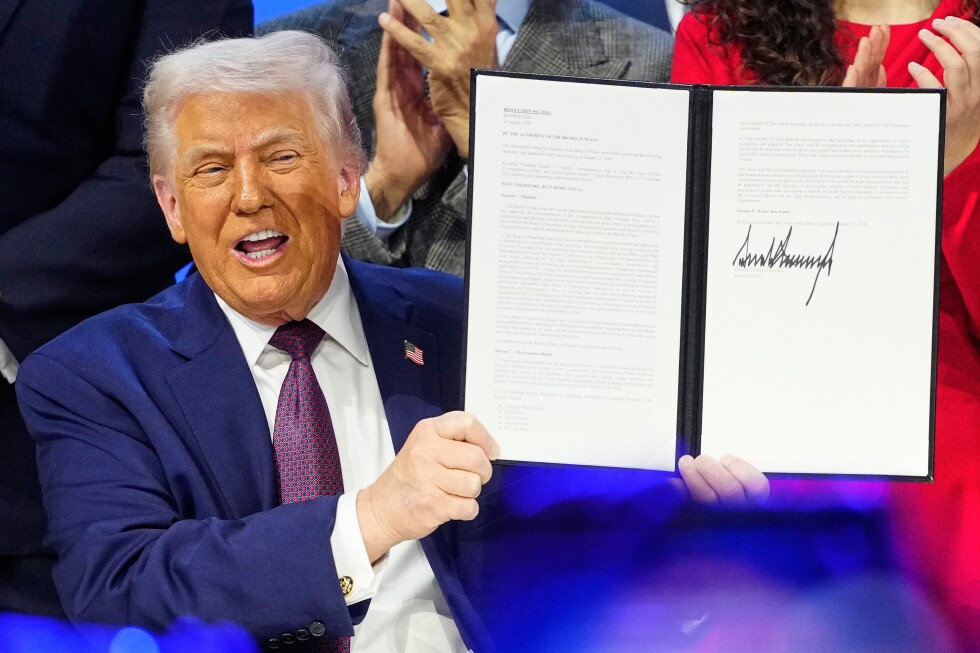
    In a significant diplomatic setback, former President Donald Trump’s ambitious proposal to expand his ‘Board of Peace’ beyond Gaza mediation has encountered widespread international resistance. Major global powers including China, France, Russia, and the United Kingdom have unanimously declined participation in what many perceive as an attempt to undermine the United Nations’ authority.

    The board, initially conceived as a limited framework for overseeing Gaza’s post-conflict future, underwent substantial mission creep under Trump’s direction. The controversial charter granted Trump permanent leadership with veto powers over membership and actions, while envisioning a global conflict mediation role that directly challenged the UN Security Council’s mandate.

    Secretary of State Marco Rubio attempted damage control, emphasizing that “this is not a replacement for the UN” and narrowing the board’s immediate focus to Gaza ceasefire implementation. However, Trump’s simultaneous promotion of the board as a potential UN alternative created diplomatic friction that overshadowed its original purpose.

    The rejection manifested through multiple channels: formal Security Council statements, public declarations, and private diplomatic communications. French President Emmanuel Macron characterized the initiative as raising “serious questions regarding UN principles,” while Spain’s refusal cited the exclusion of Palestinian Authority representation. British Prime Minister Keir Starmer explicitly reaffirmed Britain’s “enduring support for the UN and international rules-based system” before declining membership.

    Despite attracting approximately 26 of 60 invited nations—primarily Muslim countries seeking influence in Gaza discussions—the board failed to secure endorsement from any permanent Security Council members or major European economies. Human Rights Watch’s UN director Louis Charbonneau dismissed the initiative as a “pay-to-play club of human rights abusers” rather than a legitimate international organization.

    Analysts from the International Crisis Group suggest the expansion fundamentally compromised the board’s credibility, transforming what might have been a viable Gaza-focused initiative into a perceived “Trump fan club” that deterred potential supporters. While eight Muslim nations joined to advance Palestinian interests, experts doubt the board’s capacity to evolve into a meaningful alternative to UN mechanisms.