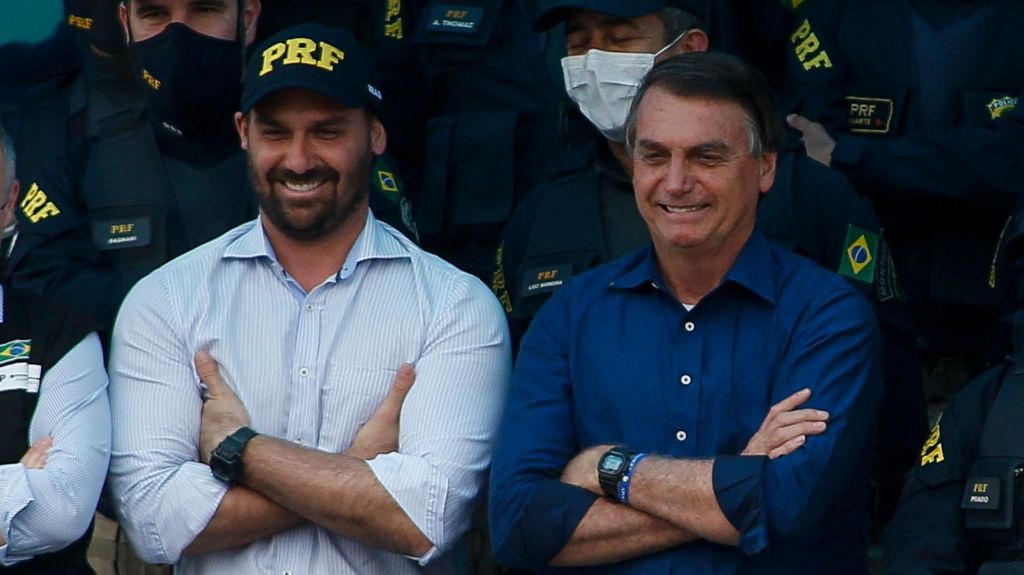
Brazil’s Attorney General’s Office has formally charged Eduardo Bolsonaro, son of former President Jair Bolsonaro, with coercion, according to an official statement released on Monday. The charges allege that the congressman repeatedly prioritized personal and family interests over those of the nation, exposing Brazil to potential sanctions from foreign governments. Eduardo, who currently resides in the United States, dismissed the accusations as “bogus” in a social media post, labeling them as “absurd” and part of an ongoing political persecution against his family. The charges come just weeks after his father, Jair Bolsonaro, was sentenced to 27 years in prison for orchestrating a coup attempt during his presidency from 2019 to 2022. Prosecutors are also seeking financial compensation for damages resulting from the alleged criminal actions. Notably, businessman Paulo Figueiredo, grandson of former dictator João Batista Figueiredo, has also been implicated in the case. Eduardo Bolsonaro relocated to the U.S. earlier this year, claiming he was living in “exile” due to fears of arrest if he returned to Brazil. He has actively sought support from the Trump administration, which has likened the legal actions against the Bolsonaro family to a “witch hunt.” Meanwhile, U.S. President Donald Trump imposed a 50% tariff on Brazil in July, a move criticized by current Brazilian President Luiz Inácio Lula da Silva as “misguided and illogical.” U.S. Secretary of State Marco Rubio has announced further sanctions, including targeting the wife of Brazil’s Supreme Court Justice Alexandre de Moraes, who presided over Jair Bolsonaro’s trial. The justice condemned the sanctions as “illegal and regrettable.” In Brazil, tens of thousands of citizens protested against a proposed amnesty bill that could potentially shield Jair Bolsonaro from prosecution. Critics have labeled the bill as the “Banditry Bill,” while supporters argue it is necessary to protect lawmakers from judicial overreach. President Lula has vowed to veto the bill if it passes the Senate, stating, “I stand with the Brazilian people. Today’s demonstrations show that the population does not want impunity or amnesty.”
博客
-
Syria’s Sharaa distances himself from Abraham Accords in surreal interview with former CIA foe
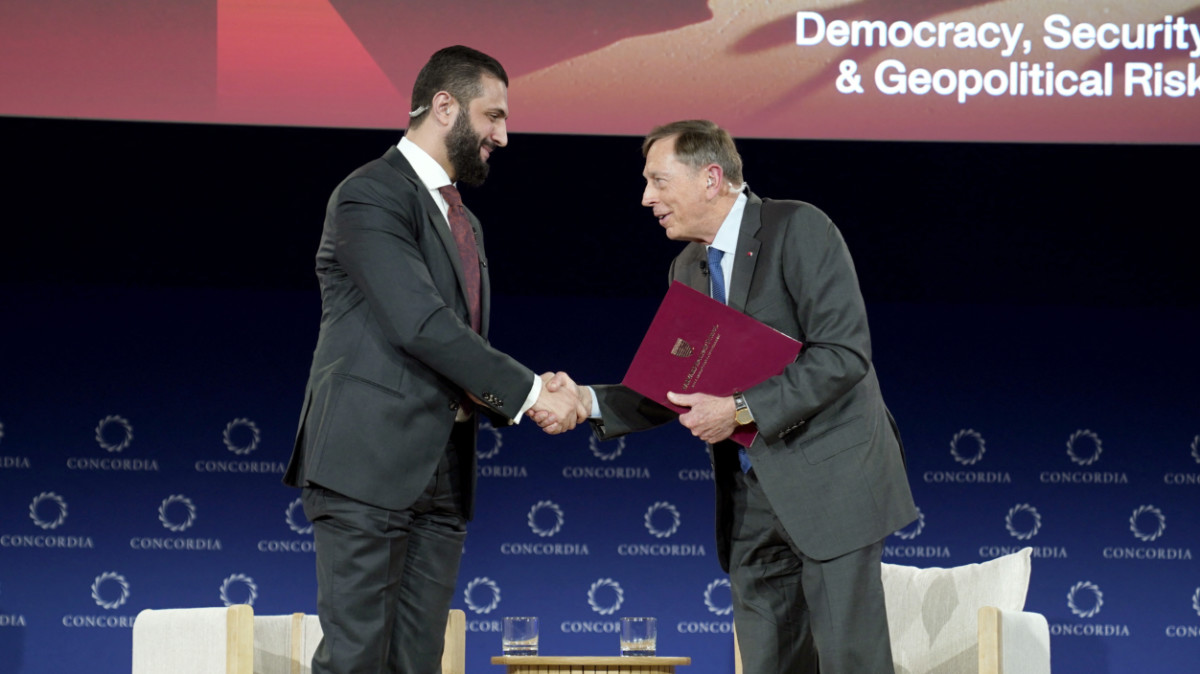
Syrian President Ahmed al-Sharaa has revealed that Syria and Israel are engaged in advanced security discussions, though any potential agreement will not mirror the normalization seen in the Abraham Accords. Speaking at an event alongside former CIA director David Petraeus during the United Nations General Assembly in New York, Sharaa emphasized the complexities of Syria’s relationship with Israel, citing historical grievances and regional anger over the Gaza conflict. Sharaa’s visit marks the first time a Syrian leader has attended the UN General Assembly since 1967, underscoring the significance of his presence. Despite the ongoing talks, Sharaa dismissed the possibility of Syria joining the Abraham Accords, highlighting Syria’s unique position as a neighboring country subjected to over 1,000 Israeli military actions. He also expressed skepticism about Israel’s intentions, referencing its past violations of peace agreements with Egypt and Jordan. The discussions, mediated by US envoy Tom Barrack, aim to address Israel’s security concerns while preserving Syria’s sovereignty. However, Sharaa’s government faces internal challenges, including tensions with Druze militias and efforts to integrate the Kurdish-led Syrian Democratic Forces (SDF) into the national military. Sharaa’s broader objectives include lobbying for the complete lifting of US sanctions on Syria, a move initiated by former President Donald Trump but still partially in place due to congressional mandates. As Sharaa prepares to address the UN Assembly, his administration’s ability to protect minority groups and navigate regional alliances remains under scrutiny.
-
Why the Pakistan-Saudi Arabia defence pact is unsettling India
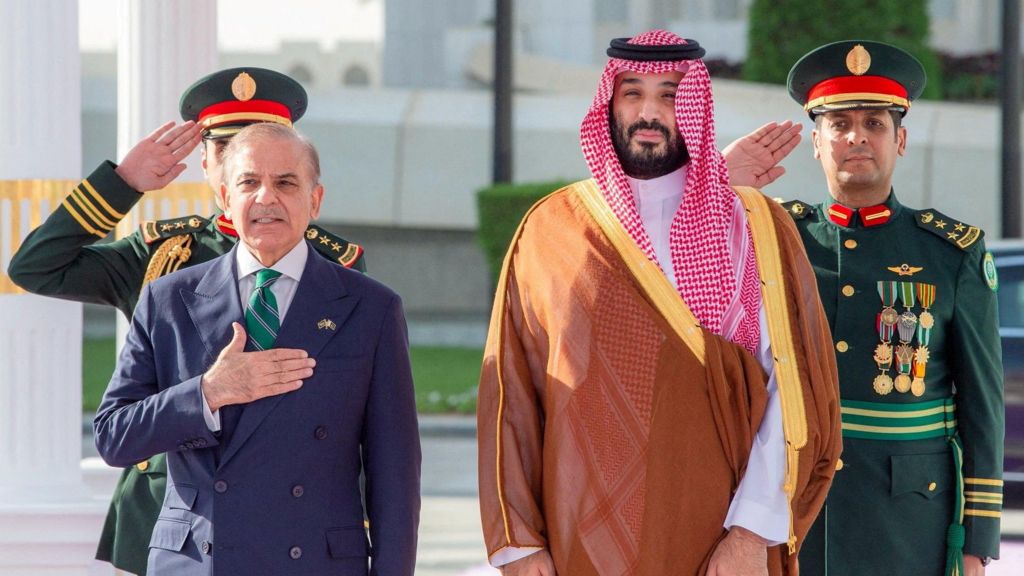
In a significant geopolitical development, Saudi Crown Prince Mohammed bin Salman and Pakistani Prime Minister Shehbaz Sharif inked a landmark strategic mutual defense agreement last week in Riyadh. The pact, described as an “institutionalization of long-standing and deep cooperation” by a senior Saudi official, has stirred considerable debate, particularly in India, which views the agreement as a potential threat to its national security. The agreement stipulates that “any aggression against either country shall be considered an aggression against both,” a clause that has unsettled Indian analysts. Brahma Chellaney, an Indian strategist, argued that the pact reflects Saudi Arabia’s ambitions rather than Pakistan’s strength, binding a “chronically dependent” partner to gain manpower and nuclear “insurance.” Former Indian foreign secretary Kanwal Sibal labeled the agreement a “grave misstep,” warning of its implications for India’s security. While India’s government has adopted a cautious stance, stating it will study the pact’s implications, the move has reignited tensions between India and Pakistan, who have a history of conflicts, particularly over Kashmir. Some analysts, however, downplay the immediate risks, noting Saudi Arabia’s extensive economic ties with India, its second-largest trading partner. Michael Kugelman, a foreign policy analyst, suggested that the pact does not directly hinder India but embeds Pakistan in the Middle East’s security architecture, leaving India facing a coalition of Pakistan, China, Turkey, and now Saudi Arabia. Husain Haqqani, a former Pakistani ambassador, warned that the pact could position Saudi Arabia as a Cold War-style patron for Pakistan, bolstering its military capabilities against India. The agreement also signals Saudi Arabia’s broader strategic shift, diversifying its security partnerships amid declining faith in the US security umbrella. Ahmed Aboudouh of Chatham House noted that the pact is more about signaling intent than battlefield commitments, reflecting Saudi Arabia’s perception of threats from both Iran and Israel. For India, the pact’s broader geopolitical implications could complicate its ‘Look West’ strategy, potentially hardening into an “Islamic Nato” that challenges its trade and investment interests in the Gulf. While the immediate security threat to India remains unclear, the pact has undoubtedly reshaped regional alignments, leaving Delhi to recalibrate its diplomatic and strategic approach.
-
Israel and Eurovision: Why do countries want to boycott a song contest?
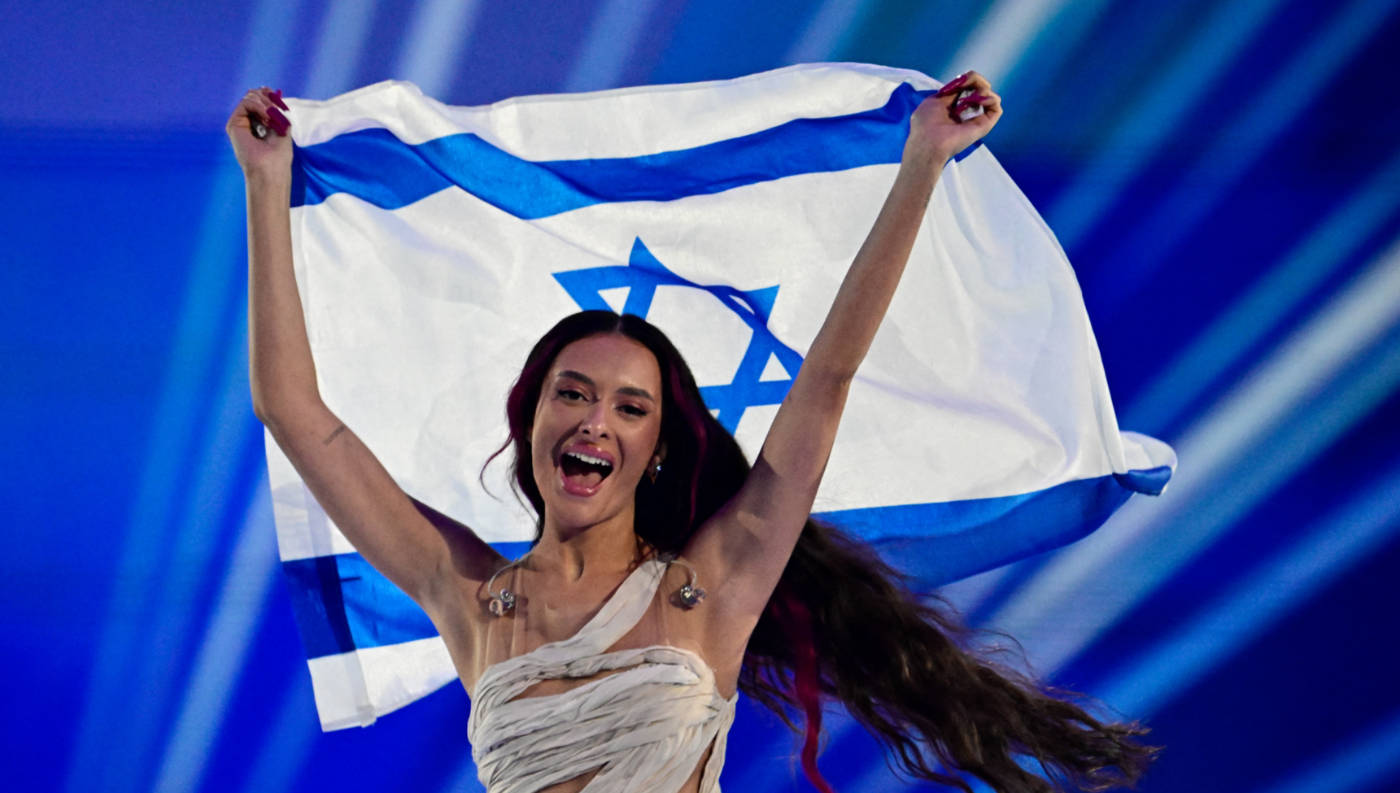
The Eurovision Song Contest, a globally celebrated cultural phenomenon attracting hundreds of millions of viewers annually, is now at the center of a brewing political storm. As tensions escalate over Israel’s participation, at least five nations—Iceland, Ireland, the Netherlands, Slovenia, and Spain—are threatening to withdraw from the 2026 event in Vienna if Israel is allowed to compete. This unprecedented move could significantly disrupt the contest, which has been a platform for unity and musical excellence since its inception in 1956. The controversy stems from the ongoing war in Gaza, where over 65,000 Palestinians have been killed since October 2023. Israel faces accusations of genocide from a United Nations commission of inquiry and major human rights organizations, further fueling calls for its exclusion from Eurovision. The European Broadcasting Union (EBU), which organizes the event, has long maintained that Eurovision is apolitical. However, the 2022 ban on Russia following its invasion of Ukraine has set a precedent for excluding nations embroiled in geopolitical conflicts. Spain’s Prime Minister Pedro Sanchez has cited this example, arguing that Israel’s participation would constitute a double standard. Meanwhile, Israel’s national broadcaster, Kan, has confirmed its intent to participate, and the EBU has denied reports of pressuring Israel to withdraw. The situation has divided the Eurovision community, with some countries, including France and Germany, opposing the boycott. As the deadline for attendance confirmation approaches, the EBU faces a critical decision that could redefine the future of the iconic competition.
-
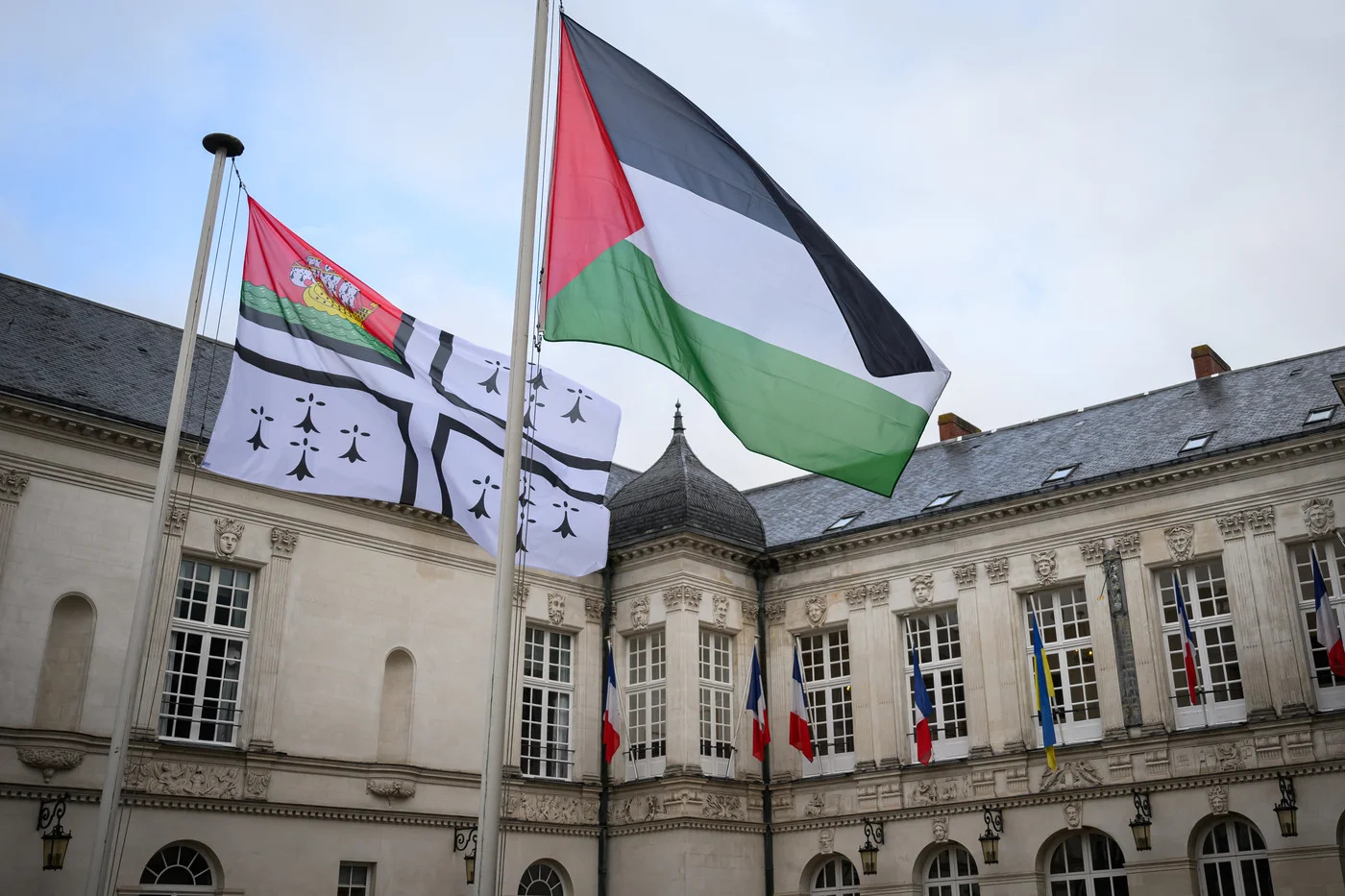
Global reactions pour in as UK, Australia and Canada recognise Palestinian state
Over a century after the Balfour Declaration endorsed the establishment of a Jewish national home in Palestine, the United Kingdom, alongside Canada, Australia, and Portugal, officially recognized a Palestinian state on Sunday. France is anticipated to follow suit shortly. This historic decision has ignited fierce backlash from the Israeli government, with Prime Minister Benjamin Netanyahu vowing to prevent the establishment of a Palestinian state and promising a response upon his return from the United States. Israeli government spokesperson David Mencer labeled the move as a “betrayal” by the UK Labour Party, stating that the Jewish community would not forgive them. The announcement has sparked a polarized response on social media, with some dismissing it as “performative recognition” that fails to address the ongoing genocide in Gaza and the annexation of the West Bank. Palestinian writer Yara Hawari criticized the gesture as a symbolic shield for Israel’s war crimes, while others highlighted the continued arms exports to Israel by the UK, Canada, and Australia. Palestinian journalist Abubaker Abed emphasized that recognition would be meaningless without concrete actions to end the genocide, secure the right of return, and release Palestinian hostages. Despite some hailing the move as a victory for the Palestinian cause, many in the occupied West Bank expressed skepticism, noting that daily settler attacks and Israeli raids persist. Decolonial scholar Sabreena Ghaffar-Siddiqui viewed the recognition as a symbolic acknowledgment of Israel’s inevitable decline, while former PLO politician Hanan Ashrawi urged that the gesture not be underestimated, calling for punitive measures against Israel to stop the genocide.
-
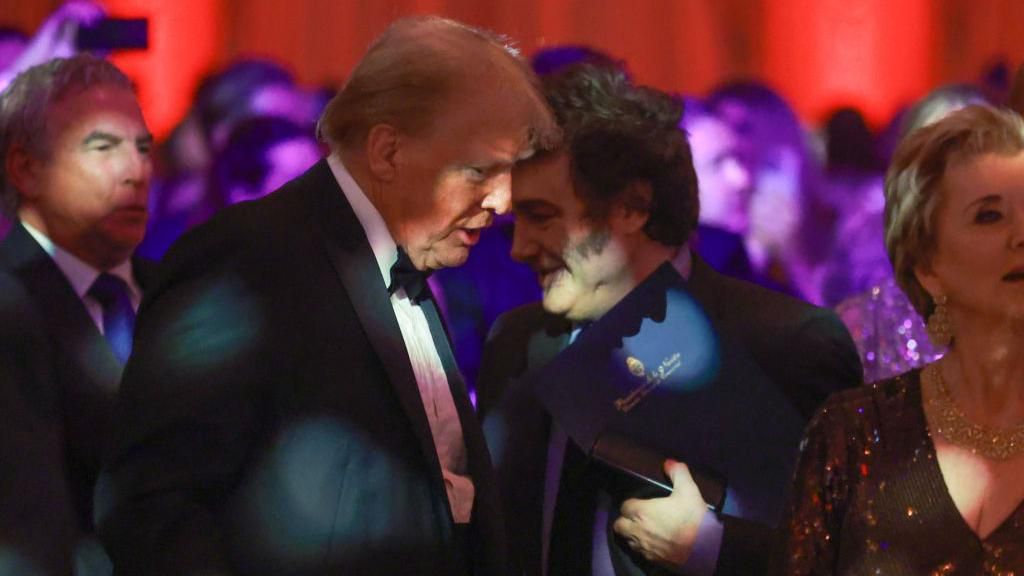
US ready to help with Argentina’s fiscal turmoil
US Treasury Secretary Scott Bessent has affirmed the United States’ readiness to intervene and stabilize Argentina’s worsening financial crisis. In a statement on social media, Bessent emphasized that ‘all options for stabilization are on the table,’ highlighting Argentina’s strategic importance as a key ally in Latin America. This declaration has provided some relief to financial markets, which have been volatile due to concerns over the future of President Javier Milei’s austerity-driven, free-market policies. The Argentine peso has experienced a sharp decline, prompting investors to offload Argentine stocks and bonds. Milei, a libertarian economist and ally of former US President Donald Trump, was elected in 2023 on a platform of radical spending cuts and reforms to combat rampant inflation. However, the peso’s instability has raised doubts about the government’s ability to uphold its economic promises. In recent weeks, the Argentine central bank has intervened, spending $1.1 billion of its reserves to support the peso, but this has further strained the country’s financial position. Bessent revealed that the US is considering measures such as purchasing Argentine pesos and dollar-denominated government debt to assist. Further details are expected after Milei meets with Trump in New York on Tuesday. Bessent expressed confidence in Milei’s commitment to fiscal discipline and pro-growth reforms, which he believes are essential to reversing Argentina’s economic decline. Milei has expressed gratitude for the US’s support, which has already bolstered Argentine stocks and dollar-denominated debt prices. Despite international backing, Milei faces domestic challenges, including recent local election losses and a bribery scandal involving his sister. Argentina’s upcoming mid-term elections in October will serve as a critical referendum on his controversial policies, which include cuts to social programs. Earlier this year, Bessent played a pivotal role in helping Argentina secure a $20 billion loan from the International Monetary Fund.
-
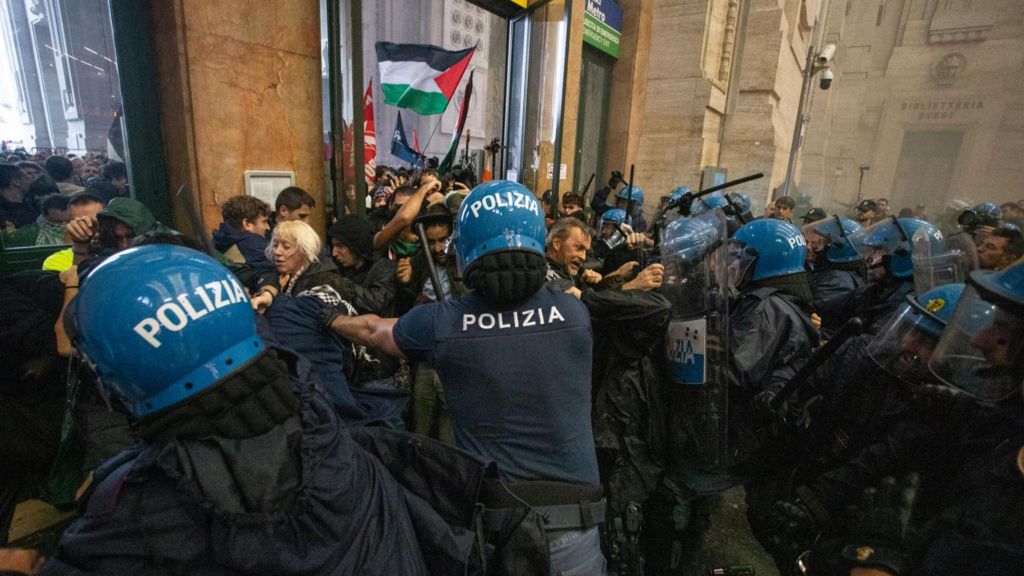
Clashes break out as Italians strike demanding action over Gaza
Italy witnessed widespread protests on Monday as thousands of citizens rallied in solidarity with Palestinians, coordinated by trade unions across the country. The demonstrations, marked by clashes with police, were particularly intense in Milan and Rome, with around 60 officers reported injured near Milan’s central station. Protesters called for a ceasefire in Gaza and burned a U.S. flag, while fringe groups engaged in violent confrontations, throwing stones and smoke bombs at law enforcement. The unrest disrupted public transport, shut down key metro lines, and blocked major ports in Livorno and Genoa. University students in Turin and Bologna also joined the protests, barricading lecture halls. Milan Mayor Giuseppe Sala condemned the vandalism, stating it undermined the cause of Gaza. Prime Minister Giorgia Meloni, who has faced criticism for her stance on Gaza, labeled the violence as shameful and counterproductive. Meanwhile, France’s President Emmanuel Macron announced the formal recognition of a Palestinian state, describing it as a necessity for peace. This move, following similar decisions by the UK, Canada, and Australia, was met with backlash from Israel, which denounced it as a reward for Hamas. Macron’s decision, supported by Belgium, Malta, and Luxembourg, was hailed by French Foreign Minister Jean-Noël Barrot as a diplomatic victory. However, Italy and Germany, key European powers, have not followed suit. The protests and diplomatic shifts highlight the deepening divide over the Israel-Gaza conflict in Europe.
-

Emil the Elk caught after long summer on the loose in Central Europe
A remarkable elk, affectionately named Emil, who captivated Central Europe with his extensive travels this summer, has been safely captured and released by Austrian wildlife officials. The young male elk was tranquilized on Monday near the village of Sattledt in Upper Austria after venturing perilously close to a motorway. Following the intervention, Emil was equipped with a GPS tracking device and released near the Czech-Austrian border, close to the Sumava forest in South Bohemia. It remains uncertain whether Czech authorities were involved in the operation. The Sumava forest, home to an estimated 10-20 elk, is now Emil’s new habitat, where it is hoped he will settle rather than continue his wanderings. Emil’s journey began on June 2 near Ludgerovice in the Czech Republic, where he was first sighted after crossing from Poland. Over the summer, he traversed approximately 500 kilometers across four countries—Poland, the Czech Republic, Slovakia, and Austria—visiting 60 towns and villages. His adventures included crossing roads, railways, and even swimming across the River Danube. Emil became a social media sensation, with numerous photos and videos shared online and at least three Facebook groups dedicated to him, amassing nearly 50,000 members. Elk were once native to Czech forests but were hunted to extinction in the Middle Ages. Reintroduction efforts have been ongoing since the 1970s, with the current Czech elk population estimated at around 50, significantly fewer than Poland’s tens of thousands.
-
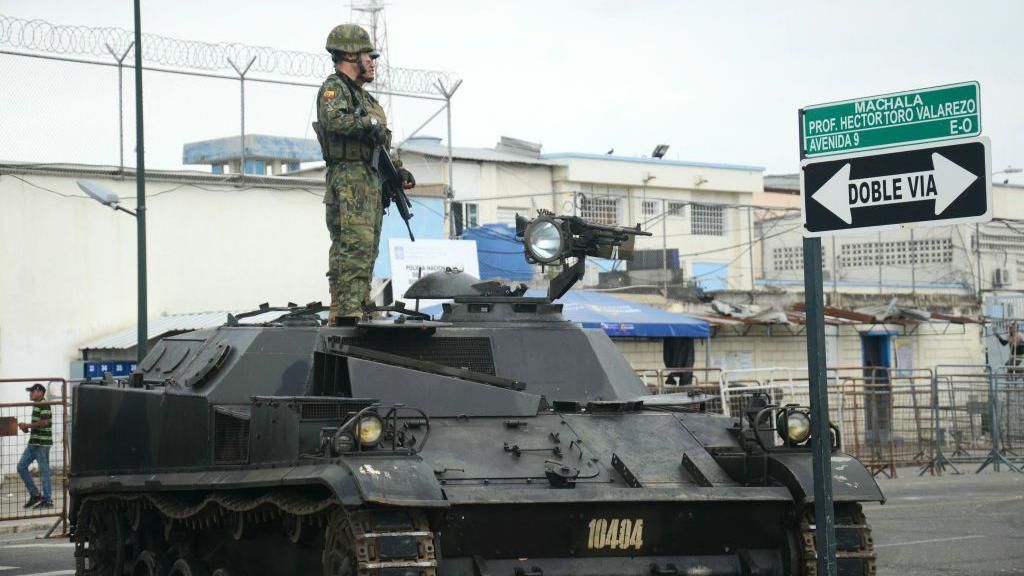
Guard and 13 inmates killed in Ecuador prison fight
A violent confrontation between rival gangs at a prison in Machala, Ecuador, has resulted in the deaths of 13 inmates and one prison guard, with 14 others injured. The incident, which occurred in the early hours of Monday, also saw an unknown number of prisoners escape, though 13 have since been recaptured. Residents nearby reported hearing explosions and gunfire, highlighting the intensity of the clash. Police Chief William Calle attributed the violence to members of the criminal gang Los Lobos Box, who allegedly stormed a wing housing their rivals and launched a brutal attack. Preliminary reports indicate that security personnel responded to an alarm but were taken hostage upon arrival, leading to the death of one guard. Some inmates managed to flee through a hole in the perimeter wall caused by an explosive device, raising questions about how such materials were smuggled into the facility. Among the injured are two police officers. Authorities have since regained control of the prison after deploying 200 police and soldiers. The incident has reignited calls from Machala residents to relocate the prison, which is situated in the city center. Ecuador has been grappling with escalating gang violence, transforming it from one of Latin America’s safest nations to one of its deadliest. Prison gangs, including Los Lobos Box, have been instrumental in running criminal enterprises from behind bars and forging alliances with Mexican drug cartels to control cocaine trafficking routes. Earlier this month, the United States designated Los Lobos and another gang, Los Choneros, as Foreign Terrorist Organizations, citing their role in terrorizing the Ecuadorian population to dominate drug trafficking.
-
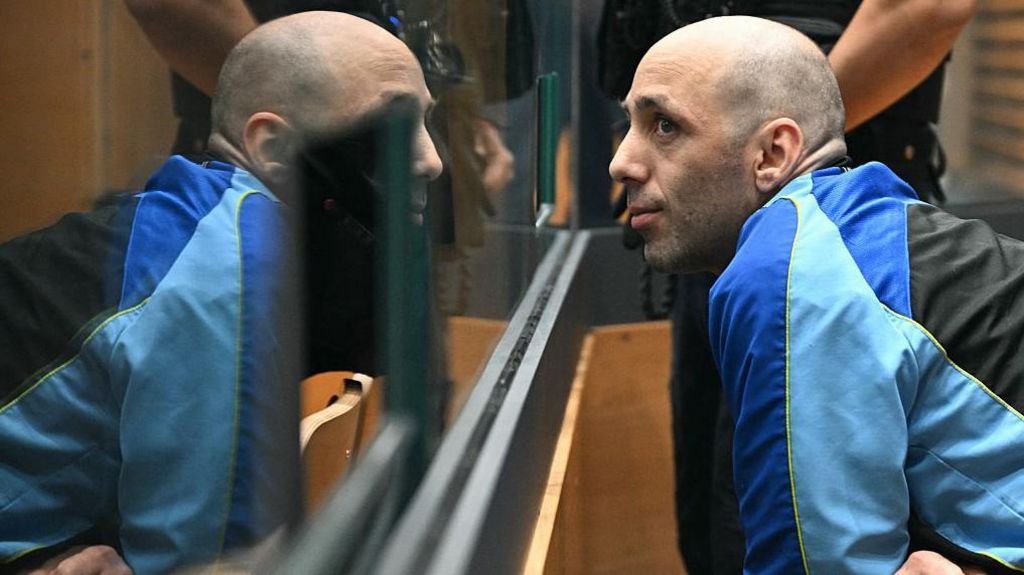
France transfixed by murder trial without a body
The trial of Cédric Jubillar, a 38-year-old painter-decorator accused of murdering his wife Delphine nearly five years ago, has gripped France as it opened on Monday. The case, shrouded in mystery due to the absence of the victim’s body, has become a social media sensation, with self-proclaimed investigators forming countless chat groups to exchange theories and testimonies. This has frustrated both the police and the families involved. Psychoanalyst Patrick Avrane likened these groups to a ‘bistro counter – but with more people,’ where everyone constructs their own theory. The Jubillar mystery began during the height of the Covid lockdown in December 2020 when Cédric reported his wife missing. Delphine, a 33-year-old night nurse, was in a troubled marriage with Cédric, who was a habitual cannabis user and barely held down a job. The couple, who had two young children, were discussing divorce, and Delphine was in a relationship with another man. Despite extensive searches in the surrounding countryside, Delphine’s body was never found. However, a case was gradually built against Cédric, leading to his detention in mid-2021. The prosecution argues that Cédric had a clear motive due to their impending split, while the defense will question the credibility of key witnesses, including a former cellmate and a former girlfriend who claim Cédric confessed to the murder. The trial, expected to last four weeks, will hear from 65 witnesses and 11 experts, with over 16,000 pages of evidence compiled. Writer Thibault de Montaigu compared the case to a ‘novel by Georges Simenon,’ highlighting the central question: how could a man described as a ‘red-eyed, fuzzy-brained guy who smoked ten joints a day’ have carried out the perfect crime? The court will ultimately decide whether Cédric is a ‘genius bluffer, lucky fool, or poor innocent.’